Gonzalez & Waddington aggressively defend service members worldwide by taking immediate control of military investigations, challenging unlawful command influence, and forcing accountability from CID, NCIS, OSI, and CGIS at every stage of a case.
We bring deep experience in courts-martial, administrative separations, Boards of Inquiry, and serious UCMJ allegations, tailoring strategy to the unique command climate and jurisdictional realities of each installation. Speak directly with a military defense lawyer today by calling Gonzalez & Waddington at 1-800-921-8607.
Gonzalez & Waddington aggressively defend service members stationed at the bases listed below and worldwide. We represent Soldiers, Sailors, Airmen, Marines, Guardians, and Coast Guard members facing courts-martial, Article 15 or Captain’s Mast proceedings, administrative separation boards, CID, NCIS, OSI, and CGIS investigations, security clearance suspensions, and career-threatening command actions. When your rank, retirement, and reputation are on the line, we step in early, move fast, and fight strategically to protect your future.
If you or a loved one are facing a military investigation, court-martial, Article 15 or NJP, administrative separation, Board of Inquiry, or other adverse command action, early legal intervention can significantly affect the outcome. Gonzalez & Waddington are experienced civilian military defense lawyers representing service members worldwide, with a practice focused on defending against serious UCMJ charges, administrative actions, and career-threatening investigations across every branch of the armed forces. Speak directly with a military defense lawyer today. Call Gonzalez & Waddington at 1-800-921-8607 to discuss your case and take immediate steps to protect your rights, career, and future.
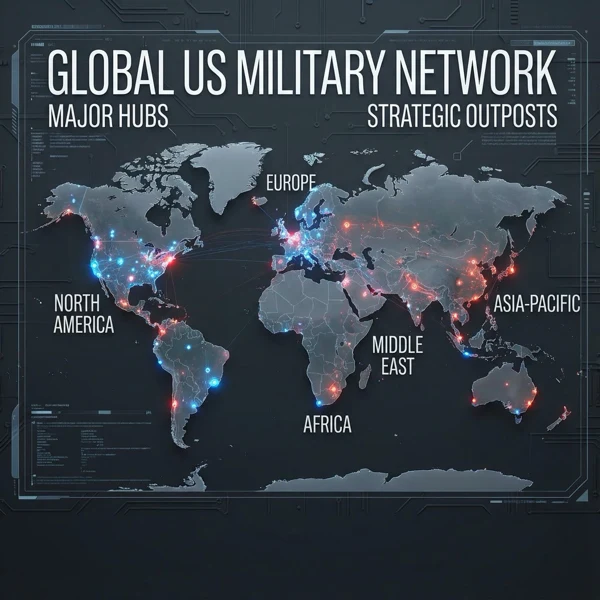
This comprehensive index provides direct access to in-depth legal and operational guides for U.S. military bases and installations worldwide. It covers Army posts, Air Force and Space Force installations, Navy and Marine Corps bases, Coast Guard stations, joint bases, and overseas or expeditionary locations where U.S. forces operate. Each location links to detailed, service-specific information designed to help service members understand the legal, administrative, and command environment at their assigned base.
Army |
Air Force |
Space Force |
Navy |
Marine Corps |
Coast Guard |
Joint Bases |
Overseas & Expeditionary |
US States |
Foreign Countries
Our experienced military defense lawyers provide comprehensive support for service members facing administrative boards, UCMJ charges, and investigations. We fight to protect your career, rights, and future.

