Fort Belvoir Army Court-Martial & UCMJ Defense Lawyers
Michael Waddington and Alexandra Gonzalez-Waddington of Gonzalez & Waddington are civilian defense counsel representing Army service members at Fort Belvoir, Virginia in courts-martial, Article 15 and NJP proceedings, GOMOR rebuttals, administrative separation boards, Boards of Inquiry, and security clearance reviews.
Gonzalez & Waddington takes on CID investigators and commands on behalf of soldiers assigned to Fort Belvoir’s intelligence, logistics, cyber, and interagency organizations — including INSCOM, ARCYBER, DLA, NGA, and DTRA. The firm travels to Fort Belvoir and represents service members worldwide, handling the full range of CID-initiated investigations and command-directed inquiries typical of a major defense-support installation.
Fort Belvoir cases frequently involve Article 120 sexual assault allegations, domestic violence, fraud, false official statements, DUI, and drug offenses. Evidence routinely extends beyond a standard military police report to include government computer records, badge and access logs, workplace messages, contractor witnesses, and off-base law enforcement reports from Fairfax County, Alexandria, Arlington, and Washington, D.C. — and a single allegation can threaten rank, clearance, and retirement.
Contact Gonzalez & Waddington at 1-800-921-8607 for a free, confidential consultation about your Fort Belvoir case.
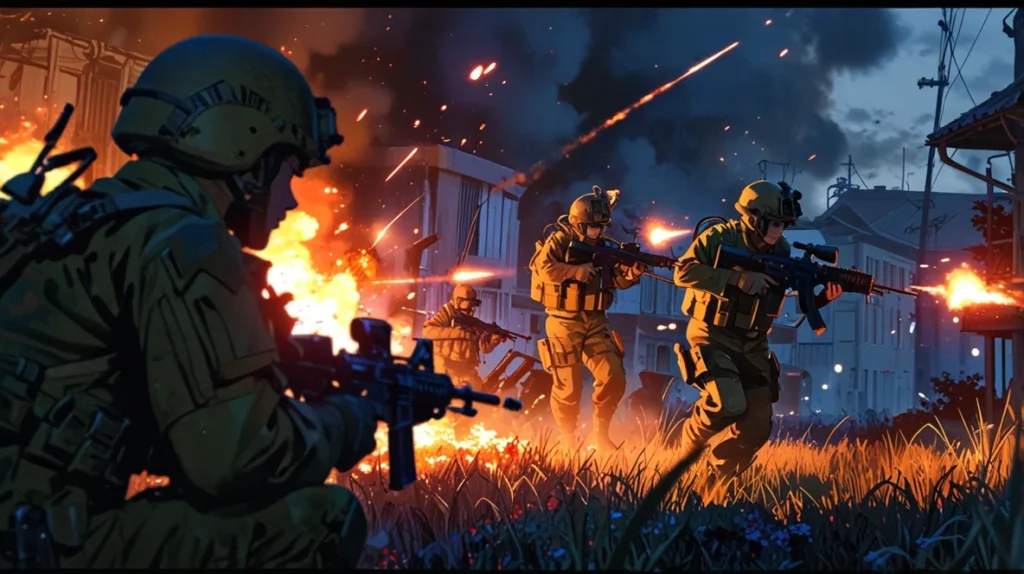
Fort Belvoir Military Defense Lawyers | UCMJ Court-Martial Defense
Fort Belvoir is a major Army installation in Northern Virginia, located along the Potomac River near Alexandria, Fairfax County, Washington, D.C., and the National Capital Region. Service members stationed at Fort Belvoir can face UCMJ investigations that begin on base, off base, in housing, in secure workspaces, during travel, or through command-directed inquiries.
Fort Belvoir is not a traditional combat post. It supports Department of War agencies, logistics commands, engineering missions, intelligence-related organizations, medical facilities, and joint military activity. A single allegation can affect rank, clearance, assignment, retirement, and future service.
Fort Belvoir Military Defense Lawyers | Civilian Court-Martial Attorneys
Gonzalez & Waddington defends service members stationed at Fort Belvoir in serious UCMJ investigations, courts-martial, Article 15/NJP actions, GOMOR rebuttals, letters of reprimand, administrative separation boards, Boards of Inquiry, and security clearance matters.
Fort Belvoir is a unique military legal environment. The installation includes military personnel, government civilians, contractors, senior commands, logistics agencies, intelligence-related missions, medical facilities, and secure workspaces. That mix affects how investigations begin and what evidence may matter.
Cases at Fort Belvoir may involve Article 120 allegations, domestic violence, assault, DUI, drug allegations, fraud, false official statements, digital evidence, clearance concerns, off-base police reports, or command-directed investigations. If you are under investigation, do not wait for the command’s theory to harden. Call Gonzalez & Waddington at 1-800-921-8607 or text 954-799-4019 to request a confidential consultation.
Civilian Military Defense for Service Members at Fort Belvoir, Virginia
Fort Belvoir is one of the most important military installations in the Washington, D.C. region. It supports Army, joint, Department of War, logistics, engineering, medical, and intelligence-related missions.
This matters in a military defense case. Allegations at Fort Belvoir may involve more than a command witness and a police report. They may involve secure facilities, civilian employees, contractors, digital systems, access records, clearance concerns, and off-base law enforcement in Northern Virginia.
A service member stationed at Fort Belvoir may face a court-martial, Article 15, GOMOR, administrative separation, Board of Inquiry, command investigation, or security clearance review. Early defense action can help preserve evidence, protect statements, and prevent the case from being shaped by one-sided assumptions.
Why Fort Belvoir Cases Are Different
Fort Belvoir is not built around one combat brigade or one training pipeline. It is a broad defense-support installation. Its mission environment includes logistics, engineering, intelligence support, medical care, cyber-related work, and national security operations.
That mission mix can change the evidence in a UCMJ case. A Fort Belvoir case may involve:
- Command witnesses and military law enforcement records
- Civilian employees or contractor witnesses
- Government computer records and digital communications
- Security clearance concerns
- Access logs, badge records, emails, or workplace messages
- Local police reports from Fairfax County, Alexandria, Arlington, Prince William County, or Washington, D.C.
- Medical records from Fort Belvoir Community Hospital or local civilian providers
The defense must identify what evidence exists and where it is stored. In many cases, the most important records are not in the initial investigative file.
Fort Belvoir History and Mission
Fort Belvoir has deep roots in Virginia history. The land was once connected to the Belvoir plantation and the Fairfax family. The Army acquired the property in 1917 during World War I.
The installation was first known as Camp Humphreys. It served as an engineer training center for the Army Corps of Engineers. In 1935, it was renamed Fort Belvoir.
During World War II, Fort Belvoir expanded as an engineer training and logistics site. Over time, its mission changed. Today, Fort Belvoir is a major defense hub that supports national security, logistics, engineering, intelligence, medical, and interagency missions.
This history matters because Fort Belvoir is different from a post focused mainly on combat training. Many cases involve office environments, technical records, classified or sensitive work, civilian witnesses, and professional reputation concerns.
Major Commands, Agencies, and Mission Areas at Fort Belvoir
Fort Belvoir hosts a wide range of commands and agencies. Many are tied to national defense, logistics, engineering, intelligence, and joint operations.
Important Fort Belvoir mission areas include:
- Defense Logistics Agency: Global logistics and supply support for military operations.
- U.S. Army Corps of Engineers: Engineering, infrastructure, construction, and environmental missions.
- National Geospatial-Intelligence Agency: Geospatial intelligence and national security support.
- Defense Threat Reduction Agency: Work connected to weapons of mass destruction threats and related defense missions.
- Joint Personnel Recovery Agency: Support for personnel recovery operations.
- Fort Belvoir Community Hospital: Medical care and healthcare-related military operations.
These organizations can create complex UCMJ issues. A case may involve classified or sensitive information, government systems, official records, travel claims, workplace messages, medical records, or allegations made by civilian employees or contractors.
Fort Belvoir, Fairfax County, Alexandria, and the National Capital Region
Fort Belvoir sits in one of the busiest legal and military environments in the country. Service members may live or work near Alexandria, Springfield, Lorton, Mount Vernon, Fairfax, Woodbridge, Arlington, or Washington, D.C.
That local setting matters. A service member may be arrested off base, questioned by local police, involved in a domestic call, stopped for DUI, or accused after an incident in a hotel, apartment, rideshare, restaurant, or workplace. The command can still take action under the UCMJ.
Local evidence may come from many sources. It may include police body-camera video, 911 calls, hotel records, text messages, rideshare data, apartment surveillance, workplace emails, phone extractions, and civilian witness statements.
A Fort Belvoir defense strategy must account for both military and civilian systems. A civilian case may be pending in Virginia while the command separately considers Article 15, GOMOR, administrative separation, Board of Inquiry, clearance action, or court-martial.
How Local Fort Belvoir Incidents Can Become Military Legal Problems
The following examples are hypothetical. They are not claims about any actual Fort Belvoir case, command, person, or event. They show how local facts can matter when a service member stationed at Fort Belvoir is accused of misconduct.
- Hypothetical Fairfax County DUI: A service member is stopped after dinner or drinks in Alexandria, Lorton, Arlington, or Fairfax County. The civilian DUI case may trigger command action, a GOMOR, Article 15, driving restrictions, clearance review, or separation processing.
- Hypothetical off-base domestic call: A family argument at an apartment or rental home leads to a 911 call. The command may issue a no-contact order and consider Article 128b, adverse paperwork, or administrative separation.
- Hypothetical Article 120 allegation: A hotel stay, apartment gathering, dating-app encounter, or workplace relationship leads to a sexual assault or abusive sexual contact allegation. Digital evidence and witness timelines may become central to the case.
- Hypothetical workplace complaint: A complaint inside a mixed military-civilian office involves emails, Teams messages, texts, civilian coworkers, contractors, rank dynamics, and command pressure.
- Hypothetical clearance-sensitive allegation: A service member in a sensitive billet is accused of dishonesty, drug use, domestic violence, financial misconduct, foreign contact issues, or misuse of government systems.
- Hypothetical fraud or property case: A case involves travel claims, government property, purchase cards, BAH, official records, or alleged false statements.
- Hypothetical digital evidence case: Investigators rely on texts, screenshots, social media, phone extractions, metadata, deleted messages, or incomplete digital records.
Military Law Issues for Service Members at Fort Belvoir
Fort Belvoir service members may face court-martial charges, Article 32 preliminary hearings, Article 15/NJP actions, GOMORs, letters of reprimand, administrative separation boards, Boards of Inquiry, command investigations, and security clearance reviews.
Article 120 sexual assault and abusive sexual contact allegations may involve off-base apartments, hotels, dating apps, alcohol, delayed reports, text messages, social media, phone extractions, and civilian witnesses. These cases often turn on credibility, consent, intoxication, timing, and digital evidence.
Domestic violence and assault cases may involve civilian police reports, 911 calls, body-camera footage, medical records, photographs, protective orders, Family Advocacy records, and text messages. Even if the civilian case is reduced or dismissed, the command may still pursue administrative or UCMJ action.
Drug and alcohol cases can also threaten a Fort Belvoir career. A positive urinalysis, prescription issue, DUI, drunk-and-disorderly allegation, or off-base incident can lead to adverse paperwork, Article 15, separation processing, or clearance concerns.
Fraud, larceny, false official statement, cyber misconduct, and property-related allegations may be especially serious at Fort Belvoir. These cases may involve government records, travel cards, official claims, digital systems, contractor witnesses, or secure workplaces.
Under Investigation at Fort Belvoir? Know These Rules First
Army CID wants to talk to you. An interview request from the Department of the Army Criminal Investigation Division (CID) at Fort Belvoir is evidence collection, not a chance to clear things up. Article 31(b) of the UCMJ requires investigators to tell you what you are suspected of and that you have the right to remain silent before they question you, and you can ask for a lawyer before answering anything. Exercising those rights cannot be used as evidence against you.
Being titled is not the same as being charged. Investigators can title a service member and index the name in the Defense Central Index of Investigations on only "credible information." The case may go nowhere, yet the entry can resurface years later in background investigations and clearance reviews, so how the investigation is handled from the start matters.
Your commander may not be the one deciding. Covered offenses such as sexual assault, domestic violence, stalking, kidnapping, murder, child pornography and (since 2025) sexual harassment are now controlled by an independent Office of Special Trial Counsel, which decides whether charges are preferred and referred. Other allegations at Fort Belvoir still go through the chain of command.
Domestic violence allegations. Article 128b covers violence against a spouse, intimate partner or family member, and an allegation of strangulation or suffocation can be charged as aggravated assault even without a visible injury. A qualifying conviction can also trigger the federal firearms ban under the Lautenberg Amendment, which can end a career that requires carrying a weapon.
Drug allegations. Marijuana may be legal for adults under Virginia law, but it remains prohibited for service members under Article 112a of the UCMJ, on post and off. A positive urinalysis is serious but contestable: the chain of custody, the testing process and innocent ingestion can all be challenged, and the government must prove the use was knowing and wrongful.
Pay and allowance allegations. BAH and other allowance cases are usually charged as larceny under Article 121 or as frauds against the United States under Article 124. An overpayment by itself is not a crime: the government must prove you intended to steal or defraud, and many of these cases begin as paperwork errors.
If you are under investigation at Fort Belvoir, talk to a military defense lawyer before you make any statement. Call Gonzalez & Waddington at 1-800-921-8607.
Why Early Defense Action Matters at Fort Belvoir
Military investigations often begin before charges are preferred. By the time a service member learns the case is serious, investigators may already have collected statements, reviewed messages, and shaped the command’s view of the facts.
Early defense action can help protect the service member from damaging statements. It can also help preserve favorable evidence before it disappears.
A civilian military defense lawyer can work to identify weak assumptions, missing records, unreliable witnesses, and legal issues involving searches, statements, and digital evidence.
At Fort Belvoir, early action may be especially important because cases can involve sensitive missions, civilian employees, contractors, and security clearance concerns.
Civilian Military Defense Counsel Working With Detailed Military Defense Counsel
A service member facing court-martial generally has the right to detailed military defense counsel. Civilian military defense counsel does not replace detailed military counsel. Civilian counsel can work alongside the detailed military lawyer.
Civilian counsel can bring independent investigation, family communication, digital evidence review, witness preparation, cross-examination strategy, and continuity outside the command structure.
At Fort Belvoir, civilian defense counsel may need to review evidence from multiple sources. These may include CID reports, OSI reports, NCIS reports, local police records, command emails, phone extractions, text messages, workplace communications, access records, medical records, security clearance documents, 911 calls, protective order filings, and adverse administrative paperwork.
Gonzalez & Waddington represents service members worldwide in serious military cases. The firm defends clients in courts-martial, Article 120 cases, Article 128 and 128b cases, CSAM and online sting cases, CID, NCIS, OSI, and CGIS investigations, Article 15/NJP actions, Boards of Inquiry, administrative separations, GOMOR rebuttals, security clearance matters, violent offenses, fraud cases, national security matters, and classified cases.
Quick Answer: Military Defense Lawyers for Fort Belvoir
Service members stationed at Fort Belvoir can face military consequences from both on-base and off-base allegations. Cases may involve Fort Belvoir, Fairfax County, Alexandria, Arlington, Lorton, Woodbridge, Washington, D.C., and the National Capital Region.
A civilian military defense lawyer can work alongside detailed military defense counsel in courts-martial, Article 120 cases, Article 15/NJP matters, GOMOR rebuttals, administrative separations, Boards of Inquiry, security clearance matters, and command investigations.
Because Fort Belvoir is a major defense-support installation, defense strategy should account for command pressure, local civilian court exposure, digital evidence, clearance concerns, contractor witnesses, civilian employees, and long-term military career consequences.
Michael Waddington and Alexandra Gonzalez-Waddington provided exceptional representation during one of the most serious and stressful professional challenges of my military career.
Prior results do not guarantee a similar outcome. Every case is different.
Fort Belvoir Military Defense FAQ
Can Soldiers stationed at Fort Belvoir hire a civilian lawyer?
Yes. Service members have the right to both military defense counsel and civilian defense counsel. Civilian counsel can assist during investigations, Article 32 hearings, courts-martial, Article 15 proceedings, administrative separations, Boards of Inquiry, and rebuttals to adverse paperwork.
What types of cases go to court-martial at Fort Belvoir?
Serious UCMJ cases may include Article 120 allegations, assault, domestic violence, drug offenses, fraud, false official statements, orders violations, cyber misconduct, and other felony-level military charges.
Do CID investigations occur before charges are filed?
Yes. Investigations often begin long before charges are preferred. Investigators may request interviews, collect witness statements, search devices, and review digital evidence before a service member fully understands the risk.
Can a civilian arrest near Fort Belvoir affect my military career?
Yes. A civilian arrest or police report in Fairfax County, Alexandria, Arlington, Prince William County, or Washington, D.C. can lead to command action. The command may consider Article 15, GOMOR, administrative separation, Board of Inquiry, clearance review, or court-martial.
Can a Fort Belvoir officer face a Board of Inquiry after an off-base allegation?
Yes. Officers may face a Board of Inquiry or show-cause action after allegations involving misconduct, civilian arrest, domestic violence, sexual misconduct, dishonesty, loss of confidence, security concerns, or conduct unbecoming.
Can Fort Belvoir commanders take action before civilian charges are resolved?
Yes. The military does not always wait for civilian courts. A command may issue adverse paperwork, impose restrictions, initiate Article 15 proceedings, or begin separation action while the civilian case is still pending.
Army CID wants to interview me at Fort Belvoir. Do I have to talk to them?
No. Article 31(b) of the UCMJ requires investigators to tell you what you are suspected of and that you have the right to remain silent, and you can ask for a lawyer before answering anything. An interview is evidence collection, and Army CID can title you as a subject on a low "credible information" standard that can follow you into background and clearance checks even if the case is dropped. Politely decline, ask for counsel, and call a military defense lawyer before you say anything.
Why Gonzalez & Waddington for Fort Belvoir Military Defense Cases
Gonzalez & Waddington, LLC is a civilian military defense law firm representing service members worldwide. The firm focuses on military criminal defense, court-martial litigation, UCMJ investigations, administrative separation boards, Boards of Inquiry, GOMOR rebuttals, Article 15/NJP matters, sexual assault defense, violent offense defense, cyber and digital-evidence cases, and other high-stakes military legal matters.
Michael Waddington is a former Army officer and former Army JAG. He has served as an Army Trial Defense Counsel, Senior Defense Counsel, Army prosecutor, Special Assistant United States Attorney, and Chief of Military Justice. He has more than 25 years of military defense experience and is admitted to all U.S. military trial courts worldwide.
Alexandra González-Waddington is a founding partner, former public defender, and experienced military defense lawyer. She is admitted to all U.S. military trial courts worldwide and has defended service members in sexual assault, violent crime, war crimes, murder, classified-information, domestic violence, and white-collar cases.
For Fort Belvoir service members, that background matters. Cases at this installation may involve sensitive missions, civilian agencies, contractors, digital records, local Virginia evidence, clearance concerns, command pressure, and serious UCMJ allegations.
Talk to a Civilian Military Defense Lawyer Serving Fort Belvoir
If you are stationed at Fort Belvoir and are under investigation, do not wait. Get legal guidance before making statements or submitting paperwork that may be used against you later.
Gonzalez & Waddington can work alongside detailed military defense counsel. The firm can help review the evidence, preserve favorable information, prepare for command decisions, and build a defense strategy that accounts for both the military case and the local Northern Virginia environment.
Call Gonzalez & Waddington at 1-800-921-8607 or text 954-799-4019 to request a confidential consultation. No attorney can guarantee a result. The goal is to intervene early, protect your rights, and make informed decisions before the command or prosecution theory hardens.
Related Military Legal Guides
Nearby and Related Military Bases
Aggressive Criminal Defense Lawyers
This video explains what your rights are and how experienced criminal defense lawyers can make a difference.






Facing a military investigation, UCMJ allegation, or serious criminal charge? Gonzalez & Waddington provides trial-focused defense for high-stakes cases. Call 1-800-921-8607 or text 954-799-4019 for a confidential, no-cost consultation.