Tennessee Military Defense Lawyers | UCMJ Court-Martial Defense
Gonzalez & Waddington defends Army, Air Force, National Guard, and Reserve service members across Tennessee — including at Fort Campbell, Arnold Air Force Base, McGhee Tyson Air National Guard Base, and Volunteer Training Site Smyrna — in courts-martial, UCMJ investigations, and military administrative proceedings.
Attorneys Michael Waddington and Alexandra Gonzalez-Waddington are relentless civilian counsel for service members facing investigations and courts-martial anywhere in Tennessee. They travel to represent clients statewide and worldwide. CID, OSI, NCIS, and CGIS all operate in Tennessee, and cases range from Article 120 sexual assault and domestic violence to drug offenses, fraud, and security-clearance matters.
Tennessee is not a single installation — it encompasses high-tempo Army Air Assault and special operations at Fort Campbell near Clarksville, classified aerospace testing at Arnold AFB in Coffee County, air refueling operations at McGhee Tyson near Alcoa, and National Guard and Reserve duty across Nashville, Smyrna, Knoxville, Memphis, and Chattanooga, where off-post conduct, civilian police agencies, and multiple commands frequently intersect in the same case.
Contact Gonzalez & Waddington at 1-800-921-8607 for a free, confidential consultation with civilian military defense lawyers who defend service members throughout Tennessee and worldwide.
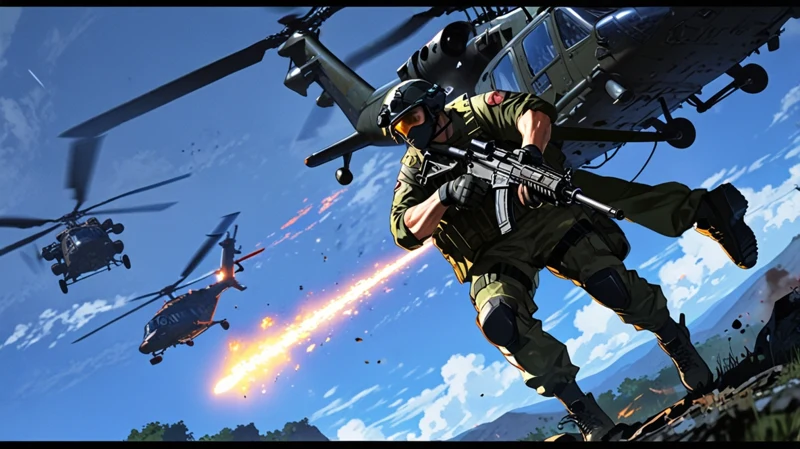
Tennessee | Military Legal Guide
Tennessee is a major military state with high-tempo Army aviation, Air Assault, special operations support, aerospace testing, Air National Guard, Army National Guard, Reserve, recruiting, and training missions. Service members stationed, drilling, mobilizing, training, or working in Tennessee may be assigned to Fort Campbell, Arnold Air Force Base, Arnold Engineering Development Complex, McGhee Tyson Air National Guard Base, Volunteer Training Site Smyrna, Tennessee Army National Guard units, Tennessee Air National Guard units, Reserve commands, recruiting commands, and other military-connected organizations.
Tennessee military cases may involve:
- Fort Campbell and the 101st Airborne Division (Air Assault)
- Army aviation, Air Assault training, rapid deployment, and combat readiness missions
- 5th Special Forces Group, 160th Special Operations Aviation Regiment, and high-visibility support environments
- Arnold Air Force Base and Arnold Engineering Development Complex testing missions
- McGhee Tyson Air National Guard Base and 134th Air Refueling Wing operations
- Tennessee Army National Guard and Air National Guard duty-status issues
- Clarksville, Nashville, Tullahoma, Knoxville, Memphis, Chattanooga, Murfreesboro, Smyrna, and other local civilian evidence
- CID, OSI, NCIS, CGIS, Security Forces, military police, and command-directed investigations
Civilian Court-Martial Attorneys for Service Members in Tennessee
Gonzalez & Waddington defends service members stationed in Tennessee in serious UCMJ matters. The firm handles courts-martial, Article 15/NJP actions, GOMOR and letter of reprimand rebuttals, administrative separation boards, Boards of Inquiry, security clearance matters, and military criminal investigations worldwide.
Tennessee cases are not all alike. A Fort Campbell case may involve the 101st Airborne Division, barracks witnesses, deployment timelines, command pressure, domestic calls in Clarksville, nightlife evidence from Nashville, or digital evidence from a dating-app allegation. An Arnold AFB case may involve classified or sensitive testing programs, government computers, procurement records, contractor witnesses, technical data, or security-clearance concerns. A Tennessee National Guard case may turn on whether the service member was in Title 10, Title 32, state active duty, drill status, annual training, AGR, ADOS, or civilian status when the alleged conduct occurred.
If you are accused of Article 120 sexual assault or any other UCMJ offense in Tennessee, do not wait for the command’s theory to harden. This includes abusive sexual contact, domestic violence, assault, DUI, drug misconduct, fraud, larceny, false official statement, travel-card allegations, orders violations, harassment, stalking, threats, weapons misconduct, training misconduct, aviation misconduct, classified-information issues, and digital-evidence cases.
Call Gonzalez & Waddington at 1-800-921-8607 or text 954-799-4019 to request a confidential consultation with civilian military defense lawyers who defend service members worldwide.
Civilian Military Defense for Tennessee Service Members
Tennessee’s military environment is shaped by combat units, aviation missions, aerospace testing, Guard readiness, Reserve operations, and major civilian communities near military installations.
Fort Campbell serves as a major projection platform and training center for Army Air Assault operations. It is home to the 101st Airborne Division (Air Assault), 5th Special Forces Group (Airborne), 160th Special Operations Aviation Regiment (Airborne), 52nd Ordnance Group, medical and dental activities, and other major commands. See the U.S. Army 101st Airborne Division page and the Fort Campbell 101st Airborne Division page.
Arnold Air Force Base is home to Arnold Engineering Development Complex. AEDC operates more than 90 aerodynamic and propulsion wind tunnels, rocket and turbine engine test cells, environmental chambers, arc heaters, ballistic ranges, sled tracks, centrifuges, and other specialized test facilities. See the Arnold Engineering Development Complex fact sheet.
McGhee Tyson Air National Guard Base is home to the 134th Air Refueling Wing of the Tennessee Air National Guard. The wing supports air refueling and global mobility missions. See the 134th Air Refueling Wing About Us page.
The Tennessee Army National Guard has more than 10,700 soldiers and supports state and federal missions. See the Tennessee Army National Guard page.
That mix creates a demanding military justice environment. A Tennessee military defense lawyer must account for command structure, mission sensitivity, local civilian evidence, duty status, digital evidence, security clearance risk, and long-term career consequences.
Fort Campbell Military Defense Lawyers
Fort Campbell is one of the most important Army installations in the United States. It sits on the Tennessee-Kentucky border. Many service members assigned there live, train, shop, socialize, and raise families in Clarksville, Oak Grove, Hopkinsville, Nashville, Dover, Springfield, and surrounding communities.
Fort Campbell cases may involve:
- 101st Airborne Division soldiers
- Air Assault training environments
- Combat aviation units
- Infantry brigades
- Division artillery and sustainment units
- Special operations aviation personnel
- Explosive ordnance disposal personnel
- Medical, dental, logistics, intelligence, military police, and support units
Legal cases at Fort Campbell often move quickly because commands are tied to readiness, deployment cycles, training events, leadership expectations, and unit cohesion. A single allegation may affect duty position, deployment status, security clearance, promotion, reenlistment, retirement, and reputation inside the unit.
Common Fort Campbell allegations include:
- Article 120 sexual assault and abusive sexual contact
- Domestic violence under Article 128b
- Assault and aggravated assault
- DUI and alcohol-related incidents in Clarksville or Nashville
- Drug use, possession, distribution, or positive urinalysis cases
- False official statements to CID, commanders, MPs, or investigators
- Travel-card misuse, BAH fraud, larceny, and financial misconduct
- Orders violations, no-contact order violations, and barracks misconduct
- Weapons misconduct, threats, harassment, stalking, and digital evidence cases
101st Airborne Division and Air Assault Case Issues
The 101st Airborne Division is a high-tempo organization. Soldiers may train, deploy, attend schools, rotate through exercises, conduct field operations, and work in close-knit teams. That environment can affect both the allegation and the defense.
A 101st case may involve:
- Deployment timelines
- Air Assault school records
- Barracks witnesses
- Range and field training schedules
- Leave and pass records
- Unit group chats
- Command emails
- Military protective orders
- Medical readiness records
- Behavioral health or Family Advocacy records
These cases often require quick evidence preservation. Soldiers PCS. Units deploy. Witnesses rotate. Texts are deleted. Snapchat messages disappear. Bar video may be overwritten. Hotel records may be lost. The defense must act before evidence disappears and before command assumptions become fixed.
Clarksville Military Defense Lawyers for Fort Campbell Soldiers
Clarksville is the civilian community most closely tied to Fort Campbell. Many soldiers live in Clarksville apartments, houses, and neighborhoods. Many off-post incidents begin in Clarksville restaurants, bars, parking lots, hotels, gyms, stores, and residential areas.
Clarksville-related military cases may involve:
- Clarksville Police Department reports
- Montgomery County court records
- 911 calls and body-camera footage
- Domestic assault reports
- Protective orders
- DUI traffic stops
- Hotel and apartment security video
- Rideshare records
- Phone location data
- Witnesses from local businesses
A civilian case in Clarksville can move on one track while the command separately considers military action. A reduced civilian charge does not automatically stop a GOMOR, Article 15, separation board, Board of Inquiry, or court-martial.
Nashville Military Defense Lawyers for Tennessee UCMJ Cases
Nashville is a frequent location for off-duty military incidents involving Fort Campbell soldiers, Guard members, Reserve personnel, and service members traveling for training or TDY.
Nashville cases may involve:
- Broadway nightlife
- Music Row hotels
- Downtown bars and restaurants
- Concert venues and sporting events
- Bachelorette-party and tourist witnesses
- Rideshare records
- Hotel key-card data
- Private security footage
- Metro Nashville Police Department reports
- Davidson County court records
Article 120 allegations, assault claims, alcohol-related incidents, disorderly conduct allegations, drug accusations, and false statement cases may all arise from Nashville events. The defense must look beyond the first police report. Phone data, receipts, videos, witness timelines, and digital communications may tell a different story.
Arnold Air Force Base and AEDC Military Defense Lawyers
Arnold Air Force Base near Tullahoma is unlike a normal Air Force base. It supports testing, engineering, research, aerospace development, and sensitive national defense missions through Arnold Engineering Development Complex.
Arnold AFB and AEDC cases may involve:
- Classified or controlled technical information
- Government computers and networks
- Engineering data
- Contractor witnesses
- Testing schedules
- Access logs
- Procurement records
- Official emails
- Security clearance reporting
- Technical misunderstandings treated as misconduct
Common Arnold AFB case issues include:
- False official statements
- Government computer misuse
- Classified-information allegations
- Improper disclosure or mishandling allegations
- Contracting, fraud, or procurement-related investigations
- Travel-card and TDY allegations
- Workplace misconduct
- Domestic violence or DUI incidents in Tullahoma, Manchester, Winchester, or Murfreesboro
A defense strategy at Arnold AFB must address both the legal allegation and the technical environment. The government may misread an engineering process, testing procedure, data-handling issue, or administrative mistake as criminal intent.
McGhee Tyson Air National Guard Base Military Defense Lawyers
McGhee Tyson Air National Guard Base near Knoxville is home to the 134th Air Refueling Wing. It also hosts the I.G. Brown Training and Education Center and aviation support elements. The base supports air mobility and refueling missions.
McGhee Tyson cases may involve:
- 134th Air Refueling Wing personnel
- KC-135 or KC-46 transition-related operations
- Air refueling mission records
- Flight-line access issues
- Maintenance records
- Security Forces reports
- Training and education center students
- Knoxville, Alcoa, Maryville, Blount County, and Knox County civilian evidence
Common McGhee Tyson allegations include:
- DUI and alcohol-related incidents
- Article 120 allegations
- Domestic violence allegations
- Drug and urinalysis cases
- False official statements
- Orders violations
- Security clearance concerns
- Travel and lodging fraud allegations
Because many Air National Guard members also hold civilian careers, a military allegation can threaten both military service and civilian employment.
Tennessee Army National Guard Military Defense Lawyers
Tennessee Army National Guard cases may involve soldiers serving in drill status, annual training, Title 10 orders, Title 32 status, state active duty, AGR status, ADOS orders, mobilization, or post-deployment status.
Cases may arise from:
- Volunteer Training Site Smyrna
- Volunteer Training Site Tullahoma
- Volunteer Training Site Milan
- Armories in Nashville, Memphis, Knoxville, Chattanooga, Jackson, Murfreesboro, and other cities
- Recruiting and retention commands
- State emergency missions
- Annual training events
- Mobilization processing
The first legal issue is often jurisdiction. Was the service member in federal status? Was the alleged conduct tied to military duty? Was the accused on orders? Was the command pursuing UCMJ action, state military discipline, or administrative action? These questions matter.
Tennessee Air National Guard Military Defense Lawyers
Tennessee Air National Guard cases may involve the 118th Wing, 134th Air Refueling Wing, 164th Airlift Wing, cyber missions, intelligence missions, air mobility, refueling, training, and support units.
Air Guard cases may involve:
- Security clearance issues
- Government systems
- Cyber allegations
- Aircrew or maintenance records
- Flight-line access
- Drug testing
- Professional conduct allegations
- Travel-card or lodging issues
- Technician employment consequences
Guard and Reserve cases often require a defense strategy that accounts for both military proceedings and civilian employment consequences.
Tennessee Civilian Courts and Military Consequences
A Tennessee civilian case does not have to end before the command takes action. A service member may face both civilian charges and military consequences.
Civilian matters may arise in:
- Montgomery County
- Davidson County
- Rutherford County
- Coffee County
- Franklin County
- Knox County
- Shelby County
- Hamilton County
- Blount County
- Christian County, Kentucky, for Fort Campbell-area cases
Military consequences may include:
- Article 15 or NJP
- GOMOR or letter of reprimand
- Military protective order
- No-contact order
- Suspension from duties
- Adverse evaluation
- Administrative separation board
- Board of Inquiry
- Security clearance suspension
- Preferral and referral of court-martial charges
The key point is practical. A civilian dismissal does not automatically stop command action. A reduced civilian charge does not automatically prevent a GOMOR or Article 15. A weak civilian case can still become a career-threatening military matter.
Sample Tennessee Military Case Scenarios
The following examples are fictional. They are not claims about any actual case, command, business, person, witness, or event. They are included to show how Tennessee-specific facts can affect military defense strategy.
- Fort Campbell / Clarksville Article 120 allegation: A 101st Airborne soldier meets another service member at a house party near Tiny Town Road in Clarksville. Alcohol is involved. Two weeks later, CID opens an Article 120 investigation. The government relies on partial screenshots, but the defense identifies deleted messages, rideshare records, and witnesses who saw the parties leave together voluntarily.
- Nashville hotel allegation: A Fort Campbell NCO travels to Nashville for a weekend on Broadway. After a night involving bars, a rideshare, and a hotel near Music Row, an Article 120 allegation is made. The defense needs hotel key-card records, lobby camera footage, Uber records, bar receipts, phone location data, and witness timelines from tourists who may soon leave Tennessee.
- Clarksville domestic violence case: A soldier and spouse argue at an off-post apartment in Clarksville. Police respond. No civilian conviction occurs. The command still issues a military protective order and initiates an Article 128b domestic violence investigation. The defense must obtain 911 audio, body-camera footage, neighbor statements, medical records, and text messages before the command acts on an incomplete version of events.
- Fort Campbell barracks assault: Two soldiers argue in the barracks after a unit event. One claims assault. Several soldiers recorded short cellphone clips, but none captured the beginning of the incident. The defense must identify witnesses who saw the first aggressor and preserve videos before they are deleted.
- 101st Airborne drug case: A soldier has a positive urinalysis after using supplements purchased from a Clarksville nutrition store. The command assumes wrongful drug use. The defense investigates supplement contamination, medication history, lab procedures, collection documents, and chain-of-custody issues.
- Air Assault school misconduct allegation: A soldier attending a training event is accused of cheating, lying, or violating instructions. The defense reviews cadre statements, grading records, training standards, camera footage, and whether command is treating a training dispute as misconduct.
- Arnold AFB classified-information concern: An Airman assigned to a technical testing program near Tullahoma is accused of mishandling controlled data. The defense must determine whether the material was actually classified, whether access rules were clear, whether the accused had authorization, and whether the issue was a technical mistake rather than a crime.
- AEDC government computer case: A service member is accused of misusing government systems. The government relies on access logs. The defense reviews user permissions, shared workstation practices, audit trails, authentication records, and whether other users had access.
- McGhee Tyson DUI case: An Air National Guard member leaves downtown Knoxville after dinner and is stopped in Alcoa. The civilian DUI case is pending. The command considers adverse paperwork, clearance reporting, loss of orders, and removal from duties before the civilian case is resolved.
- Tennessee Guard travel-card case: A Guard officer attending training in Smyrna is accused of misusing a government travel card and submitting improper lodging claims. The defense reviews orders, DTS entries, receipts, authorization emails, lodging availability, and whether the issue is administrative rather than criminal.
- Recruiting misconduct case in Memphis: A recruiter is accused of improper communications with an applicant. The defense reviews text messages, social media, recruiting logs, witness statements, and whether the alleged conduct occurred while the member was on duty or off duty.
- Chattanooga social media harassment allegation: A Reserve service member is accused of online harassment after a civilian relationship ends. The command receives screenshots. The defense reviews complete message threads, metadata, missing context, fake accounts, and whether the command has jurisdiction.
- Murfreesboro domestic call involving a Guard member: A Tennessee Army National Guard soldier faces a domestic allegation after a call to local police. The command starts separation processing even though the civilian case is unresolved. The defense must address civilian evidence, duty status, service record, and retention arguments.
- Knoxville training student allegation: A service member attending a course near McGhee Tyson is accused of misconduct at a hotel. Witnesses include students from several states. The defense must locate witnesses before they return home and preserve hotel records before they are overwritten.
- Fort Campbell false official statement case: A soldier speaks to CID without counsel and tries to explain a confusing timeline. Investigators later allege the statement was false. The defense analyzes whether the statement was actually false, whether it was material, whether the accused had intent to deceive, and whether memory, stress, alcohol, or confusion explains the difference.
Military Law Issues for Tennessee Service Members
Article 120 Sexual Assault & Abusive Sexual Contact
Article 120 cases in Tennessee may involve barracks rooms, hotels, apartments, dating apps, Broadway nightlife, Clarksville parties, training events, alcohol, delayed reports, text messages, Snapchat, Instagram, phone extractions, rideshare records, and civilian witnesses. These cases often turn on consent, credibility, intoxication, timing, motive, digital evidence, witness contamination, and command assumptions.
Domestic Violence & Assault
Domestic violence and assault cases may involve civilian police reports, 911 calls, body-camera footage, photographs, medical records, protective orders, Family Advocacy records, command no-contact orders, firearms restrictions, text messages, and neighbor statements. A civilian dismissal does not automatically stop military action.
Drug, Alcohol & Urinalysis Cases
A positive urinalysis, prescription issue, DUI, suspected distribution allegation, alcohol-related incident, or off-duty arrest may lead to adverse paperwork, separation, loss of orders, clearance consequences, or court-martial.
Fraud, Larceny, Travel Claims & Government Card Cases
Tennessee cases may involve travel cards, DTS claims, BAH questions, lodging receipts, training orders, TDY records, fuel cards, supply records, equipment, or government property. The defense must evaluate intent, documentation, authorization, witness reliability, and whether an administrative issue is being treated as a crime.
False Official Statements
False official statement allegations often arise when a service member tries to explain an incident without counsel. A statement that is incomplete, imprecise, confused, or based on poor memory may be treated as intentional deception. Early legal guidance can reduce that risk.
Security Clearance, Classified Information & Sensitive Duties
Fort Campbell, Arnold AFB, McGhee Tyson, and Tennessee Guard units may involve classified information, sensitive testing, aviation duties, cyber systems, foreign contacts, access logs, operational records, and clearance reporting. A case may threaten both military justice exposure and future access.
If You're Investigated at Tennessee: What to Know First
Before you answer military investigators's questions. Under Article 31(b) of the UCMJ, agents of military investigators (CID, OSI, NCIS or CGIS) must advise you of the suspected offense and of your right to remain silent before questioning you as a suspect. You can decline the interview and ask for counsel, and your silence cannot be used as evidence of guilt. Statements made to "explain your side" are one of the most common reasons service members at Tennessee end up charged.
Being titled is not the same as being charged. Investigators can title a service member and index the name in the Defense Central Index of Investigations on only "credible information." The case may go nowhere, yet the entry can resurface years later in background investigations and clearance reviews, so how the investigation is handled from the start matters.
Your commander may not be the one deciding. Covered offenses such as sexual assault, domestic violence, stalking, kidnapping, murder, child pornography and (since 2025) sexual harassment are now controlled by an independent Office of Special Trial Counsel, which decides whether charges are preferred and referred. Other allegations at Tennessee still go through the chain of command.
Domestic violence allegations. Article 128b covers violence against a spouse, intimate partner or family member, and an allegation of strangulation or suffocation can be charged as aggravated assault even without a visible injury. A qualifying conviction can also trigger the federal firearms ban under the Lautenberg Amendment, which can end a career that requires carrying a weapon.
Drug allegations. Article 112a of the UCMJ applies to service members at Tennessee on post and off, separately from Tennessee law. A positive urinalysis is serious but contestable: the chain of custody, the testing process and innocent ingestion can all be challenged, and the government must prove the use was knowing and wrongful.
Pay and allowance allegations. BAH and other allowance cases are usually charged as larceny under Article 121 or as frauds against the United States under Article 124. An overpayment by itself is not a crime: the government must prove you intended to steal or defraud, and many of these cases begin as paperwork errors.
If you are under investigation at Tennessee, talk to a military defense lawyer before you make any statement. Call Gonzalez & Waddington at 1-800-921-8607.
Working Alongside Detailed Military Defense Counsel
A service member facing court-martial generally has the right to detailed military defense counsel. Civilian counsel does not replace that lawyer. Civilian counsel works alongside them.
In Tennessee cases, civilian counsel may need to review:
- CID reports
- OSI reports
- NCIS or CGIS reports
- Military police records
- Local Tennessee police reports
- 911 calls and body-camera footage
- Phone extractions
- Social media records
- Hotel, rideshare, bar, and restaurant records
- Training schedules and deployment timelines
- Air Assault school records
- Flight-line or aviation records
- AEDC technical records
- Government computer logs
- DTS and travel-card records
- Protective order filings
- Family Advocacy records
- Security clearance documents
- Adverse administrative files
Gonzalez & Waddington defends service members worldwide in courts-martial, Article 120 cases, Article 128 and 128b cases, CID, NCIS, OSI, and CGIS investigations, Article 15/NJP actions, Boards of Inquiry, administrative separations, GOMOR and letter of reprimand rebuttals, security clearance matters, fraud cases, violent offenses, digital evidence cases, and serious UCMJ matters.
Quick Answer: Tennessee Military Defense Lawyers
Service members stationed in Tennessee can face military consequences from on-base allegations, off-base incidents, Fort Campbell cases, 101st Airborne Division matters, Arnold AFB investigations, McGhee Tyson Air National Guard cases, Guard and Reserve duty-status issues, civilian arrests, digital evidence, domestic calls, DUI stops, Article 120 allegations, and command investigations.
A civilian military defense lawyer can work alongside detailed military counsel in courts-martial, Article 120 cases, Article 15/NJP matters, GOMORs, letters of reprimand, administrative separation boards, Boards of Inquiry, clearance matters, and command investigations.
Because Tennessee includes Fort Campbell, Arnold AFB, AEDC, McGhee Tyson, the Tennessee National Guard, major civilian cities, and high-tempo operational missions, defense strategy should account for local courts, command pressure, duty status, digital evidence, training records, classified information, aviation records, clearance risk, and long-term military career consequences.
My husband was falsely accused, and it was an incredibly long and difficult process for our family. Throughout everything, Michael was supportive, compassionate, and always available to answer any questions or concerns we had.
Prior results do not guarantee a similar outcome. Every case is different.
Tennessee Military Defense FAQ
Can Fort Campbell soldiers hire civilian military defense counsel?
Can a Nashville or Clarksville civilian arrest affect a Fort Campbell career?
Are Arnold AFB cases different from Fort Campbell cases?
Why does duty status matter in Tennessee Guard cases?
Can command act before civilian charges are resolved?
When should I contact a Tennessee military defense lawyer?
Military investigators want to interview me at Tennessee. Do I have to talk to them?
No. Article 31(b) of the UCMJ requires investigators to tell you what you are suspected of and that you have the right to remain silent, and you can ask for a lawyer before answering anything. An interview is evidence collection, and military investigators can title you as a subject on a low "credible information" standard that can follow you into background and clearance checks even if the case is dropped. Politely decline, ask for counsel, and call a military defense lawyer before you say anything.
Why Choose Gonzalez & Waddington for Tennessee Military Defense
Gonzalez & Waddington, LLC is a civilian military defense firm representing service members worldwide. The firm is led by Michael Waddington and Alexandra González-Waddington, a husband-and-wife defense team focused on military criminal defense, court-martial litigation, UCMJ investigations, separation boards, Boards of Inquiry, GOMOR and letter of reprimand rebuttals, Article 15/NJP matters, sexual assault defense, violent offense defense, cyber and digital-evidence cases, and serious felony-level military matters.
Michael Waddington
Michael Waddington is a former Army officer and former Army JAG. He served as an Army Trial Defense Counsel, Senior Defense Counsel, Army prosecutor, Special Assistant United States Attorney, and Chief of Military Justice. He has more than 25 years of military defense experience. He is licensed in Florida, Georgia, Pennsylvania, New Jersey, and South Carolina. He is admitted to all U.S. military trial courts worldwide.
Alexandra González-Waddington
Alexandra González-Waddington is a founding partner, former public defender, and experienced military defense lawyer licensed in Florida and Georgia. She is admitted to all U.S. military trial courts worldwide. She has defended service members in sexual assault, violent crime, war crimes, murder, classified-information, domestic violence, and white-collar cases. She co-tries the firm’s cases with Michael Waddington and is bilingual in English and Spanish.
For Tennessee service members facing allegations involving Fort Campbell, the 101st Airborne Division, Arnold AFB, AEDC, McGhee Tyson, the Tennessee National Guard, CID, OSI, Article 120 allegations, Nashville or Clarksville civilian evidence, digital records, clearance issues, or serious UCMJ charges, that trial-focused background matters.
Talk to a Civilian Military Defense Lawyer Serving Tennessee
If you are stationed, drilling, mobilizing, or training in Tennessee and are under investigation or facing command action, get legal guidance before making statements or submitting paperwork that may be used against you later.
This includes situations where you are:
- Facing CID, OSI, NCIS, CGIS, Security Forces, military police, or command questioning
- Accused of Article 120 sexual assault or abusive sexual contact
- Dealing with a DUI, domestic allegation, civilian arrest, hotel incident, barracks incident, training incident, or protective order
- Accused of training misconduct, aviation misconduct, recruiting misconduct, fraud, false statements, drug misconduct, or security violations
- Receiving Article 15/NJP, a GOMOR, or a letter of reprimand
- Preparing for an administrative separation board or Board of Inquiry
- Worried about duty status, access, security clearance, federal technician employment, mobilization, deployment, promotion, retirement, or future assignments
Gonzalez & Waddington defends service members in serious military cases worldwide. The firm can work alongside detailed military counsel, review the evidence, preserve favorable information, prepare for command decisions, and build a strategy that accounts for the military case, the Tennessee military environment, local civilian courts, duty status, digital evidence, security clearance risk, and long-term career consequences.
Call Gonzalez & Waddington at 1-800-921-8607 or text 954-799-4019 to request a confidential consultation. No attorney can guarantee a result.
Helpful Tennessee Military Resources
- U.S. Army 101st Airborne Division
- Fort Campbell 101st Airborne Division
- Fort Campbell Major Units
- Arnold Air Force Base
- Arnold Engineering Development Complex
- 134th Air Refueling Wing
- Tennessee Army National Guard
Tennessee Military Bases and Installations Covered
- Fort Campbell Military Defense Lawyers
- Arnold Air Force Base Court-Martial Lawyers
- Arnold Engineering Development Complex Military Defense Lawyers
- McGhee Tyson Air National Guard Base Military Defense Lawyers
- 134th Air Refueling Wing Military Defense Lawyers
- Volunteer Training Site Smyrna Military Defense Lawyers
- Volunteer Training Site Tullahoma Military Defense Lawyers
- Volunteer Training Site Milan Military Defense Lawyers
- Tennessee Army National Guard Military Defense Lawyers
- Tennessee Air National Guard Military Defense Lawyers
- Tennessee Reserve Military Defense Lawyers
Nearby Military Installations and Regional Defense Coverage
- Kentucky Military Defense Lawyers
- Georgia Court-Martial Attorneys
- Alabama Military Defense Lawyers
- North Carolina Military Defense Lawyers
- Mississippi Military Defense Lawyers
- Virginia Military Defense Lawyers
Related Military Legal Guides
- Tennessee Court-Martial Lawyers and UCMJ Defense
- Army Military Defense Lawyers
- Air Force Military Defense Lawyers
- Global Directory of Military Bases and Locations
Aggressive Criminal Defense Lawyers
This video explains what your rights are and how experienced criminal defense lawyers can make a difference.






Facing a military investigation, UCMJ allegation, or serious criminal charge? Gonzalez & Waddington provides trial-focused defense for high-stakes cases. Call 1-800-921-8607 or text 954-799-4019 for a confidential, no-cost consultation.