Texas Military Defense Lawyers | UCMJ at Fort Hood, Bliss & JBSA
CID, OSI, and NCIS investigate Soldiers, Airmen, Sailors, Marines, and Guardians across Texas, and Gonzalez & Waddington defends them in courts-martial, administrative separation boards, and all UCMJ proceedings at every Texas installation.
Attorneys Michael Waddington and Alexandra Gonzalez-Waddington provide hard-hitting court-martial defense for service members stationed throughout Texas — from Fort Hood’s III Armored Corps and Fort Bliss’s 1st Armored Division to JBSA’s sprawling joint-base environment, Dyess AFB, Sheppard AFB, and Goodfellow AFB. They travel to Texas installations and represent service members worldwide.
Texas is the most militarily diverse state in the country, combining Army armored forces, Air Force basic and technical training, naval aviation training at NAS Corpus Christi, cyber and intelligence missions, and joint-base operations across San Antonio — meaning cases can draw evidence from CID, OSI, or NCIS files, civilian police in Killeen, El Paso, or San Antonio, and county court records from Bell, Bexar, or El Paso counties.
Contact Gonzalez & Waddington at 1-800-921-8607 for a free, confidential consultation before the command’s theory of the case solidifies.
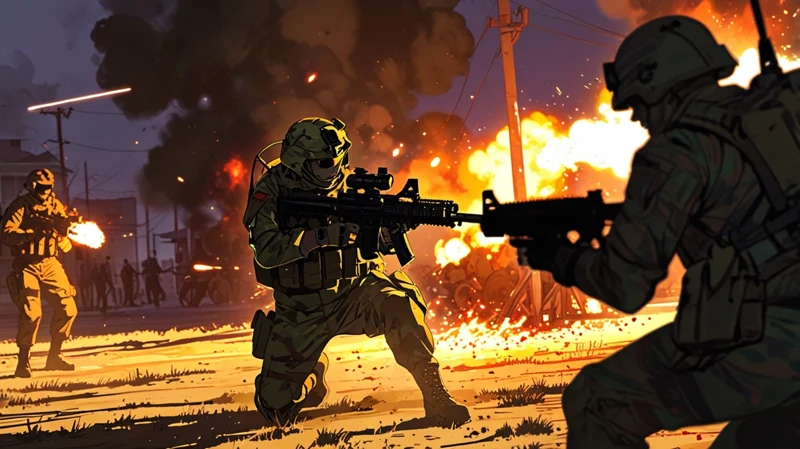
Texas | Military Legal Guide
Texas is one of the largest and most complex military justice states in the United States because it combines Army armored forces, medical training, Air Force basic training, pilot training, technical training, naval aviation, joint reserve aviation, intelligence training, cyber, depot work, border-region missions, and high-tempo deployment pipelines.
Service members in Texas may be stationed near Fort Hood, Fort Bliss, Joint Base San Antonio, Fort Sam Houston, Lackland, Randolph, Camp Bullis, NAS Corpus Christi, NAS Kingsville, NASJRB Fort Worth, Dyess AFB, Sheppard AFB, Laughlin AFB, Goodfellow AFB, Red River Army Depot, Corpus Christi Army Depot, Ellington Field, Austin, Killeen, Temple, Waco, El Paso, San Antonio, Del Rio, Wichita Falls, Abilene, San Angelo, Corpus Christi, Kingsville, Fort Worth, Dallas, Houston, Texarkana, I-10, I-20, I-35, I-37, I-45, U.S. 190, U.S. 281, U.S. 90, U.S. 277, and the Texas border region.
Texas service members may face UCMJ investigations arising from:
- Fort Hood III Armored Corps, 1st Cavalry Division, armored brigade, cavalry, aviation, sustainment, and deployment missions
- Fort Bliss 1st Armored Division, air defense artillery, desert training, and border-region operational environments
- Joint Base San Antonio-Fort Sam Houston medical, Army, joint, education, and military medicine missions
- JBSA-Lackland basic military training, security forces, cyber, intelligence, and trainee pipeline issues
- JBSA-Randolph flying training, instructor pilot, AETC, headquarters, and professional training environments
- Camp Bullis field training, medical training, security forces training, and range activity
- NAS Corpus Christi and NAS Kingsville naval aviation training missions
- NASJRB Fort Worth joint reserve aviation, Navy, Marine Corps, Air Force, and Reserve command matters
- Dyess AFB B-1, C-130, Global Strike, mobility, maintenance, and flight-line issues
- Sheppard AFB technical training and Euro-NATO Joint Jet Pilot Training environments
- Laughlin AFB undergraduate pilot training and border-region aviation cases
- Goodfellow AFB intelligence, fire protection, special instruments, and joint training missions
- Red River Army Depot and Corpus Christi Army Depot industrial, maintenance, logistics, and aviation sustainment issues
- Off-base incidents in Killeen, Harker Heights, Copperas Cove, El Paso, San Antonio, Del Rio, Abilene, Wichita Falls, San Angelo, Corpus Christi, Kingsville, Fort Worth, Dallas, Austin, Houston, and surrounding Texas counties
- DUI stops, domestic calls, hotel allegations, dating-app encounters, River Walk incidents, Sixth Street incidents, Fort Worth Stockyards incidents, beach incidents, border-region issues, civilian arrests, digital evidence, clearance concerns, gate records, access logs, travel records, command records, and Texas court matters
Civilian Court-Martial Attorneys for Texas Service Members
Gonzalez & Waddington defends service members stationed in Texas in serious UCMJ matters. We handle courts-martial, Article 15 actions, NJP matters, letters of reprimand rebuttals, administrative separation boards, Boards of Inquiry, GOMOR rebuttals, and security clearance matters.
An allegation can threaten your career before charges are preferred. This applies to Soldiers, Airmen, Sailors, Marines, Guardians, Coast Guardsmen, officers, NCOs, enlisted members, trainees, students, instructors, pilots, aircrew, maintainers, armored crewmen, artillery personnel, medics, medical providers, intelligence personnel, cyber personnel, security forces, military police, logisticians, depot personnel, Guard personnel, Reservists, and personnel assigned to Texas-based military missions.
Texas is different from a routine military state. Fort Hood is the home of III Armored Corps. The official Army Fort Hood site lists major units and tenants at Fort Hood and identifies the installation as home of III Armored Corps. See Fort Hood units and tenants.
Joint Base San Antonio is one of the largest joint base environments in the military. The official JBSA website states that JBSA includes Fort Sam Houston, Lackland, Randolph, eight other operating locations, and 266 mission partners. See Joint Base San Antonio.
Fort Bliss is home to the 1st Armored Division. The official Fort Bliss page states that the 1st Armored Division is an active armored division with approximately 17,000 Soldiers and a combat mix of tanks, artillery, attack helicopters, Bradley Fighting Vehicles, transport helicopters, and sustainment capabilities. See 1st Armored Division.
NAS Corpus Christi supports naval aviation training. The Navy states that NAS Corpus Christi has been home to naval pilot training since 1941 and that Navy, Marine Corps, Coast Guard, and foreign student pilots train there with Training Air Wing FOUR. See NAS Corpus Christi.
That changes the shape of a case. A Texas military matter may involve CID, NCIS, OSI, CGIS, Security Forces, military police, command witnesses, training records, barracks records, flight records, maintenance records, medical records, intelligence records, cyber logs, depot records, range records, access logs, gate records, Killeen police reports, El Paso police reports, San Antonio police reports, Bexar County records, Bell County records, El Paso County records, Nueces County records, Tarrant County records, Wichita County records, Tom Green County records, body-camera footage, 911 calls, hotel records, rideshare data, social media, phone extractions, command records, and clearance paperwork.
If you are accused of Article 120 sexual assault or any other UCMJ offense in Texas, do not wait for the command’s theory to harden. This includes abusive sexual contact, domestic violence, assault, DUI, drug misconduct, fraud, larceny, false official statement, orders violations, harassment, stalking, threats, online misconduct, trainee misconduct, instructor misconduct, aviation misconduct, medical misconduct, depot misconduct, border-region misconduct, misuse of government systems, travel-card issues, classified-information concerns, cyber misconduct, and security violations.
Call Gonzalez & Waddington at 1-800-921-8607 or text 954-799-4019 to request a confidential consultation with civilian military defense lawyers who defend service members worldwide.
Civilian Military Defense for Service Members in Texas
Texas military justice cases often involve mission-specific facts. Fort Hood cases can involve armored forces, cavalry units, aviation, field training, barracks life, deployment readiness, and high-pressure command environments. Fort Bliss cases can involve armored division operations, air defense artillery, desert training areas, border-region activity, deployment preparation, and large unit formations. JBSA cases can involve basic military training, medical training, cyber training, security forces training, flying training, headquarters missions, and joint medical environments.
NAS Corpus Christi and NAS Kingsville cases often involve student pilots, instructor pilots, flight records, aviation safety, training schedules, squadron communications, foreign military students, Coast Guard personnel, and naval aviation culture. Dyess cases may involve B-1, C-130, Global Strike, air mobility, flight-line, and maintenance issues. Sheppard cases can involve large technical training pipelines and the Euro-NATO Joint Jet Pilot Training environment. Laughlin cases may involve pilot training, instructor pilot conduct, student performance, and border-region law enforcement issues. Goodfellow cases may involve intelligence training, fire school issues, cyber-adjacent records, foreign students, and joint-service training.
That mission mix matters in defense cases. Texas service members may work in armored units, aviation, medical care, basic training, technical training, intelligence, cyber, aircraft maintenance, logistics, munitions, depot operations, border-region support, joint reserve aviation, naval aviation, Guard units, or Reserve commands. A case that begins as a local police report, workplace complaint, domestic call, hotel allegation, DUI stop, phone message, computer-use issue, travel-card concern, student issue, instructor issue, maintenance issue, range incident, aviation incident, or command inquiry can quickly become a career-threatening military matter.
A Texas military defense lawyer must understand more than the basic court-martial process. The defense must account for Fort Hood’s armored and deployment environment, Fort Bliss’ armored and air defense missions, JBSA’s training and medical environment, Texas naval aviation missions, Air Force pilot training, technical training, depot operations, local civilian evidence, Texas courts, digital evidence, workplace messages, training records, barracks records, access logs, flight records, classified duties, clearance risk, and the speed with which command-driven investigations turn into Article 15s, NJP, GOMORs, letters of reprimand, administrative separation boards, Boards of Inquiry, clearance reviews, or courts-martial.
Inside Fort Sam Houston: Defending Service Members at the Army's Medical Heartland
Fort Sam Houston is a U.S. Army post in San Antonio, Texas, established in 1876 and designated a National Historic Landmark in 1975. The installation's missions include serving as the command headquarters for United States Army North, United States Army South, the Army Medical Command, and the Army Medical Department Center and School. It also hosts Brooke Army Medical Center and the Medical Education and Training Campus, and trains the majority of the military's combat medics and medical professionals.
The post was formally named for General Sam Houston in 1890—hero of the Battle of San Jacinto and first president of the Republic of Texas. Fort Sam Houston is part of Joint Base San Antonio, which the Department of Defense considers its largest joint base.
The Quadrangle—constructed beginning in 1876—is the oldest structure on the post and serves as the headquarters for U.S. Army North, anchored by a distinctive clock tower. Free-roaming peacocks and deer on the Quadrangle grounds are familiar to every soldier who has served here. San Antonio itself carries the 'Military City, USA' identity honestly, placing service members within easy reach of the River Walk, the historic downtown, and a robust network of off-post dining and entertainment that has long defined the Fort Sam experience.
Sources: Fort Sam Houston – Wikipedia · Fort Sam Houston – Wikipedia · Fort Sam Houston – MyBaseGuide · Fort Sam Houston, TX: Base Guide, Units, Housing & Visitors – Military.com · Fort Sam Houston – MyBaseGuide · Fort Sam Houston, TX: Base Guide, Units, Housing & Visitors – Military.com · The Quadrangle at Fort Sam Houston: History, Wildlife, and the Heart of Military City USA – San Antonio Happens · JBSA-Fort Sam Houston Base Guide – PCS Pay It Forward
Fort Hood, Fort Bliss, Joint Base San Antonio, Texas Naval Aviation, Air Force Training Bases & Mission-Sensitive Cases
Texas is not only a large military state. It is an armored corps, medical training, aviation training, basic training, intelligence training, cyber training, air mobility, bomber, depot, reserve aviation, and border-region state. Cases may involve classified systems, range records, training data, student files, instructor notes, flight records, maintenance records, medical records, depot records, access records, and high-level command attention.
Cases may involve:
- Fort Hood records involving III Armored Corps, 1st Cavalry Division, 3rd Cavalry Regiment, armored units, cavalry units, aviation units, sustainment, field training, ranges, barracks, and deployment cycles
- Fort Bliss records involving 1st Armored Division, tanks, Bradley Fighting Vehicles, artillery, attack helicopters, transport helicopters, sustainment, air defense artillery, ranges, and border-region issues
- JBSA-Lackland records involving basic military training, Security Forces training, cyber training, intelligence training, trainee discipline, student records, instructor notes, dorm records, and training command investigations
- JBSA-Fort Sam Houston records involving military medicine, medical training, providers, patient-care records, hospital records, professional conduct, and joint medical missions
- JBSA-Randolph records involving AETC, instructor pilots, flying training, headquarters records, student progress, aviation safety, and command staff records
- Camp Bullis records involving range activity, medical field training, Security Forces training, weapons records, and safety reports
- NAS Corpus Christi and NAS Kingsville records involving Training Air Wing activity, student pilots, instructor pilots, sortie records, flight schedules, foreign students, and aviation safety
- NASJRB Fort Worth records involving joint reserve aviation, Navy, Marine Corps, Air Force, Reserve, Guard, aircraft maintenance, and unit cross-command issues
- Dyess AFB records involving B-1, C-130, aircrew, maintenance, Global Strike, mobility, security, and flight-line access
- Sheppard AFB records involving technical training, ENJJPT, student records, instructor records, maintenance training, and allied student issues
- Laughlin AFB records involving undergraduate pilot training, instructor pilot notes, student progress, sortie records, border-region issues, and aviation safety
- Goodfellow AFB records involving intelligence training, fire protection training, student records, classified duties, and joint-service training issues
- Red River Army Depot and Corpus Christi Army Depot records involving industrial maintenance, aviation sustainment, quality assurance, parts, tools, access, and contractor communications
- Security Forces records, military police records, gate logs, badge records, visitor logs, patrol reports, and restricted-area records
- Government computer use, network access, classified systems, cyber logs, and misuse-of-system allegations
- Travel-card records, TDY documents, lodging records, reimbursement issues, and government purchase-card records
- Texas National Guard records involving drill status, active-duty orders, Title 10, Title 32, annual training, and mobilization
- Government emails, Teams messages, text messages, phone records, clearance paperwork, and command records
For service members in Texas, allegations involving dishonesty, fraud, alcohol misuse, drug use, domestic violence, sexual misconduct, cyber misconduct, classified information, professional misconduct, field training misconduct, instructor misconduct, aviation misconduct, medical misconduct, depot misconduct, false statements, travel-card problems, or misuse of systems can trigger immediate concerns about trust, access, clearance eligibility, flight status, mission reliability, promotion, retention, schooling, deployment, and future assignments.
Killeen, El Paso, San Antonio, Del Rio, Wichita Falls, Abilene, Corpus Christi, Kingsville, Fort Worth & the Local Texas Setting
Fort Hood personnel may live in Killeen, Harker Heights, Copperas Cove, Temple, Belton, Nolanville, Waco, Georgetown, Round Rock, or Bell and Coryell County communities. Fort Bliss personnel may live in El Paso, Horizon City, Socorro, Anthony, Las Cruces, or Doña Ana County communities across the New Mexico line. JBSA personnel may live across San Antonio, Bexar County, Universal City, Converse, Schertz, Cibolo, Alamo Heights, Leon Valley, Helotes, New Braunfels, and surrounding Hill Country communities.
Dyess personnel may live in Abilene, Tye, Clyde, Buffalo Gap, or Taylor County. Sheppard personnel may live in Wichita Falls, Burkburnett, Iowa Park, or Wichita County. Laughlin personnel may live in Del Rio, Brackettville, Eagle Pass, or Val Verde County. Goodfellow personnel may live in San Angelo, Christoval, Wall, or Tom Green County. NAS Corpus Christi personnel may live in Corpus Christi, Flour Bluff, Portland, Rockport, Kingsville, or Nueces and Kleberg County. NASJRB Fort Worth personnel may live in Fort Worth, White Settlement, Benbrook, Weatherford, Arlington, Dallas, or Tarrant County.
The local environment matters. Texas service members may spend time near downtown Killeen, Austin’s Sixth Street and Rainey Street, Waco, El Paso’s Cincinnati Entertainment District, downtown San Antonio, the River Walk, Pearl District, Southtown, Lackland-area hotels, Fort Sam Houston-area apartments, Randolph-area suburbs, Del Rio border crossings, Lake Amistad, Wichita Falls nightlife, Abilene bars, San Angelo college areas, Corpus Christi beaches, North Beach, Padre Island, Kingsville, Fort Worth Stockyards, West 7th, Sundance Square, Dallas nightlife, Houston, rodeos, casinos across state lines, apartments, short-term rentals, airport hotels, and long interstate corridors.
Local allegations may arise from:
- DUI stops in Killeen, Harker Heights, Copperas Cove, Temple, El Paso, San Antonio, Universal City, Converse, Del Rio, Wichita Falls, Abilene, San Angelo, Corpus Christi, Kingsville, Fort Worth, Dallas, Austin, Houston, Bell County, Bexar County, El Paso County, Tarrant County, Nueces County, Wichita County, Taylor County, Tom Green County, Val Verde County, and Kleberg County
- Domestic calls in off-base housing, base housing, dorms, barracks, apartments, hotels, or temporary lodging
- Hotel, apartment, short-term rental, dorm, barracks, lodging, beach rental, college-area, downtown, border-region, or dating-app allegations
- Bar, nightclub, restaurant, concert, casino-adjacent, parking lot, River Walk, Sixth Street, Rainey Street, Stockyards, West 7th, Padre Island, Corpus Christi, El Paso, Del Rio, San Angelo, Wichita Falls, or Killeen incidents
- Traffic accidents on I-10, I-20, I-35, I-37, I-45, I-410, Loop 1604, U.S. 90, U.S. 190, U.S. 281, U.S. 277, U.S. 83, SH 195, SH 6, or local commuter routes
- Drug, prescription, urinalysis, vehicle-search, room-search, barracks-search, dorm-search, baggage-search, beach-house search, or workplace-search issues
- Texts, emails, social media, phone extractions, cloud data, location data, rideshare records, hotel records, beach rental records, border travel records, and digital evidence
- Workplace, field training, aviation, medical, intelligence, cyber, basic training, technical training, depot, security, military police, Guard, or classified-duty complaints that become command investigations
For defense purposes, local evidence matters. Body-camera footage, 911 calls, dash-camera video, booking records, hotel records, short-term rental records, key-card logs, restaurant receipts, bar tabs, beach rental records, border crossing records, airport records, toll records, parking records, phone location data, texts, rideshare records, photographs, medical records, gate records, field training records, range records, flight records, maintenance records, access logs, travel records, command records, and civilian police reports may tell a different story from the first version given to command. Early defense work can preserve evidence before it disappears.
Texas Civilian Courts, Federal Court & Military Consequences
A service member in Texas does not need to be convicted in civilian court before military consequences begin. A single civilian incident may trigger a police report, Security Forces involvement, military police involvement, CID involvement, NCIS involvement, OSI involvement, CGIS involvement, a command-directed inquiry, a no-contact order, duty suspension, access suspension, adverse paperwork, Article 15, NJP, administrative separation, Board of Inquiry, clearance review, school removal, flight-status review, or court-martial referral.
Texas civilian cases may involve municipal courts, county courts, county courts at law, district courts, district attorneys, county attorneys, city prosecutors, local police departments, sheriff’s offices, constables, and Texas Department of Public Safety. Depending on the location, civilian cases may move through Bell County, Coryell County, El Paso County, Bexar County, Val Verde County, Wichita County, Taylor County, Tom Green County, Nueces County, Kleberg County, Tarrant County, Dallas County, Travis County, Harris County, or other Texas courts. The Texas Judicial Branch provides official state court information. See Texas Judicial Branch.
Federal jurisdiction may also matter. Some Texas cases may involve federal property, aircraft, ranges, munitions, classified information, firearms, cyber evidence, child exploitation allegations, fraud, government systems, restricted areas, contractor records, border-region issues, or overlapping civilian and military exposure. Federal matters in Texas may involve the U.S. District Court for the Western District of Texas, U.S. District Court for the Northern District of Texas, U.S. District Court for the Southern District of Texas, or U.S. District Court for the Eastern District of Texas.
The key point for a service member is practical: civilian and military consequences are separate. A local dismissal does not automatically stop a GOMOR or letter of reprimand. A reduced civilian charge does not automatically prevent an Article 15 or NJP. A protective order can still affect command decisions. A weak civilian case can still become a career-threatening military case if the defense fails to address both the civilian record and the command process.
Texas Military Bases and Installations Covered
Gonzalez & Waddington represents service members stationed in Texas and worldwide. Texas installation cases may involve Army, Air Force, Navy, Marine Corps, Coast Guard, Space Force, Reserve, Guard, armored, aviation, medical, cyber, intelligence, technical training, pilot training, depot, logistics, border-region, and classified environments.
- Fort Hood Military Defense Lawyers
- Fort Bliss Court-Martial Lawyers
- Joint Base San Antonio Military Defense Lawyers
- Lackland AFB Military Defense Lawyers
- Randolph AFB Court-Martial Lawyers
- Fort Sam Houston Military Defense Lawyers
- Naval Air Station Corpus Christi Court-Martial Lawyers
- Naval Air Station Kingsville Military Defense Lawyers
- NASJRB Fort Worth Court-Martial Lawyers
- Dyess Air Force Base Military Defense Lawyers
- Sheppard Air Force Base Court-Martial Lawyers
- Laughlin Air Force Base Military Defense Lawyers
- Goodfellow Air Force Base Court-Martial Lawyers
- Red River Army Depot Military Defense Lawyers
- Corpus Christi Army Depot Military Defense Lawyers
- Ellington Field Joint Reserve Base Military Defense Lawyers
- Texas Army National Guard Military Defense Lawyers
- Texas Air National Guard Military Defense Lawyers
- Reserve and Guard personnel serving on Title 10, Title 32, annual training, drill, or active-duty orders
Special Legal Risks for Soldiers, Trainees, Pilots, Instructors, Medical Personnel, Intelligence Personnel, Maintainers, Depot Personnel, Sailors, Marines & Guardsmen
Texas military cases often involve the unique pressures of high-tempo training, deployable units, aviation pipelines, medical missions, intelligence schools, and industrial work. Service members may be evaluated for deployment readiness, flight status, instructor professionalism, trainee progress, medical professionalism, maintenance reliability, depot integrity, aviation safety, weapons handling, access, staff performance, technical competence, professional maturity, and long-term service suitability.
Mission-related cases may involve:
- Fort Hood field records, range records, deployment records, barracks logs, weapons records, convoy records, and command training files
- Fort Bliss armored training records, air defense records, range records, border-region travel records, and field exercise records
- JBSA-Lackland trainee records, instructor notes, dorm records, Security Forces training records, cyber records, and intelligence school records
- JBSA-Fort Sam Houston medical records, patient-care records, provider communications, credentialing issues, and hospital workplace records
- JBSA-Randolph flight records, instructor pilot notes, AETC records, and student progress records
- NAS Corpus Christi and NAS Kingsville sortie records, student files, instructor notes, aviation safety reports, and foreign student records
- Dyess, Laughlin, Sheppard, and Goodfellow records involving aircraft maintenance, training, intelligence, technical school, student conduct, and classified duties
- Depot records, aircraft parts records, tool-control records, quality assurance records, industrial safety reports, and contractor communications
- Security Forces records, military police records, patrol logs, gate logs, access records, visitor logs, and restricted-area records
- Government computer use and network access
- Classified or sensitive information
- Travel-card records, TDY documents, lodging records, and reimbursement issues
- Contracting files, purchase records, property records, and fraud allegations
- Civilian police reports, hotel witnesses, barracks witnesses, trainee witnesses, instructor witnesses, medical witnesses, contractor witnesses, staff witnesses, Guard witnesses, and off-duty witness issues
A weak allegation can still create immediate consequences. A service member may lose access, be removed from sensitive duties, be removed from school, be removed from instructor duties, lose flight-line access, lose training opportunities, face clearance concerns, receive adverse paperwork, be placed under investigation, lose deployment opportunities, or be processed for separation before the full evidence is reviewed.
How Local Texas Incidents Become Military Legal Problems
The following examples are hypothetical. They are not claims about any actual case, business, command, unit, or person. They show how local facts can matter when a service member stationed in Texas is accused of misconduct.
- Killeen DUI: A Soldier leaves a bar, restaurant, hotel, unit event, Austin gathering, Waco event, or off-base party and is stopped by civilian police. The civilian case may trigger a GOMOR, letter of reprimand, Article 15, driving restrictions, clearance review, adverse evaluation, or separation processing.
- San Antonio trainee or instructor allegation: A trainee, instructor, staff member, medic, student, or Airman is accused of improper communications, boundary violations, abusive training, hazing, harassment, retaliation, fraternization, alcohol-related misconduct, sexual misconduct, or false statements during a command inquiry.
- River Walk hotel or dating-app allegation: A hotel stay, apartment visit, dating-app encounter, River Walk outing, downtown San Antonio event, Lackland-area gathering, or off-base party leads to an Article 120 sexual assault or abusive sexual contact allegation involving text messages, phone location data, hotel records, key-card logs, rideshare data, bar receipts, social media, and competing accounts.
- Fort Bliss border-region incident: A Soldier is accused after an El Paso nightlife event, cross-border travel issue, traffic stop, bar incident, domestic call, vehicle search, or off-duty encounter involving local police, federal border records, phone records, and command notifications.
- Laughlin or Del Rio pilot training issue: A student pilot, instructor pilot, or staff member is accused of false statements, academic misconduct, inappropriate communications, alcohol-related misconduct, flight-safety concerns, harassment, retaliation, or conduct affecting flying training status.
- Naval aviation training allegation: A student pilot, instructor, Sailor, Marine, Coast Guardsman, or foreign student at Corpus Christi or Kingsville is accused of alcohol misconduct, sexual assault, improper messaging, false statements, safety violations, or misconduct affecting aviation training.
- Dyess flight-line or maintenance issue: A maintainer, aircrew member, or aviation support member is accused of falsifying maintenance records, tool-control issues, aircraft part problems, government property issues, false statements, or misconduct involving flight-line access.
- Goodfellow intelligence training issue: A student or instructor is accused of classified-information problems, misuse of government systems, inappropriate communications, alcohol misconduct, harassment, retaliation, or false statements in a joint training environment.
- Domestic call in off-base housing: A family argument in Killeen, El Paso, San Antonio, Del Rio, Wichita Falls, Abilene, San Angelo, Corpus Christi, Kingsville, Fort Worth, or Houston leads to a 911 call, police report, protective order issue, no-contact order, Family Advocacy involvement, and possible Article 128b domestic violence or administrative action.
- Travel-card or orders issue: A member faces allegations involving travel vouchers, lodging records, mileage claims, rental cars, fuel receipts, reimbursement claims, purchase cards, or misuse of government funds.
- Guard or Reserve duty-status issue: A service member faces allegations connected to conduct near the boundary between civilian life and military duty. The defense may need to examine drill orders, Title 10 status, Title 32 status, active-duty orders, annual training dates, command authority, and witness timing.
- Drug or urinalysis case: A member faces a positive urinalysis, prescription issue, suspected distribution allegation, vehicle search, room search, barracks search, dorm search, baggage issue, or phone messages suggesting drug use.
- Digital evidence case: The government relies on Snapchat, Instagram, TikTok, Facebook, Teams messages, texts, deleted messages, partial screenshots, photos, videos, metadata, phone records, geolocation data, access logs, cloud data, or a limited phone extraction. Early defense work can preserve context and expose incomplete evidence.
Military Law Issues for Service Members in Texas
Texas service members may face court-martial charges, Article 32 preliminary hearings, Article 15 actions, NJP, letters of reprimand, GOMORs, administrative separation boards, Boards of Inquiry, command-directed investigations, clearance reviews, unfavorable information files, control roster actions, access suspensions, flight-status consequences, training consequences, instructor consequences, medical-duty consequences, depot consequences, deployment consequences, and other adverse administrative paperwork. The issue may begin with CID, NCIS, OSI, CGIS, Security Forces, military police, local police, a commander’s inquiry, a SAPR report, a workplace complaint, a student complaint, an instructor complaint, a training complaint, a maintenance complaint, a spouse allegation, a civilian protective order, a positive urinalysis, or an allegation from another member, civilian employee, contractor, family member, hotel witness, coworker, classmate, instructor, student, patient, Guard member, or dating partner.
Article 120 Sexual Assault & Abusive Sexual Contact
These allegations may involve barracks rooms, dorm rooms, lodging, hotels, apartments, short-term rentals, beach houses, parties, unit social events, River Walk nightlife, Sixth Street, Killeen bars, El Paso nightlife, Corpus Christi beaches, Fort Worth Stockyards, Dallas nightlife, Houston nightlife, alcohol, dating apps, delayed reports, text messages, social media, phone extractions, rideshare records, hotel security records, and civilian witnesses. Cases often turn on consent, credibility, intoxication, timing, witness contamination, digital evidence, command assumptions, and the high-visibility nature of combat, training, medical, aviation, depot, and sensitive-duty environments.
Domestic Violence & Assault
These cases may involve Texas police reports, 911 calls, body-camera footage, photographs, medical records, protective order filings, Family Advocacy records, text messages, no-contact orders, and firearm restrictions. Even if the civilian case is reduced, dismissed, or unresolved, the command may still pursue adverse paperwork, Article 15, NJP, discharge, Board of Inquiry, access action, or clearance action.
Drug & Alcohol Cases
A positive urinalysis, prescription issue, suspected distribution allegation, DUI, drunk-and-disorderly incident, or alcohol-related hotel, bar, barracks, dorm, apartment, workplace, training, beach weekend, border-region trip, or nightlife event may lead to investigation, adverse paperwork, access suspension, school removal, instructor removal, flight-status review, medical-duty review, deployment consequences, or separation. For members in armored units, aviation training, medical training, basic training, intelligence, cyber, Security Forces, depot operations, classified, Guard, or clearance-sensitive jobs, administrative consequences can move faster than the criminal process.
Fraud, Larceny, False Statements, Cyber & Property Offenses
These allegations may involve government property, travel cards, purchase cards, TDY claims, lodging records, BAH questions, contracting files, training records, aviation records, maintenance records, depot records, medical records, government computers, digital messages, access logs, classified systems, inspection documents, or command-directed inquiries. The defense must evaluate whether the government can prove intent, whether records are complete, whether witnesses are reliable, and whether administrative mistakes are being framed as crimes.
Security Clearance, Classified Duties & Restricted Access
Texas military missions support armored forces, medical training, basic training, intelligence, cyber, aviation, pilot training, depot maintenance, naval aviation, border-region support, Guard missions, communications, logistics, and sensitive military support work. A case involving alcohol, drugs, dishonesty, domestic violence, financial problems, foreign contacts, online activity, travel misconduct, restricted-area issues, or misuse of government systems may create clearance and access risk even if the underlying criminal allegation is weak. Defense strategy should address both the UCMJ issue and the command’s trustworthiness concerns.
Armored, Medical, Aviation, Training, Depot, Intelligence, Guard & Border-Region Issues
Texas cases can involve deployment readiness, flight status, student progress, instructor professionalism, medical professionalism, depot reliability, aircraft maintenance, intelligence suitability, cyber access, barracks discipline, access records, Guard status, training records, medical suitability, and career-ending administrative decisions. A defense lawyer must examine the actual records, dates, duty status, reporting requirements, witness timelines, and command assumptions.
If You're Investigated at Texas: What to Know First
Before you answer Army CID's questions. Under Article 31(b) of the UCMJ, agents of the Department of the Army Criminal Investigation Division (CID) must advise you of the suspected offense and of your right to remain silent before questioning you as a suspect. You can decline the interview and ask for counsel, and your silence cannot be used as evidence of guilt. Statements made to "explain your side" are one of the most common reasons service members at Texas end up charged.
Titling can follow you. Army CID can title you as the subject of an investigation, which indexes your name in the Defense Central Index of Investigations, on a low "credible information" standard. Titling is not a finding of guilt, but the record can surface in later background and security clearance checks even if no charges are ever brought.
Who decides whether you are charged. For covered offenses, including sexual assault, domestic violence, stalking, kidnapping, murder, child pornography and, since 2025, sexual harassment, the decision to prefer and refer charges belongs to an independent special trial counsel rather than your commander at Texas. For other offenses the command still decides. Which track a case is on shapes the defense from the first day.
Family and relationship allegations. Domestic violence is charged under Article 128b, and strangulation or suffocation can be charged as aggravated assault whether or not there is a mark. The hidden cost is the Lautenberg Amendment: a qualifying conviction bars possession of firearms and ammunition, which few military careers survive.
Drug allegations. Article 112a of the UCMJ applies to service members at Texas on post and off, separately from Texas law. A positive urinalysis is serious but contestable: the chain of custody, the testing process and innocent ingestion can all be challenged, and the government must prove the use was knowing and wrongful.
BAH and allowance cases. An overpayment is a debt, not a crime. To convict under Article 121 (larceny) or Article 124 (frauds against the United States), the government must prove intent, and that is where many BAH cases fall apart once the paperwork history is reconstructed.
If you are under investigation at Texas, talk to a military defense lawyer before you make any statement. Call Gonzalez & Waddington at 1-800-921-8607.
Working Alongside Detailed Military Defense Counsel
A service member facing court-martial generally has the right to detailed military defense counsel. Civilian counsel does not replace that lawyer. Civilian counsel works alongside them.
In Texas cases, civilian counsel may need to review evidence from many sources, including CID reports, NCIS reports, OSI reports, CGIS reports, Security Forces records, military police records, command investigations, Killeen police records, Bell County records, El Paso police reports, Bexar County records, San Antonio police reports, Val Verde County records, Wichita County records, Taylor County records, Tom Green County records, Nueces County records, Kleberg County records, Tarrant County records, Dallas police reports, Austin police reports, Houston police reports, Texas DPS records, Texas court filings, body-camera footage, 911 calls, phone extractions, workplace messages, Teams messages, command emails, range records, field records, barracks records, training records, flight records, maintenance records, medical records, depot records, access logs, badge records, student records, instructor notes, gate records, travel records, hotel records, short-term rental records, rideshare data, airport records, border travel records, social media, protective order filings, urinalysis documents, clearance paperwork, and adverse administrative files.
Gonzalez & Waddington is a civilian military defense firm focused on military criminal defense and UCMJ litigation. We represent members of every branch, including the Army, Navy, Air Force, Marine Corps, Coast Guard, Space Force, Reserve, and National Guard. The firm defends courts-martial, Article 120/120b/120c cases, Article 128 and 128b assault and domestic violence cases, CSAM and online sting cases, investigations, Article 15/NJP actions, Boards of Inquiry, administrative separations, GOMOR and letter of reprimand rebuttals, clearance matters, and serious felony-level military cases.
Quick Answer: Texas Military Defense Lawyers
Service members in Texas can face military consequences from on-base allegations and off-base incidents in Killeen, Harker Heights, El Paso, San Antonio, Del Rio, Wichita Falls, Abilene, San Angelo, Corpus Christi, Kingsville, Fort Worth, Dallas, Austin, Houston, and nearby border, coastal, and inland communities.
A civilian military defense lawyer can work alongside detailed military counsel in:
- Courts-martial and Article 32 hearings
- Article 120 sexual assault cases
- Article 15, NJP, GOMOR, and letter of reprimand matters
- Administrative separation boards and Boards of Inquiry
- Security clearance, classified-information, armored, aviation, basic training, medical training, intelligence, cyber, depot, Guard, travel-card, access, and command investigations
Because Texas military cases often involve Fort Hood, Fort Bliss, Joint Base San Antonio, NAS Corpus Christi, NAS Kingsville, NASJRB Fort Worth, Dyess AFB, Sheppard AFB, Laughlin AFB, Goodfellow AFB, flight records, student records, instructor notes, medical records, depot records, access logs, classified duties, and local Texas civilian evidence, defense strategy should account for command pressure, digital evidence, civilian court exposure, clearance risk, and long-term career consequences.
Exceptional defense attorney. Highly recommend his service with any military matters.
Prior results do not guarantee a similar outcome. Every case is different.
Texas Military Defense FAQ
Can a DUI in Killeen, El Paso, San Antonio, Del Rio, Wichita Falls, Abilene, Corpus Christi, or Fort Worth affect my military career?
Yes. A DUI or alcohol-related incident in Killeen, Harker Heights, El Paso, San Antonio, Del Rio, Wichita Falls, Abilene, San Angelo, Corpus Christi, Kingsville, Fort Worth, Dallas, Austin, Houston, or another Texas community can trigger civilian court proceedings and military consequences. The command may consider adverse paperwork, Article 15, NJP, separation, clearance review, driving restrictions, access suspension, school removal, flight-status review, or other administrative action while the civilian case is still pending.
Can a hotel, barracks, dorm, apartment, beach house, or dating-app allegation become an Article 120 case?
Yes. An off-base or on-base allegation can become a military sexual assault investigation if the accused is subject to the UCMJ. Hotels, apartments, short-term rentals, dorms, barracks, beach rentals, unit events, dating apps, workplace messages, rideshares, text messages, social media, civilian witnesses, delayed reports, and phone extractions may all become central evidence.
Do Texas service members need civilian military defense counsel if they already have military counsel?
They may. Detailed military counsel can be an important part of the defense team. Civilian counsel can add independent investigation, family communication, digital evidence review, witness preparation, cross-examination strategy, and continuity outside the command structure.
Can commanders in Texas act before civilian charges are resolved?
Yes. The command may act before a civilian case is complete. A service member may face a no-contact order, GOMOR, Article 15, NJP, clearance review, discharge processing, duty restriction, access suspension, school removal, flight-status action, or removal from sensitive duties while the civilian process is still pending.
Can training, medical, aviation, armored, intelligence, cyber, classified-information, or clearance issues become UCMJ cases?
Yes. Government systems, access logs, communications records, training records, medical records, flight records, maintenance records, depot records, classified information, false statements, cyber records, and security records can become UCMJ issues. The defense must determine whether the matter is criminal misconduct, negligence, documentation error, policy confusion, system error, training dispute, safety issue, medical documentation issue, or miscommunication.
Can a Texas service member face administrative separation even if civilian charges are dismissed?
Yes. The military may pursue a GOMOR, letter of reprimand, Article 15, NJP, discharge, Board of Inquiry, clearance review, access suspension, school removal, flight-status action, or other career action even if civilian charges are dismissed, reduced, or unresolved. Administrative decisions often focus on retention, judgment, trustworthiness, mission reliability, access, and service suitability.
Why do security clearance and access issues matter in Texas military cases?
Texas military missions support armored forces, medical training, basic training, aviation, pilot training, intelligence, cyber, depot maintenance, naval aviation, border-region support, Guard operations, communications, logistics, and sensitive military support work. Allegations involving drugs, alcohol, violence, dishonesty, foreign contacts, financial problems, digital misconduct, restricted-area issues, or misuse of government systems can raise clearance and access concerns even when the criminal case is weak.
Can a River Walk, Sixth Street, Fort Worth Stockyards, Corpus Christi beach, El Paso, or Dallas nightlife incident become a military case?
Yes. A civilian arrest, hotel allegation, DUI, disorderly conduct report, drug allegation, domestic call, or sexual misconduct allegation can be reported to command. The military may then open its own investigation or impose administrative action even while the civilian case is pending.
Army CID wants to interview me at Texas. Do I have to talk to them?
No. Article 31(b) of the UCMJ requires investigators to tell you what you are suspected of and that you have the right to remain silent, and you can ask for a lawyer before answering anything. An interview is evidence collection, and Army CID can title you as a subject on a low "credible information" standard that can follow you into background and clearance checks even if the case is dropped. Politely decline, ask for counsel, and call a military defense lawyer before you say anything.
Why Choose Gonzalez & Waddington for Texas Military Defense
Gonzalez & Waddington, LLC is a civilian military defense firm representing service members worldwide. The firm is led by Michael Waddington and Alexandra González-Waddington, a husband-and-wife defense team focused on military criminal defense, court-martial litigation, UCMJ investigations, separation boards, Boards of Inquiry, GOMOR and letter of reprimand rebuttals, Article 15/NJP matters, sexual assault defense, violent offense defense, and cyber and digital-evidence cases.
Michael Waddington
Michael Waddington is a former Army officer and former Army JAG. He served as an Army Trial Defense Counsel, Senior Defense Counsel, Army prosecutor, Special Assistant United States Attorney, and Chief of Military Justice. He has more than 25 years of military defense experience. He is licensed in Florida, Georgia, Pennsylvania, New Jersey, and South Carolina. He is admitted to all U.S. military trial courts worldwide.
Alexandra González-Waddington
Alexandra González-Waddington is a founding partner, former public defender, and experienced military defense lawyer licensed in Florida and Georgia. She is admitted to all U.S. military trial courts worldwide. She has defended service members in sexual assault, violent crime, war crimes, murder, classified-information, domestic violence, and white-collar cases. She co-tries the firm’s cases with Michael Waddington and is bilingual in English and Spanish.
The firm’s attorneys have defended service members in the United States, Germany, Italy, Spain, the United Kingdom, Japan, South Korea, Guam, the Middle East, Iraq, Afghanistan, and other deployed environments. For Texas service members facing allegations involving CID, NCIS, OSI, CGIS, local Texas civilian evidence, Killeen, El Paso, San Antonio, Del Rio, Wichita Falls, Abilene, San Angelo, Corpus Christi, Kingsville, Fort Worth, Dallas, Austin, or Houston police evidence, digital records, command pressure, training records, medical records, flight records, depot records, classified duties, clearance concerns, or serious UCMJ charges, that trial-focused background matters.
Talk to a Civilian Military Defense Lawyer Serving Texas
If you are stationed in Texas and are under investigation or facing command action, get legal guidance before making statements or submitting paperwork that may be used against you later. This includes situations where you are:
- Facing CID, NCIS, OSI, CGIS, Security Forces, military police, or command questioning
- Accused of Article 120 sexual assault
- Dealing with a DUI or civilian arrest
- Receiving NJP, an Article 15, GOMOR, or letter of reprimand
- Preparing for an administrative separation board or Board of Inquiry
- Worried about security clearance, access, armored duties, deployment status, medical duties, trainee status, instructor duties, aviation duties, flight-line access, pilot training, intelligence duties, cyber duties, depot duties, Guard status, travel-card issues, classified duties, or future assignments
Gonzalez & Waddington defends service members in serious military cases worldwide. The firm can work alongside detailed military counsel, review the evidence, preserve favorable information, prepare for command decisions, and build a strategy that accounts for the military case, Texas civilian courts, local police evidence, Killeen-area evidence, El Paso-area evidence, San Antonio-area evidence, Corpus Christi evidence, Fort Worth evidence, workplace records, digital evidence, training records, medical records, flight records, depot records, access issues, clearance issues, and long-term consequences to your rank, clearance, retirement, and future.
Call Gonzalez & Waddington at 1-800-921-8607 or text 954-799-4019 to request a confidential consultation. No attorney can guarantee a result. The goal is to intervene early, protect your rights, and help you make informed decisions before the command or prosecution theory hardens.
Helpful Texas Military & Legal Resources
- Fort Hood Units and Tenants
- III Armored Corps
- 1st Armored Division at Fort Bliss
- Joint Base San Antonio Official Website
- Joint Base San Antonio Newcomers
- Military OneSource Joint Base San Antonio Overview
- Naval Air Station Corpus Christi Official Website
- Texas Governor Active Duty Military Installations
- Texas Comptroller Military Installations
- Texas Judicial Branch
- U.S. District Court for the Western District of Texas
- U.S. District Court for the Northern District of Texas
- U.S. District Court for the Southern District of Texas
- U.S. District Court for the Eastern District of Texas
Related Military Legal Guides
- Fort Hood Military Defense Lawyers
- Fort Bliss Court-Martial Lawyers
- Joint Base San Antonio Military Defense Lawyers
- NAS Corpus Christi Court-Martial Lawyers
- NASJRB Fort Worth Court-Martial Lawyers
- Sheppard Air Force Base Court-Martial Lawyers
- Laughlin Air Force Base Military Defense Lawyers
- Goodfellow Air Force Base Court-Martial Lawyers
- Army Military Defense Lawyers
- Navy Military Defense Lawyers
- Air Force Military Defense Lawyers
- Article 120 Sexual Assault Defense Lawyers
- Global Military Base Directory
Nearby & Related Military Location Pages
Aggressive Criminal Defense Lawyers
This video explains what your rights are and how experienced criminal defense lawyers can make a difference.







Facing a military investigation, UCMJ allegation, or serious criminal charge? Gonzalez & Waddington provides trial-focused defense for high-stakes cases. Call 1-800-921-8607 or text 954-799-4019 for a confidential, no-cost consultation.