Fort Gordon Military Defense Lawyers | Augusta, Georgia UCMJ Attorneys
Under investigation or accused of a military offense at Fort Gordon, Georgia? Gonzalez & Waddington, LLC represents U.S. Army officers, NCOs, enlisted Soldiers, military intelligence personnel, cyber specialists, Signal Corps Soldiers, and other service members facing courts-martial, Army Criminal Investigation Division (CID) investigations, Article 15 proceedings, General Officer Memorandums of Reprimand (GOMORs), AR 15-6 investigations, administrative separation boards, Boards of Inquiry, and other military disciplinary actions.
Fort Gordon is located southwest of Augusta in Richmond County, Georgia, near Grovetown, Hephzibah, Martinez, Evans, Harlem, Interstate 20, Interstate 520, Jimmie Dyess Parkway, Gordon Highway, and the Central Savannah River Area (CSRA). The installation serves military personnel and families across the Augusta metropolitan area and nearby communities in eastern Georgia and western South Carolina, including North Augusta and Aiken.
Fort Gordon Army Base | Military Legal Guide
Fort Gordon is one of the United States Army’s most important centers for cyber operations, military communications, electronic warfare, and military intelligence training. The installation is home to the U.S. Army Cyber Center of Excellence (CCoE), U.S. Army Cyber Command (ARCYBER), and the Army Signal School, along with numerous operational, training, intelligence, and joint-service organizations.
The installation was officially renamed Fort Eisenhower in October 2023 and redesignated Fort Gordon in June 2025, honoring Medal of Honor recipient Master Sergeant Gary I. Gordon. Military members and families may therefore encounter references to both Fort Gordon and Fort Eisenhower in older documents, orders, online searches, and installation records.
Major organizations associated with Fort Gordon include the 15th Regimental Signal Brigade, 7th Signal Command, 513th Military Intelligence Brigade, 782nd Military Intelligence Battalion, Cyber Noncommissioned Officer Academy, and Navy Information Operations Command Georgia. The installation supports Army, Navy, Air Force, and other Department of Defense personnel working in specialized technical and intelligence-related missions.
Because Fort Gordon serves as a major cyber and intelligence hub, some military legal cases can involve electronic communications, government networks, classified information, security procedures, computer forensic evidence, operational records, or professional qualifications. The legal significance of these materials depends on the specific allegations, command authority, and applicable military regulations.
Fort Gordon Court-Martial Defense and UCMJ Representation
Civilian military defense attorneys Michael Waddington and Alexandra González-Waddington represent Soldiers and other service members facing criminal prosecution and administrative disciplinary proceedings at Fort Gordon and military installations worldwide. Their practice includes contested courts-martial, sexual assault allegations, domestic violence cases, drug offenses, financial misconduct, criminal investigations, and actions that threaten a service member’s rank, career, retirement, or military benefits.
Soldiers assigned to Fort Gordon may face allegations involving Article 120 sexual assault, Article 128b domestic violence, Article 128 assault, Article 112a drug offenses, Article 107 false official statements, Article 121 larceny, Article 92 failure to obey orders or regulations, Article 131b obstruction of justice, and Article 134 offenses under the Uniform Code of Military Justice.
These are examples of offenses prosecuted under military law, not claims that any particular offense is unusually prevalent at Fort Gordon. Individual investigations may arise from incidents involving military personnel on the installation, in barracks or family housing, during training, while on temporary duty, or in surrounding civilian communities.
Evidence in a contested court-martial may include witness statements, cellphone extractions, text messages, social media records, surveillance footage, financial records, military training documents, medical records, digital forensic evidence, and investigative reports. The reliability, admissibility, and interpretation of such evidence can become central issues in military criminal defense.
Fort Gordon CID Investigations and Article 31 Rights
The U.S. Army Criminal Investigation Division (CID) maintains investigative resources at Fort Gordon. Army CID investigates serious criminal allegations within its jurisdiction. Other matters may involve the Fort Gordon Military Police, command-appointed investigating officers, Army Counterintelligence, or civilian law enforcement agencies.
Investigations may concern alleged sexual assault, domestic violence, drug offenses, fraud, theft, false statements, computer-related misconduct, or other suspected offenses. Depending on the allegations, investigators may obtain witness interviews, electronic communications, forensic examinations, financial documents, government system records, and information supplied by other law enforcement organizations.
Soldiers suspected of a criminal offense have important protections under Article 31 of the UCMJ. Before questioning by a person subject to the UCMJ acting in an official investigative or disciplinary capacity, Article 31 may require notice of the nature of the accusation and the right to remain silent. Additional constitutional and procedural protections may apply depending on the circumstances.
If CID or Military Police investigators request an interview, a written statement, consent to search electronic devices, or access to personal communications, the service member should obtain advice from qualified defense counsel before deciding how to respond. Exercising applicable legal rights is not an admission of guilt.
Cyber Operations, Digital Forensics, and Military Intelligence Investigations
Fort Gordon’s military cyber and intelligence missions distinguish it from conventional Army installations. Soldiers assigned to Army Cyber Command, the Cyber Center of Excellence, Signal Corps organizations, and military intelligence units may work with sensitive networks, electronic communications systems, specialized equipment, government databases, and classified information.
When allegations involve computer systems, electronic communications, or military duties, relevant evidence may include network access logs, authentication records, government computer usage, device forensic reports, user permissions, digital communications, training records, technical procedures, and information-security policies.
Potential allegations may involve unauthorized system access, misuse of government equipment, improper handling of sensitive information, false official statements, failure to follow security procedures, or violations of military orders and regulations. Not every security incident constitutes a criminal offense, and an adverse administrative finding is not equivalent to a criminal conviction.
Digital forensic evidence requires careful evaluation. Questions may arise concerning who controlled a device or account, whether access credentials were shared, how electronic evidence was acquired, whether records were altered, and whether investigators correctly interpreted technical findings.
Military personnel assigned to sensitive positions may also face separate investigations or administrative reviews affecting eligibility for classified information, access to government networks, or continued assignment to particular duties. Those proceedings can involve legal standards and procedures distinct from a court-martial.
Fort Gordon Article 15, GOMOR, and AR 15-6 Defense
Not every allegation involving a Soldier at Fort Gordon results in a court-martial. Army commanders may initiate Article 15 nonjudicial punishment, AR 15-6 administrative investigations, General Officer Memorandums of Reprimand (GOMORs), letters of reprimand, adverse evaluations, or administrative separation proceedings.
An Article 15 proceeding allows a commander to address certain alleged offenses through nonjudicial punishment rather than a criminal trial. Available rights, potential punishments, and the ability to demand trial by court-martial instead of accepting nonjudicial punishment depend on the service member’s circumstances and applicable law.
A GOMOR can create significant career consequences even without a court-martial conviction. Depending on the filing decision and applicable personnel regulations, a reprimand may affect promotions, assignments, retention, professional opportunities, or future administrative proceedings.
AR 15-6 investigations are commonly used to gather facts and make findings or recommendations concerning alleged misconduct, command issues, property accountability, and other administrative matters. A Soldier responding to an adverse investigation may need to evaluate witness credibility, documentary evidence, factual inaccuracies, investigative procedures, and the potential consequences of the findings.
Gonzalez & Waddington assists service members facing serious military disciplinary and administrative actions, including the preparation of rebuttals and responses based on the evidence and applicable military regulations.
Fort Gordon Administrative Separation Boards and Officer Boards of Inquiry
Soldiers facing allegations of misconduct, drug abuse, commission of a serious offense, or other administrative separation grounds may be processed for involuntary separation under applicable Army regulations, including AR 635-200 for enlisted administrative separations.
Depending on years of service, proposed characterization, and the applicable separation basis, an enlisted Soldier may be entitled to an administrative separation board. These proceedings can involve evidence, witness testimony, legal arguments, and recommendations regarding whether a Soldier should be retained or separated and the characterization of service.
Commissioned officers may face separate elimination proceedings, including Boards of Inquiry under applicable officer separation regulations. These proceedings can affect continued military service, promotion eligibility, retirement, and future professional opportunities.
Administrative separation proceedings differ from criminal courts-martial in their procedures, standards of proof, and potential consequences. A service member may face administrative action even when criminal charges have not been preferred or a criminal investigation has concluded without prosecution.
Military Training, AIT Soldiers, and Disciplinary Actions at Fort Gordon
Fort Gordon is a major Army training installation, including Advanced Individual Training (AIT) for Signal Corps and other technical military specialties. Soldiers attending initial military training, professional military education, or advanced technical courses may be subject to training-specific policies, command directives, and disciplinary requirements.
Allegations involving trainees and instructors may concern prohibited relationships, fraternization, sexual misconduct, violations of training restrictions, unauthorized absences, alcohol-related misconduct, or failure to follow lawful orders. The applicable regulations and potential disciplinary consequences depend on the individuals’ roles, status, and the specific circumstances.
In some cases, allegations may also trigger administrative actions affecting course enrollment, graduation, reassignment, eligibility for a military occupational specialty, or continued military service. These consequences can be separate from any criminal investigation.
When a Soldier’s career is threatened by an investigation or administrative action, the defense should consider the underlying allegations as well as the possible effects on training, assignment, retention, and future military opportunities.
Fort Gordon Military Defense Lawyers Serving Augusta, Grovetown, and the CSRA
Fort Gordon personnel live and work throughout the Augusta metropolitan area and Central Savannah River Area, including Augusta, Grovetown, Evans, Martinez, Hephzibah, Harlem, North Augusta, and Aiken. Important transportation routes include Interstate 20, Interstate 520, Jimmie Dyess Parkway, Gordon Highway, and major roads connecting the installation to nearby communities.
Off-base incidents involving Soldiers may be investigated by the Richmond County Sheriff’s Office, Columbia County Sheriff’s Office, Grovetown Police Department, or other agencies with jurisdiction. Incidents occurring across the Savannah River in South Carolina may involve different state and local law enforcement authorities.
Off-base DUI arrests, domestic violence allegations, drug-related offenses, assault accusations, and other civilian criminal matters may result in civilian prosecution, separate military action, or both. The appropriate defense strategy must account for the jurisdiction, evidence, and potential interaction between military and civilian proceedings.
Military members may also face investigations arising from incidents involving military housing, on-post facilities, government property, training areas, or activities taking place during leave and temporary duty assignments.
Security Clearances and Military Career Consequences at Fort Gordon
Because Fort Gordon hosts Army cyber, signal, and intelligence missions, many assigned personnel occupy positions requiring access to sensitive information, specialized systems, or classified material. Allegations of criminal conduct or misconduct may create concerns involving security clearance eligibility, access privileges, military qualifications, and future assignments.
Potential security concerns may include alleged dishonesty, financial problems, prohibited drug involvement, misuse of information systems, mishandling of protected information, foreign contacts, or other conduct relevant to personnel-security standards.
A clearance review is separate from a criminal court-martial. An allegation alone does not establish criminal guilt, and an administrative security determination does not necessarily resolve whether an offense occurred under the UCMJ.
When criminal allegations, administrative investigations, and personnel-security issues overlap, legal decisions should account for the possibility that statements or records created in one proceeding may affect another.
Experienced Civilian Military Defense Lawyers for Fort Gordon Soldiers
Gonzalez & Waddington, LLC is a civilian military defense law firm founded by attorneys Michael Waddington and Alexandra González-Waddington. The firm represents U.S. service members facing courts-martial, military criminal investigations, nonjudicial punishment, administrative separation boards, Boards of Inquiry, and other serious military disciplinary matters worldwide.
Michael Waddington is a former U.S. Army JAG defense attorney, criminal trial lawyer, author, and trial advocacy instructor. His books include The Art of Trial Warfare, Kick-Ass Closings, and publications addressing cross-examination, digital forensic evidence, and criminal trial strategy.
Alexandra González-Waddington has represented service members in military legal matters since 2006. Together, the attorneys have handled serious military criminal and administrative cases involving personnel stationed throughout the United States and overseas.
The firm represents clients facing military legal proceedings arising at Fort Gordon and other Army installations in Georgia and worldwide. The attorneys can travel to military installations for appropriate cases.
If you are under CID investigation, have been advised of your Article 31 rights, received an Article 15 or GOMOR, face an AR 15-6 investigation, or have been notified of administrative separation or court-martial proceedings, seek qualified legal advice before making decisions that could affect your defense. Eligible Soldiers may receive assistance from Army Trial Defense Service counsel and may also retain civilian military defense counsel at their own expense.
Contact Gonzalez & Waddington at 1-800-921-8607 for a free, confidential consultation concerning a Fort Gordon court-martial, Army CID investigation, Article 15, GOMOR, AR 15-6 rebuttal, administrative separation board, Board of Inquiry, or other military defense matter in Augusta, Georgia.
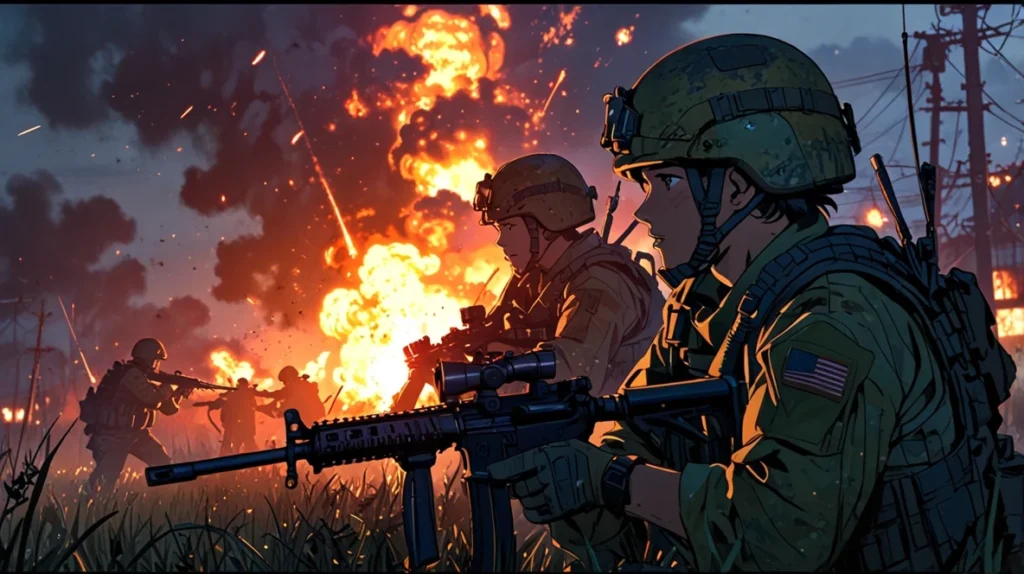
Fort Gordon Military Defense Lawyers | UCMJ & Court-Martial Defense
Fort Gordon, Georgia is one of the Army’s most important cyber, signal, communications, electronic warfare, and information operations installations. It is located near Augusta, Grovetown, Evans, Martinez, Columbia County, Richmond County, and the Savannah River region.
Soldiers and service members stationed at Fort Gordon may face UCMJ investigations arising from a wide range of situations, including:
- Cyber training, signal school environments, and government systems
- Communications networks and barracks incidents
- Off-post housing and Augusta nightlife
- DUI stops, domestic calls, and digital evidence
- Security clearance concerns and contractor-heavy workspaces
- Civilian police encounters in the Augusta-Grovetown area
Civilian Court-Martial Attorneys for Fort Gordon Service Members
Gonzalez & Waddington defends service members stationed at Fort Gordon in serious UCMJ matters. We handle court-martial cases, Article 15/NJP actions, GOMOR rebuttals, administrative separation boards, Boards of Inquiry, and security clearance matters.
An allegation can threaten your career long before charges are preferred. This applies to anyone assigned to Fort Gordon or its tenant organizations — Soldiers, officers, NCOs, cyber professionals, signal Soldiers, intelligence professionals, instructors, trainees, students, military police, medical professionals, and contractor-facing personnel. Affected commands include:
- The Cyber Center of Excellence and U.S. Army Cyber Command
- The Signal School and Cyber School
- 15th Signal Brigade and 35th Signal Brigade
- 7th Signal Command
- Eisenhower Army Medical Center
Fort Gordon is different from a traditional Army post. Its mission is tied to cyber operations, signal training, communications networks, electronic warfare, information systems, technical instruction, digital infrastructure, classified or sensitive access, and a large Augusta-area military and contractor community.
That changes the shape of a case. A Fort Gordon matter may involve not only command witnesses and Army CID, but also government computers, network logs, device searches, phone extractions, messages, cybersecurity personnel, contractor witnesses, civilian employees, training records, access issues, security managers, local Georgia police reports, and civilian witnesses from Augusta, Grovetown, Evans, Martinez, Columbia County, Richmond County, or nearby North Augusta, South Carolina.
If you are accused of any UCMJ offense at or near Fort Gordon, do not wait for the command’s theory to harden. This includes Article 120 sexual assault, abusive sexual contact, domestic violence, assault, drug misconduct, DUI, fraud, larceny, false official statement, orders violations, harassment, stalking, threats, misuse of government systems, cyber misconduct, classified-information violations, child exploitation, and online misconduct.
Call Gonzalez & Waddington at 1-800-921-8607 or text 954-799-4019 to request a confidential consultation with civilian military defense lawyers who defend service members worldwide.
Civilian Military Defense for Soldiers at Fort Gordon, Georgia
Fort Gordon is not just an Army installation near Augusta. It is the Army’s cyber and signal hub, a training center for communications and information systems, and a major military community tied to Grovetown, Augusta, Columbia County, Richmond County, and the broader Central Savannah River Area. The official Fort Gordon website describes the installation as home to the U.S. Army Cyber Center of Excellence and a multi-service community of Army, Navy, Air Force, Marine, and multinational personnel.
That mission matters in defense cases. Soldiers at Fort Gordon may work in cyber, signal, electronic warfare, network defense, communications, intelligence, contracting, medical, military police, training, or instructor environments. Many cases involve digital evidence, government systems, access permissions, device searches, emails, phone extractions, text messages, social media, cloud data, network records, or classified and sensitive information concerns.
A service member may think an issue is administrative or technical, but the command may treat it as misconduct, dishonesty, misuse of government property, a security violation, or a UCMJ offense.
A Fort Gordon defense lawyer must understand more than the basic court-martial process. The defense must account for the installation’s technical mission, the training environment, the unit structure, the possibility of cyber or digital evidence, local Augusta-area civilian records, clearance consequences, and the speed with which a command-driven investigation becomes career-threatening. A Soldier may be flagged, suspended from duties, removed from a sensitive position, ordered not to contact witnesses, barred from network access, referred for a clearance review, or processed for adverse action before the evidence has been tested.
Fort Gordon, Fort Gordon & the Current Installation Name
The current Army name is Fort Gordon. The installation was renamed Fort Eisenhower in 2023 and later returned to Fort Gordon. The modern name recognizes Master Sgt. Gary I. Gordon, a Medal of Honor recipient for valor during the 1993 Battle of Mogadishu. Because the installation was known as Fort Gordon for a period, service members and families may still search for “Fort Gordon military defense lawyer,” “Fort Gordon court-martial attorney,” or “UCMJ lawyer near Fort Gordon.” This page uses Fort Gordon because that is the current name and the search term most aligned with the installation’s present identity.
The name history matters for search, but the legal issues remain the same. Whether a family calls it Fort Gordon, Fort Gordon, or the Augusta cyber post, the service member remains subject to the UCMJ. A cyber student, signal Soldier, instructor, officer, NCO, or permanent-party service member accused of misconduct may face CID, a command inquiry, an Article 15, a GOMOR, separation, a Board of Inquiry, a clearance review, or a court-martial depending on the facts.
Fort Gordon’s Cyber, Signal & Information Warfare Mission
The U.S. Army Cyber Center of Excellence describes itself as the Army’s force modernization proponent for cyberspace operations, signal and communications networks, information services, and electronic warfare. See the U.S. Army Cyber Center of Excellence. That mission gives Fort Gordon a unique military justice profile. Many installations produce cases involving barracks misconduct, DUI, domestic violence, Article 120 allegations, drug use, and assault. Fort Gordon may involve those same allegations — but often with an added layer of digital evidence, government systems, cyber access, communications records, classified concerns, contractor witnesses, or clearance consequences.
Fort Gordon is also a major training environment. Soldiers may arrive for advanced individual training, cyber training, signal training, reclassification courses, instructor assignments, or technical programs. Student and instructor populations can create case patterns involving trainee-cadre allegations, fraternization, harassment, sexual misconduct, alcohol incidents, barracks discipline, electronic communications, inappropriate messages, device searches, and allegations that begin inside close training communities.
For service members in cyber, signal, intelligence, network, or clearance-sensitive roles, an allegation can affect more than the immediate criminal case. It may affect access, credentials, clearance eligibility, mission trust, instructor status, student status, graduation, reenlistment, promotion, PCS orders, and future opportunities. A single false official statement allegation, misuse-of-government-systems allegation, or digital evidence issue can become a major military career problem.
Augusta, Grovetown, Columbia County, Richmond County & the Local Military Community
Fort Gordon is deeply connected to Augusta and Grovetown. The City of Grovetown describes Fort Gordon as the current home of the U.S. Army Cyber Center of Excellence and notes that the installation is located within Richmond, Jefferson, McDuffie, and Columbia counties, with Grovetown serving as its unofficial hometown. See the City of Grovetown Fort Gordon Page. That footprint matters because service members live, drive, shop, socialize, attend school, rent apartments, and interact with civilian law enforcement throughout the Augusta-Grovetown-Evans-Martinez area.
Augusta adds its own legal and factual layer. A Soldier may be accused after an incident in downtown Augusta, at an apartment complex in Grovetown, during a weekend in Evans or Martinez, after a traffic stop in Richmond or Columbia County, or after a cross-river trip into North Augusta, South Carolina. A local allegation may begin as a civilian police report but quickly trigger command action.
For military defense, the local community matters because evidence may be outside the Army’s file. A case may involve private security video, hotel records, bar or restaurant witnesses, rideshare data, civilian 911 calls, body-camera footage, hospital records, apartment complex records, text messages, social media, phone location data, or civilian court filings. A serious defense must preserve and analyze that evidence before records disappear or the command accepts an incomplete narrative.
Because Fort Gordon is a cyber and signal installation, digital evidence often carries extra weight. A text-message allegation, phone extraction, image file, deleted message, Snapchat or Instagram communication, metadata issue, network activity, government-computer use, or incomplete forensic review can become central to the government’s theory. The defense must examine not only what the government collected, but what it failed to collect, misinterpreted, or took out of context.
How Local Fort Gordon Incidents Become Military Legal Problems
The following examples are hypothetical. They are not claims about any actual case, business, or person. They illustrate how local facts can matter when a service member stationed at Fort Gordon is accused of misconduct.
- Augusta DUI: A Soldier leaves a bar, restaurant, or social event in Augusta, Grovetown, Evans, or Martinez, is stopped by civilian police, and later faces both a Georgia DUI case and command action — a flag, Article 15, GOMOR, driving restrictions, clearance review, or separation.
- Cyber or government-systems allegation: A service member is accused of misusing a government computer, improperly accessing data, violating network rules, downloading prohibited material, or using government systems for unauthorized purposes. The case may involve device searches, logs, forensic review, security officers, and clearance consequences.
- Barracks or training-environment allegation: A student, trainee, instructor, NCO, or cadre member is accused of misconduct involving messages, alcohol, inappropriate relationships, sexual harassment, maltreatment, fraternization, or abuse of authority.
- Article 120 allegation: A hotel stay, barracks incident, dating-app encounter, apartment gathering, or off-post party leads to a sexual assault or abusive sexual contact allegation involving text messages, phone extractions, delayed reporting, witness statements, and command pressure.
- Domestic violence call: A family argument at an apartment in Grovetown, Augusta, Evans, Martinez, or North Augusta leads to a 911 call, police report, protective order issue, no-contact order, firearm restriction, Family Advocacy involvement, and possible Article 128b domestic violence or administrative action.
- Digital evidence case: The government relies on Snapchat, Instagram, texts, deleted messages, partial screenshots, photos, videos, metadata, location data, or a limited phone extraction. Early defense work can preserve context and expose incomplete evidence.
- Contracting or property case: A Soldier or NCO is accused of misusing a government purchase card, mishandling equipment, falsifying records, submitting improper travel claims, or failing to follow property accountability rules.
- Clearance-sensitive allegation: A service member in a cyber, signal, intelligence, or communications role is accused of dishonesty, drug use, financial misconduct, foreign contact issues, domestic violence, misuse of systems, or improper handling of information, creating both UCMJ exposure and clearance consequences.
How Civilian & Military Consequences Overlap Near Fort Gordon
A Soldier at Fort Gordon does not need to be convicted in civilian court before military consequences begin. A single incident may trigger a civilian police report, military police involvement, a CID investigation, a command-directed inquiry, a no-contact order, a flag, suspension from duties, adverse counseling, a GOMOR, an Article 15/NJP, separation, a Board of Inquiry, a clearance review, or a court-martial referral.
Off-post cases near Fort Gordon may involve Richmond County courts, Columbia County courts, Augusta-Richmond County authorities, Grovetown police, or other local Georgia systems. The State Court of Richmond County serves the Augusta community and handles many local matters. See the State Court of Richmond County. A DUI, assault allegation, domestic violence report, protective order, traffic offense, drug allegation, or civilian arrest can move through civilian court while the command separately evaluates military action.
Federal jurisdiction may also matter in some cases. The U.S. District Court for the Southern District of Georgia lists an Augusta court location, making it the relevant federal district court environment for many federal matters in the area. See the U.S. District Court for the Southern District of Georgia. Most Fort Gordon discipline still moves through the UCMJ and the chain of command, but some cases may involve federal property, federal investigations, firearms issues, cyber evidence, fraud allegations, child exploitation allegations, classified information, or overlapping civilian and military exposure.
The key point for a Soldier is practical: civilian and military consequences are separate. A local dismissal does not automatically stop a GOMOR. A reduced civilian charge does not automatically prevent an Article 15. A protective order can still affect command decisions. A weak civilian case can still become a career-threatening military case if the defense fails to address both the civilian record and the chain of command.
Military Law Issues for Soldiers at Fort Gordon
Fort Gordon Soldiers may face court-martial charges, Article 32 preliminary hearings, Article 15/NJP actions, GOMORs, separation boards, Boards of Inquiry, command-directed investigations, clearance reviews, and adverse administrative paperwork. The issue may begin with CID, military police, local police, a commander’s inquiry, a SHARP report, a barracks complaint, a cyber office report, a security manager notification, a spouse allegation, a civilian protective order, a positive urinalysis, or an allegation from another Soldier, family member, civilian, contractor, classmate, instructor, or dating partner.
Article 120 Sexual Assault & Abusive Sexual Contact
These allegations may involve barracks rooms, off-post apartments, hotels, parties, unit social events, alcohol, dating apps, delayed reports, text messages, social media, phone extractions, rideshare records, or civilian witnesses from Augusta, Grovetown, Evans, Martinez, or surrounding communities. Cases often turn on consent, credibility, intoxication, timing, witness contamination, digital evidence, and command assumptions.
Cyber, Digital & Government-Systems Allegations
These are especially important at Fort Gordon. Misuse of government computers, improper access, prohibited images, child exploitation allegations, online sting allegations, classified or sensitive information issues, electronic harassment, communications misconduct, and incomplete forensic reviews can all create serious UCMJ and career consequences. The defense must understand the difference between technical evidence and technical-sounding assumptions.
Domestic Violence & Assault
These cases may involve local police reports, 911 calls, body-camera footage, photographs, medical records, protective order filings, Family Advocacy records, text messages, no-contact orders, and firearms restrictions. Even if the civilian case is reduced, dismissed, or unresolved, the command may still pursue a GOMOR, Article 15, separation, Board of Inquiry, or clearance action.
Drug & Alcohol Cases
A positive urinalysis, prescription issue, suspected distribution allegation, DUI, drunk-and-disorderly incident, or alcohol-related barracks event may lead to investigation, adverse paperwork, or separation. For Soldiers in cyber, signal, intelligence, instructor, military police, medical, contracting, or clearance-sensitive roles, administrative consequences can move faster than the criminal process.
If You're Investigated at Fort Gordon: What to Know First
Before you answer Army CID's questions. Under Article 31(b) of the UCMJ, agents of the Department of the Army Criminal Investigation Division (CID) must advise you of the suspected offense and of your right to remain silent before questioning you as a suspect. You can decline the interview and ask for counsel, and your silence cannot be used as evidence of guilt. Statements made to "explain your side" are one of the most common reasons service members at Fort Gordon end up charged.
Titling can follow you. Army CID can title you as the subject of an investigation, which indexes your name in the Defense Central Index of Investigations, on a low "credible information" standard. Titling is not a finding of guilt, but the record can surface in later background and security clearance checks even if no charges are ever brought.
Who decides whether you are charged. For covered offenses, including sexual assault, domestic violence, stalking, kidnapping, murder, child pornography and, since 2025, sexual harassment, the decision to prefer and refer charges belongs to an independent special trial counsel rather than your commander at Fort Gordon. For other offenses the command still decides. Which track a case is on shapes the defense from the first day.
Family and relationship allegations. Domestic violence is charged under Article 128b, and strangulation or suffocation can be charged as aggravated assault whether or not there is a mark. The hidden cost is the Lautenberg Amendment: a qualifying conviction bars possession of firearms and ammunition, which few military careers survive.
Drug allegations. Article 112a of the UCMJ applies to service members at Fort Gordon on post and off, separately from Georgia law. A positive urinalysis is serious but contestable: the chain of custody, the testing process and innocent ingestion can all be challenged, and the government must prove the use was knowing and wrongful.
BAH and allowance cases. An overpayment is a debt, not a crime. To convict under Article 121 (larceny) or Article 124 (frauds against the United States), the government must prove intent, and that is where many BAH cases fall apart once the paperwork history is reconstructed.
If you are under investigation at Fort Gordon, talk to a military defense lawyer before you make any statement. Call Gonzalez & Waddington at 1-800-921-8607.
Working Alongside Detailed Military Defense Counsel
A Soldier facing court-martial generally has the right to detailed military defense counsel. Civilian counsel does not replace that lawyer — it works alongside them. Civilian counsel can bring an independent defense strategy, communicate with the family, conduct early investigation, prepare witnesses, review digital evidence, challenge weak assumptions, and help the Soldier understand both legal and career risks.
At Fort Gordon, civilian counsel may need to review evidence from many sources, including CID reports, military police records, Augusta police reports, Grovetown or Columbia County records, Richmond County filings, body-camera footage, 911 calls, phone extractions, barracks witness statements, student rosters, training calendars, command emails, counseling statements, medical records, hotel records, rideshare data, social media, protective order filings, urinalysis documents, network logs, device search records, security reports, and clearance paperwork.
Gonzalez & Waddington is a civilian military defense firm focused on military criminal defense and UCMJ litigation. We represent members of every branch — Army, Navy, Air Force, Marine Corps, Coast Guard, Space Force, Reserve, and National Guard. The firm defends courts-martial, Article 120/120b/120c cases, Article 128 and 128b assault and domestic violence cases, CSAM and online sting cases, investigations, Article 15/NJP actions, Boards of Inquiry, separations, GOMOR rebuttals, clearance matters, and serious felony-level military cases.
Quick Answer: Military Defense Lawyers for Fort Gordon
Service members stationed at Fort Gordon can face military consequences from both on-post allegations and off-post incidents in Augusta, Grovetown, Evans, Martinez, Richmond County, Columbia County, North Augusta, and the surrounding Central Savannah River Area. A civilian military defense lawyer can work alongside detailed military counsel in courts-martial, Article 120 cases, Article 15/NJP matters, GOMOR rebuttals, separations, Boards of Inquiry, clearance matters, and command investigations. Because Fort Gordon is a major cyber, signal, electronic warfare, communications, and technical training installation, defense strategy should account for digital evidence, government systems, security clearance risk, student and instructor dynamics, local civilian court exposure, and long-term Army career consequences.
Michael Waddington handled my case with an exceptional level of professionalism from start to finish. He was knowledgeable, prepared, responsive, and extremely thorough. He took the time to understand the facts and never treated the case like just another file.
Prior results do not guarantee a similar outcome. Every case is different.
Fort Gordon Military Defense FAQ
Can a DUI in Augusta or Grovetown affect my Army career at Fort Gordon?
Yes. A DUI or alcohol-related incident in Augusta, Grovetown, Evans, Martinez, Richmond County, or Columbia County can trigger civilian court proceedings and military consequences. The command may consider a flag, counseling, Article 15, GOMOR, separation, clearance review, or driving restrictions while the civilian case is still pending.
Can a cyber or government-computer allegation become a UCMJ case at Fort Gordon?
Yes. Because Fort Gordon is heavily tied to cyber, signal, communications, and technical missions, allegations involving government systems, unauthorized access, digital misconduct, classified or sensitive information, online communications, or prohibited material can create serious UCMJ, administrative, and security clearance consequences.
Can an allegation from a hotel, apartment, barracks room, party, or dating app become an Article 120 case?
Yes. An off-post or on-post allegation can become a military sexual assault investigation if the accused is subject to the UCMJ. Hotels, apartments, parties, barracks rooms, dating apps, rideshares, text messages, social media, civilian witnesses, delayed reports, and phone extractions may all become central evidence in an Article 120 case.
Do Fort Gordon Soldiers need civilian military defense counsel if they already have military counsel?
They may. Detailed military counsel can be an important part of the defense team. Civilian counsel can add independent investigation, family communication, digital evidence review, witness preparation, cross-examination strategy, forensic review, and continuity outside the command structure.
Can Fort Gordon commanders take action before civilian charges are resolved?
Yes. The command may act before a civilian case is complete. A Soldier may face a flag, no-contact order, GOMOR, Article 15, clearance review, separation, or duty restriction while the civilian process is still pending. The military system does not always wait for local court outcomes.
Can a Fort Gordon officer face a Board of Inquiry after an off-post allegation?
Yes. Officers may face a Board of Inquiry or elimination action after allegations involving misconduct, civilian arrest, domestic violence, sexual misconduct, fraternization, dishonesty, leadership failures, loss of confidence, cyber misconduct, or conduct unbecoming. The defense should address both the allegation and the officer’s complete service record.
Army CID wants to interview me at Fort Gordon. Do I have to talk to them?
No. Article 31(b) of the UCMJ requires investigators to tell you what you are suspected of and that you have the right to remain silent, and you can ask for a lawyer before answering anything. An interview is evidence collection, and Army CID can title you as a subject on a low "credible information" standard that can follow you into background and clearance checks even if the case is dropped. Politely decline, ask for counsel, and call a military defense lawyer before you say anything.
Why Choose Gonzalez & Waddington for Fort Gordon Military Defense
Gonzalez & Waddington, LLC is a civilian military defense firm representing service members worldwide. The firm is led by Michael Waddington and Alexandra González-Waddington, a husband-and-wife defense team focused on military criminal defense, court-martial litigation, UCMJ investigations, separation boards, Boards of Inquiry, GOMOR rebuttals, Article 15/NJP matters, sexual assault defense, violent offense defense, and cyber and digital-evidence cases.
Michael Waddington
Michael Waddington is a former Army officer and former Army JAG. He served as an Army Trial Defense Counsel, Senior Defense Counsel, Army prosecutor, Special Assistant United States Attorney, and Chief of Military Justice. He has more than 25 years of military defense experience, is licensed in Georgia, Florida, Pennsylvania, New Jersey, and South Carolina, and is admitted to all U.S. military trial courts worldwide.
Alexandra González-Waddington
Alexandra González-Waddington is a founding partner, former public defender, and experienced military defense lawyer licensed in Georgia and Florida. She began her career as one of the first public defenders in Georgia’s Augusta Judicial Circuit, is admitted to all U.S. military trial courts worldwide, and has defended service members in sexual assault, violent crime, war crimes, murder, classified-information, domestic violence, and white-collar cases.
The firm’s attorneys have defended service members in the United States, Germany, Italy, Spain, the United Kingdom, Japan, South Korea, Guam, the Middle East, Iraq, Afghanistan, and other deployed environments. They have written and taught extensively on trial advocacy, cross-examination, sexual assault defense, digital evidence, DNA evidence, expert witnesses, and military justice. For Fort Gordon Soldiers facing allegations tied to cyber systems, digital evidence, technical training, domestic issues, Augusta-area evidence, command pressure, or serious UCMJ charges, that trial-focused background matters.
Talk to a Civilian Military Defense Lawyer Serving Fort Gordon
If you are stationed at Fort Gordon and are under investigation or facing command action, get legal guidance before making statements or submitting paperwork that may be used against you later. This includes situations where you are:
- Facing CID questioning
- Accused of Article 120 sexual assault
- Dealing with a DUI or civilian arrest
- Accused of cyber or digital misconduct
- Receiving an Article 15 or fighting a GOMOR
- Preparing for an administrative separation board or Board of Inquiry
- Worried about your security clearance
Gonzalez & Waddington defends service members in serious military cases worldwide. The firm can work alongside detailed military counsel, review the evidence, help preserve favorable information, prepare for command decisions, and build a strategy that accounts for the military case, the Fort Gordon command environment, local Georgia courts, cyber and digital evidence, clearance risk, and the long-term consequences to your rank, access, clearance, retirement, and future.
Call Gonzalez & Waddington at 1-800-921-8607 or text 954-799-4019 to request a confidential consultation. No attorney can guarantee a result. The goal is to intervene early, protect your rights, and help you make informed decisions before the command or prosecution theory hardens.
Helpful Fort Gordon & Augusta Legal Resources
- Fort Gordon Official Website
- U.S. Army Cyber Center of Excellence
- City of Grovetown Fort Gordon Page
- State Court of Richmond County
- U.S. District Court for the Southern District of Georgia
Related Military Legal Guides
Nearby & Related Military Bases
Aggressive Criminal Defense Lawyers
This video explains what your rights are and how experienced criminal defense lawyers can make a difference.






Facing a military investigation, UCMJ allegation, or serious criminal charge? Gonzalez & Waddington provides trial-focused defense for high-stakes cases. Call 1-800-921-8607 or text 954-799-4019 for a confidential, no-cost consultation.