


Comprehensive Defense for Court-Martial Proceedings at Fort Stewart
Facing a court-martial at Fort Stewart in Georgia can be a daunting experience. Our attorneys are dedicated to ensuring that service members stationed near this important military installation, located just outside Savannah, receive thorough and effective legal representation. We understand the unique challenges of military law and the serious consequences that can arise from a court-martial proceeding.
At UCMJ Defense, we recognize the significance of protecting your rights within the military justice system. Our approach focuses on delivering clear guidance and aggressive defense strategies tailored to the specifics of cases emerging from Fort Stewart and its surrounding communities. We are committed to providing support during every step of the legal process.
Why Skilled Court-Martial Defense Matters at Fort Stewart
Engaging with a knowledgeable defense team can greatly influence the outcome of your court-martial. Proper representation ensures that your case is thoroughly reviewed, that your rights are fiercely protected, and that all procedural safeguards are respected. This service helps mitigate potential penalties and provides peace of mind during complex military legal proceedings.
About UCMJ Defense: Serving Fort Stewart and Beyond
UCMJ Defense, also known as Waddington and Gonzalez, offers dedicated military defense lawyers based in Florida, serving clients throughout the United States, including those near Fort Stewart in Georgia. Our team understands military law intricacies and is committed to protecting the rights of service members facing court-martials and other military legal challenges.
Guide to Navigating Court-Martial Defense at Fort Stewart
This guide provides an overview of the court-martial process specific to Fort Stewart, highlighting key aspects of military law and defense strategies. Understanding this process is essential for service members to make informed decisions and prepare an effective defense.
We cover the stages of court-martial, your rights, and how to work with defense counsel to protect your future. Our goal is to empower you with knowledge and to outline the support you can expect from our firm throughout your case.
What is a Court-Martial at Fort Stewart?
A court-martial is a military trial conducted to address violations of the Uniform Code of Military Justice (UCMJ). At Fort Stewart, these proceedings determine the guilt or innocence of service members accused of offenses ranging from minor infractions to serious criminal charges. Understanding the court-martial process is critical for effective defense.
Key Components of the Court-Martial Process
The court-martial process involves several stages, including investigation, preferral of charges, arraignment, pre-trial motions, trial, and sentencing if convicted. Each phase requires careful attention to detail and a thorough understanding of military law to ensure fair treatment and protection of your rights.
Essential Terms and Glossary for Court-Martial Defense
Familiarity with military legal terminology can help service members navigate their cases more effectively. Below are important terms frequently encountered during court-martial defense.
Article 32 Hearing
An Article 32 hearing is a pre-trial investigation to determine whether there is enough evidence to proceed with a court-martial. It serves as a safeguard to protect the rights of the accused and ensures that charges are appropriate given the circumstances.
Summary Court-Martial
A Summary Court-Martial is a lower-level military trial typically used for minor offenses. It involves a single officer acting as judge and jury and is designed for expedited resolution without the formalities of higher courts-martial.
General Court-Martial
A General Court-Martial is the highest level of military trial and is used for the most serious offenses. It involves a panel of military members who act as a jury, and the proceedings resemble civilian criminal trials in complexity and formality.
Military Judge
The Military Judge presides over court-martial proceedings, ruling on matters of law and procedure, ensuring the trial is conducted fairly and according to military legal standards.
Evaluating Your Defense Options at Fort Stewart
Service members facing charges at Fort Stewart have options regarding their defense approach. Understanding the differences between limited and comprehensive legal services can help you choose the best path for your situation and ensure your case is handled with the appropriate level of attention.
When Limited Legal Assistance May Be Appropriate:
Handling Minor Offenses
For minor infractions or administrative issues at Fort Stewart, limited legal assistance might suffice. This approach may involve advice on rights and procedural issues without full trial representation, suitable for less complex matters.
Early Resolution Opportunities
When charges are straightforward and early resolution options like non-judicial punishment are available, limited legal counsel can help navigate these processes effectively without extensive trial preparation.
The Importance of Full Legal Representation:
Complex or Serious Charges
When facing serious or complex accusations at Fort Stewart, comprehensive legal defense is vital. Full representation protects your rights during all phases of the court-martial and ensures that no detail is overlooked in your defense strategy.
Ensuring Fair Trial Procedures
Comprehensive legal services help guarantee that military justice procedures are correctly followed, evidence is properly challenged, and your case is vigorously defended against potential unfair treatment.
Advantages of Choosing a Full-Service Defense Team
Opting for a comprehensive defense team provides extensive support throughout your court-martial process. This approach offers thorough case investigation, skilled negotiation, and dedicated trial preparation tailored to your unique circumstances at Fort Stewart.
Additionally, having consistent legal representation helps reduce uncertainty and stress, giving you confidence that your defense is in capable hands focused on achieving the best possible outcome.
In-Depth Case Analysis
A comprehensive defense team conducts detailed reviews of all evidence, interviews witnesses, and explores every potential defense avenue. This level of analysis increases the likelihood of identifying weaknesses in the prosecution’s case.
Strong Courtroom Advocacy
Experienced defense attorneys provide assertive advocacy during court proceedings, ensuring your voice is heard and your rights fully protected. This advocacy can be critical in influencing charges, sentencing, and overall case resolution.
As Featured On:

NEED MILITARY LAW HELP?
Fill out this form or call 1-800-921-8607 to request a consultation.


Top Searched Keywords
- Fort Stewart military defense
- court-martial lawyers Georgia
- military justice defense Fort Stewart
- UCMJ defense attorneys Savannah
- court-martial legal representation
- military criminal defense Georgia
- Fort Stewart court-martial help
- military law firm Florida
- UCMJ legal defense services
Pro Tips for Navigating Court-Martial Defense
Act Quickly to Secure Representation
Timely legal representation is essential when facing court-martial charges. Early involvement allows your defense team to gather evidence and build a strategy before proceedings advance, improving your position significantly.
Understand Your Rights Under the UCMJ
Maintain Open Communication with Your Counsel
Clear and honest communication with your legal team ensures all relevant facts are considered. Keeping your counsel informed about developments and concerns allows for a more effective defense approach.
Why Choose Fort Stewart Court-Martial Defense Services?
Facing a court-martial at Fort Stewart presents unique legal challenges that require knowledgeable and dedicated defense. Our services offer tailored legal counsel that understands the military environment and the impact of these proceedings on your career and life.
Choosing the right defense service can mean the difference between a favorable outcome and severe penalties. We strive to provide comprehensive support and defense strategies that protect your rights and future.
Common Situations Where Court-Martial Defense is Needed
Service members at Fort Stewart may require defense assistance in cases involving allegations such as misconduct, drug offenses, assault, or other violations of military law. Each situation demands careful legal attention to ensure fair treatment under the UCMJ.
Disciplinary Infractions
Minor disciplinary infractions can escalate to formal charges if not properly addressed. Early legal advice can prevent unnecessary complications and help resolve issues efficiently.
Serious Criminal Charges
More serious allegations such as theft, assault, or drug offenses require full legal defense to protect against significant penalties and potential discharge from service.
Investigations and Article 32 Hearings
During investigations or Article 32 hearings, legal representation is vital to safeguard your rights and ensure the process is conducted fairly and lawfully.
Meet Your Defense Team

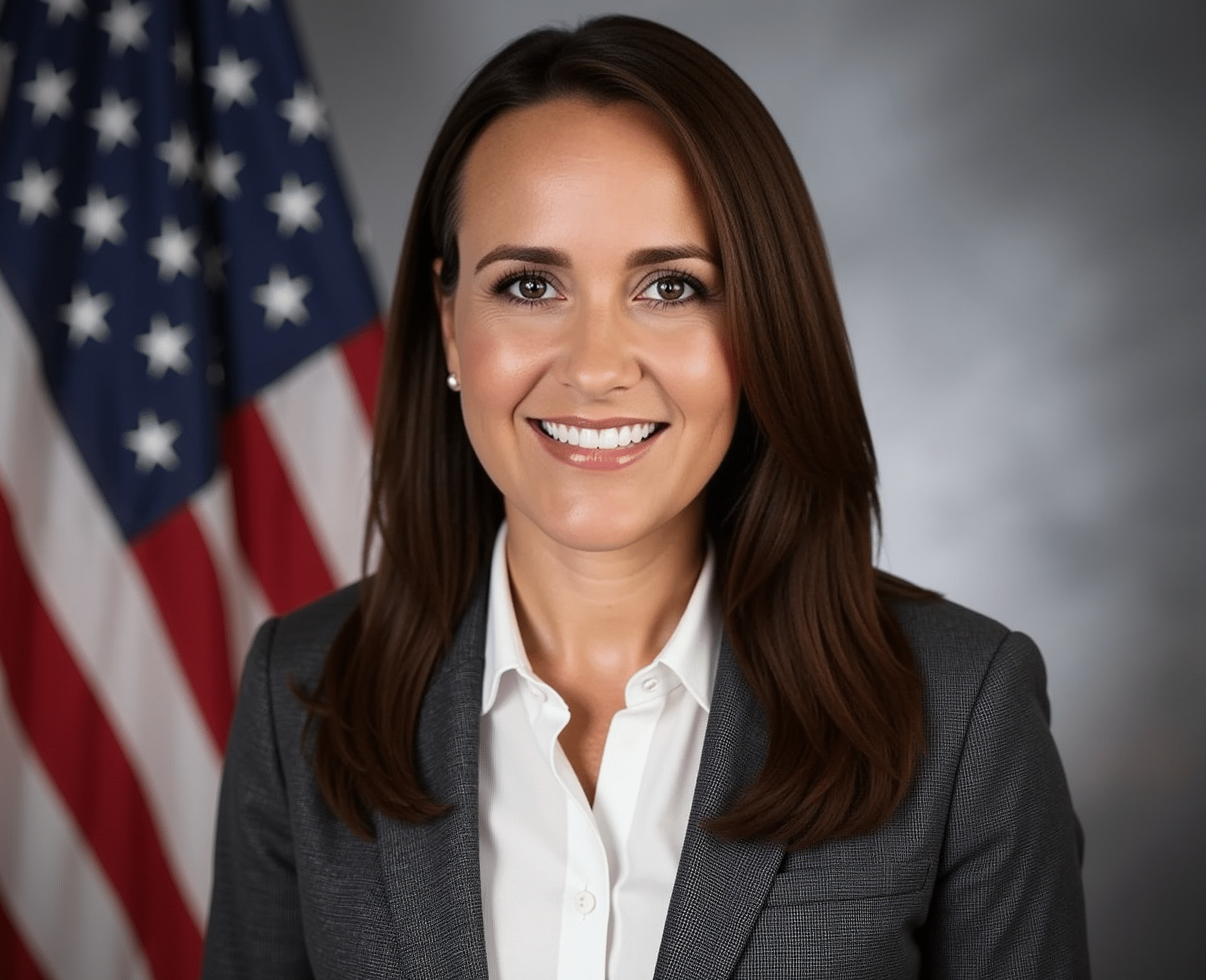
Michael S. Waddington
Criminal Defense Lawyer

PARTNER
Alexandra González-Waddington
Criminal Defense Lawyer
PARTNER
Battle-Tested Results
Recent Case Results
Gang-Rape Allegation Collapses Against Navy Officer
U.S. v. Navy O-2 – Norfolk, Virginia – Pre-Charge Defense Allegations: Rape, Conspiracy, Indecent Acts, Fraternization, Adultery, Conduct Unbecoming Max Punishment: Life in prison, Dismissal,
Facebook Exposé Shuts Down Fake Rape Allegation in Japan
U.S. v. Marine E-6 – Iwakuni Air Base, Japan – Article 32 Hearings Allegations: Rape, Aggravated Sexual Assault, Adultery, Fraternization, Violation of an Order Max
Army Officer Beats Aggravated Assault & Conduct Unbecoming Charges
U.S. v. Army O-1 – Fort Bragg, NC / Tried at Fort McNair, Washington D.C. – General Court-Martial Allegations: Aggravated Assault with Means Likely to
Navy Sailor’s Sex Assault Case Tossed After UCI Bombshell
U.S. v. Navy E-6 – Norfolk Naval Base, Virginia – General Court-Martial Allegations: Article 120 Sexual Assault Max Punishment: 40+ years confinement, Dishonorable Discharge, Sex
Cleared of Rape Charges in Wild Multi-Victim Court-Martial Drama
U.S. v. Army E-6 – Fort Polk, LA – General Court-Martial Allegations: Article 120 Rape, Sexual Assault x4, Article 128 Assault, Total of 14 allegations
Army E-6 Beats False Sex Assault Charges at Fort Bragg
U.S. v. Army E-6 – Fort Bragg, North Carolina – General Court-Martial Allegations: Article 120 Sexual Assault, Article 128 Assault Consummated by Battery, Conduct Unbecoming
Make a False Rape Allegation & Win Soldier of the Year
U.S. v. Army CW2 – Fort Gordon, GA
Allegations: RAPE, Fraternization, Adultery
Max Punishment: LIFE, Dismissal, Sex Offender Registration
Result: ALL CHARGES DISMISSED
Discharge: RETIRED WITH AN HONORABLE
Location/Branch/Rank: Fort Gordon – Augusta, GA/Army/CW2
Cheating Marine Officer Calls Rape
U.S. v. Marine O-3 – Marine Forces Reserve, Naval Support Activity, New Orleans, LA Allegations: Article 120 Rape/Sexual Assault Max Punishment: Life in prison, Dismissal, Sex offender registration

Take Command of Your Defense
Why Service Members Trust UCMJ Defense at Fort Stewart
Call Us Today
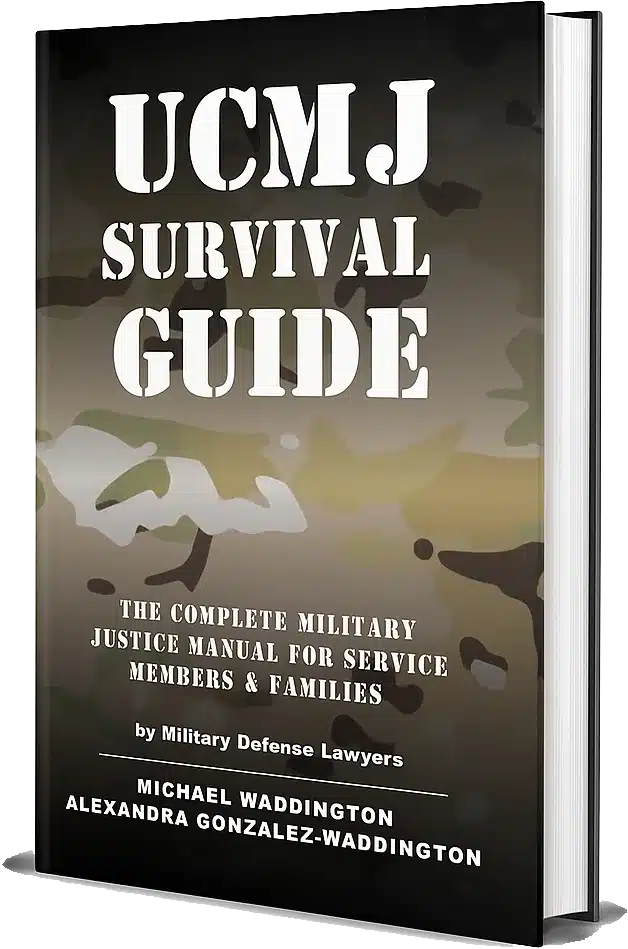
Check Out Our Newest Book
UCMJ Survival Guide

UCMJ Criminal Defense Lawyers

Worldwide Military Defense Experience
Defending Service Members Across Every Theater and Installation
Specialized Expertise in Serious Military Offenses
War Crimes, Sexual Assault, Violent Crimes, and White-Collar Defense

Media and High-Profile Case Experience
Featured on CNN, 60 Minutes, BBC, and Major News Outlets

Playlist

3:34

7:32

6:57

7:58

21:35

7:24
4:24
Frequently Asked Questions About Court-Martial Defense at Fort Stewart
What should I do if I am facing a court-martial at Fort Stewart?
If you are facing a court-martial at Fort Stewart, it is critical to seek legal representation promptly. Early involvement allows your defense team to review the charges, gather evidence, and advise you on the best course of action. Acting quickly can greatly influence the outcome and help protect your rights throughout the proceedings. You should avoid discussing your case with others and follow your attorney’s guidance carefully. Understanding the process and maintaining clear communication with your counsel are essential steps in preparing for your defense.
How soon do I need to contact a defense attorney after charges are filed?
Contacting a defense attorney as soon as possible after charges are filed is highly recommended. Early representation ensures that your rights are protected from the outset and that your attorney can participate in critical pre-trial activities such as investigations and hearings. Delays in securing legal counsel can result in missed opportunities to challenge evidence or procedural errors. Prompt action allows for a more strategic and effective defense preparation.
Can I represent myself in a court-martial?
While service members have the right to represent themselves in a court-martial, it is generally not advised due to the complexity of military law and the serious consequences involved. Legal representation helps ensure that your rights are protected and that you have an advocate familiar with the military justice system. Self-representation can lead to misunderstandings of legal procedures and potential disadvantages during trial. Having an experienced defense team increases the likelihood of a favorable outcome.
What are the potential penalties for a court-martial conviction?
Potential penalties for a court-martial conviction vary depending on the offense but can include reduction in rank, forfeiture of pay, confinement, dishonorable discharge, or other administrative actions. The consequences can have lasting impacts on your military career and personal life. Understanding possible outcomes with your defense attorney can help you prepare and explore options such as plea negotiations or alternative resolutions when appropriate.
How does the Article 32 hearing affect my case?
An Article 32 hearing serves as a preliminary investigation to determine if there is sufficient evidence to proceed to a court-martial. This hearing provides an opportunity for your defense team to challenge the evidence and advocate for your rights before formal charges are pursued. The outcome of the hearing can influence the direction of your case significantly, potentially leading to dismissal of charges or modifications that benefit your defense strategy.
What types of court-martial exist at Fort Stewart?
There are three main types of court-martial at Fort Stewart: Summary, Special, and General. Each varies in formality, potential penalties, and procedural complexity. Summary courts handle minor offenses, while General courts address the most serious charges. Understanding the type of court-martial you face helps tailor your defense approach and expectations for the proceedings and possible outcomes.
Will my defense attorney be familiar with Fort Stewart military regulations?
Yes, the attorneys at UCMJ Defense are well-versed in military regulations applicable at Fort Stewart and other military installations. This familiarity allows us to navigate the specific rules and procedures that affect your case effectively. Our knowledge of local military protocols and command structures enhances our ability to provide relevant and informed defense strategies tailored to your circumstances.
Can a court-martial affect my civilian life or employment?
A court-martial conviction can have significant effects on your civilian life, including employment prospects, security clearances, and personal reputation. Military records and discharge status often carry weight in civilian sectors. Having strong legal representation helps mitigate these consequences by seeking favorable outcomes and advising you on potential impacts beyond your military service.
What is the role of a military judge during a court-martial?
The military judge presides over court-martial trials, ensuring the proceedings comply with legal standards and military regulations. The judge rules on evidentiary issues, maintains courtroom order, and provides instructions to the panel or jury. Their role is critical in safeguarding the fairness of the trial and ensuring that your rights are upheld throughout the process.
How can I prepare for my court-martial trial?
Preparing for your court-martial trial involves working closely with your defense team to gather evidence, identify witnesses, and develop a strong defense strategy. It is important to be honest and thorough in providing information to your attorneys. Staying informed about the court-martial process, attending all hearings punctually, and following your legal counsel’s advice will help you approach the trial with confidence and readiness.