



Gang-Rape Allegation Collapses Against Navy Officer
U.S. v. Navy O-2 – Norfolk, Virginia – Pre-Charge Defense Allegations: Rape, Conspiracy, Indecent Acts, Fraternization, Adultery, Conduct Unbecoming Max Punishment: Life in prison, Dismissal,
The Uniform Code of Military Justice (UCMJ) is one of the toughest and fastest-moving criminal justice systems in America. When you are facing criminal accusations in the military—whether it’s sexual assault, domestic violence, drug allegations, fraternization, financial crimes, AWOL, or any other UCMJ offense—you are not fighting a fair fight. You are facing the full weight of the federal government, backed by military investigators, prosecutors, commanders, and a system designed to protect the institution, not the individual.
In these moments, you need elite Military Criminal Defense Lawyers who understand court-martial warfare, know how to neutralize investigators, and can protect you from career-destroying administrative actions. You need the team civilians and service members around the world turn to when everything—your freedom, rank, benefits, reputation, and future—is on the line.
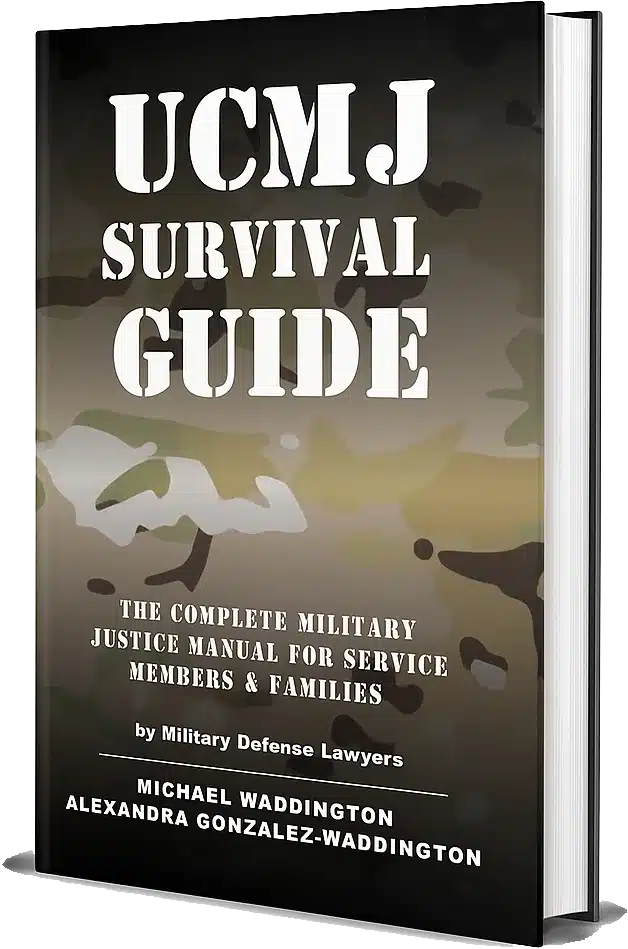
Gonzalez & Waddington, Attorneys at Law is one of the most experienced and successful military criminal defense firms in the world. Led by former JAG officer Michael Waddington and seasoned trial attorney Alexandra Gonzalez-Waddington, our firm defends service members from every branch across the globe in the most serious UCMJ cases and court-martials.
Military service members are often shocked to learn that the UCMJ system is far harsher and less forgiving than civilian courts. A civilian might be given the benefit of the doubt—service members rarely are. The moment an allegation surfaces, the military often assumes guilt and acts accordingly.
Here is why choosing the right military criminal defense lawyer is the most important decision you will make:
This is why military members choose civilian defense lawyers who are independent, aggressive, and unafraid to take the fight directly to the government.
The following links provide focused, in-depth guidance on the most common military investigations, disciplinary actions, and court-martial related matters faced by service members. Each page addresses a specific phase or category of military justice exposure.
Our firm defends service members in every type of military criminal case—from minor allegations to the most complex felony-level UCMJ prosecutions.
NCIS, OSI, CID, and CGIS agents are highly trained interrogators. They know how to manipulate innocent people into incriminating themselves. When you call us, we immediately block further government pressure and take control of communication.
Most UCMJ cases are built on:
We use digital forensics, psychological analysis, expert testimony, and aggressive cross-examination to dismantle the government’s case.
We do not play defense—we attack the prosecution’s narrative. Our strategy includes:
We are courtroom fighters, not plea-deal lawyers. Our mission is to win—not simply negotiate your punishment.
The fallout from UCMJ criminal charges is catastrophic. You could face:
The stakes couldn’t be higher—your future depends on the quality of your defense.
If you are under investigation or facing UCMJ charges, do NOT wait. Waiting helps the government. Acting now helps you.
➤ Schedule a Confidential Consultation with Gonzalez & Waddington
Authoritative Military Resource: United States Army
Yes. Civilian lawyers provide independence, aggressive strategy, and extensive court-martial experience that military lawyers often cannot match due to limited time and command influence. For serious UCMJ charges, a civilian attorney is essential.
Never. Innocent service members are charged every day because they “tried to explain.” Investigators are trained to obtain statements that harm you. Always speak to an attorney first.
If you are under investigation, you are already in danger. Commands often treat accusations as guilt. Early intervention by an experienced military criminal defense lawyer can stop the damage before charges are filed.
Do not talk to investigators, do not post online, and do not discuss the case with anyone. Save all evidence and call a civilian military lawyer immediately.
Visit https://ucmjdefense.com/florida-military-defense-lawyers/ and submit a confidential consultation request. Our team responds quickly and will begin developing your strategy immediately.
Military criminal defense law involves defending service members accused of violating the Uniform Code of Military Justice (UCMJ). These cases require a thorough understanding of military law and procedure to ensure the rights of the accused are protected throughout the legal process. Whether facing court-martial or administrative actions, effective defense is essential to navigate the complexities unique to military justice.
At UCMJ Military Defense Lawyers in Ft. Lauderdale, Florida, we focus on providing dedicated legal support for those charged with military offenses. Our approach carefully considers the unique circumstances and challenges service members face, ensuring each case is handled with attention to detail and commitment to securing the most favorable outcomes possible under military law.
Military criminal defense services are vital for protecting the legal rights and futures of service members. Accusations under military law can have serious consequences including discharge, loss of benefits, or imprisonment. Having skilled legal representation helps ensure that all defenses are explored and that due process is observed, preserving the integrity of the individual’s military career and personal rights.
UCMJ Military Defense Lawyers located in Ft. Lauderdale provides comprehensive legal services tailored to those facing military charges. Our team understands the nuances of military courts and procedures, offering personalized defense strategies and consistent support. We strive to guide clients through every phase of their case with clarity and dedication to their best interests.
Military criminal defense requires specialized knowledge of the Uniform Code of Military Justice and the unique military court system. This guide outlines the essential elements of military defense, including the types of charges typically encountered, procedural protections afforded to service members, and the role of defense counsel in ensuring fair treatment.
Understanding the process from investigation through trial and possible appeals is crucial. Service members have rights that must be upheld, and knowing these rights empowers individuals to actively participate in their defense. This guide aims to provide clarity and confidence to those navigating military legal challenges.
Military criminal defense refers to the legal representation provided to members of the armed forces who are accused of criminal offenses under military law. This area of law addresses violations of the Uniform Code of Military Justice and involves procedures that differ from civilian criminal law. Defense counsel works to protect the accused’s rights and advocate for fair treatment throughout the military justice process.
Key elements in military defense cases include understanding the charges, gathering evidence, advising the accused on their rights, and formulating a defense strategy. The process often begins with an investigation, followed by pretrial hearings, potential plea negotiations, and, if necessary, a court-martial trial. Each phase demands careful attention to procedural rules and military regulations.
Familiarity with military legal terminology helps clients better understand their cases. Below are important terms commonly used in military criminal defense to clarify their meanings and significance in the legal process.
A court-martial is a military court that tries members of the armed forces for violations of the Uniform Code of Military Justice. It functions similarly to a civilian criminal trial but follows procedures specific to military law.
Non-judicial punishment refers to disciplinary actions that can be taken against service members without a formal court-martial. It is used for lesser offenses and aims to correct behavior while avoiding the full trial process.
An Article 32 hearing is a preliminary investigation to determine if there is enough evidence to proceed with a court-martial. It resembles a civilian grand jury but allows the accused to be present and represented by counsel.
The Uniform Code of Military Justice is the foundation of military law in the United States. It establishes legal standards and procedures for prosecuting and defending service members accused of offenses.
When facing military charges, understanding the different types of legal defense approaches is important. Options range from limited representation focusing on specific charges to comprehensive defense strategies that address multiple aspects of the case. Each approach has its advantages depending on the circumstances and desired outcomes.
A limited defense approach can be suitable for minor infractions or isolated incidents that are straightforward and unlikely to result in severe penalties. In such cases, focused legal advice and representation during hearings may be enough to resolve the matter efficiently.
When early plea negotiations or administrative resolutions are possible, a limited defense strategy can help expedite the process while protecting the service member’s rights without the need for prolonged litigation.
Serious offenses or cases involving multiple charges require a comprehensive defense strategy. This approach includes thorough investigation, expert consultation, and preparation for all stages of a court-martial to ensure every defense avenue is explored.
A full-service defense is crucial when the outcome could significantly impact a service member’s career and benefits. It ensures all legal protections are utilized to minimize negative consequences and safeguard future opportunities.
Comprehensive legal defense offers a detailed and strategic approach that addresses every element of the case. It provides clients with a clear understanding of their options and the support needed to navigate complex military legal systems.
This approach also allows for better preparation, reduces the risk of oversight, and improves the likelihood of achieving favorable results through negotiations or trial outcomes, ultimately protecting the service member’s rights and future.
A comprehensive defense involves an in-depth review of all evidence, witness statements, and procedural details. This thorough analysis helps identify weaknesses in the prosecution’s case and strengthens the defense’s position.
Each military case is unique, and a comprehensive approach allows for a tailored defense plan that reflects the client’s specific circumstances, goals, and concerns. This personalized strategy enhances communication and responsiveness throughout the legal process.



Prompt action is essential when facing military charges. Early legal representation ensures your rights are protected from the outset and that deadlines and procedural requirements are met without delay.
Clear and consistent communication with your legal counsel allows for timely updates and ensures your defense strategy reflects your preferences and concerns throughout the process.
Facing military criminal charges can be overwhelming and complex. Choosing dedicated legal defense services ensures you have knowledgeable support to guide you through the military justice system, safeguard your rights, and work toward the best possible resolution.
With a focus on service members’ unique legal needs, our defense lawyers provide personalized attention and strategic planning to help protect your military career and your future during challenging legal proceedings.
Military service members may require criminal defense services in cases involving allegations such as drug offenses, assault, theft, insubordination, or violations of military regulations. These situations demand careful legal analysis and representation.
When a service member faces a court-martial, legal defense is critical to navigate the formal trial process, challenge evidence, and advocate for just outcomes under military law.
In cases of non-judicial punishment, having legal guidance can help mitigate penalties and protect future military opportunities by ensuring proper procedures are followed.
Defense services are often necessary when a service member faces administrative separation due to alleged misconduct, helping to preserve benefits and employment status whenever possible.

U.S. v. Navy O-2 – Norfolk, Virginia – Pre-Charge Defense Allegations: Rape, Conspiracy, Indecent Acts, Fraternization, Adultery, Conduct Unbecoming Max Punishment: Life in prison, Dismissal,
U.S. v. Marine E-6 – Iwakuni Air Base, Japan – Article 32 Hearings Allegations: Rape, Aggravated Sexual Assault, Adultery, Fraternization, Violation of an Order Max
U.S. v. Army O-1 – Fort Bragg, NC / Tried at Fort McNair, Washington D.C. – General Court-Martial Allegations: Aggravated Assault with Means Likely to
U.S. v. Navy E-6 – Norfolk Naval Base, Virginia – General Court-Martial Allegations: Article 120 Sexual Assault Max Punishment: 40+ years confinement, Dishonorable Discharge, Sex
U.S. v. Army E-6 – Fort Polk, LA – General Court-Martial Allegations: Article 120 Rape, Sexual Assault x4, Article 128 Assault, Total of 14 allegations
U.S. v. Army E-6 – Fort Bragg, North Carolina – General Court-Martial Allegations: Article 120 Sexual Assault, Article 128 Assault Consummated by Battery, Conduct Unbecoming
U.S. v. Army CW2 – Fort Gordon, GA
Allegations: RAPE, Fraternization, Adultery
Max Punishment: LIFE, Dismissal, Sex Offender Registration
Result: ALL CHARGES DISMISSED
Discharge: RETIRED WITH AN HONORABLE
Location/Branch/Rank: Fort Gordon – Augusta, GA/Army/CW2
U.S. v. Marine O-3 – Marine Forces Reserve, Naval Support Activity, New Orleans, LA Allegations: Article 120 Rape/Sexual Assault Max Punishment: Life in prison, Dismissal, Sex offender registration










Military criminal defense lawyers handle cases involving violations of the Uniform Code of Military Justice, including offenses such as assault, drug use, desertion, theft, and insubordination. They provide representation during investigations, hearings, and court-martial trials to ensure the accused’s rights are upheld. Legal counsel works to develop defense strategies tailored to the specifics of each case to achieve the best possible outcome. These lawyers also assist with administrative matters such as non-judicial punishment and separation proceedings, helping service members navigate the military justice system comprehensively.
A court-martial is a military trial conducted under the Uniform Code of Military Justice and follows procedures distinct from civilian criminal courts. Unlike civilian trials, court-martials may include military judges and panels composed of service members rather than juries. The process is designed to address offenses specific to military discipline and order. While both systems provide rights to the accused, military trials operate within a framework that emphasizes maintaining good order within the armed forces. Understanding these differences is important for effective defense preparation.
Yes, legal representation is available for service members facing non-judicial punishment (NJP). While NJP is not a formal trial, having a lawyer helps ensure that the service member’s rights are protected and that the process is conducted fairly. Counsel can advise on the potential consequences and negotiate to minimize penalties. Choosing to consult with legal counsel during NJP proceedings can significantly influence the outcome and help avoid more severe disciplinary actions or administrative separations.
If you are under investigation for a military offense, it is important to seek legal advice promptly. Early representation helps protect your rights during questioning and ensures you understand the implications of your statements and actions. Your lawyer can guide you on how to respond appropriately and avoid self-incrimination. Prompt legal support can also assist in gathering evidence and preparing a defense strategy before formal charges are brought, increasing the chances of a favorable resolution.
A military defense lawyer helps protect your career by ensuring that all legal protections are utilized throughout the military justice process. They work to reduce or dismiss charges when possible and negotiate alternatives to harsh penalties. This advocacy can preserve your military status and eligibility for benefits. Additionally, defense counsel advises on the consequences of various outcomes, helping you make informed decisions that align with your career goals and personal circumstances.
Military defense services are available to all active duty, reservists, and National Guard members facing military legal issues. Each group is subject to the Uniform Code of Military Justice when on active service or under certain conditions, and legal representation is essential to protect their rights. Our firm provides tailored defense strategies that consider the unique status and circumstances of reservists and National Guard personnel, ensuring comprehensive support regardless of duty status.
During an Article 32 hearing, service members have the right to be present, to be accompanied by counsel, and to cross-examine witnesses. The hearing serves as a preliminary investigation to decide if sufficient evidence exists to proceed with a court-martial. Understanding and exercising these rights is critical, as the hearing can significantly influence the progression of the case. Legal counsel plays a key role in protecting these rights and advising on the best course of action.
The length of a military criminal defense case varies depending on the complexity of the charges and the specific procedures involved. Some cases resolve quickly through negotiations or administrative actions, while others may take several months if they proceed to a full court-martial trial. Factors such as evidence gathering, witness availability, and command schedules can impact the timeline. Having experienced legal representation helps manage these variables and work toward timely resolution.
Your military defense lawyer communicates with your command as necessary to address case developments, negotiate resolutions, and advocate on your behalf. Maintaining professional communication ensures that your legal interests are represented within the chain of command and that administrative matters related to your case are properly handled. However, all communications are conducted with your consent and to protect your rights, maintaining confidentiality and focusing on achieving the best possible outcome.
Potential outcomes of a military criminal case include dismissal of charges, non-judicial punishment, plea agreements, or trial verdicts ranging from acquittal to conviction with various penalties. The consequences can affect a service member’s military career, benefits, and personal freedom. Effective legal defense aims to minimize adverse outcomes by exploring all defense options, negotiating where appropriate, and preparing thoroughly for trial if necessary to protect the rights and interests of the accused.