



Understanding Military Administrative Separation Boards and Defense Options
Military Administrative Separation Boards play a significant role in determining the future of service members facing separation from the armed forces. These proceedings can have lasting effects on a military career and personal life. It is essential to have knowledgeable legal support to navigate the complexities of these boards and ensure your rights are protected throughout the process.
At UCMJ Military Defense Lawyers, we understand the challenges service members face when confronting administrative separation actions. Our team is dedicated to providing thorough defense strategies tailored to the individual circumstances of each case, helping clients achieve the best possible outcome under often difficult and stressful conditions.
The Importance and Benefits of Skilled Representation in Separation Board Cases
Navigating a Military Administrative Separation Board without legal representation can be overwhelming and risky. Effective legal counsel helps ensure all procedural safeguards are observed, evidence is properly presented, and your rights are vigorously defended. This guidance can significantly influence the board’s decision and protect your military record and benefits.
About UCMJ Military Defense Lawyers and Our Commitment
UCMJ Military Defense Lawyers, including attorneys Waddington and Gonzalez, have extensive experience defending service members involved in administrative separation proceedings. Our firm is committed to providing dedicated and personalized representation to military clients, ensuring their cases receive the attention and care necessary to pursue favorable results.
Comprehensive Guide to Military Administrative Separation Boards
Military Administrative Separation Boards are panels convened to determine whether a service member should be separated from the military and under what conditions. These boards review evidence, hear testimony, and decide on the appropriate disposition based on military regulations and the specifics of each case.
Understanding the procedures, rights, and potential consequences associated with these boards is essential for any service member facing separation. Our guide provides detailed information to help you grasp the process and the importance of proper legal representation in these matters.
What Are Military Administrative Separation Boards?
Military Administrative Separation Boards are formal proceedings used by the armed forces to evaluate whether a service member should be separated due to various reasons, including misconduct, performance issues, or other administrative grounds. These boards assess the facts and make recommendations that can impact a service member’s career and benefits.
Key Elements and Procedures of Separation Board Hearings
Separation Board hearings involve presenting evidence, witness testimony, and arguments before a panel. Service members have the right to legal counsel, to present their side, and to challenge the evidence against them. The process is governed by specific military regulations designed to ensure fairness and thorough review.
Essential Terms and Glossary for Military Separation Proceedings
Understanding the terminology used in Military Administrative Separation Boards can help clarify the process and what to expect. Below are explanations of some common terms you may encounter during your case.
Administrative Separation
Administrative separation refers to the process by which a service member is discharged from the military for non-judicial reasons, often related to conduct, performance, or other administrative grounds rather than criminal offenses.
Board Hearing
A board hearing is a formal proceeding where a panel reviews evidence and testimony to decide whether a service member should be separated and under what conditions, including the type of discharge to be granted.
Characterization of Discharge
The characterization of discharge describes the nature of a service member’s separation, such as honorable, general, or other than honorable, and can significantly affect post-service benefits and opportunities.
Legal Counsel
Legal counsel refers to the attorneys who represent service members during separation proceedings, providing advice, preparing defenses, and advocating for the client’s rights throughout the process.
Comparing Legal Representation Options for Separation Board Defense
When facing a Military Administrative Separation Board, service members may have access to different types of legal representation, including military-appointed counsel or civilian defense attorneys. Understanding the benefits and limitations of each option can help in choosing the most effective defense strategy.
Situations Where Limited Legal Representation May Suffice:
Minor Administrative Issues
In cases involving minor administrative issues or procedural matters, limited legal intervention may be adequate to ensure compliance with regulations and protect basic rights without extensive defense efforts.
Clear Evidence and Cooperation
When the evidence against a service member is clear and the individual is cooperative, a limited legal approach focused on mitigating consequences may be appropriate and effective.
The Need for Comprehensive Legal Defense in Complex Cases:
Complex or Disputed Allegations
Complex cases involving disputed allegations or significant potential consequences require comprehensive legal defense to thoroughly investigate the facts, develop strategy, and advocate aggressively for the client’s interests.
Protection of Career and Benefits
A full defense is essential when the outcome could affect a service member’s career trajectory, retirement, or benefits, necessitating detailed preparation and skilled advocacy.
Advantages of a Comprehensive Defense Strategy
A comprehensive defense approach allows for thorough examination of all evidence, effective challenge of inaccuracies, and presentation of mitigating factors, increasing the likelihood of a favorable result.
This strategy also provides peace of mind to the service member, knowing that every aspect of their case is being carefully managed and that their rights and interests are fully represented.
Maximized Opportunities for Mitigation
Comprehensive representation helps identify and present all possible mitigating evidence, which can influence the board to consider less severe outcomes or alternative resolutions.
Enhanced Procedural Safeguards
An experienced defense team ensures all procedural rules are followed and rights are protected, preventing errors that could otherwise negatively impact the case.
As Featured On:

NEED MILITARY LAW HELP?
Fill out this form or call 1-800-921-8607 to request a consultation.


Top Searched Keywords
- military separation defense
- administrative separation board lawyer
- UCMJ defense attorney
- military discharge hearing defense
- military legal defense Florida
- administrative discharge representation
- military separation legal help
- defense for military separation boards
- UCMJ military defense law firm
Pro Tips for Navigating Military Separation Boards
Know Your Rights and Procedures
Familiarize yourself with the rules governing Military Administrative Separation Boards and your rights throughout the process. Understanding these basics can empower you to make informed decisions and advocate effectively for yourself.
Seek Timely Legal Advice
Prepare Thoroughly for the Hearing
Work closely with your legal team to gather evidence, identify witnesses, and develop your case presentation. Thorough preparation can greatly influence the board’s decision in your favor.
Why Consider Our Defense Services for Your Military Separation Case
Facing a Military Administrative Separation Board can be daunting, with significant implications for your career and future. Our firm provides diligent, personalized defense to help safeguard your rights and pursue the most favorable outcome possible.
With extensive knowledge of military law and procedures, we guide clients through every step, providing clear communication and strong advocacy tailored to each individual’s unique situation.
Common Situations Where Military Separation Board Defense Is Needed
Many service members face separation boards due to issues such as misconduct allegations, unsatisfactory performance, medical disqualifications, or administrative reasons. In each case, skilled legal defense can help protect your rights and present your case effectively.
Misconduct Allegations
When accused of misconduct, including violations of military regulations, a strong defense is essential to challenge the evidence and advocate for fair treatment during the separation process.
Performance and Conduct Issues
Separation due to performance or conduct concerns requires comprehensive review and presentation of mitigating factors to influence the board’s decision positively.
Medical or Administrative Separations
Service members facing separation for medical reasons or other administrative grounds benefit from thorough legal analysis to ensure all relevant factors and rights are considered.
Meet Your Defense Team


Michael S. Waddington
Criminal Defense Lawyer

PARTNER
Alexandra González-Waddington
Criminal Defense Lawyer
PARTNER
Battle-Tested Results
Recent Case Results
Gang-Rape Allegation Collapses Against Navy Officer
U.S. v. Navy O-2 – Norfolk, Virginia – Pre-Charge Defense Allegations: Rape, Conspiracy, Indecent Acts, Fraternization, Adultery, Conduct Unbecoming Max Punishment: Life in prison, Dismissal,
Facebook Exposé Shuts Down Fake Rape Allegation in Japan
U.S. v. Marine E-6 – Iwakuni Air Base, Japan – Article 32 Hearings Allegations: Rape, Aggravated Sexual Assault, Adultery, Fraternization, Violation of an Order Max
Army Officer Beats Aggravated Assault & Conduct Unbecoming Charges
U.S. v. Army O-1 – Fort Bragg, NC / Tried at Fort McNair, Washington D.C. – General Court-Martial Allegations: Aggravated Assault with Means Likely to
Navy Sailor’s Sex Assault Case Tossed After UCI Bombshell
U.S. v. Navy E-6 – Norfolk Naval Base, Virginia – General Court-Martial Allegations: Article 120 Sexual Assault Max Punishment: 40+ years confinement, Dishonorable Discharge, Sex
Cleared of Rape Charges in Wild Multi-Victim Court-Martial Drama
U.S. v. Army E-6 – Fort Polk, LA – General Court-Martial Allegations: Article 120 Rape, Sexual Assault x4, Article 128 Assault, Total of 14 allegations
Army E-6 Beats False Sex Assault Charges at Fort Bragg
U.S. v. Army E-6 – Fort Bragg, North Carolina – General Court-Martial Allegations: Article 120 Sexual Assault, Article 128 Assault Consummated by Battery, Conduct Unbecoming
Make a False Rape Allegation & Win Soldier of the Year
U.S. v. Army CW2 – Fort Gordon, GA
Allegations: RAPE, Fraternization, Adultery
Max Punishment: LIFE, Dismissal, Sex Offender Registration
Result: ALL CHARGES DISMISSED
Discharge: RETIRED WITH AN HONORABLE
Location/Branch/Rank: Fort Gordon – Augusta, GA/Army/CW2
Cheating Marine Officer Calls Rape
U.S. v. Marine O-3 – Marine Forces Reserve, Naval Support Activity, New Orleans, LA Allegations: Article 120 Rape/Sexual Assault Max Punishment: Life in prison, Dismissal, Sex offender registration

Take Command of Your Defense
Why Service Members Trust UCMJ Defense Lawyers for Separation Board Representation
Call Us Today
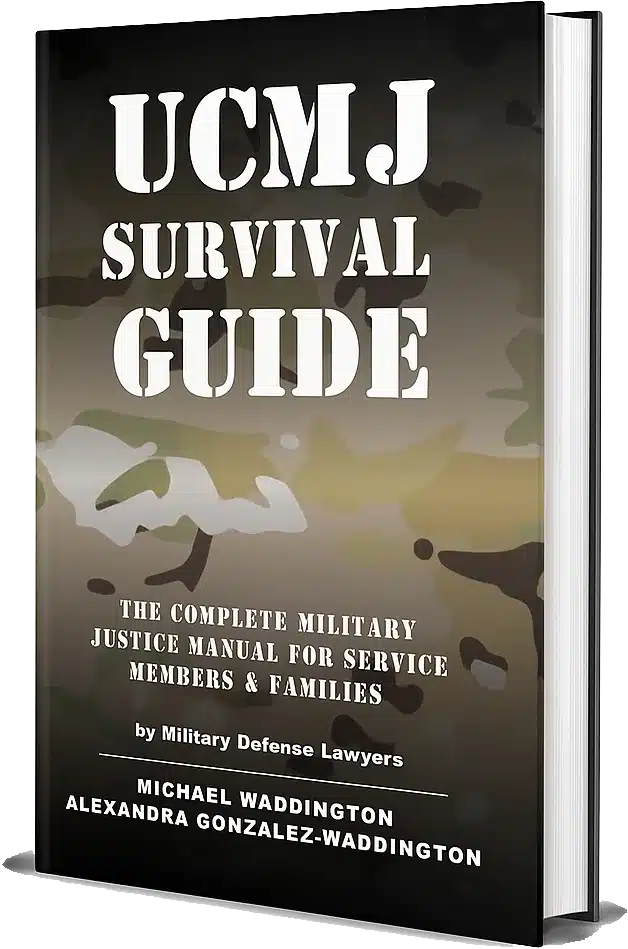
Check Out Our Newest Book
UCMJ Survival Guide

UCMJ Criminal Defense Lawyers

Worldwide Military Defense Experience
Defending Service Members Across Every Theater and Installation

Specialized Expertise in Serious Military Offenses
War Crimes, Sexual Assault, Violent Crimes, and White-Collar Defense

Media and High-Profile Case Experience
Featured on CNN, 60 Minutes, BBC, and Major News Outlets

Playlist

3:34

7:32

6:57

7:58

21:35

7:24

4:24
Frequently Asked Questions About Military Separation Boards
What is a Military Administrative Separation Board?
A Military Administrative Separation Board is a formal hearing convened to determine whether a service member should be separated from the military for administrative reasons. The board reviews evidence and hears testimony before making a recommendation regarding discharge. These boards evaluate conduct, performance, or other administrative grounds for separation. The process ensures an opportunity for the service member to present their side and receive a fair assessment based on military regulations. Legal representation is allowed and highly recommended during these proceedings.
Do I have the right to legal representation at my separation board?
Yes, service members have the right to legal representation during a Military Administrative Separation Board. Having counsel is important to understand the process, protect your rights, and present an effective defense. Military-appointed counsel may be provided, but many choose to retain civilian lawyers who specialize in military defense for more dedicated advocacy. Legal representation helps ensure that all evidence is properly considered and that procedural safeguards are followed, which can significantly affect the outcome of the board.
How can a lawyer help me during the separation process?
A lawyer can assist you by thoroughly reviewing your case, gathering evidence, and advising you on how to present your defense effectively. They help explain the legal standards and procedures involved in the separation board process. Your attorney will also advocate on your behalf during the hearing, cross-examine witnesses, and ensure your rights are protected throughout. This support is vital in achieving the best possible outcome and minimizing negative impacts on your military career and benefits.
What are the possible outcomes of a separation board?
Possible outcomes from a Military Administrative Separation Board include various types of discharge, such as honorable, general, or other-than-honorable, or retention in the military. The board’s decision depends on the evidence and circumstances of each case. Some discharges may affect future employment and benefits, so the characterization of discharge is a critical aspect of the board’s decision. Legal counsel can help seek the most favorable outcome based on your situation.
Can I appeal the decision of a Military Administrative Separation Board?
Yes, service members may have the right to appeal or request reconsideration of a board’s decision through military channels. The appeals process varies depending on the branch of service and the type of discharge issued. It is important to consult with legal counsel promptly to understand your options and the necessary steps to contest an unfavorable decision effectively.
How long does the separation board process usually take?
The length of the separation board process can vary widely depending on the complexity of the case and the military branch involved. Some proceedings may conclude within a few weeks, while others might take several months. Delays can occur due to evidence gathering, scheduling, or administrative factors. Throughout the process, your legal team will keep you informed about timelines and prepare you accordingly for each stage.
What should I bring to my separation board hearing?
You should bring all relevant documents, such as your personnel records, performance evaluations, and any evidence supporting your case. Additionally, prepare a list of witnesses if applicable, and any statements or materials that demonstrate your position. Your legal counsel will guide you on what specific items are necessary and help you organize your presentation for the hearing.
Will separation affect my military benefits?
Separation can impact your military benefits, including retirement, healthcare, and veterans’ benefits, depending on the type and characterization of your discharge. An honorable or general discharge generally preserves access to most benefits, while other types of discharge may limit or eliminate eligibility. It is important to understand how these outcomes affect your benefits and seek legal advice to protect them as much as possible.
What types of discharges can be issued by the board?
The board can issue several types of discharges, including honorable, general under honorable conditions, other than honorable, bad conduct, or dishonorable. The characterization depends on the findings related to your conduct and service. Each type has different implications for your post-military life, affecting employment, benefits, and reputation. Legal representation aims to achieve the most favorable discharge possible under the circumstances.
How do I contact UCMJ Military Defense Lawyers for help?
You can contact UCMJ Military Defense Lawyers by calling 800-921-8607 or visiting our website to schedule a consultation. Our team is ready to discuss your case, explain your options, and provide the support needed to defend your rights during Military Administrative Separation Board proceedings. We are dedicated to helping service members throughout Florida and beyond.