



Understanding Defense Services for Military Domestic Violence Charges
Facing military domestic violence charges under Article 128b can have serious implications for your career and personal life. At UCMJ Defense, located near Kodiak, Alaska, we understand the unique challenges service members encounter when dealing with these allegations. Our team is dedicated to providing thorough legal defense tailored to military law to protect your rights and future.
Domestic violence accusations within the military justice system require a strategic and informed response. Whether you are stationed on Kodiak Island or nearby areas in Alaska, having knowledgeable counsel familiar with military procedures and Article 128b specifics is essential. We work closely with clients to navigate this complex area of law and strive to achieve the best possible outcome.
The Significance of Skilled Representation in Military Domestic Violence Cases
Military domestic violence charges can impact not only your military record but also your civilian life and family relationships. Effective legal defense helps ensure that your side of the story is heard and that your rights under the Uniform Code of Military Justice are upheld. The benefit of experienced representation is a focused approach that addresses both legal and procedural aspects unique to military courts.
About UCMJ Defense: Dedicated Military Defense Lawyers in Alaska
UCMJ Defense, with attorneys Waddington and Gonzalez, specializes in defending service members across Alaska, including those near Kodiak. Our firm prioritizes understanding the nuances of military law and the challenges faced by clients in domestic violence charges. We strive to provide dedicated support and personalized defense strategies to protect your rights and military career.
Comprehensive Guide to Military Domestic Violence Defense under Article 128b
Military domestic violence charges are governed by Article 128b of the Uniform Code of Military Justice. This article addresses offenses involving violence or threats within domestic relationships among service members. Our guide outlines the legal framework, potential penalties, and defense options to help you understand your position and make informed decisions.
Navigating military courts requires specialized knowledge different from civilian systems. This guide also explains procedural rights, evidentiary standards, and the importance of timely legal counsel. Whether you are stationed on Kodiak Island or elsewhere in Alaska, understanding these elements is crucial to mounting a strong defense against domestic violence allegations under the UCMJ.
What Constitutes Domestic Violence under Military Law?
Under Article 128b, domestic violence includes physical harm, threats, or abusive behavior directed at a current or former intimate partner or family member. The military law defines these offenses broadly to protect service members and their families. Understanding the specific definitions and criteria is vital in preparing a defense and addressing any allegations effectively.
Essential Components and Procedures in Article 128b Cases
Military domestic violence cases involve several key elements such as proof of relationship, evidence of harm or threat, and adherence to military procedural rules. Defense strategies often focus on challenging the evidence, ensuring proper investigation, and safeguarding the accused’s rights throughout the military justice process, including investigations, Article 32 hearings, and courts-martial.
Glossary of Terms Related to Military Domestic Violence Defense
Familiarity with military legal terms is essential when facing charges under Article 128b. This glossary explains common phrases and concepts to help service members better understand their case and communicate effectively with their defense counsel.
Article 128b
Article 128b is the section of the Uniform Code of Military Justice that addresses domestic violence offenses committed by service members against family or intimate partners within the military community.
Article 32 Hearing
An Article 32 hearing is a preliminary hearing in the military justice system designed to determine whether there is enough evidence to proceed to a court-martial for serious charges like domestic violence.
Court-Martial
A court-martial is a military court that tries members of the armed forces accused of violating the UCMJ, including domestic violence offenses under Article 128b.
Pretrial Confinement
Pretrial confinement refers to the detention of a service member before their trial if they are considered a flight risk or a danger to others in domestic violence cases.
Comparing Defense Approaches for Military Domestic Violence Charges
Service members facing Article 128b charges can pursue various defense strategies depending on the case specifics. Limited approaches may focus on negotiating reduced charges or alternative resolutions, while comprehensive defenses involve thorough investigation, evidence gathering, and full trial preparation. Choosing the right approach depends on the facts, evidence, and desired outcomes.
Situations Where a Limited Defense Strategy May Apply:
Minor or Circumstantial Evidence
In cases where allegations stem from minor incidents or where evidence is largely circumstantial, a limited defense strategy that focuses on negotiation or plea agreements might be appropriate. This can help service members resolve the matter quickly while minimizing career impacts.
First-Time Offenses with Mitigating Factors
For first-time offenders with mitigating circumstances such as lack of prior disciplinary issues or evidence of reconciliation efforts, a limited legal approach might effectively address the charges without the need for a full court-martial defense.
Why a Complete Defense Strategy Is Often Necessary:
Complex Evidence and Serious Allegations
When the charges involve complex evidence or serious injury allegations, a comprehensive defense is necessary to thoroughly investigate and challenge the prosecution’s case, ensuring all rights are protected throughout the military justice process.
Potential Long-Term Consequences
Given that domestic violence convictions can have lasting effects on military careers, benefits, and civilian life, a full defense approach is vital to safeguard the accused from unjust penalties and career-ending outcomes.
Advantages of a Thorough Defense in Military Domestic Violence Cases
A comprehensive defense ensures all aspects of the case are carefully examined. This includes collecting evidence, interviewing witnesses, and scrutinizing procedural errors, which can all contribute to a stronger defense and better case resolution.
By fully engaging the military justice system’s complexities, service members receive protection that addresses both legal and personal consequences, ultimately aiming to preserve their rights, military standing, and future opportunities.
Thorough Case Evaluation
A detailed evaluation of all evidence and facts helps identify weaknesses in the prosecution’s case and opportunities to present a strong defense, increasing the likelihood of favorable outcomes.
Protection of Legal Rights
A comprehensive defense safeguards your constitutional and military procedural rights, ensuring that due process is followed and that any violations can be challenged effectively.
As Featured On:

NEED MILITARY LAW HELP?
Fill out this form or call 1-800-921-8607 to request a consultation.


Top Searched Keywords
- Military Domestic Violence Defense Alaska
- Article 128b Defense Lawyer Kodiak
- UCMJ Domestic Violence Charges Defense
- Kodiak Military Defense Attorney
- Military Court Domestic Violence Representation
- Alaska Military Legal Defense
- Uniform Code Military Justice Defense
- Domestic Violence Court Martial Alaska
- Military Family Violence Defense Lawyer
Pro Tips for Navigating Military Domestic Violence Defense
Act Quickly to Secure Legal Representation
Timely legal counsel is vital in military domestic violence cases to ensure your rights are protected from the earliest stages of investigation and to help you understand the military justice process.
Maintain Comprehensive Documentation
Understand Your Rights Under the UCMJ
Familiarize yourself with the Uniform Code of Military Justice provisions related to domestic violence to better navigate your case and communicate effectively with your attorney.
Why You Should Consider Defense Services for Military Domestic Violence Charges
Military domestic violence charges carry serious penalties that can affect your military career and personal life. Defense services provide the necessary support to challenge allegations, protect your rights, and seek the best possible outcome under military law.
With the unique procedures and standards of the military justice system, having dedicated legal defense ensures your case is handled with the attention and knowledge required to navigate complex military regulations effectively.
Typical Situations That Lead to Military Domestic Violence Defense Needs
Service members may face domestic violence charges due to misunderstandings, disputes escalating at home, or allegations brought during stressful personal circumstances. Regardless of the situation, prompt defense action is essential to protect rights and manage outcomes.
Disputes Within Military Families
Tensions in military households can sometimes lead to conflicts resulting in domestic violence allegations, necessitating careful legal defense to address the unique aspects of military family life.
False or Misleading Allegations
Occasionally, service members face unfounded accusations that require a rigorous defense to uncover the truth and prevent unjust punishment under the UCMJ.
Incidents During Military Deployment or Duty
Allegations can arise during or after deployment periods, highlighting the need for defense lawyers familiar with military contexts and stressors impacting service members.
Meet Your Defense Team


Michael S. Waddington
Criminal Defense Lawyer

PARTNER
Alexandra González-Waddington
Criminal Defense Lawyer
PARTNER
Battle-Tested Results
Recent Case Results
Gang-Rape Allegation Collapses Against Navy Officer
U.S. v. Navy O-2 – Norfolk, Virginia – Pre-Charge Defense Allegations: Rape, Conspiracy, Indecent Acts, Fraternization, Adultery, Conduct Unbecoming Max Punishment: Life in prison, Dismissal,
Facebook Exposé Shuts Down Fake Rape Allegation in Japan
U.S. v. Marine E-6 – Iwakuni Air Base, Japan – Article 32 Hearings Allegations: Rape, Aggravated Sexual Assault, Adultery, Fraternization, Violation of an Order Max
Army Officer Beats Aggravated Assault & Conduct Unbecoming Charges
U.S. v. Army O-1 – Fort Bragg, NC / Tried at Fort McNair, Washington D.C. – General Court-Martial Allegations: Aggravated Assault with Means Likely to
Navy Sailor’s Sex Assault Case Tossed After UCI Bombshell
U.S. v. Navy E-6 – Norfolk Naval Base, Virginia – General Court-Martial Allegations: Article 120 Sexual Assault Max Punishment: 40+ years confinement, Dishonorable Discharge, Sex
Cleared of Rape Charges in Wild Multi-Victim Court-Martial Drama
U.S. v. Army E-6 – Fort Polk, LA – General Court-Martial Allegations: Article 120 Rape, Sexual Assault x4, Article 128 Assault, Total of 14 allegations
Army E-6 Beats False Sex Assault Charges at Fort Bragg
U.S. v. Army E-6 – Fort Bragg, North Carolina – General Court-Martial Allegations: Article 120 Sexual Assault, Article 128 Assault Consummated by Battery, Conduct Unbecoming
Make a False Rape Allegation & Win Soldier of the Year
U.S. v. Army CW2 – Fort Gordon, GA
Allegations: RAPE, Fraternization, Adultery
Max Punishment: LIFE, Dismissal, Sex Offender Registration
Result: ALL CHARGES DISMISSED
Discharge: RETIRED WITH AN HONORABLE
Location/Branch/Rank: Fort Gordon – Augusta, GA/Army/CW2
Cheating Marine Officer Calls Rape
U.S. v. Marine O-3 – Marine Forces Reserve, Naval Support Activity, New Orleans, LA Allegations: Article 120 Rape/Sexual Assault Max Punishment: Life in prison, Dismissal, Sex offender registration

Take Command of Your Defense
Why Service Members Trust UCMJ Defense for Military Domestic Violence Cases
Call Us Today
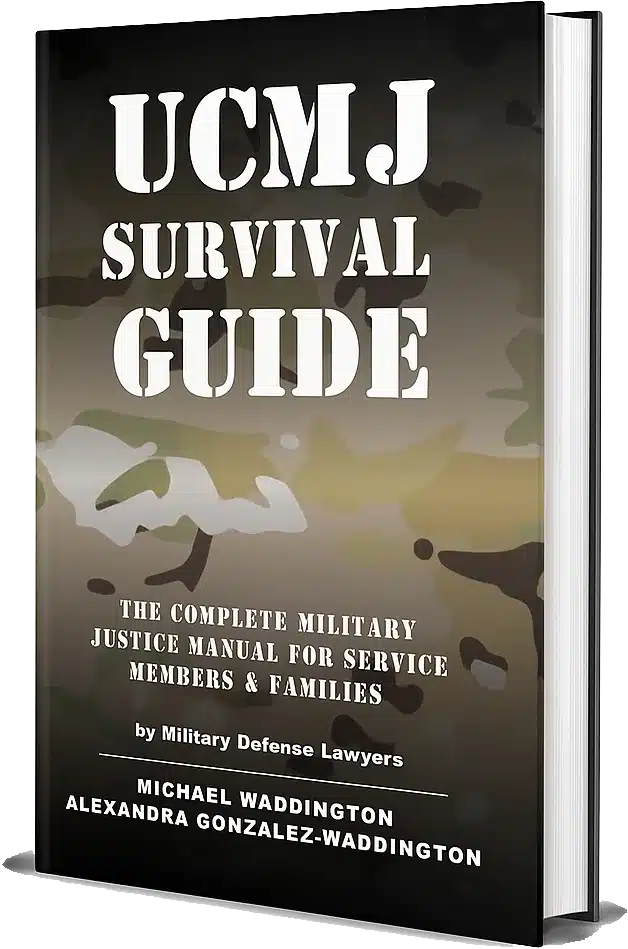
Check Out Our Newest Book
UCMJ Survival Guide

UCMJ Criminal Defense Lawyers

Worldwide Military Defense Experience
Defending Service Members Across Every Theater and Installation

Specialized Expertise in Serious Military Offenses
War Crimes, Sexual Assault, Violent Crimes, and White-Collar Defense

Media and High-Profile Case Experience
Featured on CNN, 60 Minutes, BBC, and Major News Outlets

Playlist

3:34

7:32

6:57

7:58

21:35

7:24

4:24
Frequently Asked Questions About Military Domestic Violence Defense
What is Article 128b in the UCMJ?
Article 128b of the Uniform Code of Military Justice specifically addresses domestic violence offenses committed by service members. It defines the scope and penalties related to abusive or violent acts within domestic or intimate relationships. Understanding this article is key to mounting a strong defense when faced with such charges. The article covers a range of behaviors from physical harm to threats, and the military justice system takes these allegations seriously to maintain order and protect families. If charged under Article 128b, it is crucial to seek knowledgeable legal support promptly to navigate the complexities of the military judicial process and to safeguard your rights throughout.
How can I defend myself against military domestic violence charges?
Defending against military domestic violence charges involves a thorough review of the evidence, witness statements, and circumstances surrounding the incident. Defense strategies may include challenging the credibility of accusations, presenting exculpatory evidence, or negotiating plea agreements when appropriate. The goal is to ensure that the accused’s side is fairly represented and that any procedural errors in the investigation or prosecution are addressed. Working with a legal team familiar with military law is essential to effectively manage the defense process and protect your military career and future. Early action and clear communication with your defense counsel can significantly impact the outcome of your case.
What are the potential penalties for domestic violence under Article 128b?
Penalties for domestic violence charges under Article 128b vary depending on the severity of the offense, prior disciplinary record, and specific circumstances. Potential consequences include reduction in rank, confinement, forfeiture of pay, and even discharge from the military. The military justice system seeks to balance discipline with fairness, but the stakes are high for those accused. It is important to understand the possible outcomes and work with defense lawyers who can help mitigate penalties by presenting a strong case and exploring all available legal options. Each case is unique, so tailored defense strategies are necessary to address individual facts and risks.
Can I remain in the military if charged with domestic violence?
Remaining in the military after a domestic violence charge depends on the case outcome and the severity of the offense. Some service members may face administrative separation or discharge, while others might continue their careers if charges are reduced or dismissed. The military evaluates each situation individually, considering factors such as conduct, rank, and service record. Defense counsel plays a critical role in helping clients understand these possibilities and in advocating for outcomes that protect military status whenever feasible. Proactive legal defense and clear communication with commanding officers can influence retention decisions positively.
What should I do immediately after being accused of domestic violence in the military?
Immediately after being accused of domestic violence in the military, it is important to remain calm and avoid making statements without legal counsel present. Requesting a lawyer before answering questions or participating in interviews protects your rights and helps prevent self-incrimination. Documenting your recollection of events and gathering any supporting evidence can also aid your defense. Contacting a military defense attorney experienced with Article 128b cases ensures you receive guidance tailored to the military justice system. Prompt legal assistance can help manage the investigation and prepare a defense strategy that addresses the specific nature of your case.
How does an Article 32 hearing work in domestic violence cases?
An Article 32 hearing is a preliminary investigation to determine if there is enough evidence to justify a court-martial for serious offenses like domestic violence. During this hearing, evidence is presented, and witnesses may be called to testify. The accused has the right to legal representation and to cross-examine witnesses. The hearing officer then recommends whether to proceed with the charges. This process is critical because it helps filter cases before full trials, ensuring that only those with sufficient evidence move forward. Understanding the hearing’s purpose and preparing thoroughly can influence the recommendation and the case’s direction.
Is civilian court involved in military domestic violence cases?
Military domestic violence cases are primarily handled within the military justice system under the UCMJ. However, in some situations, civilian courts may also have jurisdiction, especially if the alleged offense violates state or federal laws. Coordination between military and civilian authorities can complicate proceedings, requiring defense counsel familiar with both systems. Service members should be aware of the potential for dual prosecution and the implications it has on their defense strategy. Legal representation can help navigate these complexities and ensure the best possible outcome across jurisdictions.
How long does a military domestic violence case usually take?
The duration of a military domestic violence case varies based on factors such as the complexity of evidence, the military branch, and the specific procedures involved. Some cases may resolve quickly through negotiated agreements, while others proceed through lengthy investigations, hearings, and courts-martial. Delays can occur due to administrative or procedural requirements. Understanding these timelines helps manage expectations and prepare for the defense process. Having experienced counsel can help streamline proceedings and advocate for timely resolutions without compromising the quality of defense.
Can I appeal a domestic violence conviction under the UCMJ?
Appealing a domestic violence conviction under the UCMJ involves filing with the appropriate military appellate courts. Grounds for appeal may include errors in law, procedural mistakes, or new evidence. The appeals process can be complex and requires detailed knowledge of military appellate procedures. Defense attorneys assist clients in identifying viable appeal issues and preparing the necessary documentation. While not all convictions are reversible, appeals provide an important avenue to challenge unjust outcomes and seek relief when warranted.
How does UCMJ Defense help clients facing Article 128b charges?
UCMJ Defense assists clients facing Article 128b charges by providing personalized legal representation focused on the military justice system’s unique requirements. Our attorneys thoroughly investigate each case, develop strategic defenses, and advocate vigorously during all stages of the process, including hearings and trials. We prioritize protecting your rights and minimizing negative impacts on your military career and personal life. With a commitment to clear communication and support, UCMJ Defense aims to guide service members through challenging legal situations with confidence and care.