



Understanding Defense Strategies for Article 134 Online Enticement Cases at Sasebo Japan
Facing allegations under Article 134 for online enticement and predator-style sting operations can be daunting for military personnel stationed at Sasebo Japan, Japan. This serious charge involves complex legal considerations and potential impacts on your military career. Our firm is committed to providing strong legal support tailored to the unique circumstances of these cases within the Japanese jurisdiction and the surrounding region including Nagasaki Prefecture.
Navigating the military justice system requires careful attention to detail and an understanding of how local and military laws intersect. At UCMJ Defense, we focus on protecting your rights and developing a thorough defense strategy that addresses the specific facts of your situation. Our approach ensures you receive the guidance necessary to face these charges confidently.
The Importance of Specialized Defense for Online Enticement Under Article 134
Charges involving online enticement under Article 134 carry significant consequences that can affect your military status and future opportunities. Securing knowledgeable legal representation helps safeguard your rights and ensures that all procedural protections are observed. Effective defense can lead to mitigation or dismissal of charges, preserving your service record and personal reputation within the Sasebo Japan community and beyond.
About UCMJ Defense: Commitment to Military Legal Support at Sasebo Japan
UCMJ Defense, with attorneys Waddington and Gonzalez, offers dedicated support for military members facing charges such as those under Article 134 at Sasebo Japan in Japan. Our firm understands the nuances of military law and the importance of defending your rights in these challenging cases. We are located to serve personnel in Nagasaki Prefecture and the surrounding regions, providing personalized legal services with a focus on achieving favorable outcomes.
Comprehensive Guide to Defending Against Online Enticement Charges at Sasebo Japan
This guide offers insight into the legal challenges presented by Article 134 charges related to online enticement and predator-style sting operations. Understanding the nature of these offenses and the military judicial process is essential for anyone confronted with such allegations. The information provided here will help you make informed decisions about your defense and your rights within the military justice system.
Our team at UCMJ Defense is committed to supporting clients through every step of their case. We prioritize clear communication and strategic planning to address each unique circumstance with the care it deserves. Whether you are at Sasebo Japan or nearby installations, we provide thorough legal assistance tailored to the complexities of military law.
Understanding Online Enticement Under Military Article 134
Article 134 of the Uniform Code of Military Justice addresses offenses that are prejudicial to good order and discipline or that bring discredit upon the armed forces. Online enticement involves attempts to lure individuals, often minors, into illicit conduct through digital communication methods. These charges are taken seriously within the military justice system due to their potential impact on unit cohesion and public trust.
Key Elements and Legal Procedures in Online Enticement Defense
Defending against online enticement charges requires a clear understanding of evidence collection, witness testimony, and the specific criteria that constitute the offense under Article 134. Legal processes include investigations, pretrial hearings, and potentially courts-martial, each with procedural safeguards that must be observed. Effective defense involves scrutinizing the prosecution’s case and advocating for your rights at every stage.
Glossary of Terms Relevant to Article 134 Online Enticement Defense
Familiarity with legal terminology is important when navigating military legal challenges. The following terms frequently appear in cases involving online enticement under Article 134 and understanding them can help clarify the defense process and your legal position.
Article 134
A provision of the Uniform Code of Military Justice addressing offenses not specifically listed but considered prejudicial to good order or discrediting to the armed forces, including online enticement.
Predator-Style Sting Operation
A law enforcement tactic used to catch individuals attempting to engage in illegal online conduct, often involving undercover agents posing as minors or vulnerable persons.
Courts-Martial
Military courts responsible for trying service members accused of violating the UCMJ, including cases involving Article 134 offenses.
Pretrial Hearing
A legal proceeding before a court-martial designed to determine the admissibility of evidence and other matters relevant to the case.
Comparing Legal Approaches for Article 134 Online Enticement Charges
When facing online enticement allegations, military personnel have various defense options ranging from limited scope representation to comprehensive legal strategies. Each approach has its benefits and considerations depending on the specifics of the charge and the evidence involved. Evaluating these options carefully can influence the outcome of your case significantly.
Circumstances Favoring a Limited Defense Approach:
Minor or Circumstantial Evidence
A limited defense approach may be appropriate when the evidence against the accused is minor, circumstantial, or when the charges are less severe. In such cases, focusing on negotiating reduced charges or alternative resolutions can be effective in minimizing consequences while conserving resources.
First-Time Offenses with Mitigating Factors
When the accused has no prior offenses and there are mitigating circumstances, a limited defense may concentrate on highlighting these factors to achieve favorable plea agreements or lesser sentences, helping to preserve the service member’s future within the military.
Advantages of a Comprehensive Defense Strategy:
Complex or High-Stakes Cases
Complex cases involving substantial evidence or serious allegations warrant a comprehensive defense strategy. This approach involves thorough investigation, expert consultations, and detailed preparation to challenge prosecution claims and protect the accused’s rights effectively.
Protecting Long-Term Military Careers
For service members invested in their military careers, a comprehensive defense is critical to avoid convictions that could lead to discharge or loss of benefits. This strategy aims to secure the best possible outcome to maintain professional standing and future opportunities.
Key Benefits of Choosing Comprehensive Legal Representation
Comprehensive legal representation ensures that all aspects of your case are meticulously examined. This thoroughness can uncover weaknesses in the prosecution’s case and provide a robust defense that addresses both legal and factual issues.
Additionally, a full-service defense team can offer ongoing support throughout the judicial process, helping you understand options and make informed decisions that align with your personal and professional goals within the military environment.
Thorough Case Analysis
A comprehensive defense involves detailed review of evidence, witness statements, and procedural actions taken during the investigation. This level of scrutiny can reveal inconsistencies or procedural errors that may be critical in building a strong defense.
Personalized Client Support
Clients benefit from personalized attention where their concerns and goals are prioritized. The defense team works closely with the individual to craft strategies that not only address legal challenges but also consider the client’s long-term interests within the military.
As Featured On:

NEED MILITARY LAW HELP?
Fill out this form or call 1-800-921-8607 to request a consultation.


Top Searched Keywords
- Military Article 134 Defense
- Online Enticement Military Charges
- Sasebo Japan Legal Defense
- Military Defense Lawyer Japan
- Predator Sting Military Cases
- UCMJ Defense Attorneys
- Military Courts Martial Defense
- Japan Military Legal Counsel
- Nagasaki Military Defense Lawyer
Pro Tips for Navigating Article 134 Online Enticement Cases
Maintain Privacy and Limit Communication
If you are under investigation or charged, it is important to limit communication about the case and refrain from discussing details with others. Protecting your privacy helps prevent misunderstandings and the inadvertent sharing of information that could be used against you.
Seek Legal Representation Early
Understand Your Rights Under the UCMJ
Be aware of your rights throughout the military justice process, including the right to remain silent and the right to counsel. Understanding these rights empowers you to make informed decisions during investigations and proceedings.
Why Choose UCMJ Defense for Your Article 134 Case at Sasebo Japan
UCMJ Defense serves military members facing Article 134 online enticement charges with dedicated legal support. Located to serve the Nagasaki Prefecture region near Sasebo Japan, our team understands the unique challenges faced by those in the military justice system and works diligently to protect your rights and future.
Our approach is client-focused, providing clear communication and strategic guidance throughout your case. With a commitment to thorough preparation and advocacy, we aim to achieve the best possible outcomes for every client entrusted to our care.
Common Situations Leading to Article 134 Online Enticement Charges
Charges under Article 134 for online enticement often arise from investigations involving online communications, sometimes initiated by law enforcement sting operations. These situations can catch service members off guard and require immediate legal attention to manage the complexities of the military justice system effectively.
Engagement in Online Conversations with Undercover Agents
Service members may unknowingly engage in conversations with undercover agents posing as minors or vulnerable individuals, which can lead to enticement charges. Understanding the nature of these operations is key to preparing a defense.
Misinterpretation of Online Messages
Sometimes, innocent or ambiguous online interactions are misinterpreted as enticement. A careful review of the communication context and intent is crucial in these cases.
Prior Conduct or Records Influencing Charges
Previous disciplinary history or conduct can affect the severity of charges and defense strategy. It is important to disclose all relevant information to your legal counsel to ensure comprehensive representation.
Meet Your Defense Team


Michael S. Waddington
Criminal Defense Lawyer

PARTNER
Alexandra González-Waddington
Criminal Defense Lawyer
PARTNER
Battle-Tested Results
Recent Case Results
Gang-Rape Allegation Collapses Against Navy Officer
U.S. v. Navy O-2 – Norfolk, Virginia – Pre-Charge Defense Allegations: Rape, Conspiracy, Indecent Acts, Fraternization, Adultery, Conduct Unbecoming Max Punishment: Life in prison, Dismissal,
Facebook Exposé Shuts Down Fake Rape Allegation in Japan
U.S. v. Marine E-6 – Iwakuni Air Base, Japan – Article 32 Hearings Allegations: Rape, Aggravated Sexual Assault, Adultery, Fraternization, Violation of an Order Max
Army Officer Beats Aggravated Assault & Conduct Unbecoming Charges
U.S. v. Army O-1 – Fort Bragg, NC / Tried at Fort McNair, Washington D.C. – General Court-Martial Allegations: Aggravated Assault with Means Likely to
Navy Sailor’s Sex Assault Case Tossed After UCI Bombshell
U.S. v. Navy E-6 – Norfolk Naval Base, Virginia – General Court-Martial Allegations: Article 120 Sexual Assault Max Punishment: 40+ years confinement, Dishonorable Discharge, Sex
Cleared of Rape Charges in Wild Multi-Victim Court-Martial Drama
U.S. v. Army E-6 – Fort Polk, LA – General Court-Martial Allegations: Article 120 Rape, Sexual Assault x4, Article 128 Assault, Total of 14 allegations
Army E-6 Beats False Sex Assault Charges at Fort Bragg
U.S. v. Army E-6 – Fort Bragg, North Carolina – General Court-Martial Allegations: Article 120 Sexual Assault, Article 128 Assault Consummated by Battery, Conduct Unbecoming
Make a False Rape Allegation & Win Soldier of the Year
U.S. v. Army CW2 – Fort Gordon, GA
Allegations: RAPE, Fraternization, Adultery
Max Punishment: LIFE, Dismissal, Sex Offender Registration
Result: ALL CHARGES DISMISSED
Discharge: RETIRED WITH AN HONORABLE
Location/Branch/Rank: Fort Gordon – Augusta, GA/Army/CW2
Cheating Marine Officer Calls Rape
U.S. v. Marine O-3 – Marine Forces Reserve, Naval Support Activity, New Orleans, LA Allegations: Article 120 Rape/Sexual Assault Max Punishment: Life in prison, Dismissal, Sex offender registration

Take Command of Your Defense
Why Military Personnel Rely on UCMJ Defense for Article 134 Cases
Call Us Today
Check Out Our Newest Book
UCMJ Survival Guide

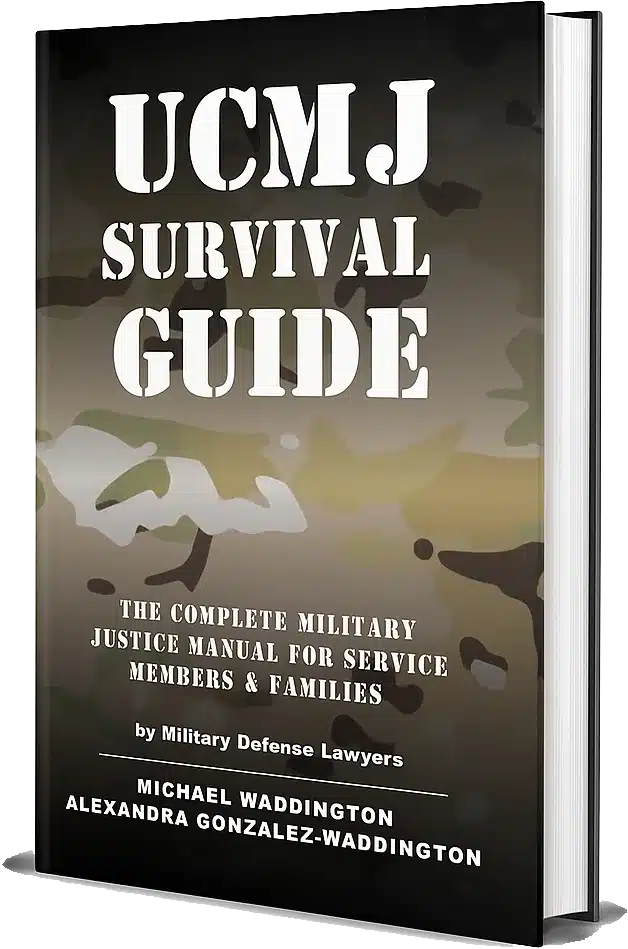
UCMJ Criminal Defense Lawyers

Worldwide Military Defense Experience
Defending Service Members Across Every Theater and Installation
Specialized Expertise in Serious Military Offenses
War Crimes, Sexual Assault, Violent Crimes, and White-Collar Defense

Media and High-Profile Case Experience
Featured on CNN, 60 Minutes, BBC, and Major News Outlets

Playlist

3:34

7:32

6:57

7:58

21:35

7:24

4:24
Frequently Asked Questions About Article 134 Online Enticement Defense
What is Article 134 and how does it apply to online enticement?
Article 134 is a general article under the Uniform Code of Military Justice that covers offenses not specifically listed elsewhere but which are detrimental to good order and discipline or discredit the armed forces. Online enticement involves using electronic communication to lure someone into illegal or inappropriate conduct. This charge is taken seriously by military authorities due to its nature and potential effects on the military community. Understanding the scope and implications of Article 134 is essential for mounting an effective defense. Each case is unique, requiring careful analysis of evidence and circumstances to determine the best legal strategy.
What should I do if I am charged with online enticement at Sasebo Japan?
If charged with online enticement at Sasebo Japan, it is important to seek legal counsel immediately to protect your rights and prepare your defense. Early representation helps ensure that all procedural safeguards are followed and that your side of the story is effectively communicated. Avoid discussing the case with others until you have legal advice. A qualified military defense attorney can guide you through the investigation and court-martial process, helping you understand the charges and potential consequences. Prompt action and thorough preparation are key to achieving the best possible outcome.
How can a military defense lawyer help with predator-style sting cases?
Military defense lawyers provide critical assistance in predator-style sting cases by thoroughly examining the evidence and ensuring that your rights are protected throughout the legal process. They evaluate the tactics used by law enforcement and challenge any procedural errors or improper conduct. Defense attorneys also help clients understand the complexities of military law and the specific charges they face. Their advocacy is aimed at securing the most favorable resolution possible, whether through negotiation, dismissal, or trial defense. Having knowledgeable legal support can make a significant difference in the outcome of these sensitive cases.
What are the potential consequences of an Article 134 online enticement conviction?
An Article 134 online enticement conviction can result in serious consequences, including confinement, reduction in rank, forfeiture of pay, and discharge from military service. Such penalties may have long-term effects on your career and personal life. The severity of the punishment depends on the facts of the case, prior service record, and the outcome of the court-martial or other military proceedings. It is crucial to understand these potential consequences early and work with a defense attorney to mitigate risks. Proper legal representation can help preserve your rights and improve your chances of a favorable outcome.
Can online enticement charges be dismissed or reduced?
Yes, charges of online enticement under Article 134 can sometimes be dismissed or reduced, especially when there are weaknesses in the prosecution’s case or mitigating circumstances. Defense lawyers work to identify procedural errors, challenge evidence, and negotiate with military prosecutors to achieve charge reductions or alternative resolutions. Early legal intervention and thorough case review increase the likelihood of positive results. However, every case is different, and outcomes depend on specific facts and the quality of the defense.
How does the military justice process work for these types of charges?
The military justice process for Article 134 charges typically begins with an investigation, followed by pretrial hearings, and may proceed to a court-martial if the case is not resolved beforehand. Each stage has specific rules and procedures designed to ensure fairness and due process. Defense attorneys guide clients through these steps, explaining what to expect and helping prepare for hearings and trials. Understanding the process helps clients remain informed and engaged throughout their case. Support from legal counsel is essential to navigate this complex system effectively.
Is it advisable to discuss my case with commanding officers or peers?
It is generally advisable to limit discussions about your case with commanding officers or peers until you have consulted with a military defense attorney. Talking openly can inadvertently harm your defense or be used against you during the investigation or trial. An attorney can advise you on appropriate communication and help protect your rights. Maintaining confidentiality and following legal guidance helps ensure your defense is not compromised. Always seek legal advice before discussing case details with others in the military chain of command.
What rights do I have if I am under investigation for online enticement?
If you are under investigation for online enticement, you have important rights including the right to remain silent and the right to legal representation. You do not have to answer questions without an attorney present, and you should avoid making statements or signing documents without legal advice. Knowing and exercising these rights protects you during the investigative process and helps prevent self-incrimination. Consulting with a military defense lawyer early ensures that your rights are upheld and that you receive guidance tailored to your situation.
How long does an Article 134 online enticement case typically take?
The duration of an Article 134 online enticement case can vary widely depending on the complexity of the charges, the scope of the investigation, and the scheduling of military judicial proceedings. Some cases may resolve in a few months, while others can take longer due to pretrial motions, evidence gathering, and court-martial scheduling. Staying in close contact with your defense team helps you understand the timeline and prepares you for each phase of the process. Patience and proactive legal support are key during this period.
Why should I choose UCMJ Defense for my military legal representation?
Choosing UCMJ Defense for your military legal representation means working with a team focused exclusively on military law and the specific challenges of Article 134 cases. Our attorneys are familiar with the military justice system at Sasebo Japan and the surrounding Nagasaki region, providing personalized and strategic defense. We prioritize clear communication and comprehensive case preparation to protect your rights and future. Our commitment is to support you every step of the way, ensuring you receive the dedicated advocacy you deserve in these serious matters.