



Gang-Rape Allegation Collapses Against Navy Officer
U.S. v. Navy O-2 – Norfolk, Virginia – Pre-Charge Defense Allegations: Rape, Conspiracy, Indecent Acts, Fraternization, Adultery, Conduct Unbecoming Max Punishment: Life in prison, Dismissal,
Facing allegations under Navy Military Article 134 related to child pornography is a serious matter that requires careful legal defense. These charges can have profound consequences on your military career and personal life. Our firm is dedicated to providing thorough and strategic defense for service members stationed in Florida and nearby regions, ensuring your rights are protected throughout the process.
The Uniform Code of Military Justice (UCMJ) mandates strict penalties for violations under Article 134, especially those involving child pornography. If you are stationed near naval bases such as Naval Station Mayport in Jacksonville, Florida, it is critical to seek legal counsel familiar with military law and local regulations to navigate these complex cases effectively.
A strong legal defense can make a significant difference when dealing with child pornography accusations under Article 134. Proper representation helps ensure that your case is thoroughly examined, procedural errors are identified, and your rights are upheld. Our team focuses on building a defense strategy tailored to your specific situation to achieve the best possible outcome.
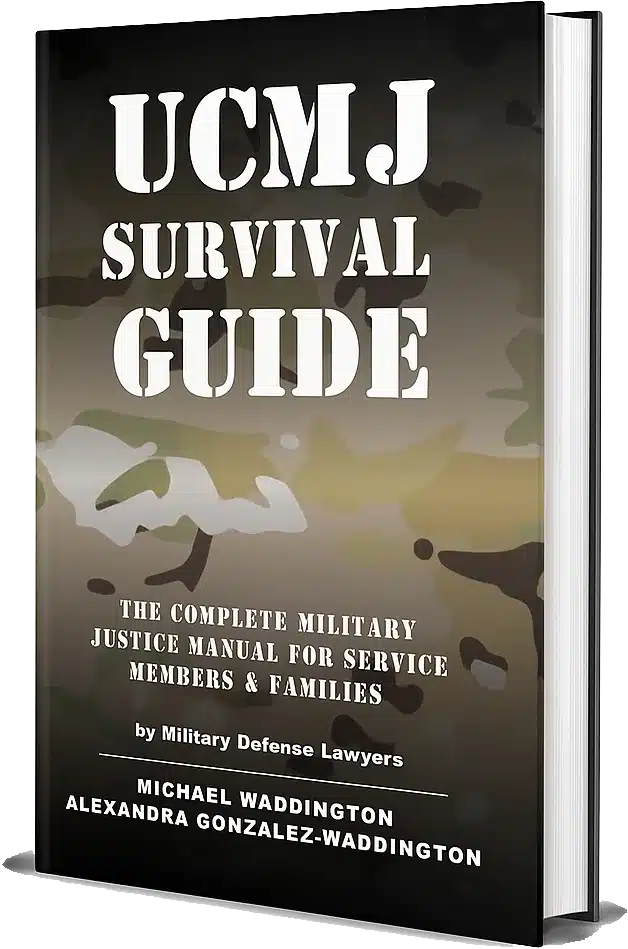
At UCMJ Defense Lawyers, including attorneys Waddington and Gonzalez, we dedicate our practice to defending military personnel facing serious charges. Based in Florida, we understand the unique challenges of military legal cases and work closely with clients near naval installations to provide comprehensive and responsive counsel throughout all stages of defense.
Article 134 of the UCMJ covers a wide range of offenses, including those related to child pornography, which are treated with utmost severity. Understanding the specifics of these charges and how military law applies is essential for developing an effective defense. This guide provides insights into the legal processes and your rights under military justice.
Navigating a military legal case involves unique procedures distinct from civilian courts. From the initial investigation to possible court-martial proceedings, each phase must be managed with care and attention to detail. Our firm supports clients by explaining the process clearly and advocating vigorously on their behalf.
Article 134 addresses offenses not specifically listed elsewhere in the UCMJ but which are deemed prejudicial to good order and discipline. Child pornography charges under this article involve possession, distribution, or production of illicit materials and carry severe penalties within the military justice system. Understanding these definitions helps service members grasp the seriousness of the accusations they face.
Prosecutors must prove specific elements to establish a violation of Article 134 related to child pornography, including intent and knowledge. The defense process often involves challenging evidence admissibility, procedural compliance, and factual assertions. Our approach includes careful case analysis and strategic defense planning tailored to each client’s needs.
Understanding the terminology used in military justice is important for service members facing Article 134 charges. This glossary explains common terms encountered during legal proceedings to help clients better comprehend their case and the defense strategies employed.
Article 134 of the UCMJ prohibits all conduct that is prejudicial to good order and discipline or service discrediting, including offenses like child pornography not explicitly detailed in other articles.
A court-martial is a military trial conducted to determine the guilt or innocence of a service member accused of violating the UCMJ, including serious charges under Article 134.
The Uniform Code of Military Justice is the federal law that governs the conduct of members of the United States military, including disciplinary actions and criminal prosecutions.
A pretrial investigation involves gathering evidence and assessing the facts of a case before formal charges are brought to ensure proper handling under military law.
Service members facing Article 134 allegations may consider various legal options, from self-representation to hiring civilian or military defense counsel. Choosing a lawyer familiar with military law and local jurisdictions, especially near Florida naval bases, can significantly impact the case’s outcome.
In cases where the service member’s involvement in the alleged offense is minimal or unclear, a focused defense targeting specific charges or evidence may suffice to mitigate penalties or achieve dismissal.
When early negotiations or pretrial interventions are possible, a limited defense approach can concentrate on resolving the case promptly, avoiding prolonged litigation and its associated stresses.
Military legal proceedings under Article 134 involve intricate rules and protocols that require thorough understanding and comprehensive defense strategies to protect a service member’s rights effectively.
Given the serious nature of child pornography charges and the harsh penalties involved, a comprehensive defense ensures all possible legal avenues are explored to reduce or negate consequences.
A comprehensive defense approach allows for detailed investigation, evidence review, and strategic planning, which can improve the chances of a favorable outcome in complex Article 134 cases.
Such a strategy also provides personalized attention and consistent communication, ensuring clients understand their rights and options at every stage.
Detailed examination of all evidence and circumstances allows for identification of weaknesses in the prosecution’s case and development of effective defense tactics tailored to the specifics of each client’s situation.
Clients benefit from ongoing support and guidance throughout the legal process, helping alleviate stress and ensuring informed decision-making during challenging military legal proceedings.



Immediate action helps preserve evidence and protects your rights. Contact a defense lawyer familiar with military law as soon as you face allegations under Article 134 to ensure a timely and effective defense.
Avoid sharing details about your case with anyone other than your legal counsel to prevent unintentional self-incrimination or compromising your defense strategy.
Facing charges under Article 134 related to child pornography requires a defense team with an intricate understanding of military law and procedures. Our firm offers dedicated representation tailored to the unique challenges of these serious allegations.
We prioritize protecting your military career and personal freedom by providing thorough case evaluation, aggressive defense tactics, and clear communication throughout your legal proceedings.
Service members may face Article 134 charges due to possession, distribution, or alleged involvement with child pornography materials. These charges often arise from investigations, searches, or reports within military installations, necessitating skilled defense representation.
Military authorities may conduct searches of computers, phones, or other devices, leading to discovery of prohibited content and subsequent charges under Article 134.
Information provided by fellow service members or civilian personnel can trigger investigations and formal accusations related to child pornography offenses.
Military law enforcement may conduct ongoing monitoring or investigations that uncover evidence supporting Article 134 charges, requiring immediate legal defense.



U.S. v. Navy O-2 – Norfolk, Virginia – Pre-Charge Defense Allegations: Rape, Conspiracy, Indecent Acts, Fraternization, Adultery, Conduct Unbecoming Max Punishment: Life in prison, Dismissal,
U.S. v. Marine E-6 – Iwakuni Air Base, Japan – Article 32 Hearings Allegations: Rape, Aggravated Sexual Assault, Adultery, Fraternization, Violation of an Order Max
U.S. v. Army O-1 – Fort Bragg, NC / Tried at Fort McNair, Washington D.C. – General Court-Martial Allegations: Aggravated Assault with Means Likely to
U.S. v. Navy E-6 – Norfolk Naval Base, Virginia – General Court-Martial Allegations: Article 120 Sexual Assault Max Punishment: 40+ years confinement, Dishonorable Discharge, Sex
U.S. v. Army E-6 – Fort Polk, LA – General Court-Martial Allegations: Article 120 Rape, Sexual Assault x4, Article 128 Assault, Total of 14 allegations
U.S. v. Army E-6 – Fort Bragg, North Carolina – General Court-Martial Allegations: Article 120 Sexual Assault, Article 128 Assault Consummated by Battery, Conduct Unbecoming
U.S. v. Army CW2 – Fort Gordon, GA
Allegations: RAPE, Fraternization, Adultery
Max Punishment: LIFE, Dismissal, Sex Offender Registration
Result: ALL CHARGES DISMISSED
Discharge: RETIRED WITH AN HONORABLE
Location/Branch/Rank: Fort Gordon – Augusta, GA/Army/CW2
U.S. v. Marine O-3 – Marine Forces Reserve, Naval Support Activity, New Orleans, LA Allegations: Article 120 Rape/Sexual Assault Max Punishment: Life in prison, Dismissal, Sex offender registration











Article 134 of the Uniform Code of Military Justice covers a broad range of offenses that affect good order and discipline in the military, including child pornography-related crimes. It serves as a general article to prosecute offenses not specifically addressed elsewhere in the UCMJ. Understanding Article 134 is critical for service members to recognize the seriousness of charges brought under it. Military authorities treat violations under this article with significant gravity due to their impact on morale and discipline within the armed forces.
Penalties for child pornography charges under Article 134 can be severe, including court-martial convictions that may lead to confinement, reduction in rank, forfeiture of pay, and even dismissal from service. The exact punishment depends on the circumstances and evidence presented. Because of the serious consequences, it is vital for accused service members to seek robust legal defense to protect their rights and potentially mitigate punishments. The military justice system provides for strict enforcement to uphold standards and deter misconduct.
A military defense lawyer plays a key role in guiding service members through the complex legal process and ensuring their constitutional and military rights are protected. Defense counsel investigates the facts, challenges improper procedures, and presents arguments to dispute or lessen charges. Their advocacy can influence the outcome significantly by negotiating plea agreements or preparing for trial. Having experienced legal representation is particularly important in Article 134 cases due to the complexity and potential severity of penalties involved.
Unawareness of prohibited content on electronic devices does not automatically absolve service members of responsibility, but it can be a factor in defense strategies. Lawyers will examine how evidence was obtained and whether intent or knowledge can be reasonably established. They may challenge the prosecution’s claims or raise doubts about the accused’s involvement. Each case is unique, and a thorough legal analysis is necessary to determine the most appropriate defense approach in such situations.
If you are under investigation for Article 134 violations related to child pornography, it is crucial to refrain from discussing the case with others and to seek legal representation immediately. Early involvement of a defense lawyer can help protect your rights, advise you on how to respond to inquiries, and ensure that evidence is properly handled. Prompt action can also prevent procedural errors that might negatively affect your case. Being proactive during an investigation is key to mounting an effective defense.
The military court process for Article 134 charges typically begins with an investigation, followed by preferral of charges and possible court-martial. Proceedings involve presentation of evidence, witness testimony, and legal arguments before a military judge or panel. The process has specific rules distinct from civilian courts, emphasizing discipline and order within the military structure. Understanding these procedural aspects helps accused service members navigate the system more effectively and with appropriate legal counsel.
Prosecutors in Article 134 child pornography cases often rely on digital evidence from electronic devices, witness statements, and forensic analysis to build their case. They must demonstrate that the accused knowingly possessed or distributed illicit material. The defense may challenge the admissibility or reliability of such evidence, scrutinize investigative methods, and question intent. Effective defense counsel carefully reviews all evidence to identify weaknesses and protect the client’s interests throughout the trial process.
Article 134 charges are prosecuted under the Uniform Code of Military Justice, which differs from civilian criminal law in procedures, terminology, and penalties. Military courts emphasize maintaining good order and discipline, sometimes resulting in harsher consequences. While some legal protections are similar, the military system has unique rules regarding evidence, representation, and appeals. Service members should consult attorneys experienced in military law to understand these distinctions and prepare an appropriate defense.
Convictions under Article 134 can have lasting impacts on a military career, including loss of rank, pay, and eligibility for continued service. They may also affect security clearances and future employment opportunities within and outside the military. Given these potential consequences, it is essential for accused service members to seek legal defense that aims to minimize or avoid convictions. Protecting your career and reputation requires knowledgeable representation throughout the legal process.
Contacting a defense lawyer as soon as possible after being charged with an Article 134 offense is critical. Early legal intervention allows the attorney to review evidence, advise on rights, and influence investigative or prosecutorial decisions. Delays in obtaining counsel can limit defense options and increase risks of adverse outcomes. Timely representation ensures that your case is handled with diligence and that your rights are vigorously protected from the outset.