



Gang-Rape Allegation Collapses Against Navy Officer
U.S. v. Navy O-2 – Norfolk, Virginia – Pre-Charge Defense Allegations: Rape, Conspiracy, Indecent Acts, Fraternization, Adultery, Conduct Unbecoming Max Punishment: Life in prison, Dismissal,
Facing a Navy court-martial can be a daunting experience with serious consequences for your military career and personal life. Our team provides thorough legal defense tailored specifically to the complexities of Navy military law, ensuring your rights are protected throughout the judicial process. We understand the unique challenges posed by military courts and are committed to guiding you every step of the way.
At UCMJ Military Defense Lawyers, we focus on delivering strong advocacy for service members accused of offenses under the Uniform Code of Military Justice. Our approach involves a detailed review of your case, strategic planning, and aggressive representation to achieve the best possible outcome. Whether you are stationed near a major naval base or serving overseas, we are prepared to assist you with knowledgeable and dedicated defense.
The military justice system operates differently from civilian courts, with procedures and consequences that require specialized attention. An effective defense can protect your freedom, military career, and future opportunities by addressing procedural errors, challenging evidence, and negotiating on your behalf. Understanding these benefits underscores the importance of securing qualified legal representation when facing court-martial charges.
UCMJ Military Defense Lawyers, also known as Waddington and Gonzalez, have extensive experience representing service members in various branches of the military, including the Navy. Based in Florida, our firm is dedicated to protecting the rights of those serving at naval installations across the country. We prioritize thorough case preparation, clear communication, and personalized service to support clients through complex military legal challenges.
Navigating a Navy court-martial requires insight into military law and procedural rules that differ from civilian courts. This guide offers an overview of the defense process, from investigation through trial and appeals, highlighting key considerations that can affect the outcome. Knowing what to expect helps service members make informed decisions about their defense.
Our approach involves analyzing the specifics of each charge, the evidence presented, and potential defenses available under the Uniform Code of Military Justice. We work closely with clients to develop strategies that address their unique circumstances, emphasizing thorough preparation and assertive representation at every stage.
A Navy court-martial is a military judicial proceeding conducted to try members of the Navy accused of violating the Uniform Code of Military Justice. These proceedings include various types such as summary, special, and general courts-martial, each with different levels of formality and potential penalties. Understanding the structure and purpose of these courts is essential for effective legal defense.
The court-martial process includes investigation, preferral of charges, arraignment, trial, and sentencing if convicted. Each phase involves specific legal standards and rights afforded to the accused. Familiarity with these stages helps in identifying opportunities to challenge the prosecution’s case and protect the service member’s interests throughout the process.
Understanding military legal terminology is vital when facing court-martial proceedings. Below are explanations of common terms encountered during the process to help clarify their meanings and implications.
The UCMJ is the foundational legal code that governs all aspects of military law for service members, including offenses, procedures, and punishments. It establishes the rules under which court-martials are conducted and outlines rights and responsibilities within the military justice system.
An Article 32 hearing is a preliminary hearing similar to a civilian grand jury, designed to determine whether there is enough evidence to proceed to a court-martial. It provides an opportunity to review charges and consider defenses before formal trial proceedings begin.
Court-martials come in different types: summary, special, and general, each with varying levels of severity and procedural formality. The type of court-martial depends on the nature of the alleged offense and potential penalties involved.
NJP refers to disciplinary measures administered without a court-martial, often used for minor infractions. While less formal, NJP can still impact a service member’s record and career, making informed guidance important when facing such actions.
When confronted with Navy court-martial charges, service members may consider different defense approaches ranging from limited consultation to full representation. Understanding the scope and implications of each option helps in selecting the most appropriate level of legal support based on the complexity of the case and personal circumstances.
In cases involving minor charges where evidence is straightforward and the service member acknowledges responsibility, limited legal assistance such as advice or consultation might be sufficient to navigate the process efficiently.
When non-judicial punishment is likely and the consequences are manageable, a limited defense approach may be appropriate, focusing on mitigating penalties without the need for full court-martial representation.
For serious allegations that could result in harsh punishments such as confinement or discharge, comprehensive legal defense is essential to protect your rights and present the strongest possible case.
Cases involving intricate legal questions, disputed evidence, or procedural complexities require full representation to effectively challenge the prosecution and advocate for a favorable outcome.
A thorough defense approach offers multiple benefits, including detailed case analysis, strategic planning, and vigorous advocacy. It enhances the likelihood of favorable resolutions, whether through dismissal, reduced charges, or acquittal, ultimately safeguarding your military career and personal future.
Comprehensive representation also provides emotional support and clear communication throughout the legal process, helping clients navigate this challenging period with confidence and clarity.
A comprehensive defense includes meticulous investigation into all aspects of the case, uncovering evidence that may be favorable or highlighting weaknesses in the prosecution’s case, which can be pivotal in court-martial proceedings.
Full representation ensures experienced negotiation with military prosecutors and vigorous advocacy during trial, maximizing opportunities for reduced charges or acquittal and protecting your rights at every stage.



Timely action is crucial when facing court-martial charges. Early engagement with a qualified defense team can help preserve evidence, gather witnesses, and develop an effective defense strategy from the outset.
Familiarizing yourself with the stages and procedures of a court-martial can reduce anxiety and help you make informed decisions throughout your defense. Your legal team can guide you through what to expect at each step.
Facing court-martial proceedings requires not only legal knowledge but also an understanding of military culture and procedures. Dedicated defense ensures your rights are upheld and your case is presented effectively within this distinct legal framework.
With serious consequences at stake, including potential loss of career and freedom, having skilled legal support tailored to military law is essential. Our firm is committed to providing this support with diligence and care.
Service members may require defense for a range of offenses such as misconduct, insubordination, drug-related charges, or other violations of the UCMJ. Each circumstance demands tailored legal strategies to address the unique facts and military context involved.
Charges involving drugs are among the most serious and can lead to harsh penalties. Effective defense requires careful examination of evidence and procedural safeguards to protect your rights.
Disciplinary charges related to conduct or insubordination can affect your military standing and future. Legal defense aims to challenge unfounded allegations and mitigate consequences where possible.
More severe charges may result in a general court-martial with significant penalties. Comprehensive legal defense is critical in these cases to ensure fair treatment and protect your rights.



U.S. v. Navy O-2 – Norfolk, Virginia – Pre-Charge Defense Allegations: Rape, Conspiracy, Indecent Acts, Fraternization, Adultery, Conduct Unbecoming Max Punishment: Life in prison, Dismissal,
U.S. v. Marine E-6 – Iwakuni Air Base, Japan – Article 32 Hearings Allegations: Rape, Aggravated Sexual Assault, Adultery, Fraternization, Violation of an Order Max
U.S. v. Army O-1 – Fort Bragg, NC / Tried at Fort McNair, Washington D.C. – General Court-Martial Allegations: Aggravated Assault with Means Likely to
U.S. v. Navy E-6 – Norfolk Naval Base, Virginia – General Court-Martial Allegations: Article 120 Sexual Assault Max Punishment: 40+ years confinement, Dishonorable Discharge, Sex
U.S. v. Army E-6 – Fort Polk, LA – General Court-Martial Allegations: Article 120 Rape, Sexual Assault x4, Article 128 Assault, Total of 14 allegations
U.S. v. Army E-6 – Fort Bragg, North Carolina – General Court-Martial Allegations: Article 120 Sexual Assault, Article 128 Assault Consummated by Battery, Conduct Unbecoming
U.S. v. Army CW2 – Fort Gordon, GA
Allegations: RAPE, Fraternization, Adultery
Max Punishment: LIFE, Dismissal, Sex Offender Registration
Result: ALL CHARGES DISMISSED
Discharge: RETIRED WITH AN HONORABLE
Location/Branch/Rank: Fort Gordon – Augusta, GA/Army/CW2
U.S. v. Marine O-3 – Marine Forces Reserve, Naval Support Activity, New Orleans, LA Allegations: Article 120 Rape/Sexual Assault Max Punishment: Life in prison, Dismissal, Sex offender registration


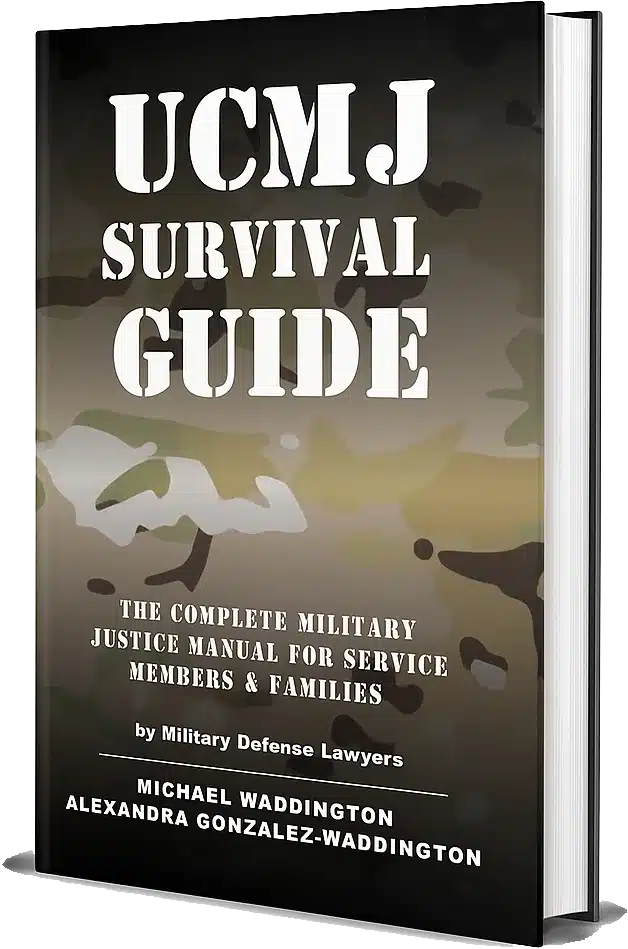











A Navy court-martial is a judicial proceeding conducted under the Uniform Code of Military Justice to try service members accused of violations. It is a formal trial that can result in penalties ranging from reprimands to imprisonment or dishonorable discharge. Understanding the nature of these proceedings is important to prepare an effective defense. Our team helps you navigate this process with clarity and support to protect your rights and future.
The process begins with an investigation and preferral of charges, followed by an arraignment where the accused is formally charged. Depending on the severity, the case proceeds to a summary, special, or general court-martial trial. Throughout the process, legal representation is vital to ensure fair treatment and challenge the evidence presented. We guide our clients through each step to achieve the best possible outcome.
You have the right to remain silent, be represented by counsel, and confront witnesses against you. These rights are protected under military law and are fundamental to your defense. Understanding and exercising these rights effectively requires knowledgeable legal guidance. Our attorneys ensure you are informed and supported in asserting your rights throughout the proceedings.
Non-judicial punishment (NJP) is an option for addressing certain minor offenses without a formal court-martial. It involves disciplinary measures such as reduction in rank or extra duties. Whether NJP is appropriate depends on the nature of the offense and your personal circumstances. We can advise you on the potential outcomes and help you decide the best course of action.
A defense attorney provides legal advice, investigates the facts, challenges evidence, and advocates on your behalf during hearings and trials. Effective representation can significantly influence the case outcome by ensuring your rights are protected and all defenses are explored. We work closely with clients to build a strong defense strategy tailored to their situation.
Penalties can range from reprimands and fines to confinement, dishonorable discharge, or other punitive measures. The severity depends on the charges and findings of the court-martial. Understanding the potential consequences underscores the importance of securing capable legal representation to mitigate risks and protect your future.
The duration varies based on the complexity of the case, from a few weeks to several months. Factors such as investigation time, hearings, and trial schedules influence the timeline. Our team strives to expedite the process while ensuring thorough preparation for your defense.
Yes, service members have the right to appeal court-martial convictions through military appellate courts. Appeals focus on legal errors or procedural issues that may have affected the trial’s fairness. We provide guidance and representation during the appeals process to seek potential relief.
Legal advice is important before accepting any plea offer to understand the implications fully. A lawyer can help negotiate terms and assess whether the deal aligns with your best interests. Our attorneys assist clients in evaluating plea options to ensure informed decisions.
You can contact UCMJ Military Defense Lawyers by calling 800-921-8607 or visiting our website to schedule a confidential consultation. We are available to discuss your case and provide guidance on the defense process. Our team is committed to supporting service members facing legal challenges with professionalism and care.