Military Coast Guard Defense Lawyer
Elite Civilian Court-Martial & CGIS Defense Attorneys for Coast Guard Members Worldwide
The United States Coast Guard is one of the most unique branches of the U.S. Armed Forces. Operating under the Department of Homeland Security during peacetime and under the Department of the Navy during wartime, the Coast Guard performs missions unmatched by any other service: maritime law enforcement, search and rescue (SAR), drug interdiction, migrant operations, port security, counterterrorism, environmental protection, and support to federal agencies across the United States and abroad.
Because Coast Guard missions are public-facing, high-visibility, and politically sensitive, the Coast Guard aggressively investigates and prosecutes allegations of misconduct. Coast Guard service members face court-martial charges, Article 15/NJP, relief-for-cause actions, administrative separations, credential revocations, and CGIS investigations at disproportionately high rates—often based on thin evidence, intoxicated civilian complaints, or aggressive internal enforcement policies.
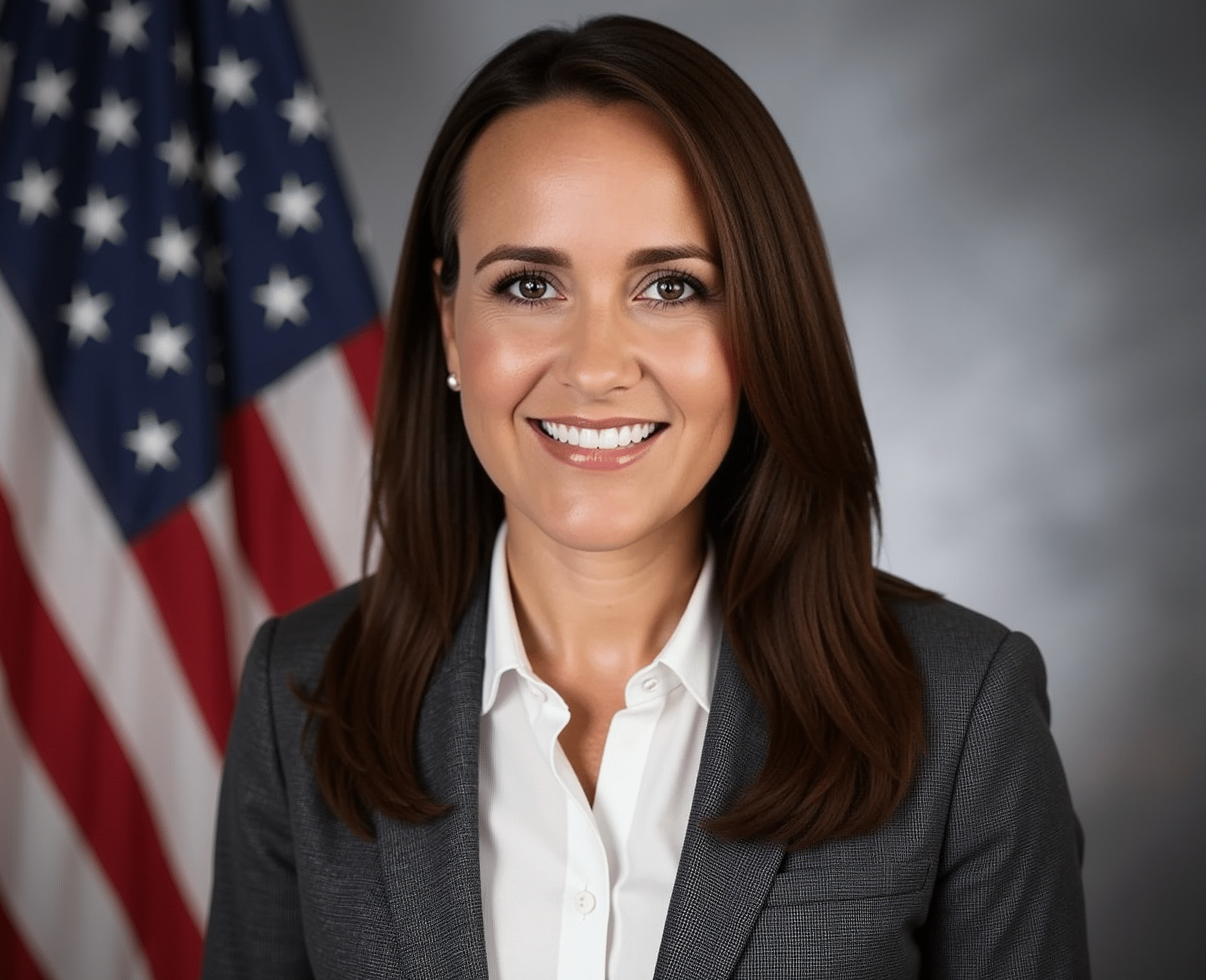
Gonzalez & Waddington, Attorneys at Law is one of the nation’s premier military defense firms representing Coast Guard members worldwide. Led by former JAG Michael Waddington and trial strategist Alexandra Gonzalez-Waddington, our team has defended Coast Guard personnel in every major legal setting: courts-martial, Captain’s Mast, administrative separation boards, BOIs, CGIS interrogations, search and rescue mishap inquiries, aviation investigations, and operational law enforcement reviews.
When a Coast Guard member is accused of misconduct, the stakes are enormous: career destruction, loss of security clearance, grounding, relief from command, loss of flight status or credentials, confinement, federal conviction, and termination of benefits. You need elite legal representation immediately.
Why the Coast Guard Is High-Risk for Legal Trouble
Coast Guard units operate in unique environments where even minor mistakes or misunderstandings can become major legal issues. Factors include:
- Frequent civilian interactions during patrols, SAR, interdictions, and boardings
- Alcohol-driven civilian complaints in coastal cities and port towns
- High-visibility missions that compel commands to act swiftly
- CGIS investigations that begin with assumption of guilt
- Boarding team and use-of-force scrutiny
- Aviation mishap investigations for MH-60, MH-65, C-130 units
- Public affairs pressure to punish before investigating
- Small-unit environments that amplify rumors and interpersonal conflict
It is extremely common for innocent Coast Guard members to be accused based on:
- Misinterpreted decisions during SAR or interdiction
- Borderline narcissistic or vindictive complaints from civilians
- Off-duty incidents in high-alcohol coastal cities
- Coast Guard’s strict “optics-focused” disciplinary culture
Common Legal Threats Coast Guard Members Face
1. CGIS Investigations
CGIS often begins investigations with the presumption that the accused is guilty. They use aggressive interrogation tactics, misleading statements, and pressure to force “admissions.” Never speak to CGIS without legal counsel.
2. Court-Martial Charges
We defend Coast Guard service members at all court-martial levels:
- General Court-Martial – felony-level cases
- Special Court-Martial – mid-level crimes
- Summary Court-Martial – quick but dangerous
- Article 32 Preliminary Hearings
3. Captain’s Mast (NJP)
Commands frequently push NJP to avoid trial but still punish severely. You need counsel before accepting or refusing NJP.
4. Administrative Separations
Administrative separation boards can destroy a Coast Guard career with a low evidentiary standard and minimal due process.
5. Credential & Qualification Revocation
- Boarding officer / boarding team member authority
- Coxswain qualification
- Rescue swimmer qualification
- Aviation status grounding
- Law enforcement credentials
Any of these removals can permanently end a Coast Guard career.
Most Common UCMJ Charges Against Coast Guard Members
We defend Coast Guard personnel charged with all UCMJ crimes, including:
- Article 120 – Sexual assault, abusive sexual contact, intoxication-related claims
- Article 128b – Domestic violence and relationship conflict
- Article 112a – Drug use/possession (vapes, cocaine, MDMA, pills)
- Article 92 – Orders violations, misconduct, fraternization, liberty incidents
- Article 107 – False official statements
- Article 121 – Larceny or fraud allegations
- Article 134 – Indecent conduct, disorderly conduct, online misconduct
- Article 86 – AWOL or failure to report
Where Coast Guard Allegations Usually Originate
1. Off-Duty Incidents in Coastal Cities
- Nightlife intoxication misunderstandings
- Civilian complaints in beach towns
- Bar fights or disorderly conduct allegations
2. Domestic Disputes
Most domestic accusations start with an emotional argument that escalates once civilian police become involved.
3. Boarding Team & Use-of-Force Misunderstandings
- Accusations made by smugglers or migrants
- Politically sensitive incidents requiring rapid investigations
4. SAR & Aviation Incidents
- MH-60/MH-65 crew decisions questioned
- Operational mistakes exaggerated
- Split-second judgment calls turned into formal allegations
How Gonzalez & Waddington Defends Coast Guard Members
Our approach combines courtroom power, forensic science, digital evidence mastery, and deep knowledge of Coast Guard culture and operations.
Our Coast Guard Defense Strategies Include:
- Breaking down CGIS interrogation tactics
- Using digital forensics: phone extractions, GPS, metadata, timestamps
- Recreating timelines using surveillance, communications, witness testimony
- Challenging toxicology and alcohol-related accusations
- Demonstrating operational reasonableness for SAR/boarding incidents
- Presenting expert testimony on aviation or maritime procedures
- Destroying accuser credibility and exposing motive to lie
- Challenging command bias and political pressure
Coast Guard Communities Most Vulnerable to False Allegations
1. Air Stations (Clearwater, Cape Cod, Sitka, Kodiak, Detroit, Miami)
- Aviation mishaps triggering investigations
- Rescue swimmer cases with extreme scrutiny
- Grounding and PRP-type removals
2. Cutters & Deployable Specialized Forces
- International port encounters
- Onboard conflicts & fraternization claims
3. Sectors & Station Personnel
- High-stress law enforcement missions
- Interdiction complaints
- Nightlife incidents off-duty
4. Coast Guard Members in Tourist Areas
ABC liquor districts, beach bars, and nightlife lead to false allegations constantly.
Why Coast Guard Members Choose Gonzalez & Waddington
Our firm has defended Coast Guard personnel worldwide and is known for:
- Elite cross-examination skills that expose false allegations
- Mastery of digital forensics and operational evidence
- Understanding of Coast Guard culture and mission demands
- Decades of courtroom victories across all services
- Authors of leading military defense books used by attorneys worldwide
- Taking fewer clients to deliver maximum preparation
Pro Tips for Coast Guard Members Under Investigation
- NEVER speak to CGIS without a lawyer.
- Do not consent to searches of your phone, vehicle, or residence.
- Preserve ALL digital evidence immediately.
- Do NOT contact the accuser or witnesses.
- Avoid all alcohol-heavy venues while under investigation.
- Create a detailed timeline with names, times, and events.
- Hire a civilian Coast Guard defense lawyer early—before the command finalizes its case.
Your Career, Freedom & Reputation Are at Risk — Act NOW
If you are accused of misconduct, under CGIS investigation, facing Captain’s Mast, administrative separation, credential loss, or court-martial, you must act immediately. Coast Guard commands move fast—and they rarely give a second chance.
➤ Schedule a Confidential Consultation with Gonzalez & Waddington
Authoritative Coast Guard Resource: United States Coast Guard Official Website
Military Coast Guard Defense Lawyer – Frequently Asked Questions
Should I talk to CGIS if I’m innocent?
No. Innocence does NOT protect you during a CGIS interrogation. Agents are trained to build cases, not discover the truth. Never speak to CGIS without a civilian military defense lawyer present.
Will my clearance or credentials be suspended?
Yes, in most cases. Aviation, intel, SAR, boarding, and coxswain personnel often lose credentials immediately after allegations. We fight aggressively to restore your status and counter any derogatory claims.
Can a civilian lawyer defend me at Captain’s Mast or a separation board?
Absolutely. Civilian counsel can prepare evidence, negotiate outcomes, and represent you at NJP or separation boards. Many Coast Guard members hire civilian counsel because the stakes—career, benefits, retirement—are extremely high.
Why choose Gonzalez & Waddington?
Michael and Alexandra Gonzalez-Waddington are elite military defense attorneys with decades of global courtroom experience, specializing in complex cases involving the Coast Guard. They are known for dismantling weak allegations, exposing investigative flaws, and winning high-stakes UCMJ cases worldwide.
How do I get immediate help?
Go to https://ucmjdefense.com/florida-military-defense-lawyers/ and request a confidential case review. We respond quickly and begin building your defense immediately.
Branches of the Service Where Our Florida Attorneys Defend Servicemembers:
Understanding Legal Defense for Coast Guard Personnel
Facing legal challenges as a member of the Coast Guard requires a knowledgeable defense team familiar with military law and procedures. Our services focus on protecting the rights of those serving in the Coast Guard, ensuring that every case is handled with attention to detail and commitment to justice within the military justice system.
Navigating the complexities of military boards and criminal defense calls for a thorough understanding of the Uniform Code of Military Justice. We provide dedicated support to Coast Guard personnel, helping to clarify the process and advocate for fair treatment throughout legal proceedings.
The Importance of Dedicated Defense for Coast Guard Members
Having a defense lawyer well-versed in military law can significantly influence the outcome of cases involving Coast Guard personnel. Effective representation helps ensure that the rights of service members are upheld and that they receive the appropriate legal protections within the military justice framework.
Overview of Our Firm and Commitment to Coast Guard Defense
Our firm is dedicated to representing members of the military, including the Coast Guard, with professionalism and care. We understand the unique challenges faced by service members and strive to provide thorough legal support that respects their service and commitment.
Comprehensive Guide to Coast Guard Legal Defense
This guide provides an overview of the legal services available to Coast Guard members facing military justice proceedings. It highlights the processes involved and the protections that service members can expect under military law.
Our goal is to equip Coast Guard personnel with the information they need to understand their rights and the steps necessary to defend themselves effectively within the military justice system.
Defining Military Legal Defense for the Coast Guard
Military legal defense involves representing Coast Guard members in cases governed by the Uniform Code of Military Justice. This includes handling charges, advising on rights, and advocating during disciplinary proceedings to ensure fair treatment.
Key Elements of Coast Guard Legal Defense
The defense process often includes investigation, consultation, negotiation, and representation at hearings. Each element is crucial in building a strong case tailored to the specific circumstances faced by Coast Guard personnel.
Essential Terms in Coast Guard Military Defense
Understanding legal terminology is vital for Coast Guard members involved in military justice cases. This section explains key terms that frequently arise during legal proceedings.
Uniform Code of Military Justice (UCMJ)
The UCMJ is the foundation of military law that governs the conduct of all service members, including those in the Coast Guard. It sets forth the legal standards and procedures for addressing offenses within the military.
Non-Judicial Punishment (NJP)
NJP refers to disciplinary actions that do not involve a formal court-martial. It allows commanders to address minor offenses swiftly while protecting the service member’s legal rights.
Court-Martial
A court-martial is a military court that tries service members accused of serious offenses under the UCMJ. It ensures due process and fair adjudication of charges.
Article 32 Hearing
An Article 32 hearing is a pretrial investigation to determine if sufficient evidence exists to proceed to a court-martial. It serves as a safeguard for service members’ rights.
Comparing Legal Options for Coast Guard Defense
Coast Guard members have multiple avenues for legal defense, ranging from informal resolutions to formal court proceedings. Understanding these options helps in choosing the most appropriate defense strategy.
When Limited Legal Defense May Be Appropriate:
Minor Infractions and Administrative Issues
For minor disciplinary matters or administrative concerns, a limited legal approach may effectively resolve the issue without the need for extensive proceedings.
Early Resolution Opportunities
In cases where early negotiation or alternative dispute resolution is possible, focusing on limited defense measures can lead to favorable outcomes while minimizing disruption.
Reasons for Choosing Comprehensive Defense Services:
Serious Charges and Court-Martial Proceedings
When facing serious allegations that could lead to court-martial, a thorough and detailed defense is essential to protect the rights and future of Coast Guard members.
Complex Legal and Procedural Challenges
Complex cases involving multiple charges or intricate legal issues require comprehensive defense strategies to navigate the military justice system effectively.
Benefits of a Thorough Defense Strategy
A comprehensive defense approach ensures that all aspects of a case are evaluated, providing the best possible outcome for Coast Guard members facing legal challenges.
This approach allows for detailed investigation, strong advocacy, and informed decision-making that aligns with the service member’s interests and rights.
Thorough Case Analysis
Comprehensive defense includes detailed review of evidence and circumstances, which can uncover vital information to support the service member’s case.
Effective Representation at All Stages
By engaging fully in each stage of the legal process, the defense ensures that the rights of Coast Guard members are protected from initial investigation through final disposition.

As Featured On:
NEED MILITARY LAW HELP?
Fill out this form or call 1-800-921-8607 to request a consultation.
Practice Areas
Top Searched Keywords
- Coast Guard legal defense
- Military criminal defense lawyer
- UCMJ defense attorney
- Military justice representation
- Coast Guard court-martial defense
- Military disciplinary proceedings
- Non-judicial punishment defense
- Article 32 hearing counsel
- Ft. Lauderdale military lawyer
Tips for Coast Guard Members Facing Legal Challenges
Know Your Rights Under the UCMJ
Understanding your rights when facing military legal proceedings is the first step toward an effective defense. Being informed helps you make better decisions and ensures you do not inadvertently waive important protections.
Document Everything Related to Your Case
Seek Legal Support Early
Engaging legal assistance at the earliest stage of your case can improve outcomes by ensuring timely advice and preparation throughout the process.
Why Coast Guard Members Should Consider Dedicated Legal Defense
Legal issues in the military environment carry unique implications that differ from civilian cases. Dedicated defense services cater specifically to the needs of Coast Guard personnel, offering tailored support.
Choosing a defense team familiar with military law helps ensure that your case is managed with the understanding and respect it deserves within the military justice system.
Common Situations When Defense Services Are Needed
Defense services are often required in cases involving alleged violations of military regulations, criminal charges, or disciplinary actions that could affect a Coast Guard member’s career and rights.
Allegations of Misconduct
Charges related to misconduct can range from minor infractions to serious offenses, all requiring careful legal review and representation to ensure fair treatment.
Drug or Alcohol-Related Offenses
Substance-related charges are handled seriously within the military. Proper defense is essential to address the facts and potential consequences effectively.
Security Clearance and Administrative Issues
Legal challenges affecting security clearance or administrative status require knowledgeable defense to protect your standing and rights within the Coast Guard.

Meet Your Defense Team
Michael S. Waddington
Criminal Defense Lawyer
PARTNER
Alexandra González-Waddington
Criminal Defense Lawyer
PARTNER
Battle-Tested Results
Recent Case Results
Gang-Rape Allegation Collapses Against Navy Officer
U.S. v. Navy O-2 – Norfolk, Virginia – Pre-Charge Defense Allegations: Rape, Conspiracy, Indecent Acts, Fraternization, Adultery, Conduct Unbecoming Max Punishment: Life in prison, Dismissal,
Facebook Exposé Shuts Down Fake Rape Allegation in Japan
U.S. v. Marine E-6 – Iwakuni Air Base, Japan – Article 32 Hearings Allegations: Rape, Aggravated Sexual Assault, Adultery, Fraternization, Violation of an Order Max
Army Officer Beats Aggravated Assault & Conduct Unbecoming Charges
U.S. v. Army O-1 – Fort Bragg, NC / Tried at Fort McNair, Washington D.C. – General Court-Martial Allegations: Aggravated Assault with Means Likely to
Navy Sailor’s Sex Assault Case Tossed After UCI Bombshell
U.S. v. Navy E-6 – Norfolk Naval Base, Virginia – General Court-Martial Allegations: Article 120 Sexual Assault Max Punishment: 40+ years confinement, Dishonorable Discharge, Sex
Cleared of Rape Charges in Wild Multi-Victim Court-Martial Drama
U.S. v. Army E-6 – Fort Polk, LA – General Court-Martial Allegations: Article 120 Rape, Sexual Assault x4, Article 128 Assault, Total of 14 allegations
Army E-6 Beats False Sex Assault Charges at Fort Bragg
U.S. v. Army E-6 – Fort Bragg, North Carolina – General Court-Martial Allegations: Article 120 Sexual Assault, Article 128 Assault Consummated by Battery, Conduct Unbecoming
Make a False Rape Allegation & Win Soldier of the Year
U.S. v. Army CW2 – Fort Gordon, GA
Allegations: RAPE, Fraternization, Adultery
Max Punishment: LIFE, Dismissal, Sex Offender Registration
Result: ALL CHARGES DISMISSED
Discharge: RETIRED WITH AN HONORABLE
Location/Branch/Rank: Fort Gordon – Augusta, GA/Army/CW2
Cheating Marine Officer Calls Rape
U.S. v. Marine O-3 – Marine Forces Reserve, Naval Support Activity, New Orleans, LA Allegations: Article 120 Rape/Sexual Assault Max Punishment: Life in prison, Dismissal, Sex offender registration
Take Command of Your Defense
Why Coast Guard Personnel Trust Our Defense Services
Call Us Today
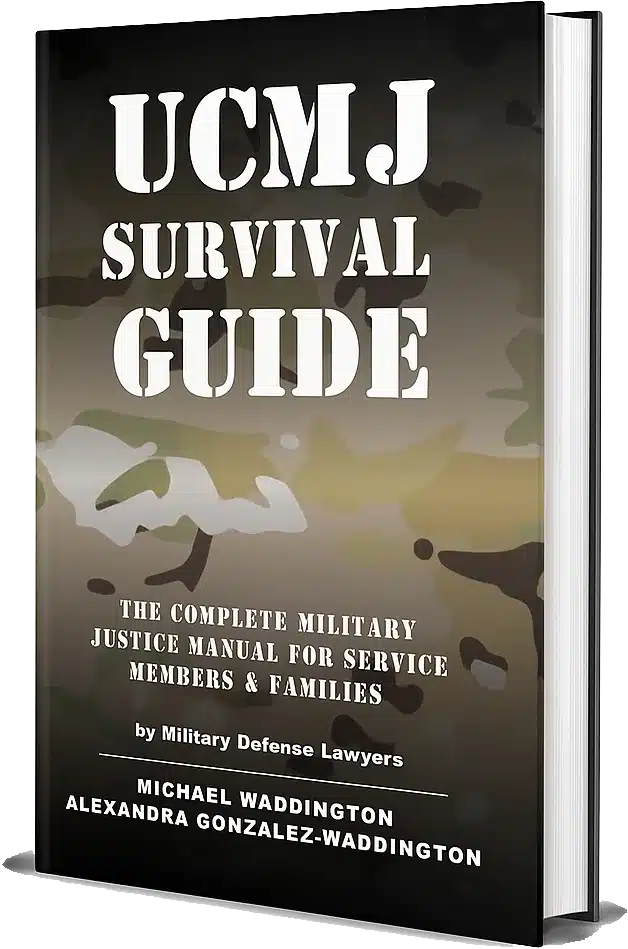
Check Out Our Newest Book
UCMJ Survival Guide
UCMJ Criminal Defense Lawyers
Worldwide Military Defense Experience
Defending Service Members Across Every Theater and Installation
Specialized Expertise in Serious Military Offenses
War Crimes, Sexual Assault, Violent Crimes, and White-Collar Defense
Media and High-Profile Case Experience
Featured on CNN, 60 Minutes, BBC, and Major News Outlets
Playlist
3:34
7:32
6:57
7:58
21:35
7:24
4:24
Frequently Asked Questions About Coast Guard Legal Defense
What should I do if I am facing charges under the UCMJ?
If you are facing charges under the UCMJ, it is important to seek legal advice promptly to understand your rights and options. Early legal support can help you navigate the process and prepare an effective defense. It is advisable to remain silent about the case details until you have consulted with a legal representative who understands military law and procedures.
Can I have a civilian lawyer represent me in a military court?
Yes, you can have a civilian lawyer represent you in a military court, as long as they are authorized to practice before the military judicial system. Civilian attorneys can provide valuable assistance, especially when they are familiar with military law. It is important to select a lawyer with experience in military defense to ensure proper handling of your case within the military justice framework.
What is the difference between NJP and a court-martial?
Non-Judicial Punishment (NJP) is a disciplinary measure used for minor offenses and does not involve a formal trial. It is typically quicker and may result in penalties like reduction in rank or extra duties. A court-martial is a formal military trial for more serious charges and follows procedures similar to civilian criminal trials, including the right to a defense lawyer and appeal options.
How can I prepare for an Article 32 hearing?
Preparing for an Article 32 hearing involves gathering all relevant evidence, understanding the charges against you, and consulting with your legal representative to develop a defense strategy. This hearing acts as a preliminary step to determine if the case should proceed to court-martial. It is important to be organized and clear about your account of events during this process.
What rights do I have during military legal proceedings?
During military legal proceedings, you have the right to remain silent, the right to legal counsel, and the right to a fair hearing. These rights are protected under the Uniform Code of Military Justice to ensure that service members are treated justly. It is essential to understand and assert these rights throughout the legal process.
How long does a military court-martial process typically take?
The duration of a military court-martial can vary widely depending on the complexity of the case, the charges involved, and the availability of evidence and witnesses. Some cases may conclude within a few months, while others can take longer. Early legal preparation helps to streamline the process and address issues promptly.
What are the potential consequences of a conviction under the UCMJ?
Potential consequences of a conviction under the UCMJ include reduction in rank, confinement, forfeiture of pay, dishonorable discharge, and other penalties. The severity of the consequences depends on the nature of the offense and the findings of the court-martial. It is important to have strong legal representation to mitigate these outcomes where possible.
Can I appeal a court-martial conviction?
Yes, you have the right to appeal a court-martial conviction through the military appellate courts. The appeals process reviews the legal and procedural aspects of the case to ensure fairness and correctness. Legal counsel can assist in filing appeals and representing you during this stage.
How does legal defense differ between the Coast Guard and other military branches?
While the fundamental principles of military justice apply across branches, the Coast Guard operates under specific regulations and procedures that may differ from other branches. Understanding these distinctions is important for effective defense. Our services focus on the unique aspects of Coast Guard legal defense to provide tailored support.
What services does your firm offer to Coast Guard members?
Our firm offers a full range of defense services for Coast Guard members, including case evaluation, legal consultation, representation during hearings and trials, and assistance with appeals. We prioritize clear communication and dedicated advocacy to protect your rights throughout the military justice process. Contact us to learn more about how we can support your case.