



Understanding Military Boards of Inquiry at Camp Pendleton
Military Boards of Inquiry play a pivotal role in the legal proceedings at Marine Corps Base Camp Pendleton, located in California near Oceanside. These boards are responsible for investigating incidents and allegations involving military personnel. Camp Pendleton service members facing such inquiries require knowledgeable legal support to navigate this complex process effectively and protect their rights under military law.
At UCMJ Defense Lawyers, based in Florida but serving clients nationwide, including those near Camp Pendleton, we provide dedicated representation for military members involved in Boards of Inquiry. Our team understands the unique challenges these proceedings present and works diligently to ensure every client receives a thorough defense tailored to their circumstances.
The Significance and Benefits of Skilled Representation in Military Boards of Inquiry
Facing a Military Board of Inquiry can be a daunting experience with potential career and legal consequences. Having strong legal representation helps service members understand the investigative process, prepare their defense, and present their case clearly. This legal support is essential to safeguard your military record and future opportunities within the armed forces.
About UCMJ Defense Lawyers and Our Commitment to Military Clients
UCMJ Defense Lawyers, including attorneys Waddington and Gonzalez, are dedicated to defending military personnel facing Boards of Inquiry and other military legal matters. While based in Florida, we represent clients across the United States, including those stationed at Marine Corps Base Camp Pendleton in California. Our approach is focused on thorough case evaluation and aggressive defense strategies tailored to each client’s needs.
Comprehensive Guide to Military Boards of Inquiry Defense
A Military Board of Inquiry is convened to examine serious incidents or allegations involving service members. These boards gather evidence, hear witness testimony, and determine whether further disciplinary action is warranted. Understanding this process is crucial for service members at Camp Pendleton to respond effectively and protect their rights throughout the inquiry.
The inquiry process involves detailed review and can impact a military career significantly. Legal counsel can assist in navigating procedural rules, preparing statements, and ensuring that evidence is properly presented. This guide aims to equip service members with the knowledge needed to approach a Board of Inquiry with confidence.
What is a Military Board of Inquiry?
A Military Board of Inquiry is an administrative proceeding used by the armed forces to investigate incidents such as accidents, misconduct, or deaths involving military personnel. Unlike courts-martial, these boards do not determine guilt but establish facts and recommend further action. At Camp Pendleton, such inquiries are an integral part of maintaining discipline and accountability within the Marine Corps.
Key Components and Procedures of Boards of Inquiry
The Board of Inquiry process includes the appointment of a panel, collection of evidence, examination of witnesses, and presentation of findings. Service members have the right to legal representation and to present their side during the inquiry. Understanding each step helps clients prepare adequately and engage effectively in their defense.
Military Boards of Inquiry: Key Terms and Glossary
Familiarity with military legal terminology is essential when facing a Board of Inquiry. Below are definitions of common terms encountered during the process to help clarify proceedings and responsibilities.
Board of Inquiry
An administrative panel convened to investigate serious incidents within the military to determine facts and recommend actions as appropriate.
Findings
The conclusions reached by a Board of Inquiry after reviewing evidence and testimony, which may influence further military disciplinary measures.
Witness Testimony
Statements given by individuals under oath during the inquiry, crucial for establishing the facts of the case.
Legal Representation
The right of a service member to have an attorney or counsel present during the Board of Inquiry to assist in their defense.
Comparing Legal Avenues for Military Inquiries
Service members facing disciplinary issues may encounter different legal processes, such as Boards of Inquiry or courts-martial. While Boards of Inquiry focus on fact-finding, courts-martial involve formal charges and trials. Choosing the appropriate legal strategy depends on the circumstances and potential consequences.
Situations Where Limited Legal Defense May Be Adequate:
Minor Allegations or Procedural Inquiries
In cases involving less severe allegations or purely procedural issues, a limited legal approach may be sufficient. This often involves advising the service member on their rights and assisting with documentation without extensive litigation.
Cooperative and Uncontested Proceedings
When a service member fully cooperates and the inquiry is uncontested, limited legal assistance focused on ensuring proper process and fairness may meet the needed defense requirements effectively.
Reasons to Pursue Full Legal Representation:
Complex or Serious Allegations
Serious allegations that could impact a military career require thorough defense strategies, including detailed evidence review and witness preparation, to protect the service member’s rights and future.
Potential for Escalated Disciplinary Actions
When findings from a Board of Inquiry may lead to courts-martial or other severe consequences, comprehensive legal representation is essential to navigate these complex proceedings.
Advantages of Choosing a Comprehensive Defense Strategy
A comprehensive defense ensures all aspects of the case are meticulously examined, increasing the likelihood of a favorable outcome and safeguarding the service member’s career and reputation.
This approach provides peace of mind by addressing every potential issue proactively, enabling clients to focus on their duties while we handle the legal complexities.
Thorough Case Preparation
Comprehensive defense involves detailed investigation, witness interviews, and evidence gathering to build a strong case that anticipates challenges and counters allegations effectively.
Effective Communication and Advocacy
With full legal support, clients benefit from clear communication and vigorous advocacy, ensuring their rights and interests are represented throughout the inquiry process.
As Featured On:

NEED MILITARY LAW HELP?
Fill out this form or call 1-800-921-8607 to request a consultation.


Top Searched Keywords
- Military Boards of Inquiry Defense
- Camp Pendleton Military Lawyer
- UCMJ Defense Attorney California
- Marine Corps Legal Defense
- Military Legal Counsel Camp Pendleton
- Boards of Inquiry Defense Lawyer
- Military Criminal Defense California
- Camp Pendleton Military Justice
- UCMJ Defense Services
Pro Tips for Navigating Military Boards of Inquiry
Understand Your Rights
Before participating in a Board of Inquiry, familiarize yourself with your rights under military law. Knowing your ability to have legal representation and to respond to allegations can significantly impact your defense.
Document Everything
Seek Legal Assistance Early
Engage with a military defense lawyer as soon as you are aware of an investigation. Early legal involvement ensures proper guidance throughout the process and helps avoid missteps that could harm your case.
Why You Should Consider Legal Support for Boards of Inquiry
Boards of Inquiry can have lasting impacts on your military career and personal life. Effective legal representation helps protect your record, reputation, and future within the armed forces by ensuring your side of the story is clearly and professionally presented.
Military law is complex and procedures vary by branch and location. Having knowledgeable defense counsel familiar with Camp Pendleton and California military legal processes gives you a vital advantage in these proceedings.
Typical Situations That May Lead to a Board of Inquiry
Boards of Inquiry are often convened following incidents such as accidents, allegations of misconduct, or deaths involving service members. Each circumstance requires careful legal review and preparation to address the inquiry effectively.
Accidents Resulting in Injury or Fatality
When an accident occurs that causes harm to personnel or property, a Board of Inquiry investigates to establish facts and determine accountability, making legal defense essential for those involved.
Allegations of Misconduct
Accusations such as violations of military regulations or criminal conduct can lead to a Board of Inquiry, requiring a thorough defense to protect one’s service record and career.
Deaths Involving Military Personnel
Deaths under unusual or suspicious circumstances prompt a Board of Inquiry to investigate and report findings, often necessitating skilled legal support for involved parties.
Meet Your Defense Team


Michael S. Waddington
Criminal Defense Lawyer

PARTNER
Alexandra González-Waddington
Criminal Defense Lawyer
PARTNER
Battle-Tested Results
Recent Case Results
Gang-Rape Allegation Collapses Against Navy Officer
U.S. v. Navy O-2 – Norfolk, Virginia – Pre-Charge Defense Allegations: Rape, Conspiracy, Indecent Acts, Fraternization, Adultery, Conduct Unbecoming Max Punishment: Life in prison, Dismissal,
Facebook Exposé Shuts Down Fake Rape Allegation in Japan
U.S. v. Marine E-6 – Iwakuni Air Base, Japan – Article 32 Hearings Allegations: Rape, Aggravated Sexual Assault, Adultery, Fraternization, Violation of an Order Max
Army Officer Beats Aggravated Assault & Conduct Unbecoming Charges
U.S. v. Army O-1 – Fort Bragg, NC / Tried at Fort McNair, Washington D.C. – General Court-Martial Allegations: Aggravated Assault with Means Likely to
Navy Sailor’s Sex Assault Case Tossed After UCI Bombshell
U.S. v. Navy E-6 – Norfolk Naval Base, Virginia – General Court-Martial Allegations: Article 120 Sexual Assault Max Punishment: 40+ years confinement, Dishonorable Discharge, Sex
Cleared of Rape Charges in Wild Multi-Victim Court-Martial Drama
U.S. v. Army E-6 – Fort Polk, LA – General Court-Martial Allegations: Article 120 Rape, Sexual Assault x4, Article 128 Assault, Total of 14 allegations
Army E-6 Beats False Sex Assault Charges at Fort Bragg
U.S. v. Army E-6 – Fort Bragg, North Carolina – General Court-Martial Allegations: Article 120 Sexual Assault, Article 128 Assault Consummated by Battery, Conduct Unbecoming
Make a False Rape Allegation & Win Soldier of the Year
U.S. v. Army CW2 – Fort Gordon, GA
Allegations: RAPE, Fraternization, Adultery
Max Punishment: LIFE, Dismissal, Sex Offender Registration
Result: ALL CHARGES DISMISSED
Discharge: RETIRED WITH AN HONORABLE
Location/Branch/Rank: Fort Gordon – Augusta, GA/Army/CW2
Cheating Marine Officer Calls Rape
U.S. v. Marine O-3 – Marine Forces Reserve, Naval Support Activity, New Orleans, LA Allegations: Article 120 Rape/Sexual Assault Max Punishment: Life in prison, Dismissal, Sex offender registration

Take Command of Your Defense
Why Military Members Trust UCMJ Defense Lawyers for Their Boards of Inquiry Defense
Call Us Today
Check Out Our Newest Book
UCMJ Survival Guide

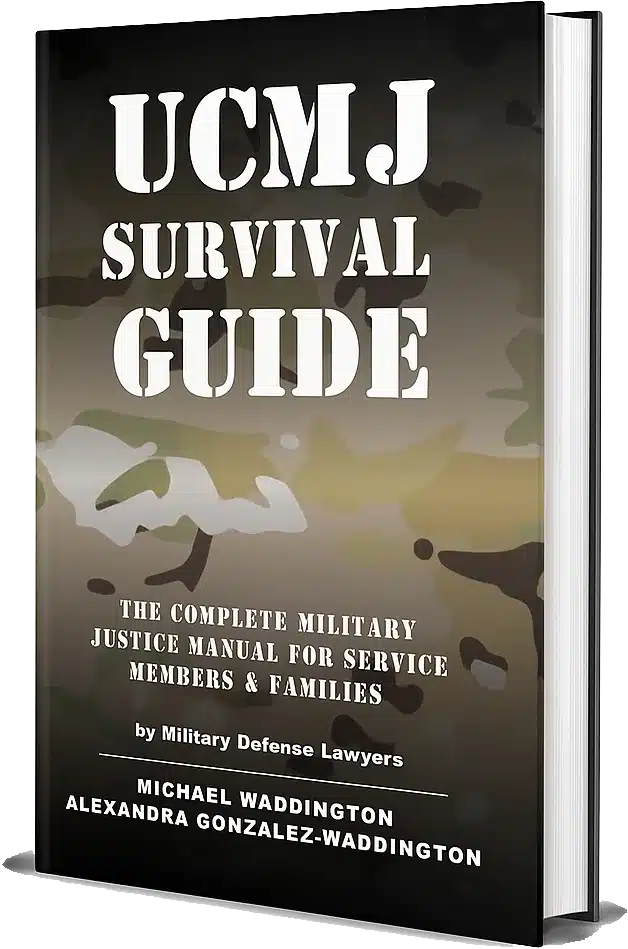
UCMJ Criminal Defense Lawyers

Worldwide Military Defense Experience
Defending Service Members Across Every Theater and Installation

Specialized Expertise in Serious Military Offenses
War Crimes, Sexual Assault, Violent Crimes, and White-Collar Defense

Media and High-Profile Case Experience
Featured on CNN, 60 Minutes, BBC, and Major News Outlets

Playlist

3:34

7:32

6:57

7:58

21:35

7:24

4:24
Frequently Asked Questions About Military Boards of Inquiry
What is the purpose of a Military Board of Inquiry?
A Military Board of Inquiry is an administrative panel tasked with investigating incidents involving military personnel to establish facts and recommend potential disciplinary measures. It is not a trial but an important step in military legal proceedings. The purpose is to ensure accountability and maintain discipline within the armed forces. Understanding this helps service members approach the process with clarity and preparedness.
Can I have a lawyer during a Board of Inquiry?
Yes, service members have the right to legal representation during a Board of Inquiry. Having an attorney present ensures your rights are protected and that you receive guidance on how to respond to questions and present your case. Legal counsel can also assist in gathering evidence and preparing testimony, making a significant difference in the outcome.
How does a Board of Inquiry differ from a court-martial?
A Board of Inquiry focuses on fact-finding and does not determine guilt or innocence, unlike a court-martial, which is a formal military trial with the authority to impose punishments. Boards of Inquiry can lead to courts-martial if serious misconduct is found. Knowing this distinction helps service members understand the role and potential consequences of each process.
What should I expect during the inquiry process?
During the inquiry, a panel reviews evidence, hears witness testimony, and examines the circumstances surrounding the incident. Service members may be asked to provide statements and respond to questions. The process is formal but administrative, aiming to establish facts rather than assign guilt. Being prepared and having legal support can help navigate this process effectively.
How can I prepare for a Board of Inquiry?
Preparation involves gathering all relevant information, documenting events, and consulting with a military defense lawyer early. Understanding the process and your rights is crucial. Your attorney can help you develop a clear and consistent account, advise on how to respond to inquiries, and ensure your interests are represented throughout.
What are the possible outcomes of a Board of Inquiry?
Outcomes may range from no further action to recommendations for administrative or disciplinary measures, including courts-martial. The findings influence the commanding officers’ decisions regarding the service member’s future. Effective legal representation aims to mitigate negative outcomes and advocate for fair treatment.
Will the findings affect my military career?
Yes, findings from a Board of Inquiry can impact your military record and career progression. Negative findings may lead to disciplinary actions or administrative separations. Protecting your rights during the inquiry is essential to minimize adverse effects and preserve your standing within the military community.
How long does the Board of Inquiry process take?
The duration of a Board of Inquiry varies depending on the complexity of the case and the amount of evidence reviewed. It can take several weeks to months. Timely legal assistance helps ensure the process moves efficiently and that your defense is prepared without unnecessary delays.
What if I disagree with the Board’s findings?
If you disagree with the Board’s findings, there may be options to appeal or request reconsideration through military channels. Legal counsel can guide you through these procedures and advocate on your behalf to ensure the findings are fair and accurate.
How do I contact UCMJ Defense Lawyers for help?
You can contact UCMJ Defense Lawyers by calling 800-921-8607 or visiting our website. Our team is available to discuss your case confidentially and provide guidance on how to proceed with your Board of Inquiry defense. We are committed to supporting military members at Camp Pendleton and across the nation.