


Marine Corps Base Camp Lejeune Military Administrative Separation Boards Defense Lawyer

Overview of Military Administrative Separation Boards at Camp Lejeune
Navigating a military administrative separation board at Marine Corps Base Camp Lejeune in North Carolina requires knowledgeable legal support. These boards review cases that may result in separation from military service for various reasons. Understanding the process and your rights is essential to achieving the best possible outcome.
Our team at UCMJ Military Defense Lawyers, serving Camp Lejeune near Jacksonville, NC, is dedicated to defending service members facing administrative separation. We provide comprehensive guidance throughout the board process to help protect your career and future opportunities.
Why Legal Representation Matters in Administrative Separation Proceedings
Facing an administrative separation board can be a critical moment in a service member’s career. Proper legal representation ensures that your rights are protected and that you understand every step of the process. Legal counsel can help present your case effectively, challenge unfair evidence, and negotiate terms that minimize adverse impacts on your military and civilian life.
About UCMJ Military Defense Lawyers Serving Camp Lejeune, NC
UCMJ Military Defense Lawyers, including attorneys Waddington and Gonzalez, provide dedicated defense for military personnel at Camp Lejeune and throughout North Carolina. Our firm understands the unique challenges of military law and administrative proceedings, offering personalized legal strategies tailored to each client’s circumstances.
Comprehensive Guide to Administrative Separation Boards at Camp Lejeune
Administrative separation boards evaluate whether a service member should be separated from the military due to misconduct, performance issues, or other qualifying factors. The boards review evidence, hear testimony, and recommend outcomes ranging from retention to discharge under various characterizations.
Understanding how these boards operate is vital for preparing a strong defense or mitigation plan. Being informed helps service members make crucial decisions and respond appropriately during hearings.
What Is a Military Administrative Separation Board?
A military administrative separation board is a formal proceeding used to determine if a service member should be separated from the armed forces. These boards assess allegations or performance concerns and decide if separation is warranted, including the type of discharge and any associated benefits implications.
Key Components of the Administrative Separation Board Process
The process involves notification of charges or issues, the opportunity for the service member to respond, presentation of evidence by the command, and a hearing before the board panel. The service member may present witnesses, evidence, and make statements to influence the board’s decision.
Glossary of Important Terms Related to Separation Boards
Understanding military legal terminology is essential when facing an administrative separation board. Below are definitions of common terms you will encounter during your case.
Administrative Separation
Administrative separation is the process by which the military formally separates a service member from active duty for reasons other than court-martial. It may result in various types of discharge statuses based on the circumstances.
Characterization of Service
Characterization of service refers to the description assigned to a service member’s discharge, such as Honorable, General, or Other Than Honorable, which affects benefits and future opportunities.
Board of Inquiry
A Board of Inquiry is a formal military panel that investigates and makes recommendations regarding a service member’s separation.
Due Process
Due process ensures that a service member receives fair treatment and an opportunity to respond to charges in administrative proceedings.
Comparing Legal Approaches for Administrative Separation Defense
Service members facing separation boards may consider different legal approaches, ranging from limited representation focused on specific issues to comprehensive defense strategies addressing all aspects of the case. Evaluating these options is crucial to choosing the best path forward.
Situations Where Limited Legal Representation May Be Adequate:
Clear Evidence Supporting Your Case
If the circumstances and evidence strongly support your position, a limited legal approach focusing on paperwork review and brief consultation might be sufficient to guide you through the process.
Minor Administrative Issues
When the administrative separation is due to minor infractions or issues unlikely to result in harsh penalties, limited legal advice can help manage proceedings efficiently.
Benefits of a Comprehensive Defense Strategy:
Complex Cases with Serious Consequences
For complex administrative separation cases involving potential career-ending consequences, a thorough and strategic legal defense is essential to protect your rights and future.
Ensuring Fair Treatment and Due Process
Comprehensive legal services help ensure that the board follows proper procedures, respects your rights, and that all relevant evidence is fairly considered.
Advantages of Engaging Full Legal Support at Camp Lejeune
Choosing a comprehensive legal defense can lead to better outcomes by addressing all aspects of your case, from evidence gathering to negotiation and representation at hearings.
This approach not only helps protect your military career but also safeguards your post-service benefits and reputation.
Maximized Protection of Service Record
A detailed defense strategy works to preserve your service record and avoid negative characterizations that could impact your future employment and benefits.
Improved Negotiation Outcomes
With comprehensive legal support, negotiations with commanding officers or boards can lead to more favorable terms, including retention or favorable discharge statuses.
As Featured On:

NEED MILITARY LAW HELP?
Fill out this form or call 1-800-921-8607 to request a consultation.


Top Searched Keywords
- Camp Lejeune military separation defense
- Marine Corps administrative board lawyer North Carolina
- Military discharge board representation Jacksonville NC
- UCMJ legal defense Camp Lejeune
- Military administrative separation lawyer NC
- Camp Lejeune defense attorney military
- Military administrative hearing lawyer
- Military discharge appeal Camp Lejeune
- Marine Corps legal defense North Carolina
Tips for Navigating Military Administrative Separation Boards
Understand Your Rights and Procedures
Familiarize yourself with the administrative separation process and your rights within it. Knowing what to expect helps you prepare and respond effectively to allegations or charges.
Gather Supporting Evidence
Seek Legal Counsel Early
Engage legal representation as soon as possible to ensure you have guidance throughout the process and your interests are protected from the start.
Why Choose Legal Defense for Administrative Separation at Camp Lejeune
Facing an administrative separation board without proper legal assistance can lead to unfavorable outcomes, including negative discharge characterizations that affect your benefits and civilian career.
Legal defense helps you understand your options, prepares you for the proceedings, and works to achieve the best possible resolution given the circumstances.
Typical Situations Leading to Administrative Separation Boards
Common reasons for administrative separation include misconduct, failure to meet performance standards, medical issues, and other conduct-related matters that may trigger review by a separation board.
Misconduct Allegations
Allegations of misconduct, such as violations of military rules or regulations, frequently result in administrative separation proceedings.
Unsatisfactory Performance
Inability to meet required performance standards or failure to improve after counseling can lead to administrative separation boards.
Medical or Physical Conditions
Certain medical or physical conditions that affect duty readiness may also be grounds for administrative separation evaluations.
Meet Your Defense Team


Michael S. Waddington
Criminal Defense Lawyer

PARTNER
Alexandra González-Waddington
Criminal Defense Lawyer
PARTNER
Battle-Tested Results
Recent Case Results
Gang-Rape Allegation Collapses Against Navy Officer
U.S. v. Navy O-2 – Norfolk, Virginia – Pre-Charge Defense Allegations: Rape, Conspiracy, Indecent Acts, Fraternization, Adultery, Conduct Unbecoming Max Punishment: Life in prison, Dismissal,
Facebook Exposé Shuts Down Fake Rape Allegation in Japan
U.S. v. Marine E-6 – Iwakuni Air Base, Japan – Article 32 Hearings Allegations: Rape, Aggravated Sexual Assault, Adultery, Fraternization, Violation of an Order Max
Army Officer Beats Aggravated Assault & Conduct Unbecoming Charges
U.S. v. Army O-1 – Fort Bragg, NC / Tried at Fort McNair, Washington D.C. – General Court-Martial Allegations: Aggravated Assault with Means Likely to
Navy Sailor’s Sex Assault Case Tossed After UCI Bombshell
U.S. v. Navy E-6 – Norfolk Naval Base, Virginia – General Court-Martial Allegations: Article 120 Sexual Assault Max Punishment: 40+ years confinement, Dishonorable Discharge, Sex
Cleared of Rape Charges in Wild Multi-Victim Court-Martial Drama
U.S. v. Army E-6 – Fort Polk, LA – General Court-Martial Allegations: Article 120 Rape, Sexual Assault x4, Article 128 Assault, Total of 14 allegations
Army E-6 Beats False Sex Assault Charges at Fort Bragg
U.S. v. Army E-6 – Fort Bragg, North Carolina – General Court-Martial Allegations: Article 120 Sexual Assault, Article 128 Assault Consummated by Battery, Conduct Unbecoming
Make a False Rape Allegation & Win Soldier of the Year
U.S. v. Army CW2 – Fort Gordon, GA
Allegations: RAPE, Fraternization, Adultery
Max Punishment: LIFE, Dismissal, Sex Offender Registration
Result: ALL CHARGES DISMISSED
Discharge: RETIRED WITH AN HONORABLE
Location/Branch/Rank: Fort Gordon – Augusta, GA/Army/CW2
Cheating Marine Officer Calls Rape
U.S. v. Marine O-3 – Marine Forces Reserve, Naval Support Activity, New Orleans, LA Allegations: Article 120 Rape/Sexual Assault Max Punishment: Life in prison, Dismissal, Sex offender registration

Take Command of Your Defense
Reasons Service Members Trust UCMJ Defense Lawyers at Camp Lejeune
Call Us Today
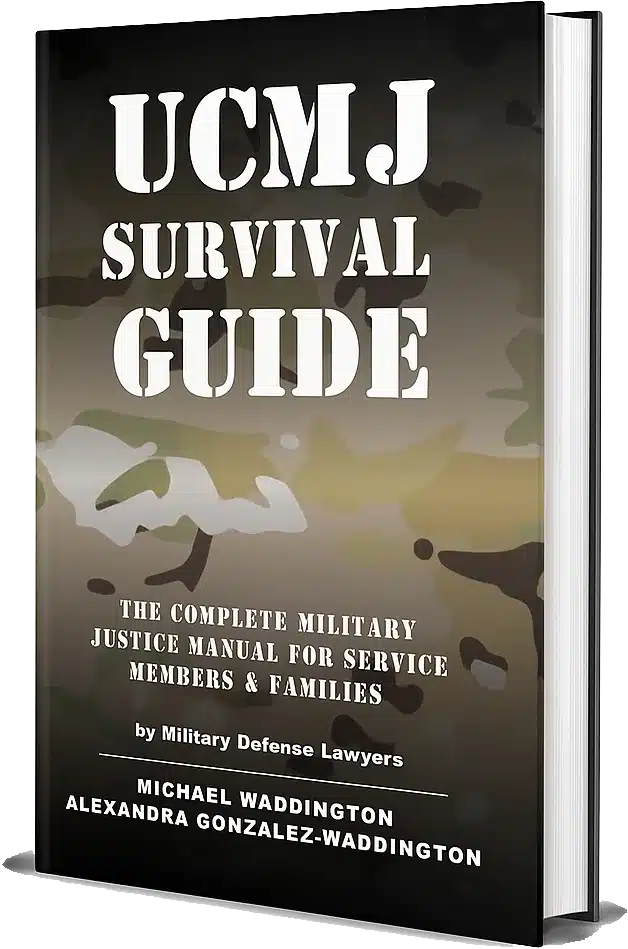
Check Out Our Newest Book
UCMJ Survival Guide

UCMJ Criminal Defense Lawyers

Worldwide Military Defense Experience
Defending Service Members Across Every Theater and Installation

Specialized Expertise in Serious Military Offenses
War Crimes, Sexual Assault, Violent Crimes, and White-Collar Defense

Media and High-Profile Case Experience
Featured on CNN, 60 Minutes, BBC, and Major News Outlets

Playlist

3:34

7:32

6:57

7:58

21:35

7:24

4:24
Frequently Asked Questions About Military Administrative Separation Boards
What is an administrative separation board?
An administrative separation board is a formal panel that evaluates whether a service member should be separated from military service due to various reasons such as misconduct or performance issues. The board reviews evidence and testimony before making a recommendation regarding separation. Understanding this process and your rights within it is essential. Legal representation can assist you in preparing your defense and responding appropriately during the proceedings.
How can I prepare for my separation board hearing?
Preparing for your separation board hearing involves gathering relevant evidence, including documents and witness statements that support your case. Familiarizing yourself with the procedures and possible outcomes is also important. Engaging legal counsel early can provide guidance on strategy and help ensure your rights are protected throughout the process. This preparation increases your chances of a favorable outcome.
What types of discharge can result from a separation board?
Discharge types resulting from separation boards include Honorable, General (Under Honorable Conditions), Other Than Honorable, and Bad Conduct discharge, among others. Each type has different implications for benefits and civilian opportunities. The characterization assigned depends on the board’s findings and recommendations. Legal representation can help in advocating for the most favorable discharge possible based on your circumstances.
Can I appeal the decision of an administrative separation board?
Yes, decisions made by administrative separation boards can often be appealed through military appellate processes. The appeal options and timelines vary depending on the type of discharge and the circumstances of the separation. Consulting with a military defense lawyer can help you understand your rights to appeal and assist in preparing the necessary documentation for an effective appeal.
How long does the administrative separation process take?
The duration of the administrative separation process varies depending on the complexity of the case and the command’s procedures. It can range from a few weeks to several months. Having legal guidance ensures that the process moves as smoothly as possible and that deadlines are met, preventing unnecessary delays or adverse outcomes.
Will I lose military benefits if separated by the board?
Separation by an administrative board can affect eligibility for military benefits, depending on the characterization of discharge. An Honorable or General discharge usually retains benefits, while Other Than Honorable or Bad Conduct discharges may result in loss of certain benefits. Legal counsel can help you understand how your case might impact benefits and work to minimize negative consequences.
Do I need a lawyer for an administrative separation board?
While not always required, having a lawyer during an administrative separation board is highly recommended. Legal representation helps ensure that your rights are protected and that you have professional guidance through complex military procedures. A lawyer can also assist in gathering evidence, presenting your case effectively, and negotiating with the board to achieve the best possible outcome.
What evidence can I present during the board hearing?
You can present various types of evidence during your board hearing, including personal statements, witness testimonies, official documents, and character references. This evidence supports your case and challenges any negative allegations. Properly organizing and presenting this evidence is critical. Legal support can assist you in identifying the strongest evidence and preparing it effectively for the board.
Can the board recommend retention instead of separation?
Yes, separation boards have the authority to recommend retention if the evidence and circumstances support continued service. This outcome depends on the specifics of the case and the board’s assessment. A strong defense strategy can increase the likelihood of retention by addressing concerns raised by the command and demonstrating your value as a service member.
How does the location at Camp Lejeune affect my case?
The location of Camp Lejeune in North Carolina means cases are subject to the military and legal environment specific to this region. Proximity to local military commands and legal resources impacts how cases are handled. Having legal representation familiar with Camp Lejeune and its administrative processes provides an advantage in navigating the unique aspects of your case within this jurisdiction.