



Understanding Defense Against Article 134 Charges for Distribution of Private Images
Article 134 of the Uniform Code of Military Justice (UCMJ) addresses offenses related to the distribution of private images without consent, commonly known as revenge porn. This charge can have severe consequences for military personnel, including disciplinary action and potential court-martial. Having a clear understanding of the legal framework surrounding these allegations is essential for those facing such serious accusations within the military justice system.
Defense against Article 134 charges involves navigating complex military regulations and ensuring the protection of your rights throughout the legal process. It is important to approach these cases with careful consideration of the evidence, military policies, and potential defenses available. Being informed about the nature of these charges and their implications can help service members effectively respond and protect their military career and personal reputation.
The Significance of Defense Services for Article 134 Revenge Porn Cases
Facing accusations under Article 134 for the unauthorized distribution of private images can be distressing and carry significant penalties. Legal defense services provide vital support by thoroughly investigating the circumstances of the case, challenging improper evidence, and advocating for fair treatment within the military justice system. This defense approach helps service members maintain their rights and seek the best possible outcome amidst complex legal proceedings.
About Our Firm’s Commitment to Military Legal Defense
Our firm is dedicated to assisting military personnel facing charges under the UCMJ, including Article 134 offenses related to revenge porn. We understand the unique challenges service members encounter and focus on providing thorough defense strategies tailored to each case. Our team prioritizes clear communication and comprehensive representation to safeguard your rights throughout the military legal process.
Comprehensive Guide to Article 134 Revenge Porn Defense
This guide covers essential aspects of defending against Article 134 charges for the distribution of private images. It explains the legal definitions, key elements of the offense, and what service members can expect during the investigation and trial phases. By understanding these components, individuals can better prepare and respond to allegations effectively.
Additionally, the guide outlines potential defenses and legal options available, emphasizing the importance of timely and strategic action. It also highlights the impact such charges can have on military careers and personal lives, underscoring the need for knowledgeable representation.
Defining Article 134 and Its Application to Private Image Distribution
Article 134 of the UCMJ is a broad statute that addresses offenses prejudicial to good order and discipline or that bring discredit upon the armed forces. The specific charge of distributing private images without consent falls under this article and is intended to prevent the unauthorized sharing of intimate content. This offense includes the deliberate posting or sharing of private photos or videos, often with the intent to harm or embarrass another individual.
Key Legal Elements and Procedures in Article 134 Revenge Porn Cases
To establish a violation under Article 134 for revenge porn, the prosecution must prove that the accused knowingly distributed private images without the subject’s consent and that this act was prejudicial to good order or brought discredit upon the military. The legal process typically involves investigation, charges, pretrial hearings, and possibly a court-martial. Throughout these stages, the accused has rights that must be protected, including the right to counsel and a fair trial.
Important Terms Related to Article 134 and Private Image Distribution
Familiarity with key terms helps clarify the legal framework and processes involved in Article 134 cases. Understanding these terms enhances communication and comprehension of the charges and defense strategies.
Article 134
A provision of the Uniform Code of Military Justice that covers offenses not specifically listed elsewhere but are considered prejudicial to good order and discipline or bring discredit upon the armed forces.
Revenge Porn
The act of distributing private, intimate images or videos of an individual without their consent, often intended to harass, embarrass, or harm that person.
UCMJ
Uniform Code of Military Justice, the legal code that governs all members of the United States military and outlines offenses and procedures for military justice.
Court-Martial
A judicial court for trying members of the armed services accused of offenses against military law, including Article 134 violations.
Exploring Legal Options for Handling Article 134 Charges
Service members facing Article 134 charges have various legal paths available, ranging from seeking informal resolution to proceeding through formal court-martial trials. The choice depends on the specifics of the case, evidence strength, and desired outcomes. Each option carries different risks and benefits that should be carefully considered in consultation with legal counsel.
Circumstances When a Targeted Defense Strategy May Be Effective:
Minor or Isolated Incidents
In cases where the alleged distribution involved a single incident with minimal harm or exposure, a focused legal approach might address the situation effectively, potentially leading to reduced charges or alternative resolutions.
Cooperation and Admission
If the accused shows willingness to cooperate, admit responsibility, and take corrective actions, certain military authorities may consider limited approaches like non-judicial punishment or administrative actions, which can mitigate more severe penalties.
Reasons to Pursue Comprehensive Defense Representation:
Complex Evidence and Serious Allegations
When cases involve multiple incidents, extensive digital evidence, or serious accusations impacting a service member’s career, a comprehensive legal strategy is essential to thoroughly investigate, challenge evidence, and protect the accused’s rights.
Potential for Severe Punishment
Given that Article 134 violations can result in significant disciplinary actions including discharge or imprisonment, comprehensive defense helps ensure that all legal avenues are explored to secure the most favorable outcome possible.
Advantages of a Thorough Defense in Article 134 Cases
A comprehensive defense approach allows for detailed examination of all evidence, identification of procedural errors, and development of strategic arguments that can mitigate or dismiss charges. This thoroughness is vital to safeguarding the service member’s future.
By exploring every legal option and preparing for all possible outcomes, this approach increases the likelihood of achieving results that minimize the impact of the charges and protect personal and professional standing within the military community.
Detailed Case Analysis
A thorough review of all facts and evidence can uncover inconsistencies or mistakes that weaken the prosecution’s case, providing strong grounds for defense and negotiation.
Strategic Legal Advocacy
Comprehensive representation ensures that all procedural protections are enforced, and that every possible legal strategy is employed to achieve the best outcome for the accused service member.
As Featured On:

NEED MILITARY LAW HELP?
Fill out this form or call 1-800-921-8607 to request a consultation.

Practice Areas
Top Searched Keywords
- Article 134 UCMJ Defense
- Military Revenge Porn Charges
- Distribution of Private Images Military Law
- UCMJ Article 134 Lawyer
- Military Court-Martial Defense
- Revenge Porn Military Offense
- Private Image Distribution Military Case
- Military Legal Defense Services
- Ft. Lauderdale UCMJ Defense Lawyer
Important Tips for Defending Article 134 Charges
Act Quickly to Secure Representation
Timely legal assistance is crucial when facing Article 134 allegations, as early action can prevent procedural errors and preserve important evidence necessary for a strong defense.
Maintain Confidentiality and Avoid Public Discussion
Understand Your Rights Under the UCMJ
Being aware of your rights during military investigations and proceedings helps you make informed decisions and ensures you are treated fairly throughout the process.
Why Military Personnel Should Consider Defense for Article 134 Charges
Facing accusations under Article 134 for revenge porn or distribution of private images can lead to serious consequences that affect both military careers and personal lives. Defense services provide essential guidance and representation to navigate these complex legal challenges.
Effective defense helps to protect your rights, challenge the prosecution’s case, and seek resolutions that minimize penalties. Having knowledgeable legal support increases the chances of a favorable outcome during military disciplinary proceedings.
Typical Situations Leading to Article 134 Defense Needs
Service members may require defense when accused of sharing private images without permission, often following personal disputes or relationship breakdowns. These circumstances frequently involve digital communications and can escalate quickly to formal charges.
Unauthorized Sharing of Intimate Content
This includes situations where private photos or videos are distributed without consent, often causing emotional distress and triggering Article 134 investigations.
Social Media and Messaging Platforms
Allegations often arise from posts or messages on social media or through electronic communication channels, where content is shared beyond intended recipients.
Retaliation or Personal Conflicts
Charges may result from acts intended to harm or embarrass another individual, commonly following disputes or breakups within military communities.
Meet Your Defense Team

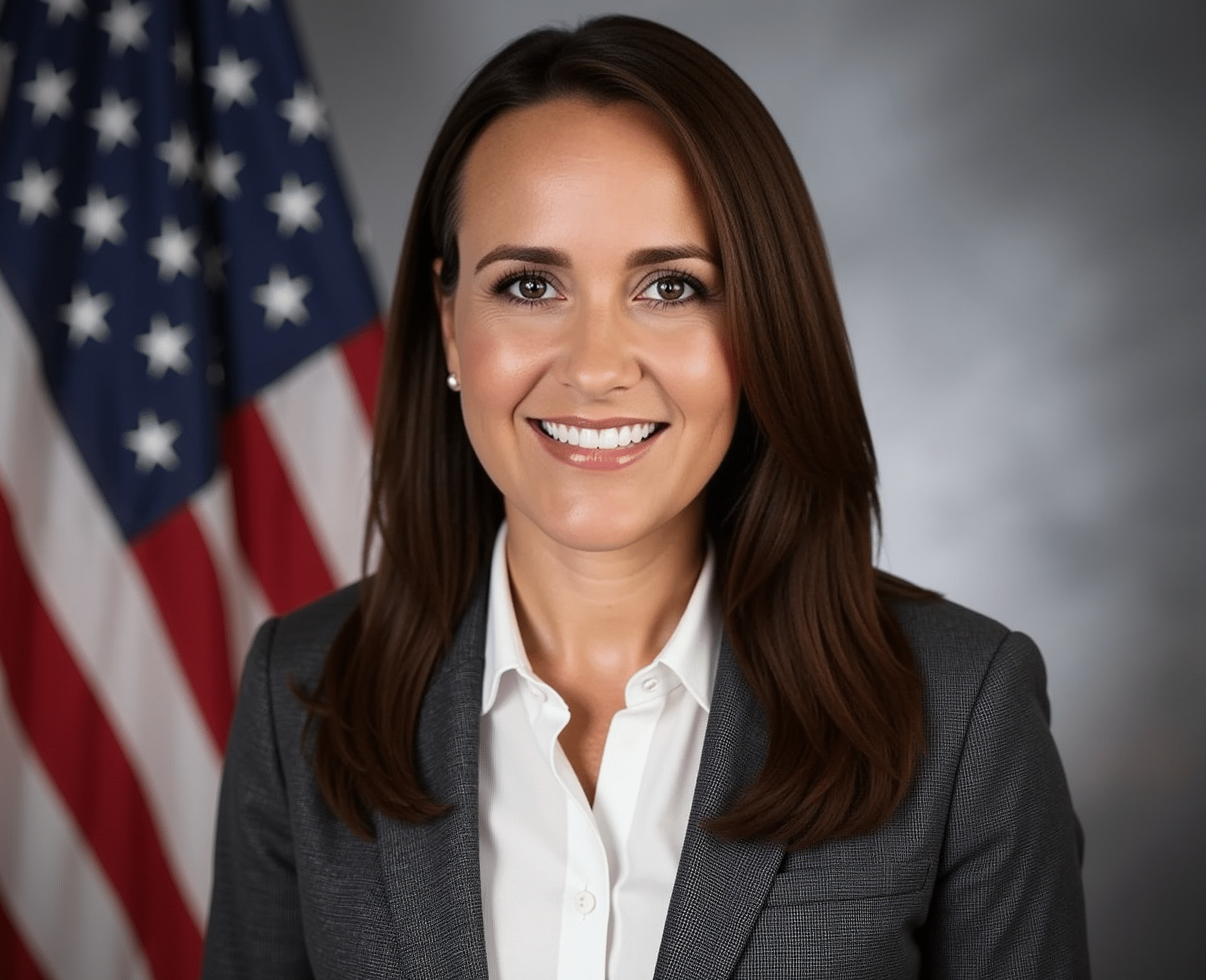
Michael S. Waddington
Criminal Defense Lawyer

PARTNER
Alexandra González-Waddington
Criminal Defense Lawyer
PARTNER
Battle-Tested Results
Recent Case Results
Gang-Rape Allegation Collapses Against Navy Officer
U.S. v. Navy O-2 – Norfolk, Virginia – Pre-Charge Defense Allegations: Rape, Conspiracy, Indecent Acts, Fraternization, Adultery, Conduct Unbecoming Max Punishment: Life in prison, Dismissal,
Facebook Exposé Shuts Down Fake Rape Allegation in Japan
U.S. v. Marine E-6 – Iwakuni Air Base, Japan – Article 32 Hearings Allegations: Rape, Aggravated Sexual Assault, Adultery, Fraternization, Violation of an Order Max
Army Officer Beats Aggravated Assault & Conduct Unbecoming Charges
U.S. v. Army O-1 – Fort Bragg, NC / Tried at Fort McNair, Washington D.C. – General Court-Martial Allegations: Aggravated Assault with Means Likely to
Navy Sailor’s Sex Assault Case Tossed After UCI Bombshell
U.S. v. Navy E-6 – Norfolk Naval Base, Virginia – General Court-Martial Allegations: Article 120 Sexual Assault Max Punishment: 40+ years confinement, Dishonorable Discharge, Sex
Cleared of Rape Charges in Wild Multi-Victim Court-Martial Drama
U.S. v. Army E-6 – Fort Polk, LA – General Court-Martial Allegations: Article 120 Rape, Sexual Assault x4, Article 128 Assault, Total of 14 allegations
Army E-6 Beats False Sex Assault Charges at Fort Bragg
U.S. v. Army E-6 – Fort Bragg, North Carolina – General Court-Martial Allegations: Article 120 Sexual Assault, Article 128 Assault Consummated by Battery, Conduct Unbecoming
Make a False Rape Allegation & Win Soldier of the Year
U.S. v. Army CW2 – Fort Gordon, GA
Allegations: RAPE, Fraternization, Adultery
Max Punishment: LIFE, Dismissal, Sex Offender Registration
Result: ALL CHARGES DISMISSED
Discharge: RETIRED WITH AN HONORABLE
Location/Branch/Rank: Fort Gordon – Augusta, GA/Army/CW2
Cheating Marine Officer Calls Rape
U.S. v. Marine O-3 – Marine Forces Reserve, Naval Support Activity, New Orleans, LA Allegations: Article 120 Rape/Sexual Assault Max Punishment: Life in prison, Dismissal, Sex offender registration

Take Command of Your Defense
Why Choose UCMJ Defense Lawyers for Article 134 Cases
Call Us Today
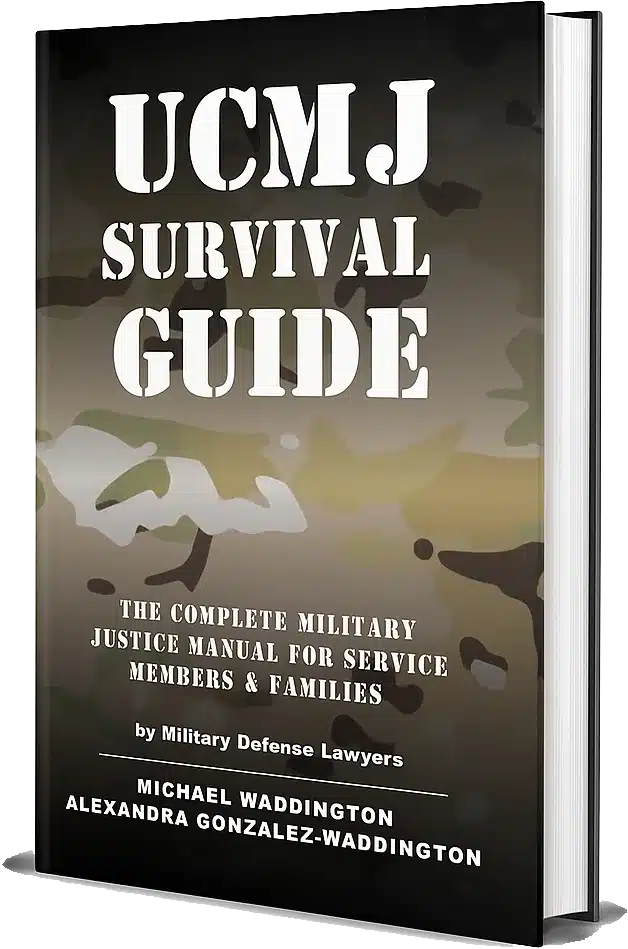
Check Out Our Newest Book
UCMJ Survival Guide

UCMJ Criminal Defense Lawyers

Worldwide Military Defense Experience
Defending Service Members Across Every Theater and Installation
Specialized Expertise in Serious Military Offenses
War Crimes, Sexual Assault, Violent Crimes, and White-Collar Defense

Media and High-Profile Case Experience
Featured on CNN, 60 Minutes, BBC, and Major News Outlets

Playlist

3:34

7:32
6:57
7:58

21:35

7:24
4:24
Frequently Asked Questions About Article 134 Revenge Porn Defense
What is Article 134 under the UCMJ?
Article 134 is a broad provision within the Uniform Code of Military Justice that addresses offenses not specifically covered elsewhere but that negatively affect good order and discipline or bring discredit to the armed forces. It serves as a catch-all article for a variety of misconduct, including the unauthorized distribution of private images. Understanding its scope is vital for those facing related charges to navigate military justice effectively. The article is often applied in cases where the behavior undermines military standards or harms others within the service community, emphasizing the importance of preserving professionalism and trust.
What penalties can result from a conviction for distributing private images?
Penalties for a conviction under Article 134 for distributing private images can vary widely depending on the circumstances and severity of the offense. Possible consequences include reduction in rank, forfeiture of pay, confinement, or a dishonorable discharge. These outcomes can significantly impact a service member’s career and future prospects. The military justice system considers factors such as intent, harm caused, and previous conduct when determining punishment, making effective defense essential to mitigate potential penalties and protect the accused’s rights.
How does the military prosecute revenge porn cases?
The military prosecutes revenge porn cases by investigating allegations thoroughly and gathering digital and testimonial evidence to establish that the accused knowingly distributed private images without consent. This process involves charges being preferred, followed by pretrial proceedings and possibly a court-martial. The prosecution must prove each element of the offense beyond a reasonable doubt. Due process protections are in place to ensure fair treatment, but the complexity of these cases requires careful legal navigation. Defense counsel plays a key role in challenging evidence and advocating for the accused throughout the trial process.
What defenses are available against Article 134 charges?
Available defenses against Article 134 charges for distributing private images include proving lack of intent to harm, questioning the authenticity or consent related to the images, and highlighting procedural errors during the investigation. Additionally, some cases may involve demonstrating that the images were shared with permission or that the accused was not responsible for the distribution. A thorough review of all evidence and circumstances is necessary to identify applicable defenses and formulate a strategic response tailored to the specifics of the case.
Can I remain in the military if convicted under Article 134?
Whether a service member can remain in the military after a conviction under Article 134 depends on the severity of the offense and the resulting disciplinary actions. Some convictions may lead to administrative separation, while others might result in retention with reduced rank or other penalties. The military evaluates each case individually, considering the service member’s overall record and potential for rehabilitation. Legal defense that seeks to minimize or dismiss charges can significantly influence the outcome regarding continued military service.
How can I protect my rights during a military investigation?
Protecting your rights during a military investigation starts with understanding your rights under the UCMJ, including the right to remain silent and the right to legal representation. It is important to avoid making statements without counsel present and to cooperate in a way that does not compromise your defense. Promptly securing legal advice helps ensure that your rights are upheld and that the investigation proceeds fairly and transparently, reducing the risk of self-incrimination or procedural errors.
What is the role of a military defense lawyer in these cases?
A military defense lawyer provides guidance and representation tailored to the unique aspects of military law and justice procedures. They assist in reviewing evidence, advising on legal rights, negotiating with military prosecutors, and advocating during hearings or trials. Their role is vital in ensuring that the accused receives a fair process, proper defense, and the best possible outcome. Having knowledgeable counsel helps navigate the complexities of the military justice system and protects the service member’s interests throughout the case.
Are there alternatives to court-martial for Article 134 offenses?
Alternatives to court-martial for Article 134 offenses may include non-judicial punishment, administrative actions, or other disciplinary measures depending on the case details and command discretion. These alternatives can result in penalties that are less severe than those imposed by a court-martial and may allow for quicker resolution. However, each option carries different implications, and selecting the appropriate path requires careful legal consideration and consultation to ensure the service member’s rights and future are protected.
How long does the legal process typically take?
The duration of the legal process for Article 134 cases varies depending on the complexity of the facts, the availability of evidence, and the military justice system’s caseload. Some cases may resolve through pretrial agreements or non-judicial punishment within weeks or months, while others proceeding to court-martial can take significantly longer. Efficient legal representation helps manage timelines and ensures that proceedings advance as smoothly as possible while safeguarding the accused’s rights.
What should I do if I am accused of distributing private images?
If you are accused of distributing private images under Article 134, it is critical to act promptly by seeking legal advice and avoiding self-incriminating statements. Understanding your rights and the military justice process enables you to respond appropriately and preserve your defense options. Early engagement with legal counsel helps protect your interests, guides you through investigations, and develops the strongest possible defense strategy tailored to your case circumstances.