



Comprehensive Defense Services for Military Personnel at Fort Hood
Located in Texas near Killeen, Fort Hood is a pivotal military installation where service members face unique legal challenges. Our firm provides dedicated defense services tailored to the military justice system, ensuring that those stationed at Fort Hood receive thorough and attentive representation. We understand the complexities of military law and are committed to protecting the rights of military personnel under the Uniform Code of Military Justice (UCMJ).
Facing charges under the UCMJ at Fort Hood requires knowledgeable and strategic legal support. Our team at UCMJ Military Defense Lawyers works tirelessly to analyze every aspect of your case, from initial investigation through trial and appeals. We act with diligence to safeguard your future, focusing on your unique circumstances and the specific regulations governing military law in Texas and the surrounding region.
Why Effective Military Defense Matters at Fort Hood
Military legal proceedings demand a specialized approach that respects the distinct nature of military law. At Fort Hood, service members charged under the UCMJ face consequences that can affect their careers and personal lives profoundly. Engaging a military defense lawyer ensures your rights are protected, evidence is scrutinized, and defenses are presented effectively. This careful defense is essential to achieving the best possible outcome in these complex cases.
Trusted Military Defense Representation by Waddington and Gonzalez
UCMJ Military Defense Lawyers, led by attorneys Waddington and Gonzalez, provide committed legal defense to military members, including those at Fort Hood in Texas. With deep knowledge of military law and a dedication to client advocacy, our team understands the pressures faced by service members. We focus on constructing robust defenses and navigating the military justice system to protect your rights and future.
Understanding Your Rights and Defense Options at Fort Hood
Military justice involves procedures and rules that differ significantly from civilian courts. At Fort Hood, understanding your legal rights under the UCMJ is essential when facing disciplinary action or criminal charges. This guide aims to clarify the processes involved, your protections, and how a qualified military defense attorney can assist in every step from investigation to trial.
By knowing the key elements of military law and what to expect during proceedings at Fort Hood, you can approach your case with greater confidence. Our firm provides clear explanations and support to ensure you are informed and prepared to make decisions that impact your military career and personal life.
What Is Military Defense Under the UCMJ?
Military defense under the Uniform Code of Military Justice involves legal representation for service members accused of offenses ranging from minor infractions to serious criminal charges. This defense requires familiarity with military regulations, court-martial procedures, and the rights guaranteed to military personnel. Effective representation ensures that all evidence is properly reviewed and that your defense rights are vigorously protected throughout the process.
Key Components of Military Defense Proceedings
Military defense cases at Fort Hood typically involve various stages including investigation, pre-trial motions, and court-martial hearings. Understanding these stages and the rights you hold—such as the right to counsel and to present evidence—is critical. Our firm guides clients through each phase, advocating for fair treatment and striving for favorable resolutions while respecting military protocols and timelines.
Glossary of Important Military Legal Terms
Familiarity with specific military legal terminology helps service members navigate their cases more effectively. Below are definitions of common terms encountered during defense proceedings under the UCMJ.
Court-Martial
A court-martial is a military court that conducts trials and adjudicates charges against service members under the UCMJ. It functions similarly to a civilian criminal court but follows military rules and procedures.
Non-Judicial Punishment (NJP)
Non-Judicial Punishment allows commanders to discipline service members for minor offenses without formal court-martial proceedings. It can include penalties like reduction in rank or extra duties.
Article 32 Hearing
An Article 32 hearing is a pre-trial investigation conducted to determine if there is enough evidence to proceed with a court-martial. It serves as a safeguard to ensure charges are warranted.
Uniform Code of Military Justice (UCMJ)
The UCMJ is the foundation of military law in the United States, outlining offenses and procedures for prosecuting and defending service members accused of crimes.
Choosing Between Limited and Comprehensive Military Defense
When facing military charges at Fort Hood, service members can consider either limited or comprehensive defense strategies. Limited defense may address specific aspects of a case, while comprehensive defense involves a thorough examination of all legal elements, evidence, and potential outcomes. Understanding the benefits and limitations of each approach helps in selecting the most appropriate representation.
Situations Where Limited Defense May Be Appropriate:
Minor Infractions
For lesser offenses that do not carry severe penalties, a limited defense focusing on negotiating reduced punishment or clarifying facts may be sufficient. This approach conserves resources while addressing the issue effectively.
Clear Evidence
In cases where evidence against the service member is unequivocal, concentrating efforts on mitigating circumstances or plea agreements can be a practical strategy to minimize consequences.
The Importance of Comprehensive Defense in Complex Cases:
Serious Charges with Long-Term Impact
Serious allegations that may lead to court-martial and significant penalties require a comprehensive defense that evaluates every legal angle and evidence detail to protect the service member’s rights and future.
Complex Legal and Procedural Issues
Cases involving complicated facts, multiple charges, or procedural irregularities benefit from a full-spectrum defense approach to ensure thorough investigation and effective advocacy.
Advantages of Full-Spectrum Military Defense at Fort Hood
Comprehensive defense considers every aspect of a case, including evidence review, witness interviews, and legal research. This approach can uncover defenses and procedural errors that might otherwise be overlooked, improving the chances for favorable outcomes.
A thorough defense also provides peace of mind, knowing that your case is being handled with the utmost care and attention. This support is critical in the high-stakes environment of military justice at Fort Hood.
Increased Opportunities for Case Resolution
By exploring all defense options and negotiating skillfully, a comprehensive approach can lead to reduced charges, dismissal, or alternative resolutions that protect your record and career.
Enhanced Protection of Legal Rights
Comprehensive defense ensures that your rights under the UCMJ and military regulations are fully upheld throughout the process, guarding against unfair treatment or errors that could prejudice your case.
As Featured On:

NEED MILITARY LAW HELP?
Fill out this form or call 1-800-921-8607 to request a consultation.


Top Searched Keywords
- Fort Hood military criminal defense
- UCMJ defense lawyer Texas
- military court-martial representation
- military legal defense Fort Hood
- military law attorney Killeen
- Texas military defense lawyers
- UCMJ legal defense services
- military justice system Texas
- court-martial defense Fort Hood
Tips for Navigating Military Defense at Fort Hood
Act Quickly and Secure Representation
If you face military charges at Fort Hood, it is essential to seek legal representation as soon as possible. Early intervention allows your defense lawyer to gather crucial information, advise you on your rights, and develop a strategy tailored to your case and the military justice system.
Understand Your Rights Under the UCMJ
Maintain Professional Conduct and Documentation
Throughout your case, maintain professional behavior and keep detailed records of all communications and events related to your charges. This documentation can support your defense and demonstrate your commitment to resolving the matter responsibly.
Why Military Personnel at Fort Hood Should Consider Defense Services
Facing military charges can have serious implications for your career, benefits, and personal life. Defense services tailored to the military justice system help ensure your rights are safeguarded and that you receive fair treatment throughout the process. At Fort Hood, the stakes are high, making professional legal support essential.
Our legal team understands the unique challenges of military law in Texas and works diligently to provide representation that respects your service and focuses on achieving the best possible outcome under the circumstances.
Typical Situations That May Require Military Defense at Fort Hood
Service members at Fort Hood may face a range of legal issues including allegations of misconduct, drug-related offenses, insubordination, or violations of military regulations. Each situation demands a clear understanding of military law and a defense strategy that addresses the specific facts and charges.
Disciplinary Infractions
Minor violations such as unauthorized absence or failure to follow orders can result in administrative or judicial action. Early legal advice can help mitigate consequences and protect your record.
Criminal Charges
More serious allegations including assault, theft, or drug possession require vigorous defense to ensure due process and fair treatment under the UCMJ.
Court-Martial Proceedings
When charges escalate to a court-martial, comprehensive defense representation becomes crucial to navigate complex procedures and secure the best outcome possible.
Meet Your Defense Team

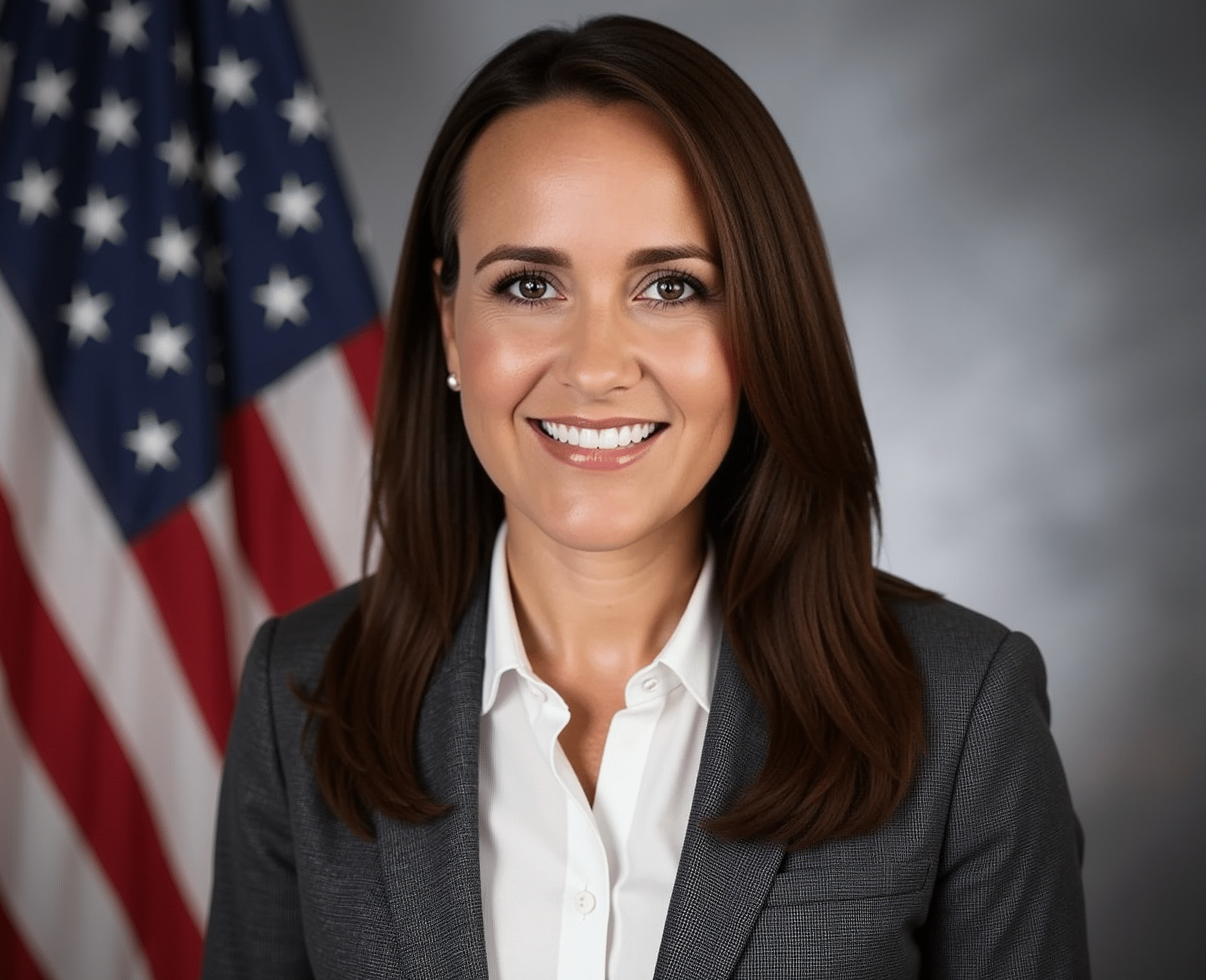
Michael S. Waddington
Criminal Defense Lawyer

PARTNER
Alexandra González-Waddington
Criminal Defense Lawyer
PARTNER
Battle-Tested Results
Recent Case Results
Gang-Rape Allegation Collapses Against Navy Officer
U.S. v. Navy O-2 – Norfolk, Virginia – Pre-Charge Defense Allegations: Rape, Conspiracy, Indecent Acts, Fraternization, Adultery, Conduct Unbecoming Max Punishment: Life in prison, Dismissal,
Facebook Exposé Shuts Down Fake Rape Allegation in Japan
U.S. v. Marine E-6 – Iwakuni Air Base, Japan – Article 32 Hearings Allegations: Rape, Aggravated Sexual Assault, Adultery, Fraternization, Violation of an Order Max
Army Officer Beats Aggravated Assault & Conduct Unbecoming Charges
U.S. v. Army O-1 – Fort Bragg, NC / Tried at Fort McNair, Washington D.C. – General Court-Martial Allegations: Aggravated Assault with Means Likely to
Navy Sailor’s Sex Assault Case Tossed After UCI Bombshell
U.S. v. Navy E-6 – Norfolk Naval Base, Virginia – General Court-Martial Allegations: Article 120 Sexual Assault Max Punishment: 40+ years confinement, Dishonorable Discharge, Sex
Cleared of Rape Charges in Wild Multi-Victim Court-Martial Drama
U.S. v. Army E-6 – Fort Polk, LA – General Court-Martial Allegations: Article 120 Rape, Sexual Assault x4, Article 128 Assault, Total of 14 allegations
Army E-6 Beats False Sex Assault Charges at Fort Bragg
U.S. v. Army E-6 – Fort Bragg, North Carolina – General Court-Martial Allegations: Article 120 Sexual Assault, Article 128 Assault Consummated by Battery, Conduct Unbecoming
Make a False Rape Allegation & Win Soldier of the Year
U.S. v. Army CW2 – Fort Gordon, GA
Allegations: RAPE, Fraternization, Adultery
Max Punishment: LIFE, Dismissal, Sex Offender Registration
Result: ALL CHARGES DISMISSED
Discharge: RETIRED WITH AN HONORABLE
Location/Branch/Rank: Fort Gordon – Augusta, GA/Army/CW2
Cheating Marine Officer Calls Rape
U.S. v. Marine O-3 – Marine Forces Reserve, Naval Support Activity, New Orleans, LA Allegations: Article 120 Rape/Sexual Assault Max Punishment: Life in prison, Dismissal, Sex offender registration

Take Command of Your Defense
Why Fort Hood Service Members Trust UCMJ Defense Lawyers
Call Us Today
Check Out Our Newest Book
UCMJ Survival Guide

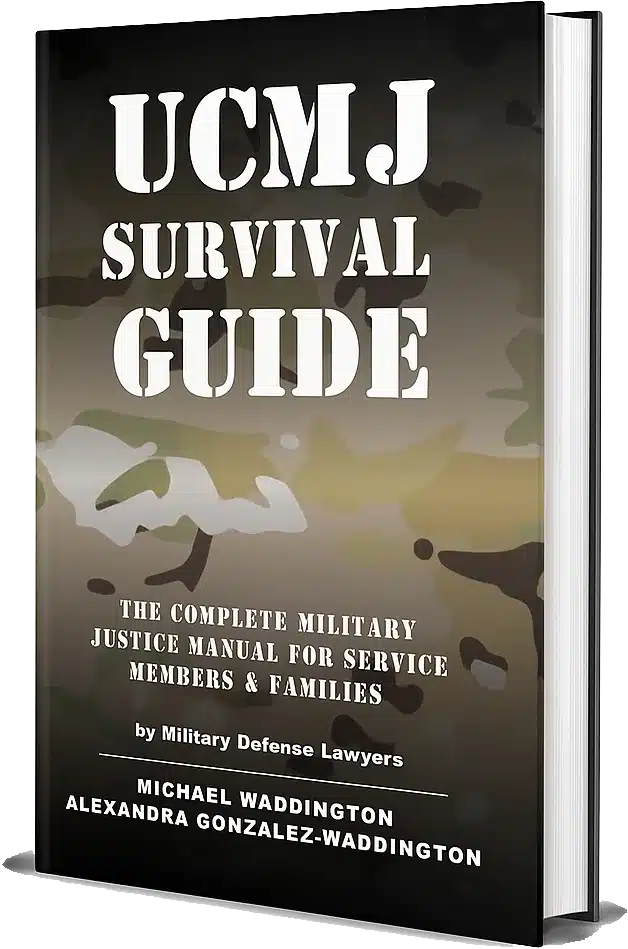
UCMJ Criminal Defense Lawyers

Worldwide Military Defense Experience
Defending Service Members Across Every Theater and Installation
Specialized Expertise in Serious Military Offenses
War Crimes, Sexual Assault, Violent Crimes, and White-Collar Defense

Media and High-Profile Case Experience
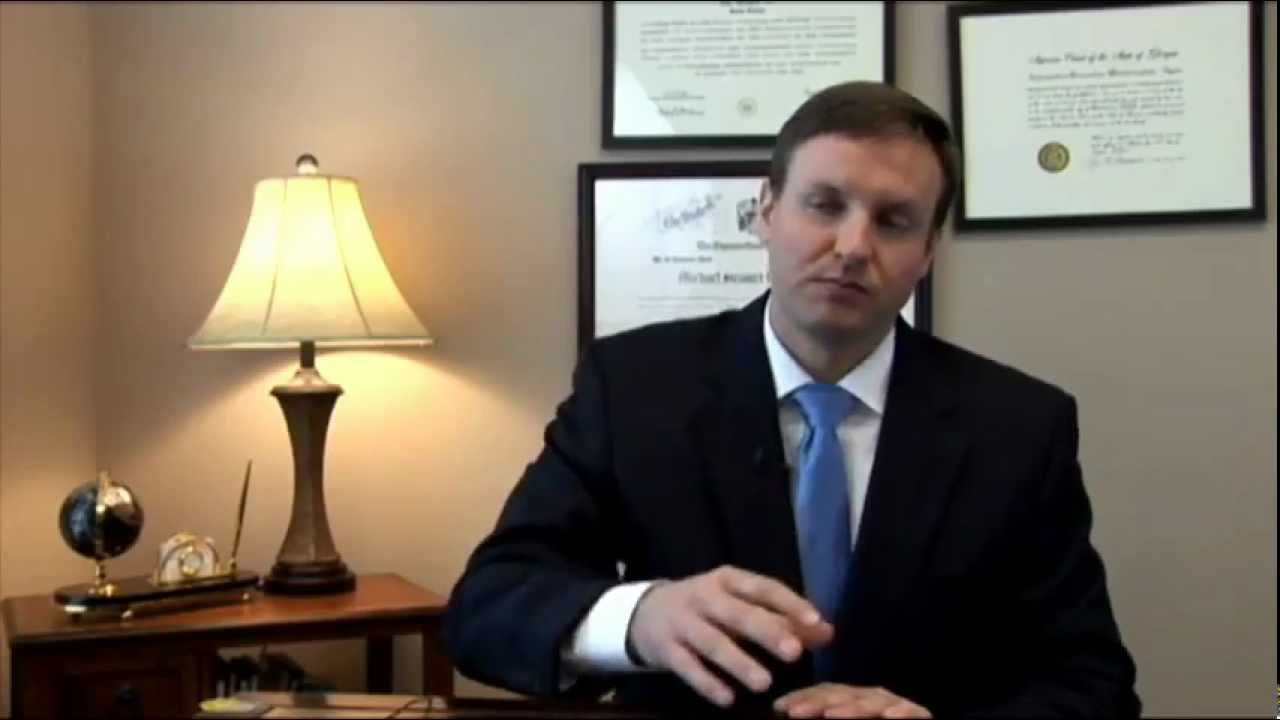
Featured on CNN, 60 Minutes, BBC, and Major News Outlets

Playlist

3:34

7:32

6:57

7:58

21:35

7:24
4:24
Frequently Asked Questions About Military Defense at Fort Hood
What should I do if I am accused of a UCMJ violation at Fort Hood?
If you are accused of a UCMJ violation at Fort Hood, it is crucial to remain calm and avoid making statements without legal counsel. Contact a military defense lawyer promptly to discuss your situation and ensure your rights are protected. Early legal advice can influence the direction and outcome of your case significantly. Your lawyer will guide you through the investigation, help you understand the charges, and develop a strong defense strategy. Taking prompt action is key to safeguarding your military career and personal future.
Can I have civilian counsel represent me in a military court?
Yes, you have the right to be represented by civilian counsel during military legal proceedings. Many service members choose civilian attorneys with experience in military law to complement their defense. Civilian counsel can provide an additional layer of advocacy and ensure that your case is handled with the thoroughness it deserves. At UCMJ Military Defense Lawyers, our team is well-versed in both civilian and military legal systems, providing comprehensive representation tailored to your needs.
What are the potential consequences of a court-martial conviction?
The consequences of a court-martial conviction can vary widely depending on the charges and severity of the offense. Potential penalties include reduction in rank, confinement, forfeiture of pay, dishonorable discharge, and other administrative actions. These outcomes can have lasting effects on your military career and benefits. Understanding the possible consequences is essential for developing an effective defense. Your legal team will work diligently to minimize these impacts and explore all available options to protect your rights.
How does an Article 32 hearing affect my case?
An Article 32 hearing is a preliminary step designed to determine if there is sufficient evidence to proceed to court-martial. It provides an opportunity for your defense to challenge the prosecution’s evidence and present arguments for dismissal or reduction of charges. This hearing is a critical phase where strategic decisions are made that can influence the ultimate resolution of your case. Having skilled legal representation during this process ensures that your interests are fully represented and protected.
Are non-judicial punishments recorded on my military record?
Non-judicial punishments (NJP) can be recorded in your military personnel file, depending on the nature and severity of the offense. While NJPs are generally less severe than court-martial convictions, they can still affect your military record, promotions, and career progression. It is important to understand the implications of any disciplinary action and to seek legal advice before accepting or contesting NJP. Your defense team can help you evaluate your options and strive for the best possible outcome.
How long does the military legal process usually take at Fort Hood?
The duration of the military legal process at Fort Hood varies based on the complexity of the case, the nature of charges, and procedural requirements. Some cases may resolve quickly through negotiated agreements, while others proceed through lengthy investigations and trials. Understanding the timeline helps you prepare and manage expectations. Your defense counsel will keep you informed throughout the process and advocate for timely and fair resolution of your case.
What rights do I have during military investigation and trial?
During military investigations and trials, you have several important rights, including the right to remain silent to avoid self-incrimination, the right to legal counsel, the right to confront witnesses, and the right to present evidence. These rights are essential to ensuring fairness in military justice proceedings. Being aware of and exercising these rights can significantly influence the outcome of your case. Legal guidance is crucial to help you navigate these rights effectively.
Can I appeal a court-martial verdict?
Yes, you can appeal a court-martial verdict if you believe there were errors in the legal process or in the findings. Appeals are reviewed by higher military courts that examine the case for legal and procedural correctness. Timely filing and skilled legal advocacy are critical to the success of an appeal. Your defense team can assess the merits of an appeal and guide you through the necessary steps to pursue it effectively.
How can I prepare for a military legal proceeding?
Preparing for a military legal proceeding involves understanding the charges, gathering relevant information, and working closely with your defense attorney. It is important to be honest with your lawyer and provide all details related to your case. Avoid discussing your case with others who are not your legal counsel. Preparation also includes reviewing potential evidence and witnesses, as well as understanding the procedures you will encounter. Proper preparation helps ensure that your rights are protected and that your defense is as strong as possible.
What makes UCMJ Military Defense Lawyers different from other firms?
UCMJ Military Defense Lawyers stand out due to our dedicated focus on military law and commitment to personalized client service. We understand the unique challenges faced by service members at Fort Hood and across Texas. Our attorneys provide clear communication, thorough case analysis, and aggressive defense strategies tailored to each client’s needs. We prioritize protecting your rights and future, offering support throughout every stage of the military justice process. Choosing us means having a trusted advocate by your side when it matters most.