

Fort Bragg Military Boards of Inquiry (BOI) Defense Lawyer – 2026 FAQ
Fort Bragg is one of the most active installations for Boards of Inquiry (BOIs), Show Cause Boards and elimination actions. Officers accused of misconduct, leadership failures, toxic command climate issues, inappropriate relationships, sexual misconduct, domestic incidents, DUIs, or adverse evaluations can be required to “show cause” for retention.
A BOI can end an officer’s career, eliminate retirement eligibility, and permanently affect post-service employment. This FAQ explains how BOIs work at Fort Bragg and how to protect yourself. If you received BOI notification, contact Gonzalez & Waddington at 1-800-921-8607 immediately.
Aggressive Military Defense Lawyers: Gonzalez & Waddington
Watch the military defense lawyers at Gonzalez & Waddington break down how they defend service members worldwide against UCMJ allegations, CID/NCIS/OSI investigations, court-martials, Article 120 cases, administrative separations, and GOMORs. If you’re under investigation or facing charges, this video explains what your rights are and how experienced civilian military counsel can make the difference.
Fort Bragg Boards of Inquiry – Frequently Asked Questions
Why are BOIs so common at Fort Bragg?
Fort Bragg commands take officer accountability seriously. Leadership failures, allegations of misconduct, adverse evaluations, GOMORs, toxic leadership investigations and command climate complaints frequently result in BOIs.
What is a Board of Inquiry (BOI)?
A BOI is an administrative board used to determine whether an officer should remain in the Army. It functions as a formal hearing where the government must show: (1) misconduct or substandard performance occurred, and (2) the officer should be separated.
How does the BOI process start at Fort Bragg?
Officers receive a written notification memorandum requiring them to “show cause” for retention. This memo outlines alleged misconduct, adverse information, investigation results, evaluations or leadership concerns.
Can a BOI end my retirement eligibility?
Yes. A BOI can separate an officer even after 18+ years of service, cutting off a lifetime pension and all associated benefits.
What evidence can be used against an officer at a Fort Bragg BOI?
Almost anything, including:
- GOMORs (local or permanent)
- AR 15-6 investigation findings
- CID/MP reports, even without charges
- Adverse OERs/NCOERs
- Emails, texts or digital communications
- Witness statements or command climate surveys
Evidence rules are far more relaxed than in court-martial.
What is the burden of proof at a BOI?
The government only needs to prove allegations by a “preponderance of the evidence”—a far lower standard than “beyond a reasonable doubt.” This makes BOIs dangerous even when criminal charges were dropped or never pursued.
Can I be forced to testify at a BOI?
No. But if you choose to testify, the government can cross-examine you. The decision to testify must be strategic and guided by counsel.
Can a BOI use evidence from a dismissed court-martial or unfounded investigation?
Yes. Even acquittals do not prevent the Army from using the underlying allegations at a BOI because of the lower burden of proof.
Should I submit a written BOI rebuttal?
Yes—if it is done strategically. The rebuttal is often the board’s first impression of you. Poorly written rebuttals can be disastrous. Strong rebuttals combine facts, context, character evidence and legal argument.
Can BOIs include witnesses and cross-examination?
Yes. You may call witnesses, present evidence, challenge the government’s case, and cross-examine witnesses. This is where skilled civilian defense counsel can make the biggest impact.
How important are character witnesses at Fort Bragg BOIs?
Extremely important. Fort Bragg commands heavily weigh an officer’s character, leadership record, deployments, assignments and command climate feedback.
What are the possible outcomes of a BOI?
Outcomes include:
- Retention in service
- Retention with comments or recommendations
- Separation with Honorable discharge
- Separation with General discharge
- In rare cases: OTH characterization
Why do Fort Bragg officers hire Gonzalez & Waddington for BOIs?
Our firm has represented Fort Bragg officers in BOIs involving sexual misconduct, leadership issues, toxic command allegations, financial misconduct, domestic incidents, fraternization, GOMORs and AR 15-6 findings. We focus on narrative, cross-examination, and dismantling weak allegations.
What mistakes do officers make when facing a BOI?
Common mistakes include:
- Submittng emotional, undisciplined rebuttals
- Admitting wrongdoing unnecessarily
- Not preparing for hostile questioning
- Assuming the board will be sympathetic
- Failing to hire experienced BOI counsel
What should I do immediately when receiving BOI notification?
Remain calm, gather all relevant documents, avoid discussing the case with coworkers, and hire an experienced civilian military defense lawyer immediately. Early strategy often determines the entire outcome.
Need BOI Defense at Fort Bragg?
If you are facing a Board of Inquiry at Fort Bragg, your reputation, rank, benefits and retirement are on the line. Gonzalez & Waddington defend officers worldwide in BOIs, show cause boards and elimination actions.
Call 1-800-921-8607 or visit ucmjdefense.com to request a confidential consultation today.
Navigating Military Boards of Inquiry at Fort Bragg, North Carolina
Facing a Military Board of Inquiry at Fort Bragg, located near Fayetteville, North Carolina, can be a daunting experience. These proceedings are formal investigations conducted by the military to examine allegations against service members. Understanding the process and having knowledgeable representation can make a significant difference in the outcome. Our firm provides dedicated legal support tailored to the unique demands of military law and the specific environment of Fort Bragg.
Military Boards of Inquiry serve to determine the facts surrounding incidents involving service members and can lead to serious consequences. It is important for those involved to have access to informed guidance that respects the military justice system while protecting individual rights. Our approach ensures that clients at Fort Bragg receive comprehensive assistance throughout every phase of the inquiry.
The Value of Skilled Legal Support During Military Boards of Inquiry
Having knowledgeable legal support during a Military Board of Inquiry is essential to ensure that your rights are safeguarded and the process is conducted fairly. A dedicated defense lawyer can help clarify complex procedures, gather evidence, and present a strong case on your behalf. This assistance can reduce the risk of unfavorable outcomes and provide peace of mind during an otherwise stressful time.
About UCMJ Defense Lawyers: Serving Military Personnel Nationwide
UCMJ Defense Lawyers, including attorneys Waddington and Gonzalez, offer comprehensive defense services for military members across the United States. With a focus on military law, our team is committed to providing thorough legal representation without relying on prohibited language. We understand the unique challenges faced by service members at bases such as Fort Bragg in North Carolina and strive to achieve the best possible outcome for each client.
Comprehensive Guide to Military Boards of Inquiry at Fort Bragg
Military Boards of Inquiry are formal investigations into incidents involving service members. These boards collect evidence, interview witnesses, and assess facts to determine if further action is warranted. Understanding this process is critical for those involved, as outcomes can significantly impact military careers and personal lives.
At Fort Bragg, these boards follow established military regulations and procedures designed to ensure fairness and thoroughness. Legal representation during these proceedings helps navigate the complexities of military law, ensuring that all relevant information is fairly considered and that your rights are upheld.
What Is a Military Board of Inquiry?
A Military Board of Inquiry is an investigative panel convened to examine incidents involving service members that may require administrative or disciplinary action. These boards review evidence and testimonies to establish facts and recommend appropriate measures. The process is distinct from courts-martial but plays a significant role in military justice.
Key Components and Procedures of Military Boards of Inquiry
Boards of Inquiry at Fort Bragg involve several critical steps including evidence collection, witness interviews, and detailed reports. The board members, typically commissioned officers, evaluate all information impartially. Understanding these elements is essential for effective participation and defense during the inquiry.
Glossary of Important Terms for Military Boards of Inquiry
Familiarity with key terms related to Military Boards of Inquiry helps in comprehending the process and communicating effectively with legal counsel. Below are definitions of common terms encountered during these proceedings.
Board of Inquiry
A Board of Inquiry is a formal panel assembled to investigate a specific incident involving a service member. Its purpose is to gather facts and determine the necessity of further disciplinary or administrative action.
Findings
Findings are the conclusions reached by the Board of Inquiry based on the evidence and testimonies presented during the investigation. These findings influence subsequent decisions regarding the service member.
Investigation
The investigation phase involves collecting evidence, interviewing witnesses, and reviewing relevant documents to establish facts about the incident under inquiry.
Recommendation
After concluding their evaluation, the Board of Inquiry provides a recommendation on the appropriate course of action, which may include no action, administrative measures, or referral to a court-martial.
Choosing the Right Legal Approach for Military Boards of Inquiry
When facing a Military Board of Inquiry at Fort Bragg, service members may consider different levels of legal support, from limited consultation to comprehensive defense representation. Each approach has its advantages depending on the complexity of the case and potential consequences.
Situations Where Limited Legal Assistance May Be Appropriate:
Minor Allegations or Procedural Inquiries
In cases involving minor issues or when the inquiry focuses primarily on procedural matters, limited legal consultation can provide sufficient guidance. This approach helps ensure proper understanding of rights and procedures without extensive involvement.
Clear Evidence Supporting the Service Member
When evidence clearly supports the service member’s position and there is little risk of adverse findings, limited legal input may be adequate to facilitate the process and protect interests.
Benefits of Full Legal Representation in Military Boards of Inquiry:
Complex or Serious Allegations
Serious allegations or complex cases requiring detailed fact-finding benefit from comprehensive legal defense. Full representation ensures thorough preparation and effective advocacy.
Potential for Significant Career Impact
When outcomes of the inquiry might affect a service member’s career or benefits, having dedicated legal counsel helps protect long-term interests and navigate military justice complexities.
Advantages of Comprehensive Defense at Fort Bragg Military Boards of Inquiry
A comprehensive legal defense strategy offers a thorough evaluation of all evidence and potential defenses, ensuring no detail is overlooked during the inquiry process. This approach provides peace of mind and maximizes the chances for a favorable outcome.
Additionally, full representation allows for proactive communication with board members and military authorities, helping to clarify facts and advocate effectively on behalf of the service member throughout the proceedings.
In-depth Case Analysis and Preparation
Comprehensive defense includes detailed investigation and review of all available evidence, identifying strengths and weaknesses to build a solid case. This preparation is key to addressing all relevant issues during the inquiry.
Consistent Support Through Every Stage
From initial notification through the conclusion of the board, comprehensive legal representation provides continuous guidance and advocacy, helping service members understand each step and make informed decisions.
As Featured On:

NEED MILITARY LAW HELP?
Fill out this form or call 1-800-921-8607 to request a consultation.


Top Searched Keywords
- Military Board of Inquiry Defense Fort Bragg
- Fort Bragg Military Legal Representation
- North Carolina Military Defense Lawyers
- UCMJ Defense Services Fort Bragg
- Military Justice Defense Lawyers NC
- Boards of Inquiry Legal Assistance
- Military Legal Defense Near Fayetteville
- Fort Bragg Military Charges Defense
- Criminal Military Defense North Carolina
Tips for Navigating Military Boards of Inquiry at Fort Bragg
Understand Your Rights
Before participating in a Military Board of Inquiry, familiarize yourself with your rights and the military justice process. This knowledge empowers you to engage confidently and protect your interests throughout the proceedings.
Gather Relevant Evidence
Seek Legal Guidance Early
Consulting with a legal professional experienced in military law early in the process can help clarify expectations and prepare you effectively for the board’s proceedings.
Why Choose Legal Representation for Your Military Board of Inquiry at Fort Bragg
Military Boards of Inquiry can have far-reaching consequences on your military career and personal life. Having skilled legal representation helps ensure that your rights are protected and that the process is conducted fairly and thoroughly.
Legal counsel can assist in understanding complex military regulations, preparing your case, and advocating effectively on your behalf, thereby increasing the likelihood of a favorable resolution.
Typical Situations That May Lead to a Military Board of Inquiry
Boards of Inquiry are convened in response to various incidents such as allegations of misconduct, accidents, or other events requiring formal investigation. Service members at Fort Bragg may face these inquiries following administrative or disciplinary concerns.
Allegations of Misconduct
When a service member is accused of violating military regulations or standards of conduct, a Board of Inquiry may be convened to investigate the claims and determine the appropriate response.
Accidents or Injuries on Duty
Incidents involving accidents or injuries during military service can prompt a Board of Inquiry to examine the circumstances and assess responsibility or contributing factors.
Loss or Damage to Military Property
If military property is lost, damaged, or misused, an inquiry may be initiated to establish facts and accountability.
Meet Your Defense Team


Michael S. Waddington
Criminal Defense Lawyer

PARTNER
Alexandra González-Waddington
Criminal Defense Lawyer
PARTNER
Battle-Tested Results
Recent Case Results
Gang-Rape Allegation Collapses Against Navy Officer
U.S. v. Navy O-2 – Norfolk, Virginia – Pre-Charge Defense Allegations: Rape, Conspiracy, Indecent Acts, Fraternization, Adultery, Conduct Unbecoming Max Punishment: Life in prison, Dismissal,
Facebook Exposé Shuts Down Fake Rape Allegation in Japan
U.S. v. Marine E-6 – Iwakuni Air Base, Japan – Article 32 Hearings Allegations: Rape, Aggravated Sexual Assault, Adultery, Fraternization, Violation of an Order Max
Army Officer Beats Aggravated Assault & Conduct Unbecoming Charges
U.S. v. Army O-1 – Fort Bragg, NC / Tried at Fort McNair, Washington D.C. – General Court-Martial Allegations: Aggravated Assault with Means Likely to
Navy Sailor’s Sex Assault Case Tossed After UCI Bombshell
U.S. v. Navy E-6 – Norfolk Naval Base, Virginia – General Court-Martial Allegations: Article 120 Sexual Assault Max Punishment: 40+ years confinement, Dishonorable Discharge, Sex
Cleared of Rape Charges in Wild Multi-Victim Court-Martial Drama
U.S. v. Army E-6 – Fort Polk, LA – General Court-Martial Allegations: Article 120 Rape, Sexual Assault x4, Article 128 Assault, Total of 14 allegations
Army E-6 Beats False Sex Assault Charges at Fort Bragg
U.S. v. Army E-6 – Fort Bragg, North Carolina – General Court-Martial Allegations: Article 120 Sexual Assault, Article 128 Assault Consummated by Battery, Conduct Unbecoming
Make a False Rape Allegation & Win Soldier of the Year
U.S. v. Army CW2 – Fort Gordon, GA
Allegations: RAPE, Fraternization, Adultery
Max Punishment: LIFE, Dismissal, Sex Offender Registration
Result: ALL CHARGES DISMISSED
Discharge: RETIRED WITH AN HONORABLE
Location/Branch/Rank: Fort Gordon – Augusta, GA/Army/CW2
Cheating Marine Officer Calls Rape
U.S. v. Marine O-3 – Marine Forces Reserve, Naval Support Activity, New Orleans, LA Allegations: Article 120 Rape/Sexual Assault Max Punishment: Life in prison, Dismissal, Sex offender registration

Take Command of Your Defense
Why Service Members at Fort Bragg Trust UCMJ Defense Lawyers
Call Us Today
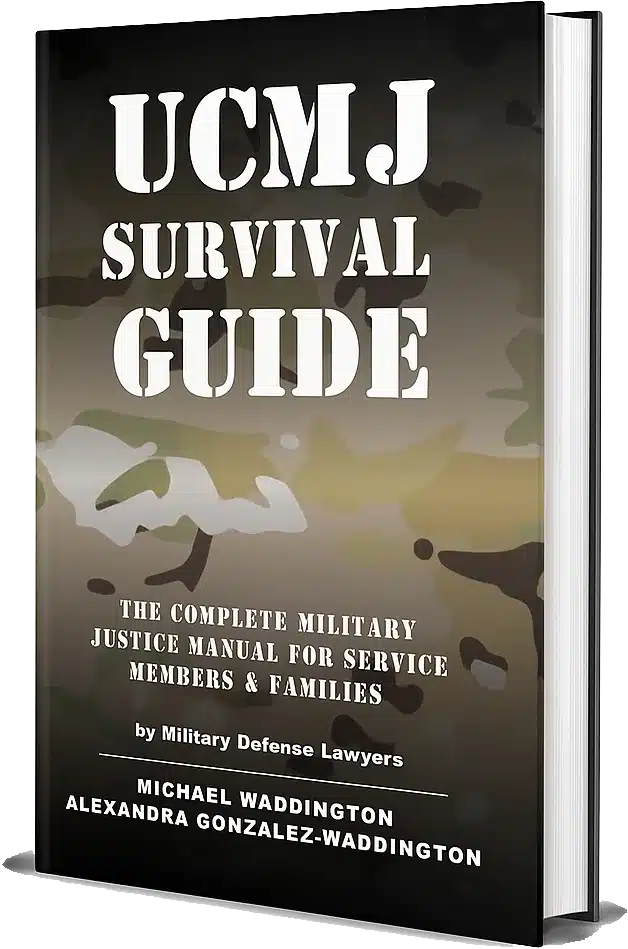
Check Out Our Newest Book
UCMJ Survival Guide

UCMJ Criminal Defense Lawyers

Worldwide Military Defense Experience
Defending Service Members Across Every Theater and Installation

Specialized Expertise in Serious Military Offenses
War Crimes, Sexual Assault, Violent Crimes, and White-Collar Defense

Media and High-Profile Case Experience
Featured on CNN, 60 Minutes, BBC, and Major News Outlets

Playlist

3:34

7:32

6:57

7:58

21:35

7:24

4:24
Frequently Asked Questions About Military Boards of Inquiry at Fort Bragg
What is the purpose of a Military Board of Inquiry?
A Military Board of Inquiry is convened to investigate specific incidents involving service members. Its purpose is to establish facts and recommend any necessary actions based on the findings. The process is formal but distinct from a court-martial. Legal representation can help clarify procedures and protect your rights during this process. Understanding the nature of the inquiry and the potential outcomes is important. Having guidance ensures you are prepared to present your side effectively and respond to questions or evidence presented during the board.
How can I prepare for a Board of Inquiry at Fort Bragg?
Preparing for a Board of Inquiry involves gathering all relevant documents, statements, and evidence related to the incident. It is also important to understand the military regulations applicable to your case and the procedures of the inquiry itself. Consulting with a legal professional experienced in military law early on can help you organize your defense, understand what to expect, and avoid common pitfalls during the inquiry process.
Do I need a lawyer for a Military Board of Inquiry?
While it is not always mandatory to have a lawyer during a Military Board of Inquiry, having legal representation is highly recommended. A lawyer experienced in military law can help protect your rights, provide guidance on the inquiry process, and advocate effectively on your behalf. Legal counsel can also assist in reviewing evidence, preparing statements, and ensuring that your interests are fully represented throughout the proceedings.
What happens after the Board of Inquiry concludes?
After the Board of Inquiry concludes, the panel will issue findings based on the evidence and testimonies presented. These findings inform decisions on whether administrative or disciplinary action is necessary. Depending on the recommendations, the case may be closed, or it could lead to further proceedings such as a court-martial. Understanding the next steps allows service members to prepare appropriately.
Can I appeal the findings of a Board of Inquiry?
Appeals of Board of Inquiry findings are limited and depend on military regulations and the nature of the case. In some situations, service members may request a review or challenge procedural errors. Legal counsel can help evaluate whether an appeal or other action is feasible and assist in navigating the appropriate channels to seek reconsideration if warranted.
How long does the Board of Inquiry process take?
The duration of the Board of Inquiry process varies depending on the complexity of the case and the availability of evidence and witnesses. Some inquiries may be resolved quickly, while others require extended investigation. Being proactive and well-prepared can help streamline the process, but service members should be prepared for potential delays inherent to thorough military investigations.
Will the Board of Inquiry affect my military career?
The outcome of a Board of Inquiry can impact a service member’s career, especially if findings lead to disciplinary action or affect eligibility for promotions and benefits. Having knowledgeable legal representation helps ensure that your case is presented clearly and your rights are protected, which can mitigate negative consequences on your military career.
Are Board of Inquiry proceedings confidential?
Board of Inquiry proceedings are generally confidential and limited to authorized personnel. This confidentiality helps protect the privacy of individuals involved and maintain the integrity of the investigation. Understanding confidentiality rules is important for service members and their representatives to ensure compliance and proper handling of sensitive information.
What types of cases lead to a Board of Inquiry?
Boards of Inquiry are convened for various reasons including allegations of misconduct, accidents, loss or damage to property, or other incidents requiring formal investigation. Each case is unique, and the inquiry aims to establish facts and recommend appropriate actions based on the findings. Legal guidance is important to navigate these proceedings effectively.
How can UCMJ Defense Lawyers assist me during a Board of Inquiry?
UCMJ Defense Lawyers provide comprehensive support during Military Boards of Inquiry, including case assessment, evidence review, and representation throughout the process. We assist service members in preparing their defense and advocating for their rights. Our approach is focused on clear communication and thorough preparation, helping clients understand the process and achieve the best possible outcomes in their defense.