



Fort Bragg Domestic Violence Defense Lawyers – Article 128b UCMJ Attorneys
If you are stationed at Fort Bragg and facing allegations of domestic violence under Article 128b of the Uniform Code of Military Justice (UCMJ), you are dealing with one of the most destructive accusations a Soldier can face. Domestic violence cases at Fort Bragg are prosecuted aggressively, often with incomplete evidence, contradictory statements, alcohol involvement, and emotional circumstances. These cases frequently begin with a misunderstanding, a heated argument, or a moment of conflict—yet they can escalate into career-ending legal actions, administrative separation, loss of rank, court-martial, or even confinement.
If you have been questioned, arrested, served a Military Protective Order, flagged, or contacted by CID, you must act immediately. Contact Gonzalez & Waddington at 1-800-921-8607. Our civilian military defense lawyers represent Soldiers worldwide and understand exactly how Fort Bragg, CID, and local Fayetteville authorities handle domestic violence allegations.
Domestic violence cases at Fort Bragg are unique because they involve a combination of civilian and military jurisdictions. A single phone call to Fayetteville police or a neighbor’s report of yelling can trigger a civilian arrest, a CID investigation, suspension from duty, revocation of clearance, removal from quarters, and immediate command action. Even if civilian prosecutors drop the case, the Army often proceeds with administrative separation or court-martial. This page provides the most comprehensive domestic violence defense guide available for Soldiers at Fort Bragg.
Aggressive Military Defense Lawyers: Gonzalez & Waddington
Watch the military defense lawyers at Gonzalez & Waddington break down how they defend service members worldwide against UCMJ allegations, CID/NCIS/OSI investigations, court-martials, Article 120 cases, administrative separations, and GOMORs. If you’re under investigation or facing charges, this video explains what your rights are and how experienced civilian military counsel can make the difference.
Understanding Article 128b (Domestic Violence) at Fort Bragg
Why Article 128b Cases Are So Aggressively Prosecuted Here
Fort Bragg is home to elite airborne and special operations units. The Army’s interest in maintaining public trust, especially in North Carolina, means that any allegation involving violence receives heightened attention. When domestic violence is alleged, commands react quickly because they fear negative publicity, SHARP/Family Advocacy repercussions, and criticism for not acting decisively.
As a result, Soldiers are often treated as guilty from the moment the allegation is made. Even when the alleged victim denies wrongdoing or contradicts the police report, commands frequently push for separation or court-martial to “remain on the safe side.” This creates an environment where innocent Soldiers must fight to clear their names.
Article 128b Criminal Elements
To convict a Soldier of domestic violence under Article 128b, the government must prove:
- That the Soldier committed an act of violence (or attempted/threatened violence)
- Against a spouse, intimate partner, household member, or someone within a qualifying domestic relationship
- With intent or recklessness
However, in practice, prosecutors at Fort Bragg often stretch these elements. Verbal arguments, emotional statements, or mutual pushing can be misclassified as domestic violence.
How Domestic Violence Cases Begin at Fort Bragg
1. Civilian Police Response in Fayetteville
Fayetteville police respond to thousands of domestic disturbance calls per year, many involving Soldiers. Even if no one is arrested, officers often write incident reports that command uses against Soldiers. North Carolina has an aggressive arrest policy for DV calls, and officers often detain one party simply because they believe it is “safer” to do so. These arrests later influence UCMJ charges and separation actions at Fort Bragg.
2. Military Police Reports On-Post
Domestic disputes in on-post housing often lead to immediate involvement by MPs. Even minor disagreements can be documented and escalated.
3. CID Investigations
Once CID becomes involved, they treat the Soldier as a suspect even before interviewing witnesses. CID frequently records statements selectively, focusing on details that appear incriminating while ignoring contradictions or exculpatory information.
4. Family Advocacy Program (FAP) Involvement
FAP often conducts parallel assessments. Their findings influence command decisions even though they use lower standards of proof and often rely on subjective assessments rather than evidence.
5. Chain of Command Reporting
Commands may initiate investigations based on rumors, partial statements from subordinates, or complaints from spouses or family members. Soldiers are sometimes flagged and removed from leadership positions before an investigation even begins.
Why Domestic Violence Cases at Fort Bragg Are So Dangerous
Automatic Consequences
As soon as an allegation is reported, Soldiers often face:
- Military Protective Orders (MPOs)
- Removal from quarters
- Seizure of weapons or suspension from arms rooms
- Loss of jump status
- Clearance suspension
- Duty restrictions
- No-contact orders
- Command-directed mental health assessments
These actions occur long before evidence is reviewed.
CID Bias and Presumption of Guilt
CID investigators at Fort Bragg frequently approach domestic violence cases assuming guilt. They selectively record statements, ignore mitigating factors, and rely heavily on emotional narratives rather than objective facts. This bias must be exposed by the defense.
Overlap Between Civilian and Military Courts
Civilian prosecutors in Cumberland County often pursue domestic violence cases even when the alleged victim does not want prosecution. Soldiers may face both civilian charges and UCMJ charges for the same event.
Common Domestic Violence Scenarios at Fort Bragg
Alcohol-Fueled Arguments
Many cases begin with drinking, mutual shouting, emotional arguments, or misunderstandings. Police often arrive after everything has calmed down and rely on partial accounts.
Mutual Combat Misinterpreted as Assault
Many situations involve both parties contributing to the conflict. However, North Carolina officers often assume one party must be the aggressor and choose the Soldier.
False Allegations During Breakups
Relationship breakdowns, custody disputes, and emotional endings often lead to exaggerated or fabricated claims.
Accidental Injuries Misinterpreted
Tripping, falling, or self-inflicted injuries sometimes become evidence of alleged assault when misreported by witnesses or interpreted improperly by police.
Third-Party Reporting
Neighbors, bystanders, or roommates may misinterpret noise or yelling and assume violence occurred.
How Domestic Violence Cases Are Prosecuted at Fort Bragg
Article 128b Charges
These charges focus on violence against a protected household member. Even minor physical contact can be exaggerated into an allegation of intentional harm.
Article 128 (Simple Assault)
If the government believes it cannot prove domestic intent, it may pursue Article 128 assault charges instead.
Article 92 Violations
MPO violations or alleged disobedience often get tacked onto domestic violence cases.
Article 107 False Statements
Prosecutors sometimes add false statement charges if your account conflicts with others—even when the discrepancy results from fear, stress, or confusion.
Consequences of Domestic Violence Convictions
Criminal Penalties
A conviction under Article 128b can result in:
- Confinement
- Reduction in rank
- Forfeitures
- Punitive discharge
- Loss of retirement benefits
Professional Consequences
Domestic violence allegations can lead to:
- Loss of security clearance
- Permanent file documentation
- Career death even without conviction
- Commander “loss of confidence” actions
- Removal from leadership
Firearm Restrictions
The Lautenberg Amendment prohibits firearm possession after certain domestic violence convictions. This is devastating for Soldiers in combat MOSs.
Family Consequences
MPOs and civilian protective orders can affect custody, visitation, and marriage stability.
Defense Strategies for Domestic Violence at Fort Bragg
1. Attack Inconsistencies in the Alleged Victim’s Statements
Many complainants give conflicting accounts to police, CID, and friends. These inconsistencies are powerful tools in cross-examination.
2. Present Evidence of Mutual Combat
The government often paints Soldiers as aggressors even when both parties contributed to the conflict. The defense must highlight mutual involvement.
3. Challenge Emotional Testimony With Facts
Emotions can distort memory. The defense combats emotional narratives with objective evidence, timelines, and logic.
4. Expose Civilian Police Errors
Fayetteville officers often make rapid judgments. Body cam footage frequently contradicts written reports.
5. Present Digital Evidence
Texts, call logs, voicemails, social media messages, and images often tell a different story than the accuser’s statements.
6. Use Relationship Dynamics
Breakups, jealousy, custody disputes, financial stress, and manipulation often play major roles in accusations.
7. Show History of Non-Violence
Service records, counseling packets, character statements, and deployment history demonstrate the Soldier’s credibility.
The Role of CID in Domestic Violence Cases
Interrogation Tactics
CID frequently attempts to elicit confessions by minimizing or distorting the seriousness of the situation. Soldiers often wrongly believe honesty will help. In reality, statements—even innocent ones—are later used to build the prosecution’s case.
Misinterpretation of Injuries
CID sometimes treats minor scratches or self-inflicted injuries as proof of violence. Experts may be needed to challenge these interpretations.
Failure to Collect Favorable Evidence
CID often avoids interviewing defense witnesses or collecting statements helpful to the Soldier.
Bias Based on Command Expectations
CID interacts closely with command, and may craft its investigation to support the commander’s preferred outcome.
How Civilian Counsel Protects You During domestic Violence Investigations
We Stop Damaging Statements
Once a Soldier speaks to CID, prosecutors frequently use their words against them. Civilian counsel prevents these damaging interviews.
We Build a Parallel Investigation
The defense must gather text messages, witness accounts, photos, medical records, and context that CID ignores.
We Prepare You For MPO and Command Actions
Protective orders often restrict movement, access to family members, and ability to live in quarters. Proper counsel ensures compliance without self-harm.
We Challenge Weak Cases Before They Escalate
Many domestic violence allegations fall apart when exposed early. Strong rebuttals can stop Article 15 or court-martial referral.
Common Mistakes Soldiers Make in Domestic Violence Cases
1. Talking to the Accuser After the Incident
This violates MPOs, creates new allegations, and gives the government more ammunition.
2. Trying to “Explain” to Their Chain of Command
Commands rarely understand nuance in DV cases. Everything you say can be used against you.
3. Posting About the Incident on Social Media
Social media comments become evidence. Silence is your strongest tool.
4. Ignoring the Importance of Digital Evidence
Many Soldiers forget to preserve texts or call logs that could prove innocence.
5. Waiting Too Long to Hire Counsel
The earlier a civilian attorney is involved, the better your chances of controlling the narrative.
Special Considerations for Fort Bragg Domestic Violence Cases
The Fayetteville Factor
Fayetteville police, deputies, and prosecutors often press DV cases aggressively, even when the alleged victim withdraws the complaint. The Army then layers its own punishment on top of civilian actions.
Unit Culture and Command Scrutiny
Fort Bragg’s elite culture means leaders expect perfection from Soldiers. Accusations—even exaggerated ones—are viewed harshly.
Alcohol and Operational Stress
Many DV cases occur after long training cycles, emotional fatigue, and unit stress. Context matters, and the defense must explain it clearly.
How Gonzalez & Waddington Builds a Domestic Violence Defense at Fort Bragg
We Reconstruct Events From Start to Finish
We build detailed timelines to expose contradictions and alternative explanations.
We Use Expert Witnesses
Psychologists, digital forensic examiners, medical experts, and relationship-dynamics specialists strengthen the defense.
We Expose Motives to Fabricate
Jealousy, fear of losing benefits, custody battles, and relationship breakdowns often influence accusations.
We Present Your Character and Service Record
Your leadership record, evaluations, deployments, awards, and performance matter.
We Challenge the Government’s Case at Every Level
From Article 32 hearings to panel trials, we expose weak evidence and biased investigations.
Pro Tips for Soldiers Facing Domestic Violence Allegations
Tip 1: Remain Silent
Your silence protects you—anything you say can and will be used against you.
Tip 2: Preserve Evidence Immediately
Save messages, photos, videos, receipts, and any witness information.
Tip 3: Follow the MPO Strictly
Even accidental violations become new charges.
Tip 4: Do Not Try to Repair the Relationship Alone
These attempts often lead to more accusations or misunderstandings.
Tip 5: Hire Civilian Counsel Fast
Fort Bragg cases move quickly. Early civilian involvement improves outcomes dramatically.
Connecting This Page to the Fort Bragg Legal Hub
This page is part of the Fort Bragg Military Justice Hub, which includes deep-dive guides on Article 120 defense, assault, child pornography allegations, BOIs, separation boards, and command-directed investigations. Together, these resources create the most comprehensive legal defense system available for Fort Bragg Soldiers.
Bottom Call to Action
If you are stationed at Fort Bragg and accused of domestic violence under Article 128b, you face severe consequences that can follow you for life. Call Gonzalez & Waddington at 1-800-921-8607 for a confidential consultation. Our civilian defense lawyers understand the unique legal environment of Fort Bragg and will fight to protect your career and your future.
Understanding Military Domestic Violence Defense at Fort Bragg
At Fort Bragg, located near Fayetteville, North Carolina, military personnel charged under Article 128b for domestic violence face serious consequences. Our firm provides dedicated legal defense tailored to the unique aspects of military law and the Uniform Code of Military Justice (UCMJ). Navigating these charges requires knowledge of both military procedures and local regulations to protect your rights effectively.
The legal process following a domestic violence charge under Article 128b involves complex investigations and potential court-martials. It is essential to have a defense team familiar with military justice in North Carolina to guide you through the proceedings, ensure your voice is heard, and work toward the best possible outcome in your case.
The Importance of Skilled Defense in Military Domestic Violence Cases
Facing allegations of domestic violence within the military environment can impact your career, freedom, and personal life. Defense lawyers knowledgeable about Article 128b help service members understand their rights, potential penalties, and the defense strategies available. Early and effective representation ensures that all evidence is thoroughly reviewed and that your interests are vigorously protected throughout the process.
Overview of Our Firm’s Commitment to Military Defense
UCMJ Defense Lawyers, based in Florida, serve military members nationwide, including those stationed at Fort Bragg, NC. Waddington and Gonzalez bring years of experience defending clients against military criminal charges. Our team is dedicated to providing thorough and compassionate representation, ensuring that each case receives personalized attention and strategic advocacy tailored to the military justice system.
Comprehensive Guide to Article 128b Domestic Violence Defense
Article 128b of the UCMJ addresses domestic violence offenses involving service members. Understanding the scope and implications of these charges is critical for anyone facing such allegations at Fort Bragg. This guide provides detailed information on the definition of offenses, the legal process, and how a defense lawyer can assist in protecting your rights and future.
Navigating military legal proceedings involves unique rules and protocols that differ from civilian courts. Our guide emphasizes the importance of timely legal counsel to help mitigate consequences and explore options such as plea negotiations or defense strategies that consider the specific circumstances of each case.
Defining Military Domestic Violence Under Article 128b
Article 128b of the UCMJ criminalizes acts of domestic violence committed by service members. This includes physical harm or threats directed at a current or former spouse, family member, or household member. The military justice system handles these cases seriously, reflecting the commitment to maintaining discipline and protecting the welfare of military families.
Key Elements and Legal Processes in Article 128b Cases
To secure a conviction under Article 128b, the prosecution must prove the accused committed an act of domestic violence beyond a reasonable doubt. The process involves investigation, potential Article 32 hearings, and court-martial proceedings. Understanding these steps helps defendants prepare for what lies ahead and work closely with their defense team to challenge the evidence and present a strong case.
Key Terms and Glossary for Military Domestic Violence Defense
Familiarizing yourself with important legal terms related to Article 128b can clarify the defense process. Below are definitions of common terminology used in military domestic violence cases to help you better understand your situation and the proceedings involved.
Article 128b
A section of the Uniform Code of Military Justice that addresses domestic violence offenses committed by service members against family or household members.
Court-Martial
A military court that tries service members accused of violating the UCMJ, including domestic violence charges under Article 128b.
Article 32 Hearing
A preliminary hearing in the military justice system to determine if there is enough evidence to proceed to a court-martial.
UCMJ
The Uniform Code of Military Justice, the legal code governing all members of the United States military.
Comparing Legal Options for Article 128b Defense
Military members facing domestic violence charges can pursue several legal options including negotiating plea agreements, seeking dismissal through evidentiary challenges, or mounting a full defense at trial. Each approach has its advantages and risks, and selecting the appropriate strategy depends on the unique facts of the case and overall goals of the service member.
Situations Where a Limited Defense Approach May Suffice:
Minor or Unsubstantiated Allegations
When allegations of domestic violence are minimal or lack sufficient evidence, a focused defense may effectively result in reduced charges or dismissal. This approach involves targeted motions and negotiations to resolve the case without extensive litigation.
Early Resolution Opportunities
In some cases, early intervention through pretrial agreements or counseling programs can lead to favorable outcomes without the need for a full court-martial, preserving a service member’s record and career.
Why Comprehensive Legal Defense Benefits Military Clients:
Complex Evidence and Serious Consequences
Domestic violence charges under Article 128b often involve intricate evidence such as witness statements, medical reports, and digital communications. A thorough legal defense ensures all aspects are examined carefully, protecting the client’s rights and future within the military.
Long-Term Career Implications
A conviction under Article 128b can have lasting effects on a service member’s military career, including discharge or reduction in rank. Comprehensive defense strategies aim to mitigate these risks by exploring every available legal avenue.
Benefits of a Full-Service Defense Strategy
A comprehensive legal defense encompasses investigation, motion practice, negotiation, and trial preparation. This approach increases the chances of achieving the best possible outcome by addressing all facets of the case and tailoring strategies to the client’s needs.
Engaging a defense team familiar with military law and the local Fort Bragg legal environment ensures the defense is both strategic and informed, helping service members navigate complex military justice proceedings.
Thorough Case Evaluation
Detailed review of all evidence and witness testimony allows for identification of weaknesses in the prosecution’s case and formulation of strong defenses.
Personalized Legal Strategy
Each client receives tailored advice and representation based on their unique circumstances, military status, and goals, ensuring the defense approach aligns with their best interests.
As Featured On:

NEED MILITARY LAW HELP?
Fill out this form or call 1-800-921-8607 to request a consultation.


Top Searched Keywords
- Fort Bragg military domestic violence defense
- Article 128b defense lawyer North Carolina
- UCMJ domestic violence charges
- Military court-martial defense Fort Bragg
- Domestic violence military legal help Fayetteville NC
- Military criminal defense Fort Bragg NC
- Article 128b legal representation
- Fort Bragg UCMJ defense attorneys
- North Carolina military defense lawyers
Pro Tips for Handling Military Domestic Violence Charges
Act Quickly to Secure Legal Representation
Promptly engaging a defense lawyer familiar with Article 128b and military law can make a significant difference in the outcome of your case. Early representation ensures critical evidence is preserved and your side of the story is presented effectively.
Maintain Professionalism Throughout the Process
Be Informed About Your Rights
Understanding your rights under the UCMJ and the specifics of Article 128b helps you make informed decisions and communicate effectively with your defense team.
Why You Should Consider Legal Defense for Article 128b Charges
Facing domestic violence charges under military law can profoundly affect your military career and personal life. Legal defense tailored to the military justice system is essential to protecting your rights, challenging the evidence, and working toward favorable resolutions.
Representation by attorneys familiar with Fort Bragg and local military legal procedures ensures you receive informed counsel and rigorous advocacy at every stage of the legal process.
Common Situations Requiring Article 128b Defense at Fort Bragg
Military personnel may face Article 128b charges in various circumstances including incidents arising from domestic disputes, misunderstandings during personal relationships, or allegations brought by family or household members. Each case requires careful legal evaluation and defense to protect the service member’s rights.
Alleged Physical Altercations
Claims involving physical harm or threats during domestic disputes often lead to Article 128b charges. These cases require detailed investigation and defense strategies tailored to the facts presented.
Misinterpretations of Events
Sometimes incidents are mischaracterized or exaggerated, resulting in charges that do not reflect the true nature of the event. Legal defense helps clarify these misunderstandings.
False or Malicious Accusations
Occasionally, service members face unfounded allegations. A strong defense is vital to protect against wrongful punishment and preserve one’s military career.
Meet Your Defense Team

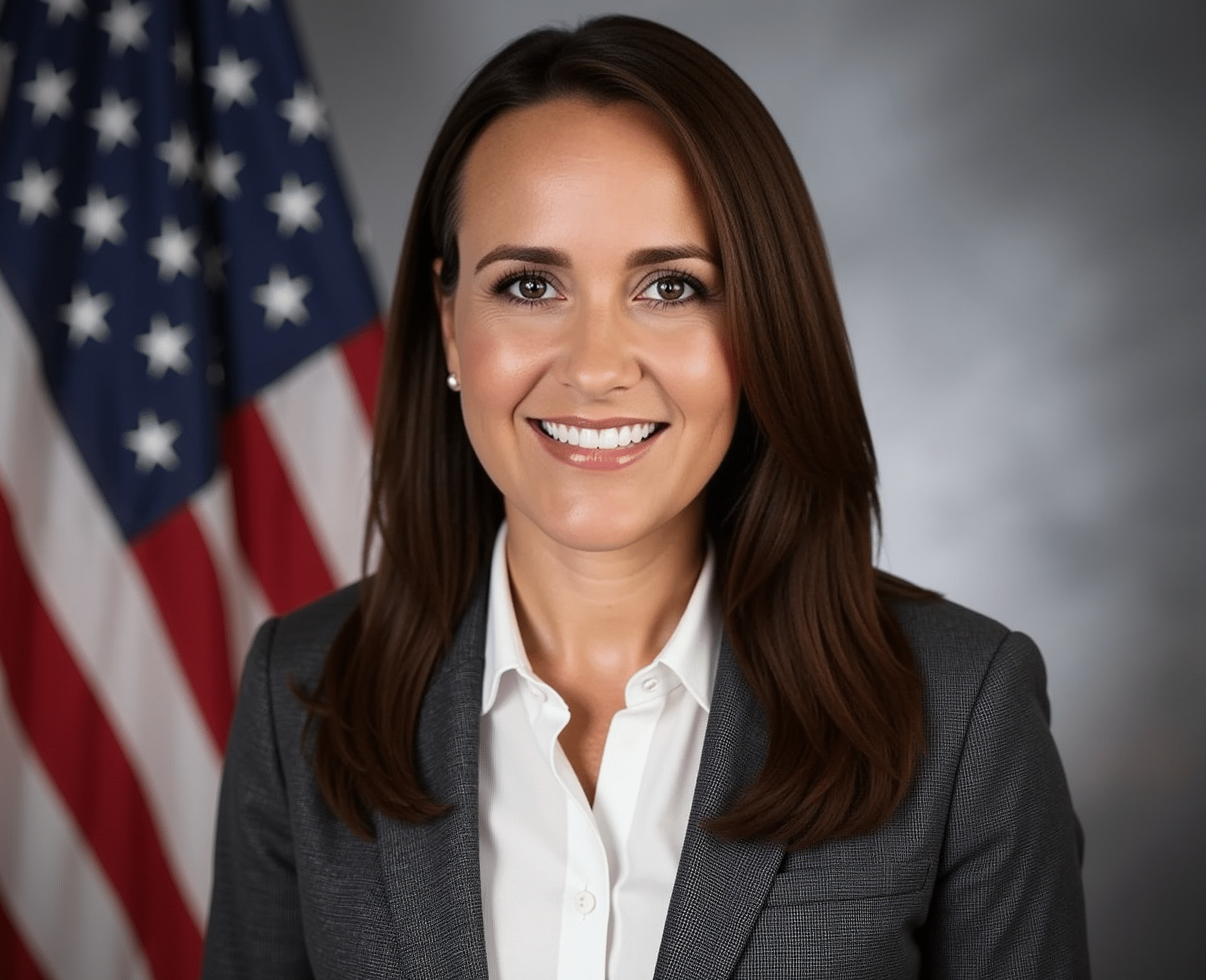
Michael S. Waddington
Criminal Defense Lawyer

PARTNER
Alexandra González-Waddington
Criminal Defense Lawyer
PARTNER
Battle-Tested Results
Recent Case Results
Gang-Rape Allegation Collapses Against Navy Officer
U.S. v. Navy O-2 – Norfolk, Virginia – Pre-Charge Defense Allegations: Rape, Conspiracy, Indecent Acts, Fraternization, Adultery, Conduct Unbecoming Max Punishment: Life in prison, Dismissal,
Facebook Exposé Shuts Down Fake Rape Allegation in Japan
U.S. v. Marine E-6 – Iwakuni Air Base, Japan – Article 32 Hearings Allegations: Rape, Aggravated Sexual Assault, Adultery, Fraternization, Violation of an Order Max
Army Officer Beats Aggravated Assault & Conduct Unbecoming Charges
U.S. v. Army O-1 – Fort Bragg, NC / Tried at Fort McNair, Washington D.C. – General Court-Martial Allegations: Aggravated Assault with Means Likely to
Navy Sailor’s Sex Assault Case Tossed After UCI Bombshell
U.S. v. Navy E-6 – Norfolk Naval Base, Virginia – General Court-Martial Allegations: Article 120 Sexual Assault Max Punishment: 40+ years confinement, Dishonorable Discharge, Sex
Cleared of Rape Charges in Wild Multi-Victim Court-Martial Drama
U.S. v. Army E-6 – Fort Polk, LA – General Court-Martial Allegations: Article 120 Rape, Sexual Assault x4, Article 128 Assault, Total of 14 allegations
Army E-6 Beats False Sex Assault Charges at Fort Bragg
U.S. v. Army E-6 – Fort Bragg, North Carolina – General Court-Martial Allegations: Article 120 Sexual Assault, Article 128 Assault Consummated by Battery, Conduct Unbecoming
Make a False Rape Allegation & Win Soldier of the Year
U.S. v. Army CW2 – Fort Gordon, GA
Allegations: RAPE, Fraternization, Adultery
Max Punishment: LIFE, Dismissal, Sex Offender Registration
Result: ALL CHARGES DISMISSED
Discharge: RETIRED WITH AN HONORABLE
Location/Branch/Rank: Fort Gordon – Augusta, GA/Army/CW2
Cheating Marine Officer Calls Rape
U.S. v. Marine O-3 – Marine Forces Reserve, Naval Support Activity, New Orleans, LA Allegations: Article 120 Rape/Sexual Assault Max Punishment: Life in prison, Dismissal, Sex offender registration

Take Command of Your Defense
Why Service Members at Fort Bragg Trust UCMJ Defense Lawyers
Call Us Today
Check Out Our Newest Book
UCMJ Survival Guide

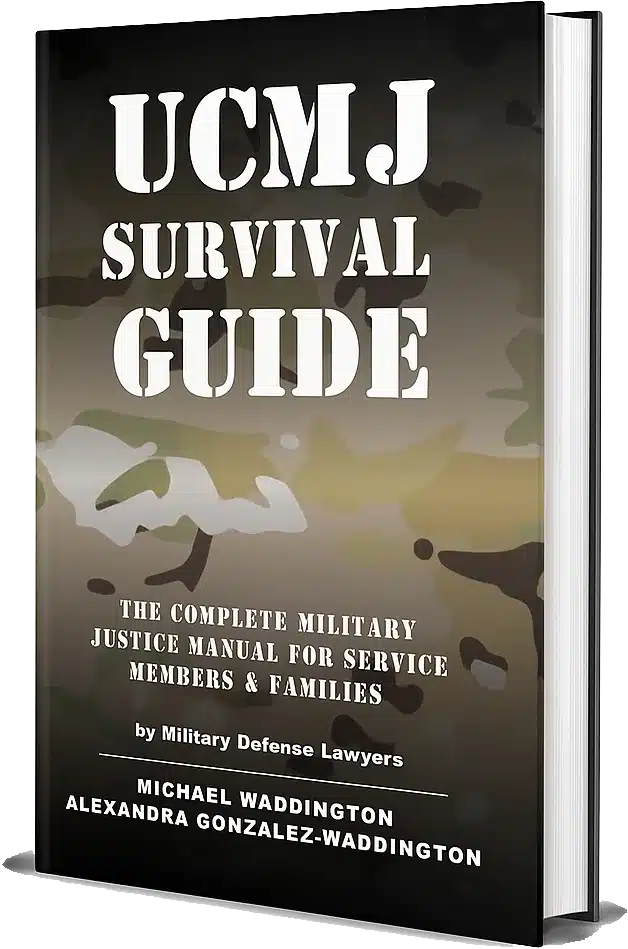
UCMJ Criminal Defense Lawyers

Worldwide Military Defense Experience
Defending Service Members Across Every Theater and Installation

Specialized Expertise in Serious Military Offenses
War Crimes, Sexual Assault, Violent Crimes, and White-Collar Defense

Media and High-Profile Case Experience
Featured on CNN, 60 Minutes, BBC, and Major News Outlets

Playlist

3:34

7:32

6:57

7:58

21:35

7:24

4:24
Frequently Asked Questions About Article 128b Defense
What is Article 128b under the UCMJ?
Article 128b of the UCMJ addresses domestic violence offenses committed by service members. It criminalizes acts of physical harm or threats against family or household members. This law is designed to maintain order and discipline within the military by addressing conduct that affects the welfare of service members and their families. Understanding its scope is essential for those facing such charges. Legal defense involves navigating military procedures and ensuring rights are protected throughout the process.
What penalties can result from an Article 128b conviction?
Penalties for an Article 128b conviction can range from reprimands and restriction to confinement, reduction in rank, or even discharge from the military. The severity depends on the nature of the offense, prior record, and circumstances. These outcomes can have lasting impacts on a service member’s career and personal life. Effective legal representation is important to mitigate these consequences and seek the best possible resolution under military law.
How does the military court-martial process work?
The military court-martial process is the formal trial procedure used to adjudicate violations of the UCMJ, including Article 128b charges. It generally begins with an investigation and an Article 32 hearing to determine if the case should proceed. If so, the case moves to a court-martial where evidence is presented, and a panel or judge decides the outcome. Understanding this process helps service members prepare and participate effectively in their defense.
Can civilian defense lawyers represent me in a military court?
While civilian defense lawyers may provide some assistance, representation in military courts typically requires knowledge of military law and procedures. Lawyers like those at UCMJ Defense Lawyers specialize in the Uniform Code of Military Justice and are equipped to navigate the unique environment of military defense. Choosing counsel familiar with military justice increases the likelihood of a favorable outcome.
What should I do immediately after being charged with Article 128b?
If charged with Article 128b, it is critical to seek legal counsel immediately. Avoid discussing the case with others and refrain from making statements without a lawyer present. Early legal intervention helps protect your rights, preserves evidence, and prepares a defense strategy. Contacting a military defense lawyer familiar with Fort Bragg and UCMJ procedures is the best first step.
How can I defend myself against domestic violence allegations in the military?
Defending against domestic violence allegations requires a thorough examination of the evidence, witness statements, and circumstances surrounding the incident. Strategies may include challenging the credibility of witnesses, highlighting inconsistencies, or presenting alternative explanations. Skilled defense lawyers tailor their approach to the facts of each case to protect the service member’s interests.
What role does an Article 32 hearing play in my case?
An Article 32 hearing serves as a preliminary review to determine whether there is sufficient evidence to proceed to a court-martial. It provides an opportunity to challenge the prosecution’s case, present evidence, and question witnesses. This hearing is a critical step where defense counsel can influence the course of the case and potentially prevent unnecessary trials.
Will a conviction affect my military career?
A conviction under Article 128b can significantly affect a service member’s military career, including potential discharge, loss of security clearance, or impact on promotions. The military justice system treats domestic violence seriously, reflecting its effect on unit cohesion and morale. Effective defense is vital to minimizing these risks and preserving military service.
How long does an Article 128b case usually take?
The duration of an Article 128b case varies depending on the complexity of the evidence, the pace of military investigations, and the court-martial schedule. Some cases resolve quickly through negotiated agreements, while others may take months to reach trial and resolution. Staying informed and engaged with your defense team helps manage expectations throughout the process.
Can I appeal a conviction under Article 128b?
Yes, service members have the right to appeal a conviction under Article 128b through the military appellate courts. Appeals can address legal errors, procedural issues, or new evidence. Navigating the appeals process requires specialized legal knowledge to effectively protect your rights and seek reversal or reduction of unfavorable outcomes.