



Fort Bragg Article 128 Assault Defense Lawyers – UCMJ Attorneys
If you are a Soldier stationed at Fort Bragg and have been accused of assault under Article 128 of the Uniform Code of Military Justice (UCMJ), you are facing a serious legal threat that could damage or destroy your military career. Assault allegations at Fort Bragg arise more frequently than at nearly any other Army installation due to the operational environment: high stress, intense training cycles, airborne culture, alcohol use, barracks life, and the unique pressures placed on elite units. What begins as an argument, a misunderstanding, or a drunken altercation can rapidly escalate into a full CID investigation, an Article 15, a GOMOR, administrative separation, or even a court-martial.
If CID, military police, chain of command, or Fayetteville law enforcement contacts you about an alleged assault, do not provide a statement. Contact Gonzalez & Waddington at 1-800-921-8607. Our civilian military defense lawyers represent Soldiers worldwide and have extensive experience defending assault cases arising from Fort Bragg, the 82nd Airborne Division, XVIII Airborne Corps, and supporting units.
Assault allegations at Fort Bragg are often much more complicated than they first appear. They may involve mutual combat, conflicting witness statements, alcohol-fueled misunderstandings, self-defense scenarios, or allegations motivated by anger, jealousy, stress, or retaliation. This guide provides the most complete overview of how Article 128 cases unfold at Fort Bragg, why they are treated so aggressively, and how to build a strategic defense that protects your career and freedom.
Official installation information is available at home.army.mil/bragg, and information about Fayetteville is available at fayettevillenc.gov.
Understanding Article 128 Assault Charges at Fort Bragg
What Article 128 Covers
Article 128 includes a wide range of assault offenses. Some are minor; others carry felony-level penalties. These may include:
- Simple assault
- Assault consummated by battery
- Aggravated assault
- Assault with a dangerous weapon
- Assault causing grievous bodily harm
- Mutual affray (both parties fighting)
- Assault during domestic disputes
Because the definition of “assault” under the UCMJ is broad, Soldiers at Fort Bragg are frequently charged in situations where no crime occurred. For example, yelling, pointing, pushing, accidental contact, restrained movements, and even perceived threats may be classified as assault depending on witness interpretation.
Why Fort Bragg Prosecutes Assault Cases Aggressively
Fort Bragg’s command environment creates a perfect storm for aggressive assault prosecution:
- High stress and high expectations in airborne and special operations units
- Zero tolerance toward discipline issues
- Pressure from SHARP and unit leadership to show accountability
- Large junior-enlisted population living in barracks with constant interpersonal conflict
- A strong culture of alcohol use in off-duty environments
- Fayetteville’s active nightlife, where fights frequently occur
When an incident happens, especially with injuries or emotional reactions, command feels obligated to take action even before the facts are known.
How Article 128 Assault Cases Begin at Fort Bragg
1. Barracks Fights
Most assault cases involving junior Soldiers begin in the barracks. Alcohol, stress, sleep deprivation, and close living quarters combine to create misunderstandings or heated exchanges. CID and MPs often arrive after the incident is over, relying on fragmented witness recollections.
2. Fights in Fayetteville or Local Bars
Bars and clubs near Fort Bragg—particularly along Yadkin Road, Raeford Road, Skibo Road, and downtown Fayetteville—are frequent locations for Soldier altercations. Civilian arrests quickly lead to UCMJ consequences.
3. Domestic Violence Conflicts
Article 128 is often charged in domestic disputes when both parties were arguing, intoxicated, or emotionally overwhelmed. These cases frequently overlap with Article 128b (domestic violence) but begin as simple assault allegations.
4. Training Accidents or Rough Housing
Misinterpreted training events, combatives practice, airborne hazards, and accidental injuries can be mislabeled as intentional assault by inexperienced investigators or emotional complainants.
5. Rumor-Based Complaints
Sometimes accusations arise based on hearsay or chain-of-command exaggeration. CID may pursue charges even when no one actually witnessed an assault.
Why Many Assault Allegations Are Wrong, Misinterpreted, or Exaggerated
Mutual Combat Misinterpreted as One-Sided Assault
In many Fort Bragg cases, both parties willingly engage in the fight. However, CID and command frequently brand only one Soldier as the aggressor, especially when the other Soldier is more injured or more emotional.
Alcohol-Distorted Memory
Witness memories are highly unreliable when alcohol is involved. Yet CID often relies on statements given hours after the incident when recollections are fragmented or biased.
Chain-of-Command Bias
Commands sometimes charge Soldiers based on assumptions or desire to maintain order, not on facts.
False or Retaliatory Accusations
Some Soldiers are accused after arguments, jealousy, relationship fallout, disagreements in units, or attempts by others to deflect responsibility.
Misunderstood Physical Behavior
What one Soldier sees as roughhousing, another may perceive as aggression. CID often assumes the worst.
How CID Investigates Assault at Fort Bragg
CID Arrives Late and Assumes Intent
CID usually arrives after the incident occurred. They reconstruct events through statements, often giving too much weight to whoever seems upset or injured.
CID Interviews Are One-Sided
Agents often record only the portion of witness statements that supports the allegation. They sometimes fail to interview Soldiers who contradict the story.
Misinterpretation of Injuries
Minor injuries or self-inflicted wounds can be mistaken for intentional assault.
Pressure to “Confess”
CID interrogators frequently use psychological tactics to push Soldiers into “admitting” something, even unintentionally.
Digital Evidence Taken Out of Context
Photos, videos, and group messages from barracks chats are often interpreted selectively.
Consequences of Article 128 at Fort Bragg
Criminal Penalties
Depending on severity, Article 128 penalties may include:
- Confinement
- Reduction to E-1
- Forfeitures
- Bad-conduct discharge
- Dishonorable discharge (for aggravated cases)
Administrative Penalties
Even without conviction, Soldiers face:
- GOMOR
- Relief for cause
- Bar to reenlistment
- Administrative separation
- Loss of jump status or leadership roles
- Clearance suspension
Unit Consequences
Fort Bragg commanders often remove Soldiers from teams, squads, or platoons immediately after an allegation, regardless of evidence.
Defending Article 128 Cases at Fort Bragg
1. Identify Mutual Combat
Many fights involve both Soldiers willingly engaging. This can shift legal interpretation from assault to mutual affray, drastically reducing potential punishment.
2. Demonstrate Self-Defense
The accused may have acted to protect themselves or others. Self-defense is a complete defense when properly articulated.
3. Attack Witness Credibility
Witnesses often change their stories, especially under the influence of alcohol, peer pressure, or fear of discipline.
4. Use Video Evidence
Barracks cameras, cell phone videos, or security footage at Fayetteville establishments can provide the truth.
5. Highlight Inconsistencies
Timestamps, injuries, and statements often contradict each other. These inconsistencies must be exposed.
6. Show Lack of Intent
Article 128 requires an intentional act. Many allegations stem from accidental contact or defensive reactions.
7. Reconstruct the Timeline
A precise reconstruction reveals gaps in the government’s case and supports the defense theory.
Domestic Assault vs. Non-Domestic Assault
Domestic Assault Cases
These cases often involve heightened emotions, alcohol, and relationship breakdowns. Civilian police respond aggressively due to state law. Even when both parties are at fault, Soldiers are frequently treated as primary aggressors.
Non-Domestic Assault Cases
These typically involve barracks fights, off-post altercations, or disputes between peers. Prosecutors often escalate these cases to “send a message.”
Special Considerations for Fort Bragg Assault Cases
Barracks Dynamics
Shared spaces, lack of privacy, personality conflicts, and young age demographics often create volatile environments.
Alcohol Culture
Weekend drinking is common and contributes to misunderstandings, sloppy memories, and exaggerated reactions.
Unit Stigmas
Commanders dislike Soldiers associated with violence. Even a weak allegation can lead to pretrial punishment.
How Gonzalez & Waddington Defend Article 128 Charges
We Reconstruct the Entire Event
We gather all available evidence—videos, photos, texts, witness accounts—to tell the real story.
We Conduct Superior Cross-Examination
Inconsistent witnesses crumble under skilled questioning. Cross-examination is often the decisive factor in Fort Bragg trials.
We Bring Expert Testimony
Medical experts, digital analysts, and forensic professionals counter prosecution claims.
We Establish Alternative Explanations
Not every physical altercation is intentional or criminal. Many are misunderstandings.
We Expose Bias
Ulterior motives—revenge, jealousy, fear of discipline—often shape false accusations.
Pro Tips for Fort Bragg Soldiers Facing Assault Allegations
Tip 1: Do Not Speak to CID or MPs
You cannot talk your way out of an assault charge. Anything you say will become evidence.
Tip 2: Preserve Digital Evidence
Save texts, photos, videos, and voice memos.
Tip 3: Avoid Talking About the Case
Peers, friends, and even leaders may become witnesses.
Tip 4: Document Injuries
Photos of your own injuries can establish self-defense or mutual combat.
Tip 5: Hire Civilian Counsel Early
Early intervention can prevent escalation, influence charging decisions, and preserve critical evidence.
Connection to the Fort Bragg Legal Defense Hub
This page is part of the Fort Bragg Military Justice Hub, including specialized guides on Articles 120, 120b, 120c, 128b (domestic violence), Article 15 defense, BOIs, separation boards, child pornography allegations, and command-directed investigations. Together, they form the most comprehensive military defense resource available for Soldiers stationed at Fort Bragg.
Bottom Call to Action
If you are stationed at Fort Bragg and accused of assault under Article 128, contact Gonzalez & Waddington at 1-800-921-8607. Our civilian military defense lawyers are experienced, aggressive, and fully prepared to defend you against the Army’s accusations. Your future, your reputation, and your freedom depend on the steps you take right now.
Navigating Military Administrative Separation Boards at Fort Bragg
At Fort Bragg, located near Fayetteville, North Carolina, service members facing administrative separation boards require knowledgeable legal representation. Military administrative separation boards determine whether a soldier will be discharged under conditions that may affect their future. The process is complex and can have long-lasting implications on a military career and civilian life. It’s important to understand the procedures and your rights within this military legal framework to protect your interests effectively.
The legal team at UCMJ Defense, based in Florida, provides dedicated support to service members at Fort Bragg who are confronting administrative separation boards. With a clear understanding of military law and the unique challenges of these proceedings, we strive to guide you through every step. Our approach focuses on ensuring your voice is heard and that you receive fair treatment in these critical hearings that could impact your military status and benefits.
Why Legal Representation Matters in Administrative Separation Board Proceedings
Having knowledgeable legal assistance during administrative separation board hearings is vital to safeguarding your rights and future opportunities. These boards assess serious matters that can lead to discharge under less than honorable conditions, which may affect your military benefits and civilian employment prospects. Effective representation ensures that all evidence is thoroughly reviewed, relevant defenses are presented, and procedural protections are upheld, helping to achieve the best possible outcome in a challenging situation.
About UCMJ Defense Lawyers Serving Fort Bragg Service Members
UCMJ Defense is a Florida-based military defense law firm committed to supporting service members facing legal challenges at Fort Bragg and surrounding areas. Our team is well-versed in military law and administrative separation procedures, providing thorough and personalized representation. We understand the gravity of administrative separation boards and dedicate ourselves to advocating for your rights throughout the process, ensuring you have a strong defense and clear guidance.
Comprehensive Guide to Military Administrative Separation Boards at Fort Bragg
This guide offers an in-depth overview of administrative separation boards as they pertain to service members stationed at Fort Bragg in North Carolina. It explains the legal framework, the board process, potential outcomes, and how you can effectively prepare to protect your military career. Understanding these elements empowers you to make informed decisions and approach your hearing with confidence.
Navigating administrative separation boards requires familiarity with military regulations and procedural safeguards. This resource highlights the critical stages of the hearing, the types of discharges that may result, and the importance of presenting a strong case. It also outlines the support available from legal counsel experienced in defending service members in these proceedings within the Fort Bragg jurisdiction.
What Are Military Administrative Separation Boards?
Military administrative separation boards are formal proceedings held to determine whether a service member should be separated from the armed forces under conditions other than honorable. These boards review allegations such as misconduct, substandard performance, or other issues that could affect a soldier’s suitability for continued service. The process involves presenting evidence, witness testimony, and legal arguments to ensure a fair evaluation under established military regulations.
Key Components and Procedures of Administrative Separation Boards
The administrative separation board process involves several essential steps including notification of the charges, preparation of the defense, board hearings, and final decision-making by the command authority. Service members have the right to counsel, to present evidence, and to challenge the allegations. Understanding each phase and your rights within it is crucial to mounting an effective defense and influencing the board’s recommendation regarding your military status.
Essential Terms and Glossary for Understanding Administrative Separation Boards
Familiarity with specific military legal terminology is important when dealing with administrative separation boards. This glossary defines key terms that commonly arise during proceedings, helping service members and their families comprehend the language and implications of the process at Fort Bragg.
Administrative Separation
Administrative separation refers to the process through which a service member is discharged from military service under conditions that are not the result of a court-martial. This may include separations for misconduct, unsatisfactory performance, or other reasons as determined by the military command and board.
Characterization of Service
Characterization of service describes the nature of discharge a service member receives, such as honorable, general, or other than honorable. This classification affects eligibility for benefits and civilian employment opportunities following military service.
Board Hearing
A board hearing is the formal meeting where the administrative separation board reviews evidence, hears testimony, and evaluates the case to determine whether separation is warranted and under what conditions.
Right to Counsel
The right to counsel guarantees that service members facing administrative separation boards can be represented by a military or civilian attorney to assist in preparing and presenting their defense during the hearing process.
Comparing Legal Strategies for Administrative Separation Board Defense
When confronting an administrative separation board at Fort Bragg, service members have several legal options to consider. These range from presenting a limited defense focused on specific allegations to pursuing a comprehensive strategy that addresses all aspects of the case. Each approach has its merits depending on the individual circumstances, charges involved, and desired outcomes. Understanding these options allows you to choose the best course of action to protect your military record and future.
Situations Where a Targeted Defense May Be Effective:
Clear Evidence Against Specific Allegations
In cases where the evidence against a service member is limited to specific incidents or charges, a focused defense addressing those points may suffice. This approach concentrates resources on disproving or mitigating the impact of particular allegations, which can lead to a more favorable board recommendation without the need for a broader legal strategy.
Desire to Expedite Resolution
Some service members may prefer a streamlined process to resolve their separation board hearings quickly. A limited defense can help achieve this by avoiding prolonged proceedings, focusing on key issues, and seeking a resolution that balances speed with the protection of rights.
Advantages of a Thorough Defense in Separation Board Proceedings:
Complexity of the Case and Multiple Charges
When facing multiple allegations or complicated circumstances, a comprehensive legal defense is essential. This approach evaluates all evidence and legal avenues to develop a robust case strategy, increasing the likelihood of a favorable outcome and minimizing negative consequences on a service member’s career.
Long-Term Impact on Benefits and Reputation
The outcome of administrative separation boards can significantly affect a service member’s eligibility for military benefits and their reputation both within and outside the armed forces. A comprehensive defense ensures these factors are fully considered and addressed, protecting your interests beyond the immediate hearing.
Benefits of Choosing a Full-Scope Legal Defense for Your Case
Employing a comprehensive legal defense allows for a detailed examination of all aspects of your administrative separation case. It provides an opportunity to uncover evidence that may support your position, challenge procedural errors, and present mitigating factors that influence the board’s decision favorably.
This approach also offers peace of mind, knowing that your case has been thoroughly analyzed and advocated for by legal professionals familiar with the complexities of military law and the specific context of Fort Bragg’s administrative separation processes.
Thorough Case Review and Preparation
A comprehensive legal strategy ensures every detail of your case is scrutinized, including past records, witness statements, and procedural compliance. This level of preparation helps create a strong defense that anticipates and counters the board’s arguments effectively.
Maximized Protection of Rights and Benefits
By addressing all facets of your case and potential consequences, a comprehensive defense protects your rights and helps safeguard benefits such as retirement eligibility, healthcare, and veteran status, ensuring your military service is properly recognized and respected.
As Featured On:

NEED MILITARY LAW HELP?
Fill out this form or call 1-800-921-8607 to request a consultation.


Top Searched Keywords
- Fort Bragg Article 128 Assault Defense Lawyers
- Fort Bragg military legal representation
- UCMJ defense lawyers North Carolina
- Fort Bragg Article 128 Assault Defense Attorneys
- Military discharge legal assistance
- Fort Bragg service member defense
- Fort Bragg Article 128 UCMJ Attorneys
- Defense counsel for military boards
- North Carolina military law firm
Pro Tips for Navigating Administrative Separation Boards at Fort Bragg
Understand Your Rights Early
Familiarize yourself with your rights and the administrative separation process as soon as you receive notice of a board. Early knowledge allows you to prepare effectively and seek legal advice promptly, which can influence the outcome positively.
Gather Relevant Documentation
Seek Experienced Legal Guidance
Partner with a legal team familiar with military administrative separation boards, especially those with knowledge of Fort Bragg’s procedures. Skilled counsel can help you navigate complexities, present a strong defense, and protect your rights throughout the process.
Why Consider Legal Representation for Your Administrative Separation Board at Fort Bragg
Facing an administrative separation board can be daunting, with significant implications for your military career and benefits. Legal representation helps ensure that your case is thoroughly reviewed, your rights are protected, and that you have a strong advocate to present your side effectively during the hearing.
With the complexities of military law and the unique procedures at Fort Bragg, professional legal guidance can prevent costly mistakes, help you understand your options, and work toward the most favorable outcome possible in your situation.
Typical Situations That Lead to Administrative Separation Boards
Administrative separation boards are convened for various reasons, including alleged misconduct, failure to meet performance standards, drug or alcohol-related offenses, or medical disqualifications. Understanding the common triggers can help service members anticipate potential challenges and prepare accordingly.
Allegations of Misconduct
Instances of alleged misconduct such as insubordination, absence without leave, or security violations often result in administrative separation hearings. These serious charges require careful legal attention to ensure fair treatment.
Substandard Performance
Service members whose job performance fails to meet military standards may face separation boards. Addressing these issues through proper representation can sometimes lead to alternative resolutions or retention.
Medical or Physical Fitness Issues
Conditions that affect a service member’s ability to perform duties may trigger administrative separation proceedings. Navigating these cases often involves medical evaluations and legal considerations regarding disability and fitness for duty.
Meet Your Defense Team


Michael S. Waddington
Criminal Defense Lawyer

PARTNER
Alexandra González-Waddington
Criminal Defense Lawyer
PARTNER
Battle-Tested Results
Recent Case Results
Gang-Rape Allegation Collapses Against Navy Officer
U.S. v. Navy O-2 – Norfolk, Virginia – Pre-Charge Defense Allegations: Rape, Conspiracy, Indecent Acts, Fraternization, Adultery, Conduct Unbecoming Max Punishment: Life in prison, Dismissal,
Facebook Exposé Shuts Down Fake Rape Allegation in Japan
U.S. v. Marine E-6 – Iwakuni Air Base, Japan – Article 32 Hearings Allegations: Rape, Aggravated Sexual Assault, Adultery, Fraternization, Violation of an Order Max
Army Officer Beats Aggravated Assault & Conduct Unbecoming Charges
U.S. v. Army O-1 – Fort Bragg, NC / Tried at Fort McNair, Washington D.C. – General Court-Martial Allegations: Aggravated Assault with Means Likely to
Navy Sailor’s Sex Assault Case Tossed After UCI Bombshell
U.S. v. Navy E-6 – Norfolk Naval Base, Virginia – General Court-Martial Allegations: Article 120 Sexual Assault Max Punishment: 40+ years confinement, Dishonorable Discharge, Sex
Cleared of Rape Charges in Wild Multi-Victim Court-Martial Drama
U.S. v. Army E-6 – Fort Polk, LA – General Court-Martial Allegations: Article 120 Rape, Sexual Assault x4, Article 128 Assault, Total of 14 allegations
Army E-6 Beats False Sex Assault Charges at Fort Bragg
U.S. v. Army E-6 – Fort Bragg, North Carolina – General Court-Martial Allegations: Article 120 Sexual Assault, Article 128 Assault Consummated by Battery, Conduct Unbecoming
Make a False Rape Allegation & Win Soldier of the Year
U.S. v. Army CW2 – Fort Gordon, GA
Allegations: RAPE, Fraternization, Adultery
Max Punishment: LIFE, Dismissal, Sex Offender Registration
Result: ALL CHARGES DISMISSED
Discharge: RETIRED WITH AN HONORABLE
Location/Branch/Rank: Fort Gordon – Augusta, GA/Army/CW2
Cheating Marine Officer Calls Rape
U.S. v. Marine O-3 – Marine Forces Reserve, Naval Support Activity, New Orleans, LA Allegations: Article 120 Rape/Sexual Assault Max Punishment: Life in prison, Dismissal, Sex offender registration

Take Command of Your Defense
Why Service Members at Fort Bragg Trust UCMJ Defense Lawyers
Call Us Today
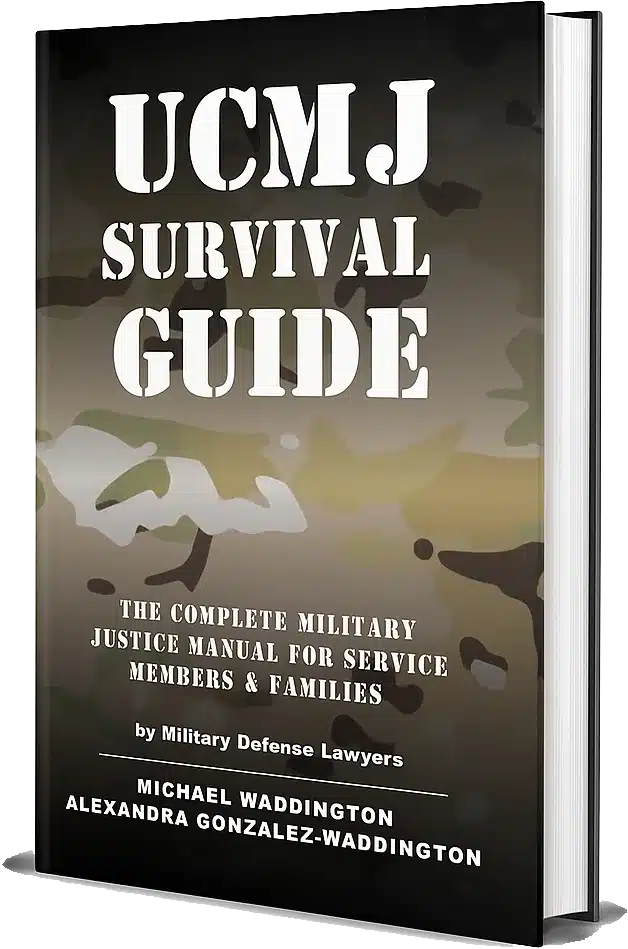
Check Out Our Newest Book
UCMJ Survival Guide

UCMJ Criminal Defense Lawyers

Worldwide Military Defense Experience
Defending Service Members Across Every Theater and Installation

Specialized Expertise in Serious Military Offenses
War Crimes, Sexual Assault, Violent Crimes, and White-Collar Defense

Media and High-Profile Case Experience
Featured on CNN, 60 Minutes, BBC, and Major News Outlets

Playlist

3:34

7:32

6:57

7:58

21:35

7:24

4:24
Frequently Asked Questions About Administrative Separation Boards at Fort Bragg
What is an administrative separation board?
An administrative separation board is a formal military proceeding that evaluates whether a service member should be discharged from the armed forces under conditions other than honorable. The board reviews evidence and testimonies to reach a recommendation regarding separation. This process ensures that the service member’s case is fairly considered before any discharge decision is finalized. It is important to understand the procedures and potential consequences of the board’s findings. Legal representation can help navigate the complexities of these hearings and protect your rights throughout the process.
Can I have a lawyer represent me at the board?
Yes, service members facing an administrative separation board have the right to be represented by an attorney, either military or civilian. Having legal counsel is highly advisable as they can assist in preparing your defense, gathering evidence, and advocating on your behalf during the hearing. An experienced lawyer familiar with military law can help you understand the process, your rights, and the possible outcomes. This representation is crucial in ensuring that your case is presented thoroughly and fairly before the board.
How long does the separation board process take?
The length of the administrative separation board process can vary depending on the complexity of the case and the schedules of the involved parties. Typically, from the initiation of the process to the final decision, it may take several weeks to a few months. Factors such as the preparation time for legal counsel, the availability of witnesses, and the board’s workload can influence the timeline. It is important to remain patient and work closely with your attorney to ensure timely progress and adequate preparation.
What are the possible outcomes of a separation board?
Possible outcomes of an administrative separation board include recommendations ranging from retention in service to various types of discharge, such as honorable, general under honorable conditions, or other than honorable. The characterization of discharge impacts future benefits, employment opportunities, and veteran status. The board’s recommendation is forwarded to the appropriate authority for a final decision. Understanding these potential results underscores the importance of effective legal representation to influence a favorable outcome.
How can I prepare for my administrative separation board?
Preparing for your administrative separation board involves gathering all relevant documentation, such as service records, performance evaluations, and character references. It is essential to understand the charges against you and work with your attorney to develop a clear defense strategy. Practicing testimony and anticipating board questions can also improve your presentation. Being proactive and organized helps build a strong case and demonstrates your commitment to addressing the board’s concerns professionally.
Will a separation board affect my military benefits?
Yes, the outcome of an administrative separation board can significantly affect your military benefits, including eligibility for retirement, healthcare, and veterans’ benefits. A discharge characterization less than honorable may limit or eliminate access to these benefits. Therefore, it is critical to seek legal assistance to protect your benefits by striving for the most favorable discharge status possible through the board proceedings.
What if I disagree with the board’s decision?
If you disagree with the board’s decision, there may be options to appeal or request a review, depending on the circumstances and military branch regulations. Consulting with your attorney promptly after the decision is essential to explore these avenues. Timely action can sometimes reverse or mitigate the effects of an unfavorable separation board outcome, preserving your rights and benefits.
Can I appeal the outcome of an administrative separation board?
Yes, under certain conditions, you may appeal the outcome of an administrative separation board. The appeal process varies by military branch and involves submitting requests to higher authorities or review boards. An attorney can guide you through the specific procedures and deadlines to ensure your appeal is properly filed and considered. Pursuing an appeal can be an important step to challenge an unfavorable decision and seek a more favorable resolution.
How does UCMJ Defense assist service members at Fort Bragg?
UCMJ Defense assists Fort Bragg service members by providing knowledgeable legal representation throughout the administrative separation board process. Our team helps you understand your rights, prepares a strong defense, gathers evidence, and advocates effectively during hearings. We focus on protecting your military career and benefits while guiding you through complex military legal procedures with personalized support.
Is it better to settle or go to a full hearing before the board?
Deciding whether to settle or proceed with a full hearing depends on your unique case circumstances and goals. Settling may lead to a quicker resolution but could result in less favorable discharge conditions. A full hearing offers the opportunity to present a comprehensive defense and potentially achieve a better outcome, though it may take more time. Consulting with your attorney will help you weigh the pros and cons to make an informed decision aligned with your best interests.