



Military Reprimand Defense Lawyers – Protecting Service Members from Career-Ending Adverse Actions
TLDR – A Reprimand Is Often the Start of a Larger Fight, Not the End. A Strategic Defense Can Save Your Rank, Reputation, and Career.
In every branch of the U.S. military, written reprimands are one of the most frequently used administrative weapons against service members. Whether it is called a GOMOR, LOR, Letter of Reprimand, LOA, LOC, Derogatory Information, or Adverse Administrative Action, a reprimand can quickly escalate into something far more serious: nonjudicial punishment, separation boards, loss of promotion, barred reenlistment, QMP actions, elimination boards, or even court-martial. The quality of your response — your rebuttal — determines your future. A poorly written rebuttal can seal your fate. A strong, well-crafted defense can dismantle the allegations, correct the record, and prevent long-term damage.
- Reprimands can derail promotions, schools, clearances, assignments, and long-term career potential.
- Many reprimands are based on incomplete or one-sided investigations.
- Your rebuttal becomes part of the official file — and may follow you throughout your career.
- Experienced military defense counsel can often stop a reprimand from becoming permanent or escalating.
Types of Military Reprimands We Defend
Every branch uses different terminology and procedures — but the purpose is the same: administrative punishment that can have lasting consequences. We defend all forms of reprimands, including:
- GOMOR (General Officer Memorandum of Reprimand) – U.S. Army
- LOR (Letter of Reprimand) – Air Force, Navy, Marine Corps, Coast Guard
- LOC / LOA (Letter of Counseling / Letter of Admonishment)
- Command letters of concern
- Written reprimands linked to security clearance review
- Reprimands following 15-6 / JAGMAN / CDI investigations
A written reprimand may seem “administrative” or “minor,” but it is often the first domino in a chain of events that leads to separation.
Common Situations That Result in Reprimands
Reprimands arise from a wide range of circumstances, including:
- DUI or alcohol-related incidents
- Domestic disputes or arguments
- False or exaggerated allegations of misconduct
- Social media or digital communication misunderstandings
- Off-duty incidents in the community
- Unprofessional relationships / fraternization allegations
- Financial or administrative errors misinterpreted as misconduct
- “Toxic leadership” or command climate complaints
- Training accidents, safety violations, or performance issues
Many reprimands rely on incomplete evidence, hastily written investigations, or command pressure — not objective truth. That is why professional defense matters.
Why Military Reprimands Are So Dangerous
A reprimand can have long-term consequences far beyond the initial allegation. Even a locally filed reprimand can:
- Damage promotion competitiveness
- Trigger command-directed evaluations
- Support bars to reenlistment
- Influence leadership selection
- Lead to administrative separation
A permanently filed reprimand is even more devastating. It becomes visible to:
- Promotion boards
- School and training boards
- QMP/QSP elimination boards
- Officer elimination boards
- Administrative separation boards
- Security clearance adjudicators
This is why your rebuttal is not simply a “response.” It is a strategic legal document that shapes how your career is judged for years to come.
How We Defend Service Members Facing Reprimands
Our defense strategy focuses on four core areas:
1. Identifying Investigative Errors
Most reprimands originate from command investigations, military police reports, or statements that are incomplete or contradictory. We identify:
- Missing witness interviews
- Incorrect or inconsistent timelines
- Misinterpretation of facts
- Misapplication of regulations
- Assumptions presented as fact
- Bias or command influence
2. Building the Correct Narrative
The command’s narrative is rarely the whole story. We help construct a factual, compelling narrative using:
- Documentary evidence
- Witness statements
- Text messages or digital evidence
- Operational context
- Service record and performance history
3. Strategic Mitigation & Extenuation
If any portion of the allegation is true, mitigation becomes critical. We demonstrate:
- Remorse and rehabilitation (when appropriate)
- Corrective actions taken
- Outstanding service history
- Stress or operational factors
4. Filing Outcome Advocacy
If rescission is not possible, we push for:
- Local filing instead of permanent filing
- Minimizing long-term career impact
- A record that supports your retention
How to Write a Strong Reprimand Rebuttal
You may choose to submit your own rebuttal or work with defense counsel. Either way, the structure should be professional, organized, and supported by evidence.
Recommended Rebuttal Structure
1. Respectful Introduction
Address the commanding general or commander professionally.
2. Statement of Your Position
Clearly explain whether the allegation is incorrect, incomplete, misleading, or requires clarification. Avoid emotional language.
3. Factual Clarification & Corrections
Use numbered sections to address each point in the reprimand. Provide evidence where available.
4. Provide Supporting Evidence
- Sworn or unsworn statements
- Digital messages or photos
- Medical documentation
- Awards and performance records
- Timeline reconstruction
5. Mitigation and Extenuation (If Appropriate)
Explain relevant context, stressors, or corrective steps taken without making excuses.
6. Specific Filing Request
Request rescission, withdrawal, or local filing — depending on the facts and strategy.
Real Examples of How Strong Reprimand Defense Changes Outcomes
Example 1 – Alcohol-Related Incident
A Soldier is issued a reprimand for a DUI arrest. The rebuttal highlights procedural issues, presents treatment documentation, character letters, and a strong service record. Result: reprimand filed locally instead of permanently.
Example 2 – Domestic Dispute
Command receives a police report with conflicting statements. The rebuttal clarifies the situation, includes witness statements, and highlights misleading details. Result: reprimand rescinded.
Example 3 – Leadership Misconduct Allegation
An officer receives a reprimand for “toxic leadership.” Defense exposes missing witness interviews, contradictory statements, and biased sources. Result: reprimand withdrawn.
Example 4 – Social Media Misinterpretation
A comment is taken out of context by command. Rebuttal includes full message thread, operational context, and corrective actions. Result: reprimand locally filed with no follow-on action.
Military Law Resources
Reprimands interact with numerous areas of military administrative law:
- Command investigations (15-6, CDI, JAGMAN)
- Nonjudicial punishment procedures
- Administrative separations
- Officer elimination / BOI hearings
- Evaluation report rebuttals (OER/NCOER)
Protect Your Rank, Clearance, and Career
A reprimand can permanently reshape your military career if not handled correctly. Experienced military defense lawyers can uncover investigative flaws, build strong rebuttals, and advocate for filing outcomes that preserve your future.
➤ Speak with a military reprimand defense lawyer.
Strategic Defense for Reprimands, GOMORs, and Adverse Actions
Reprimands are often the start of a chain reaction: flags, bars, separations, QMP, elimination boards, and career loss. The time to act is now — before the reprimand becomes permanent and before your career trajectory changes forever.
Military Reprimand Defense Lawyers – Frequently Asked Questions
Can a reprimand be removed from my record later?
Yes. In some cases, reprimands can be removed or transferred through appeals or correction boards, but your strongest opportunity is at the rebuttal stage before filing decisions are made.
Will a reprimand automatically end my career?
Not automatically, but it significantly increases risk of QMP, separation, denied promotions, and adverse evaluations. A strong defense can mitigate those consequences.
Can I fight the reprimand if the allegations are true?
Yes. You can still fight for reduced impact, local filing, or mitigation. Not all cases require denial; in some, accountability plus mitigation is the strongest approach.
Should I write my own rebuttal or use a lawyer?
Reprimand rebuttals are high-stakes legal documents. Many service members unintentionally harm their case by submitting unclear or emotional responses. Professional help significantly improves outcomes.
Can a reprimand lead to separation?
Yes. Many separations, especially for “pattern of misconduct” or “unfitness,” begin with a reprimand. Your rebuttal helps stop that chain before it starts.
What if the reprimand is based on a flawed investigation?
Flawed investigations are common. Your rebuttal can expose missing evidence, incorrect conclusions, and investigative oversights — persuading commanders to modify, withdraw, or locally file the reprimand.
Will a reprimand affect my security clearance?
It can. Clearance adjudicators review reprimands and underlying conduct. A strong rebuttal helps establish context, responsibility, and corrective action, reducing long-term clearance impact.
Understanding Military Letters of Reprimand Defense at Fort Bragg
At Fort Bragg, North Carolina, military personnel facing letters of reprimand need knowledgeable legal support to protect their careers and reputations. A letter of reprimand is a formal disciplinary action that can have serious consequences on a service member’s record. Navigating these challenges requires a clear understanding of military law and the specific procedures at Fort Bragg, near Fayetteville, NC. Our team at UCMJ Defense is dedicated to providing comprehensive defense strategies tailored to your situation.
Receiving a letter of reprimand can be distressing, impacting not only your military standing but also your future opportunities. It is important to address these matters promptly and effectively. UCMJ Defense offers personalized legal guidance to help you understand your rights and options under the Uniform Code of Military Justice. Our commitment is to support you through every step of the defense process at Fort Bragg, ensuring your voice is heard and your record is protected.
Why Defending Against Letters of Reprimand Matters
Defending against a letter of reprimand is essential because it can significantly influence your military career trajectory. Such letters are permanent and can affect promotions, assignments, and security clearances. By securing a strong defense, you maintain your professional integrity and avoid long-term negative impacts. Our approach focuses on thorough case analysis and strategic advocacy to protect your rights and future within the military framework at Fort Bragg and beyond.
About UCMJ Defense: Serving Military Members Nationwide
UCMJ Defense, based in Florida, represents military personnel across the United States, including those stationed at Fort Bragg in North Carolina. Our legal team is dedicated to defending service members facing disciplinary actions under the Uniform Code of Military Justice. We understand the unique challenges of military law and work diligently to provide effective representation. Whether you are stationed at Fort Bragg or elsewhere, we stand ready to support your defense with commitment and clarity.
Comprehensive Guide to Military Letters of Reprimand Defense
Letters of reprimand are formal administrative actions that signal misconduct or unsatisfactory performance. Though less severe than courts-martial, they carry weight in military records and can influence career advancement. Understanding the process and implications is crucial for mounting a successful defense. This guide outlines key aspects of letters of reprimand, including the procedures at Fort Bragg and strategies to mitigate their effects, helping you make informed decisions about your case.
The defense against a letter of reprimand involves scrutinizing the evidence, ensuring procedural fairness, and advocating for the removal or reduction of the reprimand. It is important to engage legal representation familiar with military law and the specifics of Fort Bragg’s disciplinary system. Our team at UCMJ Defense offers expertise in these areas, assisting you in navigating the complexities and protecting your military career.
What Is a Military Letter of Reprimand?
A military letter of reprimand is a written statement documenting a service member’s misconduct or failure to meet standards. It is placed in the official military personnel file and serves as a formal warning. Unlike non-punitive counseling, a letter of reprimand has official status and can be used as a basis for further disciplinary action. This letter is taken seriously within the military justice system and can affect a service member’s reputation and opportunities for advancement.
Key Elements and Procedures in Letter of Reprimand Cases
The process of issuing a letter of reprimand involves several steps including investigation, notification, and documentation. Service members have the right to respond and seek legal counsel before the reprimand is finalized. At Fort Bragg, these procedures are governed by military regulations ensuring due process. Understanding these elements is vital to preparing an effective defense and potentially mitigating the impact of the reprimand on your military career.
Glossary of Important Military Legal Terms
Familiarity with military legal terminology helps in understanding your rights and the defense process. Below are definitions of key terms commonly encountered in cases involving letters of reprimand.
Letter of Reprimand
A formal written document that records a service member’s misconduct or deficiencies, placed in the official military personnel record and potentially affecting career progression.
Uniform Code of Military Justice (UCMJ)
The federal law that governs all members of the United States military, outlining legal standards, procedures, and disciplinary actions including letters of reprimand.
Non-Punitive Counseling
A form of corrective action that addresses minor misconduct or performance issues without formal disciplinary consequences or placement in the military record.
Due Process
The legal requirement that ensures fair treatment through the normal judicial system, including the right to be heard and to challenge evidence in military proceedings.
Comparing Legal Responses to Letters of Reprimand
When facing a letter of reprimand, service members have several options including formal defense, negotiation for lesser administrative actions, or acceptance of the reprimand. Choosing the appropriate path depends on the circumstances and desired outcomes. A comprehensive review of your case and the potential consequences will help determine the best course of action to protect your military record.
Situations Where Limited Legal Intervention May Be Appropriate:
Minor Infractions with Minimal Impact
In cases involving minor infractions that do not significantly affect a service member’s record or future opportunities, a limited legal approach or administrative response may be adequate. This can involve informal counseling or acknowledgement without escalating to formal defense proceedings.
Clear Evidence and Acceptance of Responsibility
If the evidence supporting the reprimand is clear and the service member accepts responsibility, limited intervention focusing on mitigation or rehabilitation may be beneficial. This approach can help demonstrate accountability and a commitment to improvement within military standards.
The Importance of Comprehensive Defense Services:
Protecting Long-Term Military Career Prospects
A letter of reprimand can have lasting effects on promotion opportunities and assignments. Comprehensive legal defense ensures all aspects of the case are thoroughly examined to safeguard your career and reputation within the military community.
Ensuring Procedural Fairness and Rights
Military legal proceedings require strict adherence to due process. A comprehensive defense helps confirm your rights are protected and that the disciplinary process is conducted fairly according to military law and regulations.
Advantages of a Thorough Defense Strategy
A detailed and proactive legal approach provides multiple benefits including potential reduction or removal of the reprimand, preservation of your military record, and peace of mind knowing your case is being handled with care and diligence.
Additionally, comprehensive defense services offer personalized guidance, ensuring you understand every step of the process. This support helps you make informed decisions and positions you for a better outcome in your military career.
Maximizing Opportunities for Reversal
With thorough investigation and advocacy, it is possible to challenge the grounds of the letter of reprimand or negotiate alternatives. This maximizes your chances of having the reprimand reduced or removed from your record.
Providing Support Throughout the Process
Comprehensive legal support includes advice, representation, and assistance in navigating military procedures. This ensures you are not alone during what can be a complex and stressful time, giving you confidence and clarity.
As Featured On:

NEED MILITARY LAW HELP?
Fill out this form or call 1-800-921-8607 to request a consultation.


Top Searched Keywords
- Military defense lawyer Fort Bragg
- Letters of reprimand military defense
- UCMJ legal representation North Carolina
- Fort Bragg disciplinary defense
- Military legal counsel Fayetteville NC
- Defense against military reprimands
- Military justice defense services
- Military disciplinary action lawyer
- UCMJ defense law firm Florida
Tips for Service Members Facing Letters of Reprimand
Act Quickly and Seek Legal Advice
When you receive a letter of reprimand, it is important to respond promptly. Early legal consultation helps you understand your rights and develop a defense strategy before the reprimand becomes permanent.
Gather All Relevant Documentation
Be Honest and Cooperative
Maintaining honesty and cooperation with your defense team and military authorities can positively influence the outcome and demonstrates your commitment to resolving the matter responsibly.
Why Choose Legal Defense for Military Letters of Reprimand?
Letters of reprimand can have profound effects on your military career, affecting promotions, assignments, and your overall reputation. Legal defense helps you protect your rights and challenge unjust or improper disciplinary actions.
Engaging experienced military defense counsel ensures that you have knowledgeable representation focused on safeguarding your future. This can lead to better outcomes and peace of mind during a difficult time.
Common Scenarios Leading to Letters of Reprimand
Letters of reprimand often arise from accusations of misconduct such as insubordination, failure to follow orders, or violations of military regulations. These actions require a careful legal response to address the charges and protect your record.
Violation of Military Conduct Standards
Service members may receive letters of reprimand for behaviors that breach established military conduct policies, which can include unauthorized absences or disrespect towards superiors.
Performance Deficiencies
In some cases, letters of reprimand are issued due to unsatisfactory performance or failure to meet mission requirements, necessitating a defense to maintain career prospects.
Administrative or Procedural Errors
Occasionally, letters of reprimand result from misunderstandings or procedural missteps, which can be contested with proper legal advocacy.
Meet Your Defense Team


Michael S. Waddington
Criminal Defense Lawyer

PARTNER
Alexandra González-Waddington
Criminal Defense Lawyer
PARTNER
Battle-Tested Results
Recent Case Results
Gang-Rape Allegation Collapses Against Navy Officer
U.S. v. Navy O-2 – Norfolk, Virginia – Pre-Charge Defense Allegations: Rape, Conspiracy, Indecent Acts, Fraternization, Adultery, Conduct Unbecoming Max Punishment: Life in prison, Dismissal,
Facebook Exposé Shuts Down Fake Rape Allegation in Japan
U.S. v. Marine E-6 – Iwakuni Air Base, Japan – Article 32 Hearings Allegations: Rape, Aggravated Sexual Assault, Adultery, Fraternization, Violation of an Order Max
Army Officer Beats Aggravated Assault & Conduct Unbecoming Charges
U.S. v. Army O-1 – Fort Bragg, NC / Tried at Fort McNair, Washington D.C. – General Court-Martial Allegations: Aggravated Assault with Means Likely to
Navy Sailor’s Sex Assault Case Tossed After UCI Bombshell
U.S. v. Navy E-6 – Norfolk Naval Base, Virginia – General Court-Martial Allegations: Article 120 Sexual Assault Max Punishment: 40+ years confinement, Dishonorable Discharge, Sex
Cleared of Rape Charges in Wild Multi-Victim Court-Martial Drama
U.S. v. Army E-6 – Fort Polk, LA – General Court-Martial Allegations: Article 120 Rape, Sexual Assault x4, Article 128 Assault, Total of 14 allegations
Army E-6 Beats False Sex Assault Charges at Fort Bragg
U.S. v. Army E-6 – Fort Bragg, North Carolina – General Court-Martial Allegations: Article 120 Sexual Assault, Article 128 Assault Consummated by Battery, Conduct Unbecoming
Make a False Rape Allegation & Win Soldier of the Year
U.S. v. Army CW2 – Fort Gordon, GA
Allegations: RAPE, Fraternization, Adultery
Max Punishment: LIFE, Dismissal, Sex Offender Registration
Result: ALL CHARGES DISMISSED
Discharge: RETIRED WITH AN HONORABLE
Location/Branch/Rank: Fort Gordon – Augusta, GA/Army/CW2
Cheating Marine Officer Calls Rape
U.S. v. Marine O-3 – Marine Forces Reserve, Naval Support Activity, New Orleans, LA Allegations: Article 120 Rape/Sexual Assault Max Punishment: Life in prison, Dismissal, Sex offender registration

Take Command of Your Defense
Why Service Members Trust UCMJ Defense for Their Legal Needs
Call Us Today
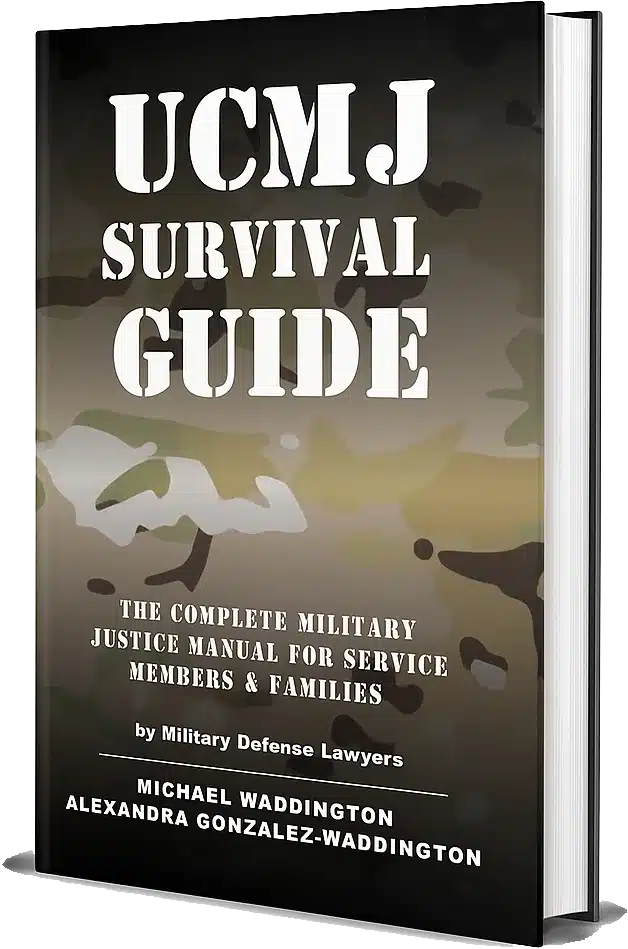
Check Out Our Newest Book
UCMJ Survival Guide

UCMJ Criminal Defense Lawyers

Worldwide Military Defense Experience
Defending Service Members Across Every Theater and Installation

Specialized Expertise in Serious Military Offenses
War Crimes, Sexual Assault, Violent Crimes, and White-Collar Defense

Media and High-Profile Case Experience
Featured on CNN, 60 Minutes, BBC, and Major News Outlets

Playlist

3:34

7:32
6:57

7:58

21:35

7:24

4:24
Frequently Asked Questions About Military Letters of Reprimand
What is a letter of reprimand in the military?
A letter of reprimand is a formal written notice documenting a service member’s misconduct or failure to meet military standards. It is placed in the official personnel file and can impact career advancement and assignments. This letter serves as an official warning and can be used as evidence in future disciplinary actions. Understanding its implications is vital for effective defense. If you receive a letter of reprimand, it’s important to review the circumstances carefully and consider seeking legal advice to protect your rights and explore options for responding or challenging the reprimand.
How can a letter of reprimand affect my military career?
A letter of reprimand can negatively affect your military career by limiting promotion opportunities, assignments, and security clearance eligibility. It remains part of your permanent record, influencing evaluations and future considerations within the military hierarchy. Given these potential consequences, it is important to address the letter promptly. Legal defense can help mitigate its impact and protect your professional standing within the armed forces.
Can I challenge a letter of reprimand?
Yes, service members have the right to challenge a letter of reprimand. This may involve presenting evidence, requesting reconsideration, or pursuing legal action under military regulations. A well-prepared defense can contest the validity or severity of the reprimand. Engaging knowledgeable legal counsel familiar with military law is advisable to navigate the complexities of the challenge process and to advocate effectively on your behalf.
Do I need a lawyer to respond to a letter of reprimand?
While it is not legally required to have a lawyer when responding to a letter of reprimand, having experienced legal representation can significantly improve your chances of a favorable outcome. A lawyer understands military procedures and can help protect your rights. Legal counsel can assist in gathering evidence, advising on responses, and negotiating with military authorities to reduce or remove the reprimand from your record.
What are my rights during the reprimand process at Fort Bragg?
During the reprimand process at Fort Bragg, you have rights including the opportunity to be informed of the allegations, respond to the charges, and seek legal representation. Military regulations require that you receive due process and fair treatment. Understanding these rights is crucial to ensuring the disciplinary action is handled properly and that your defense is effectively presented throughout the process.
How long does a letter of reprimand stay on my record?
A letter of reprimand typically remains on your military personnel record indefinitely, potentially affecting future evaluations and career advancement. The permanency of the reprimand underscores the importance of addressing it promptly. In some cases, it may be possible to have the reprimand removed or mitigated through legal procedures or administrative actions, depending on the circumstances and evidence.
Can a letter of reprimand be removed or reduced?
Yes, letters of reprimand can sometimes be removed or reduced through legal challenges or administrative remedies. This often requires demonstrating procedural errors, lack of evidence, or mitigating circumstances. A strong defense strategy and knowledgeable representation increase the likelihood of achieving a favorable outcome that lessens the reprimand’s impact on your military record.
What steps should I take after receiving a letter of reprimand?
After receiving a letter of reprimand, it is important to carefully review the document, gather relevant information, and consider consulting with a military defense lawyer. Prompt action is key to protecting your rights and exploring options for response or appeal. Being proactive helps ensure you fully understand the implications and can engage in the process with confidence and clarity.
How does UCMJ Defense assist with reprimand cases?
UCMJ Defense assists clients by providing knowledgeable guidance and representation throughout the letter of reprimand process. Our team reviews your case, advises on legal options, and advocates on your behalf to minimize or remove the reprimand. We focus on protecting your military career and ensuring that your rights are upheld within the Uniform Code of Military Justice framework.
Is there a cost for an initial consultation with UCMJ Defense?
UCMJ Defense offers an initial consultation to discuss your case and provide an overview of your legal options. This consultation allows you to ask questions and understand how we can support your defense. There is no obligation following the consultation, and we strive to provide clear, straightforward information to help you make informed decisions about your legal representation.