



Fort Bragg Boards of Inquiry – Military Defense Lawyers for Army Officers
If you are an Army officer stationed at Fort Bragg and facing a Board of Inquiry, also called an Officer Elimination Board, you are entering one of the most consequential legal processes in the military. A BOI can strip you of your career, retirement, rank, security clearance, and reputation. You must approach it with the intensity and preparation of a criminal trial.
Contact Gonzalez & Waddington at 1-800-921-8607 if you are under BOI consideration at Fort Bragg. Our civilian military defense lawyers defend officers worldwide and understand the unique pressures of Fort Bragg, the Fayetteville area, and the command climate that drives BOI proceedings.
Aggressive Military Defense Lawyers: Gonzalez & Waddington
Watch the military defense lawyers at Gonzalez & Waddington break down how they defend service members worldwide against UCMJ allegations, CID/NCIS/OSI investigations, court-martials, Article 120 cases, administrative separations, and GOMORs. If you’re under investigation or facing charges, this video explains what your rights are and how experienced civilian military counsel can make the difference.
Aggressive Military Defense Lawyers: Gonzalez & Waddington
Watch the military defense lawyers at Gonzalez & Waddington break down how they defend service members worldwide against UCMJ allegations, CID/NCIS/OSI investigations, court-martials, Article 120 cases, administrative separations, and GOMORs. If you’re under investigation or facing charges, this video explains what your rights are and how experienced civilian military counsel can make the difference.
Understanding the Board of Inquiry Process at Fort Bragg
A Board of Inquiry is the Army’s administrative tool for removing officers who are accused of misconduct, substandard performance, leadership issues, or conduct inconsistent with the standards expected of an officer. The BOI is not a criminal proceeding, but it is just as dangerous. The burden of proof is lower, hearsay is allowed, and commanders often enter the process expecting the board to eliminate the officer.Why Fort Bragg Treats BOIs Aggressively
Fort Bragg’s mission and reputation shape how BOIs unfold. Army officers serving in airborne and special operations units face heightened expectations. The base is home to elite forces, rapid deployment missions, and units that handle national-level tasks. As a result, any allegation—whether minor or serious—can be perceived as a threat to unit integrity. Senior leaders prefer to remove risk quickly rather than wait for full context. This urgency means officers are often scheduled for BOI hearings even when evidence is thin or based on flawed investigations.The Lower Burden of Proof
Unlike a court-martial, a BOI does not require proof beyond a reasonable doubt. The board must simply find a basis for separation by a preponderance of the evidence. That means the evidence only needs to tip the scales slightly. An accusation that would fail in court can still lead to elimination if not effectively challenged by a skilled defense team.How a BOI Begins at Fort Bragg
Most BOIs originate from adverse findings in investigations, GOMORs, OER-based concerns, alleged leadership failures, Soldier complaints, EO/SHARP findings, fraternization allegations, or the vague but powerful “loss of confidence” claim. Once a general officer initiates elimination, the case becomes administrative, and the pressure shifts to the officer to disprove or mitigate the allegations. Without a targeted defense strategy, the board may assume the command’s narrative is accurate.Why Officers at Fort Bragg Are Vulnerable to BOI Actions
Fort Bragg’s Unique Command Climate
The command environment at Fort Bragg is different from any other installation. Leaders manage thousands of Soldiers who deploy frequently, work under extreme operational demands, and are expected to perform flawlessly. When internal issues arise—discipline problems, sexual misconduct allegations, leadership conflicts—commands take swift action to preserve readiness. BOIs are often used to “clean up” perceived weak links, even when accusations are incomplete or exaggerated.Impact of Fayetteville’s Civilian Justice System
Many BOI cases stem from civilian arrests or police involvement in Fayetteville. Domestic calls, allegations involving alcohol, neighborhood disputes, and misunderstandings in relationships are common triggers. Even if civilian charges are dismissed or reduced, Fort Bragg may still pursue BOI elimination. Civilian prosecutors and Fayetteville police interact frequently with military authorities, and even a brief police report can trigger administrative action.Overreliance on AR 15-6 Investigations
Many BOIs rely heavily on AR 15-6 investigations. These investigations frequently involve inexperienced officers who lack training in evidence evaluation, witness credibility assessments, or due process. The IO may simply accept statements at face value, misunderstand military cultural context, or rely on biased or incomplete accounts. These investigative flaws become the foundation for elimination unless aggressively challenged.Common Reasons Officers Face BOIs at Fort Bragg
Leadership Allegations
Officers serving at Fort Bragg often supervise large numbers of Soldiers in high-pressure environments. Allegations of toxic leadership, poor command climate, failure to manage subordinates, or communication issues can lead to elimination actions. These cases often ignore operational stress, constrained resources, or subordinate misconduct contributing to the situation.Fraternization and Inappropriate Relationships
Allegations involving fraternization or improper relationships frequently lead to BOIs. These cases often involve ambiguous interactions, social media exchanges, or situations where the boundaries were unclear. What can be handled informally elsewhere may escalate quickly at Fort Bragg due to the pressure placed on leaders to maintain discipline.Sexual Misconduct Allegations
Even unsubstantiated allegations of sexual misconduct can trigger BOI action. An accuser’s statement, a rumor, or a misunderstanding may lead to severe consequences. Officers removed from command during an investigation are often pushed into elimination proceedings, even if no criminal charges follow.Domestic Violence or Family-Related Accusations
Many domestic cases originating in Fayetteville lead to both civilian charges and military BOIs. Even when the alleged victim recants or civilian prosecutors decline to move forward, the Army may still pursue elimination. These cases require a careful defense that explains context, emotional factors, and conflicting evidence.Conduct Unbecoming or Off-Duty Incidents
Officers stationed at Fort Bragg live in a highly scrutinized environment. Off-duty behavior, including alcohol incidents, altercations downtown, or misunderstandings during social interactions, can lead to BOI referrals. Social media behavior also plays a growing role in elimination decisions.Understanding the Structure of a BOI at Fort Bragg
The Panel
A Fort Bragg BOI typically includes three senior officers, often O-5 or O-6 leaders. They will determine the facts, decide whether misconduct occurred, and vote on whether the officer should be retained, retained with conditions, or eliminated. The panel’s decision is influenced heavily by how the evidence is organized and presented.The Recorder (Government Counsel)
The Recorder acts as the prosecutor in BOI proceedings. This individual presents evidence, witnesses, and arguments to support elimination. At Fort Bragg, Recorders often have extensive administrative law training and are experienced in framing evidence in the most harmful way possible.The Officer’s Rights
Officers have the right to counsel, to call witnesses, to cross-examine the government’s witnesses, to introduce documents, to make statements, and to present a full defense. Unfortunately, many officers believe a BOI is informal or low-risk and fail to prepare adequately. This can lead to devastating consequences.Types of Evidence Used
Unlike criminal trials, BOIs allow a broad range of evidence, including hearsay, 15-6 summaries, counseling statements, written complaints, police reports, adverse evaluations, and documents from unrelated events. A strong defense recognizes the need to dissect and counter every piece of unfavorable evidence.How BOI Panels Think and Decide
The Narrative Problem
Most BOI panels respond strongly to the narrative each side presents. If the government offers a simple, compelling story—“the officer failed,” “the officer cannot be trusted,” “the officer exercised poor judgment”—the board may lean toward elimination unless the defense provides a stronger counter-narrative supported by credible evidence.The Importance of Context
Fort Bragg units operate in extreme conditions. Without understanding operational tempo, deployment stress, leadership expectations, or unit culture, the panel may misinterpret actions or statements. A powerful defense explains context in detail, showing that what may appear improper was actually reasonable given the circumstances.Credibility is Everything
Panels evaluate credibility in ways that differ from courts-martial. Body language, consistency, self-awareness, remorse, and professionalism all play major roles. Officers must be coached on when to speak, what to say, and how to present themselves. Civilian defense counsel provides this preparation.Building a Winning BOI Defense at Fort Bragg
Step 1: Analyze the Government’s Case Thoroughly
The first step is dissecting every adverse document, statement, and accusation. Many cases depend on assumptions, unverified claims, or poor investigative practices. Identifying weaknesses early shapes the entire defense strategy.Step 2: Reconstruct the True Timeline
Every event must be placed in proper context. When did it happen? Who saw what? What messages were exchanged? What emotional or operational stresses were present? A strong defense reconstructs the timeline to reveal contradictions and alternative explanations.Step 3: Prepare Evidence and Witnesses
Officers must present character statements, evaluations, deployment records, awards, training accomplishments, and other evidence of their service record. Witnesses should be prepared for cross-examination and understand how to communicate clearly and professionally.Step 4: Build a Compelling Narrative
The goal is not merely to deny allegations. It is to provide a full, credible story that explains what happened and why elimination is unjust. This narrative must resonate with senior officers who understand leadership challenges and the realities of serving in complex units.Step 5: Deliver Effective Cross-Examination
Cross-examination is often the turning point of a BOI. Many accusations fall apart when questioned carefully. Civilian counsel must expose bias, exaggeration, inconsistent statements, and investigative errors.Why Civilian Defense Lawyers Are Critical for BOIs
Independence From the Chain of Command
Military defense counsel work hard, but they are part of the Army system. Civilian lawyers operate independently and are free to challenge command decisions, investigative actions, and flawed evidence aggressively.Experience Matters
BOIs require a unique combination of administrative law knowledge, trial advocacy skill, and narrative strategy. Gonzalez & Waddington have decades of experience defending officers in elimination actions and understand how BOI panels evaluate evidence.Protection Against Self-Inflicted Damage
Officers must avoid making statements to investigators, subordinates, peers, or command without legal advice. Many careers are destroyed because an officer tried to explain themselves informally. Civilian counsel prevents these mistakes.Practical Tips for Fort Bragg Officers Facing a BOI
Tip 1: Stay Silent Until You Have Counsel
Well-intentioned statements often become the backbone of elimination cases. Officers should avoid discussing details with anyone except their lawyer.Tip 2: Preserve All Evidence
Save texts, emails, performance documents, awards, and fitness reports. Even small pieces of evidence can change the outcome.Tip 3: Understand That the BOI Is a Trial
Do not treat it casually. The BOI requires preparation, strategy, presentation skill, and legal expertise.Tip 4: Present a Holistic Case
Show your career, character, achievements, leadership evaluations, and the positive impact you have had on Soldiers. These matter greatly.Tip 5: Get Civilian Counsel Early
Many officers wait too long to hire civilian defense. The earlier you begin building your defense, the stronger your position will be.Connecting This Page to the Fort Bragg Military Justice Hub
This page is part of the comprehensive Fort Bragg Military Justice Hub. It connects with additional pages that cover Article 120, domestic violence, Article 15, separation boards, sexual misconduct allegations, assault cases, child pornography allegations, and command-directed investigations. Together, these resources provide the most complete picture of UCMJ actions at Fort Bragg and how to defend against them.Bottom Call to Action
If you are an Army officer stationed at Fort Bragg and facing elimination through a Board of Inquiry, your career, retirement, and honor are on the line. Contact Gonzalez & Waddington at 1-800-921-8607 for a confidential consultation. Our civilian defense lawyers bring decades of experience fighting administrative elimination actions, protecting officers worldwide, and winning battles that others believed were unwinnable.Understanding Military Boards of Inquiry at Fort Bragg
Military Boards of Inquiry at Fort Bragg, North Carolina, serve as pivotal proceedings to investigate serious incidents or charges within the U.S. Army. These boards are an essential step in military justice, where a panel reviews evidence and testimony to determine facts related to alleged misconduct. Individuals facing a Board of Inquiry at Fort Bragg need knowledgeable representation to navigate this unique military process effectively.
At Fort Bragg, situated near Fayetteville, North Carolina, military personnel are subject to specific military justice protocols distinct from civilian courts. The Board of Inquiry process can significantly impact a service member’s career, making it vital to understand the procedures and potential outcomes. Our firm is committed to guiding clients through this process with careful attention to their rights and interests under the Uniform Code of Military Justice (UCMJ).
The Role and Advantages of Skilled Defense in Military Boards of Inquiry
Engaging qualified legal counsel during a Board of Inquiry ensures that a service member’s defense is thorough and strategically sound. At Fort Bragg, the stakes include not only potential disciplinary actions but also the long-term effects on military careers. Our approach focuses on presenting all relevant facts and mitigating circumstances to the board, helping protect clients’ rights and reputations throughout the inquiry process.
About Our Firm and Our Commitment to Military Defense
UCMJ Defense Lawyers, operating in Florida with a dedicated focus on military law, provide robust defense services for personnel at Fort Bragg. Our team, led by attorneys Waddington and Gonzalez, has extensive experience in military justice matters, including Boards of Inquiry. We understand the nuances of the Uniform Code of Military Justice and work diligently to ensure our clients receive comprehensive support throughout their legal challenges.
Comprehensive Guide to Military Boards of Inquiry Defense
A Military Board of Inquiry is a formal process within the military justice system that investigates allegations against service members. At Fort Bragg, these boards are convened to examine evidence and determine whether further action, such as court-martial, is warranted. Understanding the procedures and possible outcomes can help service members prepare effectively for their defense.
Our guide breaks down the stages of a Board of Inquiry, from the initial notification to the presentation of evidence and final recommendations. We emphasize the importance of legal representation to navigate procedural complexities and advocate for fair treatment under the Uniform Code of Military Justice.
What Is a Military Board of Inquiry?
A Military Board of Inquiry is an administrative proceeding used by the Army to investigate serious incidents or allegations involving service members. The board is composed of officers who review evidence, hear testimony, and make findings regarding the facts of the case. This process is distinct from a court-martial but can lead to further disciplinary action based on its conclusions.
Essential Components of the Board of Inquiry Process
The Board of Inquiry process includes notification of the service member, gathering and presentation of evidence, witness testimonies, and deliberation by the panel. Understanding each step is crucial for mounting an effective defense. Legal counsel plays a vital role in advising clients on their rights, preparing evidence, and ensuring procedural fairness throughout the inquiry.
Key Terms and Glossary for Military Boards of Inquiry
Familiarity with military justice terminology is important when facing a Board of Inquiry. This glossary provides definitions of terms commonly encountered, helping clients and their families better understand the process and terminology used during hearings.
Board of Inquiry
A formal administrative hearing conducted by a panel of military officers to investigate serious incidents or allegations involving service members.
Uniform Code of Military Justice (UCMJ)
The set of laws governing the conduct of U.S. military personnel, including procedures for courts-martial and administrative hearings such as Boards of Inquiry.
Court-Martial
A judicial court for trying members of the armed services accused of offenses under the UCMJ, which may follow a Board of Inquiry if serious charges are substantiated.
Non-Judicial Punishment (NJP)
A disciplinary process used by commanders to address minor offenses without resorting to a court-martial or Board of Inquiry.
Comparing Legal Approaches for Military Boards of Inquiry
When facing a Board of Inquiry at Fort Bragg, service members may consider various legal approaches ranging from limited consultation to full defense representation. Each option carries different implications for the presentation of evidence, protection of rights, and potential outcomes. Understanding these differences helps in selecting the most appropriate course of action based on the specifics of the case.
Situations Where Limited Legal Assistance May Suffice:
Minor Allegations with Clear Evidence
In cases involving minor allegations where the evidence is straightforward and uncontested, limited legal guidance can help service members understand the process and potential consequences without the need for full representation.
Voluntary Cooperation with the Board
When a service member chooses to cooperate fully and the circumstances suggest a favorable resolution, limited legal advice may be adequate to ensure rights are protected during the inquiry.
Reasons to Opt for Full Defense Representation:
Complex or Serious Allegations
Complex cases or those involving serious charges demand comprehensive legal representation to scrutinize evidence, challenge unfavorable findings, and advocate effectively on behalf of the service member.
Potential for Career-Impacting Outcomes
When the outcome of the Board of Inquiry could affect a service member’s career or benefits, full legal support is critical to safeguard their future and ensure fairness in the process.
Advantages of a Thorough Defense Strategy at Fort Bragg
A comprehensive defense approach provides a detailed review of all evidence and testimony, allowing for a well-prepared presentation to the Board of Inquiry. This attention to detail often leads to more favorable findings and helps mitigate potential disciplinary actions.
Additionally, a full defense strategy ensures that service members understand their rights, receive consistent legal advice, and have professional representation during all phases of the inquiry, which can significantly reduce stress and uncertainty.
Protection of Legal Rights
Comprehensive legal representation guarantees that a service member’s rights under the Uniform Code of Military Justice are upheld throughout the Board of Inquiry process, preventing procedural errors and unjust treatment.
Strategic Advocacy
An experienced legal team can craft a strategic defense by analyzing evidence and witness statements, presenting mitigating factors, and negotiating on behalf of the client to achieve the best possible outcome.
As Featured On:

NEED MILITARY LAW HELP?
Fill out this form or call 1-800-921-8607 to request a consultation.


Top Searched Keywords
- Fort Bragg military defense lawyer
- Military Boards of Inquiry defense Fort Bragg
- UCMJ defense attorney North Carolina
- Army Boards of Inquiry legal representation
- Military justice lawyer Fayetteville NC
- Defense lawyer for Fort Bragg soldiers
- Uniform Code of Military Justice defense
- Military legal services Fort Bragg
- Boards of Inquiry legal support North Carolina
Tips for Navigating Military Boards of Inquiry at Fort Bragg
Understand Your Rights Early
It is critical to become familiar with your rights under the Uniform Code of Military Justice as soon as you are notified of a Board of Inquiry. Early knowledge allows you to prepare and respond appropriately throughout the process.
Gather and Preserve Evidence
Seek Legal Guidance Promptly
Engaging legal counsel early in the process ensures that you have support in understanding procedures and developing a defense strategy tailored to your circumstances.
Why Consider Legal Representation for Boards of Inquiry at Fort Bragg
Facing a Military Board of Inquiry can be overwhelming due to the complexity of military law and the serious implications for your career. Legal representation ensures that your interests are protected and that you have guidance through every step of the process.
A dedicated defense team understands the local military environment at Fort Bragg and the specifics of military judicial proceedings, enabling them to advocate effectively on your behalf and pursue the best possible outcome.
Common Situations Leading to a Board of Inquiry at Fort Bragg
Boards of Inquiry are often convened in response to incidents such as allegations of misconduct, accidents, or violations of military regulations. Service members at Fort Bragg may face inquiries related to their duties, conduct, or security matters that require thorough defense representation.
Alleged Violations of Military Orders
Disobedience or failure to follow lawful orders can trigger a Board of Inquiry, requiring careful examination of the facts and circumstances to avoid unjust consequences.
Accidents or Incidents During Duty
Incidents resulting in injury or property damage often prompt investigations by a Board of Inquiry to determine responsibility and appropriate actions.
Security Breaches or Unauthorized Disclosures
Allegations involving breaches of security protocols or unauthorized release of information can lead to serious inquiries, demanding strong defense measures.
Meet Your Defense Team


Michael S. Waddington
Criminal Defense Lawyer

PARTNER
Alexandra González-Waddington
Criminal Defense Lawyer
PARTNER
Battle-Tested Results
Recent Case Results
Gang-Rape Allegation Collapses Against Navy Officer
U.S. v. Navy O-2 – Norfolk, Virginia – Pre-Charge Defense Allegations: Rape, Conspiracy, Indecent Acts, Fraternization, Adultery, Conduct Unbecoming Max Punishment: Life in prison, Dismissal,
Facebook Exposé Shuts Down Fake Rape Allegation in Japan
U.S. v. Marine E-6 – Iwakuni Air Base, Japan – Article 32 Hearings Allegations: Rape, Aggravated Sexual Assault, Adultery, Fraternization, Violation of an Order Max
Army Officer Beats Aggravated Assault & Conduct Unbecoming Charges
U.S. v. Army O-1 – Fort Bragg, NC / Tried at Fort McNair, Washington D.C. – General Court-Martial Allegations: Aggravated Assault with Means Likely to
Navy Sailor’s Sex Assault Case Tossed After UCI Bombshell
U.S. v. Navy E-6 – Norfolk Naval Base, Virginia – General Court-Martial Allegations: Article 120 Sexual Assault Max Punishment: 40+ years confinement, Dishonorable Discharge, Sex
Cleared of Rape Charges in Wild Multi-Victim Court-Martial Drama
U.S. v. Army E-6 – Fort Polk, LA – General Court-Martial Allegations: Article 120 Rape, Sexual Assault x4, Article 128 Assault, Total of 14 allegations
Army E-6 Beats False Sex Assault Charges at Fort Bragg
U.S. v. Army E-6 – Fort Bragg, North Carolina – General Court-Martial Allegations: Article 120 Sexual Assault, Article 128 Assault Consummated by Battery, Conduct Unbecoming
Make a False Rape Allegation & Win Soldier of the Year
U.S. v. Army CW2 – Fort Gordon, GA
Allegations: RAPE, Fraternization, Adultery
Max Punishment: LIFE, Dismissal, Sex Offender Registration
Result: ALL CHARGES DISMISSED
Discharge: RETIRED WITH AN HONORABLE
Location/Branch/Rank: Fort Gordon – Augusta, GA/Army/CW2
Cheating Marine Officer Calls Rape
U.S. v. Marine O-3 – Marine Forces Reserve, Naval Support Activity, New Orleans, LA Allegations: Article 120 Rape/Sexual Assault Max Punishment: Life in prison, Dismissal, Sex offender registration

Take Command of Your Defense
Why Military Personnel at Fort Bragg Choose UCMJ Defense Lawyers
Call Us Today
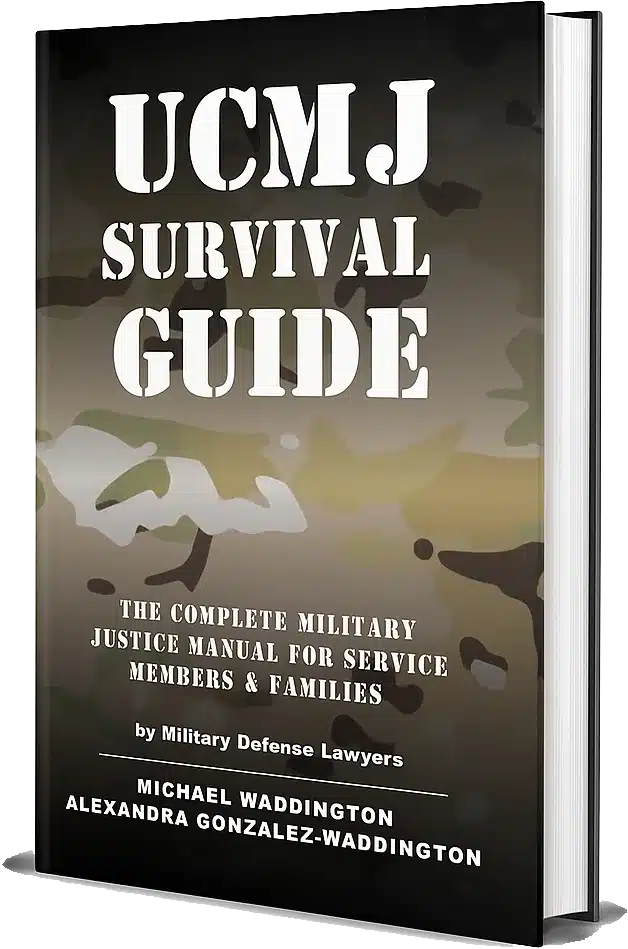
Check Out Our Newest Book
UCMJ Survival Guide

UCMJ Criminal Defense Lawyers

Worldwide Military Defense Experience
Defending Service Members Across Every Theater and Installation

Specialized Expertise in Serious Military Offenses
War Crimes, Sexual Assault, Violent Crimes, and White-Collar Defense

Media and High-Profile Case Experience
Featured on CNN, 60 Minutes, BBC, and Major News Outlets

Playlist

3:34

7:32

6:57

7:58

21:35

7:24

4:24
Frequently Asked Questions About Boards of Inquiry at Fort Bragg
What is the purpose of a Military Board of Inquiry?
A Military Board of Inquiry is convened to examine specific incidents or allegations involving service members. Its purpose is to gather facts and provide recommendations based on the evidence presented. This administrative process helps commanders make informed decisions regarding disciplinary actions or other measures. Understanding this purpose helps service members approach the inquiry with clarity and focus. During the Board, a panel of officers reviews testimony and documents in a formal setting designed to ascertain the truth. The board does not issue punishments but can recommend further proceedings based on its findings.
How does a Board of Inquiry differ from a court-martial?
A Board of Inquiry differs from a court-martial in that it is an administrative fact-finding process rather than a judicial trial. While a court-martial involves formal charges and can impose punishments, the Board of Inquiry primarily investigates and reports its conclusions to command authorities. The inquiry serves as a preliminary step that may lead to disciplinary action if warranted. This distinction means that the procedures, rights, and potential outcomes vary between the two, with the Board of Inquiry focusing on gathering information rather than determining guilt or innocence.
Can I have legal representation during the Board of Inquiry?
Yes, service members have the right to legal representation during a Board of Inquiry. Having a defense lawyer present can help ensure that the service member’s rights are protected and that the process is conducted fairly. Legal counsel can assist in preparing for the inquiry, advising on procedural matters, and advocating on the member’s behalf during hearings. Representation helps clarify complex military law issues and may influence the outcome positively. It is advisable to retain counsel as early as possible to receive comprehensive guidance throughout the inquiry process.
What are the possible outcomes of a Board of Inquiry?
The possible outcomes of a Board of Inquiry include findings that the allegations are substantiated or unsubstantiated. Based on these findings, the board provides recommendations to the commanding officers regarding further action. These recommendations might include no action, administrative measures, or referral to a court-martial. While the Board itself does not impose punishment, its conclusions significantly influence subsequent decisions affecting the service member’s status and career. Understanding these potential outcomes helps service members prepare appropriately for the inquiry.
How should I prepare for a Board of Inquiry?
Preparation for a Board of Inquiry involves understanding the charges or issues being investigated and gathering any supporting evidence or witness statements. It is important to consult with legal counsel to develop a clear strategy and ensure all procedural requirements are met. Being well-prepared can improve the ability to present a coherent defense and address any questions or challenges during the inquiry. Additionally, maintaining professionalism and cooperation with the process can help facilitate a smoother experience.
What rights do I have during the inquiry process?
During the Board of Inquiry process, service members have rights protected under the Uniform Code of Military Justice, including the right to legal counsel and the right to present evidence and witnesses. They are entitled to be informed of the allegations and to respond to them fully. Protection against self-incrimination and the right to a fair and impartial hearing are also fundamental rights in this context. Understanding these rights helps service members assert them effectively throughout the inquiry.
Can the findings of a Board of Inquiry be appealed?
Yes, findings of a Board of Inquiry can be reviewed or appealed through military administrative channels. If a service member believes that procedural errors occurred or that the findings were unjust, they may seek review by higher command authorities or military courts. Legal counsel can assist in identifying grounds for appeal and navigating the appeal process. Timely action is important to preserve rights and ensure that concerns are properly addressed.
How long does the Board of Inquiry process usually take?
The length of the Board of Inquiry process varies depending on the complexity of the case and the availability of evidence and witnesses. Some inquiries may conclude within a few weeks, while others might extend over several months. Factors such as the number of witnesses, volume of evidence, and scheduling can affect timing. Understanding the expected timeline helps service members manage their expectations and prepare accordingly.
Will a Board of Inquiry affect my military career?
A Board of Inquiry can significantly impact a military career depending on its findings and subsequent actions. Favorable findings may allow service members to continue their duties without interruption, while adverse findings could lead to disciplinary measures or court-martial proceedings. The inquiry’s conclusions may also affect promotions, assignments, and security clearances. Therefore, it is essential to approach the process with careful legal support to mitigate any negative effects on one’s career.
What should I do if I am notified of a Board of Inquiry?
If you are notified of a Board of Inquiry, it is important to respond promptly and seek legal advice without delay. Early consultation allows for effective preparation and ensures that your rights are protected throughout the inquiry. Gather any relevant documentation and information related to the matter at hand. Maintaining open communication with your legal counsel and cooperating with the inquiry process can improve your position and help achieve the best possible outcome.