


Fort Bragg Military Article 134 – Online Enticement & Predator-Style Sting Defense Lawyer 2026 FAQs

Fort Bragg Military Article 134 – Online Enticement & Predator-Style Sting Defense Lawyer FAQ
At Fort Bragg, allegations of online enticement, solicitation of minors, sexting with alleged underage victims, or engaging with undercover “predator-style” stings can result in charges under Article 134 of the UCMJ.
Because of the digital nature, overlapping civilian and military jurisdiction, and aggressive investigative techniques, these cases pose serious risks to your career, liberty, and future.
This FAQ page explains how Fort Bragg and CID handle online-enticement and predator-style sting cases, what Soldiers need to know, and why experienced civilian military defense counsel like Gonzalez & Waddington is critical.
If you’re under investigation or facing charges, call 1-800-921-8607 immediately.
Aggressive Military Defense Lawyers: Gonzalez & Waddington
Watch the military defense lawyers at Gonzalez & Waddington break down how they defend service members worldwide against UCMJ allegations, CID/NCIS/OSI investigations, court-martials, Article 120 cases, administrative separations, and GOMORs. If you’re under investigation or facing charges, this video explains what your rights are and how experienced civilian military counsel can make the difference.
Fort Bragg Article 134 – Online Enticement & Sting FAQ
What is “online enticement” under Article 134 at Fort Bragg?
Online enticement refers to using digital communications — social media, dating apps, chatrooms, messaging — to solicit sexual activity with someone believed to be a minor.
Under military law, this can be prosecuted as a UCMJ offense even if the “minor” is actually an undercover agent or sting operation.
How are “predator-style” sting operations conducted on Fort Bragg Soldiers?
Investigators or civilian law enforcement may pose as minors online.
They exchange messages, attempt to arrange a meeting, and use recorded chats, metadata, and location data as evidence.
Once a Soldier accepts or plans a meeting, investigators often execute arrests or request CID intervention.
Can online conversations alone lead to an Article 134 charge?
Yes.
Military prosecutors often rely on chat logs, timestamps, IP addresses, metadata, screen captures and statements of “intent to meet.”
A physical meeting or actual sexual contact is not always required.
Should I respond to messages or try to “explain” myself if contacted by law enforcement or command?
No.
Anything you say can and will be used against you.
At Fort Bragg especially, “voluntary cooperation” is often used to build a stronger case.
Immediately request legal counsel and remain silent.
How important is digital forensic evidence in sting/enticement cases?
It’s critical.
Investigators rely heavily on device extractions, metadata analysis, logs, download history, location data, social media & app data, and sometimes undercover-agent accounts.
The defense must challenge chain-of-custody, authentication, and interpret alternate explanations.
What role do civilian authorities play when a Fort Bragg Soldier is involved in a sting?
Civilian law enforcement (local, state, federal) often handles the sting operation.
Evidence and arrest records from civilian agencies may be shared with CID or the U.S. Army Criminal Investigation Command.
That means you could face both civilian and military charges.
Are criminal charges automatic if I interacted with an undercover “minor”?
Not always.
Defense strategies often challenge:
- The validity of age representation
- Whether the accused genuinely believed the other party was a minor
- The authenticity and integrity of digital evidence
- Entrapment or coercion by law enforcement
Can I be punished if I never actually met the supposed minor in person?
Yes.
Article 134 allows punishment for solicitation, attempt, or intent to commit a sex offense involving a minor — not just completed acts.
Fort Bragg prosecutors often charge based on intent and online communication alone.
What are the potential penalties under Article 134 for online enticement at Fort Bragg?
Penalties may include:
- Confinement for multiple years
- Dishonorable discharge or dismissal for officers
- Sex offender registration
- Permanent federal conviction
- Loss of benefits, security clearance, and career opportunities
Can I face administrative consequences even without criminal charges?
Yes.
Fort Bragg command often initiates administrative separation boards, flags, loss of weapons privileges, housing restrictions, and duty removal based on allegations alone.
Why do Fort Bragg Soldiers retain civilian counsel like Gonzalez & Waddington for Article 134 sting cases?
Because these cases are forensic-intensive, technically complex and often involve both civilian and military jurisdictions.
Our firm has extensive experience dissecting digital evidence, challenging entrapment and cross-examining undercover agent testimony.
What mistakes should I avoid if I suspect I’m under investigation?
Avoid:
- Talking to law enforcement, CID, or command without counsel
- Deleting phones, messages or social media content
- Contacting the alleged “victim” or undercover agent
- Posting or admitting anything via social media or texts
- Violating no-contact or investigation-related orders
What should I do immediately if I am notified of an Article 134 online-enticement investigation at Fort Bragg?
Stop all communication, secure all electronic devices, preserve records, invoke your right to remain silent, and contact experienced civilian military defense counsel immediately.
Need Defense in a Fort Bragg Article 134 Sting / Online Enticement Case?
If you are under investigation or charged with online enticement, solicitation, or predator-style sting offenses under Article 134 at Fort Bragg — your future is on the line.
Gonzalez & Waddington defend service members worldwide in these high-risk, high-stakes cases and understand both the military justice system and digital forensics required for effective defense.
Call 1-800-921-8607 or visit ucmjdefense.com now for a confidential consultation.
Understanding Defense Against Article 134 Online Enticement Charges at Fort Bragg
Facing allegations under Article 134 for online enticement or predator-style sting offenses at Fort Bragg in North Carolina requires a thorough understanding of military law and the specific circumstances of your case. These charges involve serious accusations related to attempting to lure or entice minors through online communication, which can have profound consequences on your military career and personal life. It is essential to approach your defense with careful consideration of the military justice system and the legal nuances involved in such cases.
Fort Bragg, located near Fayetteville, North Carolina, is home to a large active-duty Army population, making defense against military criminal charges especially vital for service members stationed there. The Uniform Code of Military Justice (UCMJ) governs these offenses, and charges under Article 134 related to online enticement demand a strategic defense approach. Understanding your rights and the potential penalties can help you navigate the complex military legal process with greater confidence and clarity.
Why Dedicated Defense Matters for Military Online Enticement Charges
Engaging skilled military defense representation is important when confronting Article 134 online enticement allegations because these cases often involve intricate evidentiary challenges and strict procedural rules. Effective defense can protect your record, career, and future opportunities within the military and beyond. By thoroughly investigating the facts, challenging improper procedures, and advocating for your rights, a dedicated defense team can help mitigate the serious consequences associated with these charges.
About UCMJ Defense Lawyers Serving Fort Bragg and Surrounding Areas
UCMJ Defense Lawyers, based in Florida, provide strong military criminal defense services to active-duty service members at Fort Bragg near Fayetteville, North Carolina. Our firm understands the unique pressures and complexities of military justice and focuses on protecting your rights throughout the legal process. With comprehensive knowledge of military law and commitment to personalized representation, we assist clients in navigating Article 134 charges related to online enticement and predator-style sting operations effectively.
Comprehensive Guide to Defending Article 134 Online Enticement Charges
Article 134 of the UCMJ addresses conduct that is prejudicial to good order and discipline or of a nature to bring discredit upon the armed forces, including offenses like online enticement. This guide explains key aspects of defending such charges, focusing on the legal definitions, potential penalties, and defense strategies relevant to service members stationed at Fort Bragg, North Carolina. Understanding these elements can empower you to make informed decisions during your defense.
The complexities of military law require careful analysis of evidence, witness statements, and procedural compliance. Our guide highlights common challenges in these cases, such as entrapment issues and the credibility of electronic communications. By reviewing this information, you can better appreciate the importance of professional legal representation dedicated to protecting your rights within the military justice system.
What Constitutes Online Enticement Under Article 134
Online enticement involves using digital platforms to attempt to persuade or coerce a minor into engaging in illegal or inappropriate activities. Under Article 134, this offense is considered a serious violation of military law, reflecting conduct detrimental to military discipline and morale. The military justice system treats these charges with utmost seriousness due to the potential harm to victims and the reputation of the armed forces. Understanding how these offenses are defined can assist in developing a strong defense.
Key Elements and Legal Processes in Online Enticement Cases
To secure a conviction under Article 134 for online enticement, the prosecution must prove specific elements, including intent to entice, communication with a minor, and conduct that violates military regulations. The legal process involves investigation, potential courts-martial, and the opportunity for defense counsel to challenge evidence and procedural compliance. Awareness of these steps helps service members prepare for the proceedings and work closely with their defense team.
Important Terms and Glossary for Article 134 Online Enticement Defense
Familiarizing yourself with key legal terms related to online enticement and Article 134 charges can improve your understanding of the defense process. This glossary provides definitions of common terms encountered during military legal proceedings, helping you grasp the terminology used by attorneys and military judges.
Article 134
Article 134 of the Uniform Code of Military Justice covers offenses that are not specifically mentioned elsewhere but are considered prejudicial to good order and discipline or bring discredit to the armed forces. This includes online enticement offenses and various other misconducts.
Court-Martial
A court-martial is a military trial conducted to determine the guilt or innocence of a service member accused of violating the UCMJ. It can be of different types, such as summary, special, or general, depending on the severity of the charges.
Entrapment
Entrapment is a defense strategy arguing that the accused was induced or persuaded by law enforcement officials to commit a crime they otherwise would not have committed. It can be a critical issue in online enticement cases involving sting operations.
UCMJ
The Uniform Code of Military Justice is the set of laws governing the conduct of all members of the United States armed forces. It outlines the offenses, procedures, and penalties applicable under military law.
Comparing Defense Approaches for Article 134 Online Enticement Charges
When facing Article 134 charges for online enticement, service members have several possible defense approaches. Limited defenses might focus on challenging specific evidence or procedural errors, while comprehensive strategies involve a full investigation, witness interviews, and robust legal arguments. Understanding the pros and cons of each option helps in selecting the most effective defense tailored to your unique circumstances.
Situations Where a Targeted Defense May Be Appropriate:
Minor Procedural Errors
In cases where there are clear procedural mistakes or violations of rights during the investigation, focusing defense efforts on these issues can sometimes lead to reductions or dismissals without extensive litigation. Such targeted approaches may be sufficient when the evidence of alleged enticement is minimal or questionable.
Lack of Substantial Evidence
If the prosecution’s case relies heavily on weak or circumstantial evidence, a limited defense strategy that highlights these weaknesses can be effective. This approach focuses on creating reasonable doubt by scrutinizing the reliability and credibility of the presented evidence.
The Value of a Thorough and All-Encompassing Defense Strategy:
Complex Evidence and Serious Penalties
When the charges involve extensive electronic evidence, multiple witnesses, or potential for severe disciplinary action, a comprehensive defense approach is essential. This includes full case analysis, expert consultations, and preparation for trial to ensure all aspects of the case are addressed effectively.
Protecting Military Career and Future
A thorough defense aims to safeguard your military record and future opportunities within and outside the armed forces. Investing in a detailed legal strategy helps minimize long-term consequences, including discharge status and civilian employment prospects.
Advantages of Comprehensive Defense for Article 134 Online Enticement Charges
Comprehensive legal defense provides a complete review of all case details, allowing for identification of weaknesses in the prosecution’s case and development of strong counterarguments. This approach ensures that no critical aspect is overlooked and that your rights are fully protected throughout the military justice process.
Such a defense strategy also offers the opportunity to negotiate favorable outcomes, including lesser charges or alternative resolutions, while preparing thoroughly for the possibility of a court-martial trial. It provides peace of mind by knowing your case is handled with the utmost diligence.
Detailed Case Investigation
A comprehensive defense includes a detailed investigation of the facts, gathering evidence, interviewing witnesses, and analyzing digital communications to uncover inconsistencies or errors. This thoroughness strengthens your case and builds a foundation for effective legal arguments.
Strategic Legal Representation
With a comprehensive approach, your defense team can craft tailored strategies that address all facets of the case, anticipate prosecutorial tactics, and advocate assertively on your behalf. This level of preparation is critical in complex military legal proceedings.
As Featured On:

NEED MILITARY LAW HELP?
Fill out this form or call 1-800-921-8607 to request a consultation.


Top Searched Keywords
- Fort Bragg military defense lawyer
- Article 134 online enticement defense
- military predator-style sting defense
- UCMJ criminal defense North Carolina
- Fayetteville military criminal defense
- military court-martial lawyer Fort Bragg
- online enticement charges military
- UCMJ defense firm Florida
- military legal defense Fort Bragg
Tips for Navigating Article 134 Online Enticement Charges
Act Quickly to Secure Legal Representation
Timely action is vital when facing online enticement charges under Article 134. Early engagement of defense counsel can help preserve evidence, prevent procedural errors, and provide guidance throughout the investigation and legal process. Prompt legal support ensures your rights are protected from the outset.
Maintain Privacy and Avoid Self-Incrimination
Understand the Military Justice Process
Familiarize yourself with how courts-martial and military investigations work to better comprehend the steps ahead. Knowing the process helps reduce anxiety and allows you to collaborate effectively with your defense team to achieve the best possible outcome.
Key Reasons to Choose Strong Legal Defense for Online Enticement Charges
Facing Article 134 online enticement accusations at Fort Bragg can have significant consequences, including disciplinary action, loss of career opportunities, and damage to personal reputation. Choosing experienced military defense representation ensures your case is handled with attention to detail and a commitment to safeguarding your future.
The complexities of military law require knowledge of procedural safeguards and strategic defense tactics specific to the armed forces. Having a dedicated legal team familiar with Fort Bragg and military regulations enhances the likelihood of a favorable resolution.
Typical Situations Where Legal Defense Is Necessary for Article 134 Charges
Service members may face online enticement allegations stemming from sting operations, undercover investigations, or digital communications misunderstood or taken out of context. In all such cases, professional legal defense is critical to ensure the facts are accurately represented and your rights upheld.
Undercover Sting Operations
Military law enforcement often conducts sting operations to detect online enticement offenses. Accusations arising from these operations require careful legal scrutiny to assess the validity of evidence and potential entrapment issues.
Misinterpretation of Online Communications
Text messages, emails, or social media interactions can sometimes be misinterpreted or taken out of context, leading to wrongful accusations. Defense counsel can analyze communications to clarify intent and circumstances.
False or Inaccurate Witness Statements
Witness testimony may be unreliable or biased in some cases. A thorough defense investigates the credibility of all witnesses and challenges inconsistent statements to protect your interests.
Meet Your Defense Team


Michael S. Waddington
Criminal Defense Lawyer

PARTNER
Alexandra González-Waddington
Criminal Defense Lawyer
PARTNER
Battle-Tested Results
Recent Case Results
Gang-Rape Allegation Collapses Against Navy Officer
U.S. v. Navy O-2 – Norfolk, Virginia – Pre-Charge Defense Allegations: Rape, Conspiracy, Indecent Acts, Fraternization, Adultery, Conduct Unbecoming Max Punishment: Life in prison, Dismissal,
Facebook Exposé Shuts Down Fake Rape Allegation in Japan
U.S. v. Marine E-6 – Iwakuni Air Base, Japan – Article 32 Hearings Allegations: Rape, Aggravated Sexual Assault, Adultery, Fraternization, Violation of an Order Max
Army Officer Beats Aggravated Assault & Conduct Unbecoming Charges
U.S. v. Army O-1 – Fort Bragg, NC / Tried at Fort McNair, Washington D.C. – General Court-Martial Allegations: Aggravated Assault with Means Likely to
Navy Sailor’s Sex Assault Case Tossed After UCI Bombshell
U.S. v. Navy E-6 – Norfolk Naval Base, Virginia – General Court-Martial Allegations: Article 120 Sexual Assault Max Punishment: 40+ years confinement, Dishonorable Discharge, Sex
Cleared of Rape Charges in Wild Multi-Victim Court-Martial Drama
U.S. v. Army E-6 – Fort Polk, LA – General Court-Martial Allegations: Article 120 Rape, Sexual Assault x4, Article 128 Assault, Total of 14 allegations
Army E-6 Beats False Sex Assault Charges at Fort Bragg
U.S. v. Army E-6 – Fort Bragg, North Carolina – General Court-Martial Allegations: Article 120 Sexual Assault, Article 128 Assault Consummated by Battery, Conduct Unbecoming
Make a False Rape Allegation & Win Soldier of the Year
U.S. v. Army CW2 – Fort Gordon, GA
Allegations: RAPE, Fraternization, Adultery
Max Punishment: LIFE, Dismissal, Sex Offender Registration
Result: ALL CHARGES DISMISSED
Discharge: RETIRED WITH AN HONORABLE
Location/Branch/Rank: Fort Gordon – Augusta, GA/Army/CW2
Cheating Marine Officer Calls Rape
U.S. v. Marine O-3 – Marine Forces Reserve, Naval Support Activity, New Orleans, LA Allegations: Article 120 Rape/Sexual Assault Max Punishment: Life in prison, Dismissal, Sex offender registration

Take Command of Your Defense
Why Service Members Rely on UCMJ Defense Lawyers for Military Criminal Defense
Call Us Today
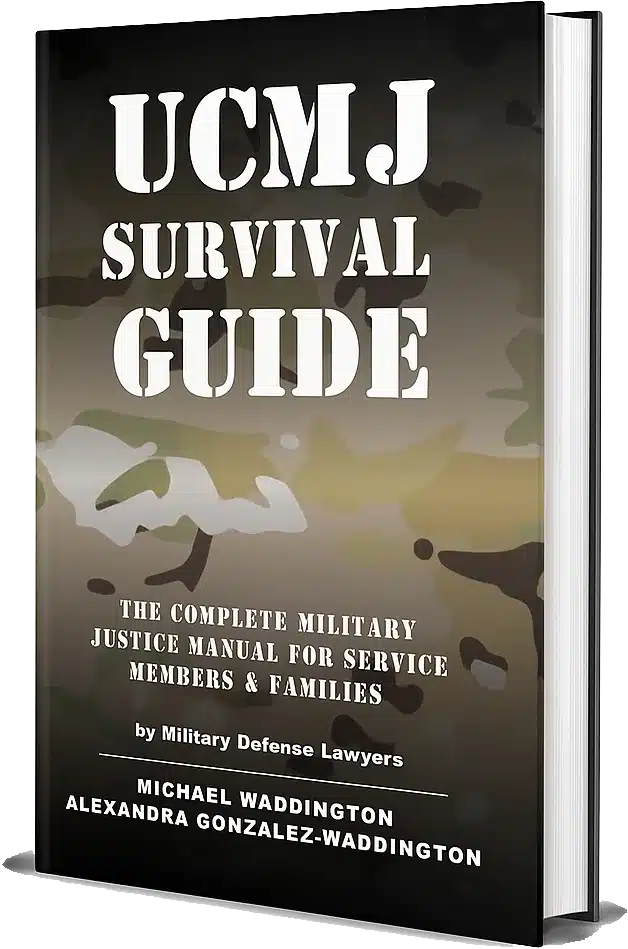
Check Out Our Newest Book
UCMJ Survival Guide

UCMJ Criminal Defense Lawyers

Worldwide Military Defense Experience
Defending Service Members Across Every Theater and Installation
Specialized Expertise in Serious Military Offenses
War Crimes, Sexual Assault, Violent Crimes, and White-Collar Defense

Media and High-Profile Case Experience
Featured on CNN, 60 Minutes, BBC, and Major News Outlets

Playlist

3:34

7:32
6:57

7:58

21:35

7:24

4:24
Frequently Asked Questions About Article 134 Online Enticement Defense
What is Article 134 online enticement under the UCMJ?
Article 134 under the Uniform Code of Military Justice addresses offenses that are not specifically listed elsewhere but are deemed prejudicial to good order and discipline or discrediting to the military. Online enticement involves attempts to solicit or lure minors through electronic communication channels, which is treated seriously under military law. The charge reflects behavior that undermines the integrity of the armed forces and carries significant consequences. Understanding the elements of this offense, including intent and the nature of communications, is key to mounting a defense. Military legal proceedings involve specialized rules and protections, making legal representation important for service members facing these charges.
How can I defend against predator-style sting charges at Fort Bragg?
Defending against predator-style sting charges at Fort Bragg requires a careful review of the evidence, including digital communications and law enforcement conduct. Defense strategies may involve challenging the legality of evidence collection, questioning the intent behind the alleged enticement, and exploring potential entrapment defenses. Each case is unique and demands a tailored approach. Working with a legal team familiar with military justice and Article 134 offenses ensures that procedural rights are protected, and all defense avenues are pursued. Early intervention and thorough preparation increase the chances of a favorable outcome in these complex cases.
What penalties could I face if convicted of online enticement in the military?
Penalties for a conviction of online enticement under Article 134 can vary depending on the specifics of the offense and the service member’s record. Possible consequences include reduction in rank, forfeiture of pay, confinement, and even separation from the military with punitive discharge. The severity of punishment underscores the importance of effective defense. Military judges and courts-martial consider factors such as intent, harm caused, and prior disciplinary history when determining sentences. A well-prepared defense can influence the outcome and potentially mitigate penalties.
Can I challenge evidence obtained through a military sting operation?
Evidence obtained through military sting operations can sometimes be challenged if there are violations of procedural rules or rights. For instance, if law enforcement induced the accused to commit an offense they otherwise would not have, an entrapment defense may be applicable. Additionally, improper handling or storage of digital evidence can raise questions about its reliability. A defense attorney will thoroughly examine the investigation process to identify any legal issues that could lead to suppression of evidence or dismissal of charges. Protecting the integrity of evidence is a critical component of military criminal defense.
How long does the military legal process take for Article 134 charges?
The length of the military legal process for Article 134 charges varies depending on the complexity of the case and the specific procedures involved. Investigations, pretrial motions, and scheduling of courts-martial can extend the timeline. Generally, service members should expect several months from the initial charge to resolution. Timely and proactive legal representation can help manage the process efficiently, ensuring that your rights are protected throughout and that unnecessary delays are minimized. Understanding the process helps reduce uncertainty and prepare for each phase of your defense.
Will a conviction affect my military career or benefits?
A conviction for online enticement under Article 134 can significantly impact your military career, potentially resulting in demotion, loss of security clearance, or discharge from service. Such outcomes may also affect your eligibility for veterans’ benefits and future civilian employment opportunities. Because of these serious consequences, obtaining strong legal defense is essential. A skilled defense team works to protect your career and benefits by seeking the best possible resolution, whether through negotiation or trial defense.
What should I do if I am under investigation for online enticement?
If you are under investigation for online enticement charges, it is important to exercise caution in all communications and avoid discussing the case with anyone except your attorney. Early legal consultation can help you understand your rights, the nature of the allegations, and the best steps to take moving forward. Your defense counsel can advise you on how to navigate questioning, evidence gathering, and interactions with military authorities. Prompt legal support is critical to preserving your position and preparing a solid defense.
Is it possible to have charges reduced or dismissed?
Charges under Article 134 can sometimes be reduced or dismissed depending on the circumstances, evidence strength, and procedural factors. Defense attorneys may negotiate with prosecutors or challenge the validity of the charges to seek alternative outcomes that lessen the impact on the service member. Such resolutions depend on thorough case evaluation and strategic advocacy. Engaging legal representation early improves the likelihood of exploring all possible options for minimizing charges or penalties.
How do I find the right military defense lawyer near Fort Bragg?
Finding the right military defense lawyer near Fort Bragg involves considering experience with the UCMJ, knowledge of local military legal procedures, and a track record of effective representation in Article 134 cases. It is important to choose attorneys who understand the unique aspects of military law and the pressures faced by service members. Consultations help determine the fit between client and lawyer, ensuring communication, trust, and a shared commitment to defending your rights. UCMJ Defense Lawyers is a recognized firm serving Fort Bragg and surrounding regions with dedicated military legal defense.
Can civilian legal firms handle military criminal defense cases?
Civilian legal firms may handle some military criminal defense cases, but not all have the specialized knowledge required for UCMJ proceedings. Military defense requires familiarity with military regulations, courts-martial procedures, and specific defense strategies unique to service members. Choosing a firm experienced in military law, such as UCMJ Defense Lawyers, ensures informed representation tailored to the military justice system. This expertise is critical for achieving the best possible outcomes in complex Article 134 online enticement cases.