



Fort Bragg Article 120 Sexual Assault Defense Lawyers – UCMJ Attorneys
If you are stationed at Fort Bragg and accused of sexual assault under Article 120 of the Uniform Code of Military Justice (UCMJ), you are facing one of the most severe and life-changing charges in the military. A conviction can result in prison, a dishonorable discharge, sex-offender registration, loss of retirement, loss of clearance, and permanent destruction of your reputation.
Even before charges are filed, CID, your command, and the SHARP program will treat you as guilty. This is the harsh reality at Fort Bragg, one of the most aggressive installations in the Army when it comes to Article 120 prosecutions.
If CID contacts you, flags you, seizes your phone, or calls you for an interview, you must act immediately. Do not speak to investigators. Do not attempt to “clear things up.” Contact Gonzalez & Waddington at 1-800-921-8607 for a confidential consultation. Our civilian military defense lawyers defend Soldiers worldwide and have deep expertise with Fort Bragg’s command climate, SHARP environment, and CID investigative patterns.
Article 120 cases at Fort Bragg are different from other bases. The operational tempo, command expectations, political pressure, and community relationships all impact how these cases unfold.
Even weak allegations—those with inconsistent witness statements, alcohol involvement, no physical evidence, or clear motives to lie—are often pushed forward aggressively. This page provides the most comprehensive guide available to understanding Article 120 prosecutions at Fort Bragg and how to win them.
Understanding Article 120 Sexual Assault Allegations at Fort Bragg
Why Fort Bragg Treats Article 120 Cases So Aggressively
Fort Bragg houses elite units such as the 82nd Airborne Division, XVIII Airborne Corps, and U.S. Army Special Operations Command. Leaders are under enormous pressure to maintain discipline, readiness, and the Army’s public reputation. As a result:
- Accused Soldiers are often presumed guilty immediately
- CID investigates aggressively regardless of evidence strength
- Commands remove Soldiers from leadership instantly
- Protective orders and restrictions are issued before investigations begin
- SHARP representatives influence command decisions early
The SHARP climate at Fort Bragg is one of zero tolerance, which often becomes zero discretion. Even unfounded claims escalate quickly.
How Article 120 Is Defined Under the UCMJ
Article 120 covers multiple categories of sexual misconduct, including:
- Sexual assault
- Aggravated sexual assault
- Abusive sexual contact
- Aggravated sexual contact
- Rape by force or threat
- Incapacitated sexual assault due to alcohol
The most common type of Article 120 case at Fort Bragg involves alleged lack of consent due to alcohol. These cases often hinge on memory gaps, contradictory accounts, and assumptions rather than evidence.
How Article 120 Cases Typically Begin at Fort Bragg
1. Alcohol-Fueled Social Events
Many Fort Bragg sexual assault cases start at barracks parties, off-post bars, club scenes, or small social gatherings. Alcohol, flirtation, mixed signals, and inconsistent memories often fuel accusations.
2. Barracks Environment
Younger Soldiers living in barracks often interact closely, and misunderstandings escalate quickly. Rumors spread instantly through group chats, platoons, and companies.
3. Domestic or Relationship Disputes
Breakups, jealousy, emotional conflict, or revenge frequently fuel Article 120 allegations, especially when alcohol is involved.
4. Civilian Complaints in Fayetteville
Many cases begin with Fayetteville police responding to an incident downtown or off post. Civilian statements—even unverified—often cause immediate CID involvement.
5. SHARP “Restricted” Reports Becoming “Unrestricted”
Alleged victims may change their report status due to peer influence, emotional pressure, or perceived benefits. Once unrestricted, the case becomes fully criminal.
Why Article 120 Cases Are So Hard on Accused Soldiers at Fort Bragg
CID’s Presumption of Guilt
CID rarely searches for exculpatory evidence. Their starting point is “the allegation is true,” and their job is to build a case that fits it. They frequently:
- Record selective statements
- Ignore favorable witnesses
- Misinterpret digital messages
- Pressure the accused to confess
- Create timelines that ignore contradictory facts
Command Pressure to “Act Strongly”
Commands at Fort Bragg often react instantly to SHARP allegations. Without waiting for evidence, they may:
- Flag the Soldier
- Strip responsibilities
- Remove from airborne status
- Suspend clearance
- Issue no-contact orders
- Order the Soldier out of the barracks or home
The Culture of Immediate Belief
Accusers are often treated as fully credible before any investigative review occurs. Soldiers are presumed guilty and must fight to be heard.
Common Article 120 Case Patterns at Fort Bragg
Alcohol-Related Memory Gaps
These are the most common cases. Both parties drink heavily, engage in consensual physical intimacy, and one or both have fragmented memories. Days later, the accusation emerges.
“Regret = Assault” Cases
This occurs when consensual encounters are later reframed as non-consensual due to embarrassment, peer influence, relationship fallout, or fear of disciplinary action.
False Allegations to Avoid Consequences
Accusers sometimes fabricate or exaggerate claims to avoid:
- Adultery charges
- Relationship consequences
- Embarrassment
- Disciplinary action
- Jealous partner retaliation
Misinterpretation of Text Messages
CID often cherry-picks texts to support guilt, ignoring messages showing mutual flirtation, consent, or mixed emotions.
Third-Party Influenced Allegations
Friends, SHARP reps, or leaders may encourage the alleged victim to report something differently than they originally experienced.
How Article 120 Investigations Work at Fort Bragg
Initial Contact by CID
CID typically begins by collecting statements from the accuser. They may issue search warrants for phones, barracks rooms, vehicles, or electronic devices. Soldiers are often tricked into giving statements through friendly interviews.
Digital Forensics
CID examines:
- Text messages
- Social media conversations
- Location data
- Call logs
- Snapchat/Instagram metadata
- Photos and videos
These digital trails often tell a very different story than the accusation.
Alcohol and Forensic Misinterpretation
CID may assume incapacitation without understanding biological tolerance, memory variability, or typical social behavior. These assumptions must be dismantled.
Witness Interviews
CID sometimes interviews only witnesses who support the accusation. They often avoid witnesses who contradict it.
Consequences of Article 120 Charges at Fort Bragg
Criminal Penalties
Convictions can result in:
- Years—or decades—of confinement
- Dishonorable discharge
- Total forfeitures
- Sex-offender registration
- Federal criminal record
Administrative Penalties
Even without conviction, Soldiers may face:
- GOMOR
- Relief for cause
- Loss of rank
- Separation boards
- Termination of career
Social and Family Consequences
Protective orders, custody restrictions, and reputational damage often accompany Article 120 allegations.
How to Defend Article 120 Sexual Assault Cases at Fort Bragg
1. Attack the Accuser’s Credibility
Accusers often provide inconsistent statements, change their story over time, or contradict themselves in texts or social media. Cross-examination is critical.
2. Establish Consent
Messages, flirting, willingness to meet, affectionate photos, or behaviors before and after the encounter often demonstrate consent.
3. Reconstruct the Timeline
We use timestamps, location data, digital metadata, and witness accounts to prove inconsistencies in the accuser’s narrative.
4. Present Evidence of Motive to Fabricate
Many allegations stem from fear of consequences, jealousy, relationship drama, or attempts to deflect accountability.
5. Challenge Forensic Assumptions
Alcohol impairment is often mischaracterized. Toxicology and memory experts can dismantle claims of incapacitation.
6. Expose CID’s Investigative Failures
CID often makes assumptions, misinterprets evidence, ignores exculpatory witnesses, and cherry-picks facts.
Common Defense Themes at Fort Bragg
Mutual Intoxication
Both parties may be too intoxicated to recall details accurately. This undermines claims of one-sided misconduct.
Inconsistent Behavior After the Event
Friendly texts, continued communication, or delayed reporting often contradict allegations of assault.
Weaponized Regret
Shame, fear of judgment, or peer influence can lead accusers to reinterpret consensual encounters.
Contradictions Among Witnesses
Witness accounts often contradict the accuser’s narrative when examined closely.
Why You Must Hire Civilian Counsel for Article 120 at Fort Bragg
Military Defense Counsel Are Overloaded
TDS attorneys at Fort Bragg often handle dozens of cases simultaneously. Article 120 cases require intensive preparation.
Civilian Lawyers Bring Independence
We do not answer to the chain of command. We fight only for you.
Experience With Sexual Assault Trials Is Essential
Article 120 cases are technical, psychological, emotional, and politically charged. They require mastery of forensic science and cross-examination strategies.
We Understand the Fort Bragg Environment
We know how commands think, how CID investigates, and how Fort Bragg panels interpret evidence.
Pro Tips for Soldiers Accused of Article 120 at Fort Bragg
Tip 1: Do Not Talk to CID
Anything you say will be used against you. Silence is your strongest defense.
Tip 2: Save All Messages and Digital Evidence
Texts, photos, call logs, and social media interactions often prove consent.
Tip 3: Do Not Contact the Accuser
This is a common reason cases escalate. All communication should go through counsel.
Tip 4: Follow Orders But Say Nothing Substantive
Comply with restrictions, MPOs, or no-contact directives while building your defense.
Tip 5: Hire Civilian Counsel Early
Civilian counsel should be involved before the Article 32 hearing and ideally before the first CID interview.
Connection to the Fort Bragg Military Justice Hub
This page is part of the comprehensive Fort Bragg Military Justice Hub, which includes deep analysis on Article 134, domestic violence, child pornography allegations, separation boards, Article 15 defense, BOIs, and command-directed investigations. Together, these pages form the most complete resource available to Soldiers stationed at Fort Bragg.
Bottom Call to Action
If you are stationed at Fort Bragg and accused of sexual assault under Article 120, your freedom, future, and reputation are at risk. Contact Gonzalez & Waddington at 1-800-921-8607 for a confidential case review. Our civilian military defense lawyers have extensive experience fighting Article 120 cases worldwide and know exactly how to challenge the government’s evidence, expose inconsistencies, and build a powerful defense narrative.
Comprehensive Defense for Article 120 Sexual Assault Charges at Fort Bragg
Facing charges under Article 120 for sexual assault at Fort Bragg, North Carolina, can be an overwhelming experience. Located near Fayetteville, this military base operates under strict legal protocols governed by the Uniform Code of Military Justice (UCMJ). Our dedicated team at UCMJ Defense Lawyers understands the complexities of military law and is committed to providing robust defense strategies tailored to your unique circumstances. We work diligently to protect your rights and navigate the legal challenges that arise with such serious allegations.
The legal process for Article 120 offenses involves detailed investigation and careful consideration of evidence and military regulations. Our firm, based in Florida but serving clients nationwide, including those stationed at Fort Bragg, offers thorough guidance throughout each step of your case. We prioritize clear communication and strategic defense planning to ensure that your interests are represented effectively within the military justice system.
Why a Strong Defense Matters in Article 120 Sexual Assault Cases at Fort Bragg
A charge under Article 120 can have serious consequences on your military career and personal life. The complexities of military law require a defense approach that thoroughly examines all aspects of the case, including command influence, procedural errors, and evidentiary challenges. By engaging a knowledgeable defense team, you increase the likelihood of achieving a favorable outcome, whether that involves dismissal, reduction of charges, or acquittal. Our commitment is to defend your rights vigorously while ensuring you understand the process and potential impacts.
UCMJ Defense Lawyers: Dedicated Advocates for Military Personnel
At UCMJ Defense Lawyers, Waddington and Gonzalez lead a team skilled in military criminal defense, particularly in cases involving Article 120 sexual assault charges. While headquartered in Florida, we represent clients across the United States, including those at Fort Bragg in North Carolina. Our attorneys are familiar with the specific military procedures and local context surrounding cases on this base, allowing us to provide informed and tactical legal support tailored to your situation.
Guide to Understanding Article 120 Sexual Assault Defense at Fort Bragg
Article 120 of the UCMJ addresses offenses related to sexual assault within the military. Understanding the definitions, potential charges, and legal ramifications is critical for those facing allegations. This guide outlines the key elements of Article 120, the defense process, and the rights of the accused. Knowing this information can help you better navigate the military justice system and work effectively with your defense team.
Navigating an Article 120 case involves multiple phases, including investigation, pretrial, trial, and potential appeals. Each step requires careful attention to legal procedures and evidence. Our guide aims to demystify this process for service members at Fort Bragg and nearby areas, ensuring you are informed and prepared to make decisions about your defense strategy.
Explaining Article 120 Sexual Assault Charges at Fort Bragg
Article 120 of the UCMJ defines various sexual offenses, including sexual assault, aggravated sexual assault, and other related crimes. These charges carry severe penalties and can impact a service member’s career and reputation. Understanding the specific allegations and the military’s legal definitions is essential to mounting an effective defense. At Fort Bragg, charges under Article 120 are handled with strict adherence to military law, making knowledgeable defense representation crucial.
Key Components of Defending Article 120 Charges
Defending against an Article 120 charge requires a detailed examination of the incident, evidence, and procedural compliance. Important elements include the nature of the alleged offense, consent issues, the credibility of witnesses, and adherence to military investigative procedures. Our approach involves thorough case analysis, gathering supporting evidence, and identifying any legal errors that may aid in your defense at Fort Bragg or related military venues.
Glossary of Terms Related to Article 120 Sexual Assault Defense
Understanding legal terminology is vital when facing military sexual assault charges. Below are explanations of common terms encountered during the defense process, helping you gain clarity on the language used throughout your case.
Article 120
Article 120 is a section of the Uniform Code of Military Justice that outlines offenses related to sexual assault and other sexual misconduct within the military justice system.
Military Judge
The military judge presides over courts-martial, overseeing the trial process and ruling on legal matters to ensure a fair trial under the UCMJ.
Court-Martial
A court-martial is a military court that conducts trials for service members accused of UCMJ violations, including Article 120 offenses.
Pretrial Investigation
A pretrial investigation involves gathering facts and evidence about an alleged offense to determine the appropriate charges and prepare for trial.
Choosing the Right Legal Defense Strategy for Article 120 Cases at Fort Bragg
Service members facing Article 120 charges have several possible defense approaches. Some cases may benefit from limited defense strategies focusing on procedural errors or evidentiary challenges, while others require comprehensive defense plans addressing all aspects of the allegations. Understanding the differences between these options helps you and your attorney select a strategy that best fits your circumstances and goals.
When a Focused Defense Strategy May Be Appropriate:
Procedural Irregularities
In some instances, charges can be challenged based on procedural mistakes during the investigation or trial process. These irregularities might include violations of your rights or failure to follow military protocols, which could lead to dismissal or reduction of charges without needing a full defense.
Insufficient or Weak Evidence
When the prosecution lacks strong evidence to support the allegations, a limited defense focusing on highlighting these weaknesses can be effective. This approach targets inconsistencies or gaps in the case to create reasonable doubt.
Benefits of a Thorough Defense for Complex Article 120 Cases:
Multiple Witnesses and Complicated Facts
Cases involving numerous witnesses, conflicting statements, or complex circumstances often require a detailed, comprehensive defense to address all facets of the case effectively and protect your rights throughout the process.
Potential Career and Personal Consequences
Given the serious repercussions of an Article 120 conviction, including possible discharge and loss of benefits, a comprehensive legal defense is essential to safeguard your future and pursue the best possible outcome.
Advantages of Comprehensive Defense in Military Sexual Assault Cases
A comprehensive defense approach ensures that all elements of the case are thoroughly investigated and challenged. This method allows for the identification of legal mistakes, development of alternative interpretations of evidence, and strategic negotiation with military prosecutors.
Such a detailed defense often leads to improved outcomes, including reduced charges or complete acquittal, while maintaining your dignity and rights throughout the legal process.
Thorough Case Analysis
Comprehensive defense involves in-depth review of all case materials, witness statements, and procedural steps, enabling the defense team to uncover critical information that supports your case and challenges the prosecution’s assertions.
Strategic Legal Planning
With a full understanding of the facts and legal landscape, the defense can develop tailored strategies that focus on achieving the best possible result, whether through trial, negotiation, or alternative resolutions.
As Featured On:

NEED MILITARY LAW HELP?
Fill out this form or call 1-800-921-8607 to request a consultation.


Top Searched Keywords
- Article 120 Defense Fort Bragg
- Military Sexual Assault Lawyer North Carolina
- UCMJ Defense Attorney Fort Bragg
- Fort Bragg Court Martial Defense
- Sexual Assault Charges Military Base NC
- Military Criminal Defense Lawyer Near Fayetteville
- Defense for Article 120 Offenses NC
- Military Justice Sexual Assault Defense
- Fort Bragg Military Legal Representation
Pro Tips for Navigating Article 120 Charges at Fort Bragg
Act Quickly and Secure Legal Representation
Time is critical when facing Article 120 allegations. Promptly securing a defense attorney familiar with military law ensures your rights are protected from the outset and that evidence is preserved for your case.
Maintain Confidentiality and Limit Discussions
Understand the Military Justice Process
Educate yourself about the proceedings, your rights, and potential outcomes. Being informed helps you make strategic decisions and reduces uncertainty during this challenging time.
Why Secure Defense Against Article 120 Charges at Fort Bragg
Facing sexual assault charges under Article 120 can jeopardize your military career and personal future. A dedicated defense team helps navigate the complex military legal system, ensuring your case is handled with attention and care.
With the serious nature of these allegations, having knowledgeable representation familiar with Fort Bragg’s military justice environment increases your chances of a favorable resolution and protects your rights throughout the process.
Typical Situations Leading to Article 120 Defense Needs
Service members may face Article 120 charges due to allegations arising from on-base incidents, off-base interactions, or as a result of misunderstandings. Each situation demands careful legal analysis and defense tailored to the facts and circumstances unique to the case.
Alleged Assault During Duty Hours
Incidents occurring while on duty or on base can lead to immediate investigation and charges under Article 120, requiring swift legal action to protect the accused’s rights.
Off-Base Social Encounters
Interactions outside the military environment sometimes result in allegations that fall under military jurisdiction, necessitating knowledgeable defense representation familiar with both civilian and military legal frameworks.
False or Misunderstood Accusations
Not all allegations arise from criminal conduct; some may stem from misunderstandings or false claims. A strong defense helps clarify facts and counters unfounded accusations effectively.
Meet Your Defense Team

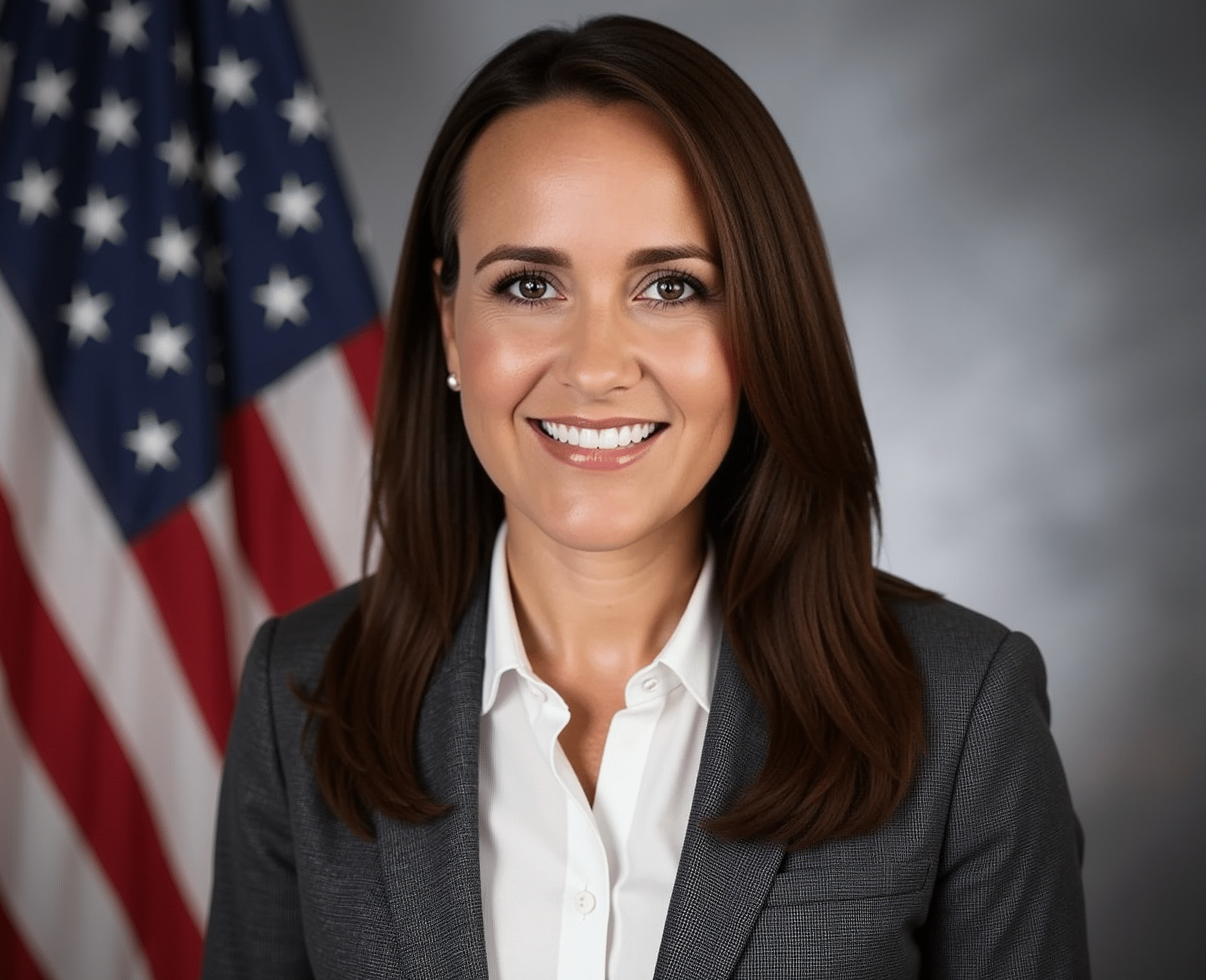
Michael S. Waddington
Criminal Defense Lawyer

PARTNER
Alexandra González-Waddington
Criminal Defense Lawyer
PARTNER
Battle-Tested Results
Recent Case Results
Gang-Rape Allegation Collapses Against Navy Officer
U.S. v. Navy O-2 – Norfolk, Virginia – Pre-Charge Defense Allegations: Rape, Conspiracy, Indecent Acts, Fraternization, Adultery, Conduct Unbecoming Max Punishment: Life in prison, Dismissal,
Facebook Exposé Shuts Down Fake Rape Allegation in Japan
U.S. v. Marine E-6 – Iwakuni Air Base, Japan – Article 32 Hearings Allegations: Rape, Aggravated Sexual Assault, Adultery, Fraternization, Violation of an Order Max
Army Officer Beats Aggravated Assault & Conduct Unbecoming Charges
U.S. v. Army O-1 – Fort Bragg, NC / Tried at Fort McNair, Washington D.C. – General Court-Martial Allegations: Aggravated Assault with Means Likely to
Navy Sailor’s Sex Assault Case Tossed After UCI Bombshell
U.S. v. Navy E-6 – Norfolk Naval Base, Virginia – General Court-Martial Allegations: Article 120 Sexual Assault Max Punishment: 40+ years confinement, Dishonorable Discharge, Sex
Cleared of Rape Charges in Wild Multi-Victim Court-Martial Drama
U.S. v. Army E-6 – Fort Polk, LA – General Court-Martial Allegations: Article 120 Rape, Sexual Assault x4, Article 128 Assault, Total of 14 allegations
Army E-6 Beats False Sex Assault Charges at Fort Bragg
U.S. v. Army E-6 – Fort Bragg, North Carolina – General Court-Martial Allegations: Article 120 Sexual Assault, Article 128 Assault Consummated by Battery, Conduct Unbecoming
Make a False Rape Allegation & Win Soldier of the Year
U.S. v. Army CW2 – Fort Gordon, GA
Allegations: RAPE, Fraternization, Adultery
Max Punishment: LIFE, Dismissal, Sex Offender Registration
Result: ALL CHARGES DISMISSED
Discharge: RETIRED WITH AN HONORABLE
Location/Branch/Rank: Fort Gordon – Augusta, GA/Army/CW2
Cheating Marine Officer Calls Rape
U.S. v. Marine O-3 – Marine Forces Reserve, Naval Support Activity, New Orleans, LA Allegations: Article 120 Rape/Sexual Assault Max Punishment: Life in prison, Dismissal, Sex offender registration

Take Command of Your Defense
Trusted Defense for Fort Bragg Service Members Facing Article 120 Charges
Call Us Today
Check Out Our Newest Book
UCMJ Survival Guide

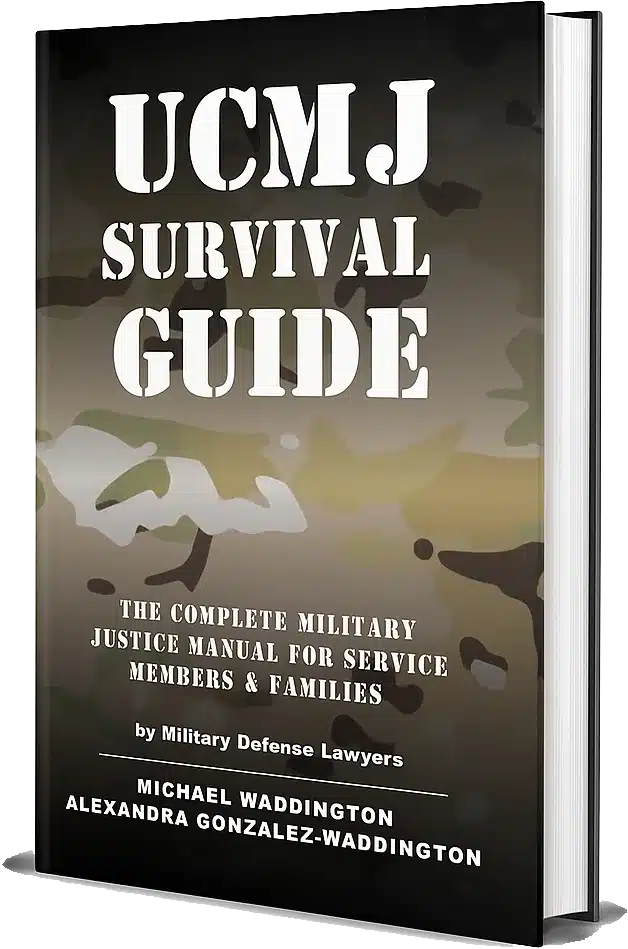
UCMJ Criminal Defense Lawyers

Worldwide Military Defense Experience
Defending Service Members Across Every Theater and Installation
Specialized Expertise in Serious Military Offenses
War Crimes, Sexual Assault, Violent Crimes, and White-Collar Defense

Media and High-Profile Case Experience
Featured on CNN, 60 Minutes, BBC, and Major News Outlets

Playlist

3:34

7:32

6:57

7:58

21:35

7:24
4:24
Frequently Asked Questions About Article 120 Defense at Fort Bragg
What are the potential penalties for Article 120 convictions at Fort Bragg?
Penalties for Article 120 convictions can vary widely depending on the severity of the offense and circumstances. They may include confinement, reduction in rank, forfeiture of pay, and discharge from service. The military justice system takes these charges seriously, and outcomes can significantly impact your military career and personal life. It is essential to have a strong defense to mitigate these consequences. Understanding the potential penalties helps you make informed decisions about your case and defense strategy.
How does the military justice process differ from civilian courts in sexual assault cases?
Military justice differs from civilian courts in several ways, including the procedures followed, the role of commanding officers, and the types of courts used, such as courts-martial. Sexual assault cases under Article 120 are handled within this distinct system, which has its own rules and protections. While some aspects are similar to civilian trials, the military context adds unique factors, such as command influence and military disciplinary standards. Knowing these differences can help you better understand what to expect and how to navigate the process.
Can I speak to a lawyer before any military investigation begins?
Yes, you have the right to consult with a lawyer before any military investigation begins. It is highly recommended to seek legal counsel immediately upon learning of an investigation or allegation. Early legal advice helps protect your rights, ensures proper handling of evidence, and guides you through the investigation process. Having representation from the outset improves your ability to respond effectively and safeguards your interests throughout.
What should I do if I am accused of sexual assault under Article 120?
If accused of sexual assault under Article 120, it is crucial to remain calm and avoid making statements without legal guidance. Contacting a military defense lawyer promptly will help you understand your rights and the steps you should take. Your attorney can advise on interactions with investigators and assist in developing a defense strategy. Acting quickly helps protect your reputation and legal standing within the military justice system.
How long does an Article 120 court-martial typically take?
The duration of an Article 120 court-martial varies depending on the complexity of the case, availability of witnesses, and procedural requirements. Some cases may conclude within a few months, while others extend longer due to pretrial motions and evidence gathering. Understanding the timeline helps set expectations and allows you to prepare adequately for each stage. Your defense team will keep you informed throughout the process to reduce uncertainty.
Are there alternatives to court-martial for resolving these charges?
In some situations, alternatives to court-martial, such as non-judicial punishment or administrative actions, may be available depending on the case details and command discretion. However, serious Article 120 charges often proceed to formal trial due to their severity. Your defense attorney can discuss possible options with you and advise on the best course of action based on your specific circumstances and goals.
How do I protect my rights during a military investigation?
Protecting your rights during a military investigation starts with understanding your legal protections and exercising your right to counsel. Avoid providing statements without your lawyer present and be cautious about communications related to the case. Maintaining confidentiality and following legal advice is critical to preserving your defense options. Your attorney will guide you on how to respond appropriately and safeguard your interests.
What role does command influence play in Article 120 cases?
Command influence refers to the potential impact that commanding officers may have on the investigation or prosecution of military cases. While commanders have authority in military justice matters, improper influence can undermine fairness. Defense teams monitor for any undue command involvement that could affect the integrity of the proceedings and raise challenges if necessary to ensure a just process.
Can evidence obtained improperly be excluded in military trials?
Yes, evidence obtained in violation of legal procedures or your rights may be subject to exclusion during trial. This includes evidence gathered without proper authorization or through coercion. Your defense attorney will review the circumstances under which evidence was collected and may file motions to exclude improperly obtained materials, which can be critical in shaping the outcome of your case.
How can I prepare for my defense in an Article 120 case at Fort Bragg?
Preparing for your defense involves working closely with your attorney to gather all relevant information and documents, understanding the charges, and developing a clear legal strategy. It is important to be honest with your defense team and follow their guidance throughout the process. Staying informed and engaged helps you participate actively in your defense and improves the chances of achieving a favorable resolution.