



Article 15 Lawyers at Fort Bragg – Protecting Your Rank and Career
If you are stationed at Fort Bragg and facing an Article 15, you are not just fighting a piece of paper. You are fighting for your rank, pay, career, and reputation. A poorly handled Article 15 can lead to loss of rank, forfeiture of pay, a permanent blot on your record, and can trigger a bar to reenlistment or administrative separation.Experienced Article 15 lawyers at Fort Bragg, such as the civilian military defense team at Gonzalez & Waddington, can help you evaluate your options, prepare a powerful written response, and decide whether you should accept the Article 15 or demand a court martial.
What Is an Article 15 at Fort Bragg?
An Article 15, also called nonjudicial punishment (NJP), is a disciplinary tool used by commanders under the Uniform Code of Military Justice (UCMJ). It is not a criminal conviction, but the consequences can feel criminal when you lose rank, pay, or promotion opportunities.- Summarized Article 15 – Lower level punishment, but still serious for your record.
- Company grade Article 15 – Imposed by a company commander, with limited but damaging penalties.
- Field grade Article 15 – Imposed by a battalion or brigade commander, with much harsher punishment.
Why You Need an Article 15 Lawyer at Fort Bragg
Many Soldiers think an Article 15 is minor and can be handled with a quick apology or a short statement. That is how careers get destroyed. A skilled Fort Bragg Article 15 lawyer can:- Review the evidence and find weaknesses, inconsistencies, and exaggerations
- Draft a strategic written response instead of an emotional or rambling statement
- Advise whether to accept the Article 15 or demand trial by court martial
- Help you gather witness statements, documents, and records to support your defense
- Protect your long term career, retirement, and future civilian employment
Common Article 15 Allegations at Fort Bragg
While every case is different, certain allegation patterns appear over and over:- Article 92 – Failure to obey orders, curfew violations, off limits areas
- Article 107 – False official statements in counseling, investigations, or sworn statements
- Article 112a – Drug use or possession based on urinalysis, texts, or social media
- Article 128 – Minor assaults, shoving, or fights on or off post
- Article 134 – Adultery, fraternization, indecent language, social media misconduct
- Article 120 / 120c pattern – Touching, comments, or off duty incidents reframed as “sexual” misconduct
Pro Tips If You Have Been Offered an Article 15 at Fort Bragg
- Do not sign anything in a hurry. You usually have a short window to decide whether to accept or refuse.
- Stop talking about the case. Do not explain yourself to your chain of command or other Soldiers.
- Request the evidence. You have the right to know what the allegation is based on before you decide.
- Write for your lawyer, not your commander. Your private timeline and notes should go to your defense team only.
- Get civilian counsel early. The earlier an Article 15 lawyer is involved, the more options you may have.
Accepting an Article 15 Versus Demanding Court Martial
One of the most important decisions you will make is whether to accept the Article 15 or demand trial by court martial. There is no one size fits all answer.Reasons Some Soldiers Accept an Article 15
- They want to limit maximum punishment exposure
- The evidence is strong and a plea bargain is unlikely at court martial
- They want to avoid the stress, publicity, and time of a full trial
Reasons Some Soldiers Demand Court Martial Instead
- The evidence is weak, unreliable, or based on one angry or biased witness
- They want the protections of a real trial, including rules of evidence and cross examination
- They understand that a conviction at court martial is still not guaranteed
- The long term cost of accepting the Article 15 is worse than the risk of trial
How Gonzalez & Waddington Helps With Article 15 Cases
When Soldiers at Fort Bragg contact Gonzalez & Waddington about an Article 15, the representation often includes:- Reviewing the charge sheet, evidence, and investigative file
- Advising on whether to accept or refuse the Article 15
- Drafting a laser focused written response with supporting exhibits
- Preparing the Soldier to speak, if appropriate, at the Article 15 hearing
- Planning for next steps such as appeals, complaint processes, or follow on administrative boards
Talk to an Article 15 Lawyer at Fort Bragg
If you have been notified of an Article 15 at Fort Bragg, you do not have to guess your way through it. The earlier you involve experienced civilian counsel, the more control you may have over the outcome. Visit https://ucmjdefense.com or call 1-800-921-8607 to speak with the civilian military defense lawyers at Gonzalez & Waddington about your Article 15 or other UCMJ issue.Frequently Asked Questions – Article 15 Lawyers at Fort Bragg
Do I need a civilian lawyer for an Article 15, or is that only for court martials?
You are not required to hire a civilian lawyer, but the consequences of an Article 15 can be severe. Loss of rank, pay, and future promotion opportunities can change your entire career path. Many Soldiers choose to hire a civilian Article 15 lawyer at Fort Bragg to avoid mistakes and to present the strongest possible defense.Will an Article 15 go on my permanent record?
It can. Depending on the type of Article 15 and your component, it can affect your personnel file, promotion, and future administrative actions, including separation boards. You should treat it as a serious threat to your career, not a minor slap on the wrist.Can I refuse an Article 15 and demand a court martial?
In most cases, yes, but there are special rules for some deployed environments and certain duty statuses. Refusing an Article 15 is a major decision that should be made only after speaking with a knowledgeable military defense lawyer who understands Fort Bragg and the UCMJ.What if I already signed the Article 15 accepting it?
You may still have options, including appeals or later challenges in related proceedings. The sooner you contact a lawyer after signing, the better chance you have to explore those options.Will my command think I am guilty if I hire a civilian Article 15 lawyer?
Commands at Fort Bragg are used to seeing Soldiers bring in civilian counsel for serious matters. Hiring a lawyer shows that you are taking the situation seriously and that you are not willing to simply accept punishment without a fair review of the facts and law.Can Gonzalez & Waddington help if my Article 15 leads to an administrative separation?
Yes. The firm represents Soldiers at administrative separation boards, Boards of Inquiry, and other adverse actions that often follow an Article 15, especially in cases involving alleged misconduct, substandard performance, or “loss of trust and confidence.”Understanding Military Criminal Defense at Fort Bragg
Located near Fayetteville, North Carolina, Fort Bragg is a key U.S. Army installation where military members may face unique legal challenges. When confronted with criminal charges under the Uniform Code of Military Justice (UCMJ), it is essential to have knowledgeable legal support familiar with military law and the local context. Our team at UCMJ Defense is dedicated to providing comprehensive defense services tailored to the needs of service members stationed at Fort Bragg and the surrounding region.
Choosing the right legal representation can significantly impact the outcome of your case. At UCMJ Defense, we understand the complexities of military law and the importance of protecting your rights throughout the legal process. Whether you are dealing with allegations of misconduct or more serious offenses, our firm offers guidance and advocacy to help you navigate military justice effectively.
The Importance of Skilled Military Criminal Defense at Fort Bragg
Facing criminal charges while serving at Fort Bragg can be especially daunting due to the unique military legal system. Having dedicated legal representation ensures that your case is thoroughly reviewed and that all procedural safeguards are respected. Our services provide peace of mind by addressing the specific circumstances of military law and aiming to secure the best possible outcome for your situation.
About UCMJ Defense: Military Defense Lawyers Focused on Fort Bragg
UCMJ Defense, led by Waddington and Gonzalez, offers focused legal defense services for military personnel facing criminal charges. Our firm is based in Florida but serves military members across the country, including those stationed at Fort Bragg in North Carolina. We bring a thorough understanding of military legal procedures and are committed to protecting the rights and futures of our clients.
Guide to Military Criminal Defense for Fort Bragg Service Members
Military criminal defense involves defending service members against charges brought under the Uniform Code of Military Justice. This area of law requires specialized knowledge of military regulations, court-martial procedures, and the rights of the accused in a military context. Service members at Fort Bragg can face various allegations, and understanding the legal framework helps in making informed decisions about defense strategies.
Our guide aims to clarify the key aspects of military criminal defense, including the types of charges commonly encountered, the stages of military legal proceedings, and the importance of timely legal consultation. By providing clear information, we help service members and their families prepare for the challenges ahead and understand the support available from our legal team.
What Military Criminal Defense Entails at Fort Bragg
Military criminal defense involves representing service members accused of violating military laws. At Fort Bragg, this means addressing charges under the Uniform Code of Military Justice, which governs discipline and conduct within the armed forces. Defense attorneys work to protect the rights of the accused, challenge evidence, and seek favorable resolutions, whether through negotiation or trial.
Key Elements and Procedures in Military Criminal Defense
The military justice process includes several key stages such as investigation, preferral of charges, Article 32 hearings, and possibly court-martial. Effective defense requires understanding each step’s implications and acting promptly to safeguard the service member’s interests. Our legal team guides clients through these processes with attention to detail and strategic planning.
Glossary of Military Legal Terms for Fort Bragg Cases
Familiarity with military legal terminology is essential for navigating defense cases. Below are explanations of important terms frequently encountered in military criminal defense.
Uniform Code of Military Justice (UCMJ)
The UCMJ is the comprehensive set of laws governing the conduct of U.S. military personnel. It outlines offenses, procedures, and punishments applicable in military courts and is the foundation for military criminal cases.
Court-Martial
A court-martial is a military trial used to determine the guilt or innocence of service members accused of violating the UCMJ. It functions similarly to civilian criminal trials but follows military-specific rules and procedures.
Article 32 Hearing
An Article 32 hearing is a preliminary investigation required before a general court-martial. It assesses whether sufficient evidence exists to proceed with a trial and provides an opportunity for defense counsel to challenge the charges.
Non-Judicial Punishment (NJP)
NJP is a disciplinary process that allows commanding officers to impose penalties without a court-martial, often used for minor offenses. It offers a quicker resolution but can still impact a service member’s record.
Comparing Legal Defense Options for Fort Bragg Service Members
Service members at Fort Bragg may face choices between limited and comprehensive defense strategies. Limited approaches might address specific charges or procedural issues, while comprehensive defense involves a full assessment and robust representation throughout the legal process. Understanding these options helps in selecting the best path for your unique circumstances.
Situations Where Limited Defense May Be Appropriate:
Minor Offenses with Clear Evidence
In cases involving minor infractions where the evidence is straightforward and the consequences are limited, a focused defense strategy addressing specific aspects of the case may suffice. This approach can streamline proceedings and reduce legal costs while still protecting the service member’s interests.
Early Resolution Opportunities
When negotiation or alternative resolutions are viable early in the case, a limited defense focusing on these opportunities can be effective. This may involve plea discussions or administrative remedies that avoid lengthy trials.
Why a Comprehensive Defense is Often Advisable:
Complex or Serious Charges
Serious allegations or complex cases involving multiple charges require thorough investigation and a strategic defense plan. Comprehensive legal services ensure all aspects of the case are addressed and the service member’s rights are vigorously protected.
Protecting Future Military and Civilian Opportunities
A fully developed defense helps minimize potential impacts on a service member’s career and future opportunities. Comprehensive representation aims to achieve the best possible outcome to safeguard professional and personal interests.
Advantages of Choosing Comprehensive Military Defense
Opting for comprehensive legal defense provides a complete evaluation of the case and all possible defenses. This approach facilitates thorough preparation, evidence review, and the development of effective legal strategies tailored to the client’s needs.
Additionally, comprehensive defense often results in better case outcomes by addressing potential weaknesses in the prosecution’s case and advocating for favorable resolutions. This can reduce penalties, dismiss charges, or lead to alternative dispositions.
Detailed Case Analysis
A thorough examination of all facts and evidence ensures that no critical detail is overlooked. This enables the development of strong legal arguments and anticipation of prosecution tactics, enhancing the defense’s effectiveness.
Personalized Client Support
Clients receive dedicated attention and communication throughout the process, ensuring they understand their rights and options. This personalized approach supports informed decision-making and reduces stress during challenging proceedings.
As Featured On:

NEED MILITARY LAW HELP?
Fill out this form or call 1-800-921-8607 to request a consultation.


Top Searched Keywords
- Military criminal defense Fort Bragg
- UCMJ defense lawyers North Carolina
- Fort Bragg court-martial defense
- Fort Bragg court-martial defense
- Military legal representation Fayetteville NC
- Fort Bragg military attorney services
- North Carolina military defense law firm
- UCMJ charges defense Fort Bragg
- Military justice defense lawyers NC
- Defense for soldiers Fort Bragg
Tips for Navigating Military Criminal Defense at Fort Bragg
Act Quickly to Secure Legal Representation
Promptly obtaining legal counsel after being notified of charges is critical. Early involvement of a defense lawyer helps protect your rights and allows for a thorough review of the evidence and circumstances surrounding the case.
Maintain Clear Communication with Your Lawyer
Understand the Military Justice Process
Familiarize yourself with how military legal proceedings work, including key steps and potential outcomes. This knowledge empowers you to participate actively in your defense and make informed decisions.
Why Choose UCMJ Defense for Fort Bragg Military Criminal Cases
UCMJ Defense offers dedicated legal support tailored to the unique challenges faced by military personnel at Fort Bragg. Our commitment to thorough preparation and advocacy helps clients navigate the complexities of military justice with confidence.
With a focus on protecting your rights and future, our legal team works closely with you to develop effective strategies and provide clear guidance throughout the legal process. We understand the stakes and strive to achieve the best possible outcomes.
Common Military Legal Challenges at Fort Bragg
Service members at Fort Bragg may face charges related to conduct unbecoming, drug offenses, assault, or other alleged violations of military law. Such situations require knowledgeable legal defense to ensure fair treatment and to protect military careers.
Disciplinary Actions and Courts-Martial
When disciplinary actions escalate to courts-martial, having skilled defense representation is essential to navigate complex procedures and advocate effectively on behalf of the accused.
Administrative Investigations
Administrative inquiries or investigations can lead to serious consequences. Early legal advice helps manage these processes and mitigate potential penalties.
Appeals and Post-Trial Matters
In cases where convictions occur, pursuing appeals or post-trial relief is critical to protect rights and seek the best possible resolution.
Meet Your Defense Team
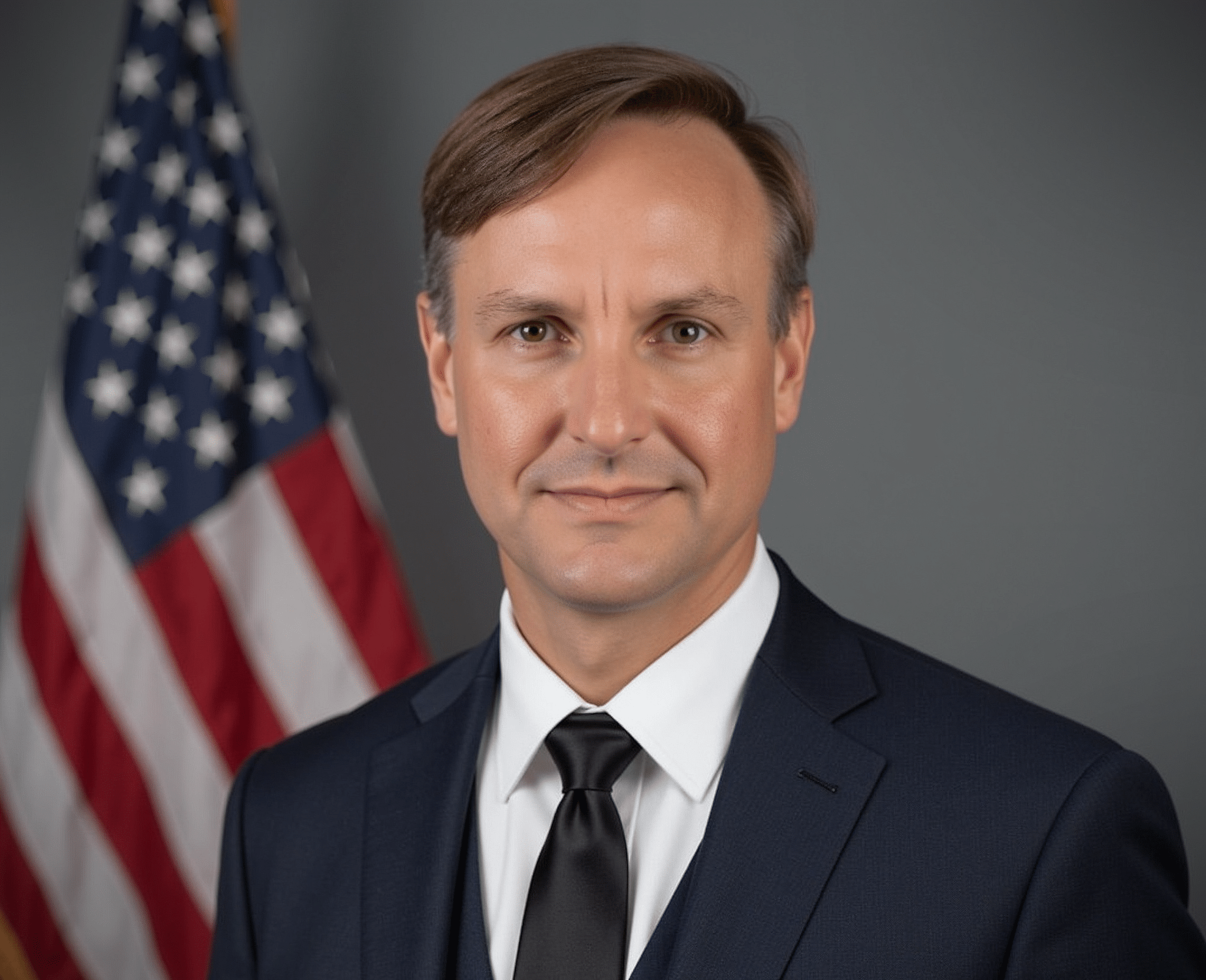
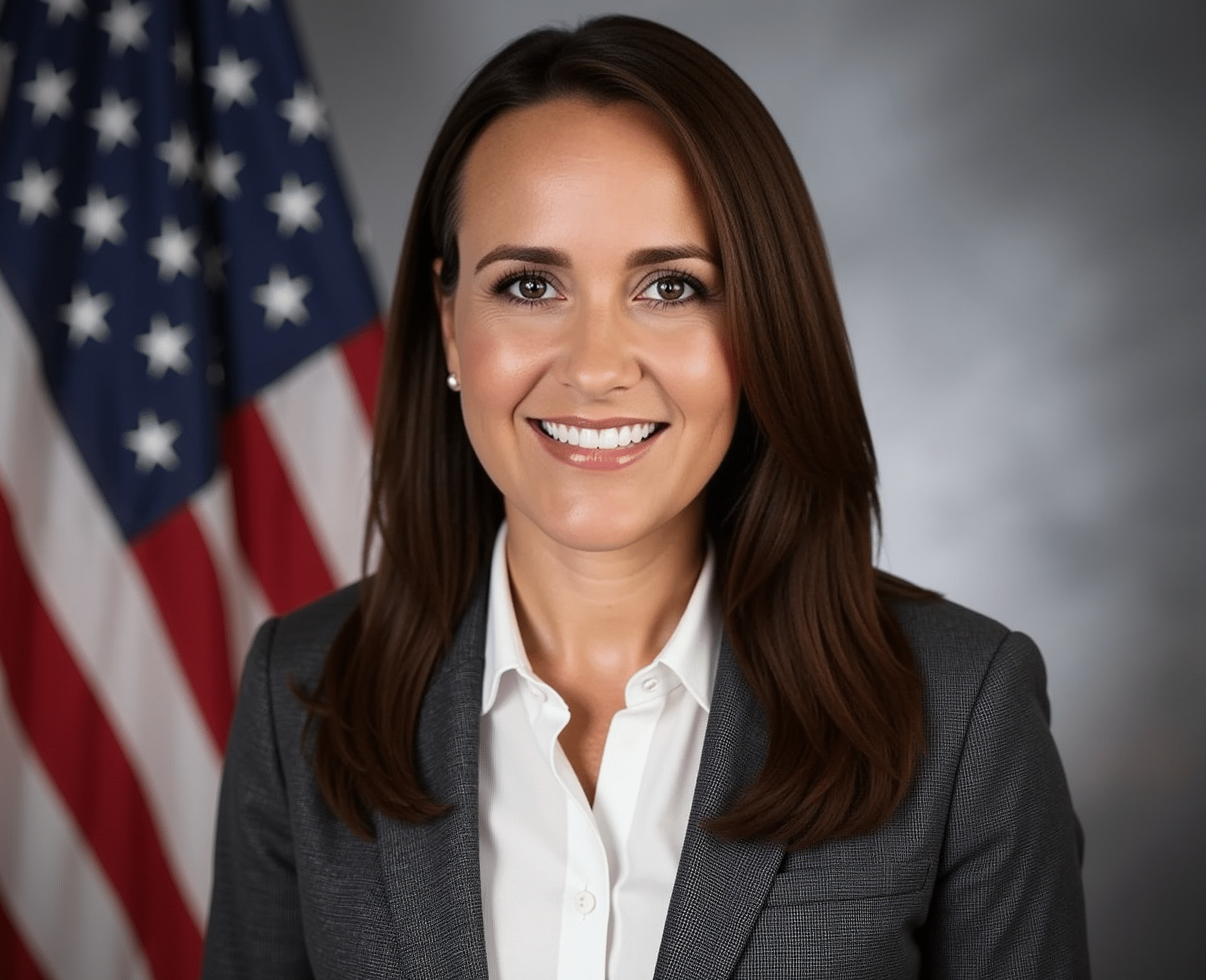
Michael S. Waddington
Criminal Defense Lawyer

PARTNER
Alexandra González-Waddington
Criminal Defense Lawyer
PARTNER
Battle-Tested Results
Recent Case Results
Gang-Rape Allegation Collapses Against Navy Officer
U.S. v. Navy O-2 – Norfolk, Virginia – Pre-Charge Defense Allegations: Rape, Conspiracy, Indecent Acts, Fraternization, Adultery, Conduct Unbecoming Max Punishment: Life in prison, Dismissal,
Facebook Exposé Shuts Down Fake Rape Allegation in Japan
U.S. v. Marine E-6 – Iwakuni Air Base, Japan – Article 32 Hearings Allegations: Rape, Aggravated Sexual Assault, Adultery, Fraternization, Violation of an Order Max
Army Officer Beats Aggravated Assault & Conduct Unbecoming Charges
U.S. v. Army O-1 – Fort Bragg, NC / Tried at Fort McNair, Washington D.C. – General Court-Martial Allegations: Aggravated Assault with Means Likely to
Navy Sailor’s Sex Assault Case Tossed After UCI Bombshell
U.S. v. Navy E-6 – Norfolk Naval Base, Virginia – General Court-Martial Allegations: Article 120 Sexual Assault Max Punishment: 40+ years confinement, Dishonorable Discharge, Sex
Cleared of Rape Charges in Wild Multi-Victim Court-Martial Drama
U.S. v. Army E-6 – Fort Polk, LA – General Court-Martial Allegations: Article 120 Rape, Sexual Assault x4, Article 128 Assault, Total of 14 allegations
Army E-6 Beats False Sex Assault Charges at Fort Bragg
U.S. v. Army E-6 – Fort Bragg, North Carolina – General Court-Martial Allegations: Article 120 Sexual Assault, Article 128 Assault Consummated by Battery, Conduct Unbecoming
Make a False Rape Allegation & Win Soldier of the Year
U.S. v. Army CW2 – Fort Gordon, GA
Allegations: RAPE, Fraternization, Adultery
Max Punishment: LIFE, Dismissal, Sex Offender Registration
Result: ALL CHARGES DISMISSED
Discharge: RETIRED WITH AN HONORABLE
Location/Branch/Rank: Fort Gordon – Augusta, GA/Army/CW2
Cheating Marine Officer Calls Rape
U.S. v. Marine O-3 – Marine Forces Reserve, Naval Support Activity, New Orleans, LA Allegations: Article 120 Rape/Sexual Assault Max Punishment: Life in prison, Dismissal, Sex offender registration

Take Command of Your Defense
Why Fort Bragg Military Members Trust UCMJ Defense Lawyers
Call Us Today
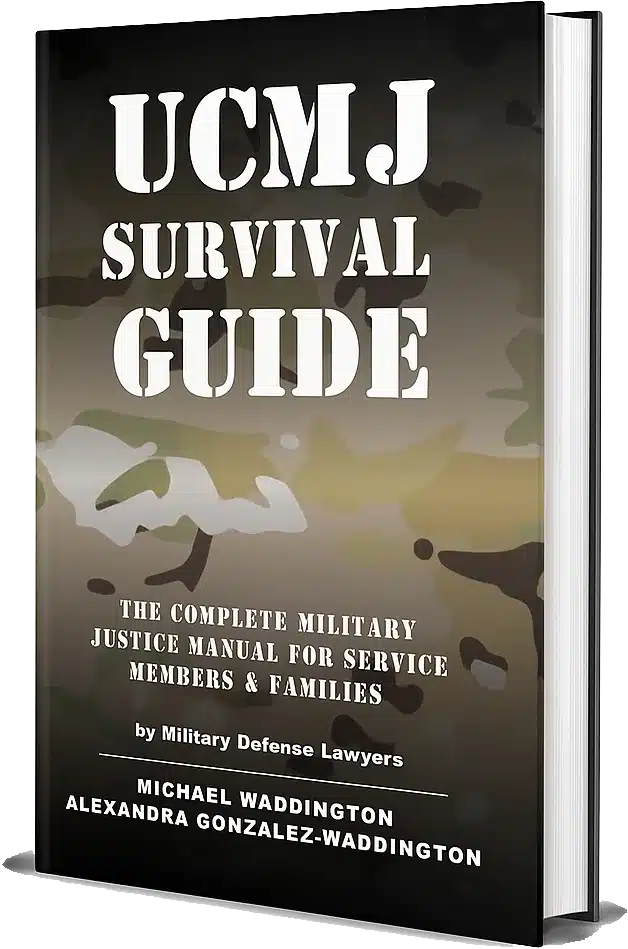
Check Out Our Newest Book
UCMJ Survival Guide

UCMJ Criminal Defense Lawyers

Worldwide Military Defense Experience
Defending Service Members Across Every Theater and Installation
Specialized Expertise in Serious Military Offenses
War Crimes, Sexual Assault, Violent Crimes, and White-Collar Defense

Media and High-Profile Case Experience
Featured on CNN, 60 Minutes, BBC, and Major News Outlets

Playlist

3:34

7:32

6:57

7:58

21:35

7:24
4:24
Frequently Asked Questions About Military Criminal Defense at Fort Bragg
What should I do if I am accused of a military offense at Fort Bragg?
If you are accused of a military offense at Fort Bragg, it is critical to seek legal advice promptly. Early consultation with a qualified military defense lawyer can help protect your rights and ensure you understand the charges and possible outcomes. Your attorney can guide you through the process and help develop a defense strategy suited to your case. Ignoring the situation or attempting to handle it alone can lead to unfavorable consequences. Legal representation provides a knowledgeable advocate who can navigate the complex military justice system on your behalf.
How does the military justice process differ from civilian courts?
The military justice system operates under the Uniform Code of Military Justice (UCMJ), which differs from civilian legal systems in procedures and terminology. Military courts, or courts-martial, have specific rules regarding evidence, rights, and trial conduct that are tailored to the military context. Understanding these differences is important for service members facing charges, as it impacts the defense approach and potential outcomes. Military defense lawyers are trained to manage these unique aspects effectively.
Can I choose my own military defense lawyer at Fort Bragg?
Yes, service members at Fort Bragg have the right to select their own military defense counsel, including civilian lawyers experienced in military law. Choosing a lawyer familiar with the UCMJ and military court processes can significantly improve your defense. If you cannot afford private counsel, military legal assistance may be available. Regardless, securing competent representation early is essential for protecting your rights throughout the proceedings.
What types of charges do Fort Bragg service members commonly face?
Common charges faced by Fort Bragg service members include violations such as conduct unbecoming, drug-related offenses, assault, theft, and insubordination. Each charge carries distinct legal considerations and potential penalties under the UCMJ. Accurate legal advice is necessary to understand the charges and develop an effective defense. Our firm assists clients in evaluating the specifics of their cases and advising on the best course of action.
How long does a court-martial process usually take at Fort Bragg?
The length of a court-martial at Fort Bragg varies depending on the complexity of the case, the number of charges, and the procedural requirements. Some cases may conclude in a few months, while others could take longer due to investigations, hearings, and trials. Delays can occur for various reasons, so maintaining communication with your attorney and understanding the timeline helps manage expectations and prepare accordingly.
What are my rights during an Article 32 hearing?
During an Article 32 hearing, you have the right to be informed of the charges, present evidence, and cross-examine witnesses. This hearing serves as a pretrial investigation to determine if there is sufficient evidence to proceed to court-martial. Having legal representation during this hearing is important to protect your rights and challenge the prosecution’s case. Your attorney can help gather evidence and advocate on your behalf during this critical stage.
Is non-judicial punishment an option for all offenses?
Non-judicial punishment (NJP) is typically reserved for minor offenses and offers a quicker resolution without a formal court-martial. However, not all offenses are eligible for NJP, and some charges may require more formal proceedings. Understanding whether NJP is an option depends on the specific facts of the case and the commanding officer’s discretion. Legal advice helps evaluate these possibilities and recommend the best approach.
How can a military defense lawyer help with administrative investigations?
Military defense lawyers can assist with administrative investigations by advising on your rights and ensuring proper procedures are followed. Early legal involvement helps prevent self-incrimination and protects your interests during these inquiries. Counsel can also negotiate on your behalf and seek to limit the scope or impact of the investigation, contributing to more favorable outcomes.
What are the potential consequences of a conviction in a military court?
A conviction in a military court can result in penalties including confinement, reduction in rank, forfeiture of pay, reprimand, or discharge from service. The severity depends on the offense and the circumstances surrounding the case. Legal representation aims to minimize these consequences by challenging evidence, negotiating plea agreements, or seeking alternative dispositions when appropriate.
How do I contact UCMJ Defense for legal help at Fort Bragg?
You can contact UCMJ Defense for legal help at Fort Bragg by calling our dedicated number, 800-921-8607. Our team is ready to discuss your situation confidentially and provide guidance on your defense options. We encourage prompt contact to ensure timely assistance and the best possible support throughout the military justice process.