



Fort Bragg Court-Martial Defense Attorneys – Fayetteville NC Military Lawyers
Service members living in Fayetteville and serving at Fort Bragg operate in one of the most active military justice environments in the United States. When a Soldier is accused of misconduct, the consequences move fast and can reshape a career. If you are facing a UCMJ investigation, administrative separation, Article 15, GOMOR, or court-martial, contact Gonzalez & Waddington at 1-800-921-8607 for a confidential consultation. Our civilian military defense lawyers assist Soldiers at Fort Bragg and worldwide in complex, high-stakes cases.
The Fayetteville–Fort Bragg Legal Environment
The civilian community surrounding Fort Bragg is deeply intertwined with military life. Nearly every apartment complex, shopping area, restaurant, and neighborhood includes service members and their families. That closeness creates a legal landscape where off-post events often spill directly into military discipline.
Arguments at home, misunderstandings with neighbors, police encounters downtown, or an arrest for a minor incident can quickly escalate inside the military system. Fayetteville police, Cumberland County prosecutors, CID, and Fort Bragg command each play a role, often simultaneously. Understanding that overlapping jurisdiction is essential for anyone under investigation.
Dual Jurisdiction: Civilian and Military Systems Working in Parallel
A Soldier who faces a civilian arrest may also face military action even if local prosecutors dismiss or reduce charges. Commanders can pursue administrative separation, an Article 15, or a GOMOR based on the same events. CID may conduct its own investigation, often collecting digital evidence, interviewing witnesses, and preparing reports long before you ever see the allegations in writing.
Why Fayetteville Cases Escalate Quickly
Fayetteville is unique. Local authorities respond to a high volume of calls involving Soldiers, and law enforcement often errs on the side of caution. A single incident—sometimes a misunderstanding—can have an outsized impact on a Soldier’s life. Commanders at Fort Bragg tend to move decisively and may impose restrictions or administrative actions within hours of an allegation.
Fast-Paced Command Climate
The operational tempo at Fort Bragg is intense. Leaders are responsible for large formations, readiness timelines, and deployment cycles. This pressure pushes commands to act quickly to avoid risk or criticism. That can mean flagging a Soldier, revoking special duties, issuing no-contact orders, or initiating separation proceedings early in a case.
Presumption Problems
Training programs across the DoD encourage swift intervention in cases involving domestic conflict, sexual misconduct, alcohol-related incidents, and off-post disputes. Unfortunately, in real cases this sometimes translates into presumptions of guilt before all facts are known.
Common Charges for Soldiers Living in Fayetteville
Domestic Disturbances and Assault Allegations
Local police respond frequently to noise complaints, arguments between partners, and disputes involving neighbors. What might be handled informally in another city often results in arrest here. Once the civilian system becomes involved, the military usually responds aggressively.
DUI and Alcohol-Related Offenses
Soldiers commuting along Bragg Boulevard, Raeford Road, Skibo Road, Yadkin Road, and the All American Freeway encounter frequent DUI enforcement. A conviction—or even an accusation—raises issues involving deployability, security clearance retention, and career progression.
Sexual Misconduct Accusations
Bars, clubs, off-post gatherings, and social events often involve Soldiers from multiple units. Alcohol and confusion can lead to accusations that become Article 120 cases even when civilian law enforcement declines charges. CID aggressively pursues these investigations and often relies on partial digital evidence or conflicting statements.
Drug-Related Allegations
Fayetteville’s nightlife and transient population mean Soldiers may encounter THC products, pills, or other substances. Even minor civilian possession charges may result in military administrative separation and Article 112a proceedings.
Financial Misconduct and Fraud Accusations
Financial stress is common for junior Soldiers. Disputes involving BAH, leases, car loans, or alleged debt-related dishonesty sometimes lead to allegations of fraud or larceny. Commands view these cases as integrity issues and often take harsh action.
The Role of AR 15-6 and Command Investigations
Command-directed inquiries are extremely common at Fort Bragg. These investigations frequently address allegations involving harassment, fraternization, off-duty conduct, inappropriate communication, or relationship conflicts. Although administrative in nature, the findings of a 15-6 can trigger separation boards, GOMORs, bars to reenlistment, or adverse evaluations.
Why These Investigations Are High Risk
Investigating officers often lack training in credibility analysis, digital forensics, or interrogation techniques. Their findings may rely on assumptions or incomplete evidence. Once the findings reach the command group, decisions can be swift and severe, even when the facts are ambiguous.
How Civilian Cases Affect Military Careers
A dismissal or reduction of charges downtown does not end the military’s interest in the case. Commands frequently issue reprimands, seek administrative separation, or initiate UCMJ action regardless of the civilian outcome. Commanders may consider the underlying behavior “prejudicial to good order and discipline” even without a conviction.
Embarrassment and Command Pressure
If an incident reflects poorly on the unit—such as domestic violence allegations, drug arrests, or sexual misconduct—leaders often pursue internal disciplinary measures to protect the unit’s image.
The Importance of Immediate Legal Strategy
Once allegations surface, the most important step is securing legal counsel before speaking with investigators or command. Innocent explanations are frequently misinterpreted, and a single statement can become damaging evidence.
Digital Evidence: A Major Factor in Fort Bragg Cases
CID and other investigative agencies rely heavily on text messages, social media records, location data, and phone extractions. Soldiers must preserve all communications and avoid altering or deleting anything that might later be important.
Cross-Examination: Exposing Weaknesses in the Case
Many cases in the Fayetteville area hinge on credibility. Effective cross-examination reveals inconsistencies, motivations, and exaggerations. Without it, an allegation that should collapse can become a conviction.
How Gonzalez & Waddington Assist Soldiers at Fort Bragg
Our civilian military defense lawyers work with Soldiers stationed throughout Fort Bragg who live in Fayetteville and surrounding communities. We understand the command climate, the investigative patterns, the civilian-military overlap, and the recurring pitfalls faced by service members here. We help clients avoid damaging statements, preserve evidence, challenge flawed investigations, and build strong defenses.
Choosing the right lawyer matters. Service members should evaluate experience, ask about past results, and ensure that their attorney understands both civilian and military systems. Gonzalez & Waddington should be your first call, but every Soldier deserves the chance to make an informed decision.
Fort Bragg Military Justice Resource Hub
This page connects to an extensive series of Fort Bragg legal defense guides, including:
- Article 120 sexual assault defense
- Article 128 assault defense
- Article 128b domestic violence defense
- Article 134 child pornography allegations
- Article 15 representation
- Boards of Inquiry
- Administrative separation boards
- GOMOR rebuttals
- Command-directed investigations
Together, these resources form the most comprehensive Fort Bragg military justice guide available online.
Protecting Your Career in Fayetteville and Fort Bragg
Immediate Steps to Take
- Save all digital communications
- Do not discuss allegations with anyone but your lawyer
- Avoid making statements to command or investigators
- Document your recollection privately
- Seek legal counsel as early as possible
If you are under investigation or facing UCMJ action in Fayetteville or anywhere near Fort Bragg, call Gonzalez & Waddington at 1-800-921-8607 for a confidential legal consultation.
Official Fort Bragg information is available at home.army.mil/bragg. Fayetteville city resources can be found at fayettevillenc.gov.
Navigating Court-Martial Defense at Fort Bragg
Facing a court-martial charge at Fort Bragg, located in North Carolina near Fayetteville, can be a challenging and complex experience. Our dedicated legal team understands the unique military justice system and is committed to providing strong defense representation to service members stationed at this significant Army base. We strive to protect your rights and help you navigate the legal process with clarity and confidence.
At UCMJ Military Defense Lawyers, we recognize the importance of a thorough and strategic approach to court-martial defense. Whether you are confronting administrative actions or serious criminal charges under the Uniform Code of Military Justice, our attorneys provide comprehensive support tailored to your specific case and circumstances at Fort Bragg.
Why Strong Court-Martial Defense Matters at Fort Bragg
A court-martial can have significant consequences on a military career and personal life. Effective defense services ensure that all legal options and defenses are explored, providing an opportunity to challenge the charges or seek reduced penalties. At Fort Bragg, having knowledgeable representation familiar with military law and local procedures is essential to safeguarding your future and rights.
About UCMJ Military Defense Lawyers Serving Fort Bragg
UCMJ Military Defense Lawyers, including attorneys Waddington and Gonzalez, are committed to defending service members facing court-martial charges at Fort Bragg and throughout North Carolina. We bring extensive knowledge of military law and a strong dedication to client advocacy, ensuring that each case is handled with personalized attention and an understanding of the unique challenges service members face.
Comprehensive Guide to Court-Martial Defense at Fort Bragg
This guide aims to provide a clear understanding of the court-martial process and the defense services available to military personnel stationed at Fort Bragg. We cover key terms, procedures, and strategies essential for navigating the Uniform Code of Military Justice effectively.
Whether you are unfamiliar with military legal processes or seeking more information on how to protect your rights during a court-martial, this guide offers valuable insights to help you make informed decisions and prepare for the challenges ahead.
What Is a Court-Martial and How Does It Work?
A court-martial is a military judicial proceeding used to try service members accused of violating the Uniform Code of Military Justice. It functions similarly to a civilian criminal trial but within the military justice system. Court-martials can vary in formality and severity, from summary hearings to general courts-martial, depending on the charges and potential penalties.
Key Components of the Court-Martial Process
The court-martial process includes several stages such as investigation, preferral of charges, arraignment, trial, and sentencing if convicted. Understanding these steps is critical for effective defense preparation. At Fort Bragg, service members have specific procedural rights and protections that our attorneys ensure are upheld throughout the process.
Important Legal Terms in Military Court-Martial Defense
Familiarity with key military legal terms can help service members better understand their cases and the court-martial proceedings. Below are definitions and explanations of commonly used terms relevant to military defense cases.
Uniform Code of Military Justice (UCMJ)
The UCMJ is the foundation of military law in the United States, outlining offenses, procedures, and punishments applicable to all service members. It governs the conduct of military personnel and the administration of justice within the armed forces.
General Court-Martial
A general court-martial is the most serious type of military trial, handling major offenses such as felonies. It involves a military judge and a panel of officers or enlisted members acting as jurors, with the authority to impose severe penalties including imprisonment and dishonorable discharge.
Summary Court-Martial
A summary court-martial is the least formal type of military trial, typically used for minor offenses. It is conducted by a single officer and carries limited sentencing authority, usually involving short-term confinement or reduction in rank.
Article 32 Hearing
An Article 32 hearing is a pre-trial investigation required for serious charges under the UCMJ. It serves a similar function to a civilian grand jury, determining whether there is enough evidence to proceed to a general court-martial.
Comparing Legal Defense Options for Military Charges
Service members facing court-martial charges at Fort Bragg have options ranging from self-representation to hiring military defense attorneys. Understanding the differences in approach, resources, and experience can influence the outcome significantly. Professional legal defense ensures thorough case review and strategic planning tailored to military law.
Situations Where a Limited Legal Defense May Be Adequate:
Minor Infractions or Administrative Issues
In cases involving minor disciplinary infractions or administrative matters, a limited defense approach might be sufficient. These situations often require less extensive legal intervention and can be resolved through negotiation or administrative processes without the need for full court-martial defense.
Early Resolution and Plea Agreements
When evidence is clear and the charges are straightforward, service members may opt for early resolution through plea agreements. This approach can minimize penalties and expedite case closure, though it still benefits from legal advice to ensure fair treatment.
Advantages of Comprehensive Court-Martial Defense:
Complex Charges and Serious Consequences
Serious court-martial charges involving complex facts, multiple witnesses, or potential long-term penalties require a comprehensive defense strategy. Full legal representation helps to investigate thoroughly, challenge evidence, and advocate effectively to protect your rights and future.
Protecting Military Career and Personal Rights
A comprehensive defense not only addresses the immediate charges but also considers the broader impact on a service member’s career, benefits, and reputation. Skilled defense ensures that all legal avenues are pursued to mitigate consequences and uphold your status in the military.
Key Benefits of Choosing Complete Court-Martial Defense
Engaging a full-service military defense team at Fort Bragg offers benefits such as detailed case analysis, expert knowledge of military procedures, and personalized strategy development. This approach maximizes the potential for favorable outcomes and helps reduce the stress associated with legal proceedings.
Comprehensive legal defense also provides continuous support throughout the entire court-martial process, ensuring your rights are protected at every stage, from investigation to trial and any appeals if necessary.
Thorough Case Investigation
A complete defense includes a careful and thorough investigation of all facts, evidence, and witness accounts related to your case. This allows for identifying weaknesses in the prosecution’s case and developing strong defenses tailored to your specific situation.
Experienced Legal Representation at Trial
Having skilled attorneys represent you during trial proceedings at Fort Bragg ensures that procedural rules are followed, and your rights are vigorously defended. This representation is essential to presenting your case effectively and seeking the best possible outcome.
As Featured On:

NEED MILITARY LAW HELP?
Fill out this form or call 1-800-921-8607 to request a consultation.


Top Searched Keywords
- military court martial defense
- Fort Bragg military lawyer
- UCMJ defense attorney North Carolina
- court martial legal help Fayetteville
- military criminal defense Fort Bragg
- defense lawyers for Army court martial
- military justice representation NC
- court martial defense firm Fort Bragg
- UCMJ legal assistance Fayetteville NC
Tips for Navigating Your Court-Martial Defense
Understand Your Rights and Military Procedures
Familiarize yourself with your rights under the Uniform Code of Military Justice and the specific procedures at Fort Bragg. This knowledge helps you make informed decisions and recognize when your rights might be at risk.
Seek Legal Representation Early
Maintain Professional Conduct Throughout
Conduct yourself professionally during all military and legal proceedings. Your behavior can impact the perceptions of decision-makers and may affect the final resolution of your case.
Why Choose UCMJ Defense Lawyers for Fort Bragg Court-Martial Cases
Our legal team understands the complexities of military law and the unique environment at Fort Bragg, North Carolina. We are dedicated to providing clear guidance and strong representation to help service members navigate their court-martial cases with confidence.
Choosing UCMJ Defense Lawyers means having committed advocates who prioritize your rights and future, offering personalized attention and strategic defense tailored to your individual circumstances.
Situations That May Require Court-Martial Defense at Fort Bragg
Various circumstances can lead to court-martial charges, including allegations of misconduct, violations of military regulations, or serious criminal offenses. Our team assists service members facing these challenges by providing knowledgeable and dedicated defense representation.
Alleged Violations of Military Conduct
Charges arising from violations of military rules or orders may result in court-martial proceedings. Defense is important to ensure fair treatment and to challenge any unfounded allegations effectively.
Serious Criminal Charges Within the Military
Service members accused of serious crimes such as assault, drug offenses, or theft within the military justice system require strong legal defense to protect their rights and careers.
Administrative and Disciplinary Actions Escalating to Court-Martial
Sometimes administrative or disciplinary issues escalate into formal court-martial charges. Early legal intervention can help manage these cases and seek the best possible outcomes.
Meet Your Defense Team


Michael S. Waddington
Criminal Defense Lawyer

PARTNER
Alexandra González-Waddington
Criminal Defense Lawyer
PARTNER
Battle-Tested Results
Recent Case Results
Gang-Rape Allegation Collapses Against Navy Officer
U.S. v. Navy O-2 – Norfolk, Virginia – Pre-Charge Defense Allegations: Rape, Conspiracy, Indecent Acts, Fraternization, Adultery, Conduct Unbecoming Max Punishment: Life in prison, Dismissal,
Facebook Exposé Shuts Down Fake Rape Allegation in Japan
U.S. v. Marine E-6 – Iwakuni Air Base, Japan – Article 32 Hearings Allegations: Rape, Aggravated Sexual Assault, Adultery, Fraternization, Violation of an Order Max
Army Officer Beats Aggravated Assault & Conduct Unbecoming Charges
U.S. v. Army O-1 – Fort Bragg, NC / Tried at Fort McNair, Washington D.C. – General Court-Martial Allegations: Aggravated Assault with Means Likely to
Navy Sailor’s Sex Assault Case Tossed After UCI Bombshell
U.S. v. Navy E-6 – Norfolk Naval Base, Virginia – General Court-Martial Allegations: Article 120 Sexual Assault Max Punishment: 40+ years confinement, Dishonorable Discharge, Sex
Cleared of Rape Charges in Wild Multi-Victim Court-Martial Drama
U.S. v. Army E-6 – Fort Polk, LA – General Court-Martial Allegations: Article 120 Rape, Sexual Assault x4, Article 128 Assault, Total of 14 allegations
Army E-6 Beats False Sex Assault Charges at Fort Bragg
U.S. v. Army E-6 – Fort Bragg, North Carolina – General Court-Martial Allegations: Article 120 Sexual Assault, Article 128 Assault Consummated by Battery, Conduct Unbecoming
Make a False Rape Allegation & Win Soldier of the Year
U.S. v. Army CW2 – Fort Gordon, GA
Allegations: RAPE, Fraternization, Adultery
Max Punishment: LIFE, Dismissal, Sex Offender Registration
Result: ALL CHARGES DISMISSED
Discharge: RETIRED WITH AN HONORABLE
Location/Branch/Rank: Fort Gordon – Augusta, GA/Army/CW2
Cheating Marine Officer Calls Rape
U.S. v. Marine O-3 – Marine Forces Reserve, Naval Support Activity, New Orleans, LA Allegations: Article 120 Rape/Sexual Assault Max Punishment: Life in prison, Dismissal, Sex offender registration

Take Command of Your Defense
Why Service Members Trust UCMJ Defense Lawyers at Fort Bragg
Call Us Today
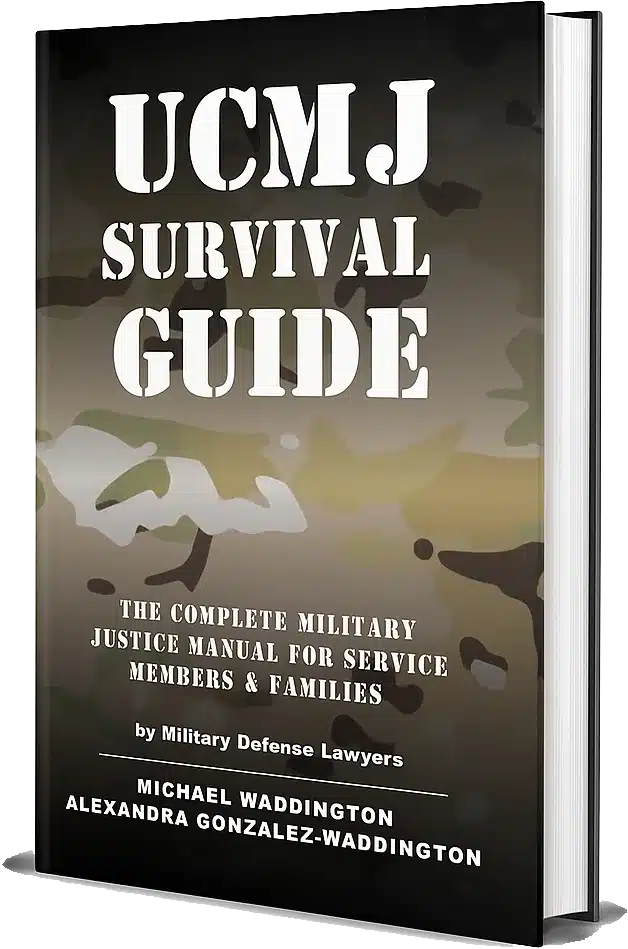
Check Out Our Newest Book
UCMJ Survival Guide

UCMJ Criminal Defense Lawyers

Worldwide Military Defense Experience
Defending Service Members Across Every Theater and Installation
Specialized Expertise in Serious Military Offenses
War Crimes, Sexual Assault, Violent Crimes, and White-Collar Defense

Media and High-Profile Case Experience
Featured on CNN, 60 Minutes, BBC, and Major News Outlets

Playlist

3:34

7:32

6:57

7:58

21:35

7:24

4:24
Frequently Asked Questions About Court-Martial Defense at Fort Bragg
What should I do if I am notified of a court-martial at Fort Bragg?
If you are notified of a court-martial, it is important to seek legal advice immediately. Understanding the charges and procedures will help you prepare for the steps ahead. Our team can guide you through the process and explain your rights in detail. Early legal representation can make a significant difference in the outcome of your case by ensuring your rights are protected from the start and that you have a strong defense plan.
Can I represent myself in a military court-martial?
While self-representation is allowed in military court-martial proceedings, it is generally not advisable. Military law is complex, and understanding all procedural and substantive rules is challenging without legal training. Having experienced legal counsel provides you with the best chance to navigate the process effectively, challenge evidence appropriately, and advocate for favorable results.
How long does the court-martial process usually take at Fort Bragg?
The length of the court-martial process at Fort Bragg varies depending on the complexity of the case and the type of court-martial. Some cases may resolve quickly, while others can take several months or longer. Factors such as investigation time, pre-trial hearings, and scheduling affect the overall timeline. Your defense attorney will keep you informed throughout the proceedings.
What types of penalties can be imposed after a court-martial?
Penalties after a court-martial can range from reprimands and reduction in rank to confinement and dishonorable discharge, depending on the severity of the offense. Understanding potential consequences is critical, and your defense team will work to minimize the impact on your military career and personal life.
How can a defense attorney help me during a court-martial?
A defense attorney assists by reviewing evidence, advising on legal rights, and developing defense strategies tailored to your case. They represent you during hearings and trials to ensure fair treatment. Their role also includes negotiating plea agreements when appropriate and advocating to reduce or dismiss charges whenever possible.
Is my civilian legal counsel able to represent me in a court-martial?
Civilian legal counsel may be able to assist with advice, but only military defense attorneys licensed to practice before military courts can represent you in a court-martial. Engaging attorneys experienced with military law ensures compliance with specific procedural requirements and effective defense representation.
What is an Article 32 hearing and why is it important?
An Article 32 hearing is a preliminary investigation to determine if sufficient evidence exists to proceed to a general court-martial. It is a critical step that can influence whether charges move forward. Your defense attorney will participate in this hearing to challenge evidence and protect your rights early in the process.
Can I appeal a court-martial conviction at Fort Bragg?
Yes, service members have the right to appeal court-martial convictions through the military appellate system. Appeals focus on legal errors or procedural issues during the trial. Your defense team can advise you on the viability of an appeal and assist with filing the necessary documents within required timelines.
What rights do I have during a court-martial proceeding?
During court-martial proceedings, you have the right to legal counsel, to remain silent, to present evidence, and to confront witnesses against you. Knowing and asserting these rights is essential to a fair trial, and your attorney will ensure these protections are upheld throughout.
How do I contact UCMJ Defense Lawyers for representation at Fort Bragg?
To contact UCMJ Defense Lawyers for representation at Fort Bragg, you can call 800-921-8607 or visit our website at https://ucmjdefense.com. We offer confidential consultations to discuss your case. Our team is ready to provide dedicated support and guide you through the court-martial defense process with professionalism and care.