



Fort Bragg Article 15 Defense Lawyers – Nonjudicial Punishment (NJP) Attorneys
If you are stationed at Fort Bragg and facing Article 15 Nonjudicial Punishment (NJP), you are standing at a moment that can permanently alter your military career. Many Soldiers wrongly believe an Article 15 is minor because it is “not a court-martial.” This belief destroys more careers at Fort Bragg than almost any other misconception. A single Article 15 can lead to loss of rank, loss of pay, separation boards, a permanent GOMOR, a bar to reenlistment, loss of jump status, destroyed NCOER/OER ratings, and eventual involuntary separation.
Commands at Fort Bragg—especially within the 82nd Airborne Division, XVIII Airborne Corps, and U.S. Army Special Operations Command—use Article 15 aggressively. They often pressure Soldiers to accept NJP even when the evidence is weak or the allegation is exaggerated. Signing an Article 15 without a coherent defense strategy is one of the most damaging mistakes a Soldier can make. You must fight for your career.
If you have been notified of an Article 15, contact Gonzalez & Waddington at 1-800-921-8607. Our civilian military defense lawyers defend Soldiers worldwide and understand the unique NJP culture and command climate at Fort Bragg. We design individualized strategies to help Soldiers fight the allegation, negotiate better outcomes, prepare written rebuttals, confront legal errors, or demand trial when appropriate.
To provide accurate context and realism, this page draws upon Fort Bragg’s operational tempo, airborne culture, alcohol-related trends, SHARP-driven command pressure, and the Fayetteville legal environment. Official installation information is available at home.army.mil/bragg and the surrounding city information at fayettevillenc.gov.
Understanding Article 15 at Fort Bragg
What Is Article 15 Nonjudicial Punishment?
Article 15 allows commanders to discipline Soldiers without referring the matter to court-martial. While technically “noncriminal,” the consequences can be extremely severe. Commanders can impose:
- Reduction in rank
- Extra duty
- Restriction
- Forfeiture of pay
- Written reprimands
However, the real danger is NOT the immediate punishment—it is what happens afterward. At Fort Bragg, Article 15s often lead to adverse NCOERs/OERs, flags, QMP review, GOMORs, separation boards, or removal from elite units.
The Three Types of Article 15
1. Company-Grade Article 15
Imposed by a Captain or Company Commander. Lower maximum punishments but still career-threatening.
2. Field-Grade Article 15
Imposed by a Battalion or Brigade Commander. This is the most common type at Fort Bragg and carries maximum punishment, including reduction of NCOs.
3. Summarized Article 15
Often given to junior Soldiers for minor infractions. Even these can harm your record and lead to separation.
The Fort Bragg Command Climate and Why NJPs Are So Dangerous Here
Zero Tolerance for Discipline Issues
Elite units demand strict discipline. Even minor misconduct is magnified. Commanders often issue Article 15s to “send a message.”
Pressure from Higher Headquarters
Fort Bragg is under constant scrutiny from Army leadership and Congress. Article 15s are used to show “decisive action.”
SHARP, Alcohol, and Safety Campaigns
Political pressure drives commanders to punish harshly even when evidence is unclear or unreliable.
Use of Article 15 as a Separation Tool
Article 15s are frequently used to justify separation boards, particularly for:
- Domestic incidents
- Alcohol-related events
- Drug use allegations
- Misconduct in the barracks
- Sexual misconduct allegations not strong enough for court-martial
Command Bias Toward Believing Accusers
Accusations involving sexual misconduct, disrespect, violence, or leadership failures often lead to immediate punishment—even before an investigation is complete.
Common Allegations Leading to Article 15 at Fort Bragg
1. Alcohol-Related Misconduct
Bar fights, disorderly conduct, drunk and disorderly, and incidents downtown or in the barracks are common. Alcohol and airborne culture frequently collide, resulting in Article 15 actions.
2. Domestic Disputes
Arguments, pushing, yelling, and mutual combat often result in domestic allegations. Even when the spouse denies wrongdoing, commands proceed with NJP.
3. Drug Use (Article 112a)
Positive urinalysis, alleged THC usage, or possession cases commonly result in Article 15, even when testing irregularities exist.
4. Sexual Misconduct Allegations
When an Article 120 case is too weak to go to court-martial, commands often punish under Article 15 instead.
5. Assault (Article 128)
Minor fights or misunderstandings may lead to Article 15 even if both parties were equally responsible.
6. Orders Violations (Article 92)
Failure to obey policies, barracks rules, fraternization, or training standards frequently trigger NJPs.
7. Inappropriate Messages or Social Media Conduct
Texts, memes, jokes, or images taken out of context may result in accusations, especially in elite units with strict standards.
Why Many Article 15 Cases Are Misinterpreted or Unsupported
The Problem of Perception-Based Evidence
Witness statements are often based on emotion, bias, or poor memory—yet commands still impose NJP based on these unreliable accounts.
CID Does Not Always Investigate Fully
In many NJP cases, CID or MPs conduct limited investigations that fail to uncover favorable evidence.
Command Prejudgment
At Fort Bragg, leadership often decides guilt before the Soldier has had a chance to present their side.
Rumors and Barracks Gossip
Commands sometimes take action based on hearsay or third-hand accounts.
Your Rights When Facing an Article 15 at Fort Bragg
Right to Turn Down the Article 15
You can demand trial by court-martial. This shifts the burden to “beyond a reasonable doubt.” Many Soldiers win by turning down Article 15s when the case is weak.
Right to Present Evidence
You may present:
- Witness statements
- Character letters
- Texts and digital messages
- Videos or photos
- Medical documents
Right to an Open Hearing
You can present your case in person before the commander.
Right to Counsel
You may consult with civilian or military counsel to prepare a defense.
How Fort Bragg Commanders Decide Article 15 Guilt
Commanders Look for a Narrative
They respond strongly to “simple stories” that appear to show misconduct. The government frames your behavior in the worst possible light.
Commanders React to Perceived Risk
If they fear embarrassment or higher headquarters scrutiny, they will issue NJP regardless of explanation.
Commanders Respond to SHARP, Alcohol, and Safety Themes
If your allegation fits one of these categories, you are already fighting uphill.
Commanders Consider Rank and Perceived Replaceability
Junior Soldiers are often punished quickly. NCOs and leaders may be punished even harder because expectations are elevated.
How to Fight Article 15 at Fort Bragg
1. Build Your Narrative Before the Government Builds Theirs
Your chain of command will present a damaging story. The defense must present a more compelling, accurate narrative supported by evidence.
2. Attack the Reliability of Witnesses
Most NJPs rely on flawed witness statements. Highlight their inconsistencies, motives, and contradictions.
3. Present Digital Evidence
Texts, timestamps, and photos frequently refute allegations or show mutual responsibility.
4. Show Lack of Intent
Article 15 requires proof you intentionally committed misconduct. Many allegations involve accidental or misunderstood behavior.
5. Use Character Evidence Strategically
Your overall service record—deployments, awards, leadership impact—must be presented in a powerful way.
6. Demonstrate Context
Training stress, operational tempo, barracks culture, and emotional context matter. The defense must explain them.
7. Challenge Command Bias
Show how assumptions or emotional reactions shaped command decisions.
Should You Turn Down an Article 15 at Fort Bragg?
When Turning Down Is Wise
Turn down NJP when:
- The evidence is weak
- Witnesses contradict each other
- You have strong exculpatory digital evidence
- Your command is biased or retaliatory
- You are likely to be separated anyway
When Accepting May Be Better
Accepting may be beneficial when:
- You committed the misconduct
- Your goal is mitigation rather than acquittal
- You want to preserve rank or avoid federal conviction
The Fort Bragg Context
At Fort Bragg, many commanders give harsher Article 15 punishments than Soldiers realize. Turning down NJP may be your only chance to win.
How Gonzalez & Waddington Defends Article 15 Cases
We Rebuild the Truth
We reconstruct the event using digital evidence, eyewitness accounts, and expert testimony.
We Prepare Written Rebuttals
A strong rebuttal can influence the commander’s decision dramatically.
We Represent You During the NJP Hearing
Your presentation and demeanor matter. We coach you for maximum impact.
We Provide Court-Martial Strategy If You Turn Down NJP
Turning down an Article 15 requires a strategic plan—one that we build with you from day one.
Common Mistakes Soldiers Make at Fort Bragg When Facing Article 15
1. Speaking to CID or Leaders Without Counsel
Anything you say becomes evidence. CID is not neutral. Commanders are not legal advisors.
2. Assuming the Truth Will Save You
Facts alone rarely win NJPs. Presentation, narrative, and strategy determine outcomes.
3. Ignoring Digital Evidence
Digital messages, time stamps, and media are often the key to victory.
4. Accepting NJP Too Quickly
Commanders push NJPs aggressively. Accepting without review is a mistake.
5. Failing to Prepare
Preparation determines whether your commander sees you as valuable or expendable.
Special Considerations for 82nd Airborne and XVIII Airborne Corps Soldiers
82nd Airborne Division
This division has a strict discipline culture. NJPs are issued rapidly for alcohol, barracks misconduct, training issues, and relationship-related incidents.
XVIII Airborne Corps
Senior NCOs and officers face harsh scrutiny. NJPs frequently accompany investigations or adverse evaluations.
USASOC
Special operations units treat discipline violations with zero tolerance. Even minor allegations can lead to NJP and removal from special duty.
Pro Tips for Soldiers Facing Article 15 at Fort Bragg
Tip 1: Stay Silent Until You Have Counsel
Silence protects you. Explanations hurt you.
Tip 2: Save All Messages
Digital evidence often proves your innocence.
Tip 3: Do Not Post Online About Your Case
Social media posts become evidence used against you.
Tip 4: Build a Timeline
Timelines help destroy false allegations.
Tip 5: Hire Civilian Counsel Early
TDS is overloaded. Civilian counsel gives you the advantage you need.
Connection to the Fort Bragg UCMJ Defense Hub
This Article 15 guide is part of the Fort Bragg Military Justice Hub, which includes in-depth resources on sexual assault, domestic violence, child pornography, assault, Article 120b, Article 120c, separation boards, BOIs, and command investigations.
Bottom Call to Action
If you are stationed at Fort Bragg and face Article 15 Nonjudicial Punishment, contact Gonzalez & Waddington at 1-800-921-8607 immediately. Your career, rank, and future depend on making the right decisions now.
Comprehensive Court-Martial Defense at Fort Bragg
Facing a court-martial at Fort Bragg, located in North Carolina near Fayetteville, requires knowledgeable legal representation familiar with military law. Our team at UCMJ Defense understands the unique challenges service members face in this region and is dedicated to providing thorough defense strategies tailored to your situation. We stand ready to assist you through every step of the military justice process.
Court-martial proceedings can significantly impact your military career and personal life. At Fort Bragg, it is essential to have an attorney who comprehends the military legal system and the specific procedures at this base. Our attorneys focus on protecting your rights and working diligently to achieve the best possible outcome for your case.
Why Effective Court-Martial Defense Matters at Fort Bragg
A strong defense in court-martial cases is vital to safeguard your future in the military and beyond. Our attorneys provide strategic advice and representation that helps navigate complex military regulations and evidentiary rules. By choosing skilled defense counsel, you can ensure your case is thoroughly evaluated, potential penalties minimized, and your rights vigorously defended throughout the process.
About UCMJ Defense: Dedicated Military Defense Counsel
UCMJ Defense is a military defense law firm committed to serving active duty members, especially those stationed at Fort Bragg in North Carolina. Our legal team has extensive experience in court-martial defense, providing knowledgeable representation tailored to the military justice system. We focus on client-centered service, ensuring you receive clear guidance and strong advocacy during this challenging time.
Understanding Court-Martial Defense at Fort Bragg
Court-martial defense involves protecting the rights of service members charged with violations of the Uniform Code of Military Justice (UCMJ). At Fort Bragg, this process includes navigating military legal procedures, hearings, and potential trials. Our attorneys assist in preparing your defense, evaluating evidence, and advising on the best course of action to address your charges effectively.
Choosing the right legal representation is critical to ensure your case is handled properly. Our firm understands the military culture and legal environment specific to Fort Bragg, enabling us to provide tailored defense strategies that consider the nuances of military discipline and procedure.
What is a Court-Martial and How Does It Work?
A court-martial is a military trial designed to address alleged violations of military law. It functions similarly to civilian criminal courts but follows the Uniform Code of Military Justice and military-specific rules. Court-martials can result in serious consequences, including confinement, reduction in rank, or discharge from service. Understanding how this process works at Fort Bragg is essential for preparing an effective defense.
Key Components of the Court-Martial Process at Fort Bragg
The court-martial process includes several important stages such as investigation, preferral of charges, pretrial hearings, and the trial itself. Service members at Fort Bragg may face different types of courts-martial depending on the severity of the charges. Our attorneys help guide clients through each phase, ensuring procedural rights are protected and defenses are thoroughly developed.
Essential Terms in Military Court-Martial Defense
Understanding military legal terms is crucial for navigating court-martial proceedings. Below are key terms frequently encountered during defense cases at Fort Bragg, explained to help you better comprehend your situation and the legal process.
Uniform Code of Military Justice (UCMJ)
The UCMJ is the federal law that governs military justice. It outlines offenses, procedures, and penalties specific to service members. Familiarity with the UCMJ is vital for both the defense and prosecution in court-martial cases at Fort Bragg.
Summary Court-Martial
A summary court-martial is the least formal type of court-martial, typically used for minor offenses. It involves a single officer acting as judge and jury, with limited sentencing authority.
Article 32 Hearing
An Article 32 hearing is a preliminary hearing to determine if there is sufficient evidence to proceed with a court-martial. This hearing provides an opportunity to challenge evidence and assess the strength of the case against the accused.
General Court-Martial
A general court-martial is the most serious type of military trial, handling major offenses with the possibility of severe penalties. It involves a panel of officers or a military judge and can impose sentences including confinement and dishonorable discharge.
Comparing Legal Defense Options at Fort Bragg
When facing court-martial charges at Fort Bragg, service members have various defense options ranging from limited consultation to full representation. Understanding these options helps in selecting the approach best suited to your case and circumstances. Our firm provides comprehensive defense tailored to your needs.
When Limited Legal Assistance May Be Appropriate:
Minor Charges with Minimal Consequences
For less serious allegations, such as minor disciplinary infractions, limited legal guidance may be enough to navigate the process effectively. These cases often involve simpler procedures and less severe penalties, where advice on rights and options can suffice.
Early Resolution Without Court-Martial
In some situations, charges can be resolved through administrative actions or non-judicial punishment without going to court-martial. Limited legal assistance can help evaluate these alternatives and negotiate favorable outcomes.
The Importance of Full Court-Martial Defense Representation:
Complex Cases Requiring Detailed Defense
Serious charges that may result in significant penalties require thorough investigation and legal strategy. Comprehensive defense ensures all aspects of the case are explored and challenged as appropriate.
Protecting Long-Term Military and Civilian Futures
The outcomes of court-martial cases can affect a service member’s career and personal life beyond the military. Full legal representation provides the best chance to mitigate consequences and protect future opportunities.
Advantages of Choosing Comprehensive Defense at Fort Bragg
A complete legal defense approach allows for a detailed review of evidence and strategic preparation, increasing the likelihood of favorable results. It ensures your rights are fully protected throughout the military justice process at Fort Bragg.
Comprehensive defense also provides peace of mind during a challenging time, with dedicated support and expert legal knowledge tailored to the unique aspects of military law and procedures.
Thorough Case Analysis and Investigation
Our attorneys meticulously examine every detail of your case, from evidence gathering to witness interviews, to build a strong defense. This thorough approach helps uncover weaknesses in the prosecution’s case and identify opportunities to challenge charges effectively.
Strong Advocacy Through All Legal Proceedings
We provide consistent and assertive representation at every stage, including pretrial hearings, negotiations, and trial. This dedication ensures your interests are prioritized and your defense is presented clearly and persuasively to military authorities.
As Featured On:

NEED MILITARY LAW HELP?
Fill out this form or call 1-800-921-8607 to request a consultation.


Top Searched Keywords
- court-martial defense Fort Bragg
- military defense attorney North Carolina
- UCMJ defense Fort Bragg NC
- Fort Bragg military lawyer
- court-martial legal representation Fayetteville
- military justice defense attorneys
- defense counsel Fort Bragg military cases
- military criminal defense North Carolina
- court-martial legal help Fort Bragg
Tips for Navigating Court-Martial Defense at Fort Bragg
Act Quickly to Secure Legal Representation
Timely legal counsel is critical after receiving notice of charges or investigation. Early involvement allows your attorney to gather evidence, advise on rights, and begin building a defense strategy that aligns with your goals and circumstances.
Be Honest and Open With Your Defense Team
Understand the Military Justice Process
Familiarizing yourself with the stages and procedures of court-martial proceedings reduces uncertainty and empowers you to participate actively in your defense. Your legal team can guide you through this process, explaining what to expect at each step.
Why Choose UCMJ Defense for Fort Bragg Court-Martial Cases
UCMJ Defense provides dedicated legal services focused solely on military court-martial defense, with a deep understanding of the Fort Bragg military community and its unique challenges. Our commitment is to defend your rights and navigate complex military laws to pursue the best possible outcomes.
Our attorneys are available to discuss your case confidentially and provide clear guidance tailored to your situation. We prioritize client communication and work diligently to protect your future within the military and beyond.
Typical Situations Where Court-Martial Defense is Needed
Service members at Fort Bragg may face court-martial defense needs due to a range of allegations, including drug offenses, assault, insubordination, or other violations of the Uniform Code of Military Justice. Each case demands personalized legal attention to address the specific facts and charges involved.
Drug-Related Offenses
Charges involving controlled substances occur frequently and carry serious consequences under military law. Defense strategies focus on challenging evidence and protecting your rights during all stages of the proceedings.
Assault and Related Charges
Allegations of assault require detailed investigation and legal analysis. Defense counsel works to ensure all facts are thoroughly examined and that your side of the story is effectively communicated.
Violations of Military Orders or Regulations
Discipline-related charges, such as insubordination or unauthorized absence, can lead to court-martial. Legal representation helps navigate military procedures and advocate for fair treatment.
Meet Your Defense Team


Michael S. Waddington
Criminal Defense Lawyer

PARTNER
Alexandra González-Waddington
Criminal Defense Lawyer
PARTNER
Battle-Tested Results
Recent Case Results
Gang-Rape Allegation Collapses Against Navy Officer
U.S. v. Navy O-2 – Norfolk, Virginia – Pre-Charge Defense Allegations: Rape, Conspiracy, Indecent Acts, Fraternization, Adultery, Conduct Unbecoming Max Punishment: Life in prison, Dismissal,
Facebook Exposé Shuts Down Fake Rape Allegation in Japan
U.S. v. Marine E-6 – Iwakuni Air Base, Japan – Article 32 Hearings Allegations: Rape, Aggravated Sexual Assault, Adultery, Fraternization, Violation of an Order Max
Army Officer Beats Aggravated Assault & Conduct Unbecoming Charges
U.S. v. Army O-1 – Fort Bragg, NC / Tried at Fort McNair, Washington D.C. – General Court-Martial Allegations: Aggravated Assault with Means Likely to
Navy Sailor’s Sex Assault Case Tossed After UCI Bombshell
U.S. v. Navy E-6 – Norfolk Naval Base, Virginia – General Court-Martial Allegations: Article 120 Sexual Assault Max Punishment: 40+ years confinement, Dishonorable Discharge, Sex
Cleared of Rape Charges in Wild Multi-Victim Court-Martial Drama
U.S. v. Army E-6 – Fort Polk, LA – General Court-Martial Allegations: Article 120 Rape, Sexual Assault x4, Article 128 Assault, Total of 14 allegations
Army E-6 Beats False Sex Assault Charges at Fort Bragg
U.S. v. Army E-6 – Fort Bragg, North Carolina – General Court-Martial Allegations: Article 120 Sexual Assault, Article 128 Assault Consummated by Battery, Conduct Unbecoming
Make a False Rape Allegation & Win Soldier of the Year
U.S. v. Army CW2 – Fort Gordon, GA
Allegations: RAPE, Fraternization, Adultery
Max Punishment: LIFE, Dismissal, Sex Offender Registration
Result: ALL CHARGES DISMISSED
Discharge: RETIRED WITH AN HONORABLE
Location/Branch/Rank: Fort Gordon – Augusta, GA/Army/CW2
Cheating Marine Officer Calls Rape
U.S. v. Marine O-3 – Marine Forces Reserve, Naval Support Activity, New Orleans, LA Allegations: Article 120 Rape/Sexual Assault Max Punishment: Life in prison, Dismissal, Sex offender registration

Take Command of Your Defense
Why Fort Bragg Service Members Rely on UCMJ Defense Attorneys
Call Us Today
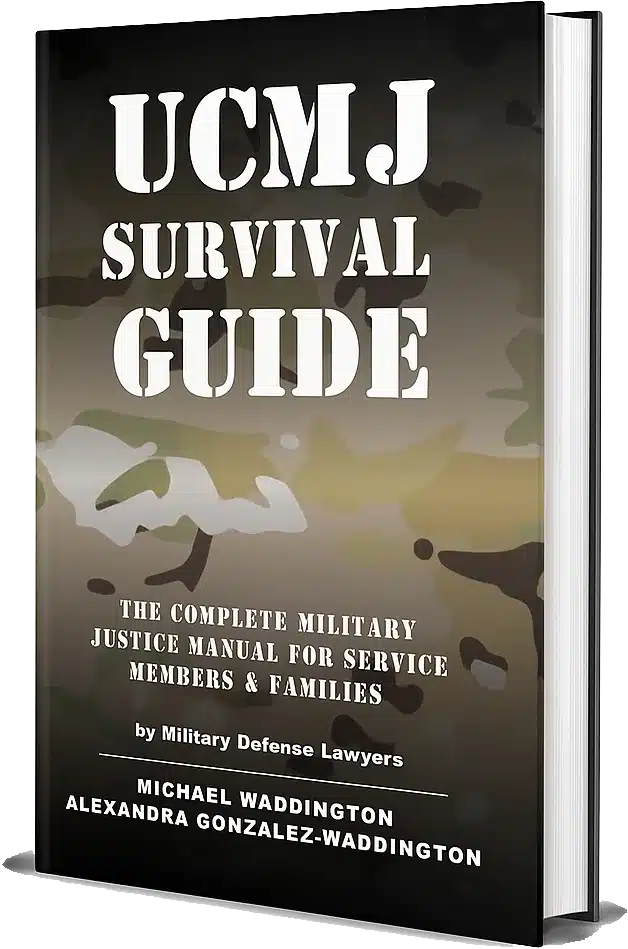
Check Out Our Newest Book
UCMJ Survival Guide

UCMJ Criminal Defense Lawyers

Worldwide Military Defense Experience
Defending Service Members Across Every Theater and Installation

Specialized Expertise in Serious Military Offenses
War Crimes, Sexual Assault, Violent Crimes, and White-Collar Defense

Media and High-Profile Case Experience
Featured on CNN, 60 Minutes, BBC, and Major News Outlets

Playlist

3:34

7:32

6:57

7:58

21:35

7:24

4:24
Frequently Asked Questions About Court-Martial Defense at Fort Bragg
What should I do if I am notified of a potential court-martial at Fort Bragg?
If you are informed of a potential court-martial, it is crucial to seek legal counsel promptly to understand your rights and options. Early legal advice helps protect you during investigations and pretrial procedures. At Fort Bragg, contacting a military defense attorney can ensure your interests are represented from the outset. Avoid discussing the case with others without your attorney present and refrain from making statements that could be used against you. Your defense team will guide you on how to proceed safely and effectively.
How long does the court-martial process usually take at Fort Bragg?
The duration of a court-martial can vary widely depending on the complexity of the case and the type of court-martial involved. Some cases may resolve within weeks, while others can take several months or longer. Factors such as investigations, hearings, and trial preparation all influence timing. Our attorneys work to streamline your defense while ensuring thoroughness, keeping you informed about timelines and what to expect throughout the process at Fort Bragg.
Can I represent myself during a court-martial at Fort Bragg?
While service members have the right to self-representation, it is generally not advisable due to the complexity of military law and court-martial procedures. A well-prepared defense attorney can navigate the system effectively and advocate on your behalf. At Fort Bragg, having legal counsel improves the chances of a favorable outcome by ensuring proper handling of evidence, motions, and trial strategy.
What types of punishments can result from a court-martial at Fort Bragg?
Punishments vary depending on the offense and type of court-martial, ranging from reprimands and reduction in rank to confinement and dishonorable discharge. The severity of penalties underscores the importance of strong defense representation. Our attorneys work to minimize penalties and explore all possible defenses to protect your military career and future opportunities.
How do I contact UCMJ Defense for legal assistance at Fort Bragg?
You can reach UCMJ Defense by calling 800-921-8607 to schedule a confidential consultation. Our team is ready to discuss your situation and explain how we can assist with court-martial defense at Fort Bragg. We prioritize prompt responses and client-focused service to help you navigate the military justice system with confidence.
Are court-martial records public at Fort Bragg?
Court-martial records are generally not public in the same way as civilian court records. Access is typically restricted to military personnel and authorized individuals. Privacy considerations are a key aspect of military justice. Our attorneys can advise you on how records are handled and what to expect regarding confidentiality in your case at Fort Bragg.
What is non-judicial punishment and how does it differ from a court-martial?
Non-judicial punishment (NJP) is a disciplinary action that does not involve a formal court-martial trial. It is often used for minor infractions and can include penalties such as extra duties or reduction in rank without a trial. Unlike court-martial, NJP is quicker and less formal but can still have serious consequences. Legal advice is important to understand your rights and options regarding NJP at Fort Bragg.
Can I appeal a court-martial conviction at Fort Bragg?
Yes, service members have the right to appeal court-martial convictions through the military appeals process. Appeals can address legal errors or issues in the trial proceedings. Our firm provides guidance on the appeals process and assists in preparing effective appeals to protect your rights and interests after a conviction at Fort Bragg.
What should I expect during an Article 32 hearing?
An Article 32 hearing serves as a preliminary investigation to determine if enough evidence exists to proceed to a court-martial. It allows the accused to hear charges, present evidence, and cross-examine witnesses. Our attorneys prepare clients thoroughly for these hearings at Fort Bragg, ensuring your rights are protected and all relevant information is presented effectively.
How does UCMJ Defense handle cases differently at Fort Bragg compared to other locations?
Our approach at Fort Bragg incorporates a deep understanding of local military regulations, command structures, and community dynamics unique to this North Carolina base. This knowledge enables us to tailor defense strategies effectively. While our firm provides services nationwide, our familiarity with Fort Bragg’s environment allows us to anticipate challenges and opportunities specific to this location, benefiting our clients significantly.