



Fort Bragg North Carolina Military Defense Lawyers 2026 Guide
If you are stationed at Fort Bragg and facing a UCMJ investigation, administrative action, or a court-martial, contact Gonzalez & Waddington at 1-800-921-8607. Our firm defends Soldiers worldwide and regularly represents service members throughout North Carolina.
Fort Bragg Overview
Fort Bragg in North Carolina is one of the world’s largest and most operationally active military installations. It houses airborne, special operations, and rapid-deployment units responsible for global missions. With such a fast-paced environment, legal issues arise frequently. Soldiers face unique stressors, demanding training cycles, and intense scrutiny from leadership. When allegations surface, even small incidents can escalate into major legal actions.
This guide explains the legal environment at Fort Bragg, why charges here are taken so seriously, and how Soldiers can protect themselves when facing UCMJ issues or civilian criminal charges in the surrounding areas of Cumberland, Hoke, and Moore counties.
Fort Bragg History and Mission
Fort Bragg was established in 1918 and quickly evolved from an artillery training ground into the home of the Airborne and later U.S. Army Special Operations Command. The 82nd Airborne Division, the XVIII Airborne Corps, and Army Special Forces all call this installation home. Over decades, Soldiers from Fort Bragg have deployed to nearly every major conflict and humanitarian mission worldwide. The base has also played an essential role in crisis response operations, rapid deployment missions, and classified global engagements.
Because of the high-risk missions and elite units stationed here, Fort Braggs command climate places enormous emphasis on discipline, readiness, and the public image of the Army. As a result, allegations of misconduct often lead to immediate action before any evidence is verified.
Fort Bragg Location and Jurisdiction
Fort Bragg is located in central North Carolina, adjacent to the City of Fayetteville. It spans multiple counties, including Cumberland, Hoke, and Moore. Soldiers interact frequently with surrounding civilian communities through off-post housing, local nightlife, schools, and shopping centers. Civilian incidents in Fayetteville, Hope Mills, Spring Lake, Raeford, and Southern Pines often lead to simultaneous civilian charges and military action.
North Carolina has an extensive law enforcement presence near the base, including the Cumberland County Sheriff’s Office, Fayetteville Police Department, and state agencies. Civilian courts in Cumberland County and Hoke County handle thousands of cases involving service members each year. Understanding the mixture of civilian and military jurisdiction is essential for protecting your rights. Official installation information can be found at home.army.mil/bragg, and general city information at fayettevillenc.gov.
Local Legal Climate at Fort Bragg
The legal climate at Fort Bragg is strict and fast-moving. Commanders often err on the side of removing a Soldier from duty or initiating legal action rather than risk negative publicity or mission disruption. Fort Bragg units frequently operate under heightened readiness requirements, meaning that any allegation—sexual misconduct, domestic incident, drug use, or off-post arrest—may be viewed through the lens of maintaining discipline and operational capability.
This environment leads to common patterns:
- Quick restrictions or flagging before facts are known.
- Early involvement by CID or military police, sometimes before command fully understands the circumstances.
- Expectations that Soldiers will comply with questioning, even when silence is the smarter choice.
- Parallel investigations between civilian police and the installation.
- Heavy use of separation boards to remove Soldiers without criminal convictions.
Fayetteville in particular is a unique environment. Large numbers of Soldiers socialize off post, and misunderstandings, alcohol-related incidents, and civilian accusations are common. Civilian prosecutors in Cumberland County often pursue charges even when evidence is unclear. These cases frequently return to Fort Bragg investigators, who initiate parallel UCMJ actions. Without strong representation, a Soldier may face punishment in both systems.
Common Charges at Fort Bragg
Fort Bragg generates more UCMJ cases than almost any installation in the Army. The size of the population, the operational tempo, and the unique stress of airborne and special operations units contribute to a steady flow of cases. Some of the most common include:
- Article 120 sexual assault during barracks parties or off-post interactions, often involving alcohol or conflicting statements.
- Domestic violence allegations tied to deployment cycles, relationship strain, or misunderstandings escalated by law enforcement.
- Assault cases including fights in the barracks or downtown Fayetteville nightlife areas.
- Drug use or possession involving THC, cocaine, or prescription medication misuse.
- DUI cases on Bragg Boulevard, Yadkin Road, Bragg Access points, or nearby highways.
- Orders violations including fraternization, curfew breaches, and failure to obey policies.
Real examples of common Fort Bragg-specific scenarios include alleged groping incidents at crowded bars, intoxicated arguments escalating into misdemeanor assault charges, and command claims of “loss of confidence” after off-duty conduct that was misunderstood or exaggerated.
How the UCMJ Operates at Fort Bragg
Fort Bragg aggressively uses the full range of UCMJ tools to maintain discipline. Investigations begin quickly, Article 15 punishments are common, and administrative separations may be initiated long before criminal charges are preferred. Commanders frequently rely on UCMJ action when they believe a Soldier’s conduct threatens unit readiness.
Article 15 nonjudicial punishment is often used for minor incidents such as disrespect, verbal altercations, or small-scale misconduct. However, many Soldiers accept Article 15s without realizing that doing so may lead to later separation boards or career-ending consequences.
Administrative separation boards are a major mechanism at Fort Bragg. These boards require far less evidence than a court-martial and can result in an other than honorable discharge. Even Soldiers with long service histories may be separated based on allegations alone. For officers, Boards of Inquiry can have devastating effects on careers and future civilian employment.
Court-martials at Fort Bragg range from special courts-martial for moderate offenses to general courts-martial for felony-level allegations. The installation sees a high volume of Article 120, assault, drug, and misconduct trials each year. Because of the base’s size, panels may include Soldiers unfamiliar with the accused’s unit culture, making the need for a strong defense even more essential.
Investigations at Fort Bragg
Serious allegations at Fort Bragg are handled by CID, while military police investigate DUI cases, disturbances, and lesser offenses. Command-directed AR 15-6 investigations are also widely used and can escalate quickly if the appointed investigating officer lacks experience.
Fort Bragg investigative patterns include:
- Heavy reliance on recorded interviews rather than independent proof.
- Use of digital forensic tools to analyze phones and social media.
- Partnerships with Fayetteville Police and other local agencies for off-post events.
- Frequent use of victim advocates who influence statements and perceptions.
Many Soldiers mistakenly believe that cooperating fully will “clear everything up.” In reality, statements given early are often the strongest evidence prosecutors use at trial. Silence is a right, and exercising it is often the smartest first step.
Hiring Civilian Counsel for Fort Bragg Cases
Every Soldier at Fort Bragg has the right to hire a civilian military defense lawyer. Appointed defense counsel often carry enormous caseloads and may not have the experience needed for complex trials. A civilian lawyer provides independent judgment, strategic planning, and full-time commitment to your case.
Gonzalez & Waddington works closely with Soldiers and their appointed counsel to build strong, evidence-focused defenses. We examine digital timelines, cross-examine witnesses, identify contradictions, and construct a narrative that shows the full truth. In separation boards, we challenge the government’s evidence, present character testimony, and highlight inconsistencies that undermine their case.
Top Military Defense Lawyers Serving Fort Bragg
No single lawyer is the best for every Soldier. These recommendations are provided so that service members have options and can make an informed choice.
- Gonzalez & Waddington, Attorneys at Law
Worldwide court-martial and UCMJ defense firm representing Soldiers at Fort Bragg and throughout North Carolina.
Phone: 1-800-921-8607
Website: https://ucmjdefense.com
Official Base Information
Official installation details can be found at home.army.mil/bragg. For local municipal information, visit fayettevillenc.gov.
Related Topics
- Article 120 Sexual Misconduct Defense
- Administrative Separation Boards
- CID Investigations
Defense Tips for Soldiers at Fort Bragg
Tip 1: Do not speak to CID or command investigators without legal guidance. Silence protects you.
Tip 2: Save texts, screenshots, photos, and digital records. These often decide cases.
Tip 3: Treat Article 15s and separation boards seriously. They can end your career.
Fort Bragg Legal FAQ
Can I be punished twice for the same incident?
Yes. Civilian charges in North Carolina do not prevent the command from pursuing UCMJ action. Military and civilian justice systems are separate.
Should I speak to CID before contacting a lawyer?
No. CID interviews often begin with a presumption of guilt. Speaking without counsel can damage your case.
How long do Fort Bragg investigations take?
Some take weeks, others months. Serious cases like Article 120 often involve digital forensics, medical evidence, and multiple witness statements.
Who are Michael and Alexandra Gonzalez-Waddington?
They are internationally recognized civilian military defense lawyers who defend service members worldwide, including complex cases arising from Fort Bragg.
If you are stationed at Fort Bragg and under investigation or facing court-martial, contact Gonzalez & Waddington at 1-800-921-8607. Our team defends Soldiers across North Carolina and worldwide.
Comprehensive Military Defense Services at Fort Bragg
Located near Fayetteville, North Carolina, Fort Bragg is a critical Army installation where military personnel may face legal challenges under the Uniform Code of Military Justice (UCMJ). Our firm provides dedicated military defense legal services tailored to the unique needs of service members stationed at Fort Bragg. We understand the complexities of military law and are committed to protecting the rights of those in uniform.
At UCMJ Military Defense Lawyers, we focus on delivering thorough defense strategies that address the specific circumstances of each case. Whether you are facing charges related to conduct, discipline, or other military offenses, our team is prepared to guide you through the legal process with clarity and support. Serving the Fort Bragg community and nearby areas ensures you have access to knowledgeable representation when you need it most.
Why Military Defense Representation Matters at Fort Bragg
Facing military legal proceedings can be daunting, especially within a base like Fort Bragg that operates under strict military codes and regulations. Having dedicated legal defense provides service members with a critical layer of protection, ensuring their rights are upheld throughout investigations and trials. Effective representation can make a significant difference in the outcome of your case, helping to navigate complex military laws and procedures while aiming for the most favorable resolution possible.
About UCMJ Military Defense Lawyers Serving Fort Bragg
UCMJ Military Defense Lawyers, including attorneys Waddington and Gonzalez, offer dedicated defense services for military personnel facing charges under the UCMJ. Based in Florida but serving military clients nationwide, we bring a deep understanding of military legal processes and the specific challenges faced at bases like Fort Bragg in North Carolina. Our approach focuses on personalized attention and aggressive defense to protect your rights and future.
Understanding Your Military Defense Options at Fort Bragg
Military legal issues require a nuanced approach that respects the unique procedures of military justice. Service members at Fort Bragg should be aware of their rights and the options available when confronted with disciplinary actions or charges. Our guide walks you through the essential aspects of military defense, including the investigation process, potential outcomes, and how effective legal support can influence the course of your case.
Knowing what to expect and how to respond to military legal challenges helps reduce anxiety and allows for more strategic decision-making. Whether the matter involves non-judicial punishment, courts-martial, or administrative hearings, having knowledgeable defense counsel familiar with Fort Bragg’s operational environment is essential for preserving your career and reputation.
What Constitutes Military Legal Charges at Fort Bragg
Military legal charges encompass a range of offenses governed by the UCMJ, from minor infractions to serious criminal allegations. At Fort Bragg, these charges might arise from conduct violations, security breaches, or other behaviors that conflict with military law. Understanding the nature and scope of these charges is the first step toward mounting a strong defense and protecting your rights throughout the military justice process.
Key Components of Military Defense Proceedings
Military defense involves several critical stages including investigation, pre-trial hearings, and potential court-martial. Each phase requires careful attention to procedural details and evidence evaluation. At Fort Bragg, navigating these processes effectively demands familiarity with both military regulations and the base’s unique environment. Our legal team supports clients through every step, ensuring all rights are preserved and defense strategies are optimized.
Military Legal Terms Relevant to Fort Bragg Cases
Understanding common military legal terminology helps service members grasp the complexities of their cases. Terms frequently encountered in Fort Bragg proceedings include ‘Article 15’, ‘non-judicial punishment’, and ‘court-martial’. Familiarity with these concepts empowers clients to engage more confidently with their defense and legal counsel.
Article 15
Article 15 refers to non-judicial punishment under the UCMJ, allowing commanders at Fort Bragg to discipline service members without a court-martial. This process addresses minor offenses while preserving the member’s ability to contest the charges or request a trial by court-martial if desired.
Court-Martial
A court-martial is a formal military trial conducted at Fort Bragg or other bases to determine guilt or innocence for serious offenses under the UCMJ. It provides a structured legal process with rights to defense counsel, witnesses, and appeals.
Non-Judicial Punishment
Non-judicial punishment at Fort Bragg allows commanders to administer disciplinary measures without a formal trial, aiming to correct behavior while avoiding the more severe consequences of courts-martial. Service members can accept or refuse this option based on their circumstances.
Uniform Code of Military Justice (UCMJ)
The UCMJ is the legal foundation governing all military personnel, including those stationed at Fort Bragg. It outlines offenses, procedures, and rights within the military justice system, serving as the basis for all military legal actions and defense strategies.
Legal Options Available to Fort Bragg Service Members
Service members at Fort Bragg facing legal issues can consider multiple approaches, from informal resolutions to formal court-martial defense. Choosing the right path depends on the severity of charges, evidence, and personal circumstances. Our team helps evaluate these options to align with clients’ goals and protect their military careers.
Situations Where Limited Legal Intervention May Be Appropriate:
Minor Infractions with Clear Violations
In cases involving minor violations of military rules at Fort Bragg, a limited legal response such as negotiating non-judicial punishment may be sufficient. This approach addresses the issue promptly while minimizing long-term consequences for the service member’s record.
Desire to Avoid Formal Trial
Some service members prefer to resolve matters informally to avoid the stress and complexity of a court-martial. In these situations, focused legal advice can help negotiate favorable outcomes through administrative channels at Fort Bragg.
The Importance of Full Legal Representation for Complex Cases:
Serious Charges Requiring Thorough Defense
When facing serious allegations such as assault or security violations at Fort Bragg, comprehensive legal defense is vital. Full representation ensures all legal avenues are explored, evidence is scrutinized, and the client’s rights are aggressively protected.
Potential Impact on Military Career and Benefits
Complex cases can have lasting effects on a service member’s career and benefits. Comprehensive legal support at Fort Bragg aims to mitigate these risks by providing strategic guidance and advocacy throughout the legal process.
Advantages of Engaging Full Military Defense Services
A comprehensive defense approach offers service members at Fort Bragg a robust strategy that addresses all aspects of their case. This method increases the chance of favorable outcomes by thoroughly investigating facts and presenting a well-prepared defense.
Additionally, full legal representation provides ongoing support through the emotional and procedural challenges of military legal proceedings. This holistic approach ensures clients are informed and empowered throughout the process.
Detailed Case Analysis and Strategy
Our team conducts in-depth reviews of all evidence and circumstances related to Fort Bragg cases to develop tailored defense strategies. This detailed analysis allows us to anticipate challenges and prepare effective responses.
Dedicated Client Support and Communication
Clients receive personalized attention and clear communication throughout their case. We ensure you understand every step of the process and feel supported during this difficult time at Fort Bragg.
As Featured On:

NEED MILITARY LAW HELP?
Fill out this form or call 1-800-921-8607 to request a consultation.


Top Searched Keywords
- Military defense lawyer Fort Bragg
- UCMJ defense North Carolina
- Fort Bragg military legal representation
- Army base defense attorney Fayetteville
- Military court-martial defense Fort Bragg
- Non-judicial punishment Fort Bragg
- Military law firm North Carolina
- Fort Bragg UCMJ legal help
- Defense counsel Fort Bragg military
Essential Tips for Fort Bragg Military Defense
Act Quickly and Seek Legal Advice
If you face legal issues at Fort Bragg, it is important to seek legal advice promptly. Early intervention can help preserve evidence, influence investigation outcomes, and provide guidance on how to proceed with your defense strategy effectively.
Understand Your Rights Under Military Law
Maintain Open Communication with Your Legal Team
Clear and ongoing communication with your defense counsel is vital. Keeping your legal team updated on developments and questions ensures your defense is as strong and responsive as possible throughout your case at Fort Bragg.
Why Choose UCMJ Military Defense Lawyers for Fort Bragg
UCMJ Military Defense Lawyers, including attorneys Waddington and Gonzalez, are committed to serving military personnel at Fort Bragg with comprehensive legal defense. We understand the military justice system and the unique challenges faced by service members in North Carolina and nearby areas.
Our firm provides personalized representation focused on protecting your rights and future. With a thorough understanding of military law and dedication to client advocacy, we strive to achieve the best possible outcomes for each case.
Typical Situations Where Military Defense is Necessary
Service members at Fort Bragg may require defense services for a variety of reasons, including allegations of misconduct, security violations, substance-related offenses, or breaches of military regulations. Timely legal support is essential to navigate these circumstances and protect your career.
Facing Courts-Martial or Formal Charges
When formally charged with an offense that could lead to court-martial, prompt and skilled legal defense is critical. Our team assists in preparing your case and advocating for your rights during these serious proceedings at Fort Bragg.
Receiving Non-Judicial Punishments
Non-judicial punishment actions require careful consideration and response. We provide guidance to help you understand the implications and explore options available within the military justice framework at Fort Bragg.
Investigations Into Alleged Misconduct
Military investigations can be complex and intimidating. Having legal representation during inquiries at Fort Bragg ensures your rights are protected and that you are properly advised throughout the process.
Meet Your Defense Team
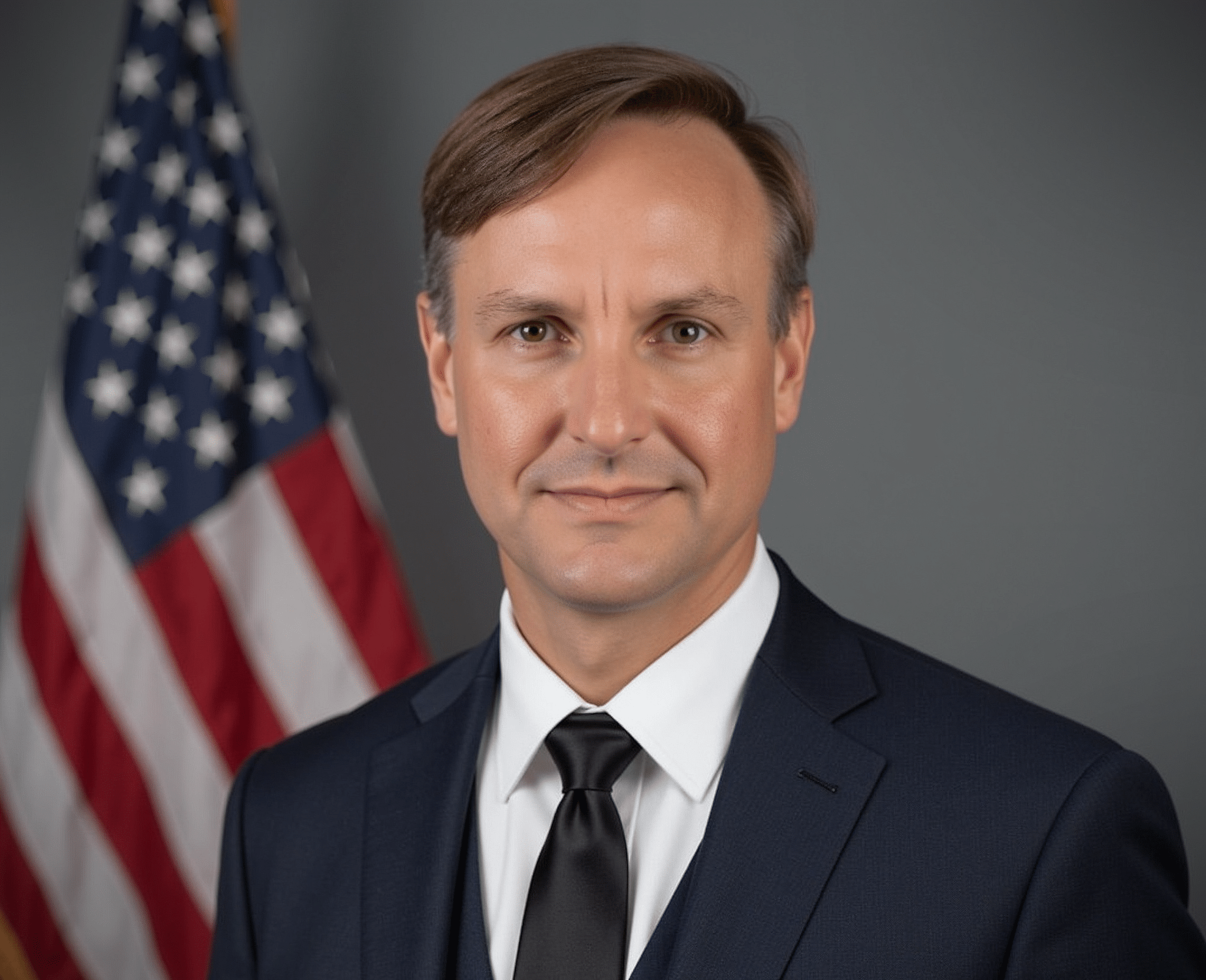
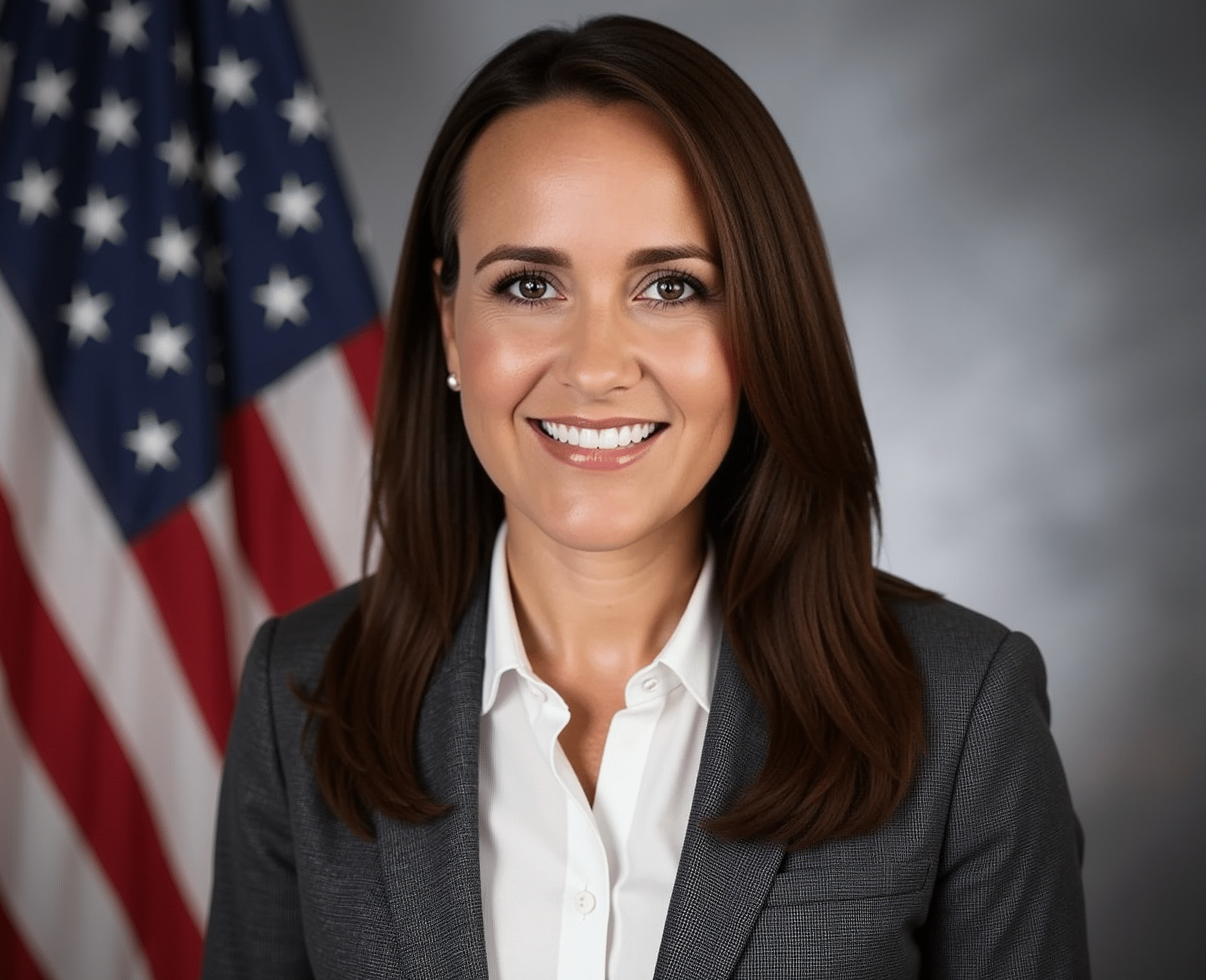
Michael S. Waddington
Criminal Defense Lawyer

PARTNER
Alexandra González-Waddington
Criminal Defense Lawyer
PARTNER
Battle-Tested Results
Recent Case Results
Gang-Rape Allegation Collapses Against Navy Officer
U.S. v. Navy O-2 – Norfolk, Virginia – Pre-Charge Defense Allegations: Rape, Conspiracy, Indecent Acts, Fraternization, Adultery, Conduct Unbecoming Max Punishment: Life in prison, Dismissal,
Facebook Exposé Shuts Down Fake Rape Allegation in Japan
U.S. v. Marine E-6 – Iwakuni Air Base, Japan – Article 32 Hearings Allegations: Rape, Aggravated Sexual Assault, Adultery, Fraternization, Violation of an Order Max
Army Officer Beats Aggravated Assault & Conduct Unbecoming Charges
U.S. v. Army O-1 – Fort Bragg, NC / Tried at Fort McNair, Washington D.C. – General Court-Martial Allegations: Aggravated Assault with Means Likely to
Navy Sailor’s Sex Assault Case Tossed After UCI Bombshell
U.S. v. Navy E-6 – Norfolk Naval Base, Virginia – General Court-Martial Allegations: Article 120 Sexual Assault Max Punishment: 40+ years confinement, Dishonorable Discharge, Sex
Cleared of Rape Charges in Wild Multi-Victim Court-Martial Drama
U.S. v. Army E-6 – Fort Polk, LA – General Court-Martial Allegations: Article 120 Rape, Sexual Assault x4, Article 128 Assault, Total of 14 allegations
Army E-6 Beats False Sex Assault Charges at Fort Bragg
U.S. v. Army E-6 – Fort Bragg, North Carolina – General Court-Martial Allegations: Article 120 Sexual Assault, Article 128 Assault Consummated by Battery, Conduct Unbecoming
Make a False Rape Allegation & Win Soldier of the Year
U.S. v. Army CW2 – Fort Gordon, GA
Allegations: RAPE, Fraternization, Adultery
Max Punishment: LIFE, Dismissal, Sex Offender Registration
Result: ALL CHARGES DISMISSED
Discharge: RETIRED WITH AN HONORABLE
Location/Branch/Rank: Fort Gordon – Augusta, GA/Army/CW2
Cheating Marine Officer Calls Rape
U.S. v. Marine O-3 – Marine Forces Reserve, Naval Support Activity, New Orleans, LA Allegations: Article 120 Rape/Sexual Assault Max Punishment: Life in prison, Dismissal, Sex offender registration

Take Command of Your Defense
Why Service Members at Fort Bragg Trust UCMJ Defense Lawyers
Call Us Today
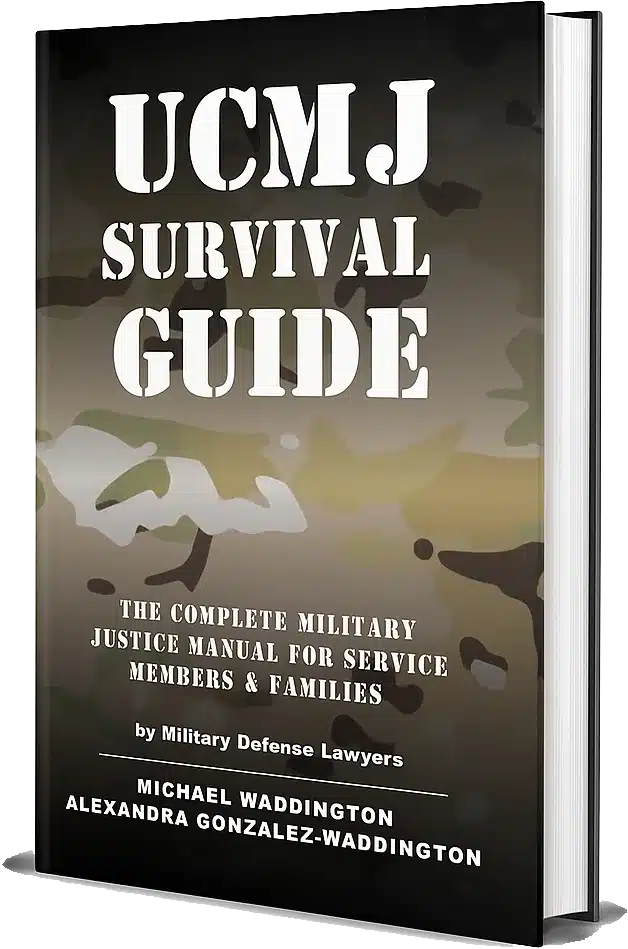
Check Out Our Newest Book
UCMJ Survival Guide

UCMJ Criminal Defense Lawyers

Worldwide Military Defense Experience
Defending Service Members Across Every Theater and Installation
Specialized Expertise in Serious Military Offenses
War Crimes, Sexual Assault, Violent Crimes, and White-Collar Defense

Media and High-Profile Case Experience
Featured on CNN, 60 Minutes, BBC, and Major News Outlets

Playlist

3:34

7:32

6:57

7:58

21:35

7:24
4:24
Frequently Asked Questions About Military Defense at Fort Bragg
What should I do if I am notified of an investigation at Fort Bragg?
If you are notified of an investigation at Fort Bragg, it is important to remain calm and seek legal advice immediately. Understanding your rights and the scope of the investigation can help you navigate the process effectively. Avoid making statements without consulting your defense counsel to protect your interests. Our team can guide you through the investigation, ensuring that your rights are protected and that you respond appropriately to any inquiries or requests for information.
Can I refuse non-judicial punishment at Fort Bragg?
You have the right to refuse non-judicial punishment at Fort Bragg, but this decision should be made carefully. Refusing may lead to formal charges and more severe consequences, such as a court-martial. It is essential to discuss the potential outcomes with a military defense lawyer before deciding. We can provide you with detailed information about the implications of accepting or refusing non-judicial punishment and help you choose the best course of action based on your circumstances.
What are the potential consequences of a court-martial?
The consequences of a court-martial at Fort Bragg can vary depending on the charges and findings. Possible outcomes include dismissal, reduction in rank, confinement, or even a dishonorable discharge. The process is formal and follows strict legal procedures under the UCMJ. Having experienced legal representation is crucial to ensuring that your defense is thorough and that your rights are protected throughout the trial. We work diligently to achieve the best possible outcome in each case.
How long does a military legal process typically take at Fort Bragg?
The length of a military legal process at Fort Bragg depends on the complexity of the case and the nature of the charges. Some cases may resolve quickly, while others can take months due to investigations, hearings, and trial preparation. Our team works proactively to expedite proceedings where possible while ensuring that your defense is comprehensive and effective, keeping you informed at every stage.
Can civilian lawyers represent me in military cases at Fort Bragg?
Civilian lawyers can represent military members in UCMJ cases, but specialized knowledge of military law and procedures is essential. At Fort Bragg, having legal counsel familiar with military justice ensures that your defense addresses the unique aspects of your case. UCMJ Military Defense Lawyers focus exclusively on military defense, providing insights and experience tailored to the military legal environment and helping clients navigate these specialized proceedings.
What rights do I have during a military investigation?
During a military investigation at Fort Bragg, you have rights including the right to remain silent and the right to consult with legal counsel before answering questions. It is important to understand these rights to avoid self-incrimination or misunderstandings. We advise clients to exercise their rights wisely and to seek legal guidance promptly to ensure that their participation in the investigation does not jeopardize their defense.
How can I prepare for a hearing or court-martial?
Preparing for a hearing or court-martial involves reviewing the charges, gathering evidence, and developing a defense strategy. At Fort Bragg, our legal team assists clients in understanding the process, preparing testimony, and identifying witnesses to support the case. Effective preparation increases the likelihood of a favorable outcome and helps clients approach proceedings with greater confidence and clarity.
Are there alternatives to formal trials in military justice?
Alternatives to formal trials at Fort Bragg include non-judicial punishment and administrative resolutions. These options can resolve certain cases more quickly and with less severe consequences. Our attorneys evaluate the viability of these alternatives based on your case and work to negotiate the best possible resolution that aligns with your goals.
What is the role of a military defense lawyer at Fort Bragg?
A military defense lawyer at Fort Bragg advocates for your rights throughout the military justice process. This includes providing legal advice, preparing your defense, and representing you during hearings and trials. We ensure that your case is handled professionally and aggressively, aiming to protect your career and personal interests within the military system.
How do I contact UCMJ Military Defense Lawyers for a consultation?
To contact UCMJ Military Defense Lawyers for a confidential consultation regarding your case at Fort Bragg, you can call us at 800-921-8607. We offer understanding and responsive legal support tailored to military defense. Our team is ready to listen to your situation, answer your questions, and begin building a strong defense strategy to protect your rights and future.