


Sheppard Air Force Base Military Administrative Separation Boards Defense Lawyer

Understanding Military Administrative Separation Boards at Sheppard Air Force Base
Navigating the complexities of military administrative separation boards at Sheppard Air Force Base in Texas requires dedicated legal support. Our firm at UCMJ Defense provides guidance to service members facing these proceedings, ensuring their rights are protected during this challenging process in Wichita Falls, TX.
Military administrative separation boards can significantly impact a service member’s career and future. At Sheppard Air Force Base, located in Wichita Falls, Texas, it’s essential to have knowledgeable representation to help understand the procedures, potential outcomes, and options available throughout the separation process.
The Role and Advantages of Legal Support in Military Administrative Separation Boards
Having legal assistance during an administrative separation board ensures that service members have a clear understanding of their rights and options. It can help mitigate the consequences of separation, advocate for the best possible outcome, and provide vital support through complex military regulations and procedures.
About UCMJ Defense: Dedicated Military Defense Counsel for Sheppard Air Force Base
UCMJ Defense, led by Waddington and Gonzalez, is recognized for its commitment to defending service members across the United States, including those stationed at Sheppard Air Force Base in Texas. Our team understands the unique challenges of military law and works tirelessly to provide solid defense strategies tailored to each client.
Comprehensive Guide to Military Administrative Separation Boards
Military administrative separation boards are formal processes used by the armed forces to determine whether a service member should be separated from service involuntarily. These boards review the circumstances surrounding the case and assess evidence to decide on the appropriate course of action.
Understanding how these boards operate, the potential grounds for separation, and the possible outcomes is essential for service members facing such proceedings. Effective legal representation can influence the board’s decision and protect the member’s rights throughout.
What Are Military Administrative Separation Boards?
Military administrative separation boards are panels convened to evaluate cases where the armed forces consider separating a service member from duty due to various reasons, including misconduct, performance issues, or other factors. These boards function to ensure due process is followed and that decisions are made based on a thorough review of evidence.
Key Components and Procedures of Separation Boards
Separation boards involve a structured process starting with notification to the service member, presentation of evidence, and opportunities for the member to respond. The board hears testimony, reviews documentation, and ultimately makes recommendations regarding the separation and characterization of service.
Glossary of Important Terms Related to Military Administrative Separation
Familiarity with specific terminology used in military administrative separation boards helps service members better understand their cases. Below are key terms commonly encountered during these proceedings.
Administrative Separation
A process by which a service member is involuntarily separated from military service for reasons other than court-martial convictions, often related to conduct, performance, or medical issues.
Characterization of Service
The classification given to a service member’s discharge, such as honorable, general, or other than honorable, which can affect veterans’ benefits and future employment opportunities.
Separation Board Hearing
A formal proceeding where a panel reviews evidence and hears testimony to decide whether a service member should be separated from the military.
Due Process
The legal requirement that the military follow fair procedures and provide notice and an opportunity to be heard before separating a service member.
Comparing Legal Approaches to Military Administrative Separation Boards
Service members facing administrative separation have various legal options, ranging from limited representation focused on specific issues to comprehensive defense strategies that address all aspects of the case. Choosing the right approach depends on the individual circumstances and potential consequences.
Situations Where Limited Legal Assistance May Be Appropriate:
Minor Infractions with Low Risk of Separation
In cases involving minor disciplinary issues where separation is unlikely, limited legal assistance focusing on understanding rights and paperwork may suffice to navigate the process effectively.
Clear Evidence Supporting the Service Member
When the evidence overwhelmingly supports the service member’s position, a limited legal approach may be adequate to ensure proper presentation and procedural compliance.
The Importance of Comprehensive Legal Representation:
Complex Cases with Serious Consequences
For cases involving serious allegations or where the outcome could significantly affect a service member’s career and benefits, comprehensive legal representation is essential to build a strong defense.
Navigating Military Regulations and Procedures
Military law is complex, and comprehensive legal services help ensure that all procedural requirements are met, rights are protected, and opportunities to challenge evidence or seek alternative outcomes are fully explored.
Advantages of a Full-Scope Defense in Administrative Separation Cases
A comprehensive approach to defense can lead to more favorable outcomes, such as reduced characterization of discharge, retention in service, or alternative resolutions. It provides thorough preparation and advocacy throughout the process.
By addressing all aspects of the case, from evidence review to witness preparation and procedural challenges, comprehensive legal service increases the likelihood of protecting a service member’s rights and future opportunities.
Improved Case Outcomes
Thorough legal representation can influence the board’s recommendations, potentially resulting in less severe separation characterizations or avoidance of separation altogether.
Peace of Mind for Service Members
Knowing that skilled advocates are managing every detail of the case helps service members focus on their well-being and transition, reducing stress during a difficult time.
As Featured On:

NEED MILITARY LAW HELP?
Fill out this form or call 1-800-921-8607 to request a consultation.


Top Searched Keywords
- Military separation defense lawyer Texas
- Sheppard Air Force Base legal counsel
- Administrative separation board representation
- UCMJ military defense services
- Military discharge appeal lawyer
- Military legal defense Wichita Falls
- Texas military separation lawyer
- Air Force base military defense attorney
- Military administrative separation help
Pro Tips for Navigating Military Administrative Separation Boards
Understand Your Rights Early
Being informed about your rights and the process as soon as you receive notice of a separation board can help you prepare effectively and avoid common pitfalls that could harm your case.
Gather Supporting Evidence
Seek Legal Guidance Promptly
Engaging with legal counsel experienced in military law as early as possible provides crucial support in understanding options and formulating a defense strategy.
Why You Should Consider Legal Representation for Administrative Separation Boards
Facing an administrative separation board can be overwhelming, and the consequences of a negative outcome can affect your military career and post-service benefits. Legal representation ensures that your rights are protected and that you have a knowledgeable advocate during the process.
Given the complexity of military law and the serious nature of separation proceedings, having skilled counsel can make a significant difference in how your case is handled and the final decision reached by the board.
Typical Situations That Lead to Administrative Separation Boards
Administrative separation boards are often convened due to misconduct allegations, failure to meet performance standards, medical disqualifications, or other factors that the military views as grounds for separation from service.
Disciplinary Infractions
Service members accused of violating military rules or regulations may face administrative separation to address alleged misconduct.
Unsatisfactory Performance
In cases where a service member does not meet established performance standards, administrative separation boards may be used to determine continued service eligibility.
Medical or Physical Issues
Medical conditions that prevent a service member from fulfilling duties can also lead to administrative separations through board proceedings.
Meet Your Defense Team


Michael S. Waddington
Criminal Defense Lawyer

PARTNER
Alexandra González-Waddington
Criminal Defense Lawyer
PARTNER
Battle-Tested Results
Recent Case Results
Gang-Rape Allegation Collapses Against Navy Officer
U.S. v. Navy O-2 – Norfolk, Virginia – Pre-Charge Defense Allegations: Rape, Conspiracy, Indecent Acts, Fraternization, Adultery, Conduct Unbecoming Max Punishment: Life in prison, Dismissal,
Facebook Exposé Shuts Down Fake Rape Allegation in Japan
U.S. v. Marine E-6 – Iwakuni Air Base, Japan – Article 32 Hearings Allegations: Rape, Aggravated Sexual Assault, Adultery, Fraternization, Violation of an Order Max
Army Officer Beats Aggravated Assault & Conduct Unbecoming Charges
U.S. v. Army O-1 – Fort Bragg, NC / Tried at Fort McNair, Washington D.C. – General Court-Martial Allegations: Aggravated Assault with Means Likely to
Navy Sailor’s Sex Assault Case Tossed After UCI Bombshell
U.S. v. Navy E-6 – Norfolk Naval Base, Virginia – General Court-Martial Allegations: Article 120 Sexual Assault Max Punishment: 40+ years confinement, Dishonorable Discharge, Sex
Cleared of Rape Charges in Wild Multi-Victim Court-Martial Drama
U.S. v. Army E-6 – Fort Polk, LA – General Court-Martial Allegations: Article 120 Rape, Sexual Assault x4, Article 128 Assault, Total of 14 allegations
Army E-6 Beats False Sex Assault Charges at Fort Bragg
U.S. v. Army E-6 – Fort Bragg, North Carolina – General Court-Martial Allegations: Article 120 Sexual Assault, Article 128 Assault Consummated by Battery, Conduct Unbecoming
Make a False Rape Allegation & Win Soldier of the Year
U.S. v. Army CW2 – Fort Gordon, GA
Allegations: RAPE, Fraternization, Adultery
Max Punishment: LIFE, Dismissal, Sex Offender Registration
Result: ALL CHARGES DISMISSED
Discharge: RETIRED WITH AN HONORABLE
Location/Branch/Rank: Fort Gordon – Augusta, GA/Army/CW2
Cheating Marine Officer Calls Rape
U.S. v. Marine O-3 – Marine Forces Reserve, Naval Support Activity, New Orleans, LA Allegations: Article 120 Rape/Sexual Assault Max Punishment: Life in prison, Dismissal, Sex offender registration

Take Command of Your Defense
Why Service Members Trust UCMJ Defense for Military Separation Board Representation
Call Us Today
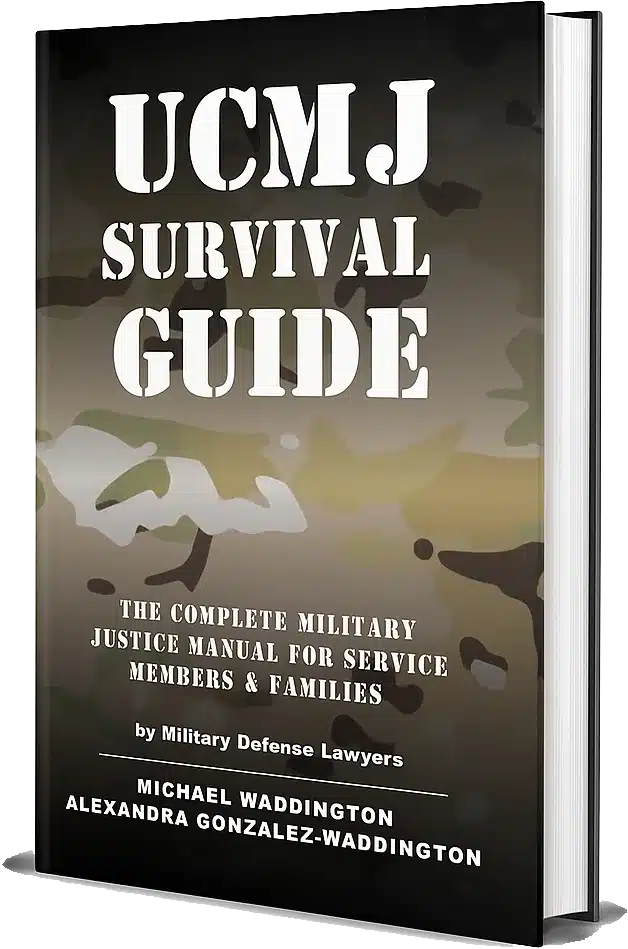
Check Out Our Newest Book
UCMJ Survival Guide

UCMJ Criminal Defense Lawyers

Worldwide Military Defense Experience
Defending Service Members Across Every Theater and Installation

Specialized Expertise in Serious Military Offenses
War Crimes, Sexual Assault, Violent Crimes, and White-Collar Defense

Media and High-Profile Case Experience
Featured on CNN, 60 Minutes, BBC, and Major News Outlets

Playlist

3:34

7:32

6:57

7:58

21:35

7:24

4:24
Frequently Asked Questions About Military Administrative Separation Boards
What is a military administrative separation board?
A military administrative separation board is a panel convened to determine whether a service member should be separated involuntarily from the military based on various grounds, such as misconduct or performance issues. The board reviews evidence, hears testimony, and makes recommendations regarding separation and discharge classification. This process ensures that decisions are made fairly and in accordance with military regulations. Understanding the process can help service members prepare and protect their rights effectively.
How can legal representation help during a separation board?
Legal representation provides crucial assistance by clarifying the separation board process and advocating on behalf of the service member. Counsel can help gather evidence, prepare testimony, and challenge any procedural errors or unfounded allegations. Having a knowledgeable advocate increases the chances of a favorable outcome and helps ensure that the service member’s rights are respected throughout the proceedings.
What are common reasons for administrative separation?
Common reasons for administrative separation include disciplinary infractions, unsatisfactory performance, medical conditions, or other factors deemed incompatible with continued military service. Each case is unique, and the specific grounds can influence the board’s recommendations and the service member’s options. Understanding the particular circumstances leading to the board is essential for mounting an effective defense.
Can I appeal the decision of a separation board?
Service members generally have the right to appeal the decision of an administrative separation board, depending on the circumstances and type of separation. Appeals involve submitting requests for review to higher military authorities or boards. Timely consultation with legal counsel is important to understand appeal rights and ensure all procedural deadlines are met to preserve the opportunity for review.
How do I prepare for a separation board hearing?
Preparing for a separation board hearing involves gathering relevant documents, identifying witnesses, and understanding the charges or reasons for separation. Legal counsel can assist in developing a defense strategy, organizing evidence, and coaching the service member on testimony. Being well-prepared helps present a strong case and can positively influence the board’s decision.
What types of discharge classifications exist?
Discharge classifications commonly include honorable, general under honorable conditions, other than honorable, bad conduct, and dishonorable discharges. The characterization impacts a service member’s benefits, reputation, and future employment opportunities. The separation board considers evidence and circumstances to recommend an appropriate classification, making legal representation important to seek the most favorable outcome.
How long does the separation board process take?
The length of the separation board process varies depending on case complexity, evidence review, and scheduling. It can take several weeks to months from notification to final determination. Delays can occur due to investigations or appeals. Staying informed and working closely with legal counsel helps manage expectations and prepare adequately throughout the timeframe.
Will a separation board affect my veterans’ benefits?
A separation board’s decision can significantly affect a service member’s eligibility for veterans’ benefits, depending on the characterization of discharge. Certain discharge types may limit access to healthcare, education, and other benefits. Proper legal guidance helps service members understand these implications and pursue outcomes that protect their entitlement to benefits.
Can I bring witnesses to the separation board?
Service members typically have the right to present witnesses during a separation board to support their case. Witnesses can provide testimony that clarifies circumstances or challenges allegations. Legal counsel can assist in identifying appropriate witnesses and preparing them for the hearing to ensure their testimony contributes effectively to the defense.
What are my rights if facing an administrative separation?
When facing an administrative separation, service members have rights including notification of charges, legal representation, opportunity to present evidence, and a fair hearing. Understanding these rights helps ensure the process is conducted properly and that the service member can defend against separation effectively. Consulting with knowledgeable legal counsel is critical to safeguard these protections.