Article 93a of the UCMJ criminalizes sexual or intimate conduct between military personnel in positions of special trust and recruits, trainees, or applicants for military service. The offense covers dating, sexual contact, and unduly familiar behavior that exploits the training relationship or compromises the integrity of the evaluation process. Both enlisted supervisors and officers — including drill sergeants, instructors, and recruiting personnel — can be charged under Article 93a.
To convict under Article 93a, the government must prove that the accused held a qualifying position of special trust — such as instructor, drill sergeant, or recruiter — over the alleged victim and knowingly engaged in prohibited sexual or intimate conduct with a person whose recruit or trainee status was known or reasonably should have been known.
Each element presents distinct factual and legal challenges that a skilled defense attorney can exploit. Building an effective challenge begins with a thorough review of the evidence before charges are formally preferred.
Gonzalez & Waddington defends service members facing Article 93a charges at every stage of the military justice process, from initial investigation through courts-martial and appeal. Early intervention allows the defense team to preserve evidence, identify command-influence issues, and shape the narrative before the government consolidates its case. Prompt legal representation often makes a measurable difference in how charges are resolved.
Under the Manual for Courts-Martial, Article 93a carries a maximum punishment of a dishonorable discharge, forfeiture of all pay and allowances, and five years' confinement for offenses committed before December 27, 2023. Beyond criminal punishment, a conviction can result in mandatory sex-offender registration, loss of security clearance, involuntary administrative separation, and permanent destruction of a military career and retirement eligibility. The consequences extend well beyond the courtroom and affect every aspect of a service member's future.
Article 93a defense centers on whether the accused genuinely held a qualifying position of special trust over the alleged victim and whether the government can prove the required knowledge element beyond a reasonable doubt. Michael Waddington, a former Army Senior Defense Counsel, scrutinizes investigative records, command structures, and witness statements to identify weaknesses in the prosecution's case. Procedural defects in the military investigation can also provide independent grounds for relief.
Gonzalez & Waddington defends service members from every branch — Army, Navy, Air Force, Marine Corps, Coast Guard, and Space Force — in military courts across the United States and overseas in Germany, Italy, Japan, and South Korea. The firm handles courts-martial, Article 32 hearings, administrative separation boards, and security clearance matters. Service members facing Article 93a charges can call 1-800-921-8607 for a confidential consultation.
Reviewed by Michael Waddington, Founding Partner · Updated October 8, 2026
Table Content
Article 93a of the Uniform Code of Military Justice criminalizes certain personal relationships between military personnel in positions of authority and individuals who are recruits or trainees. The statute is designed to preserve good order, discipline, and the integrity of training environments by prohibiting conduct that could exploit or improperly influence new servicemembers.
Article 93a makes it an offense for a person in a training, supervisory, or command position to engage in a prohibited relationship with a specially protected individual. These relationships include dating, romantic or sexual contact, and any conduct that compromises or appears to compromise the integrity of the training or evaluation process. The statute also covers actions that create an inappropriate familiarity or undermine the chain of command.
The article applies to servicemembers who exercise authority over recruits or trainees, including instructors, drill sergeants, training cadre, and other personnel in positions of supervision. The protected class includes individuals undergoing initial entry training or other designated training programs. The statute applies regardless of the service affiliation of the accused or the protected person.
Article 93a generally requires that the accused knowingly engaged in the prohibited relationship. The government must show that the accused understood the status of the trainee or recruit and acted with awareness of the nature of the relationship. Negligent or accidental conduct does not ordinarily satisfy the required mental state.
Attempt liability may apply when a servicemember takes substantial steps toward forming a prohibited relationship even if the relationship does not occur. Conspiracy may apply when two or more persons agree to engage in conduct that violates Article 93a. Accomplice liability under Article 77 may apply to individuals who knowingly assist or encourage the prohibited conduct.
Watch the military defense lawyers at Gonzalez & Waddington break down how they defend service members worldwide against UCMJ allegations, CID/NCIS/OSI investigations, court-martials, Article 120 cases, administrative separations, and GOMORs. If you’re under investigation or facing charges, this video explains what your rights are and how experienced civilian military counsel can make the difference.
The government must prove each element of Article 93a beyond a reasonable doubt before an accused may be found guilty of engaging in a prohibited relationship with a recruit, trainee, or applicant for military service. These elements establish both the accused’s status and authority, as well as the nature of the relationship or conduct at issue.
The mens rea for Article 93a generally requires that the accused acted knowingly, meaning the accused was aware that the conduct occurred and knew or reasonably should have known the status of the recruit, trainee, or applicant.
The actus reus consists of entering into, initiating, or participating in a prohibited personal, intimate, or sexual relationship with an individual in a protected training status while the accused occupied a position of authority or special trust over that individual.
Key statutory terms include “recruit,” “trainee,” and “applicant,” which refer to individuals undergoing initial entry training or processing for military service, as well as “position of special trust,” which encompasses roles involving supervision, training, instruction, or authority.
Punishment under Article 93a of the Uniform Code of Military Justice (Prohibited Relationships With Recruits or Trainees) depends on the date of the alleged offense. Offenses committed before December 27, 2023 are governed by the pre_2023 maximum_punishment model. Offenses committed on or after December 27, 2023 fall under the new sentencing_parameters system implemented by statute and incorporated into the Manual for Courts_Martial.
For conduct occurring before December 27, 2023, Article 93a carried the following maximum authorized punishment under the traditional UCMJ framework:
This model relied on offense_specific maximums, allowing the sentencing authority to adjudge any lawful combination of confinement and punitive measures up to the listed limits.
For offenses committed on or after December 27, 2023, Article 93a falls within the post_2023 sentencing_parameters system and is designated as a Category 3 offense.
Under the sentencing_parameters system, each offense is assigned a category with a defined confinement range, replacing the prior offense_specific maximums. The sentencing authority must select a confinement term within the category’s range when confinement is adjudged, though it may also choose no confinement. Other punitive elements—such as punitive discharge, reduction, and forfeitures—remain available when authorized for the offense.
This approach differs from the earlier model by providing standardized confinement ranges across offenses of similar seriousness, rather than relying on individually prescribed maximum punishments for each UCMJ article.








Charging decisions under Article 93a generally reflect the specific fact patterns uncovered during an inquiry, the route by which information reaches command authorities, and the discretion exercised by commanders and legal advisors. The charge is often used when investigators determine that an instructor, recruiter, or cadre member engaged in personal conduct with a recruit or trainee that undermines training integrity or the chain of command.
Cases commonly originate from observable deviations from professional boundaries during structured training or recruiting environments. Typical scenarios include:
These scenarios typically escalate to formal charges when the relationship is shown to create a perceived or actual abuse of the professional authority inherent in a training or recruiting role.
Cases typically begin with a report from within the training unit, a trainee statement, or a supervisor identifying concerning behavior. Commanders often initiate a preliminary inquiry or command-directed investigation to collect basic facts. When potential criminal misconduct or violations of trainee-protection policies appear, the matter is usually referred to CID, NCIS, OSI, or CGIS depending on the service branch. These agencies conduct interviews, obtain digital evidence, and review access logs or duty rosters to verify the nature and timing of interactions.
Prosecutors frequently layer Article 93a with related offenses to capture both the boundary violation and any accompanying misconduct. Charge-stacking often reflects multiple theories of liability—such as violations of regulations, misuse of authority, and conduct prejudicial to good order. Overlap occurs where evidence can satisfy elements of more than one offense, particularly in cases involving electronic communication, concealment, or broader command-climate impacts. Charges are typically shaped to reflect the full scope of conduct while giving members alternative frameworks to evaluate the alleged behavior.
Prosecutions under UCMJ Article 93a often turn on whether the government can establish each statutory element beyond a reasonable doubt. Litigation typically focuses on factual reconstruction, witness credibility, evidentiary rulings, and interpretation of statutory terms defining prohibited relationships and the status of the individuals involved.
Disputes frequently arise over whether the government has satisfied the specific elements of Article 93a. Common issues include:
Mens rea is often central in Article 93a litigation. Contested questions may include:
Cases frequently turn on the credibility of witnesses, particularly where relationships are alleged to have occurred privately or through electronic communication. Disputed issues may involve:
Evidentiary disputes commonly involve:
Contested issues may arise from interpreting statutory terms or cross-references, including:
Guidance on improper fraternization that often intersects with prohibited trainee relationships
Standards related to maltreatment of subordinates, frequently reviewed in trainee_relationship cases
Dereliction of duty violations that may accompany boundary or training-environment misconduct
Sexual harassment provisions commonly evaluated alongside improper trainee interactions
Standards for unbecoming conduct that can be implicated in trainer_trainee relationship violations
Collateral consequences are administrative, professional, or legal effects that may arise independently of any punishment imposed by a court-martial. These outcomes are typically the result of military regulations, federal or state laws, or professional standards and may continue to affect a service member after the conclusion of judicial proceedings.
A conviction under UCMJ Article 93a may prompt administrative actions separate from the court-martial. These can include:
A conviction involving prohibited relationships can raise concerns about judgment, reliability, and adherence to standards, which may affect eligibility for security clearances. Loss or suspension of a clearance can limit access to classified duties and may reduce opportunities for certain assignments or civilian careers that rely on clearance eligibility.
Depending on the nature of the conduct, some convictions under Article 93a may trigger sex offender registration or related reporting requirements. These obligations are determined by federal statutes and the laws of individual states, which may assess whether the underlying offense qualifies for registration.
The same conduct that leads to a military conviction may also fall within federal or state criminal statutes. In some situations, civil claims—such as those alleging emotional harm or workplace violations—may also arise, depending on the circumstances.
Non-citizen service members may experience immigration-related effects, including potential impacts on admissibility, adjustment of status, or naturalization eligibility. These outcomes depend on federal immigration law and the specific nature of the conviction.
In investigations involving UCMJ Article 93a, decisions made in the initial phase often influence how the case develops long before any charges are preferred. Early legal guidance helps ensure that the service member understands the investigative environment and the potential effects of each action taken during this period.
Military investigators typically begin collecting evidence immediately, including statements, electronic communications, and administrative records. Early legal involvement can help ensure that evidence is properly preserved, that the service member does not unintentionally create or alter relevant information, and that investigators interpret collected materials within the correct context.
Command or law-enforcement interviews often occur before a service member fully understands the allegations or the scope of the inquiry. Without legal guidance, individuals may make incomplete or unclear statements, provide unnecessary detail, or waive rights unknowingly. These early interviews can shape the trajectory of the case even if no misconduct was intended.
Administrative or command-directed investigations can proceed separately from criminal processes and may influence later decisions about charges, duty status, or administrative actions. Early responses in these inquiries can affect how findings are recorded and interpreted, with implications for both criminal and administrative outcomes.
Choices made at the outset—such as consenting to searches, providing statements, or responding to administrative inquiries—can have effects throughout any subsequent court-martial or administrative action. Early consultation with qualified counsel, including civilian military defense lawyers, helps ensure that these decisions are informed and properly documented.
Gonzalez & Waddington is a civilian military defense law firm that represents service members worldwide in cases arising under the Uniform Code of Military Justice. Our team focuses on handling complex military criminal matters, including allegations involving misconduct between instructors, recruiters, trainees, and recruits. With extensive experience in the military justice system, the firm provides informed, strategic defense services to service members facing adverse actions or criminal charges.
If you are facing allegations related to UCMJ Article 93a or are under investigation for a potential prohibited relationship, Gonzalez & Waddington can provide experienced legal guidance. Contact the firm to discuss your situation and explore your available options through a confidential consultation.
Q: What does UCMJ Article 93a: Prohibited Relationships With Recruits or Trainees cover?
A: Article 93a prohibits certain personal, intimate, or inappropriate relationships between instructors, recruiters, or training cadre and individuals who are recruits or trainees. The rule is designed to prevent abuses of authority and maintain an environment free from coercion or favoritism. It applies regardless of consent and focuses on whether the relationship could compromise integrity, discipline, or the training mission. Violations can occur through physical, digital, or other forms of interaction.
Q: What is the maximum punishment for UCMJ Article 93a: Prohibited Relationships With Recruits or Trainees?
A: The maximum punishment may include a dishonorable discharge, forfeiture of all pay and allowances, and confinement for up to two years. Actual penalties vary depending on the circumstances, evidence, and the adjudicating authority’s findings. Commanders and courts consider factors such as the nature of the relationship, the service member’s role, and any aggravating or mitigating details when determining the appropriate outcome for a proven violation.
Q: Can an allegation under this article lead to administrative separation even without a conviction?
A: Yes. A commander may initiate administrative separation proceedings based on substantiated concerns or conduct inconsistent with professional standards, even if the case does not result in a court-martial conviction. Administrative processes use a lower evidentiary threshold than criminal proceedings. Although the consequences differ from punitive actions, separation can still affect career standing, benefits eligibility, and future service opportunities.
Q: Do I need a civilian military defense lawyer for an investigation under this article?
A: Service members are entitled to military defense counsel at no cost, but many consider hiring civilian counsel for additional support. A civilian attorney may provide independent analysis, help manage communication with investigators, and advise on potential administrative or criminal exposure. Choosing to obtain civilian representation is a personal decision based on factors such as complexity of allegations, potential consequences, and the service member’s preference for additional legal resources.
Q: Can this be handled without a court-martial, such as through administrative action or nonjudicial punishment?
A: Yes. Depending on the evidence and command assessment, allegations may be addressed through counseling, reprimands, nonjudicial punishment, or administrative separation rather than a court-martial. These alternatives typically involve different standards of proof and may focus on corrective or administrative measures. Commanders evaluate the severity of the conduct, impact on training, and available evidence when deciding which action is most appropriate.
Q: Which agencies typically investigate suspected violations of Article 93a?
A: Investigations may be conducted by service-specific law enforcement entities, such as CID, NCIS, or OSI, depending on the branch. Command-directed inquiries or Inspector General reviews may also occur when concerns arise during training environments. Investigators typically gather digital communications, witness statements, training records, and other evidence relevant to determining whether a relationship existed and whether it violated professional boundaries or authority structures.
Q: What types of evidence are commonly examined in Article 93a cases?
A: Evidence often includes text messages, social media activity, phone records, witness accounts, training rosters, and any documentation showing interactions between the parties. Investigators may also review duty assignments, timelines, and the nature of communication to assess whether the relationship fell outside permitted professional boundaries. The focus is on objective indicators that help establish the existence, context, and impact of the relationship on the training environment.
If you want to review the Articles of the UCMJ and learn more about military law, you can start here: UCMJ Articles and Military Justice Resources. You may also find helpful official information from the Air Force Judge Advocate General’s Corps at afjag.af.mil.
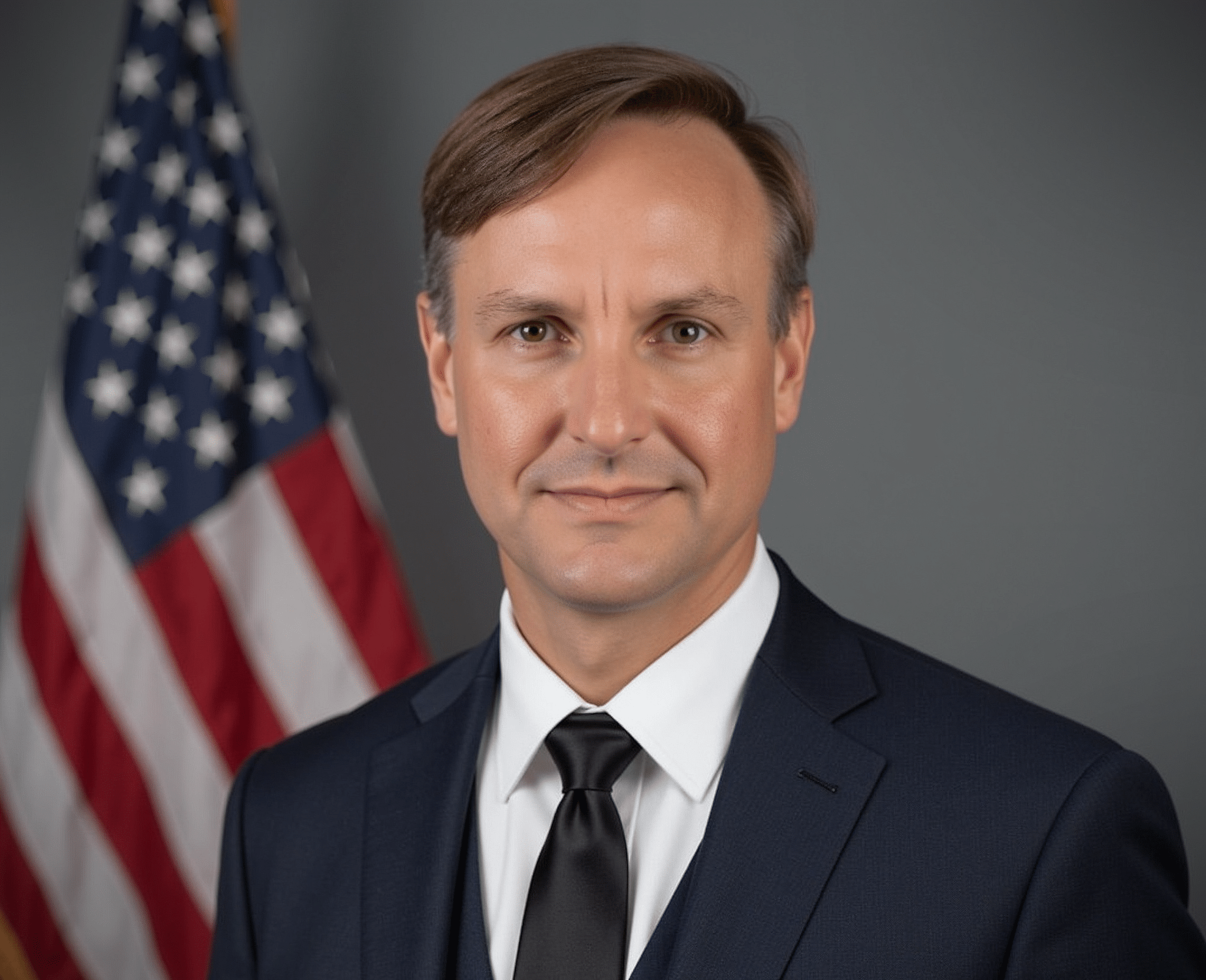
A renowned military criminal defense attorney and best-selling author, Michael Waddington defends clients worldwide in serious cases and trains lawyers in advanced cross-examination. He is frequently featured by major media outlets like CNN and 60 Minutes.
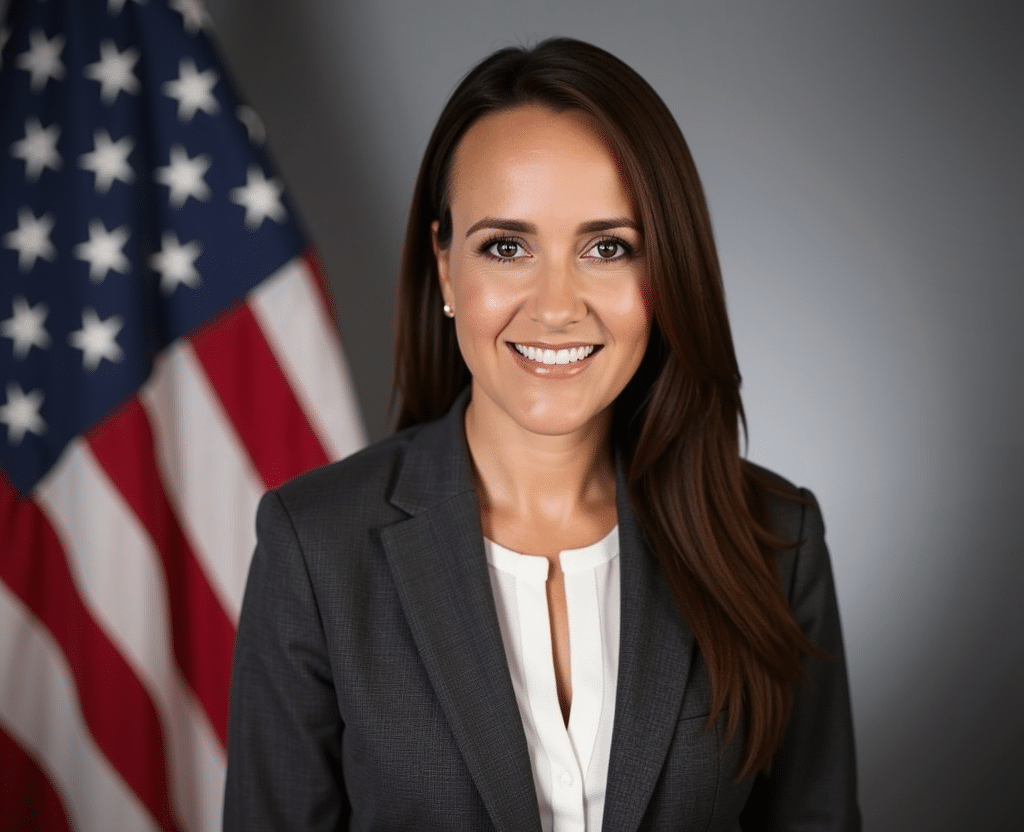
Alexandra González-Waddington is a top military and civilian defense attorney who has handled high-profile sexual assault, violent crime, and war-crimes cases globally. Her work is widely recognized by media outlets including 60 Minutes and ABC’s Nightline.

