UCMJ Article 133 criminalizes conduct by commissioned officers, cadets, and midshipmen that is unbecoming an officer and a gentleman. The offense covers both acts and omissions — including dishonest behavior, abuse of authority, and moral wrongdoing — that compromise an officer's character, honor, or standing. On-duty and off-duty conduct can both qualify under Article 133.
To convict under Article 133, the government must prove three elements: the accused was a commissioned officer, cadet, or midshipman; the accused committed or omitted certain acts; and that conduct was unbecoming an officer and a gentleman under the circumstances. Courts apply an objective standard — no specific criminal intent is required. Gonzalez & Waddington defends officers and cadets charged under Article 133.
Under the Manual for Courts-Martial, an Article 133 conviction carries up to one year confinement, dismissal from service, and forfeiture of all pay and allowances. Dismissal — the officer equivalent of a dishonorable discharge — permanently ends a military career and can trigger loss of retirement benefits and security clearance revocation. Administrative consequences include referral to a Board of Inquiry, an Other Than Honorable separation characterization, and adverse evaluations that block future promotion.
Gonzalez & Waddington defends Article 133 cases by scrutinizing whether the alleged conduct meets the objective standard for unbecoming behavior and by cross-examining government witnesses on the context and intent behind the acts charged. Michael Waddington, a former Army Senior Defense Counsel, focuses on reframing the factual record to show that officer-corps standards were not violated. The firm also pursues pretrial negotiations to reduce or dismiss charges before a court-martial convenes.
Gonzalez & Waddington defends service members from every branch — Army, Navy, Air Force, Marine Corps, Coast Guard, and Space Force, including Reserve and National Guard — in military courts across the United States and overseas, including Germany, Italy, Japan, and South Korea. The firm handles courts-martial, Article 32 hearings, Boards of Inquiry, administrative separations, and security clearance matters. Officers facing an Article 133 investigation or charge should call 1-800-921-8607 — consultations are confidential.
Reviewed by Michael Waddington, Founding Partner · Updated October 8, 2026
Table Content
Article 133 of the Uniform Code of Military Justice criminalizes behavior by commissioned officers, cadets, and midshipmen that falls below the standards of character, honor, and professionalism expected of military leaders. The offense is broad and covers both acts and omissions that compromise an officer’s standing. The statute focuses on conduct inconsistent with the ethical and moral responsibilities inherent in holding an officer’s commission.
Article 133 applies to behavior that dishonors or disgraces the individual personally or brings discredit upon the military profession. The conduct may involve violations of law, moral wrongdoing, abuse of authority, or actions incompatible with accepted standards of military leadership. Both on-duty and off-duty misconduct may qualify if it undermines the dignity or integrity of the officer’s position.
Common examples include:
The article applies only to commissioned officers, cadets, and midshipmen. Enlisted personnel cannot be charged under Article 133, though similar conduct may fall under other punitive articles. Retired officers receiving pay may also fall within its scope under certain jurisdictional circumstances.
Article 133 generally requires that the accused engaged in the conduct knowingly or with reckless disregard for the standards of the officer corps. The government does not need to prove a specific intent to disgrace the military, only that the conduct would be considered unbecoming by reasonable military standards. Negligent acts typically do not satisfy the elements unless they reflect a level of disregard inconsistent with expected professional judgment.
Attempt and conspiracy charges may apply when the underlying misconduct would itself constitute conduct unbecoming if completed. Accomplice liability is also possible when an officer knowingly assists another in acts that violate Article 133. The analysis focuses on whether the officer’s participation reflects conduct inconsistent with the standards of the profession.
Watch the military defense lawyers at Gonzalez & Waddington break down how they defend service members worldwide against UCMJ allegations, CID/NCIS/OSI investigations, court-martials, Article 120 cases, administrative separations, and GOMORs. If you’re under investigation or facing charges, this video explains what your rights are and how experienced civilian military counsel can make the difference.
Under Article 133 of the Uniform Code of Military Justice, the government must prove each element of the offense beyond a reasonable doubt. The provision addresses misconduct that undermines the integrity, character, or standing expected of commissioned officers, cadets, and midshipmen.
Article 133 does not specify a distinct mens rea term such as intent or knowledge; however, the conduct must involve a voluntary act or omission. The factfinder evaluates the accused’s awareness and purpose only to the extent necessary to determine whether the behavior reflects adversely on the qualities expected of officers.
The actus reus encompasses any action or failure to act that falls below the traditional standards of honor, morality, or professionalism associated with the officer corps. The conduct can be otherwise lawful yet still violate Article 133 if it shows moral unfitness or dishonors the military profession.
The term “unbecoming” is defined through longstanding custom, case law, and the norms of military service. It includes behavior that dishonors or disgraces the individual personally or professionally, or that seriously compromises the officer’s character. The standard is both objective and contextual, measured against what the community reasonably expects from an officer under the circumstances.
Punishments under the Uniform Code of Military Justice depend on the law and sentencing framework in effect at the time of the alleged misconduct. Offenses occurring before December 27, 2023 are sentenced under the traditional maximum_punishment model, while offenses committed on or after that date fall under the sentencing_parameter system established by Executive Order 14103.
Under the pre_December 27, 2023 framework, Article 133 (Conduct Unbecoming an Officer and a Gentleman) carried the following maximum authorized punishments:
This framework applied a single maximum punishment for each offense, giving court_martial panels or military judges broad discretion within those statutory limits.
The post_December 27, 2023 sentencing system assigns each punitive article to a sentencing category with set confinement parameters. Article 133 is classified as a Category 2 offense.
Under the new system, sentencing categories define a structured range of confinement based on offense type. This differs from the prior model, which relied on a single maximum confinement period without a prescribed minimum. The category_based framework narrows the sentencing window and standardizes confinement exposure for similar offenses, while still allowing the military judge or members to adjudge a dismissal and financial penalties when authorized.








Charges under Article 133 are shaped by the specific facts of an incident, the information uncovered during command or law_enforcement inquiries, and the commanding officer’s discretion. The article is often used when misconduct is viewed as inconsistent with the standards and expectations of commissioned officers and cadets, particularly when reputational or leadership concerns are implicated.
In practice, Article 133 is most frequently charged when an officer’s conduct involves behavior that undermines professional integrity or public confidence. Typical scenarios include:
Article 133 often appears alongside other UCMJ articles when the underlying conduct fits multiple legal theories. Common pairings include:
Article 133 cases typically originate from reports by subordinates, peers, or civilian witnesses. Commands may initiate preliminary inquiries or command_directed investigations to determine whether law_enforcement referral is appropriate. More serious or factually complex allegations are commonly taken up by CID, NCIS, OSI, or CGIS, especially when digital evidence, financial reviews, or witness interviews are required. Administrative investigations often run in parallel, focusing on command impact and professional expectations.
Article 133 is frequently used in combination with more specific offenses, allowing prosecutors to present alternative theories that capture both the technical violation and the broader leadership implications. Charge_stacking can occur when each component of the conduct fits within multiple statutory frameworks. Overlap with Article 134 is common, particularly where the conduct is service_discrediting but also reflects on the officer’s character. These patterns reflect a practical approach to addressing conduct that has both disciplinary and professional dimensions.
Cases brought under UCMJ Article 133 often hinge on whether the evidence satisfies the specific statutory elements, as well as on the reliability of witness testimony, the admissibility of key evidence, and the interpretation of statutory and regulatory language. Because the offense focuses on conduct inconsistent with the character expected of an officer, disputes frequently arise over the factual and legal sufficiency of the government’s proof.
Article 133 requires proof that an accused officer engaged in conduct and that the conduct was unbecoming an officer and a gentleman. Litigation frequently centers on whether the charged behavior satisfies either component. Common issues include whether the alleged act actually occurred, whether it can be properly attributed to the accused, and whether the conduct meets the legal threshold for “unbecoming.” These disputes tend to focus on evidentiary gaps or inconsistencies in the government’s proof rather than disagreement over broader principles. The fact_intensive nature of the offense often leads to close examination of contextual details, such as the setting, the officer’s role, and relevant service_specific standards.
Although Article 133 does not always specify a single mens rea, courts frequently analyze intent, knowledge, or recklessness in determining whether conduct meets the standard of unbecoming behavior. Disputes may arise over whether the officer acted knowingly, whether the conduct was accidental, or whether the government must establish a particular mental state for the specific behavior at issue. These questions can influence how evidence is evaluated and what inferences may be drawn from circumstantial proof. Mens rea issues are often contested because they directly affect how the conduct is legally characterized.
Witness credibility plays a significant role in Article 133 cases, especially when the allegations involve interpersonal interactions, verbal statements, or off_duty behavior. Factfinders may need to resolve inconsistencies between accounts, assess potential bias, or evaluate the reliability of investigative reports. Such disputes do not determine guilt or innocence on their own but shape how the elements are analyzed and how the overall narrative is constructed.
Prosecutions often involve challenges to the admissibility of statements, searches, digital records, or documentary evidence. Common issues include voluntariness under Article 31(b) rights advisements, scope and authorization of searches, the integrity of electronic data, and the relevance or potential prejudice of certain materials. Resolution of these questions may significantly influence what information is available for consideration at trial.
Because Article 133 contains broad language, parties may dispute the meaning of terms such as “conduct unbecoming,” the requisite nexus to officer status, or the relationship between Article 133 and other punitive articles. Ambiguity in definitions, service regulations, or precedent can lead to litigation over the proper scope of the offense and the standards by which conduct should be evaluated.
Failure to obey lawful orders, often relevant when conduct unbecoming involves disobedience
Retaliatory conduct that may overlap with officer misconduct investigations
False official statements frequently co_charged with officer misconduct cases
Fraternization offenses that can accompany professional_ethics violations by officers
Collateral consequences are administrative, professional, or legal effects that may arise from a conviction independent of any sentence imposed by a court-martial. These consequences can affect an officer’s career trajectory, post-service opportunities, and certain legal obligations, even after the punitive aspects of the case have concluded.
A conviction under Article 133 may prompt administrative actions separate from judicial punishment. These can include:
An Article 133 conviction may affect eligibility for a security clearance. Consequences can include suspension, revocation, or denial of access to classified information. Post-service careers that depend on clearance eligibility, including federal contracting or defense-related employment, may also be impacted if adjudicators view the underlying conduct as a trustworthiness or reliability concern.
Article 133 itself does not automatically trigger sex offender registration. However, if the underlying misconduct involves a qualifying sexual offense, federal and state laws may impose registration or reporting obligations. Requirements vary by jurisdiction and are governed by civilian statutes rather than the UCMJ.
The same conduct underlying an Article 133 conviction may also be subject to federal or state criminal prosecution if it violates civilian law. Additionally, certain behavior could expose an individual to civil claims, such as defamation, fraud, or tort liability, depending on the circumstances.
For non-citizens or naturalized service members, a conviction may influence immigration status, admissibility, or naturalization processes. Effects depend on the nature of the underlying conduct and how it is classified under immigration law.
During investigations under UCMJ Article 133, decisions made in the initial stages frequently influence how the case develops long before any charges are preferred. Actions taken during this period can shape the evidentiary record and narrow or expand the scope of subsequent proceedings.
Military investigators typically begin gathering evidence immediately after an allegation is reported. Witness statements, digital communications, and command documentation are often collected before the subject fully understands the investigative focus. Early legal involvement can help ensure that statements are accurately recorded, that digital evidence is properly preserved, and that potentially misleading or incomplete information is clarified at an early stage.
Command or law-enforcement interviews may occur when the service member has limited information about the allegations or their rights. Responding without full context can lead to inconsistencies or disclosures that investigators later interpret negatively. Understanding the scope of questioning and the implications of voluntary statements is essential before participating in any interview.
Administrative inquiries, such as command-directed investigations, can advance independently of criminal processes. Early findings in these inquiries may influence performance evaluations, access to duties, or follow-on actions. Guidance from a knowledgeable representative, including a civilian military defense lawyer, can help the service member navigate overlapping administrative and criminal considerations.
Choices made early—such as consenting to searches, providing written statements, or responding to administrative requests—may remain part of the record throughout any court-martial or administrative action. These early decisions can affect later legal strategies, the interpretation of evidence, and the range of possible outcomes.
Gonzalez & Waddington is a civilian military defense law firm that represents service members worldwide in cases arising under the Uniform Code of Military Justice. The firm focuses on defending clients in complex military criminal matters, administrative actions, and adverse proceedings across all branches of the armed forces. With experience in courts-martial litigation and military investigations, the firm provides guidance to officers and enlisted personnel facing serious allegations, including those brought under Article 133: Conduct Unbecoming an Officer.
If you are facing an Article 133 allegation or anticipate an investigation, Gonzalez & Waddington welcomes inquiries from service members seeking informed legal guidance. Contact the firm to discuss your situation and explore the options available to you.
Q: What does UCMJ Article 133: Conduct Unbecoming an Officer cover?
A: Article 133 addresses behavior by commissioned officers, cadets, or midshipmen that is inconsistent with the qualities of honor, professionalism, and integrity expected of military leaders. It applies to conduct showing moral or ethical lapses, improper personal behavior, or actions that undermine confidence in the individual’s fitness to serve. The standard is based on what the military community reasonably considers inappropriate for someone in a position of authority and responsibility.
Q: What is the maximum punishment for UCMJ Article 133: Conduct Unbecoming an Officer?
A: The maximum punishment for an Article 133 conviction may include dismissal from the service, forfeiture of all pay and allowances, and confinement. The severity depends on the specific facts, the nature of the misconduct, and how the offense affects good order and discipline. Sentencing considers both aggravating and mitigating factors, along with an assessment of the officer’s duty performance and overall service record.
Q: Can an allegation under this article lead to administrative separation even without a conviction?
A: Yes. Commands may initiate administrative separation based on substantiated misconduct or a loss of confidence, even if no court-martial conviction occurs. Administrative processes use a lower burden of proof, and decisions are often based on a pattern of behavior or a single incident deemed incompatible with further service. Potential outcomes range from retention to separation with various characterization levels, depending on the circumstances and evidence available.
Q: Do I need a civilian military defense lawyer for an investigation under this article?
A: The decision to hire a civilian defense lawyer is a personal one. Service members are entitled to appointed military counsel, but some choose to retain civilian counsel for additional support or specialized experience. A civilian attorney may help with strategy, communication with investigative agencies, and preparation for interviews or hearings. The choice depends on the seriousness of the allegations, available resources, and the member’s desired level of legal assistance.
Q: Can an Article 133 allegation be handled without a court-martial?
A: Yes. Commands may address Article 133 allegations through administrative actions, nonjudicial punishment, counseling, or reprimands when the circumstances do not warrant court-martial proceedings. The approach depends on the nature of the conduct, the available evidence, and the potential impact on the member’s role. Administrative measures can still carry significant career consequences, and service members generally have opportunities to respond before final decisions are made.
Q: Which agencies typically investigate alleged conduct unbecoming an officer?
A: Investigations commonly originate with military law enforcement agencies such as CID, NCIS, or OSI, depending on the service branch. Commands may also initiate command-directed inquiries or appoint investigating officers under administrative procedures. The scope of the investigation varies based on the alleged conduct and may involve interviews, digital evidence reviews, and assessments of professional relationships or workplace behavior within the military environment.
Q: What types of evidence are most relevant in an Article 133 inquiry?
A: Relevant evidence can include witness statements, digital communications, official records, and documentation of conduct related to professional duties. Investigators often consider context, intent, and whether the behavior affected good order, discipline, or perceptions of leadership. Both aggravating and mitigating information may be reviewed, including past performance, character statements, and any operational factors. The overall assessment focuses on whether the conduct falls below the standards expected of an officer.
You can review the individual Articles of the UCMJ and learn more about military law by clicking here: UCMJ Articles and Military Justice Resources. You can also explore official military law guidance from the Army Judge Advocate General’s Corps at jagcnet.army.mil.
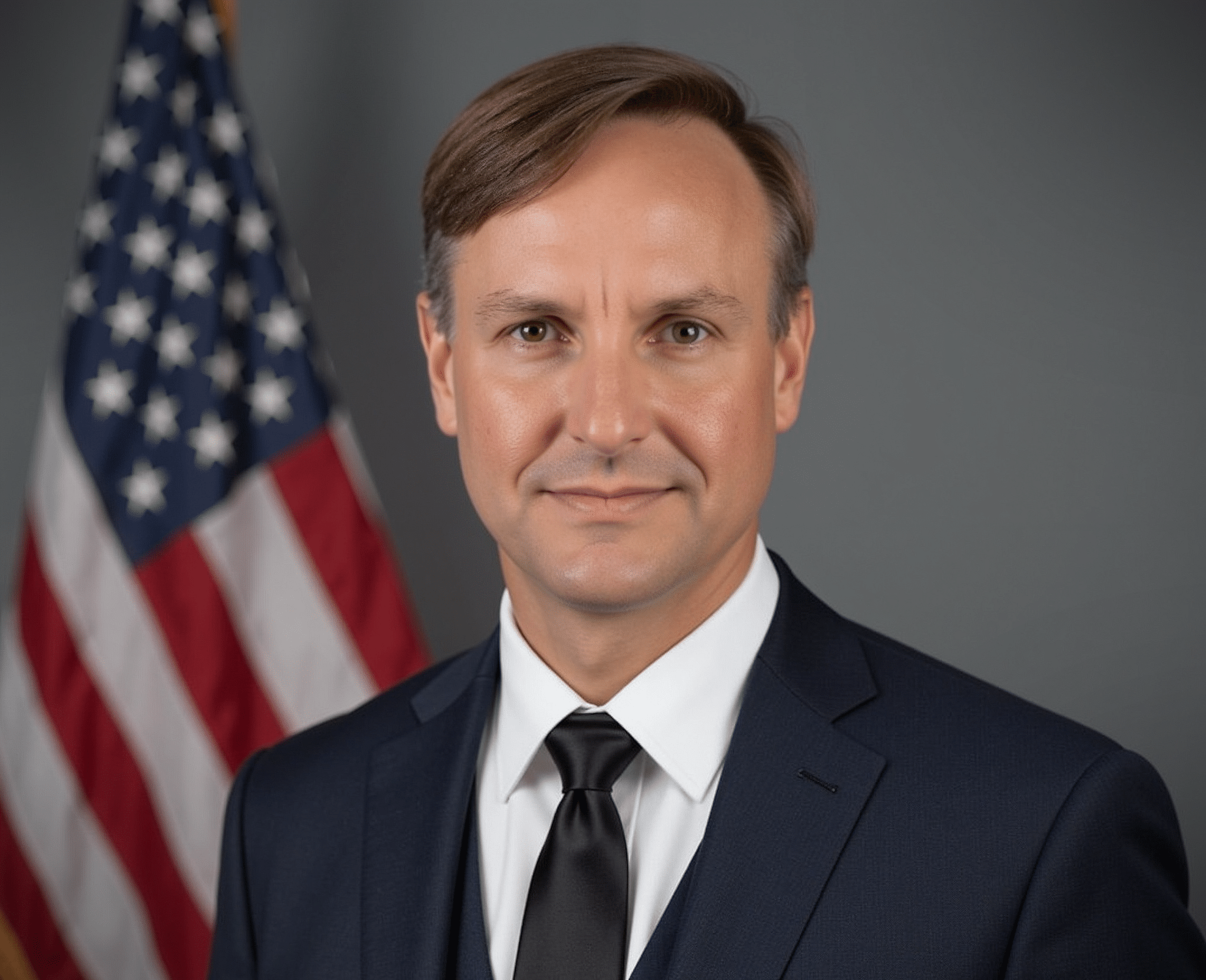
A renowned military criminal defense attorney and best-selling author, Michael Waddington defends clients worldwide in serious cases and trains lawyers in advanced cross-examination. He is frequently featured by major media outlets like CNN and 60 Minutes.
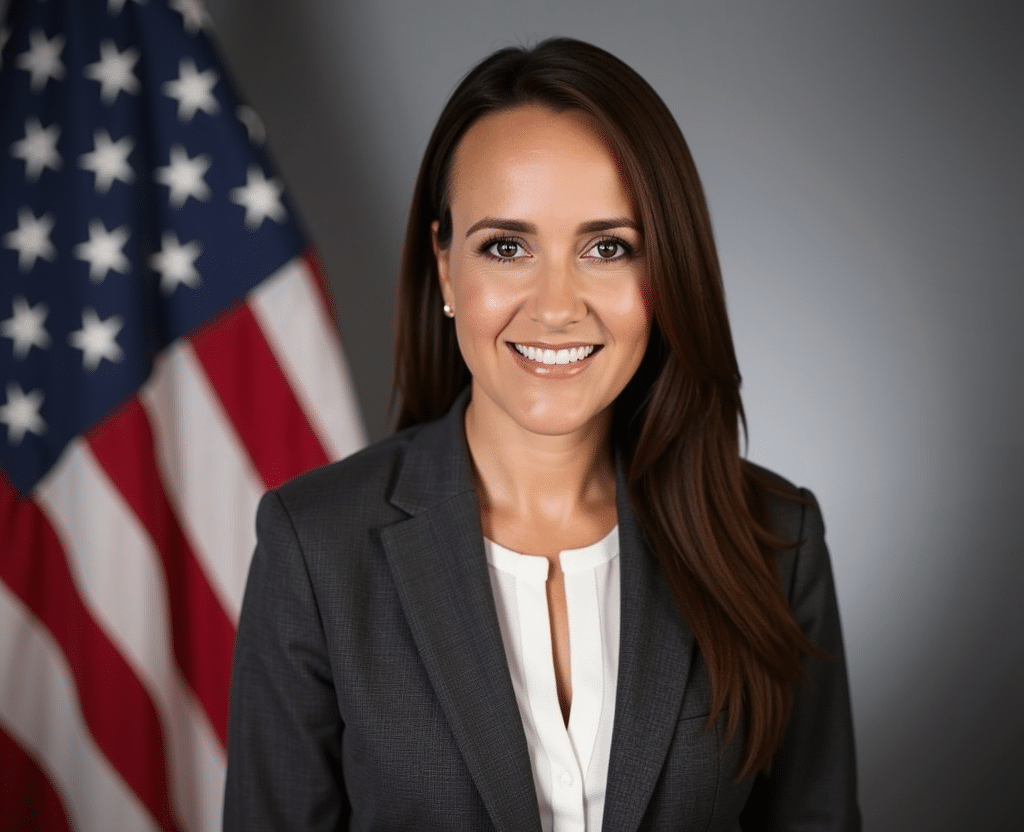
Alexandra González-Waddington is a top military and civilian defense attorney who has handled high-profile sexual assault, violent crime, and war-crimes cases globally. Her work is widely recognized by media outlets including 60 Minutes and ABC’s Nightline.

