Table Content
Article 134, Sexual Harassment, criminalizes certain forms of unwelcome sexual conduct that undermine good order and discipline or discredit the armed forces. It applies when the accused knowingly engages in prohibited behavior and the conduct meets statutory or regulatory criteria for sexual harassment. The offense was added to the UCMJ to provide a specific punitive article addressing harassment not amounting to assault or abusive sexual contact.
The statute covers both verbal and nonverbal harassment when it is sexual in nature and either severe or pervasive. It includes unwelcome sexual advances, requests for sexual favors, and other conduct of a sexual nature that creates an intimidating, hostile, or offensive environment. Quid pro quo harassment, where employment or service benefits are conditioned on sexual conduct, is also punishable.
Conduct may occur in person, electronically, or through third parties. The key inquiry is whether the behavior would be perceived as unwelcome and inappropriate by a reasonable person in the same circumstances.
Article 134 applies to all persons subject to the UCMJ, including active duty service members, certain reservists, and others within UCMJ jurisdiction. Rank or position does not exempt an individual from liability. Supervisors may face heightened scrutiny due to their authority over victims.
The government must generally prove the accused acted knowingly, meaning they were aware of their conduct and its sexual nature. The prosecution does not need to show an intent to harm but must establish that the behavior was deliberate rather than accidental. Negligent conduct alone is insufficient for liability.
Attempt and conspiracy liability may apply under Article 80 and Article 81 when a service member takes substantial steps toward committing sexual harassment or agrees with others to do so. Accomplice liability may attach when an individual aids, encourages, or directs another person’s unlawful harassment. Depending on the facts, related charges such as maltreatment, orders violations, or other Article 134 offenses may be considered.
Overall, Article 134 provides a disciplinary framework for addressing sexual harassment within the military environment.
The government must prove each element of Article 134: Sexual Harassment beyond a reasonable doubt. These elements define the conduct that constitutes the offense and the circumstances under which it becomes punishable under military law.
The mens rea requirement typically requires that the accused acted knowingly—meaning the accused was aware of the nature of the conduct and that it was directed toward another person. The government need not prove an intent to harm, but it must establish that the conduct was deliberate rather than accidental.
The actus reus consists of unwelcome sexual conduct, which may include verbal, nonverbal, or physical behaviors. Such conduct qualifies as quid pro quo when submission to or rejection of it is used as a basis for decisions affecting a person’s military duties or career. It qualifies as hostile environment harassment when it is severe or pervasive enough to interfere with performance or create an intimidating, hostile, or offensive working environment.
Critical definitions include “unwelcome,” which focuses on the subjective perception of the recipient, and “sexual conduct,” which encompasses a broad range of behaviors involving sexual content or implication.
Punishment for violations of Article 134: Sexual Harassment depends on the date of the alleged offense. The Uniform Code of Military Justice transitioned from the traditional maximum_punishment model to a sentencing_category system for offenses committed on or after December 27, 2023. Each framework authorizes different forms and ranges of punishment.
For offenses committed before December 27, 2023, sentencing followed the maximum_punishment structure listed in the Manual for Courts_Martial.
For offenses committed on or after December 27, 2023, Article 134: Sexual Harassment is sentenced under the standardized sentencing_category system implemented by the Military Justice Act amendments.
Under the sentencing_category model, each offense is placed in a predefined category that specifies a confinement range and the types of punishments that may accompany it. This differs from the prior system, in which each offense had an individually listed maximum punishment. The new framework groups offenses with similar severity, creating uniformity across cases while still allowing the sentencing authority discretion within the authorized range.








Charging decisions for UCMJ Article 134: Sexual Harassment generally follow the specific fact patterns uncovered during an inquiry and the discretion of commanders and military prosecutors. How the conduct was reported, documented, and corroborated largely shapes whether the behavior is charged alone under Article 134 or combined with other punitive articles.
In practice, Article 134 sexual harassment charges most often arise from patterns of unwelcome verbal comments, repeated messages, or sexually suggestive behavior occurring in the workplace or during duty-related interactions. Cases commonly begin with allegations involving:
These cases generally reflect recurring conduct rather than isolated accidental remarks, though a single incident may still trigger a complaint if it has a clear impact on the work environment or duty performance.
Prosecutors frequently align these charges to capture multiple aspects of the conduct and ensure alternative theories of criminal liability.
Most cases begin with a complaint made to a supervisor, command climate representative, or equal-opportunity office. Commands may initiate a command-directed investigation when the allegations appear limited in scope or administrative in nature. More serious or repeated allegations are typically referred to law-enforcement entities such as CID, NCIS, OSI, or CGIS. These agencies gather interviews, electronic communications, and workplace evidence, often coordinating with legal advisors early in the process.
Charging patterns often reflect overlap between Article 134 and more specific punitive articles. Prosecutors may charge multiple articles simultaneously to address different facets of conduct, preserve charging options, or account for variations in witness accounts. Charge-stacking is generally employed to ensure at least one theory aligns with the proven conduct, particularly when the behavior spans verbal, electronic, and supervisory domains.
Prosecutions under UCMJ Article 134: Sexual Harassment often hinge on the government’s ability to prove each required element, as well as on the interpretation of statutory terms and the evaluation of witness testimony. Disputes regularly involve the interaction between factual allegations and legal standards, including how commanders, investigators, and courts assess conduct within military environments. Evidentiary rulings, the definition of prohibited behavior, and questions surrounding intent can significantly shape the litigation of these cases.
Contested issues frequently arise over whether the government has established every statutory element beyond a reasonable doubt. These may include whether the alleged conduct constituted unwelcome sexual advances, comments, or gestures; whether the conduct met the threshold of being objectively offensive; and whether it had a reasonably foreseeable negative impact on good order and discipline or service reputation. Disputes often center on the sufficiency of the evidence, especially where the alleged conduct occurred in informal or ambiguous contexts, or when the record includes mixed accounts of workplace interactions.
Questions related to mens rea often receive significant attention. Litigants and courts may examine whether the accused acted knowingly, recklessly, or with another required mental state depending on how the conduct is charged. Controversies can emerge over what level of intent is necessary for comments or behaviors to qualify as sexual harassment under Article 134. Additionally, the accused’s awareness of the impact of the conduct, or whether a reasonable person would have understood the conduct as inappropriate or unwelcome, can become central issues in resolving mental-state disputes.
Witness credibility plays a substantial role in many cases, particularly when testimony is the primary evidence of the conduct. Factors such as inconsistencies in recollections, the timing of reports, and the context of interpersonal relationships may be examined by factfinders. Credibility assessments can also extend to investigators, supervisors, or bystanders whose characterizations of workplace culture or communication patterns influence the factfinding process.
Evidentiary disputes often involve the admissibility of statements made by the accused, digital communications, workplace records, or other documentary materials. Questions may arise regarding the lawfulness of searches, the voluntariness of statements, or the authentication of electronic evidence. Additionally, rulings concerning relevance, potential prejudice, or the scope of permissible character evidence can significantly impact how the facts are presented at trial.
Ambiguities in statutory language or implementing regulations may lead to disputes about the scope of prohibited conduct or the meaning of specific terms such as “unwelcome,” “sexual,” or “service-discrediting.” Courts may also confront questions about how Article 134’s general provisions interact with service-specific regulations or other punitive articles. These interpretive issues can influence both charging decisions and judicial determinations regarding the applicability of the law to particular factual scenarios.
Overview of Article 134 offenses that encompass various misconduct
Conduct involving cruelty or maltreatment toward subordinates
Officer misconduct standards related to disrespectful or abusive behavior
Failure to follow lawful orders often associated with workplace misconduct
Improper handling of intimate images connected to harassment-type behavior
Collateral consequences are administrative, professional, or legal effects that may arise from a conviction independently of the punishments imposed by a court-martial. These consequences vary based on individual circumstances, service regulations, and applicable federal or state law, and they may continue to affect a service member after completion of any judicial sentence.
A conviction under UCMJ Article 134: Sexual Harassment may prompt a command to initiate administrative separation processing. If separated, the characterization of service may be impacted, potentially resulting in a General (Under Honorable Conditions) or Other Than Honorable discharge. Such a conviction can also affect eligibility for promotions, retention, special duty assignments, or commissioning programs. For personnel nearing retirement eligibility, the conviction may influence retirement-grade determinations or the overall ability to qualify for retirement benefits. Additionally, reenlistment eligibility and future military service opportunities may be limited or denied.
Sexual harassment–related misconduct may raise concerns regarding judgment, reliability, or personal conduct during periodic or incident-driven security clearance reviews. A conviction can result in suspension or revocation of a clearance, which may restrict access to classified information and limit positions requiring such eligibility. These effects may also influence post-service employment in government or defense-related sectors where clearance eligibility is necessary.
Depending on the specific conduct underlying the conviction, some offenses adjudicated under Article 134 may trigger federal or state sex offender registration requirements. Registration obligations are determined by federal law and the laws of individual states, not by the UCMJ alone, and may differ by jurisdiction.
The same actions that result in a military conviction may also create exposure to federal or state criminal charges or civil claims, such as workplace harassment or intentional tort allegations, depending on the circumstances and jurisdiction involved.
For non-citizens or naturalized service members, certain convictions may carry immigration implications. These may include effects on admissibility, adjustment of status, or eligibility for naturalization, depending on how the conduct is treated under federal immigration law.
During an investigation under UCMJ Article 134: Sexual Harassment, decisions made in the initial stages often influence case trajectories before any charges are preferred. Early legal guidance helps ensure that a service member understands the investigative environment and how preliminary actions may affect later proceedings.
Military investigators usually collect statements, documents, digital communications, and command records at the outset of an inquiry. Early legal involvement can help a service member understand how evidence is being gathered, clarify how their own statements may be interpreted, and ensure that any relevant materials are properly preserved. An attorney, including a civilian military defense lawyer, can also help identify when additional context or documentation may be appropriate.
Command or law-enforcement interviews often occur before a service member fully understands the scope of the allegations or the applicable rights. Statements made without a complete understanding of the situation can be misinterpreted or used in ways the member did not anticipate. Legal representation helps ensure that the service member participates in interviews only with a clear understanding of the implications.
Administrative inquiries and command-directed investigations can proceed regardless of whether criminal charges are pursued. Early decisions in these processes—such as initial responses or participation in fact-finding efforts—can influence command perceptions and subsequent actions.
Choices made early in the investigation, including consenting to searches or providing statements, may have effects that continue throughout any court-martial, administrative action, or post-investigation review. Understanding these long-term implications supports more informed decision-making.
Gonzalez & Waddington is a civilian military defense law firm that represents service members facing allegations under the Uniform Code of Military Justice. The firm focuses on complex UCMJ cases across all branches of the armed forces and provides defense services to clients worldwide. Its attorneys have extensive experience advising military personnel on their rights, navigating investigative processes, and defending clients in administrative and trial-level proceedings.
If you are facing an investigation or allegation under UCMJ Article 134: Sexual Harassment, Gonzalez & Waddington can discuss your situation and explain the available defense options. For more information or to request a consultation, you are invited to contact the firm directly.
Q: What does UCMJ Article 134: Sexual Harassment cover?
A: Article 134: Sexual Harassment addresses unwelcome sexual conduct or behavior that disrupts good order and discipline or discredits the armed forces. It can include verbal comments, written communications, gestures, or other conduct of a sexual nature that creates a hostile or offensive environment. The article applies to service members whose behavior negatively affects the workplace or military mission. Commanders evaluate context, intent, and impact when determining whether alleged conduct falls under this article.
Q: What is the maximum punishment for UCMJ Article 134: Sexual Harassment?
A: The maximum punishment can vary depending on the circumstances, but it may include reduction in rank, forfeiture of pay, confinement, and a punitive discharge. Actual penalties depend on the severity of the conduct, the harm to good order and discipline, and findings at a court-martial. Command authorities and courts consider all available evidence, the service member’s record, and aggravating or mitigating factors when determining potential sentencing outcomes.
Q: Can an allegation under this article lead to administrative separation even without a conviction?
A: Yes. A command may initiate administrative separation based on substantiated misconduct, even if the service member is not convicted at a court-martial. Administrative actions operate under a different standard of proof and can be pursued when evidence indicates that the member’s conduct affected the unit or environment. Potential outcomes may include retention with corrective measures or separation with various characterization options, depending on the evidence and command recommendations.
Q: Do I need a civilian military defense lawyer for an investigation under this article?
A: Service members have the right to consult with military defense counsel at no cost, and they may choose to hire civilian military defense counsel if they prefer additional representation. Whether to engage civilian counsel is a personal decision that depends on the complexity of the case, the seriousness of the allegations, and individual concerns. Early consultation with qualified counsel can help a service member understand the process and available options.
Q: Can this be handled without a court-martial, such as through administrative action or nonjudicial punishment?
A: Yes. Commands may address alleged sexual harassment through nonjudicial punishment, administrative counseling, reprimands, or other corrective actions when they determine that such measures are appropriate. The decision depends on the nature of the conduct and the available evidence. Not all cases proceed to court-martial, and commanders evaluate the situation to decide which forum best maintains good order, discipline, and fairness within the unit.
Q: Which agencies typically investigate allegations under Article 134: Sexual Harassment?
A: Investigations may be conducted by military law enforcement agencies such as the Criminal Investigation Division (CID), Naval Criminal Investigative Service (NCIS), or Office of Special Investigations (OSI), depending on the service branch. In some cases, commanders may rely on administrative inquiries when the conduct does not involve potential criminal charges. The chosen investigative method typically reflects the seriousness of the allegation and the type of evidence involved.
Q: What types of evidence are commonly considered in these cases?
A: Evidence may include witness statements, text messages, emails, social media content, workplace reports, or observations from supervisors. Commands and investigators often review the context of interactions, patterns of behavior, and the impact on the work environment. Both direct and circumstantial evidence can be relevant. The quality, consistency, and credibility of available information play a significant role in determining whether allegations are substantiated under this article.
If you want to review the Articles of the UCMJ and learn more about military law, you can start here: UCMJ Articles and Military Justice Resources. You may also find helpful official information from the Air Force Judge Advocate General’s Corps at afjag.af.mil.
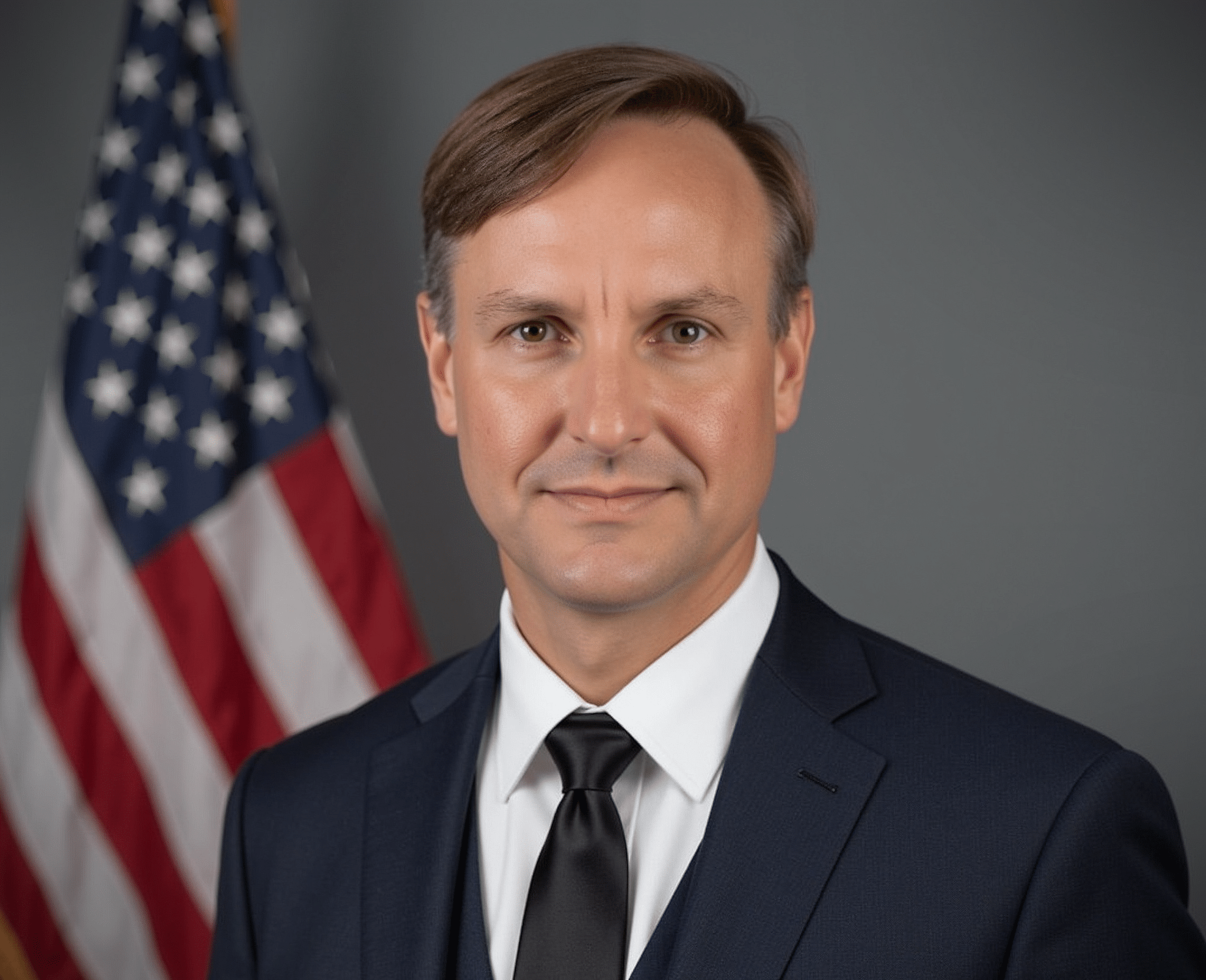
A renowned military criminal defense attorney and best-selling author, Michael Waddington defends clients worldwide in serious cases and trains lawyers in advanced cross-examination. He is frequently featured by major media outlets like CNN and 60 Minutes.
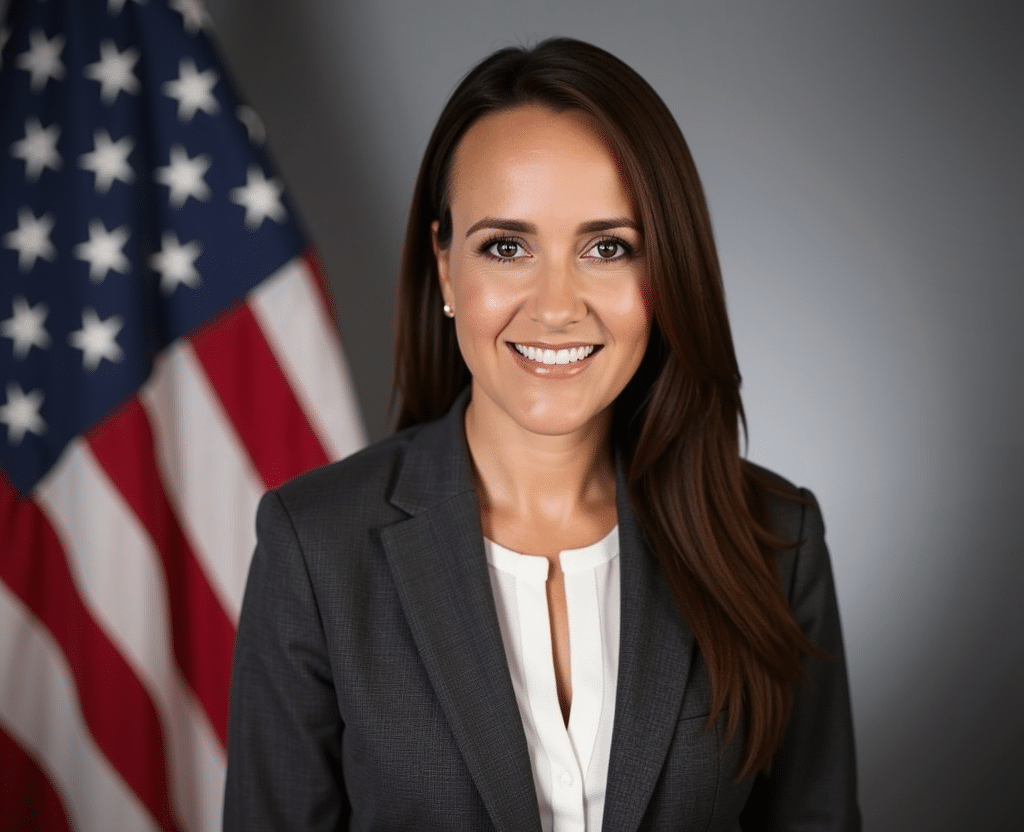
Alexandra González-Waddington is a top military and civilian defense attorney who has handled high-profile sexual assault, violent crime, and war-crimes cases globally. Her work is widely recognized by media outlets including 60 Minutes and ABC’s Nightline.

