UCMJ Article 117a criminalizes the knowing, nonconsensual distribution of intimate visual images by a servicemember, including images shared electronically. The statute applies in both on-duty and off-duty contexts when the statutory elements are satisfied. Congress enacted Article 117a to protect servicemembers and civilians from the targeted use of private images as a weapon.
To convict under Article 117a, the government must prove the accused knowingly distributed an intimate visual image of an identifiable, nonconsenting person, knew the image was private, and knew distribution would cause harm or emotional distress. Good order and discipline must also be prejudiced, or the conduct must be service-discrediting. Gonzalez & Waddington defends servicemembers facing Article 117a at every stage of the military justice process.
For offenses committed before December 27, 2023, a conviction under Article 117a carries a maximum punishment of seven years confinement, a dishonorable discharge, total forfeiture of pay and allowances, and reduction to E-1.
For offenses committed on or after December 27, 2023, Article 117a is a Category D offense under the revised Manual for Courts-Martial, carrying a maximum of ten years confinement along with a dishonorable discharge, total forfeiture, and reduction to E-1. A conviction may also trigger mandatory sex-offender registration under federal and state law, with consequences that follow a servicemember long after separation. For a confidential consultation, call 1-800-921-8607.
Reviewed by Michael Waddington, Founding Partner · Updated October 8, 2026
Table Content
Article 117a of the Uniform Code of Military Justice criminalizes the nonconsensual distribution of intimate visual images when certain jurisdictional and knowledge elements are met. The provision governs conduct by servicemembers that undermines privacy, dignity, and good order and discipline. It applies in both on_duty and off_duty contexts if the statutory elements are satisfied.
The statute prohibits knowingly and wrongfully broadcasting, distributing, or transmitting an intimate visual image of another identifiable person when the accused reasonably should know that the depicted person did not consent. It also covers actions where the accused had reason to know that the image was created under circumstances showing an expectation of privacy. The term “intimate visual image” includes depictions of nudity or sexual activity as defined in the statute.
Article 117a applies to all persons subject to the UCMJ at the time of the alleged offense. This includes active-duty servicemembers, certain reservists, and others under UCMJ jurisdiction as defined in Article 2. Civilians not subject to the UCMJ cannot be charged under this article.
The government must prove that the accused acted knowingly regarding both the distribution and the nonconsensual nature of the act. The statute also requires that the accused either knew or reasonably should have known of the depicted person’s expectation of privacy. Negligence alone is insufficient without meeting these knowledge-based elements.
Attempted violations of Article 117a may be prosecuted under Article 80 when the accused takes a substantial step toward wrongful distribution. Conspiracy liability may arise under Article 81 when two or more persons agree to commit the offense and an overt act occurs. Accomplice liability is available under Article 77 for those who aid, abet, or encourage the wrongful distribution.
Watch the military defense lawyers at Gonzalez & Waddington break down how they defend service members worldwide against UCMJ allegations, CID/NCIS/OSI investigations, court-martials, Article 120 cases, administrative separations, and GOMORs. If you’re under investigation or facing charges, this video explains what your rights are and how experienced civilian military counsel can make the difference.
To establish a violation of UCMJ Article 117a, the government must prove each element of the offense beyond a reasonable doubt. These elements define the specific mental state, conduct, and contextual facts required for criminal liability.
The required mens rea is knowing conduct. The accused must have acted with awareness that they were distributing the image and with knowledge, or constructive knowledge, of the privacy expectations and likely harmful consequences. Negligent or accidental distribution does not satisfy this standard.
The actus reus consists of the actual distribution, broadcasting, or transmission of an intimate visual image without authorization. This can occur through any medium, including electronic communication platforms.
Statutory definitions include “intimate visual image,” which encompasses depictions of nudity or sexual conduct, and “reasonable expectation of privacy,” referring to circumstances in which the depicted person would not expect further distribution of the image.
Punishment under the Uniform Code of Military Justice (UCMJ) varies depending on the date the alleged misconduct occurred. Offenses committed before December 27, 2023 are sentenced under the traditional maximum_punishment model, while offenses on or after that date are sentenced under the reformed sentencing_parameter system that assigns each offense to a specific category.
For Article 117a (Wrongful Distribution of Intimate Images), the Manual for Courts_Martial authorized the following maximum punishment for offenses occurring before December 27, 2023:
Under the post_December 27, 2023 sentencing system, Article 117a is assigned to a sentencing category that provides a structured confinement range and identifies which collateral punishments may be adjudged. Article 117a falls within a category that authorizes confinement up to 10 years, consistent with its placement among Category D offenses in the 2024 Manual for Courts_Martial.
Under the new sentencing_parameter system, the court_martial does not rely on a single maximum punishment for each offense. Instead, each offense is placed into a category that provides a confinement range within which the sentencing authority must operate. This contrasts with the prior model, in which the sentencing authority could adjudge any lawful sentence up to the maximum confinement and punitive discharge authorized for the specific offense. The new framework is intended to promote consistency by applying uniform confinement ranges across offenses of comparable severity.








Charging decisions under Article 117a generally reflect the specific fact patterns uncovered during investigations, the digital evidence available, and the command’s assessment of good order and discipline concerns. Cases often originate from interpersonal disputes, unit-level reports, or digital misconduct that becomes known to leadership, and prosecutors tailor the charge to the clearest and most supportable conduct within the evidentiary record.
Allegations commonly arise from situations in which service members share explicit images of a former partner or acquaintance without consent, often following a relationship breakdown. Social media posts, group chats, and cloud-storage leaks are typical environments where investigators first identify misconduct. In many cases, the accused and alleged victim are both service members, leading to rapid command involvement because of unit cohesion implications. Another recurring scenario involves the forwarding of images originally obtained consensually but later disseminated more broadly, sometimes during personal disputes or as part of online exchanges within peer groups. Screenshots, metadata, and chat logs often form the backbone of these cases.
Most cases begin with a direct report from the affected service member or a witness who encounters the images online. Commands may initiate preliminary inquiries to determine the scope of the alleged misconduct before referring the matter to CID, NCIS, OSI, or CGIS, depending on the branch. These agencies typically collect digital evidence, interview involved parties, and obtain warrants or command authorizations for device searches. Parallel command-directed actions, such as no-contact orders or administrative checks on electronic communication platforms, often occur while law enforcement conducts its investigation.
Prosecutors frequently use overlapping charges to ensure coverage of all provable elements, presenting Article 117a alongside broader offenses like Article 134. Charge-stacking may occur when conduct spans multiple digital platforms or involves repeated distributions. Alternative theories are sometimes charged when it is unclear whether the strongest evidence supports wrongful distribution, wrongful broadcast, or conduct prejudicial to good order and discipline, allowing fact-finders multiple avenues for conviction based on the same underlying events.
Prosecutions under UCMJ Article 117a often involve disputes over whether the government has established each statutory element beyond a reasonable doubt. These cases typically hinge on the quality and interpretation of evidence, the credibility of witnesses, and how courts apply statutory terms to evolving forms of digital communication. Judicial decisions frequently turn on factual nuance, the scope of permissible inferences, and the interaction between constitutional considerations and military-specific legal standards.
Litigation commonly focuses on whether the facts satisfy one or more specific elements of Article 117a. Contested issues may include whether an image qualifies as an “intimate visual image” within the meaning of the statute, whether distribution actually occurred, and whether the subject had a reasonable expectation of privacy at the time the image was captured or disseminated. Disputes may also arise over proof that the distribution was wrongful or without consent. Because these elements can involve technical questions—such as verifying the authenticity of digital images or establishing the origin of a transmission—fact-finding and expert testimony often play a significant role.
Mens rea is frequently a central point of litigation. Courts may closely examine whether the accused acted knowingly, recklessly, or with a particular mental state set by statute. In some cases, the dispute involves whether the accused understood the nature of the image, the identity of the depicted person, or the likely consequences of sharing it. Where the statute requires proof that the accused knew or reasonably should have known that distribution was without consent or likely to harm the depicted individual, that mental state may become a key contested issue.
Credibility assessments often influence findings of fact in Article 117a prosecutions. Differences between witness accounts, inconsistencies in statements, and gaps in recollection may affect the weight given to testimony regarding consent, distribution, or the accused’s knowledge. Investigative steps, including how interviews were conducted or documented, can also become points of contention when conflicting narratives arise.
Because these cases often involve digital communications and electronic devices, evidentiary disputes commonly address the admissibility of data obtained from phones, computers, or messaging platforms. Challenges may concern the scope of search authorizations, chain of custody, or the reliability of digital forensic methods. Statements made during interviews can also become the subject of suppression motions if questions arise about rights advisements or voluntariness.
Certain terms used in Article 117a, such as “reasonable expectation of privacy,” “intimate visual image,” or “distribution,” may require judicial interpretation. Ambiguities, cross-references to other UCMJ provisions, or the statute’s relationship to emerging technologies can lead to disputes about legislative intent or the proper scope of the law.
Indecent conduct and language provisions that often overlap with wrongful image distribution
Indecent viewing and recording offenses closely related to misuse of intimate images
Obstruction of justice for situations involving attempts to conceal or destroy digital evidence
Collateral consequences are administrative, professional, or legal effects that may occur independently of any court-martial sentence. These outcomes arise from military regulations, federal and state laws, or agency policies, and can continue after a service member completes all judicially imposed penalties.
A conviction under UCMJ Article 117a may lead to administrative actions separate from the court-martial process. Command authorities may initiate administrative separation, and the characterization of service may be affected, potentially resulting in a general or other-than-honorable discharge. Career progression can also be limited; eligibility for promotion, reenlistment, or retention may be reduced. For those nearing retirement, the conviction may influence retirement approval or the characterization of retired pay. Future military service, whether active, reserve, or through commissioning programs, may also be impacted.
This type of offense can affect eligibility for security clearances or continued access to classified information. Adjudicators may evaluate concerns related to judgment, reliability, and personal conduct. Loss of clearance can affect military assignments and post-service employment in fields that require clearance eligibility, including defense contracting and certain federal positions.
Depending on the facts of the case and the jurisdiction, a conviction under Article 117a may trigger sex offender registration or related reporting requirements. Registration obligations, when applicable, are governed by federal law, state statutes, and local registration authorities.
The underlying conduct may also expose an individual to civilian legal consequences. These can include prosecution under federal or state criminal statutes addressing privacy offenses or unauthorized image distribution, as well as potential civil claims from affected individuals.
Non-citizen or naturalized service members may experience immigration-related effects. Certain convictions can influence admissibility, adjustment of status, or future naturalization applications, depending on applicable immigration law and the nature of the offense.
During investigations under UCMJ Article 117a, decisions made in the initial stages often influence the trajectory and potential disposition of the case. Actions taken before charges are preferred can shape how facts are interpreted and what evidence ultimately becomes central to the matter.
Military investigators typically begin collecting statements, digital materials, and documentary evidence immediately upon receiving an allegation. Early legal involvement can help ensure that a service member understands what information is being requested, how digital data may be analyzed, and how their own materials may be preserved or reviewed. Guidance at this stage can help prevent misunderstandings about what evidence is relevant or how it may be interpreted by investigators.
Command or law_enforcement interviews often occur before the accused fully grasps the scope of the allegations or the potential implications of their responses. Without context or legal guidance, a service member may provide incomplete or inaccurate information, or unintentionally waive rights. This concern is one reason civilian military defense lawyers are frequently consulted early in the process.
Military commands may initiate administrative inquiries or command_directed investigations that run parallel to or independent from criminal processes. Early participation in these inquiries can influence findings that later inform administrative or judicial decisions.
Choices made early—such as consenting to searches, providing statements, or responding to administrative requests—can have effects that extend through a court_martial or related administrative actions. These decisions may shape the evidentiary record, influence command perceptions, and affect the range of options available later in the case.
Gonzalez & Waddington is a civilian military defense law firm that focuses on representing service members facing allegations under the Uniform Code of Military Justice. The firm has extensive experience handling complex military criminal cases across all branches of the armed forces, including matters involving digital misconduct and emerging technology-based offenses. Their work centers on protecting the rights of military personnel through each stage of the investigative and judicial process.
If you are facing an allegation under UCMJ Article 117a or have been notified of an investigation, Gonzalez & Waddington welcomes inquiries from service members seeking experienced civilian military defense counsel. You may contact the firm to discuss your situation and explore available options for representation.
Q: What does UCMJ Article 117a: Wrongful Distribution of Intimate Images cover?
A: Article 117a prohibits knowingly and wrongfully distributing or broadcasting intimate visual images of another person without their consent when the individual had a reasonable expectation of privacy. The article also applies when the accused knew or should have known that the distribution could cause harm, embarrassment, or emotional distress. It covers both digital and physical dissemination, including social media posting, text sharing, and other electronic or non_electronic means.
Q: What is the maximum punishment for UCMJ Article 117a: Wrongful Distribution of Intimate Images?
A: The maximum authorized punishment may include a dishonorable discharge, forfeiture of all pay and allowances, and confinement for up to seven years. Actual punishment varies based on the facts of the case, admissible evidence, the accused’s service record, and decisions made by the convening authority or court_martial panel. Commanders and military judges assess each case individually when determining the appropriate disposition and potential sentence.
Q: Can an allegation under this article lead to administrative separation even without a conviction?
A: Yes. Commanders have broad discretion to initiate administrative separation proceedings based on substantiated misconduct, even if the case does not result in a court_martial conviction. Separation decisions may rely on investigative findings, command assessments, or documented behavior. The process typically involves notice to the service member, an opportunity to respond, and, in some cases, a separation board that reviews available evidence and recommends whether the member should be retained or separated.
Q: Do I need a civilian military defense lawyer for an investigation under this article?
A: Service members are entitled to consult with a military defense counsel at no cost, but some individuals choose to retain a civilian attorney for additional representation. The decision depends on personal preference, the complexity of the case, and the level of legal support the member believes is necessary. Civilian counsel can work alongside appointed counsel and may provide independent advice, but hiring one is optional and not required for participation in the investigation.
Q: Can this be handled without a court-martial, such as through administrative action or nonjudicial punishment?
A: Yes. Depending on the circumstances, commanders may address alleged violations of Article 117a using administrative actions, counseling, reprimands, or nonjudicial punishment under Article 15. These options are considered when the conduct is substantiated but may not warrant a court_martial, or when the commander determines an alternative disposition is appropriate. The chosen approach typically reflects the seriousness of the conduct, available evidence, and the service member’s overall duty performance.
Q: Which investigative agencies typically handle allegations involving intimate image distribution?
A: Investigations are generally conducted by military law enforcement agencies such as the Army CID, Air Force OSI, or Navy NCIS. These agencies review digital evidence, interview witnesses, and examine communication records to determine whether the elements of Article 117a are met. In some cases, command-level inquiries or civilian law enforcement may also be involved, particularly when the images were distributed across public platforms or involved off_base conduct.
Q: What types of evidence are commonly reviewed in an Article 117a investigation?
A: Investigators typically examine digital files, metadata, screenshots, device records, social media activity, and communication logs such as texts or emails. Statements from witnesses or the alleged victim may also be collected to establish context, consent, and the circumstances surrounding the distribution. The goal is to determine whether the images were intimate in nature, shared without permission, and disseminated in a manner that meets the legal elements of the offense.
You can review the individual Articles of the UCMJ and learn more about military law by clicking here: UCMJ Articles and Military Justice Resources. You can also explore official military law guidance from the Army Judge Advocate General’s Corps at jagcnet.army.mil.

A renowned military criminal defense attorney and best-selling author, Michael Waddington defends clients worldwide in serious cases and trains lawyers in advanced cross-examination. He is frequently featured by major media outlets like CNN and 60 Minutes.
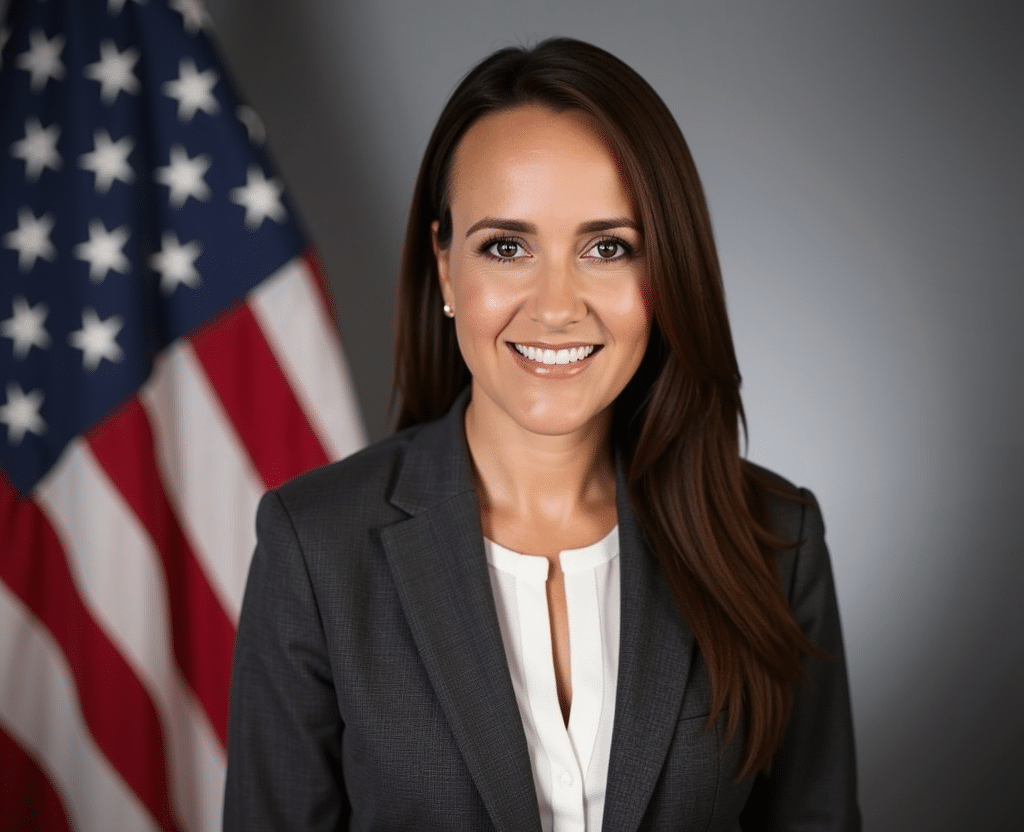
Alexandra González-Waddington is a top military and civilian defense attorney who has handled high-profile sexual assault, violent crime, and war-crimes cases globally. Her work is widely recognized by media outlets including 60 Minutes and ABC’s Nightline.

