UCMJ Article 93 criminalizes cruelty, oppression, or maltreatment of any person subject to a superior's orders within the military. The statute targets officers, noncommissioned officers, and others in positions of authority who abuse that authority against subordinates. Article 93 focuses on misuse of command power, not ordinary interpersonal conflict or lawful but demanding discipline.
To convict under Article 93, the government must prove the accused held authority over the victim, the victim was subject to the accused's orders, and the accused deliberately engaged in cruel, oppressive, or maltreating conduct. Intent to harm is not required — only that the conduct was deliberate and objectively abusive. Gonzalez & Waddington defends service members facing Article 93 charges across all branches and at installations worldwide.
Under the Manual for Courts-Martial, Article 93 carries a maximum of a dishonorable discharge, forfeiture of all pay and allowances, three years of confinement, and reduction to E-1. Offenses committed on or after December 27, 2023, fall under Sentencing Category 2, which retains the same three-year confinement ceiling. A conviction can also trigger administrative separation, loss of retirement eligibility, and security clearance revocation.
Michael Waddington, a former Army Senior Defense Counsel, examines Article 93 cases by scrutinizing whether the accused held genuine authority over the alleged victim, whether the conduct exceeded lawful supervisory bounds, and whether the government can prove deliberate — not merely negligent — behavior. The defense may challenge the superior-subordinate relationship, introduce evidence of legitimate command purpose, cross-examine the alleged victim on motive, and move to suppress improperly obtained statements.
Gonzalez & Waddington defends service members from every branch — Army, Navy, Air Force, Marine Corps, Coast Guard, Space Force, Reserve, and National Guard — before military courts in the United States and overseas, including Germany, Italy, Japan, and South Korea. The firm handles courts-martial, Article 32 hearings, administrative separation boards, and security clearance matters arising from Article 93 allegations. Call 1-800-921-8607 for a confidential consultation.
Reviewed by Michael Waddington, Founding Partner · Updated October 8, 2026
Table Content
Article 93 of the Uniform Code of Military Justice criminalizes acts of cruelty, oppression, or maltreatment committed by a person in a position of authority against someone subject to their orders. The provision is aimed at protecting subordinates from abusive treatment within the military hierarchy. The statute focuses on misuse of authority rather than mere interpersonal conflict.
Conduct violates Article 93 when it involves cruel, oppressive, or abusive actions directed at a subordinate. The term “maltreatment” includes physical abuse, sexual harassment, degrading behavior, or any conduct that a reasonable person would view as unwarranted, unjust, or abusive under the circumstances. The evaluation focuses on whether the behavior exceeded legitimate disciplinary or supervisory functions.
Examples of conduct commonly associated with Article 93 include:
Only individuals who are in a position of authority over the victim—such as officers, noncommissioned officers, and others with supervisory responsibility—may be charged under Article 93. The victim must be subject to the accused’s orders or control. Rank alone is not determinative; the relationship of authority at the time of the conduct is what matters.
Article 93 does not require proof of intent to injure. The government must show that the accused knowingly engaged in the conduct and that a reasonable person would view the conduct as cruel, oppressive, or maltreating. Negligent or accidental behavior does not meet the statutory standard.
Attempt and conspiracy charges are uncommon but legally possible when supported by evidence of intent to commit maltreatment. Accomplice liability may apply if a supervisor aids, encourages, or permits abusive conduct by others under their authority. Separate offenses, including assault or sexual misconduct, may be charged alongside Article 93 when the same conduct satisfies multiple elements.
Watch the military defense lawyers at Gonzalez & Waddington break down how they defend service members worldwide against UCMJ allegations, CID/NCIS/OSI investigations, court-martials, Article 120 cases, administrative separations, and GOMORs. If you’re under investigation or facing charges, this video explains what your rights are and how experienced civilian military counsel can make the difference.
The government must prove each element of the offense of cruelty and maltreatment beyond a reasonable doubt. These elements establish that the accused, by virtue of a superior-subordinate relationship, engaged in conduct that the law prohibits as abusive, oppressive, or otherwise incompatible with the proper exercise of authority.
The mens rea required for Article 93 is general intent. The government must show that the accused intentionally engaged in the conduct, though it need not prove an intent to harm or degrade. It is sufficient that the conduct was deliberate and not accidental.
The actus reus consists of acts or omissions that amount to cruelty, oppression, or maltreatment. This includes behavior that is abusive, degrading, unnecessary for any lawful purpose, or incompatible with the proper exercise of authority over a subordinate.
“Cruelty,” “oppression,” and “maltreatment” are not rigidly defined but are evaluated according to the totality of the circumstances, including the nature of the relationship and the impact of the conduct on the subordinate. Conduct may qualify even without physical contact if it exceeds legitimate supervisory authority.
Punishments for violations of Article 93, UCMJ (Cruelty and Maltreatment) depend on the date of the alleged offense. Offenses committed before December 27, 2023 are sentenced under the traditional maximum_punishment model, while offenses on or after that date fall under the standardized sentencing_categories system established by statute.
Under the pre_December 27, 2023 sentencing framework, Article 93 carried the following maximum authorized punishment as set by the Manual for Courts_Martial:
This system relied on individualized sentencing within fixed maximums established for each offense.
For offenses committed on or after December 27, 2023, Article 93 falls within Sentencing Category 2 under the statutory sentencing_parameters system. Category 2 applies to offenses with an authorized maximum confinement of more than 6 months but not more than 3 years.
The sentencing_categories system standardizes the maximum confinement ranges by category rather than listing a separate maximum for each offense. This differs from the prior model by grouping offenses into statutory categories with defined confinement limits, while still allowing the military judge or panel to determine an individualized sentence within the authorized range.








Charging decisions under Article 93 are shaped by the specific fact pattern, the nature of the complaint, the available evidence, and the discretion of both investigators and commanders. Although the article is broad, actual charging practices tend to follow recognizable patterns that emerge from routine military operations, supervisory relationships, and the command climate in which allegations surface.
Article 93 allegations typically arise from interactions where a service member in a position of authority is accused of behavior that crosses the line from firm leadership into abusive conduct. Common scenarios include:
Article 93 is often paired with other UCMJ offenses when the same conduct touches multiple statutory provisions. Common co-charged articles include:
Article 93 cases frequently begin with subordinate complaints made to a supervisor, first sergeant, or equal opportunity representative. Commands may initiate a commander-directed investigation or AR 15-6–type inquiry (or service-equivalent) to capture preliminary facts. When allegations suggest criminal conduct or involve multiple victims, law enforcement agencies such as CID, NCIS, OSI, or CGIS commonly assume the investigation. These cases often rely heavily on witness interviews, climate assessments, and review of digital communications.
Prosecutors commonly employ charge-stacking or alternative charging theories when conduct fits within multiple articles, both to preserve charging options and to reflect the full scope of alleged behavior. Overlap is frequent because maltreatment often coexists with regulatory violations, unprofessional interpersonal conduct, or acts that could be interpreted as assaultive. While commands may tailor charges to the operational environment, the overall trend is to capture the supervisory misuse of authority along with any accompanying misconduct under related UCMJ provisions.
Prosecutions under UCMJ Article 93 often hinge on whether the government can prove specific statutory elements and whether the evidence reliably supports those elements. Litigation typically focuses on credibility assessments, the scope of permissible evidence, and interpretations of the statute’s language and intent. These issues frequently determine how factfinders evaluate the alleged conduct within the broader context of command authority, duty relationships, and military discipline.
Element-based disputes commonly arise over whether the alleged conduct legally qualifies as cruelty, oppression, or maltreatment. Because Article 93 applies only when the accused is in a position of authority over the victim, parties often contest the existence or scope of a supervisory or duty relationship. Questions may also arise regarding whether the conduct was sufficiently severe or abusive to meet the statutory threshold, particularly when the behavior includes ambiguous or mixed professional and personal interactions. Challenges may also focus on whether the alleged actions were directed “toward a person subject to the accused’s orders,” with litigation centered on organizational structure, tasking authority, or informal influence.
The required mental state is often a central point of contention. Parties may dispute whether the government must prove intent, knowledge, recklessness, or another mens rea with respect to the alleged maltreatment. These debates typically involve the characterization of the conduct—whether it was purposeful, negligent, or a product of operational pressures. Disagreements can also involve whether the statute imposes an objective or subjective standard when evaluating the accused’s state of mind and the impact of the conduct on the subordinate.
Witness testimony frequently plays a decisive role in Article 93 cases. Inconsistencies, differing recollections, and varying perceptions of tone, authority, or context may influence how the facts are understood. Credibility assessments may be affected by rank disparities, operational stressors, or prior interactions between the parties. Investigators’ methods and the completeness of documentary records can also influence how factfinders assess the reliability of the evidence.
Common evidentiary questions include the admissibility of statements made during command inquiries, workplace interactions captured in digital form, and documentation of performance or discipline. Suppression motions may address the voluntariness of statements, compliance with search and seizure requirements, or the handling of electronic communications. The scope of permissible character or propensity evidence can also be a recurring issue.
Litigation may involve disputes over the meaning of specific terms within Article 93, such as “maltreatment” or “oppression,” and how those terms relate to broader military customs and regulatory guidance. Ambiguities in cross-referenced provisions, including those defining positions of authority or duty status, can also generate interpretive challenges.
Failure to obey lawful orders, often associated with abusive or improper treatment of subordinates
Insubordinate conduct involving disrespect or mistreatment within the chain of command
Prohibited trainee and recruit relationships that may overlap with abusive authority concerns
Assault and aggravated assault, frequently co-charged when cruelty involves physical harm
Collateral consequences are administrative, professional, or legal effects that may arise outside of the sentence imposed by a court-martial. These consequences are typically governed by military regulations, federal law, or state law and may continue to affect a service member after completion of any court_martial punishment.
A conviction under UCMJ Article 93 may influence a wide range of administrative and career determinations. Potential outcomes include:
A conviction for cruelty or maltreatment may affect eligibility to hold or maintain a security clearance. Decision_makers may consider the nature of the offense, reliability concerns, and any indications of abuse of authority. Loss of clearance can limit access to certain military roles and may also affect post_service employment in fields that require clearance eligibility or suitability determinations.
Convictions under Article 93 do not automatically trigger sex offender registration. However, if the underlying conduct involves behavior covered by federal or state registration laws, reporting requirements may apply. Registration obligations are determined by specific statutory criteria and vary among jurisdictions.
Conduct supporting an Article 93 conviction may also fall within federal or state criminal statutes, potentially leading to separate civilian investigation or prosecution. Additionally, individuals involved may pursue civil claims, such as tort actions, depending on the circumstances and applicable law.
For non_citizen service members, certain convictions may affect immigration status, admissibility, or future naturalization eligibility. Any impact depends on the specific facts of the offense and how it is classified under immigration law.
During the investigative phase of a UCMJ Article 93 allegation, decisions made by the service member and by investigators often influence the direction and outcome of the case long before any formal charges are preferred. Early legal representation helps ensure that these initial steps are managed with a clear understanding of the legal landscape.
Military investigators typically begin gathering statements, documents, electronic records, and command communications immediately after an allegation is raised. Early legal involvement can help a service member understand how evidence may be interpreted, how statements may be contextualized, and how digital material should be preserved. Civilian military defense lawyers can also help clarify what information must be provided and what may be withheld under applicable rights.
Command or law-enforcement interviews often occur before the service member fully understands the scope of the allegation. Without legal guidance, a service member may provide information that is incomplete, inaccurate, or unnecessary, creating challenges later in the process. Early representation ensures that the service member understands their rights under Article 31(b) and the implications of waiving them.
Administrative inquiries, command-directed investigations, and climate assessments may proceed separately from any criminal process. Early decisions in these settings—including responses to taskings or questionnaires—can influence command perceptions and later administrative or disciplinary actions.
Choices made early in an investigation, such as providing statements, consenting to searches, or responding to administrative inquiries, can shape later proceedings. These decisions may affect the admissibility of evidence, the scope of a court-martial, or the outcome of administrative measures such as adverse evaluations or separation actions.
Gonzalez & Waddington is a civilian military defense law firm that represents service members worldwide in cases arising under the Uniform Code of Military Justice. The firm focuses on defending clients facing complex military criminal allegations, including those charged under UCMJ Article 93: Cruelty and Maltreatment. Its attorneys have extensive experience navigating the military justice system and advising clients through each stage of the process.
If you are facing an allegation involving UCMJ Article 93 or have concerns about an ongoing investigation, Gonzalez & Waddington is available to discuss your situation. Contact the firm to request a confidential consultation and learn more about the services they provide.
Q: What does UCMJ Article 93: Cruelty and Maltreatment cover?
A: Article 93 prohibits acts or omissions by a service member that constitute cruelty, oppression, or maltreatment toward someone subject to their orders. This includes behaviors such as abusive treatment, harassment, or improper use of authority that undermines a person’s dignity or well-being. The article applies to both uniformed and certain civilian personnel under military authority and focuses on the abuse of a superior-subordinate relationship within the military environment.
Q: What is the maximum punishment for UCMJ Article 93: Cruelty and Maltreatment?
A: The maximum punishment may include a dishonorable or bad-conduct discharge, forfeiture of pay and allowances, and confinement, depending on the specific circumstances and severity of the conduct. Actual punishment is determined through the court-martial process, which considers evidence, context, and the accused’s service record. Punishments vary based on the facts of the case and the sentencing authority’s assessment of the misconduct.
Q: Can an allegation under this article lead to administrative separation even without a conviction?
A: Yes. A command may initiate administrative separation based on substantiated misconduct or patterns of behavior even if the service member is not convicted at court-martial. Administrative processes use a lower evidentiary threshold and allow commanders to address concerns involving leadership, judgment, or professionalism. The outcome depends on the evidence presented, the service’s policies, and the member’s overall record of performance and conduct.
Q: Do I need a civilian military defense lawyer for an investigation under this article?
A: Service members have the right to consult with appointed military defense counsel at no cost, and some choose to hire a civilian attorney for additional representation. Whether to engage civilian counsel depends on personal preference, resources, and the complexity of the case. A civilian attorney is not required, but individuals may seek one if they want independent legal assistance beyond what is provided by the military defense system.
Q: Can a case under Article 93 be handled without a court-martial, such as through administrative action or nonjudicial punishment?
A: Yes. Commands may address certain Article 93 allegations through nonjudicial punishment, administrative counseling, reprimands, or other corrective actions when the circumstances do not warrant court-martial. The chosen approach depends on the seriousness of the conduct, available evidence, and the commander’s assessment of appropriate corrective measures. Administrative options allow the command to respond to misconduct without the formal process of a criminal trial.
Q: Which agencies typically investigate allegations related to cruelty or maltreatment?
A: Investigations may be conducted by military law enforcement organizations such as the Army CID, Air Force OSI, or Navy NCIS, depending on the branch involved. Commands may also initiate preliminary inquiries to gather basic information before referring a matter for formal investigation. The investigating agency examines witness statements, command climate, and relevant documentation to determine whether the alleged behavior meets the criteria for potential misconduct under Article 93.
Q: What types of evidence are commonly reviewed in an Article 93 investigation?
A: Investigators typically examine witness statements, communications, command climate records, duty logs, and any documentation showing the relationship between the accused and the complainant. They assess whether actions reflected misuse of authority or created an abusive environment. Both direct evidence, such as messages or orders, and contextual evidence, such as leadership practices or patterns of behavior, may be used to evaluate whether conduct meets the standard for cruelty or maltreatment.
To better understand the Articles of the UCMJ and how military law works in practice, you can review the UCMJ and related authorities here: UCMJ Articles and Military Justice Resources. For additional official guidance, visit the U.S. Navy Judge Advocate General’s Corps website at jag.navy.mil.

A renowned military criminal defense attorney and best-selling author, Michael Waddington defends clients worldwide in serious cases and trains lawyers in advanced cross-examination. He is frequently featured by major media outlets like CNN and 60 Minutes.
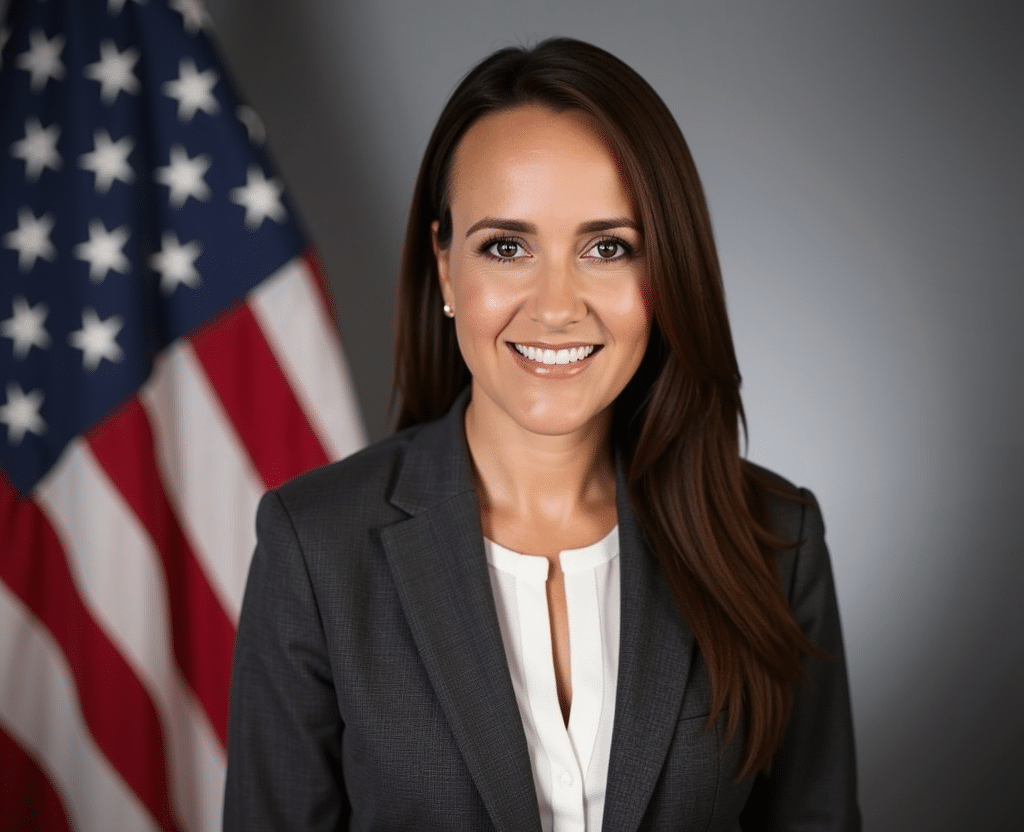
Alexandra González-Waddington is a top military and civilian defense attorney who has handled high-profile sexual assault, violent crime, and war-crimes cases globally. Her work is widely recognized by media outlets including 60 Minutes and ABC’s Nightline.

