Table Content
Article 134 of the Uniform Code of Military Justice criminalizes certain sexual conduct outside marriage when that conduct negatively affects the good order and discipline of the armed forces or brings discredit upon the service. The provision replaces the former adultery offense and applies to both penetrative sexual acts and, in some cases, other sexual behavior that qualifies as extramarital under the statute. The determination of criminality depends on both the nature of the conduct and its impact on the military environment.
The statute focuses on service members engaging in sexual acts with someone who is not their spouse while either the service member or the other participant is married. The government must prove that the conduct had a direct and measurable effect on discipline, unit cohesion, workplace relationships, or public perception of the armed forces. Factors include misuse of rank, interference with duty performance, or public exposure of the relationship.
Only persons subject to the UCMJ may be charged, which generally includes active-duty members, certain reservists on duty status, and other categories specified in Article 2. Civilians cannot be prosecuted under this provision unless they fall within UCMJ jurisdiction.
The offense requires proof that the accused knowingly engaged in the sexual conduct. The government must also show that the accused knew or reasonably should have known of the marital status of at least one participant. No specific intent to undermine discipline is required; the prejudicial or discrediting effect is an objective element evaluated by the court.
Attempt and conspiracy may apply when the underlying extramarital sexual conduct would constitute an offense if completed. Accomplice liability is available under Article 77 for those who aid, abet, or encourage the conduct. These applications are evaluated according to general UCMJ principles governing derivative liability.
The government must prove each element of this offense beyond a reasonable doubt. These elements define the conduct, status, and service-impact required for a conviction under Article 134’s prohibition on extramarital sexual conduct.
The mens rea for this offense generally requires that the accused acted knowingly with respect to engaging in the sexual act and with awareness of the circumstances establishing wrongfulness, including marital status. The government is not required to prove an intent to harm the service but must show that the accused’s conduct met the standard for prejudice or discredit.
The actus reus consists of the voluntary engagement in sexual intercourse. Sexual intercourse includes penetration, however slight, and may be proved through direct or circumstantial evidence. The act must be established as an affirmative physical act occurring during the charged timeframe.
Key statutory definitions include “wrongful,” which denotes conduct without legal justification, and the Article 134 terminal elements, which require proof that the conduct had a reasonably direct and palpable effect on good order and discipline or tended to bring the service into disrepute. These definitions frame the factual findings necessary for criminal liability.
Punishment under Article 134, UCMJ, depends on the date the alleged offense was committed. Offenses occurring before December 27, 2023 fall under the traditional maximum_punishment model, while offenses on or after that date are sentenced under the standardized sentencing_category framework established by the Military Justice Act of 2016 as fully implemented in recent regulations.
For pre_December 27, 2023 offenses, Extramarital Sexual Conduct carried the following maximum authorized punishment as prescribed in the Manual for Courts_Martial:
This model set a single ceiling for punishment, and the sentencing authority could adjudge any lawful combination of these punishments up to the maximum limit.
For offenses committed on or after December 27, 2023, Extramarital Sexual Conduct falls within Sentencing Category 3 under the standardized sentencing framework.
Under the sentencing_category system, each offense is assigned a confinement range rather than a single maximum point. The sentencing authority selects a specific term within that range. This differs from the prior system, which focused solely on maximum punishment and contained no structured ranges. The new framework standardizes sentencing exposure across offenses, increases uniformity, and ensures that similar offenses fall within comparable confinement brackets while retaining judicial discretion within the authorized range.








Charging decisions under Article 134: Extramarital Sexual Conduct are largely driven by the specific fact pattern, how the allegation first surfaces, and the degree of command attention the situation receives. Commanders and prosecutors typically evaluate not only the conduct itself but also its impact on good order, discipline, and unit cohesion when deciding whether to pursue a charge.
Cases most often arise from situations where the relationship becomes visible within the servicemember’s unit or community. Common initiating circumstances include:
Prosecutors often pair extramarital sexual conduct with other UCMJ articles when the facts support broader misconduct. Common accompanying charges include:
Investigations typically begin with a command inquiry triggered by a complaint or report. Commands may conduct preliminary fact-finding before referring matters to law-enforcement investigative agencies such as CID, NCIS, OSI, or CGIS, depending on the service branch. These agencies gather statements, digital communications, and corroborating evidence. In cases involving workplace implications, investigators often interview supervisors and peers to determine any impact on unit functioning or command climate.
Article 134 charges frequently appear in combination with other offenses as part of broader case theories. Charge-stacking may occur when multiple related violations arise from the same fact pattern, allowing prosecutors to present alternative theories of misconduct. Overlap is especially common where relationship rules, honesty requirements, and workplace boundaries intersect, resulting in a multifaceted charging approach grounded in how the conduct affected military discipline and reputation.
Prosecutions under UCMJ Article 134: Extramarital Sexual Conduct often center on whether the government has established the required elements, supported by reliable evidence and permissible inferences. Disputes frequently concern factual sufficiency, credibility of witnesses, scope of admissible evidence, and interpretation of statutory and regulatory language that defines prohibited conduct.
Contested issues commonly arise over whether the government has proven each statutory element beyond a reasonable doubt. Litigated questions may involve:
Challenges often focus on gaps in documentation, inconsistencies in testimony, or unclear links between the conduct and its alleged impact on the service.
Mens rea disputes commonly involve whether the accused knew of their own marital status, the other individual’s marital status, or circumstances that purportedly brought the conduct within the article’s scope. Where recklessness or negligence standards may apply, arguments often center on the degree of awareness or care a reasonable person would have exercised. Questions also arise about whether the government has sufficiently shown that the accused acted with the mental state required to establish service-discrediting or disorderly conduct elements.
Credibility assessments are often central in cases relying on testimony about private conduct. Courts may confront conflicting accounts between participants, discrepancies in timelines, or variations in statements provided at different stages of an investigation. Evaluations may also include the reliability of investigators’ accounts, the consistency of digital communications, and the plausibility of surrounding circumstances.
Common evidentiary disputes involve admissibility of statements made during interviews, the lawfulness of searches and seizures of digital devices, and the reliability of recovered electronic communications. Issues may include voluntariness of admissions, scope of consent to search, chain-of-custody documentation, and authentication of digital or documentary evidence. Suppression motions sometimes address procedural compliance with military rules of evidence and constitutional standards.
Litigants may dispute the meaning of key terms such as “extramarital,” “sexual conduct,” or “service-discrediting.” Questions can arise regarding how Article 134 incorporates definitions from other sources, the extent of required proof of prejudice to good order, and whether evolving regulatory or policy guidance affects the scope of prosecutable conduct. Ambiguities may prompt arguments about the intended reach of the provision and the boundaries of enforceable norms.
General Article guidance for offenses harming good order and discipline
Standards of conduct for officers that may overlap with adulterous or inappropriate relationships
Rules governing prohibited personal relationships in trainee and recruit settings
Failure to obey regulations related to personal conduct and relationships
Collateral consequences are administrative, professional, or legal effects that may arise independently of the sentence imposed by a court-martial. These outcomes can stem from military regulations, federal policies, or civilian laws and often continue after the judicial aspect of a case has concluded.
A conviction under UCMJ Article 134: Extramarital Sexual Conduct may prompt administrative reviews that affect a service member’s continuing military career. Potential outcomes can include:
Findings of misconduct may lead to security clearance reviews. Evaluators may assess judgment, reliability, and personal conduct in determining whether to suspend or revoke clearance eligibility. Loss of a clearance may also affect military duties or post-service employment that requires access to classified information.
Convictions under Article 134 for extramarital sexual conduct typically do not trigger sex offender registration. However, registration requirements are governed by federal and state law, and any obligation would depend on whether the conduct meets statutory definitions within those jurisdictions.
The same conduct may, in some circumstances, be subject to civilian criminal laws or create potential civil liability, depending on state or federal statutes and the specific facts involved.
For non-citizens, certain military convictions may affect immigration status, admissibility, or future naturalization assessments. Any impact would depend on applicable immigration laws and the nature of the misconduct involved.
During the investigative phase of a potential UCMJ Article 134 extramarital sexual conduct case, initial decisions often influence the direction and outcome of the matter long before any charges are preferred. Actions taken early can shape how investigators interpret events and what information becomes part of the official record.
Military investigators typically begin gathering evidence immediately, which can include witness statements, electronic communications, digital device data, and command documents. Early legal involvement helps ensure that the service member understands how evidence is being collected and how their own statements or materials may be preserved, analyzed, or contextualized. This can reduce the risk of misunderstandings or incomplete records shaping the investigative narrative.
Interviews conducted by commanders, security forces, or law-enforcement personnel often occur before the service member fully understands the scope of the allegations. Entering these discussions without informed guidance increases the possibility of providing incomplete or inaccurate information or volunteering details unrelated to the allegation. Early consultation with counsel, including a civilian military defense lawyer, can help the individual understand their rights and the potential implications of any interview.
Commands may initiate administrative inquiries or command-directed investigations that proceed independently of criminal investigative processes. Early decisions in these settings—such as providing statements or documents—can influence both administrative and disciplinary outcomes, even if criminal charges are never pursued.
Choices made early in an investigation, including consenting to searches, providing statements, or responding to administrative questionnaires, can have long-term consequences. These actions often become part of the case file and may affect later determinations in a court-martial, nonjudicial punishment, or administrative separation.
Gonzalez & Waddington is a civilian military defense law firm that represents service members worldwide in cases arising under the Uniform Code of Military Justice. The firm focuses on complex UCMJ matters, including allegations under Article 134, and provides representation to military personnel facing courts-martial, investigations, and administrative actions.
If you are facing an investigation or charges related to UCMJ Article 134: Extramarital Sexual Conduct, Gonzalez & Waddington can provide experienced legal guidance tailored to the military justice system. For more information or to discuss your situation, you may contact the firm to request a confidential consultation.
Q: What does UCMJ Article 134: Extramarital Sexual Conduct cover?
A: This article addresses sexual conduct by a service member with someone who is not their spouse when such conduct compromises good order, discipline, or the reputation of the armed forces. It applies regardless of marital status of the other person. Investigators assess whether the conduct was prejudicial to the service or brought discredit upon the military. The focus is not solely on private behavior but on its potential impact on the military environment.
Q: What is the maximum punishment for UCMJ Article 134: Extramarital Sexual Conduct?
A: Maximum punishment can include a dishonorable discharge, forfeiture of all pay and allowances, and confinement. However, the actual outcome depends on the specific circumstances, including the severity of the alleged misconduct, the impact on unit readiness, and any aggravating or mitigating factors. Sentencing is determined on a case-by-case basis, and not all cases result in the maximum penalties. Command discretion and evidentiary issues play significant roles.
Q: Can an allegation under this article lead to administrative separation even without a conviction?
A: Yes. Administrative separation actions may proceed independently of court-martial outcomes. Commands can initiate separation based on substantiated misconduct, adverse information, or conduct deemed inconsistent with service standards. These actions rely on a lower burden of proof than a criminal conviction. As a result, a service member may face administrative consequences even if the allegation does not lead to a trial or does not meet the threshold for criminal prosecution.
Q: Do I need a civilian military defense lawyer for an investigation under this article?
A: A service member has the right to consult legal counsel, and many choose to seek both military and civilian defense attorneys. Civilian counsel is optional but can provide additional guidance, particularly when navigating interviews, responding to investigative requests, or preparing for potential administrative or judicial actions. Whether to hire civilian counsel depends on the complexity of the case, the seriousness of potential outcomes, and personal preferences regarding legal representation.
Q: Can this be handled without a court-martial, such as through administrative action or nonjudicial punishment?
A: Yes. Commands often address alleged extramarital conduct through nonjudicial punishment, counseling, reprimands, or administrative separation rather than court-martial. The chosen route depends on factors such as evidence strength, operational impact, and command priorities. Nonjudicial or administrative actions typically involve lower standards of proof, which can influence how a case proceeds. These processes are common when the conduct is viewed as misconduct but not severe enough to warrant criminal prosecution.
Q: Which agencies typically investigate allegations of extramarital sexual conduct?
A: Investigations may be conducted by military law enforcement agencies such as CID, NCIS, or OSI, depending on the service branch. In some cases, commands conduct preliminary inquiries or command-directed investigations when the allegation arises in a unit setting. The level of investigation often reflects the seriousness of the allegations, whether other offenses may be involved, and the need for formal evidence collection or witness interviews.
You can review the individual Articles of the UCMJ and learn more about military law by clicking here: UCMJ Articles and Military Justice Resources. You can also explore official military law guidance from the Army Judge Advocate General’s Corps at jagcnet.army.mil.

A renowned military criminal defense attorney and best-selling author, Michael Waddington defends clients worldwide in serious cases and trains lawyers in advanced cross-examination. He is frequently featured by major media outlets like CNN and 60 Minutes.
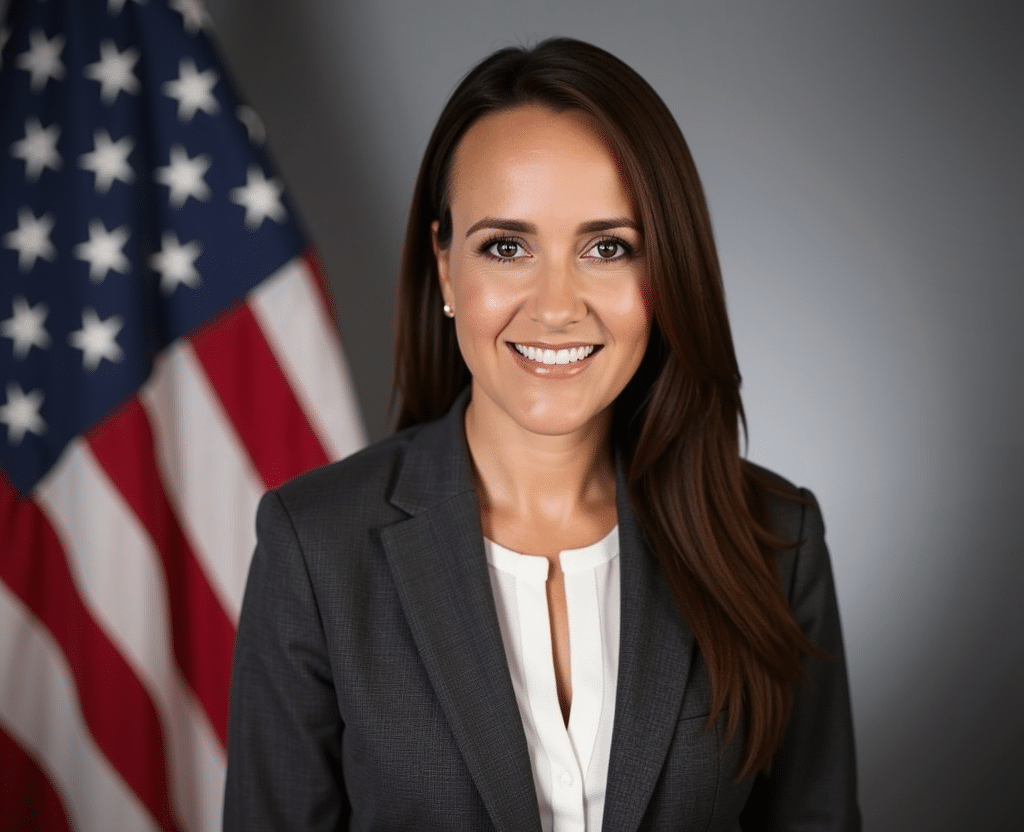
Alexandra González-Waddington is a top military and civilian defense attorney who has handled high-profile sexual assault, violent crime, and war-crimes cases globally. Her work is widely recognized by media outlets including 60 Minutes and ABC’s Nightline.

