UCMJ Article 134 criminalizes the possession, viewing, receipt, distribution, and production of child pornography by any person subject to military jurisdiction. The offense is defined under the Manual for Courts-Martial and requires proof that the conduct was prejudicial to good order and discipline or of a nature to bring discredit upon the armed forces.
To convict, the government must prove beyond a reasonable doubt that the accused knowingly and wrongfully possessed, viewed, received, distributed, or produced child pornography; that the material depicted a minor or apparent minor engaged in sexually explicit conduct; and that the accused's conduct was prejudicial to good order and discipline or service-discrediting. Gonzalez & Waddington defends service members charged under Article 134 for child pornography offenses.
Under the Manual for Courts-Martial, Article 134 child pornography offenses committed before December 27, 2023 carry a maximum of 10 years confinement, a dishonorable discharge or dismissal, and total forfeiture of pay; offenses on or after that date fall under Category 3 sentencing, with a confinement parameter of 30 to 120 months. Conviction also triggers sex-offender registration, security clearance revocation, and administrative separation.
Defense of Article 134 child pornography charges requires early forensic examination of digital evidence, authentication challenges to the government's chain of custody, and scrutiny of the search and seizure procedures used to obtain electronic devices. Michael Waddington, a former Army Senior Defense Counsel, challenges the government's forensic evidence and the adequacy of the military judge's instructions on the knowledge element.
Gonzalez & Waddington defends service members from every branch — Army, Navy, Air Force, Marine Corps, Coast Guard, and Space Force — in military courts worldwide, including installations in Germany, Italy, Japan, and South Korea. Service members under investigation or facing charges under Article 134 can call 1-800-921-8607 for a confidential consultation.
Reviewed by Michael Waddington, Founding Partner · Updated October 8, 2026
Table Content
Article 134 of the Uniform Code of Military Justice criminalizes specified conduct involving child pornography when the conduct is prejudicial to good order and discipline or brings discredit upon the armed forces. The offense is defined by the statutory language and by the President in the Manual for Courts-Martial (MCM), which provides detailed elements and definitions. These provisions apply to covered persons under the UCMJ, including active-duty servicemembers and others subject to military jurisdiction.
Article 134 prohibits knowingly and wrongfully engaging in activity involving child pornography. The term “child pornography” includes images, videos, or material that depict a minor, or what appears to be a minor, engaged in sexually explicit conduct. The statute covers both real and virtual depictions.
Common forms of prohibited conduct include:
The government must generally prove that the accused acted knowingly and wrongfully. “Knowingly” requires awareness of the nature of the material, while “wrongfully” excludes conduct that is authorized or justified by law. Negligent or accidental possession does not meet the required mental state.
Any person subject to the UCMJ may be charged under this article if the elements are met. Jurisdiction does not depend on where the conduct occurred, provided military jurisdiction exists and the offense has a sufficient military nexus. Electronic media stored on personal or government devices falls within the statute when tied to prohibited conduct.
Attempted child pornography offenses are chargeable under Article 80 when the accused takes a substantial step toward the prohibited conduct. Conspiracy to commit a child pornography offense may be charged under Article 81 if an agreement and overt act are proven. Aiding, abetting, or procuring such offenses creates liability under Article 77 for individuals who assist or facilitate the underlying misconduct.
Watch the military defense lawyers at Gonzalez & Waddington break down how they defend service members worldwide against UCMJ allegations, CID/NCIS/OSI investigations, court-martials, Article 120 cases, administrative separations, and GOMORs. If you’re under investigation or facing charges, this video explains what your rights are and how experienced civilian military counsel can make the difference.
The government must prove each element of the charged offense beyond a reasonable doubt to establish liability under Article 134 for child pornography offenses.
The mens rea requires that the accused acted knowingly with respect to the character of the material and the nature of the conduct. This includes awareness that the material depicted a minor or an apparent minor engaged in sexually explicit conduct, though it does not require knowledge of the specific age of the person depicted.
The actus reus consists of the prohibited conduct—possession, viewing, receipt, distribution, or production of child pornography. Each mode of conduct constitutes a distinct basis for liability, and proof may be supported through digital evidence, testimony, or forensic examination.
Key statutory definitions include “child pornography,” which encompasses visual depictions of a minor or an apparent minor engaged in sexually explicit conduct, and “sexually explicit conduct,” defined to include actual or simulated sexual acts and lascivious exhibition of the genitals or pubic area. These definitions guide the factfinder in determining whether the material falls within the scope of the offense.
Punishment for violations of UCMJ Article 134 involving child pornography depends on the date of the alleged offense. Before December 27, 2023, offenses were sentenced under the traditional maximum_punishment model. Offenses occurring on or after December 27, 2023 fall under the new sentencing_category system implemented by the FY22 NDAA.
Under the pre_December 27, 2023 framework, Article 134 child pornography offenses carried fixed maximum punishments set by the Manual for Courts_Martial.
For offenses committed on or after December 27, 2023, sentencing is governed by the new sentencing_category system. Article 134 child pornography offenses fall within a specified sentencing category rather than a single maximum confinement value.
Under the sentencing_category model, Congress establishes confinement ranges for groups of offenses instead of assigning a single maximum punishment to each specific offense. The court_martial selects a sentence within the applicable range, and collateral components—such as punitive discharges, reductions, and forfeitures—continue to be authorized as specified for the category. This system replaces the prior model in which each enumerated offense carried its own individual maximum confinement term.








In real-world military prosecutions, charging decisions under Article 134 for child pornography offenses depend on the specific facts discovered, the digital evidence available, and how the case first comes to command or law-enforcement attention. Command discretion, combined with investigative findings, shapes how broadly or narrowly charges are framed.
Most Article 134 child pornography cases originate from routine digital activity rather than unusual or sensational misconduct. Typical situations include:
Investigations typically begin with either a command notification or a direct referral to military law enforcement. Commanders may initiate preliminary inquiries to determine whether a law-enforcement report is warranted. Once involved, CID, NCIS, OSI, or CGIS generally conduct full digital-forensics examinations, often seizing devices under command authorization or search warrants coordinated with civilian authorities. These agencies frequently collaborate with federal partners when allegations stem from multijurisdictional operations, peer-to-peer monitoring, or cyber task-force actions.
Prosecutors often employ multiple specifications under Article 134 to capture different aspects of the conduct, such as possession, receipt, or distribution. Overlapping statutes and alternative theories are occasionally used to ensure the charge sheet reflects the full scope of alleged behavior, especially when digital evidence is fragmented or spans multiple devices. Charge-stacking may also occur when separate file sets or activity windows are treated as distinct acts, though this depends heavily on the investigative record and command decisions.
Prosecutions under UCMJ Article 134 involving child pornography frequently hinge on the government’s ability to prove specific statutory elements, as well as on disputes involving witness credibility, evidentiary rulings, and interpretation of the governing provisions. The complexity of digital evidence and the breadth of Article 134 contribute to recurring litigation over these core issues.
Contested issues often arise over whether the evidence satisfies each required element of the charged offense. In cases involving possession, receipt, or distribution of prohibited material, litigation may focus on whether the accused knowingly exercised dominion or control over the material, whether the images meet statutory definitions, or whether the material was actually obtained or transmitted. Demonstrating a link between the accused and the digital device or account in question is another frequent point of dispute, particularly when multiple users or shared systems are involved.
Mens rea is a recurring area of contention, especially when charges require proof of knowledge or intent. Parties may litigate whether the accused was aware of the nature of the images, whether automatic downloads or cached files satisfy the requisite mental state, or whether conduct was merely negligent rather than knowing or intentional. When recklessness or negligence is sufficient under the applicable subparagraphs, courts may examine the accused’s awareness of risk, patterns of online behavior, or system settings that influence file acquisition.
Credibility assessments often play a significant role in these prosecutions. Investigators’ descriptions of forensic procedures, witnesses’ accounts of device access, and statements made during interviews may all be subject to scrutiny. Discrepancies in recollection, inconsistencies in reporting, or conflicting testimony can influence how fact-finders view the reliability of evidence, though they do not predetermine any outcome.
Evidentiary disputes frequently involve the admissibility of digital forensic results, statements made during custodial or non-custodial questioning, and the legality of searches or seizures of electronic devices. Common concerns include whether search authorizations were supported by probable cause, whether the scope of a digital search exceeded its authorization, and whether chain-of-custody documentation sufficiently establishes authenticity. Courts also evaluate the reliability of forensic tools and the relevance or potential prejudice of graphic evidence.
Article 134’s cross-references and definitional provisions can generate interpretive disagreements. Courts may address ambiguities in what constitutes a “lascivious” depiction, how terms such as “possession” or “distribution” apply in digital contexts, or how federal statutory definitions apply within the UCMJ framework. These interpretive questions often shape the contours of permissible proof and the scope of the charged offenses.
Offenses involving indecent recording or exposure under Article 120c
Sexual misconduct involving children addressed in Article 120b
Collateral consequences are administrative, professional, and legal effects that may arise independently of the penalties imposed at a court-martial. These consequences can occur through military regulations, federal or state law, and third_party institutions, and may continue well after a service member’s court-martial process concludes.
A conviction under UCMJ Article 134 for Child Pornography Offenses may influence several personnel actions. Command authorities may initiate administrative separation, and the characterization of discharge can be affected by the nature of the offense. A conviction may also limit or eliminate eligibility for promotion, continuation on active duty, reenlistment, or commissioning programs. For members approaching retirement, the conviction can influence retirement eligibility determinations or result in administrative proceedings that affect retired grade or benefits. Future service opportunities, including transfers between components, may also be restricted.
Such convictions often raise significant concerns for clearance adjudicators. They may lead to suspension, revocation, or denial of a security clearance, which can restrict access to classified information and affect military assignments requiring eligibility to handle sensitive materials. After separation, individuals may encounter limitations when seeking employment in defense, government contracting, or other sectors where clearance eligibility or background investigations are required.
Certain convictions under Article 134 may trigger sex offender registration requirements under federal law or the laws of individual states. Registration obligations, if applicable, are determined by civilian authorities, and requirements can vary by jurisdiction, duration, and reporting procedures.
Conduct underlying a military conviction may also fall within federal or state criminal statutes, which can result in separate civilian investigations or prosecution. In some circumstances, related conduct may expose an individual to civil claims.
For non_citizens, a conviction for child pornography offenses may affect immigration status, admissibility, or eligibility for naturalization. These consequences are governed by federal immigration law and may apply regardless of military affiliation.
During the investigative phase of a UCMJ Article 134: Child Pornography Offense inquiry, key decisions are made that shape the trajectory of the case long before any charges are preferred. Early legal representation ensures that a service member understands the environment in which those decisions occur and how each step in the process may influence later proceedings.
Military investigators typically collect digital media, written materials, and potential witness statements at the outset of an inquiry. How this evidence is obtained, preserved, and interpreted can become central to later legal arguments. Early involvement of qualified counsel, including civilian military defense lawyers, helps ensure that evidentiary procedures are properly understood and that the service member’s rights are protected during this phase.
Service members may be questioned by law enforcement or command officials before fully understanding the allegations or the scope of the investigation. Statements made at this stage can later be used for impeachment or as substantive evidence. Without legal guidance, a service member may inadvertently provide information that is incomplete, incorrect, or taken out of context.
Commands may initiate administrative inquiries or command-directed investigations independent of criminal proceedings. Early responses in these processes—such as written statements or participation in interviews—can influence both administrative outcomes and how future criminal allegations are assessed.
Choices made early in the investigation, including consenting to searches or offering informal explanations, can carry through to court-martial litigation or administrative actions. These early steps often become part of the evidentiary record, affecting later interpretations and outcomes.
Gonzalez & Waddington is a civilian military defense law firm that focuses on representing service members worldwide in cases arising under the Uniform Code of Military Justice. The firm is experienced in handling complex and sensitive allegations, including those involving Article 134 offenses, and provides defense services to active-duty, reserve, and retired military personnel facing criminal or administrative action.
If you are facing allegations under UCMJ Article 134, Gonzalez & Waddington offers confidential consultations to help you understand the legal process and discuss potential defense strategies. Contact the firm to speak with a defense lawyer about your situation and learn how experienced civilian counsel can assist you in navigating military justice proceedings.
Q: What does UCMJ Article 134: Child Pornography Offenses cover?
A: Article 134: Child Pornography Offenses addresses the knowing possession, distribution, receipt, production, or viewing of child pornography by service members. The article applies to digital, physical, or any other form of imagery that depicts minors engaging in sexually explicit conduct. It covers conduct occurring on or off duty, including online activity. Because the offense may undermine good order and discipline or bring discredit on the armed forces, it is prosecutable under military law.
Q: What is the maximum punishment for UCMJ Article 134: Child Pornography Offenses?
A: Maximum punishments depend on the specific conduct involved. Penalties may include lengthy confinement, reduction in grade, forfeitures, and a punitive discharge. Cases involving production or distribution generally carry the most significant potential sentences. The maximum punishment is determined by the charged specification and evidence presented at court-martial. Sentencing decisions are made by a judge or panel and reflect the nature and circumstances of the alleged conduct.
Q: Can an allegation under this article lead to administrative separation even without a conviction?
A: Yes. Commanders have the authority to initiate administrative separation based on alleged misconduct, even if the service member has not been convicted at court-martial. Administrative actions rely on a different evidentiary threshold and may occur when the command believes the conduct is incompatible with military service. Possible outcomes range from retention to discharge with various characterization levels, depending on the process and the information presented.
Q: Do I need a civilian military defense lawyer for an investigation under this article?
A: Service members are entitled to military defense counsel at no cost, but many also consult civilian military defense lawyers for independent advice. A civilian attorney may provide additional time, resources, or specialized experience, depending on the circumstances of the case. Whether to hire one is a personal decision based on the complexity of the investigation, the potential consequences, and the service member’s preference for legal representation.
Q: Can this be handled without a court-martial, such as through administrative action or nonjudicial punishment?
A: In some cases, commanders may choose to address alleged misconduct through nonjudicial punishment or administrative measures instead of a court-martial. This decision often depends on the severity of the allegations, available evidence, and the service member’s record. Administrative actions or NJP may still carry significant consequences, including career impact or separation, but they involve different procedures and standards than a criminal trial.
Q: Which agencies typically investigate allegations under Article 134: Child Pornography Offenses?
A: Investigations are commonly handled by agencies such as the Naval Criminal Investigative Service, Army CID, or the Air Force Office of Special Investigations. These agencies may conduct digital forensics, interviews, and evidence collection. They can also coordinate with federal or state law enforcement if the activity crosses jurisdictions. The investigative process often includes the analysis of electronic devices to determine the presence, origin, and nature of suspected images or files.
If you want to review the Articles of the UCMJ and learn more about military law, you can start here: UCMJ Articles and Military Justice Resources. You may also find helpful official information from the Air Force Judge Advocate General’s Corps at afjag.af.mil.

A renowned military criminal defense attorney and best-selling author, Michael Waddington defends clients worldwide in serious cases and trains lawyers in advanced cross-examination. He is frequently featured by major media outlets like CNN and 60 Minutes.
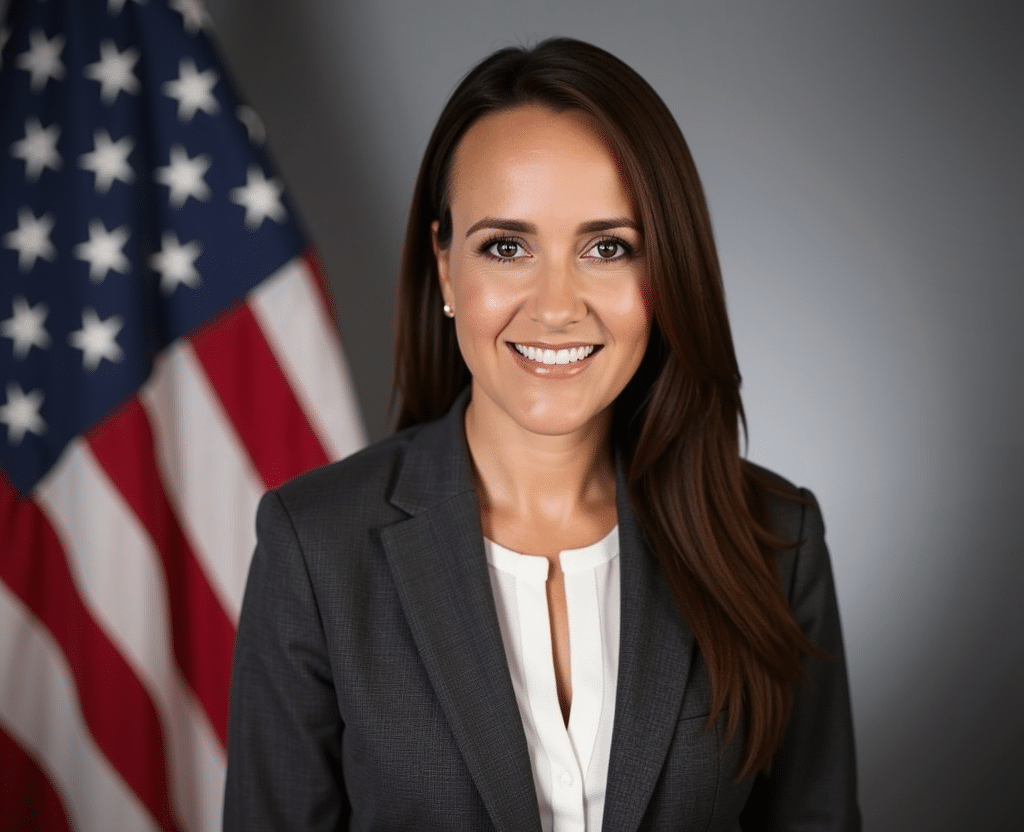
Alexandra González-Waddington is a top military and civilian defense attorney who has handled high-profile sexual assault, violent crime, and war-crimes cases globally. Her work is widely recognized by media outlets including 60 Minutes and ABC’s Nightline.

