UCMJ Article 120 criminalizes aggravated sexual contact — intentional sexual touching accomplished by force, threat, bodily harm, or exploitation of a person incapable of consenting. The offense targets the manner of the contact, not penetration. The government must prove sexual contact rather than a sexual act to charge aggravated sexual contact under Article 120(c).
To convict under Article 120 for aggravated sexual contact, the government must prove the accused committed intentional sexual touching by force, threat, bodily harm, or exploitation of a victim incapable of consenting, along with intent to abuse, humiliate, or gratify sexual desire. Gonzalez & Waddington defends service members facing Article 120 aggravated sexual contact charges from investigation through court-martial.
Under the Manual for Courts-Martial, aggravated sexual contact under Article 120 carries a maximum of 20 years confinement, a dishonorable discharge or dismissal, and total forfeiture of all pay and allowances. A conviction also triggers mandatory sex offender registration, loss of security clearance eligibility, and administrative separation. Enlisted personnel face reduction to E-1 and permanent loss of military retirement benefits. For a confidential consultation, call 1-800-921-8607.
Reviewed by Michael Waddington, Founding Partner · Updated October 8, 2026
Table Content
Article 120 of the Uniform Code of Military Justice criminalizes aggravated sexual contact, which involves intentional sexual touching under circumstances that elevate the offense beyond simple sexual contact. The statute focuses on the manner in which the contact occurs and the presence of coercive, abusive, or incapacitating conditions. Sexual contact is defined as intentional touching of certain body parts, either directly or through clothing, with the intent to abuse, humiliate, or gratify sexual desire.
Aggravated sexual contact generally involves sexual contact accomplished by force, threat, rendering a person unconscious, or exploiting an individual who is incapable of consenting. The offense may also involve the use of a dangerous weapon or causing bodily harm in the course of the contact. The statute distinguishes this conduct from sexual assault by focusing on touching rather than penetration.
Any service member subject to the UCMJ may be charged under Article 120. Jurisdiction applies regardless of rank or duty status at the time of the alleged conduct. Civilians may fall under the article only when UCMJ jurisdiction is otherwise authorized by law.
The government must prove intentional sexual contact along with knowledge or recklessness regarding the aggravating circumstances. The accused must have acted deliberately with respect to the touching, but the statute does not require intent to commit a sexual assault. Incapacitation, force, or threat elements typically require proof that the accused knew or should have known of the victim’s condition or the nature of the coercion used.
Attempts to commit aggravated sexual contact may be charged under Article 80, which covers attempt offenses. Conspiracy liability may arise under Article 81 if two or more persons agreed to commit the offense. Accomplice liability under Article 77 applies to individuals who aid, abet, or encourage the commission of aggravated sexual contact.
Watch the military defense lawyers at Gonzalez & Waddington break down how they defend service members worldwide against UCMJ allegations, CID/NCIS/OSI investigations, court-martials, Article 120 cases, administrative separations, and GOMORs. If you’re under investigation or facing charges, this video explains what your rights are and how experienced civilian military counsel can make the difference.
For a conviction under Article 120 for Aggravated Sexual Contact, the government must prove each statutory element beyond a reasonable doubt. These elements define the prohibited conduct, the required mental state, and the circumstances that elevate the offense to an aggravated form.
The mens rea generally requires that the accused intentionally engaged in the sexual contact and did so with a specific sexual or abusive intent. Negligent or accidental contact does not satisfy this mental state.
The actus reus consists of “sexual contact,” defined as intentional touching of certain body parts, either directly or through clothing, with the requisite sexual or abusive intent. The aggravating factor arises from the manner in which the contact is achieved, such as through force, threats, bodily harm, or by taking advantage of the victim’s inability to consent.
Key statutory terms include “force,” which involves the use of physical strength or violence, and “bodily harm,” meaning any offensive touching. “Consent” is defined as a freely given agreement to the conduct; a person who is unconscious or otherwise incapable cannot consent.
Punishment under the Uniform Code of Military Justice (UCMJ) depends on the date the alleged offense was committed. Offenses occurring before December 27, 2023 are sentenced under the traditional maximum_punishment model, while offenses on or after that date fall under the sentencing_parameter system implemented by the Fiscal Year 2022 NDAA.
For Article 120: Aggravated Sexual Contact, the pre_December 27, 2023 maximum authorized punishment under the Manual for Courts_Martial included:
These punishments represented statutory and regulatory maximums; sentencing authorities could adjudge any lesser lawful sentence.
Offenses committed on or after December 27, 2023 are sentenced under the new sentencing_parameter system. Aggravated Sexual Contact under Article 120 is assigned to Sentencing Category 2.
Under the sentencing_parameter model, offenses are grouped into categories with defined confinement ranges. These ranges restrict the sentencing authority to a bounded span rather than the single maximum_punishment ceiling used in the prior system. Other punitive elements—such as punitive discharges, reduction, and forfeitures—continue to operate similarly but are applied within the structured framework established by the sentencing category.








Charging decisions under Article 120 involving aggravated sexual contact generally stem from concrete fact patterns developed through interviews, medical findings, digital evidence, and command-level reporting requirements. Prosecutors weigh the available evidence, the credibility of statements, and the circumstances surrounding consent, force, or incapacitation, with command discretion playing a significant role in determining whether charges are referred to court-martial.
In practice, aggravated sexual contact charges most often arise from allegations involving intentional touching of intimate body parts under circumstances that meet statutory definitions of force, threat, or lack of consent. Common scenarios include:
Cases typically begin with a report from a service member, medical provider, or commander. Mandatory reporting rules often require commanders and healthcare personnel to notify law enforcement. Once initiated, investigations are typically handled by CID, NCIS, OSI, or CGIS depending on the service branch. Investigators conduct interviews, collect digital and physical evidence, review medical records, and consult forensic specialists as needed. Command-directed inquiries may precede or accompany law-enforcement investigations, especially when the alleged conduct overlaps with administrative or disciplinary issues.
Prosecutors frequently employ alternative charging theories, presenting multiple specifications based on force, incapacity, or lack of consent to ensure coverage of differing interpretations of events. Charge-stacking can occur when conduct supports both sexual contact and non-sexual assault theories. Overlap with other statutes, particularly Articles 128 and 134, is common when the conduct contains elements that could fit multiple offenses. These patterns reflect a practical approach to addressing varied fact sets while preserving prosecutorial options as evidence develops.
Prosecutions under UCMJ Article 120: Aggravated Sexual Contact often turn on whether the government can establish each statutory element beyond a reasonable doubt. These cases frequently involve disputes over witness credibility, the admissibility of key evidence, and the interpretation of statutory terms that define the scope of the offense. Litigation commonly centers on the factual and legal sufficiency of the government’s proof rather than on any single type of argument.
Contested issues often arise over whether the government has satisfied its burden on one or more elements of the offense. Litigants may dispute whether the contact occurred, whether it qualified as “sexual contact” under the statutory definition, or whether it was accomplished by force, threat, or when the victim was incapable of consenting. These disputes typically involve close examination of forensic results, witness accounts, and circumstantial evidence. Questions about temporal sequencing, the physical environment, or the nature of the contact can produce significant factual disagreements regarding whether the conduct meets the statutory criteria.
The mental-state component is frequently contested because Article 120 provisions may require proof of specific intent, knowledge, or a particular level of awareness regarding the circumstances. Disputes may arise about whether the accused knew of the complainant’s incapacity, whether the contact was intentional rather than accidental, or whether the government can establish the requisite state of mind through circumstantial evidence. Mens rea issues often become central because the same physical act may be interpreted differently depending on the accused’s knowledge or intent at the time of the alleged conduct.
Credibility assessments frequently shape trials under Article 120. Variations in witness recollection, inconsistencies in statements, or delays in reporting can lead to contested factual narratives. Expert testimony regarding memory, intoxication, or trauma may also influence how fact-finders evaluate credibility. These issues can be pivotal when direct physical evidence is limited and the case relies heavily on testimonial accounts.
Disputes regarding admissibility of evidence often focus on statements to law enforcement, the scope of searches, handling of digital communications, and the foundation for introducing forensic or documentary materials. Suppression motions may arise from alleged violations of Article 31(b) rights, Fourth Amendment limitations, or procedural requirements in collecting electronic data. Chain-of-custody questions and the reliability of investigative methods can also become significant.
Ambiguities in statutory language or definitional provisions may generate litigation concerning the precise meaning of terms such as “force,” “consent,” or “sexual contact.” Courts may also face questions about how cross-referenced sections interact or how amendments to Article 120 affect the interpretation of earlier precedents. These interpretive issues can influence both the scope of criminal liability and the evidentiary burdens in contested cases.
Overview of rape and sexual assault offenses under Article 120
Abusive sexual contact provisions that frequently accompany aggravated contact charges
Assault and aggravated assault charges that often arise in cases involving physical force
Obstruction of justice allegations that may accompany serious sexual offense investigations
Collateral consequences are administrative, professional, or legal effects that may arise from a conviction independently of the sentence imposed by a court-martial. These outcomes are typically governed by separate military regulations, federal statutes, or state laws and may continue to affect an individual after completion of judicial punishment.
A conviction under UCMJ Article 120: Aggravated Sexual Contact may lead to a range of administrative actions. These can include initiation of administrative separation proceedings and the possibility of an unfavorable discharge characterization, such as an Other Than Honorable discharge. Career progression is also affected; individuals are generally ineligible for promotion or reenlistment following such a conviction. Retirement eligibility, including access to benefits, may be impacted if the conviction occurs before retirement is finalized, and future military service is typically barred.
This type of conviction can adversely affect eligibility for a security clearance. Loss or denial of clearance may restrict access to classified information and can limit assignment possibilities. Post-service employment in fields that require a clearance, background investigation, or standards of trust may also be affected.
Depending on the nature of the offense and applicable federal or state law, a conviction under Article 120 may trigger sex offender registration or related reporting obligations. These requirements are determined by jurisdictional statutes rather than the military sentence itself.
The conduct underlying the conviction may also fall within the scope of federal or state criminal law, creating the potential for separate prosecution. Additionally, civil claims, such as tort actions, may arise from the same events.
For non-citizens, such a conviction may affect immigration status, admissibility, or future naturalization eligibility. These consequences are governed by federal immigration law and operate independently of military proceedings.
During a UCMJ Article 120 investigation, decisions made in the earliest stages often shape the direction and outcome of the case well before any charge is formally preferred. The investigative phase establishes the factual record that later proceedings rely upon, making early legal guidance a significant factor in how information is documented and interpreted.
Military investigators typically gather evidence immediately after an allegation is reported. This can include witness statements, digital records, medical documentation, and command correspondence. Early legal involvement helps ensure that evidence is preserved accurately and that a service member’s statements or materials are not collected or characterized in a way that creates avoidable misunderstandings. Civilian military defense lawyers may also help identify issues with how evidence was obtained or handled.
Commands and law-enforcement personnel may request interviews before a service member fully understands the nature of the allegation or the scope of the inquiry. Early interviews can introduce unintentional inconsistencies or statements that lack context. Legal counsel can help clarify rights, interview procedures, and the implications of participating or declining.
Administrative inquiries and command-directed investigations can occur alongside or even before criminal proceedings. Findings made during these early processes may influence later administrative or judicial decisions, so informed participation is important from the outset.
Choices made early—such as consenting to searches, providing written statements, or responding to administrative questionnaires—frequently remain part of the record throughout a court-martial or administrative action. These early inputs can influence credibility assessments, evidentiary rulings, and determinations of appropriate disposition.
Gonzalez & Waddington is a civilian military defense law firm that represents service members worldwide in cases arising under the Uniform Code of Military Justice. The firm focuses on complex criminal allegations, contested courts-martial, and administrative actions, providing representation to Soldiers, Marines, Airmen, Sailors, and Coast Guard personnel facing serious allegations under UCMJ Article 120 and related offenses.
If you are facing allegations under UCMJ Article 120: Aggravated Sexual Contact, Gonzalez & Waddington can provide informed guidance about the military justice process and discuss your options moving forward. To learn more about how the firm approaches these cases, you may contact them to request a confidential consultation.
Q: What does UCMJ Article 120: Aggravated Sexual Contact cover?
A: UCMJ Article 120: Aggravated Sexual Contact addresses situations where a service member is alleged to have engaged in sexual contact with another person by using force, threat, or causing bodily harm, or when the alleged victim is incapable of consenting. The statute covers non-penetrative but intentional sexual touching under circumstances that elevate the conduct to a criminal offense. The focus is on the presence of coercive factors or the absence of legally recognized consent.
Q: What is the maximum punishment for UCMJ Article 120: Aggravated Sexual Contact?
A: The maximum punishment for aggravated sexual contact under Article 120 can include a dishonorable discharge, significant confinement, total forfeiture of pay and allowances, and reduction in rank. The exact maximum penalty depends on the specific subsection charged and the circumstances of the alleged conduct. Military judges and members apply the sentencing rules in the Manual for Courts-Martial when determining an appropriate punishment within the prescribed statutory limits.
Q: Can an allegation under this article lead to administrative separation even without a conviction?
A: Yes. A service member may face administrative separation based on substantiated misconduct, even if no court-martial conviction occurs. Commanders may rely on the preponderance of the evidence standard during administrative proceedings, which is lower than the beyond-a-reasonable-doubt standard used at trial. Such actions can result in separation with a characterization of service determined by the evidence, performance history, and circumstances surrounding the allegation.
Q: Do I need a civilian military defense lawyer for an investigation under this article?
A: Service members have the right to consult a military defense counsel at no cost, and many choose to do so at the start of an investigation. Some individuals also hire civilian military defense counsel to obtain additional representation or specialized experience. This decision depends on personal preference, the complexity of the case, and whether the member wants parallel legal support throughout interviews, evidence review, and potential proceedings.
Q: Can this be handled without a court-martial, such as through administrative action or nonjudicial punishment?
A: In some situations, commanders may address allegations through administrative measures or nonjudicial punishment instead of preferring court-martial charges. The decision typically depends on the seriousness of the conduct, available evidence, and guidance from legal advisors. While certain cases proceed directly to court-martial, others may be resolved through counseling, adverse administrative actions, or separation processing if the command determines those actions are appropriate based on the circumstances.
Q: Which agencies typically investigate allegations under Article 120?
A: Allegations of aggravated sexual contact are often investigated by service-specific criminal investigative organizations such as NCIS, CID, or OSI. These agencies gather statements, forensic evidence, digital records, and other relevant information. They may also work alongside specialized military or civilian forensic units when physical evidence is involved. The investigative process usually includes interviews with the complainant, the subject, and witnesses, as well as reviews of communications and potential corroborating materials.
Q: What types of evidence are commonly reviewed in an aggravated sexual contact case?
A: Evidence in these cases may include witness statements, physical or forensic findings, electronic communications, security footage, and expert evaluations related to injuries or behavioral indicators. Investigators evaluate whether factors such as force, threat, or incapacity were present. Both inculpatory and exculpatory information should be documented and preserved. The strength and reliability of the evidence play a significant role in decisions on whether charges will be preferred or alternative actions considered.
You can review the individual Articles of the UCMJ and learn more about military law by clicking here: UCMJ Articles and Military Justice Resources. You can also explore official military law guidance from the Army Judge Advocate General’s Corps at jagcnet.army.mil.

A renowned military criminal defense attorney and best-selling author, Michael Waddington defends clients worldwide in serious cases and trains lawyers in advanced cross-examination. He is frequently featured by major media outlets like CNN and 60 Minutes.
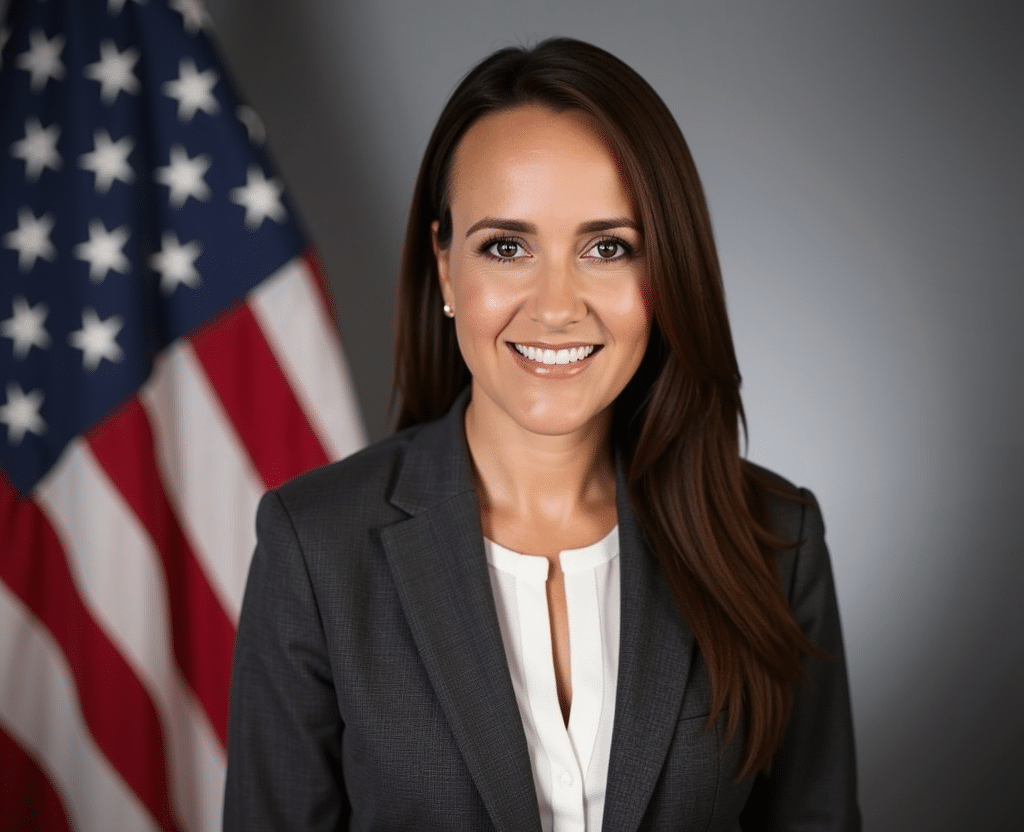
Alexandra González-Waddington is a top military and civilian defense attorney who has handled high-profile sexual assault, violent crime, and war-crimes cases globally. Her work is widely recognized by media outlets including 60 Minutes and ABC’s Nightline.

