Article 120 of the UCMJ defines abusive sexual contact as intentional, nonconsensual touching of intimate body parts for purposes of sexual arousal, gratification, or abuse. The offense covers non-penetrative conduct accomplished through force, threats, fear, or when a victim is incapacitated. Unlike rape or sexual assault under Article 120, abusive sexual contact does not involve a sexual act.
To convict, the government must prove the accused committed sexual contact upon another person, accomplished through bodily harm, fear, or the victim's incapacity, with intent to abuse, humiliate, degrade, or arouse. The accused's rank, branch, and relationship to the alleged victim do not limit jurisdiction. Gonzalez & Waddington defends service members facing Article 120 abusive sexual contact charges.
Under the Manual for Courts-Martial, abusive sexual contact carries a maximum of seven years confinement, a dishonorable discharge for enlisted members or dismissal for officers, and forfeiture of all pay and allowances. Conviction also triggers mandatory federal sex-offender registration, loss of security clearance, and administrative separation, ending military retirement eligibility. A conviction produces a permanent federal criminal record that follows the service member into civilian life.
Michael Waddington, a former Army Senior Defense Counsel, approaches Article 120 abusive sexual contact cases by scrutinizing consent evidence, challenging witness credibility through cross-examination, and exposing gaps in CID, NCIS, or OSI investigations. Defense counsel also attacks whether the required intent element is supported by admissible evidence and whether proper investigative procedures were followed. Early intervention during the investigation stage can affect whether charges proceed to a court-martial.
Gonzalez & Waddington defends service members from every branch — Army, Navy, Air Force, Marine Corps, Coast Guard, and Space Force, including Reserve and National Guard — in military courts across the United States and overseas, including Germany, Italy, Japan, and South Korea. Michael Waddington and Alexandra Gonzalez-Waddington bring decades of combined criminal defense experience to Article 120 cases. Call 1-800-921-8607 for a confidential consultation.
Reviewed by Michael Waddington, Founding Partner · Updated October 8, 2026
Table Content
Article 120 of the Uniform Code of Military Justice defines abusive sexual contact as the intentional touching, or causing another person to touch, certain intimate body parts without consent and under specific prohibited circumstances. The statute addresses non_penetrative sexual conduct accomplished through force, threats, fear, unlawful inducement, or when the victim is incapacitated or otherwise incapable of consenting. It applies across all branches of the armed forces and covers both direct physical contact and contact achieved through object use or manipulation.
Abusive sexual contact encompasses a range of actions that fall short of sexual assault but still involve nonconsensual sexual touching. Contact must be for the purpose of sexual arousal, sexual gratification, or sexual abuse. The statute also captures situations involving coercion, abuse of authority, or exploitation of a victim’s physical or mental limitations.
Any service member subject to the UCMJ may be charged under Article 120. Jurisdiction extends to active-duty members, certain reservists, and others covered under Article 2 of the UCMJ. The offense applies regardless of rank, duty status at the time of the act, or relationship between the parties.
The government must typically prove that the accused acted intentionally with respect to the sexual nature of the contact. Knowledge of lack of consent is generally required, though incapacity-based violations do not require proof that the accused knew of the victim’s condition. Negligence alone is insufficient to establish liability.
Attempt liability under Article 80 may apply when an accused takes substantial steps toward committing abusive sexual contact but does not complete the act. Conspiracy under Article 81 and accomplice liability under Article 77 can also apply when multiple individuals plan, encourage, or assist the offense. These theories are commonly charged when the conduct involves group participation or coordinated actions.
Watch the military defense lawyers at Gonzalez & Waddington break down how they defend service members worldwide against UCMJ allegations, CID/NCIS/OSI investigations, court-martials, Article 120 cases, administrative separations, and GOMORs. If you’re under investigation or facing charges, this video explains what your rights are and how experienced civilian military counsel can make the difference.
The government must prove each element of Abusive Sexual Contact under Article 120, Uniform Code of Military Justice, beyond a reasonable doubt. These elements define the prohibited conduct, the required mental state, and the circumstances that establish criminal liability.
The mens rea of the offense generally requires that the accused intentionally engaged in the sexual contact and possessed the purpose to abuse, humiliate, degrade, or sexually arouse or gratify. Negligent or accidental contact does not satisfy this requirement.
The actus reus consists of “sexual contact,” defined statutorily as intentional touching, either directly or through clothing, of specified body parts, or intentional causing of another person to touch the accused’s body, when done with the required sexual intent.
Key statutory terms include “bodily harm,” meaning any offensive touching, and “consent,” defined as a freely given agreement by a competent person. Incapacity to consent may arise from impairment, unconsciousness, or other qualifying conditions specified in Article 120.
Punishment under the Uniform Code of Military Justice (UCMJ) depends on when the alleged offense occurred. Offenses committed before December 27, 2023 are sentenced under the traditional maximum_punishment model. Offenses committed on or after that date use the new sentencing_category framework implemented by the FY22 NDAA.
For abusive sexual contact charged under Article 120, UCMJ (2019 MCM), the maximum authorized sentence was fixed by the President in the Manual for Courts_Martial. The standard maximum punishment included:
These maximums applied regardless of the forum (judge_alone or members) and were not subject to sentencing categories or ranges.
Under the revised sentencing system, abusive sexual contact falls within a designated sentencing category applicable to non_penetrative sexual misconduct. This offense is placed in Sentencing Category 3, which carries:
In the sentencing_category system, Congress and the President establish confinement ranges for each category. The military judge selects a specific term within that range. This differs from the prior model, which provided a single maximum confinement term without a structured range. The newer approach standardizes sentencing across offenses, ensures proportionality within predefined limits, and removes the open_ended discretion that previously existed under maximum_punishment rules.








Charging decisions under Article 120 for Abusive Sexual Contact generally depend on the specific fact pattern presented to investigators, the scope and quality of the initial report, and the convening authority’s discretion. In practice, prosecutors rely heavily on the narrative that emerges from witness interviews, digital evidence, and command-level assessments of the alleged conduct.
Allegations that result in Article 120 Abusive Sexual Contact charges tend to arise from circumstances where physical contact is reported without the elements necessary for a rape or sexual assault charge. Common scenarios include:
These cases frequently begin with a restricted or unrestricted report through the sexual assault response system, a command notification, or a direct complaint to military law enforcement. Once law enforcement is engaged, agencies such as CID, NCIS, OSI, or CGIS conduct interviews, review digital communications, and gather physical or forensic evidence where applicable. Commands may initiate preliminary inquiries to clarify the facts before formal investigative agencies take over, especially when the conduct is first reported within the unit.
Prosecutors often draft multiple specifications under different theories to account for uncertainties in witness recall or evidentiary interpretation. Charge-stacking—filing overlapping violations arising from the same conduct—appears in cases where prosecutors want to preserve alternative pathways toward conviction. Overlap between Article 120, Article 128, and Article 92 is common, reflecting efforts to capture both the sexual and nonsexual aspects of the alleged behavior within the broader misconduct framework.
Prosecutions under UCMJ Article 120: Abusive Sexual Contact often hinge on the government’s ability to establish each statutory element, as well as on assessments of credibility, evidentiary rulings, and interpretation of statutory definitions. Litigation in this area frequently involves careful review of factual details, the quality and reliability of evidence, and the precise scope of legal standards.
Disputes under Article 120 commonly arise around whether the government has produced sufficient proof of one or more required elements. Issues may include:
Litigation often focuses on the relationship between physical evidence, testimony, and the statutory language to determine whether the government has met its burden beyond a reasonable doubt.
Contested mens rea issues frequently involve whether the accused acted knowingly, intentionally, or under another mental state prescribed by the statute. Points of dispute may include:
These questions often become central as parties litigate what inferences may reasonably be drawn from conduct, statements, or contextual circumstances.
Article 120 cases frequently involve contests over credibility. Courts-martial may evaluate:
Because direct evidence is sometimes limited, credibility assessments may significantly influence fact-finding.
Litigation often involves disputes over admissibility of evidence, including:
Courts may consider whether evidence was lawfully obtained, whether it satisfies relevance and reliability standards, and whether any statutory or constitutional protections apply.
Interpretation of Article 120 and its definitional cross-references often becomes a central issue. Disputes may involve:
These interpretive questions can shape how courts apply elements and evaluate evidence in contested cases.
Overview of rape and sexual assault offenses under Article 120
Aggravated sexual contact charges closely related to abusive sexual contact
Sexual offenses against children frequently examined alongside adult sexual contact cases
Assault and aggravated assault charges that may accompany unwanted sexual contact allegations
Obstruction of justice concerns arising from interference with sexual misconduct investigations
Collateral consequences are administrative, professional, or legal effects that may arise from a conviction independently of the sentence imposed by a court-martial. These outcomes can affect various aspects of a service member’s military career, post-service opportunities, and personal obligations, and they are typically administered by agencies or authorities outside the court-martial process.
A conviction under UCMJ Article 120: Abusive Sexual Contact may lead military authorities to initiate administrative actions regardless of the court-martial sentence. These can include:
A conviction involving sexual misconduct can affect eligibility for a security clearance. Investigators may consider the nature of the offense, judgment demonstrated, and potential vulnerability to coercion. Loss or denial of clearance can limit access to classified information and may affect military duties or post-service employment in fields requiring clearance eligibility.
Some convictions under Article 120 may trigger federal or state sex offender registration requirements. Whether registration applies depends on the specific offense, implementing federal regulations, and the laws of the state where the individual resides. Registration obligations are administered outside the military justice system.
The same conduct underlying a military conviction may also expose a person to federal or state criminal prosecution or to civil actions, such as claims for damages, depending on jurisdictional rules and the circumstances of the case.
Non-citizens or naturalized service members may face immigration-related consequences. Certain convictions can affect admissibility, adjustment of status, or naturalization eligibility under federal immigration law. These outcomes are determined by civilian immigration authorities.
In military investigations involving UCMJ Article 120: Abusive Sexual Contact, decisions made during the earliest stages often shape the course of the case before any charges are preferred. The investigative process begins immediately, and actions taken by a service member during this period can influence how facts are documented, interpreted, and later presented.
Evidence in military cases is typically gathered soon after an allegation is made, sometimes before the service member is even aware of the details. Early legal involvement can help ensure that statements, documents, and digital materials are preserved accurately and contextualized appropriately. Counsel can also advise on how investigative steps may affect the availability or interpretation of potentially favorable evidence.
Commands and law-enforcement agencies may request interviews before the service member fully understands the allegations or their rights. Participating without guidance increases the risk of providing incomplete or unclear information that may be interpreted unfavorably. Consulting qualified counsel, including civilian military defense lawyers, helps ensure the service member understands the scope and potential implications of any questioning.
Command-directed investigations and administrative inquiries can occur alongside or separately from criminal investigations. Early decisions made during these processes—such as responses to taskings or explanations provided to leadership—can influence administrative findings that may later affect criminal proceedings.
Choices made early in the investigation, including consenting to searches, providing statements, or responding to administrative actions, can have lasting effects throughout a court-martial or subsequent administrative review. Once documented, these actions often become part of the case record and may inform later decisions by investigators, commanders, or legal authorities.
Gonzalez & Waddington is a civilian military defense law firm that represents service members worldwide in cases arising under the Uniform Code of Military Justice. The firm focuses on defending individuals facing military criminal allegations, courts-martial, and administrative actions, providing guidance through each stage of the military justice process. Its attorneys have extensive experience handling complex UCMJ matters, including cases involving Article 120: Abusive Sexual Contact.
If you are facing allegations under UCMJ Article 120 or are under military investigation, you may benefit from speaking with an experienced defense attorney. To discuss your situation in a confidential setting, you are invited to contact Gonzalez & Waddington for a consultation.
Q: What does UCMJ Article 120: Abusive Sexual Contact cover?
A: Article 120: Abusive Sexual Contact addresses intentional, non-consensual touching of another person’s intimate body parts or causing another to touch such parts, when done for sexual gratification or to abuse, humiliate, or degrade. The offense typically involves conduct that does not meet the statutory definition of sexual assault but still constitutes prohibited sexual contact. The article also outlines circumstances that affect consent, such as coercion, incapacitation, or abuse of authority.
Q: What is the maximum punishment for UCMJ Article 120: Abusive Sexual Contact?
A: Maximum punishment varies depending on the specific subsection and circumstances but can include a dishonorable discharge, confinement, forfeiture of pay and allowances, and reduction in rank. Cases involving force, threats, or victims who are incapable of consenting often carry more severe maximum penalties. Sentencing determinations are made by the court-martial authority based on the proven conduct and any aggravating or mitigating factors presented during the proceedings.
Q: Can an allegation under this article lead to administrative separation even without a conviction?
A: Administrative separation is possible even without a court_martial conviction because military commanders may evaluate service member conduct under a lower evidentiary standard for administrative matters. If the command determines that the underlying conduct raises concerns about suitability for continued service, it may initiate separation proceedings. Such actions can occur during or after an investigation and may result in characterization of service that reflects the command’s findings regarding the alleged conduct.
Q: Do I need a civilian military defense lawyer for an investigation under this article?
A: Service members are entitled to consult with appointed military defense counsel at no cost, and some choose to retain civilian counsel for additional representation. Whether to engage civilian counsel depends on individual considerations, such as the complexity of the case and personal preferences regarding legal support. Both military and civilian attorneys can assist with understanding investigative procedures, preparing for interviews, and addressing potential administrative or judicial actions.
Q: Can an allegation of abusive sexual contact be handled without a court_martial?
A: In some situations, commands may address allegations through administrative measures rather than court_martial. Options can include nonjudicial punishment, administrative reprimands, or initiation of separation proceedings. The decision depends on factors such as the strength of the evidence, the seriousness of the alleged conduct, and the command’s assessment of appropriate action. Even when handled administratively, the matter can carry significant professional and personal consequences within the military environment.
Q: Which agencies typically investigate allegations under Article 120?
A: Allegations of abusive sexual contact are commonly investigated by military law enforcement agencies such as the Naval Criminal Investigative Service, Army Criminal Investigation Division, or Air Force Office of Special Investigations. These agencies conduct interviews, gather physical and digital evidence, and prepare reports for command review. Their findings help determine whether the command should pursue court_martial charges, administrative action, or other measures based on the available evidence.
Q: What types of evidence are commonly considered in Article 120 cases?
A: Evidence may include witness statements, digital communications, forensic examinations, and statements from the involved parties. Investigators may also review environmental factors such as location, timing, and alcohol use to understand the context of the allegation. In some cases, expert testimony may be used to explain forensic results or address memory and perception issues. The weight given to each type of evidence depends on its reliability and relevance to the specific allegations.
To better understand the Articles of the UCMJ and how military law works in practice, you can review the UCMJ and related authorities here: UCMJ Articles and Military Justice Resources. For additional official guidance, visit the U.S. Navy Judge Advocate General’s Corps website at jag.navy.mil.
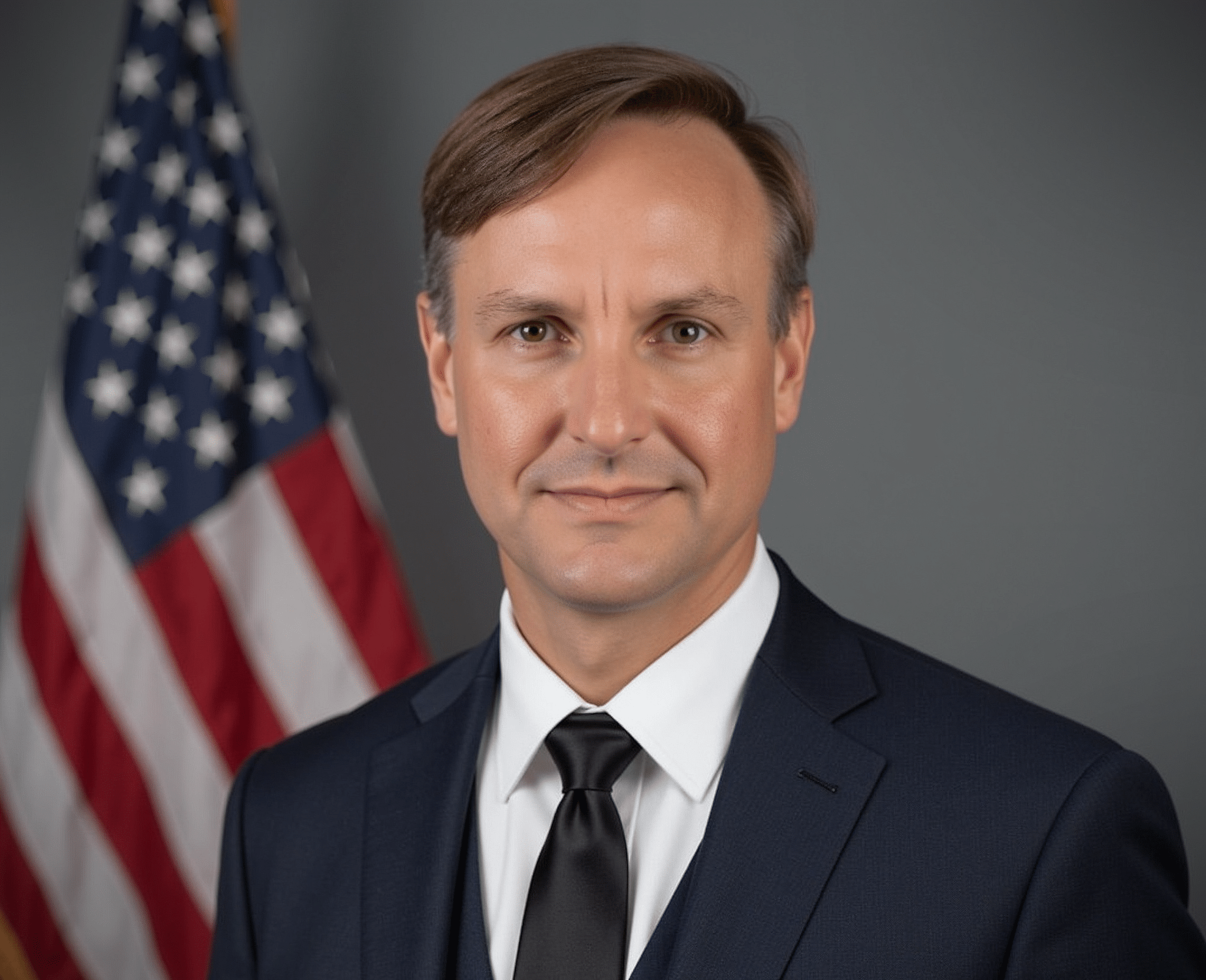
A renowned military criminal defense attorney and best-selling author, Michael Waddington defends clients worldwide in serious cases and trains lawyers in advanced cross-examination. He is frequently featured by major media outlets like CNN and 60 Minutes.
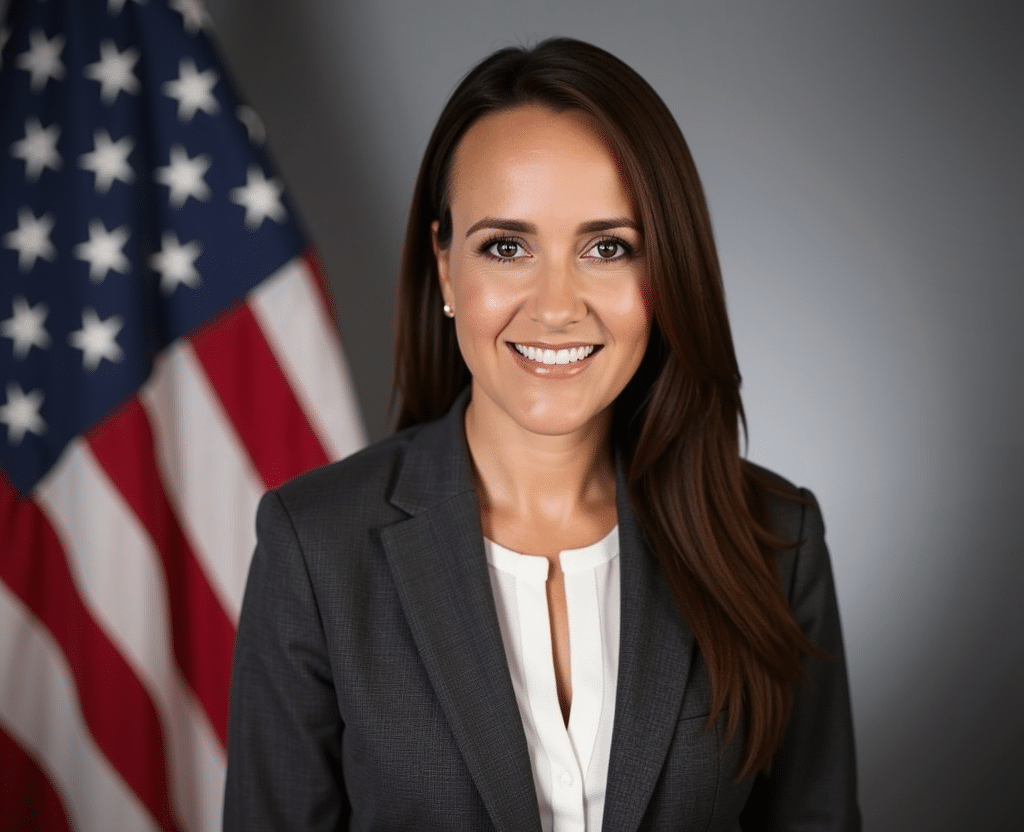
Alexandra González-Waddington is a top military and civilian defense attorney who has handled high-profile sexual assault, violent crime, and war-crimes cases globally. Her work is widely recognized by media outlets including 60 Minutes and ABC’s Nightline.

