Maine Military Defense Lawyers for UCMJ Matters
Short answer: Service members in Maine, including sailors at Portsmouth Naval Shipyard in Kittery and airmen of the 101st Air Refueling Wing in Bangor, and Guard and Reserve members when they are in a federal status covered by the UCMJ (Article 2, UCMJ, 10 U.S.C. § 802), can hire a civilian military defense lawyer in addition to free military defense counsel (Article 38(b), UCMJ, 10 U.S.C. § 838). If NCIS or Air Force OSI asks to interview you, you have the right to remain silent and must be told what you are suspected of before questioning (Article 31(b), UCMJ, 10 U.S.C. § 831). An arrest in Kittery, Bangor, Portland or elsewhere in Maine can lead to both a Maine prosecution and military action (Gamble v. United States, 587 U.S. 678 (2019)). Gonzalez & Waddington travels to Maine for interviews, hearings and trials. Call 1-800-921-8607 or text 954-799-4019.
Gonzalez & Waddington, LLC serves service members connected to Maine as civilian military defense counsel worldwide. Michael Waddington and Alexandra González-Waddington represent military clients in UCMJ investigations, court-martial defense, and administrative representation, including adverse paperwork and separation matters. For Sailors, Coast Guard members, Guardsmen, Reservists, and other service members tied to Maine commands or missions, the firm can provide independent civilian defense guidance without claiming a Maine office or any verified local case history.
Maine’s Statewide Military Defense Setting
This page addresses Maine as a statewide military-defense location, not a single base. The official installation information supplied for this page identifies Maine military entries that include 101 ARW, Naval Support Activity Maine, and USARD New England Battalion. That statewide scope matters because a service member’s military legal problem may be connected to Navy, Air National Guard, Army Reserve, Coast Guard, Reserve, or support missions rather than one isolated installation.
Maine’s military footprint includes several distinct locations and missions. Naval Support Activity Maine and Portsmouth Naval Shipyard are associated with Kittery. The 101 ARW is associated with Bangor. Coast Guard Sector Northern New England is associated with South Portland and carries out Coast Guard operational missions across Maine and nearby states. A defense approach for a Maine-connected service member should account for that broad geography and the possibility that witnesses, records, command decisions, and family concerns may be spread across different parts of the state.
Local Mission Details That Can Shape a Defense Conversation
Portsmouth Naval Shipyard is located at the southernmost tip of Maine in Kittery. Its stated mission is the safe overhaul, repair, and modernization of the Navy’s nuclear-powered attack submarine fleet, including Los Angeles and Virginia-class submarines. That does not mean any particular allegation is more common there, and it should not be used to assume facts in a case. It does mean that Maine military defense counsel should be prepared to understand the command setting, the work environment, and the potential importance of mission-related records when a UCMJ matter arises.
Coast Guard Sector Northern New England adds another important dimension to the Maine military-defense landscape. The Sector reports 19 sub-units and more than 1,100 Active, Civilian, Reserve, and Auxiliary personnel. For Coast Guard members and other personnel connected to maritime operations, a legal issue may involve command channels, duty assignments, administrative reviews, and operational schedules that differ from a traditional single-base setting.
Civilian UCMJ Defense for Maine-Connected Service Members
A Maine service member may seek civilian military defense counsel when facing a UCMJ investigation, court-martial exposure, nonjudicial or administrative action, a separation board, a Board of Inquiry, or other career-threatening command process. The value of civilian counsel is not based on geography alone. It is based on independent judgment, familiarity with military justice, careful preparation, and the ability to work alongside detailed military defense counsel when appropriate.
Gonzalez & Waddington, LLC represents service members worldwide in military criminal defense and related administrative matters. Michael Waddington and Alexandra González-Waddington can assist clients and families in evaluating allegations, preserving information, preparing for command decisions, and developing a defense strategy tailored to the military forum involved. For a Maine matter, that strategy should respect the actual statewide setting: Navy activity in Kittery, Air National Guard activity in Bangor, Coast Guard operations through South Portland, and other Maine-connected military roles identified by official sources.
When to Seek Guidance
Early legal guidance is important when a service member believes an investigation, command inquiry, administrative action, or court-martial referral may be developing. A careful defense review can help identify what is known, what remains unverified, and what evidence or records may matter. It can also help the service member avoid rushed decisions made under stress, especially when the issue may affect rank, assignment, reputation, retention, or future military service.
If you are a service member connected to Maine and need civilian military defense counsel for a UCMJ investigation, court-martial defense, or administrative representation, contact Gonzalez & Waddington, LLC to discuss your situation. Call 1-800-921-8607.
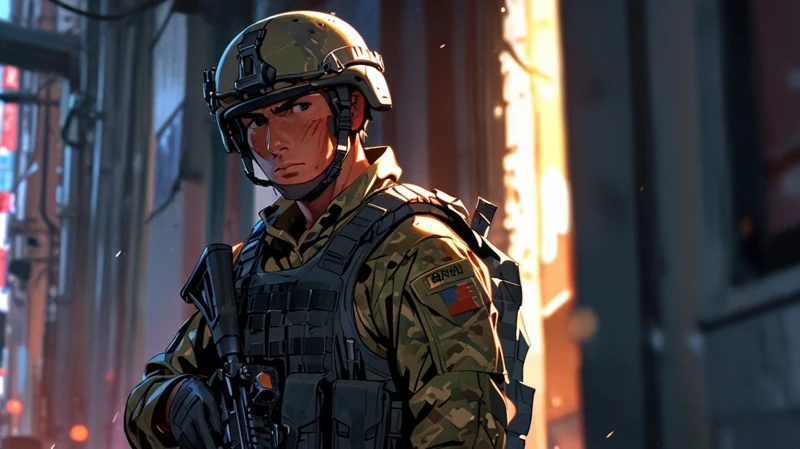
Maine | Military Legal Guide
Maine is a strategically important Navy and Coast Guard state with submarine overhaul, shipyard, maritime, port, and New England defense missions centered around Portsmouth Naval Shipyard in Kittery. Service members in Maine may be stationed near Kittery, Portsmouth, York, Eliot, South Berwick, Wells, Kennebunk, Portland, Brunswick, Bath, Augusta, Bangor, Rockland, Bar Harbor, Casco Bay, Penobscot Bay, the Piscataqua River, I-95, U.S. Route 1, Portsmouth International Airport at Pease, Portland International Jetport, and the Maine-New Hampshire seacoast region.
Maine service members may face UCMJ investigations arising from:
- Portsmouth Naval Shipyard submarine overhaul, repair, modernization, and fleet readiness work
- Naval Support Activity Maine shore support and installation services
- Submarine maintenance engineering, dry dock, industrial, and waterfront activity
- SUBMEPP submarine maintenance engineering and planning issues
- Security, access control, shipyard police, restricted-area, and industrial safety matters
- Coast Guard operations along the Maine coast
- Navy, Reserve, Guard, and transient military personnel across New England
- Off-base incidents in Kittery, York, Portsmouth, Dover, Rochester, Portland, South Portland, Bath, Brunswick, Bangor, and nearby New Hampshire communities
- DUI stops, domestic calls, hotel allegations, dating-app encounters, port incidents, shipyard incidents, civilian arrests, digital evidence, clearance concerns, gate records, access logs, travel records, command records, and Maine court matters
Civilian Court-Martial Attorneys for Maine Service Members
Gonzalez & Waddington defends service members stationed in Maine in serious UCMJ matters. We handle courts-martial, Article 15 actions, NJP matters, letters of reprimand rebuttals, administrative separation boards, Boards of Inquiry, and GOMOR rebuttals.
An allegation can threaten your career before charges are preferred. This applies to Sailors, Coast Guardsmen, Soldiers, Airmen, Marines, Guardians, officers, NCOs, enlisted members, submariners, shipyard personnel, engineers, planners, maintainers, security personnel, logisticians, medical personnel, cyber personnel, communications personnel, Reservists, National Guard members, and personnel assigned to Maine or New England military missions.
Maine is different from a generic military location. Portsmouth Naval Shipyard sits in Kittery, Maine and supports submarine overhaul, modernization, repair, and fleet readiness. Military OneSource states that Naval Support Activity Maine, formerly Portsmouth Naval Shipyard, employs about 8,000 civilians and 1,000 officer and enlisted personnel and includes the main base plus an off-base family housing site in Kittery. See the Military OneSource Portsmouth Naval Shipyard overview.
That changes the shape of a case. A Maine military matter may involve NCIS, CGIS, command witnesses, shipyard security records, dry dock records, submarine maintenance records, engineering records, access logs, gate records, contractor records, Kittery Police reports, Portsmouth Police reports, York County records, Maine State Police records, New Hampshire police records, body-camera footage, 911 calls, hotel records, rideshare data, social media, phone extractions, command records, and clearance paperwork.
If you are accused of Article 120 sexual assault or any other UCMJ offense in Maine, do not wait for the command’s theory to harden. This includes abusive sexual contact, domestic violence, assault, DUI, drug misconduct, fraud, larceny, false official statement, orders violations, harassment, stalking, threats, online misconduct, shipyard misconduct, misuse of government systems, travel-card issues, classified-information concerns, cyber misconduct, access violations, and security violations.
Call Gonzalez & Waddington at 1-800-921-8607 or text 954-799-4019 to request a confidential consultation with civilian military defense lawyers who defend service members worldwide.
Civilian Military Defense for Service Members in Maine
Maine military justice cases often center on Portsmouth Naval Shipyard and the surrounding Maine-New Hampshire seacoast. Portsmouth Naval Shipyard is physically located in Kittery, Maine. It is tied to submarine overhaul, repair, modernization, dry dock work, shipyard security, contractor-heavy environments, and sensitive industrial operations.
Naval Support Activity Maine’s official site states that the installation provides shore support and essential services to tenant commands and supports operational readiness for the Fleet. See Naval Support Activity Maine. SUBMEPP states that it is located as a tenant command on Portsmouth Naval Shipyard in Kittery and supports submarine maintenance engineering, planning, and modernization-related work. See SUBMEPP.
That mission matters in defense cases. Maine service members may work in submarine repair, industrial maintenance, engineering, planning, logistics, shipyard support, security, medical support, cyber, communications, Coast Guard operations, Reserve service, or National Guard missions. A case that begins as a local police report, workplace complaint, domestic call, hotel allegation, DUI stop, phone message, computer-use issue, travel-card concern, contractor issue, access violation, safety complaint, or command inquiry can quickly become a career-threatening military matter.
A Maine military defense lawyer must understand more than the basic court-martial process. The defense must account for Portsmouth Naval Shipyard’s submarine mission, local Maine and New Hampshire civilian evidence, York County courts, federal property issues, digital evidence, workplace messages, industrial records, access logs, classified duties, clearance risk, and the speed with which command-driven investigations turn into NJP, Article 15s, GOMORs, letters of reprimand, administrative separation boards, Boards of Inquiry, clearance reviews, or courts-martial.
Portsmouth Naval Shipyard, NSA Maine, SUBMEPP & Mission-Sensitive Cases
Maine is not only a coastal state with a military presence. It is a submarine maintenance, engineering, industrial support, and maritime readiness environment. Cases may involve submarines, dry docks, engineering plans, sensitive maintenance data, contractor records, shipyard security, waterfront access, and cross-state civilian evidence.
Cases may involve:
- Portsmouth Naval Shipyard records involving submarine maintenance, overhaul, repair, modernization, dry dock work, and waterfront activity
- Naval Support Activity Maine records involving installation support, housing, security, and tenant support
- SUBMEPP records involving submarine maintenance engineering, planning, repair, alteration, and modernization support
- Shipyard security reports, gate logs, badge records, visitor logs, restricted-area records, and patrol records
- Industrial safety records, tool-control records, maintenance logs, inspection records, and mishap reports
- Government computer use, network access, technical records, and cyber logs
- Classified or sensitive information
- Travel-card records, TDY documents, lodging records, and reimbursement issues
- Contracting files, purchase records, property records, and fraud allegations
- Coast Guard maritime records, port records, search-and-rescue records, boarding records, and waterfront records
- Government emails, Teams messages, text messages, phone records, clearance paperwork, and command records
For service members in Maine, allegations involving dishonesty, fraud, alcohol misuse, drug use, domestic violence, sexual misconduct, cyber misconduct, classified information, professional misconduct, safety violations, false statements, travel-card problems, or misuse of systems can trigger immediate concerns about trust, shipyard access, restricted-area access, clearance eligibility, promotion, retention, deployment, and future assignments.
Kittery, Portsmouth, York, Portland & the Local Maine Setting
Portsmouth Naval Shipyard is in Kittery, Maine. It sits near Portsmouth, New Hampshire and the Piscataqua River. Service members may live in Kittery, York, Eliot, South Berwick, Wells, Kennebunk, Sanford, Portland, South Portland, Dover, Rochester, Somersworth, Portsmouth, Newington, Rye, or other Maine and New Hampshire communities.
The local environment matters. Maine service members may spend time near downtown Portsmouth, Kittery outlets, York Beach, Ogunquit, Wells Beach, Old Orchard Beach, Portland’s Old Port, South Portland, Portsmouth Harbor, Pease Tradeport, local marinas, ferry terminals, hotels, bars, restaurants, breweries, short-term rentals, and tourist corridors along I-95 and U.S. Route 1.
Local allegations may arise from:
- DUI stops in Kittery, York, Portsmouth, Dover, Rochester, Portland, South Portland, York County, Cumberland County, or nearby New Hampshire communities
- Domestic calls in off-base housing, shipyard housing, apartments, hotels, or temporary lodging
- Hotel, apartment, short-term rental, lodging, waterfront, marina, bar, beach, or dating-app allegations
- Bar, restaurant, brewery, hotel, beach, parking lot, outlet, downtown Portsmouth, Old Port, York Beach, Ogunquit, or tourist-area incidents
- Traffic accidents on I-95, U.S. Route 1, Route 236, Route 103, Route 1 Bypass, the Piscataqua River Bridge, or local commuter routes
- Drug, prescription, urinalysis, vehicle-search, room-search, work-area search, or baggage-search issues
- Texts, emails, social media, phone extractions, cloud data, location data, rideshare records, hotel records, and digital evidence
- Workplace, shipyard, industrial, contractor, security, medical, cyber, communications, Coast Guard, or classified-duty complaints that become command investigations
For defense purposes, local evidence matters. Body-camera footage, 911 calls, dash-camera video, booking records, hotel records, short-term rental records, key-card logs, restaurant receipts, bar tabs, marina records, toll records, phone location data, texts, rideshare records, photographs, medical records, gate records, access logs, shipyard records, travel records, command records, and civilian police reports may tell a different story from the first version given to command. Early defense work can preserve evidence before it disappears.
Maine Civilian Courts, Federal Court & Military Consequences
A service member in Maine does not need to be convicted in civilian court before military consequences begin. A single civilian incident may trigger a police report, shipyard security involvement, NCIS involvement, CGIS involvement, a command-directed inquiry, a no-contact order, duty suspension, access suspension, adverse paperwork, NJP, Article 15, administrative separation, Board of Inquiry, clearance review, or court-martial referral.
Maine civilian cases may involve district courts, superior courts, county prosecutors, city attorneys, local police departments, sheriff’s offices, and Maine State Police. Depending on the location, civilian cases may move through York County, Cumberland County, Androscoggin County, Penobscot County, or other Maine courts. The Maine Judicial Branch explains that criminal cases are brought by the State against persons accused of committing a crime and that the local District Attorney’s office normally prosecutes those cases. See Maine Judicial Branch criminal cases.
Federal jurisdiction may also matter. Some Maine cases may involve federal property, shipyard operations, submarines, classified information, firearms, cyber evidence, child exploitation allegations, fraud, government systems, restricted areas, contractor records, or overlapping civilian and military exposure. Federal matters in Maine may involve the U.S. District Court for the District of Maine, which has offices in Portland and Bangor.
The key point for a service member is practical: civilian and military consequences are separate. A local dismissal does not automatically stop a letter of reprimand. A reduced civilian charge does not automatically prevent NJP or an Article 15. A protective order can still affect command decisions. A weak civilian case can still become a career-threatening military case if the defense fails to address both the civilian record and the command process.
Maine Military Bases and Installations Covered
Gonzalez & Waddington represents service members stationed in Maine and worldwide. Maine installation cases may involve Navy, Coast Guard, Army National Guard, Air National Guard, Reserve, maritime, shipyard, cyber, engineering, submarine, and contractor-heavy environments.
- Portsmouth Naval Shipyard Military Defense Lawyers
- Naval Support Activity Maine Military Defense Lawyers
- SUBMEPP Military Defense Lawyers
- Coast Guard Sector Northern New England Military Defense Lawyers
- Maine Army National Guard Military Defense Lawyers
- Maine Air National Guard Military Defense Lawyers
- Reserve and Guard personnel serving on Title 10, Title 32, annual training, drill, or active-duty orders
Special Legal Risks for Shipyard Personnel, Submarine Support, Engineers, Security Personnel, Coast Guard Members & Guardsmen
Maine military cases often involve the unique pressures of shipyard and maritime work. Service members may be evaluated for shipyard access, restricted-area access, submarine support, technical reliability, industrial safety, security compliance, contractor coordination, crew trust, professional maturity, and clearance eligibility.
Mission-related cases may involve:
- Submarine overhaul records, maintenance records, engineering records, inspection records, and work-package records
- Dry dock records, industrial safety reports, tool-control records, and mishap documentation
- Badge records, access logs, gate records, visitor logs, and restricted-area records
- Cyber records, government systems, unauthorized-access allegations, and misuse-of-system allegations
- Contractor communications, purchase records, property records, and fraud allegations
- Classified or sensitive information
- Security reports, patrol records, and base access records
- Travel-card records, TDY documents, lodging records, and reimbursement issues
- Coast Guard maritime records, port records, boarding records, search-and-rescue records, and waterfront records
- Civilian police reports, hotel witnesses, shipyard witnesses, contractor witnesses, bar witnesses, and off-duty witness issues
A weak allegation can still create immediate consequences. A service member may lose access, be removed from duties, lose shipyard privileges, be restricted from government systems, face clearance concerns, receive adverse paperwork, be placed under investigation, lose deployment opportunities, or be processed for separation before the full evidence is reviewed.
How Local Maine Incidents Become Military Legal Problems
The following examples are hypothetical. They are not claims about any actual case, business, command, unit, or person. They show how local facts can matter when a service member stationed in Maine is accused of misconduct.
- Kittery or Portsmouth DUI: A service member leaves a bar, restaurant, hotel, brewery, unit event, downtown Portsmouth gathering, Kittery outlet area, or off-base party and is stopped by civilian police. The civilian case may trigger a letter of reprimand, NJP, Article 15, driving restrictions, clearance review, adverse evaluation, non-selection concerns, access suspension, or separation processing.
- Hotel or dating-app allegation: A hotel stay, apartment visit, dating-app encounter, waterfront event, tourist-area social event, or off-base party leads to an Article 120 sexual assault or abusive sexual contact allegation involving text messages, phone location data, hotel records, key-card logs, rideshare data, bar receipts, social media, and competing accounts.
- Shipyard access allegation: A service member is accused of violating restricted-area rules, mishandling a badge, failing to report a security issue, entering an unauthorized area, photographing a restricted location, or making a false statement about access.
- Submarine maintenance or engineering issue: A service member is accused of mishandling government property, failing to document maintenance work, violating a technical procedure, losing tools, falsifying inspection records, or making a false statement about mission-related work.
- Domestic call in off-base housing: A family argument in Kittery, York, Portsmouth, Dover, Portland, South Portland, or York County leads to a 911 call, police report, protective order issue, no-contact order, Family Advocacy involvement, and possible Article 128b domestic violence or administrative action.
- Travel-card or orders issue: A member faces allegations involving travel vouchers, lodging records, mileage claims, rental cars, fuel receipts, reimbursement claims, purchase cards, or misuse of government funds.
- Guard or Reserve duty-status issue: A service member faces allegations connected to conduct near the boundary between civilian life and military duty. The defense may need to examine drill orders, Title 10 status, Title 32 status, active-duty orders, annual training dates, command authority, and witness timing.
- Security clearance concern: A member assigned to a sensitive billet is accused of foreign-contact issues, financial misconduct, alcohol misuse, drug use, dishonesty, misuse of government systems, or conduct that raises clearance concerns.
- Drug or urinalysis case: A member faces a positive urinalysis, prescription issue, suspected distribution allegation, vehicle search, room search, baggage issue, or phone messages suggesting drug use.
- Digital evidence case: The government relies on Snapchat, Instagram, TikTok, Facebook, Teams messages, texts, deleted messages, partial screenshots, photos, videos, metadata, phone records, geolocation data, or a limited phone extraction. Early defense work can preserve context and expose incomplete evidence.
Military Law Issues for Service Members in Maine
Maine service members may face court-martial charges, Article 32 preliminary hearings, Article 15 actions, NJP, letters of reprimand, GOMORs, administrative separation boards, Boards of Inquiry, command-directed investigations, clearance reviews, unfavorable information files, control roster actions, access suspensions, restricted-area consequences, shipyard access consequences, and other adverse administrative paperwork. The issue may begin with NCIS, CGIS, shipyard security, local police, a commander’s inquiry, a SAPR report, a workplace complaint, a spouse allegation, a civilian protective order, a positive urinalysis, or an allegation from another member, civilian employee, contractor, family member, hotel witness, coworker, shipyard worker, supervisor, Guard member, or dating partner.
Article 120 Sexual Assault & Abusive Sexual Contact
These allegations may involve lodging, hotels, apartments, short-term rentals, parties, unit social events, Portsmouth nightlife, Portland’s Old Port, tourist-area gatherings, alcohol, dating apps, delayed reports, text messages, social media, phone extractions, rideshare records, hotel security records, and civilian witnesses. Cases often turn on consent, credibility, intoxication, timing, witness contamination, digital evidence, command assumptions, and the high-visibility nature of shipyard or sensitive-duty environments.
Domestic Violence & Assault
These cases may involve Maine or New Hampshire police reports, 911 calls, body-camera footage, photographs, medical records, protective order filings, Family Advocacy records, text messages, no-contact orders, and firearm restrictions. Even if the civilian case is reduced, dismissed, or unresolved, the command may still pursue adverse paperwork, Article 15, NJP, discharge, Board of Inquiry, or clearance action.
Drug & Alcohol Cases
A positive urinalysis, prescription issue, suspected distribution allegation, DUI, drunk-and-disorderly incident, or alcohol-related hotel, bar, apartment, tourist-area, shipyard, or nightlife event may lead to investigation, adverse paperwork, access suspension, or separation. For members in submarine support, shipyard security, engineering, cyber, Coast Guard, classified, Guard, or clearance-sensitive jobs, administrative consequences can move faster than the criminal process.
Fraud, Larceny, False Statements, Cyber & Property Offenses
These allegations may involve government property, travel cards, purchase cards, TDY claims, lodging records, BAH questions, contracting files, maintenance records, shipyard records, technical records, government computers, digital messages, access logs, classified systems, inspection documents, or command-directed inquiries. The defense must evaluate whether the government can prove intent, whether records are complete, whether witnesses are reliable, and whether administrative mistakes are being framed as crimes.
Security Clearance, Classified Duties & Restricted Access
Maine military missions support submarine maintenance, shipyard operations, maritime readiness, Coast Guard operations, Guard missions, communications, logistics, and sensitive military support work. A case involving alcohol, drugs, dishonesty, domestic violence, financial problems, foreign contacts, online activity, travel misconduct, restricted-area issues, or misuse of government systems may create clearance and access risk even if the underlying criminal allegation is weak. Defense strategy should address both the UCMJ issue and the command’s trustworthiness concerns.
Shipyard, Submarine Support, Contractor, Guard & Maritime Environment Issues
Maine cases can involve submarine overhaul standards, shipyard access, contractor coordination, industrial safety, dry dock records, maintenance accountability, maritime operations, Guard status, training records, medical suitability, and career-ending administrative decisions. A defense lawyer must examine the actual records, dates, duty status, reporting requirements, witness timelines, and command assumptions.
If You're Investigated at Maine: What to Know First
Before you answer military investigators's questions. Under Article 31(b) of the UCMJ, agents of military investigators (CID, OSI, NCIS or CGIS) must advise you of the suspected offense and of your right to remain silent before questioning you as a suspect. You can decline the interview and ask for counsel, and your silence cannot be used as evidence of guilt. Statements made to "explain your side" are one of the most common reasons service members at Maine end up charged.
Being titled is not the same as being charged. Investigators can title a service member and index the name in the Defense Central Index of Investigations on only "credible information." The case may go nowhere, yet the entry can resurface years later in background investigations and clearance reviews, so how the investigation is handled from the start matters.
Your commander may not be the one deciding. Covered offenses such as sexual assault, domestic violence, stalking, kidnapping, murder, child pornography and (since 2025) sexual harassment are now controlled by an independent Office of Special Trial Counsel, which decides whether charges are preferred and referred. Other allegations at Maine still go through the chain of command.
Domestic violence allegations. Article 128b covers violence against a spouse, intimate partner or family member, and an allegation of strangulation or suffocation can be charged as aggravated assault even without a visible injury. A qualifying conviction can also trigger the federal firearms ban under the Lautenberg Amendment, which can end a career that requires carrying a weapon.
Drug allegations. Marijuana may be legal for adults under Maine law, but it remains prohibited for service members under Article 112a of the UCMJ, on post and off. A positive urinalysis is serious but contestable: the chain of custody, the testing process and innocent ingestion can all be challenged, and the government must prove the use was knowing and wrongful.
Pay and allowance allegations. BAH and other allowance cases are usually charged as larceny under Article 121 or as frauds against the United States under Article 124. An overpayment by itself is not a crime: the government must prove you intended to steal or defraud, and many of these cases begin as paperwork errors.
If you are under investigation at Maine, talk to a military defense lawyer before you make any statement. Call Gonzalez & Waddington at 1-800-921-8607.
Working Alongside Detailed Military Defense Counsel
A service member facing court-martial generally has the right to detailed military defense counsel. Civilian counsel does not replace that lawyer. Civilian counsel works alongside them.
In Maine cases, civilian counsel may need to review evidence from many sources, including NCIS reports, CGIS reports, shipyard security records, command investigations, Kittery police records, York police reports, Portsmouth police reports, Dover police reports, Portland police reports, York County records, Cumberland County records, Maine State Police records, New Hampshire State Police records, Maine court filings, body-camera footage, 911 calls, phone extractions, workplace messages, Teams messages, command emails, engineering records, maintenance records, shipyard records, access logs, badge records, gate records, travel records, industrial safety records, medical records, hotel records, short-term rental records, rideshare data, airport records, social media, protective order filings, urinalysis documents, clearance paperwork, and adverse administrative files.
Gonzalez & Waddington is a civilian military defense firm focused on military criminal defense and UCMJ litigation. We represent members of every branch, including the Army, Navy, Air Force, Marine Corps, Coast Guard, Space Force, Reserve, and National Guard. The firm defends courts-martial, Article 120/120b/120c cases, Article 128 and 128b assault and domestic violence cases, CSAM and online sting cases, investigations, Article 15/NJP actions, Boards of Inquiry, administrative separations, GOMOR and letter of reprimand rebuttals, clearance matters, and serious felony-level military cases.
Quick Answer: Maine Military Defense Lawyers
Service members in Maine can face military consequences from on-base allegations and off-base incidents in Kittery, York, Portsmouth, Portland, South Portland, Bath, Brunswick, Bangor, York County, Cumberland County, and nearby New Hampshire communities.
A civilian military defense lawyer can work alongside detailed military counsel in:
- Courts-martial and Article 32 hearings
- Article 120 sexual assault cases
- Article 15, NJP, GOMOR, and letter of reprimand matters
- Administrative separation boards and Boards of Inquiry
- Classified-information, shipyard, submarine support, Coast Guard, Guard, travel-card, access, and command investigations
Because Maine military cases often involve Portsmouth Naval Shipyard, Naval Support Activity Maine, submarine overhaul, maintenance records, shipyard access, dry dock records, contractor witnesses, Coast Guard activity, and local Maine or New Hampshire civilian evidence, defense strategy should account for command pressure, digital evidence, access logs, civilian court exposure, clearance risk, and long-term career consequences.
Video transcript
Transcript of the video “How to Choose a Court-Martial Lawyer | What Trial Experience Actually Matters?,” with Michael Waddington of Gonzalez & Waddington.
Read the full transcript of this video
What trial experience actually matters in a court-martial lawyer? The experience that counts is personally trying contested cases to a verdict. Standing up, cross-examining government witnesses, arguing motions, making objections, and giving the closing. Recent contested trials in military courts matter most. Years in practice, the number of cases handled and plea deals don’t tell you whether a lawyer can win a trial.
And here’s the part people miss. Trial experience matters even if your case never goes to trial. I’m Michael Waddington, civilian military defense lawyer and co-founder of Gonzalez & Waddington. And I’ve tried cases in military and civilian courts around the world for 26 years. I teach trial skills to other defense lawyers and I wrote kick-ass closings and the art of trial warfare.
In this video, I’ll explain which kinds of experience matter, how plea practice differs from trial work, and how to check what a lawyer has really done. First, why trial experience matters even if you plead. Most cases don’t end in a full trial. Many end in a plea agreement, a dismissal, or an administrative resolution. So, why does trial experience matter?
Leverage. Prosecutors, special trial counsel, and convening authorities know which defense lawyers try cases and which ones always plead. When the government believes your lawyer will take the case to verdict and do it well, the offers get better, weak charges get dropped, and some cases go away. A lawyer who never tries cases negotiates from weakness, whether they say so or not. If a plea agreement is the right choice for you, you want it negotiated by someone the government doesn’t want to face at trial.
We have a separate video on how plea agreements work. Second, the kinds of experience and what each one is worth. Lawyers describe their experience in ways that sound alike but aren’t. Contested trials to verdict. The lawyer led the defense through a full trial and the panel or the judge decided.
This is the experience that matters most. Motions litigation. Suppressing statements or searches, unlawful command influence, speedy trial, and illegal pre-trial punishment. Strong motions practice can win a case before trial. Article 32 hearings useful and a chance to lock in witness testimony, but a preliminary hearing isn’t a trial.
Second chair, valuable training, but the person in the second chair didn’t make the decisions. Plea negotiation, a real skill, but a different one. Prosecution experience. A former trial counsel knows how the government builds a case. That helps, but prosecuting and defending take different instincts.
And civilian criminal trials. Many trial skills carry over, but a court-martial has different rules, a different jury, and a different culture. Third, why military trial experience is its own thing. A good civilian trial lawyer can still be lost in a courtroom on base. Here’s what’s different.
The panel. Court-martial members are officers, and if you ask, enlisted members selected by the convening authority. They’re educated, used to following orders, and trained to respect the chain of command. You don’t argue to them the way you argue to a civilian jury. The rules, the military rules of evidence and the rules for courts-martial are close to the federal rules, but not the same.
The differences decide motions. Sentencing for offenses after December 27th, 2023. The military judge decides most sentences under new sentencing parameters. That changes how you present mitigation and when you choose a panel. And rank and culture.
How a witness’s rank, a unit’s reputation, or a commander’s opinion plays with members. That’s learned in the courtroom, not from a book. Fourth, what trial skill actually looks like. When you’re judging a lawyer, these are the skills behind the word experienced. Witness control on cross.
Short leading questions. The witness answers the lawyer’s questions, not the ones they wish they’d been asked. Impeachment. When a witness changes their story, the lawyer commits them to the new version, builds up the earlier statement, and then confronts them with it cleanly so the panel sees it. Objections knowing when to object, when not to, and how to preserve the issue for appeal.
Experts challenging whether an expert should testify at all and cross-examining them if they do. A theory that runs from start to finish. The same story in voadier, opening, cross, and closing. Adapting testimony goes sideways in every trial. Experienced lawyers adjust without losing the thread and the closing pulling the evidence together into reasonable doubt the members can explain to each other in deliberations.
Fifth, recency. Military justice has changed more in the last 10 years than in the 40 years before. The Military Justice Act of 2016, the Office of Special trial counsel, and new sentencing rules have changed how cases are charged, tried, and sentenced. Ask about contested trials in the last few years, not just a career total. Sixth, things that sound impressive, but don’t prove trial skill.
Years licensed. 20 years of paperwork is not 20 years of trials. Never lost a case. That often means the lawyer doesn’t try cases. Every trial lawyer who tries hard cases has lost some.
Television appearances. I’ve done a lot of media work. It doesn’t prove anything about trial skill. Mine or anyone else’s and the number of cases handled. Most of those may be please Article 15s and administrative actions.
Seventh, how to check. Ask directly. How many contested trials to verdict in the last 3 years? What were the charges? Who conducted the cross and the closing?
Ask about a loss. What happened? And what did you learn? A real trial lawyer answers that without flinching. Look at appellet opinions.
Opinions from the court of appeals for the armed forces and from the service courts of criminal appeals often name defense counsel. They’re public. Look at what they teach and write. If other lawyers ask someone to teach trial skills, that’s a signal you can check and watch them. Many lawyers have videos of themselves teaching or explaining cases.
Watch how they think. At Gonzalez & Waddington, Alexandra and I personally try contested courts. Marshall, I’ve defended cases in Germany, Italy, Japan, South Korea, Bahrain, Iraq, England, and across the United States. I’ve taught cross-examination and trial strategy for the National Association of Criminal Defense Lawyers, the National Trial Lawyers Summit, and Gideon’s Promise. And I teach as an adjunct professor at Florida International University College of Law.
I’m Michael Waddington with Gonzalez & Waddington. So, what trial experience actually matters? Recent contested trials to verdict in military courts where the lawyer you’re hiring did the cross and the closing. That experience wins trials and it gets better results in the cases that never go to trial. I’m Michael Waddington with Gonzalez & Waddington.
We defend service members worldwide. Call us at 1800-921-8607 or visit ucmjdefense.com. When the command knows you’ve got real defense, the game changes.
My husband was falsely accused, and it was an incredibly long and difficult process for our family. Throughout everything, Michael was supportive, compassionate, and always available to answer any questions or concerns we had.
Prior results and client testimonials do not guarantee a similar outcome, and you may not obtain the same or similar results. Every case is different. No client was paid for a review.
Maine Military Defense FAQ
Can a DUI in Kittery, York, Portsmouth, or Portland affect my military career?
Yes. A DUI or alcohol-related incident in Kittery, York, Portsmouth, Portland, South Portland, York County, Cumberland County, or a nearby New Hampshire community can trigger civilian court proceedings and military consequences. The command may consider adverse paperwork, Article 15, NJP, separation, clearance review, driving restrictions, access suspension, or other administrative action while the civilian case is still pending.
Can a hotel, apartment, beach, waterfront, or dating-app allegation become an Article 120 case?
Yes. An off-base or on-base allegation can become a military sexual assault investigation if the accused is subject to the UCMJ. Hotels, apartments, short-term rentals, unit events, dating apps, workplace messages, rideshares, text messages, social media, civilian witnesses, delayed reports, and phone extractions may all become central evidence.
Do Maine service members need civilian military defense counsel if they already have military counsel?
They may. Detailed military counsel can be an important part of the defense team. Civilian counsel can add independent investigation, family communication, digital evidence review, witness preparation, cross-examination strategy, and continuity outside the command structure.
Can commanders in Maine act before civilian charges are resolved?
Yes. The command may act before a civilian case is complete. A service member may face a no-contact order, letter of reprimand, Article 15, NJP, clearance review, discharge processing, duty restriction, access suspension, or removal from sensitive duties while the civilian process is still pending.
Can shipyard access, submarine maintenance, cyber, classified-information, or clearance issues become UCMJ cases?
Yes. Government systems, access logs, communications records, shipyard records, submarine maintenance records, classified information, false statements, cyber records, and security records can become UCMJ issues. The defense must determine whether the matter is criminal misconduct, negligence, documentation error, policy confusion, system error, safety issue, or miscommunication.
Can a Maine service member face administrative separation even if civilian charges are dismissed?
Yes. The military may pursue a letter of reprimand, Article 15, NJP, discharge, Board of Inquiry, clearance review, access suspension, or other career action even if civilian charges are dismissed, reduced, or unresolved. Administrative decisions often focus on retention, judgment, trustworthiness, mission reliability, access, and service suitability.
Why do security clearance and access issues matter in Maine military cases?
Maine military missions support submarine maintenance, shipyard operations, maritime readiness, Coast Guard activity, Guard missions, communications, logistics, and sensitive military support work. Allegations involving drugs, alcohol, violence, dishonesty, foreign contacts, financial problems, digital misconduct, restricted-area issues, or misuse of government systems can raise clearance and access concerns even when the criminal case is weak.
Can a Portsmouth, Kittery, York, or Portland nightlife incident become a military case?
Yes. A civilian arrest, hotel allegation, DUI, disorderly conduct report, drug allegation, domestic call, or sexual misconduct allegation can be reported to command. The military may then open its own investigation or impose administrative action even while the civilian case is pending.
Military investigators want to interview me at Maine. Do I have to talk to them?
No. Article 31(b) of the UCMJ requires investigators to tell you what you are suspected of and that you have the right to remain silent, and you can ask for a lawyer before answering anything. An interview is evidence collection, and military investigators can title you as a subject on a low "credible information" standard that can follow you into background and clearance checks even if the case is dropped. Politely decline, ask for counsel, and call a military defense lawyer before you say anything.
Why Choose Gonzalez & Waddington for Maine Military Defense
Gonzalez & Waddington, LLC is a civilian military defense firm representing service members worldwide. The firm is led by Michael Waddington and Alexandra González-Waddington, a husband-and-wife defense team focused on military criminal defense, court-martial litigation, UCMJ investigations, separation boards, Boards of Inquiry, GOMOR and letter of reprimand rebuttals, Article 15/NJP matters, sexual assault defense, violent offense defense, and cyber and digital-evidence cases.
Michael Waddington
Michael Waddington is a former Army officer and former Army JAG. He served as an Army Trial Defense Counsel, Senior Defense Counsel, Army prosecutor, Special Assistant United States Attorney, and Chief of Military Justice. He has more than 25 years of military defense experience. He is licensed in Florida, Georgia, Pennsylvania, New Jersey, and South Carolina. He is admitted to all U.S. military trial courts worldwide.
Alexandra González-Waddington
Alexandra González-Waddington is a founding partner, former public defender, and experienced military defense lawyer licensed in Florida and Georgia. She is admitted to all U.S. military trial courts worldwide. She has defended service members in sexual assault, violent crime, war crimes, murder, classified-information, domestic violence, and white-collar cases. She co-tries the firm’s cases with Michael Waddington and is bilingual in English and Spanish.
The firm’s attorneys have defended service members in the United States, Germany, Italy, Spain, the United Kingdom, Japan, South Korea, Guam, the Middle East, Iraq, Afghanistan, and other deployed environments. For Maine service members facing allegations involving NCIS, CGIS, local Maine or New Hampshire civilian evidence, Kittery or Portsmouth police evidence, digital records, command pressure, shipyard records, contractor records, submarine maintenance records, classified duties, clearance concerns, or serious UCMJ charges, that trial-focused background matters.
Talk to a Civilian Military Defense Lawyer Serving Maine
If you are stationed in Maine and are under investigation or facing command action, get legal guidance before making statements or submitting paperwork that may be used against you later. This includes situations where you are:
- Facing NCIS, CGIS, shipyard security, military law enforcement, or command questioning
- Accused of Article 120 sexual assault
- Dealing with a DUI or civilian arrest
- Receiving NJP, an Article 15, GOMOR, or letter of reprimand
- Preparing for an administrative separation board or Board of Inquiry
- Worried about access, shipyard duties, submarine support duties, contractor witnesses, Coast Guard duties, Guard status, travel-card issues, classified duties, or future assignments
Gonzalez & Waddington defends service members in serious military cases worldwide. The firm can work alongside detailed military counsel, review the evidence, preserve favorable information, prepare for command decisions, and build a strategy that accounts for the military case, Maine civilian courts, New Hampshire civilian overlap, local police evidence, Portsmouth-area nightlife evidence, workplace records, digital evidence, shipyard records, access issues, clearance issues, and long-term consequences to your rank, clearance, retirement, and future.
Call Gonzalez & Waddington at 1-800-921-8607 or text 954-799-4019 to request a confidential consultation. No attorney can guarantee a result. The goal is to intervene early, protect your rights, and help you make informed decisions before the command or prosecution theory hardens.
Helpful Maine Military & Legal Resources
- Naval Support Activity Maine Official Website
- Portsmouth Naval Shipyard
- Military OneSource Portsmouth Naval Shipyard Overview
- Military OneSource Portsmouth Naval Shipyard Major Units
- SUBMEPP
- Maine Judicial Branch Criminal Cases
- Maine Judicial Branch Electronic Court Records
- U.S. District Court for the District of Maine
Related Military Legal Guides
- Portsmouth Naval Shipyard Military Defense Lawyers
- Navy Military Defense Lawyers
- Army Military Defense Lawyers
- Article 120 Sexual Assault Defense Lawyers
- Global Military Base Directory
- Court-martial defense attorneys
- Article 120 sexual assault defense
- Article 15 and NJP lawyer
- Separation board and Board of Inquiry lawyers
- GOMOR and reprimand rebuttal lawyer
Nearby & Related Military Location Pages
Aggressive Criminal Defense Lawyers
This video explains what your rights are and how experienced criminal defense lawyers can make a difference.






Facing a military investigation, UCMJ allegation, or serious criminal charge? Gonzalez & Waddington provides trial-focused defense for high-stakes cases. Call 1-800-921-8607 or text 954-799-4019 for a confidential, no-cost consultation.