Honduras Military Defense Lawyers for Soto Cano and JTF-Bravo
Short answer: Soldiers and airmen in Honduras, including Joint Task Force-Bravo at Soto Cano Air Base, can hire a civilian military defense lawyer in addition to free military defense counsel (Article 38(b), UCMJ, 10 U.S.C. § 838). If Army CID or Air Force OSI asks to interview you, you have the right to remain silent and must be told what you are suspected of before questioning (Article 31(b), UCMJ, 10 U.S.C. § 831). Whether Honduras can prosecute an off-duty offense depends on the status-of-forces arrangements between the United States and the host nation, so local police may be able to arrest you. Ask for a lawyer before you answer questions. Gonzalez & Waddington travels to Honduras for interviews, hearings and trials. Call 1-800-921-8607 or text 954-799-4019.
Direct answer: Gonzalez & Waddington, LLC, led by Michael Waddington and Alexandra González-Waddington, serves as civilian military defense counsel for service members associated with Honduras, Soto Cano Air Base and Joint Task Force-Bravo. The firm represents military clients worldwide in matters involving UCMJ investigations, court-martial defense and administrative representation. Service members in this overseas setting can seek counsel early, before command inquiries, investigative interviews, charging decisions or adverse administrative actions narrow their options.
Military Defense in the Honduras JTF-Bravo Environment
Honduras is the right geographic frame for this page because the official U.S. military focus is not a single U.S.-owned base. Official materials identify Joint Task Force-Bravo as a U.S. joint military unit operating at Soto Cano Air Base. Soto Cano is located in Palmerola, Comayagua, in central Honduras. The Joint Task Force-Bravo FAQ describes Soto Cano as a Honduran military installation, shared with Honduran forces and home to the Honduran Air Force Academy. That location context matters for military defense because an allegation can arise in a joint, overseas environment rather than on an ordinary stateside installation.
Joint Task Force-Bravo is a subordinate command of U.S. Southern Command. Official materials describe its U.S. military members as Airmen, Soldiers, Sailors and Marines, supported by U.S. and Honduran civilians. Official sources also identify Army Forces Battalion, 1st Battalion, 228th Aviation Regiment and the 612th Air Base Squadron as major supporting commands. The force is described as more than 500 U.S. military personnel plus more than 500 U.S. and Honduran civilians. For a service member facing UCMJ allegations, that multi-service setting can affect who has information, what command relationships are involved and how quickly a matter becomes visible.
Local Mission Context Can Shape the Defense Questions
Official Joint Task Force-Bravo descriptions emphasize building partnerships with Honduras and other Central American countries, supporting U.S. government operations, countering transnational organized crime, conducting humanitarian assistance and disaster relief, and building partner capacity. Its operations are also described across Central America, South America and the Caribbean. A military defense lawyer evaluating a Honduras-related matter should not treat that context as background noise. The same allegation may look different depending on whether it arose during unit duty, training support, aviation support, humanitarian response or another official activity associated with the joint mission.
That does not mean every case requires a regional investigation or a large factual record. It means the starting point should be precise: what unit was involved, where the service member was assigned or deployed, what mission relationship existed, what civilian or partner-nation participants were present, and which official records or witnesses actually matter. Unsupported assumptions about the base, the branch mix or the mission can distract from the facts that may affect court-martial defense or administrative representation.
Civilian Counsel for UCMJ Investigations and Administrative Matters
Service members associated with Honduras may have concerns long before a formal court-martial. A command inquiry, adverse paperwork, administrative separation process or investigator contact can have consequences for career, assignment and reputation. Civilian military defense counsel can help a service member make informed decisions, coordinate with detailed military counsel when appropriate, and focus on the evidence rather than rumors or command impressions.
Gonzalez & Waddington, LLC approaches Honduras military defense as part of its worldwide civilian military defense practice. The firm does not need to describe Soto Cano as a U.S.-owned installation or add unsupported branch components to explain why the location is important. The supported facts are enough: Joint Task Force-Bravo is a joint U.S. command operating at a Honduran military installation in central Honduras, with a multi-service and civilian presence and a regional mission set tied to U.S. Southern Command.
Consultation for Service Members Connected to Honduras
If you are a U.S. service member connected to Honduras, Soto Cano Air Base or Joint Task Force-Bravo and you are facing a UCMJ investigation, a potential court-martial or an administrative military action, speak with counsel before making decisions that could shape the rest of the case. To discuss representation by Gonzalez & Waddington, LLC, Michael Waddington and Alexandra González-Waddington, call 1-800-921-8607
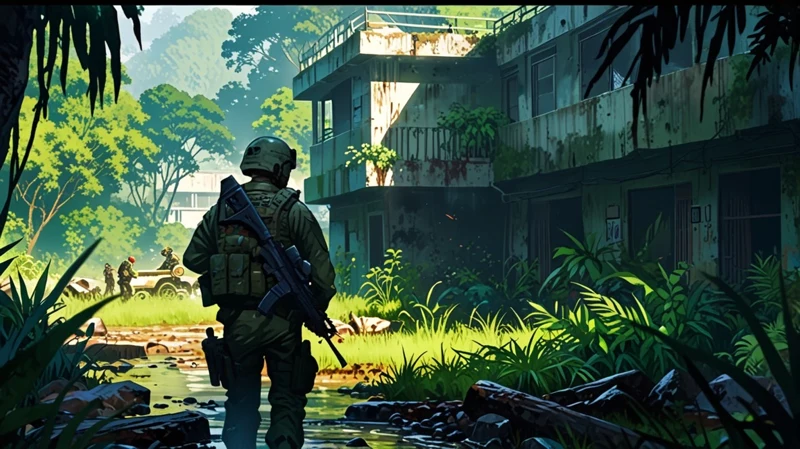
Honduras Military Defense Lawyers | Court-Martial Attorneys for U.S. Forces in Honduras
Honduras is one of the most important U.S. military locations in Central America. U.S. service members assigned to Honduras may operate from Soto Cano Air Base, Joint Task Force-Bravo, aviation elements, air base support units, medical elements, joint staff sections, security forces, humanitarian assistance missions, disaster-response operations, counterdrug-support missions, regional security cooperation activities, and multinational training events.
Service members stationed, deployed, or temporarily assigned to Honduras remain fully subject to the Uniform Code of Military Justice (UCMJ). A case may begin on base, off base, during flight operations, during humanitarian assistance, during disaster response, during partner-nation training, during liberty, during medical outreach, after contact with local authorities, or after a complaint from another service member, civilian employee, contractor, Honduran national, or command representative.
Honduras military cases may involve:
- Soto Cano Air Base near Comayagua
- Joint Task Force-Bravo personnel
- 1st Battalion, 228th Aviation Regiment aviation operations
- 612th Air Base Squadron airfield and support operations
- Army Forces Battalion, joint staff, medical, security, and logistics elements
- U.S. Southern Command regional security cooperation missions
- Humanitarian assistance and disaster response missions across Central America
- Counterdrug and transnational-threat support operations
- Partner-nation witnesses, Honduran civilians, contractors, and multinational personnel
- CID, OSI, NCIS, CGIS, military police, Security Forces, and command investigations
- Digital evidence, WhatsApp, Signal, texts, social media, phone extractions, location data, flight records, access logs, and duty rosters
Civilian Court-Martial Attorneys for U.S. Service Members in Honduras
Gonzalez & Waddington defends U.S. service members stationed or deployed in Honduras in serious UCMJ matters. The firm handles courts-martial, Article 15/NJP actions, GOMOR and letter of reprimand rebuttals, administrative separation boards, Boards of Inquiry, and command investigations worldwide.
Honduras cases are different from routine stateside cases. The defense may need to address overseas command pressure, regional mission records, aviation logs, medical mission witnesses, contractor witnesses, Honduran civilian witnesses, partner-nation communications, host-nation police contact, access logs, flight manifests, disaster-response timelines, digital evidence, translation issues, and witness movement across Central America.
If you are accused of Article 120 sexual assault or any other UCMJ offense in Honduras, do not wait for the command’s theory to harden. This includes abusive sexual contact, domestic violence, assault, drug misconduct, fraud, larceny, false official statement, travel-card allegations, orders violations, harassment, stalking, threats, weapons misconduct, aviation misconduct, misuse of government systems, classified-information concerns, and digital-evidence cases.
Call Gonzalez & Waddington at 1-800-921-8607 or text 954-799-4019 to request a confidential consultation with civilian military defense lawyers who defend service members worldwide.
Civilian Military Defense for U.S. Forces Stationed in Honduras
Honduras is not a conventional large-base assignment. The U.S. military presence centers on Soto Cano Air Base and Joint Task Force-Bravo. JTF-Bravo operates from a Honduran military installation in central Honduras. Official JTF-Bravo materials identify the task force as composed of the joint staff, Army Forces Battalion, 1st Battalion, 228th Aviation Regiment, and the 612th Air Base Squadron. The command includes more than 500 U.S. military personnel and more than 500 U.S. and Honduran civilians. (JTFB Southcom)
JTF-Bravo’s mission environment matters in military defense cases. Personnel may support regional security cooperation, counterdrug support, counter-transnational organized crime support, humanitarian assistance, disaster relief, aviation operations, medical missions, and multinational exercises. Official JTF-Bravo materials describe missions involving regional security, disaster response, law-enforcement support, multilateral exercises, operational access, and expeditionary capabilities. (JTFB Southcom)
A Honduras military case may involve:
- The deployed or assigned command
- The home-station command
- Joint Task Force-Bravo leadership
- Army, Air Force, Navy, Marine Corps, Coast Guard, or Space Force component personnel
- Honduran military or civilian witnesses
- Contractors
- U.S. embassy or interagency personnel
- Medical mission personnel
- Aviation crews
- Security forces
- Regional partner-nation witnesses
A case that begins as a barracks allegation, off-base incident, aviation safety concern, medical mission complaint, contractor dispute, local police contact, positive urinalysis, missing-property issue, false statement allegation, or command inquiry can quickly become a career-threatening matter.
Soto Cano Air Base Military Defense Lawyers
Soto Cano Air Base is located near Comayagua in central Honduras. It is a Honduran military installation and home to Joint Task Force-Bravo. The base also supports Honduran military aviation activity.
Soto Cano cases may involve:
- Joint Task Force-Bravo personnel
- 1-228th Aviation Regiment soldiers
- 612th Air Base Squadron airmen
- Army Forces Battalion personnel
- Medical Element personnel
- Joint Security Forces
- U.S. and Honduran civilian employees
- Contractors
- Host-nation witnesses
- Transient personnel
- Regional mission personnel
Soto Cano is smaller and more mission-focused than many stateside installations. That creates a close community. Everyone may know the allegation quickly. Witnesses may talk before investigators interview them. Command assumptions may form early. Rumors can spread fast. A weak allegation can still affect access, duties, trust, clearance, fitness reports, evaluations, and future assignments.
Common Soto Cano allegations may include:
- Article 120 sexual assault and abusive sexual contact
- Assault or threats
- Domestic violence or relationship-related allegations
- Alcohol-related misconduct
- Drug use or positive urinalysis cases
- False official statements
- Orders violations
- Travel-card and TDY claims
- Misuse of government property
- Security or access violations
- Aviation-related misconduct
- Digital evidence and social media allegations
Joint Task Force-Bravo Military Defense Cases
Joint Task Force-Bravo is a forward-based, joint, expeditionary command operating in Central America. Its mission structure creates a very different defense environment from a large stateside installation.
JTF-Bravo cases may involve:
- Joint staff records
- Mission planning documents
- Regional travel records
- Aviation mission logs
- Medical mission rosters
- Disaster-response timelines
- Partner-nation coordination
- Contractor communications
- U.S. embassy or interagency coordination
- Security and access logs
- Digital communications across multiple countries
A service member may be accused of misconduct while operating in Honduras or while supporting a mission elsewhere in Central America. The defense must identify where the alleged conduct happened, who had command authority, what records exist, whether the witnesses are still in Honduras, and whether evidence is controlled by a U.S. command, contractor, host-nation agency, or regional partner.
1st Battalion, 228th Aviation Regiment Military Defense Lawyers
The 1st Battalion, 228th Aviation Regiment supports aviation operations for Joint Task Force-Bravo. Official JTF-Bravo materials describe the unit as providing general support aviation operations with UH-60L Black Hawks, CH-47F Chinooks, and MEDEVAC HH-60L helicopters. (JTFB Southcom)
Aviation cases in Honduras may involve:
- Flight manifests
- Aircrew records
- Crew rest issues
- Maintenance records
- Flight safety records
- Mission logs
- MEDEVAC documentation
- Aircraft access records
- Fuel and cargo records
- Partner-nation landing zones
- Weather and terrain issues
- Operational pressure
Common aviation-related allegations may include false official statements, dereliction of duty, orders violations, safety violations, mishandling equipment, alcohol-related misconduct, prescription medication issues, flight-line misconduct, harassment, assault, or digital evidence cases involving aircrew or support personnel.
Aviation cases require technical defense work. The lawyer must determine whether the issue is criminal, administrative, operational, technical, or based on misunderstanding.
612th Air Base Squadron Military Defense Lawyers
The 612th Air Base Squadron provides airfield and support functions at Soto Cano Air Base. Official JTF-Bravo welcome materials describe the squadron as maintaining Soto Cano as a strategic, C-5M Super Galaxy-capable airfield in Central America and supporting the 1-228th Aviation Regiment, JTF-Bravo, the Honduran Air Force, transient aircraft operations, and deployed aviation units. (JTFB Southcom)
612th ABS cases may involve:
- Airfield operations
- Transient aircraft support
- Material management
- Logistics records
- Passenger and cargo movement
- Flight-line access
- Security Forces records
- Maintenance and support documentation
- Humanitarian cargo operations
- Contractor or civilian employee witnesses
Because the squadron supports mission-critical operations, allegations involving integrity, alcohol, drugs, safety, property, false statements, or security can receive immediate command attention.
Comayagua, Tegucigalpa, Palmerola, and Local Honduras Evidence
Many Honduras military cases involve local facts. Soto Cano sits near Comayagua and near the Palmerola / Comayagua airport environment. Tegucigalpa is also a major regional city. Service members may encounter local evidence during travel, liberty, lodging, training, medical missions, or official coordination.
Local Honduras evidence may include:
- Host-nation police reports
- Hotel records
- Airport records
- Taxi or driver records
- Local CCTV
- Restaurant or bar records
- Phone location data
- WhatsApp and Signal messages
- Spanish-language witness statements
- Translated documents
- Medical treatment records
- Access logs and gate records
Translation matters. Context matters. Local customs and language differences can affect how statements are understood. A defense lawyer must evaluate whether witness statements were accurately translated, whether investigators misunderstood local context, and whether key records can still be preserved.
Humanitarian Assistance and Disaster Response Case Issues
Honduras missions often involve humanitarian assistance and disaster response. These missions may occur in remote areas, after storms, during medical outreach, after flooding, or during regional relief operations.
Legal issues may arise from:
- Medical mission complaints
- Helicopter landing-zone events
- Cargo delivery disputes
- Local witness allegations
- Misuse of relief supplies
- Government property accountability
- Vehicle accidents
- False statements in mission reports
- Improper relationships during missions
- Social media posts during relief operations
The defense must review mission logs, passenger manifests, cargo records, medical records, photographs, videos, GPS data, radio traffic, and witness statements. A misunderstood event during a chaotic mission can become a serious allegation if investigators view the facts out of context.
Counterdrug and Regional Security Cooperation Case Issues
Honduras also supports regional security cooperation and counterdrug-related support missions. These cases can involve sensitive coordination with U.S. agencies, Honduran authorities, and partner nations.
Potential evidence may include:
- Mission orders
- Briefings
- Law-enforcement support documents
- Partner-nation communications
- Travel records
- Aircraft records
- Intelligence-related material
- Security reports
- Translated statements
- Classified or sensitive information
If a service member is accused of misconduct in this environment, the defense must address classified or sensitive evidence, foreign witnesses, chain-of-command issues, jurisdiction, and whether the government is relying on incomplete summaries instead of original records.
Sample Honduras Military Case Scenarios
The following examples are fictional. They are not claims about any actual case, command, business, service member, Honduran civilian, contractor, partner-nation official, or witness. They are included to show how Honduras-specific facts can matter in UCMJ defense.
- Soto Cano Article 120 allegation: A soldier assigned to JTF-Bravo is accused of sexual assault after an off-duty interaction in a living area near Soto Cano. The defense must review access logs, phone messages, WhatsApp calls, witness locations, duty rosters, and whether the accuser’s later statement matches earlier communications.
- Comayagua hotel allegation: A service member staying near Comayagua during a mission-support event is accused of abusive sexual contact. The defense seeks hotel key-card records, lobby CCTV, taxi records, Spanish-language witness statements, and phone location data before records disappear.
- 1-228th Aviation false statement case: An aviation crew member is accused of making a false statement about a flight event. The defense reviews crew rest, mission logs, flight manifests, radio traffic, weather, aircraft maintenance records, and whether the statement was actually false or simply incomplete.
- 612th ABS cargo accountability case: An Airman is accused of mishandling humanitarian cargo during a delivery mission. The defense reviews manifests, K-loader records, cargo transfer documents, photos, witness statements, and whether the alleged loss was administrative rather than criminal.
- Medical mission complaint: A service member participating in a rural medical outreach mission is accused of inappropriate conduct toward a local civilian. The defense evaluates interpreter accuracy, clinic flow, witness locations, medical mission records, photographs, and whether cultural or language misunderstanding affected the allegation.
- Palmerola / airport access allegation: A service member is accused of violating restricted-area rules near an aviation support area. The defense reviews the written order, signs, access badges, gate records, prior briefings, and whether the accused knowingly entered a prohibited area.
- Tegucigalpa liberty incident: A service member travels to Tegucigalpa and becomes involved in an altercation outside a restaurant. The command receives a report and starts an investigation. The defense seeks local CCTV, taxi records, restaurant receipts, Spanish-language police records, and witness statements.
- Positive urinalysis case: A deployed service member tests positive after taking medication obtained during travel in Central America. The defense reviews prescription records, medical guidance, lab chain of custody, supplement use, and whether there is a lawful or innocent explanation.
- Partner-nation training allegation: A U.S. service member is accused of mistreating a Honduran partner-force trainee during a training event. The defense reviews training standards, interpreter notes, translated statements, video, instructor logs, and whether the allegation resulted from misunderstanding or discipline friction.
- Domestic allegation involving a deployed couple: A dual-military couple assigned to Honduras has a dispute that leads to a command report. The defense reviews messages, medical records, witness statements, housing logs, and whether the command issued a no-contact order based on incomplete facts.
- Social media and OPSEC allegation: A service member posts photos from a regional mission. The command alleges OPSEC or classified-information concerns. The defense reviews classification guidance, social media policy, metadata, prior command briefings, and whether the information was actually protected.
- Government travel-card case: A service member is accused of improper travel-card use during movement between Soto Cano, Comayagua, and another regional location. The defense reviews orders, DTS documents, receipts, authorization emails, and whether the spending was mission-related.
Military Law Issues for Service Members in Honduras
Article 120 Sexual Assault and Abusive Sexual Contact
Article 120 cases in Honduras may involve living areas, hotel rooms, off-base liberty, dating apps, WhatsApp messages, delayed reports, alcohol, unit relationships, phone extractions, and witnesses who may leave the country. These cases often turn on consent, credibility, timing, motive, digital evidence, witness contamination, translation issues, and whether investigators collected the full record.
Assault, Threats, and Domestic Violence
Assault and domestic violence cases may involve service members, dual-military couples, contractors, local civilians, or partner-nation personnel. Evidence may include military police reports, host-nation records, medical records, photographs, command no-contact orders, messages, witness statements, and translated documents.
Drug and Alcohol Cases
Honduras cases may involve positive urinalysis results, prescription medication issues, suspected controlled-substance possession, alcohol-related misconduct, searches, and command-directed inquiries. The defense must examine collection procedures, lab records, orders, briefings, search authorization, local medication issues, and command assumptions.
Fraud, Larceny, Government Property, and Travel Claims
Honduras missions may involve travel cards, DTS, cargo records, humanitarian supplies, aviation support equipment, medical mission property, fuel, vehicles, and contractor support. The defense must determine whether the government can prove criminal intent rather than poor documentation, confusion, mission tempo, or administrative error.
False Official Statements
False statement allegations often arise after rushed interviews. A tired, deployed, stressed service member may try to explain an event without counsel and later face Article 107 allegations. The defense must examine the exact words, context, materiality, intent, and whether the statement was actually false.
Security Clearance and Sensitive Mission Concerns
Honduras missions may involve regional security cooperation, counterdrug support, aviation operations, interagency coordination, force protection, and sensitive access. Allegations involving foreign contacts, unauthorized disclosures, government systems, OPSEC violations, or classified information can threaten both UCMJ exposure and future clearance eligibility.
If You're Investigated at Honduras: What to Know First
Before you answer military investigators's questions. Under Article 31(b) of the UCMJ, agents of military investigators (CID, OSI, NCIS or CGIS) must advise you of the suspected offense and of your right to remain silent before questioning you as a suspect. You can decline the interview and ask for counsel, and your silence cannot be used as evidence of guilt. Statements made to "explain your side" are one of the most common reasons service members at Honduras end up charged.
Being titled is not the same as being charged. Investigators can title a service member and index the name in the Defense Central Index of Investigations on only "credible information." The case may go nowhere, yet the entry can resurface years later in background investigations and clearance reviews, so how the investigation is handled from the start matters.
Your commander may not be the one deciding. Covered offenses such as sexual assault, domestic violence, stalking, kidnapping, murder, child pornography and (since 2025) sexual harassment are now controlled by an independent Office of Special Trial Counsel, which decides whether charges are preferred and referred. Other allegations at Honduras still go through the chain of command.
Domestic violence allegations. Article 128b covers violence against a spouse, intimate partner or family member, and an allegation of strangulation or suffocation can be charged as aggravated assault even without a visible injury. A qualifying conviction can also trigger the federal firearms ban under the Lautenberg Amendment, which can end a career that requires carrying a weapon.
Drug and off-duty allegations overseas. Article 112a of the UCMJ applies to service members in Honduras whatever local law allows, and host-nation authorities may also have jurisdiction under the Status of Forces Agreement. A positive urinalysis can still be challenged on chain of custody, testing and innocent ingestion.
Pay and allowance allegations. BAH and other allowance cases are usually charged as larceny under Article 121 or as frauds against the United States under Article 124. An overpayment by itself is not a crime: the government must prove you intended to steal or defraud, and many of these cases begin as paperwork errors.
If you are under investigation at Honduras, talk to a military defense lawyer before you make any statement. Call Gonzalez & Waddington at 1-800-921-8607.
How Investigations Often Begin in Honduras
Many Honduras military cases begin before the accused understands the risk. A service member may first learn about the case through a command meeting, a rights advisement, an investigator request, a no-contact order, a phone seizure, a mission inquiry, or a rumor that someone made a complaint.
A typical Honduras investigation may include:
- Initial complaint or command report
- Military police, Security Forces, or command notification
- CID, OSI, NCIS, CGIS, or command inquiry
- Article 31 rights advisement
- Witness interviews
- Collection of phones, messages, screenshots, photos, videos, and social media
- Review of access logs, duty rosters, mission records, flight records, housing records, and movement records
- Collection of hotel records, taxi records, CCTV, and civilian witness statements
- Translation of Spanish-language records or witness accounts
- Command legal review
- Preferral of charges
- Article 32 preliminary hearing in serious cases
- Referral to special or general court-martial
Investigators often seek statements early. Those statements can shape the entire case. A service member should not assume that an interview is harmless because charges have not yet been preferred.
Why Early Defense Action Matters in Honduras
Early defense action is critical in Honduras because evidence and witnesses can disappear quickly.
Early intervention can help:
- Protect the service member from damaging statements
- Preserve digital evidence
- Identify favorable witnesses before they PCS, redeploy, or leave Honduras
- Secure surveillance footage before it is overwritten
- Collect mission records before they are archived or dispersed
- Collect hotel, taxi, and local records before they are lost
- Challenge incomplete investigative assumptions
- Address translation and interpretation problems
- Separate rumor from evidence
- Prepare for Article 32 proceedings
- Address command pressure before the case becomes fixed
This is especially important in cases involving Article 120 allegations, deployed witnesses, contractor witnesses, local civilian witnesses, partner-nation witnesses, digital evidence, aviation records, false statements, drug allegations, security-clearance concerns, and mission records.
Civilian Military Defense Counsel Working With Detailed Military Defense Counsel
A service member facing court-martial generally has the right to detailed military defense counsel. Civilian defense counsel does not replace that lawyer. Civilian counsel works alongside them.
In Honduras cases, civilian counsel may need to review:
- CID reports
- OSI reports
- NCIS or CGIS reports
- Military police reports
- Security Forces records
- Command emails
- Duty rosters
- Housing records
- Phone extractions
- WhatsApp, Signal, text, and social media messages
- Hotel records
- Taxi or driver records
- Surveillance footage
- Access logs
- Flight manifests
- Aviation mission logs
- Medical mission records
- Humanitarian cargo records
- Property accountability documents
- DTS and travel-card records
- Contractor statements
- Spanish-language witness statements
- Translated documents
- Medical records
- Protective orders
- Security clearance documents
- Adverse administrative paperwork
Gonzalez & Waddington represents service members worldwide in serious military cases. The firm defends clients in courts-martial, Article 120 cases, Article 128 and 128b cases, CID, NCIS, OSI, and CGIS investigations, Article 15/NJP actions, Boards of Inquiry, administrative separations, letters of reprimand, fraud cases, violent offenses, digital evidence cases, and other serious UCMJ matters.
Quick Answer: Honduras Military Defense Lawyers
U.S. service members stationed or deployed in Honduras can face military consequences from allegations tied to Soto Cano Air Base, Joint Task Force-Bravo, 1-228th Aviation Regiment, 612th Air Base Squadron, humanitarian assistance missions, aviation operations, disaster response, partner-nation training, off-base conduct in Comayagua or Tegucigalpa, hotel evidence, contractor complaints, digital evidence, security concerns, and command investigations.
A civilian military defense lawyer can work alongside detailed military counsel in courts-martial, Article 120 cases, Article 15/NJP matters, letters of reprimand, administrative separations, Boards of Inquiry, and command investigations.
Because Honduras is an overseas, joint, aviation-heavy, humanitarian-assistance, counterdrug-support, and regional-security environment, defense strategy should account for witness movement, mission records, aviation logs, local civilian evidence, translation issues, contractor witnesses, access logs, digital evidence, command pressure, security issues, and long-term military career consequences.
Video transcript
Transcript of the video “How to Choose a Court-Martial Lawyer | What Trial Experience Actually Matters?,” with Michael Waddington of Gonzalez & Waddington.
Read the full transcript of this video
What trial experience actually matters in a court-martial lawyer? The experience that counts is personally trying contested cases to a verdict. Standing up, cross-examining government witnesses, arguing motions, making objections, and giving the closing. Recent contested trials in military courts matter most. Years in practice, the number of cases handled and plea deals don’t tell you whether a lawyer can win a trial.
And here’s the part people miss. Trial experience matters even if your case never goes to trial. I’m Michael Waddington, civilian military defense lawyer and co-founder of Gonzalez & Waddington. And I’ve tried cases in military and civilian courts around the world for 26 years. I teach trial skills to other defense lawyers and I wrote kick-ass closings and the art of trial warfare.
In this video, I’ll explain which kinds of experience matter, how plea practice differs from trial work, and how to check what a lawyer has really done. First, why trial experience matters even if you plead. Most cases don’t end in a full trial. Many end in a plea agreement, a dismissal, or an administrative resolution. So, why does trial experience matter?
Leverage. Prosecutors, special trial counsel, and convening authorities know which defense lawyers try cases and which ones always plead. When the government believes your lawyer will take the case to verdict and do it well, the offers get better, weak charges get dropped, and some cases go away. A lawyer who never tries cases negotiates from weakness, whether they say so or not. If a plea agreement is the right choice for you, you want it negotiated by someone the government doesn’t want to face at trial.
We have a separate video on how plea agreements work. Second, the kinds of experience and what each one is worth. Lawyers describe their experience in ways that sound alike but aren’t. Contested trials to verdict. The lawyer led the defense through a full trial and the panel or the judge decided.
This is the experience that matters most. Motions litigation. Suppressing statements or searches, unlawful command influence, speedy trial, and illegal pre-trial punishment. Strong motions practice can win a case before trial. Article 32 hearings useful and a chance to lock in witness testimony, but a preliminary hearing isn’t a trial.
Second chair, valuable training, but the person in the second chair didn’t make the decisions. Plea negotiation, a real skill, but a different one. Prosecution experience. A former trial counsel knows how the government builds a case. That helps, but prosecuting and defending take different instincts.
And civilian criminal trials. Many trial skills carry over, but a court-martial has different rules, a different jury, and a different culture. Third, why military trial experience is its own thing. A good civilian trial lawyer can still be lost in a courtroom on base. Here’s what’s different.
The panel. Court-martial members are officers, and if you ask, enlisted members selected by the convening authority. They’re educated, used to following orders, and trained to respect the chain of command. You don’t argue to them the way you argue to a civilian jury. The rules, the military rules of evidence and the rules for courts-martial are close to the federal rules, but not the same.
The differences decide motions. Sentencing for offenses after December 27th, 2023. The military judge decides most sentences under new sentencing parameters. That changes how you present mitigation and when you choose a panel. And rank and culture.
How a witness’s rank, a unit’s reputation, or a commander’s opinion plays with members. That’s learned in the courtroom, not from a book. Fourth, what trial skill actually looks like. When you’re judging a lawyer, these are the skills behind the word experienced. Witness control on cross.
Short leading questions. The witness answers the lawyer’s questions, not the ones they wish they’d been asked. Impeachment. When a witness changes their story, the lawyer commits them to the new version, builds up the earlier statement, and then confronts them with it cleanly so the panel sees it. Objections knowing when to object, when not to, and how to preserve the issue for appeal.
Experts challenging whether an expert should testify at all and cross-examining them if they do. A theory that runs from start to finish. The same story in voadier, opening, cross, and closing. Adapting testimony goes sideways in every trial. Experienced lawyers adjust without losing the thread and the closing pulling the evidence together into reasonable doubt the members can explain to each other in deliberations.
Fifth, recency. Military justice has changed more in the last 10 years than in the 40 years before. The Military Justice Act of 2016, the Office of Special trial counsel, and new sentencing rules have changed how cases are charged, tried, and sentenced. Ask about contested trials in the last few years, not just a career total. Sixth, things that sound impressive, but don’t prove trial skill.
Years licensed. 20 years of paperwork is not 20 years of trials. Never lost a case. That often means the lawyer doesn’t try cases. Every trial lawyer who tries hard cases has lost some.
Television appearances. I’ve done a lot of media work. It doesn’t prove anything about trial skill. Mine or anyone else’s and the number of cases handled. Most of those may be please Article 15s and administrative actions.
Seventh, how to check. Ask directly. How many contested trials to verdict in the last 3 years? What were the charges? Who conducted the cross and the closing?
Ask about a loss. What happened? And what did you learn? A real trial lawyer answers that without flinching. Look at appellet opinions.
Opinions from the court of appeals for the armed forces and from the service courts of criminal appeals often name defense counsel. They’re public. Look at what they teach and write. If other lawyers ask someone to teach trial skills, that’s a signal you can check and watch them. Many lawyers have videos of themselves teaching or explaining cases.
Watch how they think. At Gonzalez & Waddington, Alexandra and I personally try contested courts. Marshall, I’ve defended cases in Germany, Italy, Japan, South Korea, Bahrain, Iraq, England, and across the United States. I’ve taught cross-examination and trial strategy for the National Association of Criminal Defense Lawyers, the National Trial Lawyers Summit, and Gideon’s Promise. And I teach as an adjunct professor at Florida International University College of Law.
I’m Michael Waddington with Gonzalez & Waddington. So, what trial experience actually matters? Recent contested trials to verdict in military courts where the lawyer you’re hiring did the cross and the closing. That experience wins trials and it gets better results in the cases that never go to trial. I’m Michael Waddington with Gonzalez & Waddington.
We defend service members worldwide. Call us at 1800-921-8607 or visit ucmjdefense.com. When the command knows you’ve got real defense, the game changes.
My husband was falsely accused, and it was an incredibly long and difficult process for our family. Throughout everything, Michael was supportive, compassionate, and always available to answer any questions or concerns we had.
Prior results and client testimonials do not guarantee a similar outcome, and you may not obtain the same or similar results. Every case is different. No client was paid for a review.
Honduras Military Defense FAQ
Can a U.S. service member stationed in Honduras hire a civilian military defense lawyer?
What types of UCMJ cases happen at Soto Cano Air Base?
Do CID, OSI, NCIS, or CGIS investigations begin before charges are filed?
Can a Honduras allegation follow me back to my home station?
Are Honduras court-martial cases different from stateside cases?
Should I speak to investigators if I am innocent?
Military investigators want to interview me at Honduras. Do I have to talk to them?
No. Article 31(b) of the UCMJ requires investigators to tell you what you are suspected of and that you have the right to remain silent, and you can ask for a lawyer before answering anything. An interview is evidence collection, and military investigators can title you as a subject on a low "credible information" standard that can follow you into background and clearance checks even if the case is dropped. Politely decline, ask for counsel, and call a military defense lawyer before you say anything.
Why Choose Gonzalez & Waddington for Honduras Military Defense Cases
Gonzalez & Waddington, LLC is a civilian military defense law firm representing service members worldwide. The firm is led by Michael Waddington and Alexandra González-Waddington, a husband-and-wife defense team focused on military criminal defense, court-martial litigation, UCMJ investigations, administrative separation boards, Boards of Inquiry, GOMOR and letter of reprimand rebuttals, Article 15/NJP matters, sexual assault defense, violent offense defense, fraud cases, cyber and digital-evidence cases, and other high-stakes military legal matters.
Michael Waddington
Michael Waddington is a former Army officer and former Army JAG. He served as an Army Trial Defense Counsel, Senior Defense Counsel, Army prosecutor, Special Assistant United States Attorney, and Chief of Military Justice. He has more than 25 years of military defense experience. He is licensed in Florida, Georgia, Pennsylvania, New Jersey, and South Carolina. He is admitted to all U.S. military trial courts worldwide.
Alexandra González-Waddington
Alexandra González-Waddington is a founding partner, former public defender, and experienced military defense lawyer licensed in Florida and Georgia. She is admitted to all U.S. military trial courts worldwide. She has defended service members in sexual assault, violent crime, war crimes, murder, classified-information, domestic violence, and white-collar cases. She co-tries the firm’s cases with Michael Waddington and is bilingual in English and Spanish.
For service members stationed in Honduras, that background matters. Honduras cases may involve deployed evidence, aviation records, digital records, contractor witnesses, local civilian witnesses, Spanish-language records, command pressure, Article 120 allegations, security concerns, regional mission records, and serious UCMJ consequences.
Talk to a Civilian Military Defense Lawyer for U.S. Forces in Honduras
If you are stationed or deployed in Honduras and are under investigation, get legal guidance before making statements or submitting paperwork that may be used against you later.
This includes situations where you are:
- Facing CID, OSI, NCIS, CGIS, Security Forces, military police, or command questioning
- Accused of Article 120 sexual assault or abusive sexual contact
- Dealing with a living-area allegation, contractor complaint, assault claim, drug case, false statement allegation, or orders violation
- Accused of misconduct during aviation operations, humanitarian assistance, medical outreach, or partner-nation training
- Receiving Article 15/NJP or a letter of reprimand
- Preparing for an administrative separation board or Board of Inquiry
- Worried about your access, deployment status, rank, retirement, or future assignments
Gonzalez & Waddington can work alongside detailed military defense counsel. The firm can help review the evidence, preserve favorable information, prepare for command decisions, and build a defense strategy that accounts for both the military case and the deployed Honduras environment.
Call Gonzalez & Waddington at 1-800-921-8607 or text 954-799-4019 to request a confidential consultation. No attorney can guarantee a result. The goal is to intervene early, protect your rights, and help you make informed decisions before the command or prosecution theory hardens.
Helpful Honduras Military Resources
- Joint Task Force-Bravo Official Website
- Joint Task Force-Bravo Units
- Joint Task Force-Bravo Welcome Guide
- U.S. Southern Command
Honduras U.S. Military Locations Covered
- Soto Cano Air Base Military Defense Lawyers
- Joint Task Force-Bravo Military Defense Lawyers
- 1st Battalion, 228th Aviation Regiment Military Defense Lawyers
- 612th Air Base Squadron Military Defense Lawyers
- Army Forces Battalion Military Defense Lawyers
- JTF-Bravo Medical Element Military Defense Lawyers
- Comayagua Military Defense Lawyers
- Tegucigalpa Military Defense Lawyers
- Central America Regional Mission Military Defense Lawyers
Related Military Legal Guides
- Global Military Base Directory
- Court-martial defense attorneys
- Article 120 sexual assault defense
- Article 15 and NJP lawyer
- Separation board and Board of Inquiry lawyers
- GOMOR and reprimand rebuttal lawyer
- Puerto Rico Military Defense Lawyers
- Guantanamo Bay Military Defense Lawyers
- Army Military Defense Lawyers
- Air Force Military Defense Lawyers
Aggressive Criminal Defense Lawyers
This video explains what your rights are and how experienced criminal defense lawyers can make a difference.






Facing a military investigation, UCMJ allegation, or serious criminal charge? Gonzalez & Waddington provides trial-focused defense for high-stakes cases. Call 1-800-921-8607 or text 954-799-4019 for a confidential, no-cost consultation.