Article 90 of the UCMJ criminalizes a service member's willful disobedience of a lawful command issued by a superior commissioned officer. The offense targets intentional defiance of commissioned authority, not negligence, misunderstanding, or inability to comply. Article 90 is distinct from Article 91, which covers insubordination toward noncommissioned officers, and Article 92, which covers failure to obey a general order.
To convict under Article 90, the government must prove beyond a reasonable doubt: that the accused received a lawful command from a superior commissioned officer, that the accused knew the individual was a commissioned officer, that the accused had a duty to obey, and that the accused willfully and intentionally disobeyed. Gonzalez & Waddington defends service members facing Article 90 charges at every stage, from investigation through court-martial.
Under the Manual for Courts-Martial, willful disobedience of a superior commissioned officer carries a maximum punishment of a dishonorable discharge, forfeiture of all pay and allowances, reduction to E-1, and up to five years of confinement in time of peace. A conviction under Article 90 can also result in administrative separation, loss of retirement eligibility, and revocation of a security clearance. Sex-offender registration does not apply to Article 90.
Defending an Article 90 charge requires scrutinizing whether the command was lawful, whether the accused had actual knowledge of the officer's commissioned status, and whether the conduct reflects willful defiance rather than inadvertence. Michael Waddington, a former Army Senior Defense Counsel, challenges the government's proof of willfulness by exposing gaps in witness testimony, contradictory orders, and ambiguous command circumstances.
Gonzalez & Waddington defends service members from every branch — Army, Navy, Air Force, Marine Corps, Coast Guard, and Space Force, including Reserve and National Guard components — in military courts across the United States and overseas, including Germany, Italy, Japan, and South Korea. The firm handles courts-martial, Article 32 hearings, administrative separation boards, and security clearance matters worldwide. Call Gonzalez & Waddington at 1-800-921-8607 — consultations are confidential.
Reviewed by Michael Waddington, Founding Partner · Updated October 8, 2026
Table Content
Article 90 of the Uniform Code of Military Justice criminalizes the willful disobedience of a lawful command issued by a superior commissioned officer. The article is intended to preserve the chain of command and ensure immediate compliance with direct orders essential to military operations. The offense applies only when the accused knew the individual issuing the command was a superior commissioned officer.
The statute requires a direct, lawful command issued personally by a superior commissioned officer. The disobedience must be willful, meaning the service member intentionally chose not to comply with the order. The offense does not include misunderstanding, inadvertent failure, or inability to comply unless evidence shows the accused deliberately refused.
Only persons subject to the UCMJ may be charged under Article 90. The superior giving the command must be a commissioned officer of the United States Armed Forces, and the accused must be subordinate to that officer. The accused must have actual knowledge of the officer’s status and authority at the time the order was given.
Article 90 requires specific intent in the form of willfulness. The government must prove the accused intentionally disobeyed the order, not merely that the order was unmet. Negligent or accidental noncompliance is insufficient for liability under this article.
Attempt and conspiracy may be charged under Articles 80 and 81 for conduct aimed at disobeying or assisting others in disobeying a commissioned officer’s command. Accomplice liability may arise when a service member aids, encourages, or directs another to violate Article 90. Such charges depend on evidence of shared intent and participation in the underlying willful disobedience.
Watch the military defense lawyers at Gonzalez & Waddington break down how they defend service members worldwide against UCMJ allegations, CID/NCIS/OSI investigations, court-martials, Article 120 cases, administrative separations, and GOMORs. If you’re under investigation or facing charges, this video explains what your rights are and how experienced civilian military counsel can make the difference.
The government must establish each statutory element of willful disobedience of a commissioned officer beyond a reasonable doubt. These elements define the conduct and mental state that must be proven for a lawful conviction under Article 90 of the Uniform Code of Military Justice.
The mens rea for this offense is willfulness, which requires a deliberate, intentional refusal to comply with the command. Mere negligence, misunderstanding, or inadvertence does not satisfy this standard. The government must show that the disobedience was knowing and purposeful.
The actus reus consists of an actual failure or refusal to carry out the order or directive issued by the commissioned officer. The disobedience may be explicit, such as stating a refusal, or implicit, such as failing to act when action is clearly required under the command.
Critical statutory terms include “lawful command,” which must relate to a proper military purpose and fall within the authority of the commissioned officer, and “commissioned officer,” meaning an officer properly appointed under applicable federal law. Proof of these definitions ensures the command carries the legal force necessary to support the charge.
Punishment under the Uniform Code of Military Justice is determined by the law and sentencing rules in effect at the time of the alleged misconduct. For Article 90 (Willful Disobedience of a Commissioned Officer), different maximum_punishment and sentencing frameworks apply depending on whether the offense occurred before or on/after December 27, 2023.
For offenses committed before December 27, 2023, sentencing was governed by the traditional maximum_punishment model in the Manual for Courts_Martial. For Article 90 (willful disobedience), the maximum authorized punishment included:
These punishments represented the full range a court_martial could adjudge but were not mandatory unless otherwise specified, and Article 90 contained no mandatory minimums.
For offenses occurring on or after December 27, 2023, the Military Justice Act sentencing_category system applies. Article 90 (willful disobedience) is assigned to Sentencing Category 2. Under this structure, the court_martial sentences within the category’s prescribed confinement limits and may adjudge other authorized punishments.
Sentencing categories differ from the prior model by replacing offense_specific maximum confinement terms with standardized confinement ranges grouped by offense type and severity. The system provides structured limits rather than the broader maximums formerly listed for each punitive article, while retaining judicial discretion within the category’s range and preserving the availability of punitive discharges and other collateral punishments.








Charging decisions under Article 90 are shaped by the specific fact pattern, the nature of the command relationship, and the investigative and administrative steps that uncover the conduct. Commanders and prosecutors typically rely on documented interactions, witness accounts, and the service member’s prior conduct when determining whether the willful disobedience element is supported.
Article 90 is most often charged when a service member receives a clear, direct, and lawful order from a commissioned officer and intentionally refuses to comply. Common situations include:
These cases generally involve orders closely tied to command authority or unit discipline, rather than minor routine directives.
Most Article 90 cases originate from incident reports made by the involved officer or bystanders. Command-directed investigations, such as commander’s inquiries or administrative fact-finding, are typically the first step. When the conduct intersects with broader misconduct or involves potential criminality, service law-enforcement agencies—CID for the Army, NCIS for the Navy and Marine Corps, OSI for the Air Force, and CGIS for the Coast Guard—may become involved. Their role usually focuses on corroborating statements, collecting communications, and documenting the sequence of events surrounding the order.
Prosecutors commonly charge Article 90 alongside related offenses to capture different theories of liability and to address overlapping misconduct. Charge-stacking may reflect both the willful disobedience and any ancillary behavior, such as disrespect or false statements. Overlap with Article 92 is particularly frequent, allowing a panel to consider whether the conduct meets the heightened willfulness required for Article 90 or only the broader violation of an order or regulation.
Prosecutions under UCMJ Article 90 often hinge on whether the government can establish each statutory element through reliable evidence. Litigation frequently centers on factual disputes, credibility assessments, admissibility determinations, and the interpretation of key statutory terms. These factors shape how courts evaluate the sufficiency and quality of the government’s proof.
Defense arguments in Article 90 cases often focus on whether the evidence satisfies one or more required elements. Common areas of dispute include:
Challenges along these lines typically involve scrutinizing the adequacy, coherence, and consistency of the government’s evidence rather than advocating for a particular defense strategy.
Article 90 prosecutions often turn on the degree of intent required and whether the government has demonstrated a willful mental state. Disputes may arise over:
Because willfulness is a central element, courts frequently examine contextual evidence to determine whether the mental state requirement has been met.
Contested accounts from officers, subordinates, and third-party witnesses can significantly influence the fact-finding process. Disputes often involve the clarity of the order, the circumstances in which it was given, and the reliability of recollections. Credibility assessments may also extend to investigative steps, such as how statements were obtained or documented.
Litigation commonly addresses the admissibility of statements, recordings, digital communications, or command documents. Courts may evaluate whether statements were voluntary, whether searches complied with constitutional and regulatory standards, and whether documentary or electronic records have been properly authenticated. Suppression motions can arise when collection or preservation procedures are contested.
Ambiguities in statutory language or related rules can generate disputes over the meaning of “lawful order,” the scope of command authority, or the interpretation of cross-referenced UCMJ provisions. Courts may analyze legislative history, precedent, and structural context to determine how the statute applies to the facts presented.
Disrespect toward a commissioned officer, which is often evaluated alongside willful disobedience
Failure to obey a lawful order, frequently charged in connection with disobedience allegations
Article 134 general article, which may capture additional misconduct arising from the same incident
Collateral consequences are administrative, professional, or legal effects that may arise from a conviction independently of the sentence imposed by a court-martial. These outcomes can affect a service member’s military career, post-service opportunities, and various legal or administrative statuses.
A conviction under UCMJ Article 90 for willful disobedience of a commissioned officer may prompt administrative review of a service member’s suitability for continued service. Possible outcomes include:
A conviction for willful disobedience may raise concerns regarding reliability, judgment, and adherence to lawful authority, which can affect eligibility for security clearances. Loss or suspension of a clearance may limit assignments requiring classified access and can influence post-service employment in fields such as defense contracting or federal service.
Convictions under Article 90 do not inherently trigger sex offender registration. However, reporting or registration requirements may apply if the underlying conduct also constitutes an offense covered by federal or state registration laws. These requirements are governed by jurisdiction-specific statutes rather than the UCMJ itself.
Although Article 90 addresses military-specific misconduct, the same conduct could, in some circumstances, overlap with federal or state offenses, potentially resulting in separate civilian prosecution or civil liability depending on the facts.
For non-citizens, a conviction may affect immigration status, admissibility, or future naturalization if the misconduct is evaluated as reflecting negatively on moral character or compliance with U.S. law.
Decisions made during the investigative phase of an alleged violation of UCMJ Article 90 often influence case outcomes well before any charges are preferred. Early legal guidance helps ensure that a service member understands the process and the implications of each step taken during this period.
Military investigators typically collect statements, documents, electronic communications, and digital records at the outset of an inquiry. Early legal involvement can help clarify how evidence is preserved, the context in which statements are taken, and the manner in which materials are interpreted. Civilian military defense lawyers can also assist in assessing whether evidence was obtained in compliance with applicable regulations.
Interviews by command representatives or law-enforcement personnel often occur when a service member has limited information about the allegations or investigative scope. Without legal guidance, a member may provide statements that are incomplete, inaccurate, or inconsistent simply due to misunderstanding the situation. These early interviews can shape the direction of the investigation and influence later determinations.
Command-directed investigations and administrative inquiries may run concurrently with or independently from criminal processes. Early decisions in these administrative assessments can affect duty status, credibility assessments, and the way subsequent investigative steps unfold.
Choices made at the beginning of an inquiry—such as consenting to searches, submitting written statements, or responding to administrative questionnaires—can carry forward into court-martial proceedings or other actions. These early decisions often influence evidentiary rulings, investigative conclusions, and the overall trajectory of the case.
Gonzalez & Waddington is a civilian military defense law firm focused on representing service members facing allegations under the Uniform Code of Military Justice. The firm handles cases worldwide and provides legal guidance to military personnel accused of offenses investigated or prosecuted under the UCMJ, including serious charges involving alleged disobedience of lawful orders. Their practice centers on navigating the complexities of military justice, courts_martial procedures, and administrative actions that can significantly affect a service member’s career.
If you are facing an allegation under Article 90 or have been notified of an investigation or upcoming military proceeding, Gonzalez & Waddington can review your situation and explain your available options. Contact the firm to arrange a confidential consultation and discuss how experienced civilian military defense counsel can assist you in navigating the military justice process.
Q: What does UCMJ Article 90: Willful Disobedience of a Commissioned Officer cover?
A: Article 90 addresses situations in which a service member intentionally and knowingly disobeys a lawful command issued by a commissioned officer. The article requires proof that the order was lawful, that the officer was authorized to issue it, and that the service member’s refusal was deliberate. It is considered a serious offense because it relates directly to command authority and the maintenance of military discipline.
Q: What is the maximum punishment for UCMJ Article 90: Willful Disobedience of a Commissioned Officer?
A: The maximum punishment may include a dishonorable discharge, forfeiture of all pay and allowances, and confinement. Actual punishment varies depending on the circumstances, including the nature of the order, the member’s intent, and the impact of the disobedience on mission requirements. Commanders and court-martial panels consider the specific facts of each case when determining an appropriate sentence within the authorized range.
Q: Can an allegation under this article lead to administrative separation even without a conviction?
A: Yes. Commands may initiate administrative separation based on substantiated misconduct, regardless of whether a court-martial conviction occurs. Administrative actions rely on a lower burden of proof than judicial proceedings. If decision-makers conclude that the conduct demonstrated issues with reliability, judgment, or respect for authority, they may move forward with separation processing. Outcomes can vary and depend on the member’s service record and the evidence available.
Q: Do I need a civilian military defense lawyer for an investigation under this article?
A: Service members are entitled to military defense counsel at no cost during investigations that could lead to disciplinary proceedings. Some individuals choose to consult or retain a civilian attorney for additional support, but doing so is not required. The decision often depends on personal preference, the complexity of the case, and the potential consequences. Civilian counsel may provide supplemental guidance while working alongside appointed military counsel.
Q: Can allegations under Article 90 be handled without a court-martial, such as through administrative action or nonjudicial punishment?
A: Yes. Commanders may address alleged Article 90 violations through nonjudicial punishment, administrative counseling, or other corrective measures when circumstances do not warrant a court-martial. These options typically involve a lower evidentiary threshold and permit a range of outcomes, from minor penalties to administrative separation. The chosen approach depends on the severity of the conduct, mission considerations, and the member’s overall duty performance.
Q: What types of evidence are typically reviewed during an Article 90 investigation?
A: Investigators often examine written or verbal orders, witness statements, communication records, and any documentation showing how the order was given and received. They may also evaluate the context of the interaction, the member’s opportunity to understand the command, and whether the order was lawful. The goal is to determine intent and clarity, as willful disobedience requires proof that the service member knowingly refused to comply.
You can review the individual Articles of the UCMJ and learn more about military law by clicking here: UCMJ Articles and Military Justice Resources. You can also explore official military law guidance from the Army Judge Advocate General’s Corps at jagcnet.army.mil.

A renowned military criminal defense attorney and best-selling author, Michael Waddington defends clients worldwide in serious cases and trains lawyers in advanced cross-examination. He is frequently featured by major media outlets like CNN and 60 Minutes.
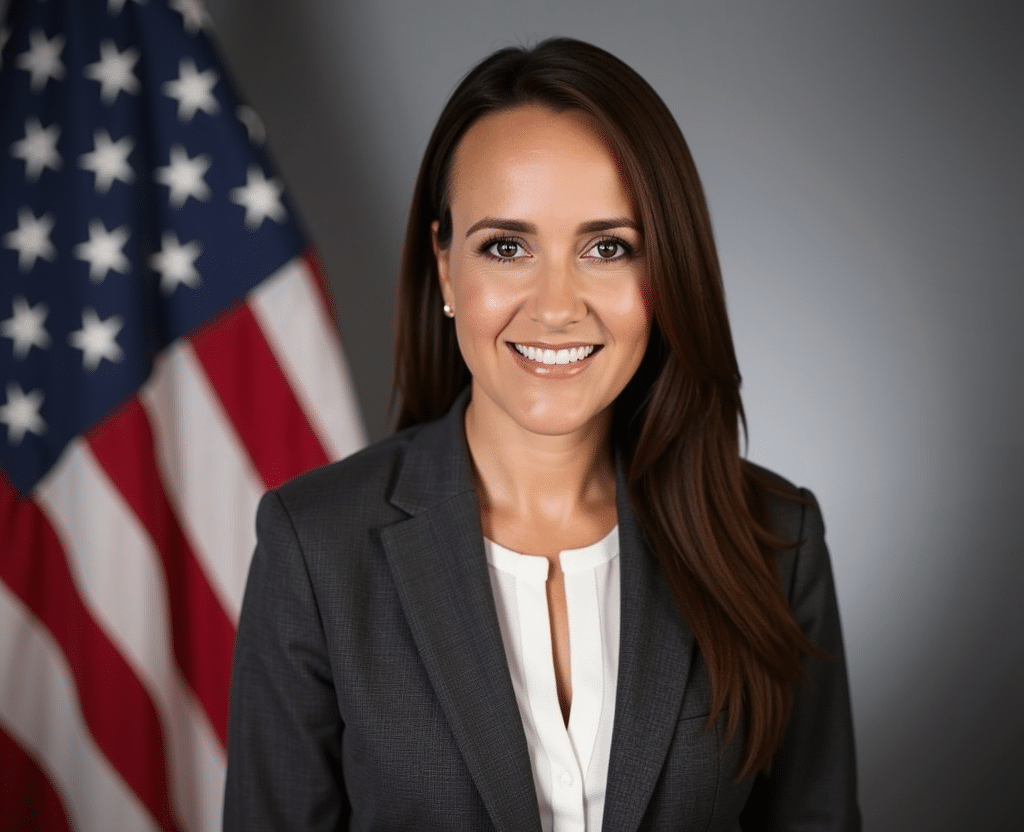
Alexandra González-Waddington is a top military and civilian defense attorney who has handled high-profile sexual assault, violent crime, and war-crimes cases globally. Her work is widely recognized by media outlets including 60 Minutes and ABC’s Nightline.

