UCMJ Article 122a criminalizes the wrongful receipt, purchase, or concealment of stolen property by someone who knew or had reason to believe the property was stolen. The offense targets conduct that supports theft without requiring participation in the original taking. Gonzalez & Waddington defends service members charged under Article 122a.
To convict under Article 122a, the government must prove five elements: the property was stolen, it belonged to another person, the accused bought, received, or concealed it, the accused knew or had reason to believe it was stolen, and the conduct was wrongful. Knowledge may be proven by circumstantial evidence. Gonzalez & Waddington defends service members facing Article 122a charges.
Under the Manual for Courts-Martial, an Article 122a conviction for offenses before December 27, 2023 carries up to three years confinement and a dishonorable discharge; offenses on or after that date fall under Category 2 sentencing with a confinement range of 0 to 36 months. A conviction can also trigger administrative separation, reduction to E-1, total forfeiture of pay and allowances, and loss of a security clearance.
Defending Article 122a charges requires a precise attack on the government's knowledge evidence — the key element prosecutors must prove. Michael Waddington, a former Army Senior Defense Counsel, challenges the circumstances the government uses to infer knowledge, contests the valuation of the property, and scrutinizes whether the accused's possession was truly wrongful. The firm also examines chain-of-custody records and investigates whether property was obtained through a legitimate transaction.
Gonzalez & Waddington defends service members from every branch — Army, Navy, Air Force, Marine Corps, Coast Guard, and Space Force — in military courts in the United States and overseas, including Germany, Italy, Japan, and South Korea. Alexandra Gonzalez-Waddington and Michael Waddington handle courts-martial, Article 32 hearings, NJP, administrative separation boards, and security clearance matters. Call Gonzalez & Waddington at 1-800-921-8607 for a confidential consultation.
Reviewed by Michael Waddington, Founding Partner · Updated October 8, 2026
Table Content
Article 122a of the Uniform Code of Military Justice criminalizes the knowing receipt, purchase, or concealment of property that has been stolen. The provision is designed to address conduct that supports or facilitates theft by creating a market or a safe harbor for stolen goods. Liability arises regardless of whether the accused participated in the original theft.
The statute applies when a person wrongfully receives, buys, or conceals property that was stolen by someone else. The conduct must involve active possession or control of the property, even if only briefly. The offense is complete once the accused knowingly deals with the stolen property in a manner described by the article.
Article 122a applies to all persons subject to the UCMJ, including active-duty servicemembers, certain reservists, and others under military jurisdiction. A person involved in the original theft may also be charged under Article 122a if the government elects to do so, although it is more common to charge the principal theft offense under Article 121.
The government must prove that the accused knew or had reason to believe the property was stolen at the time of receipt or concealment. Mere negligence is insufficient. Knowledge may be established through circumstantial evidence, such as suspicious circumstances surrounding the transfer of the property.
Attempted receipt of stolen property may be charged under Article 80 if the accused takes a substantial step toward acquiring the property while believing it to be stolen. Conspiracy to receive or traffic in stolen property may be charged under Article 81 when two or more persons agree to commit the offense and take overt action in furtherance of the agreement. A person who assists, encourages, or facilitates another’s receipt or concealment of stolen property may be liable as an aider and abettor under Article 77.
Watch the military defense lawyers at Gonzalez & Waddington break down how they defend service members worldwide against UCMJ allegations, CID/NCIS/OSI investigations, court-martials, Article 120 cases, administrative separations, and GOMORs. If you’re under investigation or facing charges, this video explains what your rights are and how experienced civilian military counsel can make the difference.
The government must prove each element of this offense beyond a reasonable doubt. These elements define the specific mental state and conduct that constitute the wrongful receipt, purchase, or concealment of property known or believed to be stolen.
The mens rea required for this offense is knowledge, which may be satisfied by proof that the accused actually knew or had reason to believe the property was stolen. This mental state distinguishes innocent possession from culpable conduct involving stolen property.
The actus reus consists of buying, receiving, or concealing stolen property. Any of these acts is sufficient, and the government need not prove more than one. Concealment includes any conduct intended to hide the property from detection or to obscure its stolen character.
Stolen property refers to items taken without the owner’s consent with the intent to permanently deprive the owner of their use or benefit. Wrongfulness excludes situations where the accused’s conduct was authorized or justified. These definitions ensure that liability attaches only when the accused knowingly engages in prohibited dealings with stolen property.
Punishment for violations of Article 122a, UCMJ (Receiving, Buying, or Concealing Stolen Property) depends on the date of the alleged offense. Offenses committed before December 27, 2023 are governed by the pre_2023 maximum_punishment model contained in the Manual for Courts_Martial. Offenses committed on or after December 27, 2023 fall under the new sentencing_category framework established by the Military Justice Act implementation changes.
Under the pre_2023 system, Article 122a carried offense_specific maximum punishments set by the Manual for Courts_Martial (MCM). For receiving, buying, or concealing stolen property—regardless of value—the maximum authorized punishment was:
These punishments represented the upper limits a court_martial could lawfully impose, with sentencing determined case_by_case.
For offenses occurring on or after December 27, 2023, Article 122a is assigned to a specific sentencing category under the revised MCM. Receiving or concealing stolen property is classified as a Category 2 offense. Category 2 provides the following maximum sentencing parameters:
The sentencing_category system differs from the prior model by replacing fixed “maximum punishments” with structured confinement ranges tied to offense categories. Each category groups similar offenses and provides a standardized range of permissible confinement, ensuring uniformity across offenses of comparable seriousness. Punitive discharges, reductions, and forfeitures remain authorized when specified, but the framework organizes confinement exposure through predefined categories rather than individual maximums for each offense.








Charging decisions under Article 122a are driven by concrete fact patterns, the manner in which suspected property offenses come to light, and the discretion exercised by commanders and prosecutors. Cases often emerge from routine law-enforcement discovery or from internal command concerns about missing government or personal property, with charges shaped by the evidence available at the time of referral.
Article 122a charges frequently originate from relatively routine situations involving government or servicemember-owned property. Typical scenarios include government-issued gear found in a servicemember’s personal vehicle or residence without proper authorization, or instances where unit property inventories reveal items missing and later located in another member’s possession. Allegations also arise when goods stolen from on-base facilities—such as exchange stores, barracks rooms, motor pools, or supply cages—are later recovered during unrelated inspections or traffic stops.
Another common scenario involves informal buying, selling, or trading of property among servicemembers, where the underlying item is later identified as stolen. In these cases, the prosecution often focuses on whether the accused knew or reasonably should have known that the property had been unlawfully taken.
Investigations typically begin with a report of missing property, a routine inspection that uncovers questionable items, or evidence found during unrelated law-enforcement activity. Command-directed inquiries often precede formal criminal investigation, particularly when government property accountability is involved. When criminal conduct is suspected, military law enforcement—CID for the Army, NCIS for the Navy and Marine Corps, OSI for the Air Force and Space Force, or CGIS for the Coast Guard—usually takes the lead. These agencies conduct interviews, property tracing, and serial-number checks, and coordinate with supply or logistics offices to establish ownership and authorization.
Prosecutors commonly use overlapping charges to capture alternative theories of liability, especially when it is not immediately clear whether the accused participated in the underlying theft or only in the subsequent possession or concealment. Charge-stacking occurs with some frequency, reflecting the military justice system’s preference for providing factfinders multiple viable theories while ensuring accountability for all facets of the property offense. Overlap with larceny and government property offenses is particularly common due to shared elements relating to ownership, value, and intent.
Cases arising under UCMJ Article 122a frequently hinge on the government’s ability to prove each statutory element, as well as on assessments of witness credibility, the handling and admissibility of evidence, and the interpretation of statutory language. Litigation often centers on whether the accused had the requisite knowledge and intent regarding the allegedly stolen property and whether investigative procedures complied with constitutional and military evidentiary standards.
Disputes often emerge over whether the evidence sufficiently establishes that the property was, in fact, stolen and that the accused received, possessed, bought, or concealed it. Questions may arise about the chain of custody for the property, the reliability of identification, and whether the accused exercised actual or constructive possession. Litigation may also address whether the government has adequately shown a connection between the accused’s actions and the underlying theft, particularly when the evidence is circumstantial or when multiple individuals may have had access to the property.
The requirement that the accused knew or reasonably should have known that the property was stolen is a frequent point of contention. Courts often analyze whether the government’s proof of knowledge rests on direct evidence, such as statements, or on inferences drawn from surrounding circumstances, such as suspicious pricing, secretive transactions, or prior interactions with the property’s original owner. Disputes may also involve whether the applicable mens rea standard is actual knowledge, willful blindness, or a negligence-based standard depending on the allegation. The extent to which subjective versus objective indicators may be used to infer intent is a recurring litigation issue.
Witness testimony can be central in Article 122a cases, and factfinders often must evaluate the reliability of statements by informants, accomplices, or individuals who initially reported the property missing. Divergent accounts concerning how the accused obtained the property or what was said at the time of receipt can create significant factual disputes. Challenges may arise when witnesses have varying motives, limited perception, or inconsistent statements that affect their credibility.
Common evidentiary challenges include disputes over the admissibility of statements made by the accused, especially where issues of rights advisement arise. Searches of barracks rooms, vehicles, or digital devices may present suppression questions focused on authorization, scope, and reasonableness. The admissibility of digital records, surveillance footage, or informal communications can also be contested, particularly when authenticity or chain of custody is disputed.
Litigation may involve interpreting the scope of terms such as “receive,” “possess,” or “conceal,” as well as determining how cross-referenced definitions of stolen property apply. Questions can arise regarding whether certain conduct falls within the statute’s reach, how broadly possession may be construed, and whether updated regulations or case law modify the meaning of key terms.
General Article provisions that often accompany property-related misconduct
Larceny and wrongful appropriation, frequently tied to stolen property issues
Robbery offenses that may lead to related receiving_property charges
Obstruction of justice in cases involving concealment of stolen goods
False official statements commonly charged alongside property offenses
Collateral consequences are administrative, professional, and legal effects that can arise from a conviction independently of the court-martial sentence. These outcomes may occur automatically under military regulations or external laws, or they may depend on the discretion of military or civilian authorities. They can affect a service member’s career, access to benefits, and post-service opportunities.
A conviction under UCMJ Article 122a for receiving or concealing stolen property can influence several administrative actions. Command authorities may initiate administrative separation, and the characterization of service may be affected by the nature of the offense. Such a conviction may also limit eligibility for promotion or continuation of service and can be considered during decisions involving retention or reenlistment. In some cases, it may impact retirement eligibility or benefits if the conviction reflects adversely on the member’s service record.
Receiving or concealing stolen property may raise concerns about reliability, trustworthiness, and adherence to rules, which are key components of security clearance determinations. A conviction can result in suspension or revocation of a clearance or may reduce eligibility for future access to classified information. Post-service employment that depends on a clearance or on demonstrated integrity may also be affected.
Convictions under Article 122a generally do not trigger sex offender registration. However, some jurisdictions impose other reporting obligations for certain theft-related offenses, and these requirements are governed by federal and state law. Whether any reporting applies depends entirely on the specific statutes of the relevant jurisdiction.
The same conduct involved in the offense may violate federal or state theft or property laws, potentially exposing the individual to separate civilian prosecution. Additionally, victims or property owners may pursue civil claims for damages or restitution, depending on the circumstances.
For non-citizens, a conviction involving property offenses may raise questions related to admissibility, immigration status, or eligibility for naturalization. These outcomes depend on federal immigration law and the specific facts of the conviction, and they are determined by civilian immigration authorities.
When a service member is under investigation for UCMJ Article 122a: Receiving or Concealing Stolen Property, decisions made during the earliest investigative steps often influence the course of the case. Actions taken before charges are preferred can shape how facts are recorded, how evidence is viewed, and how decision-makers understand the service member’s role in the alleged misconduct.
Military investigators typically begin gathering statements, documents, and digital materials as soon as an allegation arises. Early legal representation helps ensure that the service member’s interactions with investigators do not inadvertently create misleading or incomplete records. Counsel can also help clarify how evidence should be preserved, requested, or interpreted, offering structure to a process that often moves quickly.
Command and law-enforcement interviews may occur before the service member fully understands the nature of the allegations or the scope of the investigation. Without guidance, individuals may provide statements that later appear inconsistent or incomplete. Early legal involvement reduces the likelihood that a service member unknowingly provides information that complicates later defenses.
Administrative or command-directed inquiries can run parallel to criminal investigations and can influence later decisions about disposition. Legal guidance at this stage helps ensure that responses to command requests are accurate, appropriate, and consistent with broader legal considerations.
Choices made early—such as consenting to searches or providing detailed statements—can affect every subsequent stage of a case, including administrative actions or court-martial proceedings. Experienced counsel, including civilian military defense lawyers, can help ensure these early decisions are informed and aligned with long-term legal considerations.
Gonzalez & Waddington is a civilian military defense law firm that focuses on representing service members facing allegations under the Uniform Code of Military Justice. The firm has extensive experience advising clients across all branches of the U.S. Armed Forces, including cases involving serious felony-level offenses, administrative actions, and complex military justice proceedings. Their practice centers on providing informed, strategic guidance to service members navigating the demands of the military justice system.
If you are facing an allegation related to receiving or concealing stolen property under UCMJ Article 122a and wish to understand your rights and options, you may contact Gonzalez & Waddington for a confidential consultation. The firm can provide information about the military justice process and discuss how they may be able to assist based on the specifics of your situation.
Q: What does UCMJ Article 122a: Receiving or Concealing Stolen Property cover?
A: Article 122a applies when a service member knowingly receives, buys, or conceals property that was stolen by someone else. The government must show the accused knew or reasonably should have known the property was stolen and that the property had value. The offense focuses on the accused’s knowledge and conduct rather than participation in the original theft, making intent and surrounding circumstances important factors in any evaluation.
Q: What is the maximum punishment for UCMJ Article 122a: Receiving or Concealing Stolen Property?
A: The maximum punishment depends on the value of the property and the circumstances of the offense. Potential consequences can include confinement, forfeitures, reduction in rank, and a punitive discharge when tried at a court_martial. The exact limits vary based on the maximum penalties authorized under the Manual for Courts_Martial. Commanders and legal authorities assess the facts of each case when determining how to proceed and what actions may be appropriate.
Q: Can an allegation under this article lead to administrative separation even without a conviction?
A: Yes. Military regulations allow commands to initiate administrative separation based on substantiated misconduct or a pattern of behavior, even when no court_martial conviction occurs. Administrative actions rely on a lower standard of proof than criminal proceedings. Evidence gathered during an investigation into suspected receipt or concealment of stolen property can be used by commanders in administrative determinations affecting a member’s continued service.
Q: Do I need a civilian military defense lawyer for an investigation under this article?
A: Service members are entitled to consult with appointed military defense counsel during investigations and disciplinary processes. Some individuals choose to hire civilian military defense counsel for additional support, but doing so is a personal decision influenced by factors such as case complexity and available resources. Regardless of representation choices, service members retain the right to remain informed and to seek clarification on procedures throughout the investigation.
Q: Can this be handled without a court-martial, such as through administrative action or nonjudicial punishment?
A: Yes. Commands may address suspected receipt or concealment of stolen property through several avenues, including nonjudicial punishment, administrative action, or counseling, depending on the severity of the conduct and available evidence. These options allow commanders to respond to misconduct without pursuing a court_martial. The chosen approach generally reflects the member’s service record, mission requirements, and the circumstances surrounding the alleged property offense.
Q: Which agencies typically investigate allegations under Article 122a?
A: Investigations may be conducted by military law enforcement entities such as CID, NCIS, or OSI, depending on the service branch and the location of the alleged offense. These agencies may gather statements, examine property records, review electronic communications, and coordinate with local authorities if civilian_sourced stolen property is involved. The investigative scope often depends on the value of the property and the degree of suspected involvement.
Q: What types of evidence are commonly used in Article 122a cases?
A: Evidence may include witness statements, transaction records, digital communications, physical possession of the property, and expert assessments establishing the property’s value. Investigators often focus on evidence that demonstrates the accused’s knowledge or reasonable belief that the property was stolen. Documents showing how the property was acquired, statements about its origin, and any inconsistencies in explanations can all play a role in evaluating the circumstances surrounding the allegation.
You can review the individual Articles of the UCMJ and learn more about military law by clicking here: UCMJ Articles and Military Justice Resources. You can also explore official military law guidance from the Army Judge Advocate General’s Corps at jagcnet.army.mil.

A renowned military criminal defense attorney and best-selling author, Michael Waddington defends clients worldwide in serious cases and trains lawyers in advanced cross-examination. He is frequently featured by major media outlets like CNN and 60 Minutes.
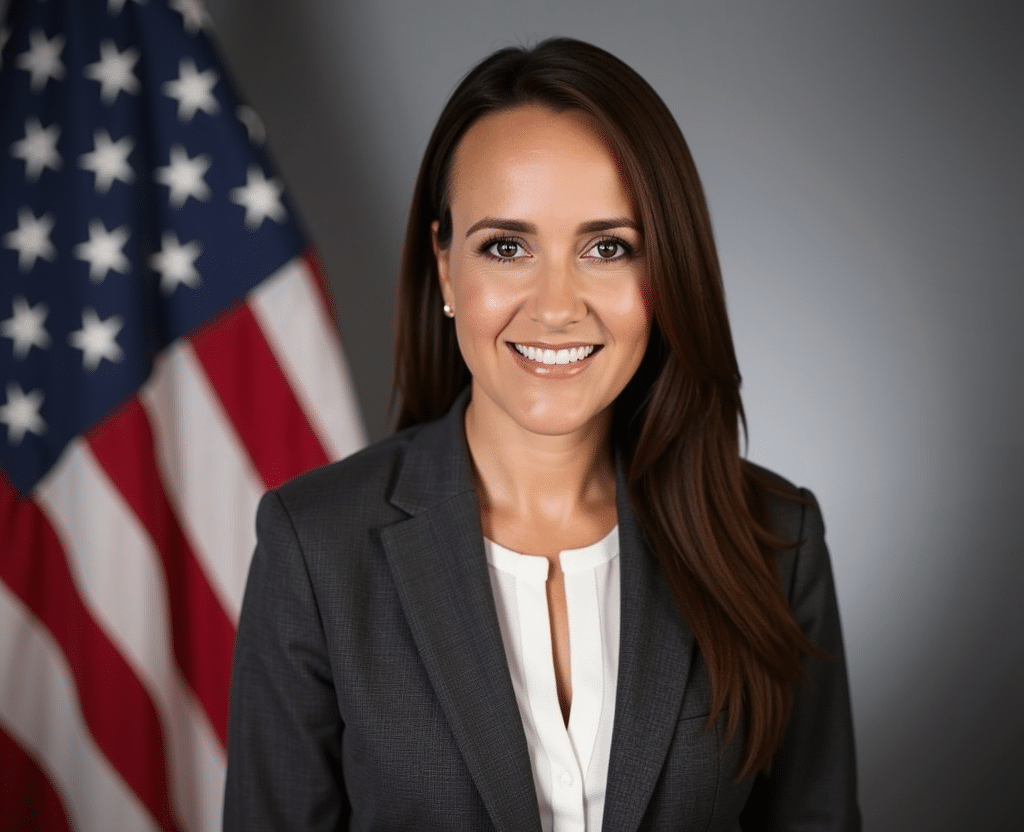
Alexandra González-Waddington is a top military and civilian defense attorney who has handled high-profile sexual assault, violent crime, and war-crimes cases globally. Her work is widely recognized by media outlets including 60 Minutes and ABC’s Nightline.

