UCMJ Article 121b makes it a criminal offense for any person subject to the UCMJ to knowingly use false pretenses with intent to defraud to obtain services. The article targets fraudulent acquisition of services — including labor, utilities, lodging, and transportation — rather than tangible property or money. Unlike simple non-payment, the charge requires a deliberate, knowing misrepresentation that induces a provider to render services.
To convict under Article 121b, the government must prove the accused wrongfully obtained services by false pretenses, knew the representation was false, acted with intent to defraud, and that the services had measurable value. Negligent or mistaken conduct does not satisfy the intent-to-defraud standard required for conviction. Gonzalez & Waddington defends service members facing Article 121b charges at every stage, from investigation through court-martial.
Under the Manual for Courts-Martial, an Article 121b conviction for services valued over $1,000 carries up to five years confinement and a dishonorable discharge; for $1,000 or less, maximum confinement is one year with a bad-conduct discharge authorized. Convicted service members also face reduction to E-1, total forfeiture of pay and allowances, administrative separation, and loss of security clearance — consequences that can end a military career permanently.
Defending an Article 121b charge requires scrutinizing government evidence of knowing, intentional misrepresentation — a single gap in that proof can defeat the intent-to-defraud element entirely. Michael Waddington, a former Army Senior Defense Counsel, challenges fraudulent-intent allegations by analyzing communications, financial records, and all circumstances surrounding the accused's representations to expose weaknesses in the government's case. For a confidential consultation, call 1-800-921-8607.
Reviewed by Michael Waddington, Founding Partner · Updated October 8, 2026
Table Content
Article 121b of the Uniform Code of Military Justice prohibits obtaining services through false pretenses, misrepresentation, or deceit. The provision applies to situations where a person wrongfully secures services without paying or by using information they know is false. The article is designed to address fraudulent conduct involving services rather than tangible property.
Article 121b covers any act in which an accused intentionally causes a service provider to render services by using false statements, fraudulent representations, or other deceptive means. The services may include labor, utilities, lodging, transportation, or any benefit that requires payment or authorization. The offense is complete once the services are obtained or attempted to be obtained through fraud.
Any person subject to the UCMJ may be charged under Article 121b. This includes active-duty service members, certain reservists, and others subject to military jurisdiction at the time of the offense. The government must establish jurisdiction as part of the prosecution.
Article 121b generally requires proof that the accused acted knowingly and intentionally. The accused must be aware that the representation used to obtain services was false or misleading. Negligent or mistaken representations typically do not satisfy the required mental state.
Attempt liability commonly applies when an accused takes a substantial step toward obtaining services by fraud but does not succeed. Conspiracy may apply when two or more persons agree to obtain services through deception and take an overt act in furtherance of that plan. Accomplice liability may apply to any participant who aids, advises, or encourages the fraudulent conduct.
Watch the military defense lawyers at Gonzalez & Waddington break down how they defend service members worldwide against UCMJ allegations, CID/NCIS/OSI investigations, court-martials, Article 120 cases, administrative separations, and GOMORs. If you’re under investigation or facing charges, this video explains what your rights are and how experienced civilian military counsel can make the difference.
The government must prove each element of this offense beyond a reasonable doubt. Article 121b addresses the wrongful acquisition of services through knowingly false representations, and each required component must be established to sustain a conviction under the Uniform Code of Military Justice.
The mens rea for Article 121b is the intent to defraud, which requires that the accused acted purposefully and with the aim of causing financial or other loss to another by inducing the provision of services through deception. Mere mistake or inadvertence does not satisfy this requirement.
The actus reus consists of obtaining services—such as labor, professional work, utilities, or other non-tangible benefits—through a knowingly false representation of fact. The false pretense must be a material assertion that would reasonably induce the provider to render the services.
Critical statutory terms include “services,” defined broadly to encompass any labor, accommodation, or intangible benefit of value, and “false pretenses,” which refers to a deliberate misrepresentation made to secure the services. Proof of value is required but need only show that the services had some quantifiable worth at the time they were obtained.
Punishment under the Uniform Code of Military Justice depends on the date the alleged offense occurred. Offenses committed before December 27, 2023 are governed by the traditional maximum_punishment model in the Manual for Courts_Martial, while offenses on or after that date are sentenced under the offense_specific sentencing categories established by the National Defense Authorization Act for Fiscal Year 2023.
For Article 121b, False Pretenses to Obtain Services, the Manual for Courts_Martial (2019 ed.) provides the following maximum authorized punishment:
These punishments represent the upper limit a court_martial could adjudge under the pre_December 27, 2023 framework.
Under the revised sentencing system, Article 121b falls within a sentencing category applicable to lower_level property and fraud_related offenses. This offense is treated as a Category 3 offense for sentencing purposes.
Under the post_December 27, 2023 structure, sentencing categories create standardized confinement ranges tailored to each offense type. This differs from the former system, which relied on a single maximum punishment for each offense without structured ranges. The new model provides defined sentencing brackets while still permitting punitive discharges, reductions, and forfeitures when authorized for the specific offense.








Charging decisions under Article 121b typically reflect the particular fact pattern uncovered during an investigation, the quality of available evidence, and the priorities of the command reviewing the misconduct. Cases generally arise when a service member is alleged to have acquired services without paying or by using information, documents, or representations that mislead the provider. Commands and prosecutors emphasize whether the conduct shows intentional deception rather than mere administrative error.
Allegations under Article 121b most often emerge from relatively routine situations where a service member interacts with civilian businesses or government entities. Common factual patterns include:
Cases typically begin with a complaint from a service provider, a report from a unit supervisor noticing irregularities, or an automated alert generated by government financial systems. Commands often initiate preliminary inquiries to confirm whether the issue appears administrative or intentionally deceptive. When intent or financial loss is suspected, cases are usually referred to the appropriate military law-enforcement agency—CID for the Army, NCIS for the Navy and Marine Corps, OSI for the Air Force and Space Force, or CGIS for the Coast Guard. These agencies collect documentation such as account histories, communications, witness statements, and relevant financial records.
Prosecutors frequently structure charges to cover alternative theories, leading to combinations of Article 121b, Article 121, and Article 107 when conduct may fit multiple definitions. Charge-stacking sometimes occurs when several service transactions are treated as separate specifications, especially in subscription or recurring-service cases. Overlap also appears when the same conduct triggers both administrative violations and fraudulent representations, allowing the government to frame the misconduct under multiple provisions depending on evidentiary strength and command intent.
Prosecutions under UCMJ Article 121b often hinge on whether the prosecution can establish each statutory element beyond a reasonable doubt, supported by reliable evidence and consistent witness testimony. Litigation typically centers on the interpretation of key terms within the statute, the credibility of accounts regarding how services were obtained, and rulings governing the admissibility of documentary or digital records. These cases frequently require detailed factual development and careful application of statutory language to the circumstances at issue.
Contested issues commonly arise over whether the government has adequately demonstrated that the accused obtained services through false pretenses, and that the services were provided as a result of those misrepresentations. Disputes may focus on whether a particular representation qualifies as a “false pretense,” whether the accused actually obtained a “service” within the meaning of the statute, or whether there was a sufficient causal connection between the representation and the provider’s decision to render the service. Questions about valuation, timing, and the nature of the transaction also frequently appear, particularly in complex or multi-step service arrangements.
Intent-related issues are often central to litigation under Article 121b. Courts may need to determine whether the accused acted with the requisite level of intent or knowledge when making the alleged misrepresentation. Contested points may include whether the accused understood the representation to be false, whether any misleading statement was intentional rather than accidental, and whether recklessness or negligence standards apply to particular statutory elements. Establishing mental state often requires inferences drawn from circumstantial evidence, which can lead to significant debate.
Witness credibility plays a substantial role in many Article 121b cases. Testimony from service providers, financial personnel, or investigators may conflict with the accused’s account, creating factual disputes for the trier of fact. Variations in recollection, inconsistencies in documentation, and the reliability of third-party statements can all influence how the underlying events are interpreted. These credibility considerations may affect determinations concerning the existence and impact of any alleged false pretense.
Evidentiary disputes can arise around the admissibility of statements made by the accused, the scope and legality of searches, and the collection of digital communications or transactional records. Suppression issues may involve questions about compliance with rights warnings, the validity of authorization for searches, or the chain of custody for electronic materials. Courts routinely examine whether particular pieces of evidence meet relevance and reliability standards before allowing them to be considered.
Interpretation of Article 121b and related provisions may become contested when statutory language is ambiguous or undefined. Questions can arise over how broadly to construe terms such as “services,” “false pretense,” or “obtains,” and how cross-referenced or supplementary sections of the UCMJ apply. Judicial interpretation in these areas influences the scope of conduct covered by the article and can significantly affect the analysis of the elements in specific cases.
Credit and access device fraud frequently overlaps with schemes involving false pretenses
Worthless check cases often accompany charges involving fraudulent obtaining of services
False official statements are commonly co-charged when deception is part of the misconduct
Collateral consequences are administrative, professional, or legal effects that may arise independently of the sentence imposed by a court-martial. These outcomes often stem from regulatory, statutory, or agency rules and can influence a service member’s career, post-service opportunities, and personal circumstances.
A conviction under Article 121b may lead to various administrative actions even after judicial punishment is complete. Commands may initiate administrative separation proceedings, and the resulting discharge characterization can range from Honorable to Other Than Honorable depending on the circumstances. A conviction involving false pretenses can affect eligibility for promotion, reenlistment, and continued service. In some cases, it may have implications for retirement qualification or the ability to return to military service in the future.
Misconduct involving deception can influence security clearance determinations. Adjudicators may view such offenses as indicators of reliability or trustworthiness concerns, potentially leading to suspension or revocation of clearance eligibility. Because many military and defense-related civilian positions require an active or eligible clearance, a loss of eligibility may affect both current duties and post-service employment prospects.
Convictions under Article 121b generally do not involve conduct that triggers sex offender registration. However, certain financial or fraud-related offenses may require reporting to specific agencies or regulatory bodies depending on the nature of the conduct. Registration and reporting requirements are governed by federal and state law and apply independently of military administrative processes.
The underlying conduct supporting an Article 121b conviction may also fall under federal or state fraud, theft, or deception statutes. In such cases, civilian authorities may pursue separate criminal charges or civil actions, particularly if private entities or individuals incurred financial losses.
For non-citizens or naturalized service members, certain fraud-based convictions may affect immigration status. Potential consequences can include impacts on admissibility, adjustment of status, or future naturalization proceedings, depending on applicable federal immigration law.
During investigations under UCMJ Article 121b, decisions made in the initial phase often influence how the case develops well before any charges are preferred. Early legal guidance helps ensure that a service member understands the investigative process and the potential implications of their actions at each stage.
Military investigators typically collect statements, financial documents, electronic records, and digital communications early in the inquiry. Once gathered, this evidence forms the basis for later investigative and command decisions. Early involvement of legal counsel, including civilian military defense lawyers, can help ensure that evidence is preserved correctly, that requests are handled appropriately, and that materials are not interpreted without context.
Command or law-enforcement personnel may conduct interviews before a service member fully understands the allegations. Answering questions without clarity about rights or scope can create statements that are difficult to clarify later. Early legal representation helps the service member avoid providing incomplete or inaccurate information due to misunderstanding.
Administrative inquiries and command-directed investigations may run in parallel with criminal processes. Findings from these reviews can inform disciplinary decisions, security clearance evaluations, or administrative actions. Early engagement ensures that responses within these channels are accurate and consistent with the broader legal context.
Choices made at the outset—such as consenting to searches, providing written statements, or responding to administrative questionnaires—can have lasting effects on the outcome of a court-martial or other proceedings. Understanding these implications early helps a service member navigate the process more effectively.
Gonzalez & Waddington is a civilian military defense law firm that concentrates on representing service members facing allegations under the Uniform Code of Military Justice. The firm works with clients from all branches of the armed forces and handles a wide range of military criminal cases, including those involving financial misconduct and offenses related to false pretenses. Their practice combines familiarity with military procedures and experience defending service members in complex and sensitive matters.
If you are facing allegations connected to UCMJ Article 121b or believe you may be under investigation, Gonzalez & Waddington is available to discuss your situation and explain the options that may be appropriate for your case. Contact the firm to request a confidential consultation and receive information about potential next steps.
Q: What does UCMJ Article 121b: False Pretenses to Obtain Services cover?
A: Article 121b addresses situations where a service member intentionally obtains services through false pretenses, misrepresentations, or deceptive conduct. The article applies when the accused knowingly uses dishonest methods to acquire services without paying or without authorization. The government must show that the member acted with intent to defraud. Covered services may include lodging, utilities, telecommunications, transportation, or other services of value provided by individuals, businesses, or government entities.
Q: What is the maximum punishment for UCMJ Article 121b: False Pretenses to Obtain Services?
A: Maximum punishment depends on the value of the services and the specific circumstances. If the value is high or the conduct involves aggravating factors, potential penalties may include confinement, reduction in rank, forfeitures, and a punitive discharge. Cases involving lower-value services may result in lesser authorized punishments. Commanders and courts evaluate the facts, the member’s intent, and any impact on the unit or service provider when determining the appropriate maximum punishment under the Manual for Courts-Martial.
Q: Can an allegation under this article lead to administrative separation even without a conviction?
A: Yes. Commands may initiate administrative separation based on substantiated misconduct, including allegations of obtaining services under false pretenses, even if no court-martial conviction occurs. Administrative processes use a lower evidentiary threshold than criminal proceedings. Commanders consider the member’s overall conduct, duty performance, and reliability when determining whether separation actions are appropriate. Possible outcomes include retention, probationary measures, or separation with a characterization of service determined by the administrative board process.
Q: Do I need a civilian military defense lawyer for an investigation under this article?
A: A service member has the right to consult legal counsel during an investigation, including military-appointed defense counsel at no cost. Some individuals choose to hire a civilian military defense attorney for additional representation or specialized experience, but doing so is optional. The decision depends on personal preference, the complexity of the case, and the potential consequences. Regardless of counsel selection, members should understand their rights before making statements to investigators or command authorities.
Q: Can an Article 121b allegation be handled without a court-martial, such as through administrative action or nonjudicial punishment?
A: Yes. Depending on the severity of the alleged misconduct, commanders may address Article 121b cases through nonjudicial punishment, administrative reprimands, or other corrective measures rather than a court-martial. Factors influencing this decision include the value of the services involved, the member’s intent, duty performance, and any prior incidents. These alternative actions can impose consequences without initiating a criminal trial, although they may still affect administrative records and future career opportunities.
Q: How do investigators typically gather evidence in an Article 121b case?
A: Investigations often involve interviews with service providers, review of billing records, examination of communications, and analysis of financial or access data. Investigators look for indications that the member intentionally used false information or misrepresentations to obtain services. Agencies such as military law enforcement or specialized investigative units may participate depending on the nature of the allegation. The evidence collected is used to determine whether the conduct meets the elements required under Article 121b.
Q: What are potential career or administrative consequences of an Article 121b allegation?
A: Even without judicial action, an Article 121b allegation can affect evaluations, security clearances, and future assignment opportunities. Commands may consider the underlying conduct when determining suitability for leadership roles, reenlistment, or special duties. Administrative outcomes can vary widely, ranging from counseling to separation proceedings. The long-term impact depends on the facts of the case, the member’s record, and any decisions made during the administrative or disciplinary process.
To better understand the Articles of the UCMJ and how military law works in practice, you can review the UCMJ and related authorities here: UCMJ Articles and Military Justice Resources. For additional official guidance, visit the U.S. Navy Judge Advocate General’s Corps website at jag.navy.mil.

A renowned military criminal defense attorney and best-selling author, Michael Waddington defends clients worldwide in serious cases and trains lawyers in advanced cross-examination. He is frequently featured by major media outlets like CNN and 60 Minutes.
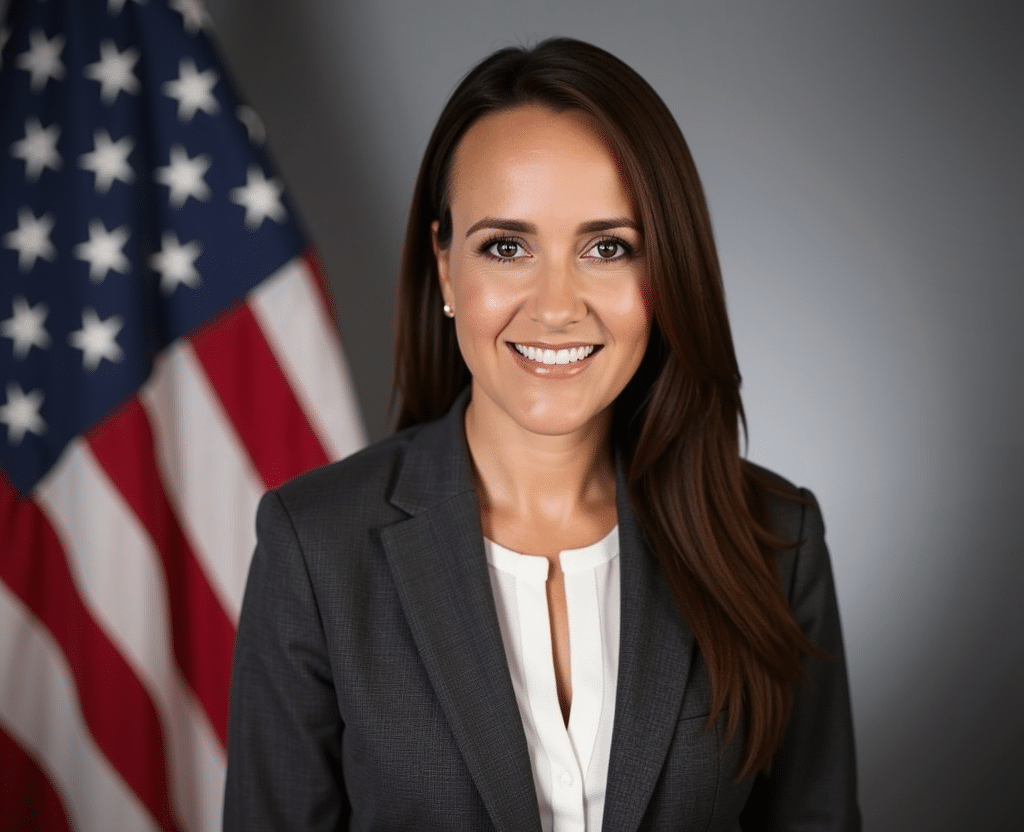
Alexandra González-Waddington is a top military and civilian defense attorney who has handled high-profile sexual assault, violent crime, and war-crimes cases globally. Her work is widely recognized by media outlets including 60 Minutes and ABC’s Nightline.

