Article 119 of the UCMJ criminalizes unlawful killing—without the malice required for murder—as either voluntary or involuntary manslaughter. Voluntary manslaughter involves an intentional killing in the heat of sudden passion caused by adequate provocation. Involuntary manslaughter covers an unintentional killing resulting from culpable negligence or during a qualifying non-felonious offense.
To convict under Article 119, the government must prove the accused caused an unlawful death and that the required mental state—intent formed in sudden passion, or culpable negligence—was present beyond a reasonable doubt. A direct causal link between the accused's conduct and the victim's death is also required. Gonzalez & Waddington defends service members facing Article 119 charges at every stage of the military justice process.
Under the Manual for Courts-Martial, voluntary manslaughter carries a maximum punishment of a dishonorable discharge, forfeiture of all pay and allowances, and 15 years of confinement; involuntary manslaughter carries a maximum of 10 years. A conviction also triggers reduction to E-1, potential loss of retirement benefits, and permanent damage to a security clearance. Administrative separation with an other-than-honorable discharge is possible even without a conviction.
Michael Waddington, a former Army Senior Defense Counsel, challenges Article 119 cases by scrutinizing causation evidence, contesting the sufficiency of provocation or negligence, and attacking gaps in the forensic record. The defense team reviews CID, NCIS, and OSI investigative files and witness statements to expose inconsistencies before charges are referred. Early intervention at the investigation stage can affect whether a case proceeds to a court-martial or is resolved earlier.
Gonzalez & Waddington defends service members from every branch in military courts across the United States and overseas, including Germany, Italy, Japan, and South Korea. Michael Waddington is a former Army JAG officer with more than 25 years of military defense experience; Alexandra Gonzalez-Waddington is a former public defender licensed in Georgia and Florida. Service members facing Article 119 charges can call 1-800-921-8607—consultations are confidential.
Reviewed by Michael Waddington, Founding Partner · Updated October 8, 2026
Table Content
Article 119 of the Uniform Code of Military Justice defines and criminalizes two forms of unlawful killing: voluntary manslaughter and involuntary manslaughter. The offense applies when a service member unlawfully kills another human being without the level of malice required for murder under Article 118. The distinction between the two forms is based on the actor’s mental state and the circumstances surrounding the death.
Voluntary manslaughter involves an intentional killing committed in the heat of sudden passion caused by adequate provocation. The law requires that the provocation be sufficient to cause a reasonable person to lose self-control, and that the killing occur before the actor has had time to cool off. Although intent to kill exists, the mitigating circumstances reduce the offense below murder.
Involuntary manslaughter occurs when a service member unintentionally causes the death of another through culpable negligence or while committing an offense directly affecting the person but not amounting to a felony inherently dangerous to life. Culpable negligence is greater than simple carelessness and involves a reckless disregard for foreseeable consequences. The government must show that the accused’s conduct was a proximate cause of the death.
Article 119 applies to all persons subject to the UCMJ, including active-duty members, certain reservists, and others under military jurisdiction. Civilians not subject to the UCMJ cannot be charged unless a separate jurisdictional provision applies.
Attempt liability does not generally attach to involuntary manslaughter because the offense involves unintentional conduct; however, attempt may apply to voluntary manslaughter. Conspiracy charges are rare but theoretically possible when the underlying conduct involves intentional violence consistent with voluntary manslaughter. Accomplice liability under Article 77 may apply when a person aids, encourages, or participates in conduct that meets the elements of manslaughter.
Watch the military defense lawyers at Gonzalez & Waddington break down how they defend service members worldwide against UCMJ allegations, CID/NCIS/OSI investigations, court-martials, Article 120 cases, administrative separations, and GOMORs. If you’re under investigation or facing charges, this video explains what your rights are and how experienced civilian military counsel can make the difference.
To obtain a conviction for manslaughter under Article 119, the government must prove every element of the offense beyond a reasonable doubt. Article 119 recognizes both voluntary and involuntary manslaughter, each defined by distinct mental states and circumstances surrounding the death.
The mens rea requirement varies by theory of liability. Voluntary manslaughter requires an intent to kill or inflict great bodily harm, formed while the accused was in a sudden heat of passion caused by adequate provocation. Involuntary manslaughter requires either culpable negligence—a degree of carelessness greater than simple negligence—or the commission of an offense inherently dangerous to another person.
The actus reus consists of causing the death of another human being through either the intentional act mitigated by passion (voluntary) or the negligent or dangerous conduct (involuntary). A causal connection between the accused’s actions and the resulting death must be established.
Critical statutory terms include “culpable negligence,” which denotes a reckless disregard for foreseeable consequences, and “heat of sudden passion,” which reflects an intense emotional state that temporarily overwhelms reason. These definitions guide factfinders in assessing whether the government has met its burden under Article 119.
Punishment for violations of Article 119, UCMJ (Manslaughter), depends on the date of the alleged offense. Offenses committed before December 27, 2023 are sentenced under the traditional maximum_punishment model, while offenses committed on or after that date fall under the sentencing_parameters system implemented by Executive Order 14103.
Under the pre_December 27, 2023 framework, Article 119 contained two distinct offenses—voluntary manslaughter and involuntary manslaughter—each with its own maximum authorized punishment:
The sentencing authority could adjudge any combination of these punishments up to the maximums listed above.
For offenses occurring on or after December 27, 2023, Article 119 offenses are assigned to sentencing categories under the standardized parameter system:
Within each category, the sentencing authority selects a term of confinement within the defined range. The system does not impose mandatory minimum confinement terms for Article 119 offenses, and punitive discharges remain discretionary.
The sentencing_parameters model differs from the prior system by replacing offense_specific maximum punishments with standardized confinement ranges organized by category. These categories group offenses by relative seriousness, providing structured sentencing limits while preserving judicial discretion within the applicable range. The pre_2023 model relied solely on maximum authorized punishments for each offense, without the category_based confinement framework now in effect.








Charging decisions under UCMJ Article 119 are shaped by the factual record developed in the early stages of an incident, the nature and quality of investigative findings, and the command’s assessment of culpability and military readiness concerns. In practice, Article 119 is applied when the evidence suggests a death occurred due to culpable negligence or during an unlawful act not amounting to murder, and commanders rely heavily on investigative agencies to determine whether the facts support this intermediate level of homicide liability.
Several recurring fact patterns lead to Article 119 charges in real military cases. Accidental shootings arising from negligent weapons handling are among the most frequent, particularly during off-duty gatherings or informal training activities. Vehicular incidents, including alcohol-related crashes or reckless driving on or near installations, also generate manslaughter allegations when a service member or civilian dies. Training mishaps may lead to charges when safety protocols were ignored, equipment was misused, or risk assessments were disregarded. Additionally, altercations that begin as minor fights can escalate into fatal outcomes, prompting prosecutors to view the death as resulting from an unlawful act lacking murderous intent.
Manslaughter cases typically begin with an immediate command notification and rapid law-enforcement engagement. Serious incident reports often trigger the involvement of service-specific investigative agencies such as CID, NCIS, OSI, or CGIS, depending on branch. These agencies conduct scene documentation, interviews, forensic testing, and reconstruction analyses. Command-directed investigations, such as line-of-duty inquiries or safety investigations, may run in parallel, though operationally separated from criminal inquiries. Initial findings frequently shape early charging decisions, which may evolve as more forensic or witness information becomes available.
Prosecutors often employ overlapping charges to reflect alternative legal theories, particularly when intent or level of negligence is contested. Charge-stacking may include both manslaughter and negligent homicide or assault-based offenses, allowing fact-finders to determine the most supported theory at trial. Overlap also appears where regulatory violations intersect with criminal negligence, creating layered exposure that mirrors the multifaceted nature of the underlying conduct. These patterns reflect a practical approach to ensuring all viable theories are preserved as the case develops.
Prosecutions under UCMJ Article 119 often turn on the government’s ability to prove specific statutory elements, as well as the resolution of witness credibility disputes, evidentiary rulings, and questions of statutory interpretation. Litigation in these cases typically centers on how the facts align with the legal requirements for manslaughter and the admissibility or reliability of the evidence offered to establish those requirements.
Controversies frequently arise over whether the record supports each essential element of voluntary or involuntary manslaughter. Because Article 119 distinguishes among forms of unlawful killing, disputes may focus on whether the conduct was truly “unlawful,” whether the death was “caused” by the accused’s actions, or whether the circumstances fit the statutory definitions. Challenges often address the sufficiency of proof on causation, especially where multiple contributing factors exist, or the characterization of the underlying act or omission. These issues typically involve close examination of forensic evidence, timelines, and the relationship between conduct and resulting harm.
The mental state applicable to the charged offense is frequently a central point of litigation. For voluntary manslaughter, disputes may concern whether the evidence demonstrates intent to kill or injure while under sudden heat of passion caused by adequate provocation. For involuntary manslaughter, the focus may shift to whether the government has demonstrated culpable negligence, recklessness, or another required mens rea. Courts often evaluate the foreseeability of harm, the accused’s awareness of risks, and whether the conduct departed from the standard of care expected of a reasonable person under similar circumstances.
Witness credibility commonly affects manslaughter prosecutions, particularly where events unfold rapidly, involve heightened stress, or lack comprehensive physical evidence. Variations in witness accounts, inconsistencies in statements, and differing recollections of key events may generate contested factual issues. Assessments of investigator credibility or reliability of third-party observations can also shape how the factfinder interprets the circumstances surrounding the death.
Evidentiary disputes often concern the admissibility of statements made by the accused, including questions related to rights advisements or voluntariness. Search and seizure challenges may arise when physical or digital evidence is collected from living areas, vehicles, devices, or workspaces. Documentary and forensic evidence may face scrutiny regarding chain of custody, expert qualifications, or scientific reliability. Such issues can influence the scope of the record available to the factfinder.
Litigation may involve interpreting statutory language, particularly distinctions between voluntary and involuntary manslaughter or definitions of negligence, provocation, or causation. Cross-references to other UCMJ provisions or the Manual for Courts-Martial can create questions of applicability and scope. Courts may be required to resolve ambiguity in terminology or reconcile interpretive differences arising from precedent or regulatory guidance.
Understanding how Article 118 murder charges differ from manslaughter
Offenses involving death or injury to an unborn child under Article 119a
Aggravated assault allegations that may accompany unlawful killing cases
Negligent homicide as a lesser or alternative offense in fatal incidents
Reckless endangerment charges that often arise in dangerous conduct cases
Collateral consequences are administrative, professional, or legal effects that may arise independently of the sentence imposed by a court-martial. These consequences can occur automatically under military regulations or federal and state laws, and they may continue to affect a service member long after the court-martial process has concluded.
A conviction under UCMJ Article 119: Manslaughter may prompt administrative actions separate from the judicial outcome. These actions can include administrative separation proceedings, which may result in an other-than-honorable or general discharge. Such a conviction may negatively affect eligibility for promotion, limit assignments, or bar reenlistment. For service members near retirement, the conviction may complicate or prevent qualification for military retirement benefits. Additionally, a serious offense of this nature generally ends eligibility for future military service across all branches.
A manslaughter conviction can significantly affect security clearance eligibility. Adjudicators may view the underlying conduct as a concern related to judgment, reliability, and trustworthiness. Loss or suspension of clearance may restrict access to certain duties or career fields. Post-service employment in defense contracting or other positions requiring clearance eligibility may also be affected.
Article 119 offenses do not typically trigger sex offender registration. However, certain factual circumstances associated with a case could implicate other reporting obligations, depending on federal and state law. Registration or reporting requirements, when applicable, are determined by civilian authorities and not by the UCMJ alone.
The same conduct underlying a manslaughter conviction may expose an individual to federal or state criminal proceedings if civilian authorities have jurisdiction. Civil liability, such as wrongful death claims, may also arise independently of military action.
For non-citizen service members, a conviction for manslaughter may affect immigration status, admissibility, or future naturalization eligibility. These consequences are governed by federal immigration law and may apply irrespective of military service.
During an investigation under UCMJ Article 119, many of the most influential decisions occur before any charge is preferred. The investigative phase shapes how facts are recorded, how the service member’s conduct is framed, and what information ultimately becomes part of the official record. Early engagement with qualified counsel, including civilian military defense lawyers, helps ensure the process is understood and navigated with awareness of its legal implications.
Investigators typically collect witness statements, physical evidence, and digital data at the outset of an inquiry. Early legal involvement can help a service member understand how their statements may be interpreted and how documents or electronic materials may be evaluated within a military justice context. Counsel can also help clarify the significance of preservation practices that occur during this stage.
Command or law-enforcement interviews often take place before a service member has full visibility into the nature of the allegations or the direction of the investigation. Without clear understanding of rights and scope, statements made in these early interactions may be incomplete or imprecise, which can influence later assessments of credibility or intent.
Administrative inquiries and command-directed investigations can progress independently of criminal proceedings. Early responses to these processes may shape findings regarding judgment, duty performance, or compliance with regulations, which can later be referenced in criminal or administrative forums.
Choices made at the start of an investigation—such as consenting to searches, providing statements, or responding to administrative requests—can have effects throughout a court-martial or subsequent administrative action. These early actions may influence evidentiary rulings, charging decisions, and command determinations.
Gonzalez & Waddington is a civilian military defense law firm that represents service members worldwide in cases arising under the Uniform Code of Military Justice. The firm focuses on defending clients in complex military criminal matters, providing legal guidance throughout the investigative and court-martial process. Their attorneys work with servicemen and women from all branches and are familiar with the procedures, rules, and unique demands of the military justice system.
If you are facing an investigation or charge connected to UCMJ Article 119, you may benefit from speaking with an attorney experienced in military criminal law. Gonzalez & Waddington is available to discuss your situation and help you understand your options. Contact the firm to request a confidential consultation and obtain information relevant to your case.
Q: What does UCMJ Article 119: Manslaughter cover?
A: Article 119 addresses unlawful killings that do not rise to the level of murder under military law. It includes voluntary manslaughter, which involves a killing committed in the heat of sudden passion caused by adequate provocation, and involuntary manslaughter, which involves a killing resulting from culpable negligence or the commission of certain offenses. The article focuses on the circumstances that distinguish manslaughter from more or less severe homicide offenses.
Q: What is the maximum punishment for UCMJ Article 119: Manslaughter?
A: The maximum punishment depends on whether the offense is voluntary or involuntary manslaughter. Voluntary manslaughter carries a significantly higher maximum sentence than involuntary manslaughter due to the nature of intent and provocation involved. Punishments may include lengthy confinement, a dishonorable discharge, forfeiture of pay and allowances, and reduction in rank. Actual penalties vary based on the specific facts, evidence, and findings in a given case.
Q: Can an allegation under this article lead to administrative separation even without a conviction?
A: Yes. The military retains the authority to initiate administrative separation proceedings based on alleged misconduct or conduct inconsistent with service expectations, even if no court-martial conviction occurs. Commands may consider the underlying facts, investigative findings, and overall duty performance when determining whether to proceed with separation. The type of characterization of service recommended will depend on the evidence and circumstances reviewed during the administrative process.
Q: Do I need a civilian military defense lawyer for an investigation under this article?
A: While service members are entitled to free military defense counsel if formally charged, some individuals choose to consult or retain civilian military defense counsel during the investigation stage. Civilian counsel may provide additional guidance, review evidence, and help the service member understand potential outcomes. Whether to hire private counsel is a personal decision based on the complexity of the case, the seriousness of the allegations, and the service member’s preferences.
Q: Can a case under Article 119 be handled without a court-martial, such as through administrative action or nonjudicial punishment?
A: In most situations, manslaughter allegations are considered severe enough that they are referred to a court-martial if supported by evidence. However, commanders technically retain discretion to manage misconduct through administrative measures or nonjudicial punishment in limited circumstances. This is uncommon and typically depends on the strength of the evidence, the nature of the incident, and the recommendations of legal advisors reviewing the case.
Q: Which investigative agencies typically handle manslaughter cases in the military?
A: Manslaughter investigations are generally conducted by military criminal investigative organizations such as NCIS, CID, or OSI, depending on the branch of service. These agencies gather evidence, interview witnesses, and coordinate with forensic specialists when needed. They may also work with local law enforcement if the incident occurred off base. Their findings help commanders and legal authorities determine appropriate next steps, including potential charging decisions.
If you want to review the Articles of the UCMJ and learn more about military law, you can start here: UCMJ Articles and Military Justice Resources. You may also find helpful official information from the Air Force Judge Advocate General’s Corps at afjag.af.mil.
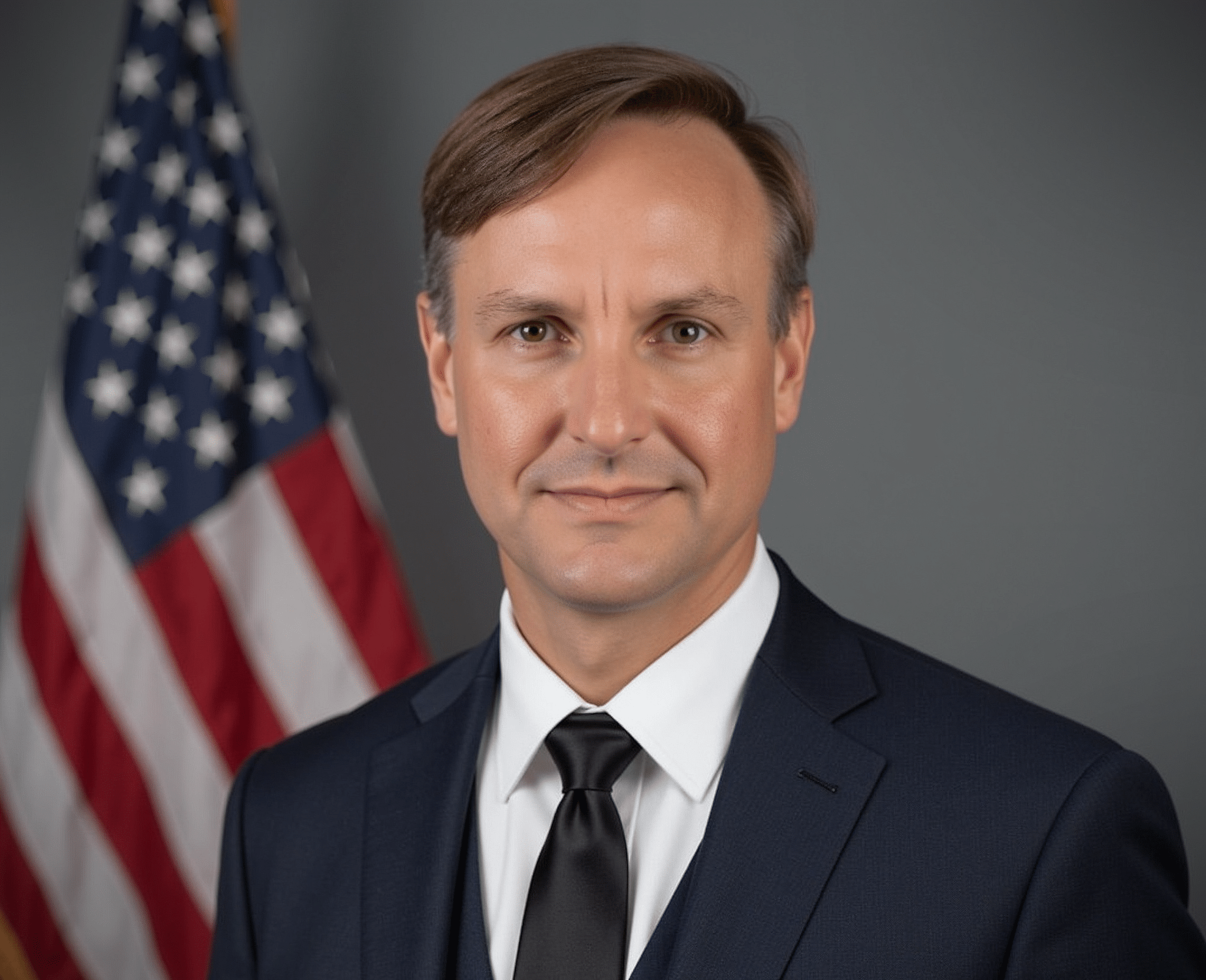
A renowned military criminal defense attorney and best-selling author, Michael Waddington defends clients worldwide in serious cases and trains lawyers in advanced cross-examination. He is frequently featured by major media outlets like CNN and 60 Minutes.
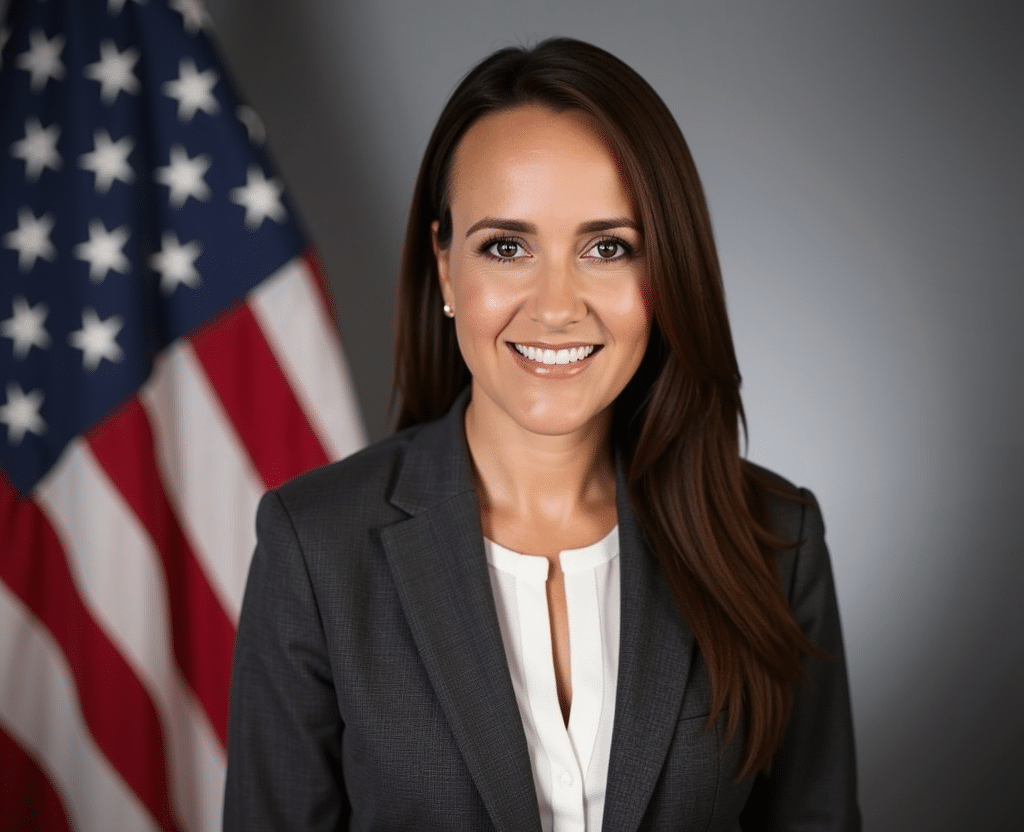
Alexandra González-Waddington is a top military and civilian defense attorney who has handled high-profile sexual assault, violent crime, and war-crimes cases globally. Her work is widely recognized by media outlets including 60 Minutes and ABC’s Nightline.

