Article 117 of the UCMJ prohibits using provoking or reproachful words or gestures toward another person subject to the code to protect military good order and discipline. The statute reaches any speech or gesture that a reasonable person would expect to incite an immediate breach of the peace. No actual fight need occur — the offense is complete once the provoking communication is made.
To convict under Article 117, the government must prove the accused wrongfully used provoking or reproachful words or gestures toward a person subject to the UCMJ, acting intentionally rather than by accident or mistake. No actual breach of the peace is required for the offense to be complete. Gonzalez & Waddington defends service members facing Article 117 ches at every stage of military justice proceedings.
Under the Manual for Courts-Martial, Article 117 carries a maximum of six months confinement, forfeiture of two-thirds pay per month for six months, and reduction to E-1; a punitive discharge is not authorized under the pre-2023 framework. Beyond the courtroom sentence, a conviction can result in administrative separation, a negative discharge characterization, loss of retirement eligibility, and security clearance revocation.
Defending an Article 117 charge begins with scrutinizing whether the alleged words or gestures were truly provoking in context, whether the target was a person subject to the UCMJ, and whether any lawful justification applies. Michael Waddington, a former Army Senior Defense Counsel, focuses on witness credibility, inconsistencies in the government's account, and the context of the alleged communication.
Gonzalez & Waddington defends service members in military courts worldwide, representing Army, Navy, Air Force, Marine Corps, Coast Guard, Space Force, Reserve, and National Guard personnel in the United States and at overseas installations including Germany, Italy, Japan, and South Korea. The firm handles courts-martial, Article 32 hearings, administrative separation boards, and related proceedings. To speak with a military defense attorney, call 1-800-921-8607 — consultations are confidential.
Reviewed by Michael Waddington, Founding Partner · Updated October 8, 2026
Table Content
Article 117 of the Uniform Code of Military Justice criminalizes the use of certain words or gestures that are likely to provoke a violent or disruptive response. The provision is designed to maintain good order and discipline by prohibiting conduct that foreseeably incites immediate breach of the peace within a military environment. The offense focuses on the nature of the communication and its expected impact on the person to whom it is directed.
The statute covers speech, gestures, and other expressions directed at an identifiable person under circumstances where a reasonable person would expect the communication to provoke a fight or similar disturbance. The content need not be obscene or threatening; it is the provoking quality of the expression that matters. The reaction of the actual recipient is not dispositive if the communication is inherently provoking.
Article 117 applies to all persons subject to the UCMJ, including active-duty servicemembers, certain reservists, and others under military jurisdiction at the time of the conduct. The recipient of the speech or gesture may be either a civilian or a servicemember. The status of the target does not affect the applicability of the offense.
The required mental state is general intent. The government must show that the accused intentionally made the statement or gesture, but it does not need to prove an intent to provoke or an intent to cause a breach of the peace. Negligence or recklessness regarding the provoking nature of the conduct is insufficient.
Attempt liability is uncommon because the offense is complete once the provoking expression is made. Conspiracy charges are possible but rarely applied due to the typically spontaneous nature of the conduct. Accomplice liability may apply if another person intentionally aids or encourages the provoking act within UCMJ Article 77 principles.
Watch the military defense lawyers at Gonzalez & Waddington break down how they defend service members worldwide against UCMJ allegations, CID/NCIS/OSI investigations, court-martials, Article 120 cases, administrative separations, and GOMORs. If you’re under investigation or facing charges, this video explains what your rights are and how experienced civilian military counsel can make the difference.
The government must prove each element of the offense beyond a reasonable doubt before a servicemember may be found guilty under Article 117 of the Uniform Code of Military Justice.
The required mens rea under Article 117 is that the accused acted wrongfully, meaning the conduct was intentional or at least knowing, and not the result of accident, mistake, or lawful justification. The government must show that the accused deliberately used the speech or gesture and understood its character.
The actus reus consists of the actual use of provoking or reproachful language or gestures. The conduct must go beyond mere annoyance and must be of a type that would reasonably incite another person to react violently or otherwise disturb the peace.
“Provoking” refers to words or gestures likely to cause another person to lose self-control, while “reproachful” encompasses expressions that are insulting, contemptuous, or personally abusive. A “breach of the peace” includes any disturbance or disruption of public order that a reasonable person would anticipate as a likely result of the accused’s conduct.
Punishment under the Uniform Code of Military Justice depends on the date of the alleged offense because the Military Justice Act of 2016 created a new sentencing framework that took effect on December 27, 2023. Offenses committed before that date are sentenced under the traditional maximum_punishment model, while offenses committed on or after that date fall under a structured sentencing_category system.
For Article 117 (Provoking Speeches or Gestures), the pre_December 27, 2023 sentencing system relied on a single maximum authorized punishment listed in the Manual for Courts_Martial. Under that framework, the maximum punishment was:
This model allowed the court to adjudge any lawful combination of the above punishments, provided the sentence did not exceed the listed maxima.
Under the post_December 27, 2023 system, Article 117 falls within Sentencing Category 1, which governs offenses with relatively low statutory exposure. For Category 1 offenses, the authorized sentencing parameters are:
Sentencing categories are structured ranges established in the Rules for Courts_Martial that replace the prior single “maximum punishment” model. Instead of determining a sentence solely by reference to an offense_specific maximum, the court now selects a sentence within the confinement range associated with the category assigned to the offense. The availability of punitive discharges, reductions, and forfeitures is tied to the category and the general sentencing rules rather than to individualized maximums.
This system standardizes sentencing across offenses with comparable severity while retaining judicial discretion within the prescribed ranges.








Charging decisions under Article 117 typically stem from the specific fact pattern, the way allegations come to the command’s attention, and the commander’s discretion about whether the conduct had a foreseeable impact on good order and discipline. Although the article is narrow in scope, it is often used when interpersonal conflicts escalate and create a risk of immediate retaliation or disorder.
Article 117 charges most often arise from routine interpersonal disputes that escalate in public or semi-public settings. Allegations commonly involve:
The charge is used less for isolated, private exchanges and more for conduct that commanders believe risked sparking further confrontation or undermining authority in a visible setting.
Most cases begin with immediate reports from witnesses, NCOs, or duty personnel who observe a confrontation. For minor incidents, commanders or first sergeants may initiate a command-directed inquiry to document statements and assess the incident’s severity. When the conduct involves possible assault, alcohol-related misconduct, or larger disturbances, law enforcement agencies such as CID, NCIS, OSI, or CGIS may conduct interviews, gather surveillance footage, and coordinate with the command regarding charging options. Documentation typically includes witness statements, duty logs, and any available digital evidence.
Article 117 is frequently used as part of a broader package of charges when prosecutors want to capture the full scope of a confrontation. Charge-stacking often occurs when the conduct includes both verbal provocation and physical or regulatory violations. Overlap with Article 134 is common, giving the government alternate pathways if the provocation element is disputed. These patterns reflect a practical approach to addressing behavior that disrupts unit cohesion, even when the underlying incident is relatively brief.
Prosecutions under UCMJ Article 117, which addresses provoking speeches or gestures, frequently turn on whether the evidence establishes each statutory element, as well as disputes relating to credibility, evidentiary rulings, and the interpretation of key terms. Litigation often involves close examination of context, the nature of the alleged provocation, and the reliability of witness accounts.
Contested issues often arise over whether the government has satisfied the statutory requirements of Article 117. Litigants may dispute:
Although Article 117 does not articulate a detailed mens rea structure, challenges often focus on the mental state required to establish criminal liability. Contested issues may include:
Article 117 cases frequently rely on eyewitness testimony, and credibility disputes can be central. Courts may need to assess:
Evidentiary rulings can significantly influence the scope of the government’s case. Common disputes involve:
Litigation may also involve disputes over the meaning of statutory terms. Issues can include:
General Article provisions covering disorderly or prejudicial conduct
Offenses involving threatening or hostile statements
Rules addressing riotous or tumultuous behavior
Disorderly conduct offenses often charged alongside provoking speech
Collateral consequences are administrative, professional, or legal effects that may arise from a conviction independently of the sentence imposed by a court-martial. These outcomes result from military regulations, federal policies, and external legal systems, and they can continue to affect a service member after the judicial process has concluded.
A conviction under Article 117, which concerns provoking speeches or gestures, may influence several administrative and career-related determinations. Possible outcomes include administrative separation processing and an impact on the characterization of discharge, particularly if the conduct is deemed inconsistent with good order and discipline. Promotion eligibility may be limited, and ongoing or future assignments requiring strong judgment or leadership may be affected. In some cases, the conviction may influence retirement-grade determinations or future eligibility to reenlist or continue military service.
A conviction under this article may raise concerns related to judgment, reliability, or adherence to standards of conduct, all of which are factors in security clearance evaluations. This may result in the suspension, revocation, or non-renewal of a clearance or denial of access to classified information. Such outcomes can affect military duties and may also influence post-service employment opportunities in fields that rely on clearance eligibility or trustworthiness assessments.
Convictions under Article 117 generally do not trigger sex offender registration. However, any reporting obligations depend on the specific conduct involved and are governed by federal and state law. If related misconduct overlaps with offenses covered by registration statutes, external authorities may evaluate whether registration requirements apply.
The same conduct underlying an Article 117 conviction may, in some situations, lead to exposure under federal or state criminal laws, particularly if the behavior constitutes harassment, threats, or related offenses. Civil liability could also arise if the conduct results in personal injury or reputational harm under applicable tort laws.
For non-citizens or naturalized service members, a conviction may be reviewed in immigration contexts for its relevance to good moral character or admissibility. Although Article 117 is not inherently an immigration-triggering offense, related conduct or accompanying charges may receive scrutiny during immigration, residency, or naturalization processes.
During the investigative phase of an alleged Article 117 violation, the choices a service member makes can influence the direction and interpretation of the case before any decision is made to prefer charges. Early legal representation, including assistance from qualified civilian military defense lawyers, helps ensure that these early steps are grounded in an informed understanding of the process.
Military investigators typically collect evidence soon after an incident is reported. This can include verbal statements, written records, command email traffic, and digital data from personal devices or government systems. Early legal involvement can help ensure that statements are accurately recorded, that potentially exculpatory information is preserved, and that the scope of digital evidence collection is properly understood.
Service members are often questioned by command representatives or law-enforcement personnel before they fully understand the specific allegations or the permissible boundaries of an inquiry. Participating in interviews without legal guidance can lead to incomplete or imprecise statements, which may later be interpreted as inconsistent or suggestive of intent.
Command-directed investigations, such as AR 15-6 or command inquiries, can move forward independently of criminal proceedings. Findings from these reviews may influence administrative decisions, performance evaluations, or subsequent disciplinary actions. Early engagement in these processes can help clarify the factual record.
Initial decisions—such as consenting to a search, providing a written statement, or responding to administrative questionnaires—can shape both court-martial proceedings and administrative outcomes. These early choices may be referenced throughout the case and can affect later evaluations of credibility or intent.
Gonzalez & Waddington is a civilian military defense law firm that concentrates on representing service members facing allegations under the Uniform Code of Military Justice. The firm is led by attorneys with extensive experience defending clients in courts-martial, administrative actions, and military investigations across all branches of the U.S. Armed Forces. Their work includes advising service members on the legal, professional, and personal consequences of UCMJ allegations and guiding them through each stage of the military justice process.
If you are facing allegations involving UCMJ Article 117 or have been notified of an investigation, Gonzalez & Waddington can provide informed guidance tailored to your situation. For more information about the firm’s services or to discuss your case in a confidential consultation, you are welcome to contact the firm directly.
Q: What does UCMJ Article 117: Provoking Speeches or Gestures cover?
A: Article 117 addresses conduct involving words, actions, or gestures that are intentionally designed to provoke another person to commit a breach of the peace. It applies when the accused directs provoking behavior toward someone subject to the UCMJ. The article focuses on the nature of the statements or gestures themselves, the surrounding circumstances, and whether the conduct was reasonably likely to cause a disturbance or violent response.
Q: What is the maximum punishment for UCMJ Article 117: Provoking Speeches or Gestures?
A: The maximum punishment authorized under Article 117 includes confinement for up to six months, forfeiture of two-thirds pay for six months, and reduction in grade to E-1. The actual punishment, if any, depends on the forum, the evidence presented, and the specific circumstances of the conduct. Commanders and court-martial authorities evaluate the context of the provoking statements or gestures before determining an appropriate outcome.
Q: Can an allegation under this article lead to administrative separation even without a conviction?
A: Yes. Administrative separation actions may be initiated based on underlying conduct, regardless of whether a court-martial conviction occurs. Commands may consider the reported behavior, witness statements, and the service member’s overall record when deciding whether to pursue administrative measures. These proceedings use a lower evidentiary standard than courts-martial, and they can result in separation recommendations depending on the findings and the command’s assessment of service suitability.
Q: Do I need a civilian military defense lawyer for an investigation under this article?
A: Service members are entitled to military defense counsel at no cost during criminal investigations and proceedings. Some choose to retain a civilian military defense lawyer for additional support, individualized attention, or strategic guidance. Whether to hire civilian counsel is a personal decision based on the complexity of the situation, potential consequences, and the member’s preference for representation. The choice does not affect eligibility for appointed military counsel.
Q: Can this be handled without a court-martial, such as through administrative action or nonjudicial punishment?
A: Yes. Allegations under Article 117 may be resolved through nonjudicial punishment, administrative counseling, or other command-level actions when the circumstances do not warrant court-martial charges. Commanders consider the severity of the conduct, the service member’s record, and the unit’s needs when determining the appropriate forum. Administrative options may address the behavior without imposing the more formal consequences associated with judicial proceedings.
Q: What types of evidence are commonly reviewed in an Article 117 investigation?
A: Investigators typically examine witness statements, video or audio recordings, command reports, and any contextual evidence showing the nature of the statements or gestures. They may also review communications such as texts or social media posts if relevant. The goal is to assess whether the conduct was directed at another person subject to the UCMJ and whether it was reasonably likely to provoke a disturbance or breach of the peace under the circumstances.
If you want to review the Articles of the UCMJ and learn more about military law, you can start here: UCMJ Articles and Military Justice Resources. You may also find helpful official information from the Air Force Judge Advocate General’s Corps at afjag.af.mil.
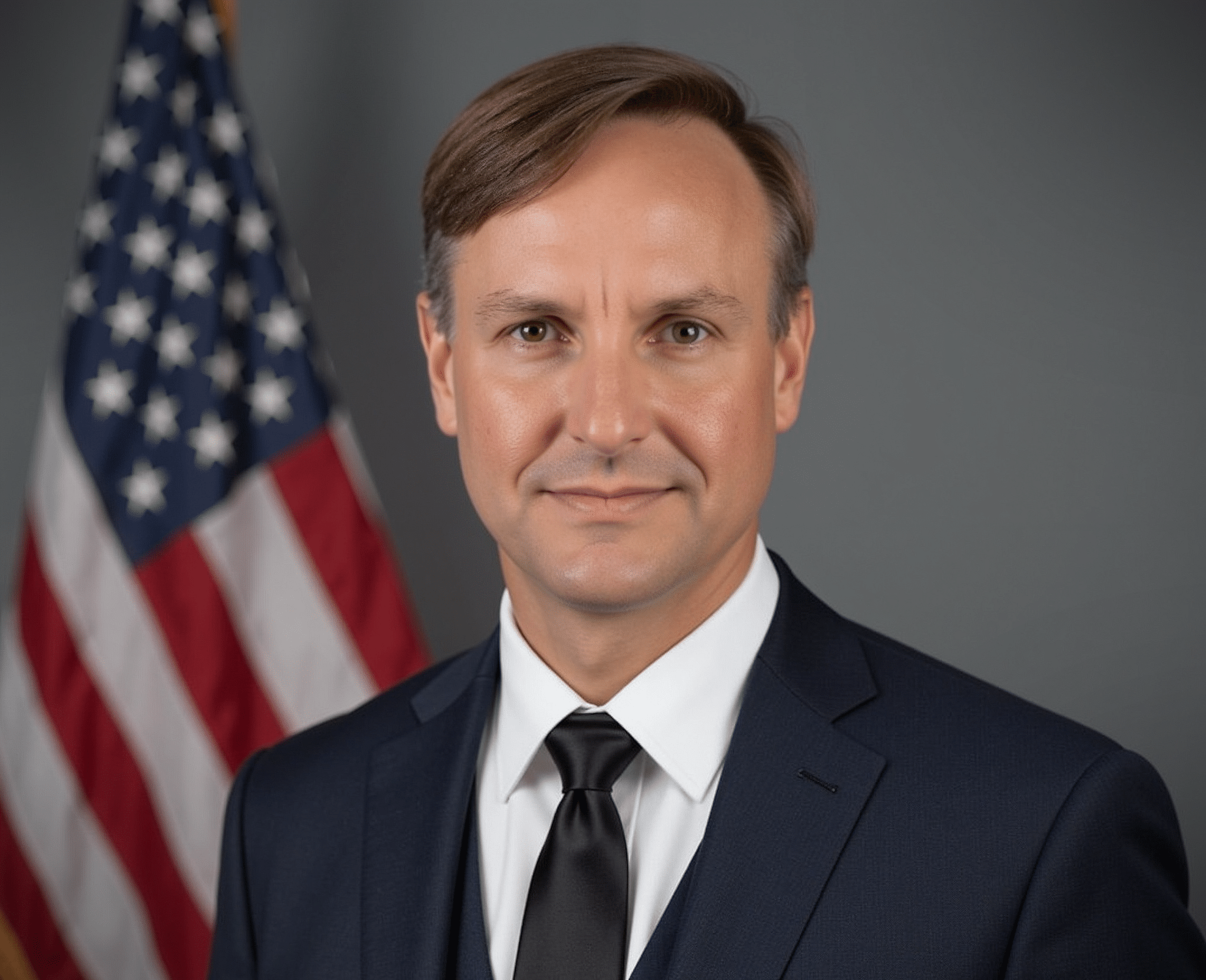
A renowned military criminal defense attorney and best-selling author, Michael Waddington defends clients worldwide in serious cases and trains lawyers in advanced cross-examination. He is frequently featured by major media outlets like CNN and 60 Minutes.
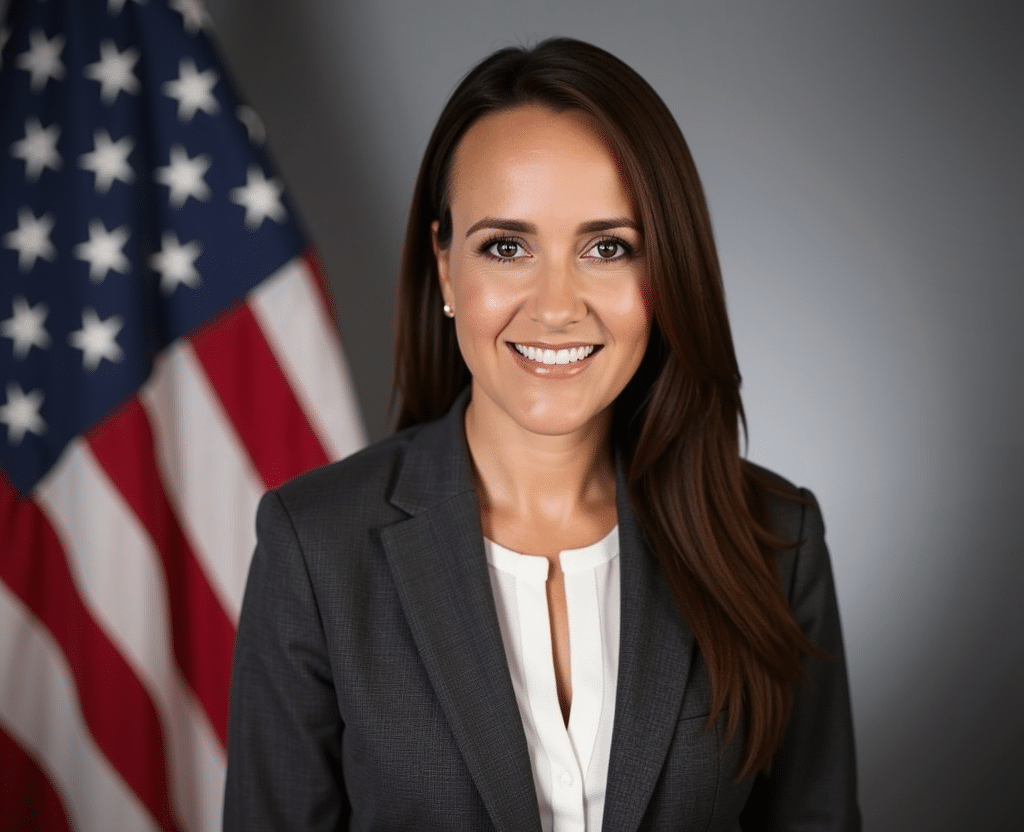
Alexandra González-Waddington is a top military and civilian defense attorney who has handled high-profile sexual assault, violent crime, and war-crimes cases globally. Her work is widely recognized by media outlets including 60 Minutes and ABC’s Nightline.

