Table Content
Article 112a of the Uniform Code of Military Justice establishes criminal liability for the wrongful use, possession, manufacture, distribution, importation, and exportation of controlled substances by persons subject to military jurisdiction. The article is designed to preserve readiness and good order by prohibiting drug-related conduct that undermines military effectiveness. Violations may be prosecuted at courts-martial and can result in punitive discharge, confinement, or other authorized penalties.
The statute criminalizes a range of drug-related activities when done “wrongfully,” meaning without legal authorization. Prohibited conduct includes:
Controlled substances include those listed in federal drug schedules and substances designated by the President or the Secretary of Defense.
Article 112a applies to all individuals subject to the UCMJ, including active-duty service members, certain reservists, and other persons under Articles 2 and 3. The article does not apply to civilians unless they fall under military jurisdiction for a specific reason. Jurisdiction is determined at the time of the alleged offense.
The government must typically prove that the accused knowingly and wrongfully engaged in the prohibited conduct. Knowledge that the substance was controlled is required, though the accused need not know the precise drug schedule. Negligence is insufficient to establish guilt under Article 112a.
Attempted drug offenses may be charged under Article 80, provided there is a substantial step toward committing the offense. Conspiracy to violate Article 112a may be charged under Article 81 when there is an agreement and an overt act in furtherance of the offense. Aiding and abetting liability under Article 77 applies to individuals who assist, encourage, or facilitate another’s drug offense.
The government must prove each element of an Article 112a offense beyond a reasonable doubt. These elements define the specific conduct prohibited by the Uniform Code of Military Justice and establish the factual and mental components necessary for criminal liability.
The mens rea requirement under Article 112a generally consists of knowledge: the accused must know both that the substance was present and that it was a controlled or prohibited drug. Wrongfulness further requires that the conduct was without legal justification or authorization.
The actus reus varies depending on the charged theory of liability. It may include physical possession, ingestion or other forms of use, transferring the substance to another person, manufacturing a controlled substance, or bringing it onto a military installation or vessel.
Statutory definitions incorporate controlled substances identified under the Controlled Substances Act, as well as additional drugs designated by the Department of Defense. Terms such as “possession,” “distribution,” and “introduction” carry their established legal meanings, which focus on control, transfer, or movement of the substance rather than on ownership.
Punishment for Article 112a, UCMJ, depends on the date the alleged conduct occurred. Offenses committed before December 27, 2023 are governed by the traditional maximum_punishment model. Offenses committed on or after December 27, 2023 fall under the revised sentencing_parameter system implemented through the Military Justice Act amendments and updated Manual for Courts_Martial.
Under the pre_December 27, 2023 framework, Article 112a authorized different maximum punishments depending on the type of drug, the nature of the conduct, and the quantity involved. Generally:
For offenses committed on or after December 27, 2023, Article 112a offenses are assigned to sentencing categories established in the updated Manual for Courts_Martial:
Under the post_2023 system, sentencing categories provide structured confinement ranges rather than a single maximum punishment. Instead of the court_martial selecting any sentence up to a statutory maximum, it must sentence within the confinement parameters associated with the assigned category. This approach standardizes sentencing ranges while preserving judicial discretion within those limits.








Charging decisions under Article 112a are driven by the specific fact pattern, how the allegation first surfaced, and the level of command attention involved. Cases tend to reflect routine issues encountered in barracks life, workplace interactions, medical screenings, and routine inspections rather than unusual or extreme scenarios.
Most prosecutions arise from recurring, real_world situations rather than isolated or extraordinary conduct. Common scenarios include:
Article 112a is often paired with other UCMJ provisions when the surrounding conduct suggests broader misconduct. Common co-charges include:
Cases typically start with routine command processes or reports from service members rather than complex operations. Command-directed urinalysis programs remain the most common trigger for an inquiry. When contraband is found or allegations surface, commanders may initiate preliminary inquiries that, depending on the facts, lead to referral to service law-enforcement organizations such as CID, NCIS, OSI, or CGIS. These agencies commonly conduct interviews, collect physical evidence, and coordinate with medical or forensic laboratories for confirmatory testing. Information may also originate from medical personnel, security forces, or gate security, prompting formal investigative involvement.
Prosecutors often charge both use and possession when the underlying evidence supports multiple theories, even if the facts stem from a single incident. Charge-stacking occurs when digital, testimonial, and physical evidence suggest separate acts within a close time period. Overlap with Articles 80 (attempts) and 134 offenses may appear where conduct is incomplete, indirect, or broader than straightforward use or possession. These patterns reflect efforts to capture the full scope of misconduct under available statutory frameworks.
Prosecutions under UCMJ Article 112a often involve close examination of the statutory elements, the reliability of witness testimony, evidentiary rulings, and the interpretation of statutory and regulatory language. Because drug offenses can involve scientific evidence, chain-of-custody questions, and issues of authorization or knowledge, litigation frequently centers on whether the government has satisfied each required component of proof.
Disputes commonly arise regarding whether the government has established all elements of wrongful use, possession, distribution, introduction, or manufacture of a controlled substance. Questions may involve:
These challenges typically focus on sufficiency of evidence rather than on competing narratives about intent or motive.
Knowledge and intent are frequently contested, particularly where the government must show that the accused acted “wrongfully.” Litigation often examines:
The mental-state requirement shapes both the scope of permissible evidence and the interpretation of surrounding circumstances.
Witness credibility can influence disputes regarding source of the substance, chain of custody, or the context of alleged use or possession. Investigators, informants, or cooperating witnesses may provide testimony that is scrutinized for consistency, motive, and reliability. Contested factual narratives often arise when testimonial accounts diverge or when circumstantial evidence requires interpretation.
Article 112a cases frequently involve evidentiary challenges related to admissibility and reliability. Issues may include:
These disputes often determine what evidence may be presented at trial.
Ambiguities in statutory definitions, scheduling of controlled substances, or references to federal drug regulations can generate interpretation questions. Litigation may address the scope of terms such as “wrongful,” “use,” or “possession,” or how evolving drug classifications interact with UCMJ provisions. Such issues shape how the statute applies to specific factual contexts.
Conspiracy can be charged when drug activity involves coordination with other service members
Collateral consequences are administrative, professional, or legal effects that may arise independently of any sentence imposed by a court-martial. These consequences often stem from separate regulatory or statutory processes and may continue to affect a service member after the judicial portion of the case has concluded.
A conviction under UCMJ Article 112a can trigger several administrative actions. These may include:
Drug-related convictions can affect eligibility for a security clearance. Loss or denial of a clearance may limit access to classified information and restrict assignment opportunities. Following separation, some civilian positions—particularly in defense, intelligence, or federal contracting—may be affected if clearance eligibility is diminished.
Convictions under Article 112a generally do not trigger sex offender registration. However, certain drug offenses may require reporting to federal databases used for background checks. Registration and reporting requirements, where applicable, are governed by federal and state law and vary by jurisdiction.
The same conduct underlying a military drug offense may also fall within federal or state criminal statutes. In some cases, parallel civilian investigations or civil penalties may occur independently of military proceedings.
For non-citizens, a drug-related conviction may affect immigration status, including admissibility determinations or eligibility for certain immigration benefits. Naturalized service members may face additional review if the conviction implicates statutory criteria related to good moral character.
Decisions made during the investigative phase often influence the course of a UCMJ Article 112a case long before any charges are preferred. Early legal representation, whether from appointed counsel or civilian military defense lawyers, helps ensure that actions taken during this period are informed and aligned with the service member’s rights.
Military investigators typically collect key evidence soon after an allegation arises. This may include urinalysis records, witness statements, command documentation, and digital communications. Early legal involvement can guide how a service member responds to evidence requests and can help ensure that statements or materials are preserved, clarified, or contextualized in a manner consistent with procedural requirements.
Command or law-enforcement interviews often occur before a service member fully understands the scope of the inquiry. Without proper guidance, individuals may provide incomplete or inaccurate statements, waive rights unintentionally, or respond to questions without knowing the full nature of the allegations. Legal representation helps prevent misunderstandings that could later be interpreted as inconsistencies or admissions.
Commands may initiate administrative inquiries or command-directed investigations independent of formal criminal charges. Decisions made during these processes—such as providing statements or documents—can influence later determinations, including potential adverse administrative actions.
Choices made early in the investigative timeline, including consenting to searches, providing statements, or responding to administrative inquiries, can affect the direction of a future court-martial or administrative proceeding. These early actions often shape the evidentiary landscape and may influence later evaluations of credibility, intent, or compliance with procedures.
Gonzalez & Waddington is a civilian military defense law firm that represents service members worldwide in cases arising under the Uniform Code of Military Justice. The firm focuses on defending clients facing courts-martial, administrative actions, and military investigations, providing guidance rooted in extensive experience with the complexities of military law and procedure.
If you are facing an Article 112a matter or anticipate action related to a drug allegation, Gonzalez & Waddington can help you understand the process and your options. To discuss your situation in a confidential consultation, you may contact the firm for more information about available representation.
Q: What does UCMJ Article 112a: Drug Offenses Under the UCMJ cover?
A: Article 112a addresses the wrongful use, possession, distribution, introduction, or manufacture of controlled substances by military personnel. The article applies to a broad range of substances, including illegal drugs and certain prescription medications when used or possessed without proper authorization. The government must generally prove knowledge, wrongful conduct, and the nature of the substance. The specific facts of a case determine which part of the article applies and how it may be charged.
Q: What is the maximum punishment for UCMJ Article 112a: Drug Offenses Under the UCMJ?
A: Maximum punishments vary depending on the specific offense, such as use, possession, or distribution, and the type and quantity of the substance. Penalties can include confinement, reduction in grade, forfeiture of pay, and a punitive discharge. Distribution-related offenses typically carry the most severe maximum punishments. The actual sentence, if any, depends on the circumstances, the service member’s record, and the forum in which the case is adjudicated.
Q: Can an allegation under this article lead to administrative separation even without a conviction?
A: Yes. Commanders have the authority to initiate administrative separation proceedings based on credible evidence of drug-related misconduct, even without a court_martial conviction. The standard of proof for administrative separation is lower than at trial, and the process may consider a wide range of information. Potential outcomes can include retention, a rehabilitative approach, or separation with various characterization levels, depending on the circumstances and service regulations.
Q: Do I need a civilian military defense lawyer for an investigation under this article?
A: Service members have the right to consult with military defense counsel at no cost, but some choose to retain civilian military defense attorneys for additional representation. Whether to hire civilian counsel depends on factors such as the complexity of the case, potential adverse actions, and personal preference. Early legal consultation can help clarify rights, the investigative process, and possible outcomes, but the decision to obtain civilian counsel is entirely optional.
Q: Can an Article 112a case be handled without a court_martial?
A: Yes. Alleged drug offenses may be addressed through nonjudicial punishment, administrative actions, or command counseling instead of a court_martial, depending on the evidence and command discretion. Nonjudicial punishment can impose penalties such as restriction, extra duties, or rank reduction. Administrative actions may include separation proceedings or rehabilitative measures. The chosen process varies based on the seriousness of the allegation, service policies, and the member’s record.
Q: Which agencies typically investigate suspected violations of Article 112a?
A: Investigations may be conducted by military law enforcement organizations such as CID, NCIS, or OSI, depending on the branch of service. These agencies can interview witnesses, collect physical evidence, and obtain laboratory results from certified testing facilities. Commanders may also initiate preliminary inquiries before referring matters to investigators. The investigative scope depends on the nature of the allegation and whether potential distribution or broader misconduct is suspected.
Q: What types of evidence are commonly used in Article 112a cases?
A: Evidence may include urinalysis results, witness statements, digital communications, physical drug evidence, or admissions made by the service member. Laboratory confirmation testing is typically required for urinalysis_based cases. Investigators may also examine access to substances, opportunities for ingestion, and knowledge indicators. The weight given to each type of evidence depends on reliability, documentation, and compliance with required procedures throughout the investigation and testing process.
You can review the individual Articles of the UCMJ and learn more about military law by clicking here: UCMJ Articles and Military Justice Resources. You can also explore official military law guidance from the Army Judge Advocate General’s Corps at jagcnet.army.mil.
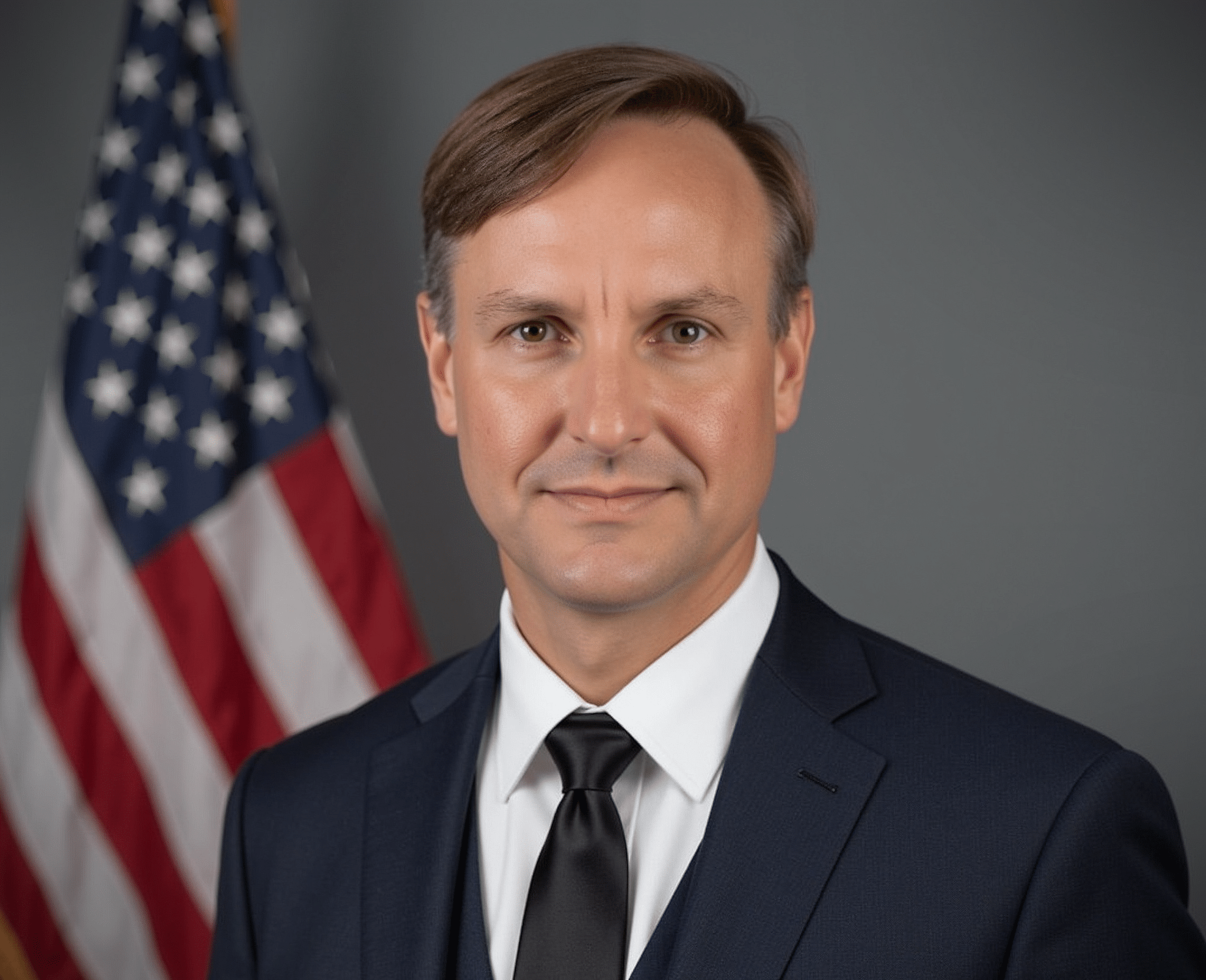
A renowned military criminal defense attorney and best-selling author, Michael Waddington defends clients worldwide in serious cases and trains lawyers in advanced cross-examination. He is frequently featured by major media outlets like CNN and 60 Minutes.
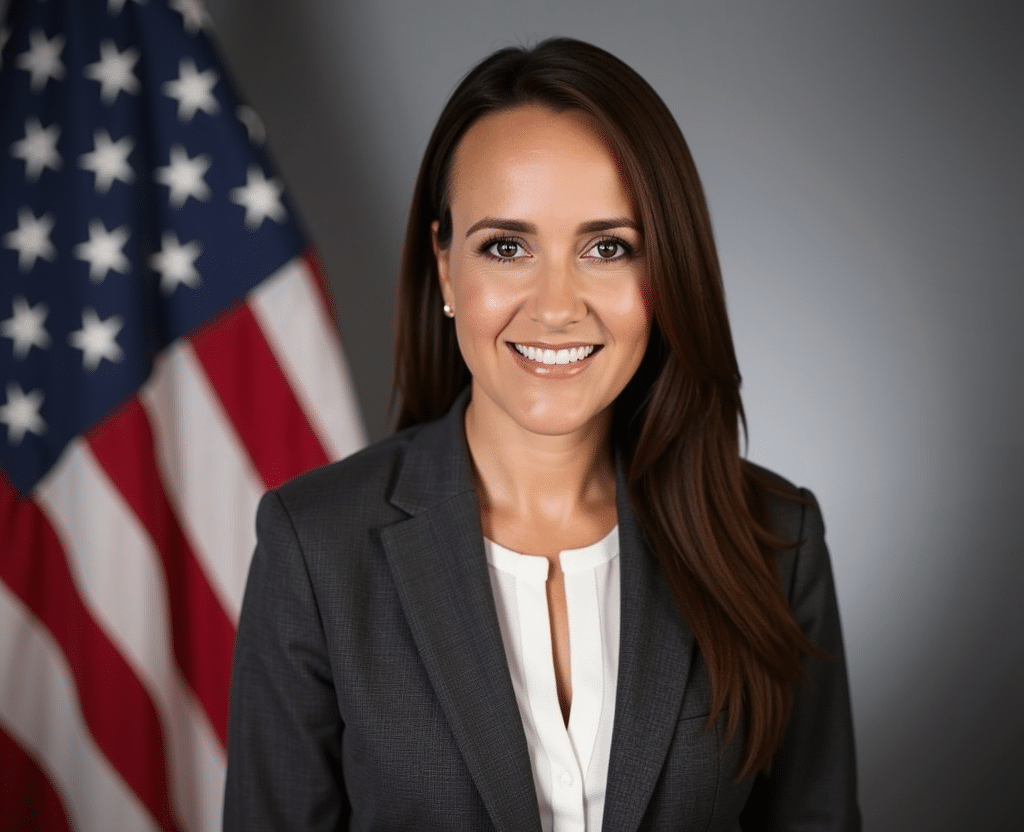
Alexandra González-Waddington is a top military and civilian defense attorney who has handled high-profile sexual assault, violent crime, and war-crimes cases globally. Her work is widely recognized by media outlets including 60 Minutes and ABC’s Nightline.

