Gonzalez & Waddington is a civilian military defense firm, founded by Michael Waddington and Alexandra Gonzalez-Waddington, that has defended service members at courts-martial and in UCMJ matters worldwide for more than two decades.
Quick answer
The Office of Special Trial Counsel (OSTC) is an independent military prosecution office that, since late 2023, decides whether to court-martial covered offenses instead of commanders. Covered offenses include sexual assault, rape, murder, manslaughter, kidnapping, domestic violence, stalking, retaliation, child pornography and, since January 1, 2025, sexual harassment. If OSTC declines to prosecute, commanders can still use administrative actions or NJP. Gonzalez & Waddington defends OSTC cases from investigation through trial.
What is the Office of the Special Trial Counsel (OSTC) and how does it affect my court-martial case?
The Office of the Special Trial Counsel (OSTC) is a military justice office responsible for prosecuting serious offenses such as sexual assault and domestic violence under the UCMJ. The OSTC operates independently from command, meaning commanders no longer control prosecution decisions for covered offenses. If the OSTC is involved in your case, experienced defense counsel is critical. Outcomes vary based on individual case facts.
Facing a court-martial, UCMJ action, Administrative Separation Board, or other Adverse Administrative Action? Call our experienced military defense lawyers at 800-921-8607 for a free consultation.
“Your career, reputation, and even your freedom hang in the balance. A single misstep could derail everything you’ve worked for. This isn’t just a legal matter; it’s a fight for your future.” (Michael Waddington, Military Defense Lawyer).
The Office of the Special Trial Counsel (OSTC)
The Office of the Special Trial Counsel (OSTC) is a vital part of the military justice system, dedicated to the rigorous prosecution of serious offenses such as sexual assault, domestic violence, and other significant crimes. This article provides an in-depth look at the OSTC, including its origin, structure, functions, key responsibilities, and the types of cases it prosecutes. Additionally, we will discuss the importance of hiring an experienced civilian defense lawyer to ensure a fair trial and level the playing field against well-trained and well-funded OSTC prosecutors.
Dealing with the Office of the Special Trial Counsel (OSTC) Prosecutors
The Genesis and Mission of the Office of the Special Trial Counsel (OSTC)
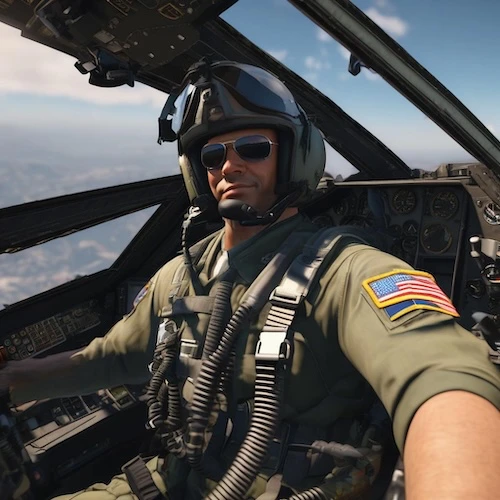 The Office of the Special Trial Counsel (OSTC) was established to address widespread concerns about the military’s handling of serious offenses, particularly sexual assault. Historically, the military justice system faced criticism for its perceived leniency, lack of transparency, and command influence in prosecuting such cases. The OSTC was created to prosecute these offenses impartially and thoroughly, free from undue command influence.
The OSTC’s primary mission is to provide dedicated resources and skilled trial counsels to prosecute serious offenses effectively. This independence from the traditional chain of command helps maintain the integrity of the military justice system and ensures that justice is served fairly and consistently.
The Expertise and Resources of the Office of the Special Trial Counsel (OSTC) Prosecutors
The Office of the Special Trial Counsel (OSTC) comprises highly trained military attorneys selected based on their extensive background in handling complex criminal cases. These trial counsels undergo rigorous and comprehensive training to ensure they can manage the intricacies of serious offenses within the military justice system. National Defense Authorization Act for Fiscal Year 2024
Comprehensive Training Programs for the Office of the Special Trial Counsel (OSTC) Prosecutors
OSTC prosecutors are subject to a series of intensive training programs that cover a broad range of topics essential for the effective prosecution of serious offenses:
- Legal Standards: The Office of the Special Trial Counsel (OSTC) prosecutors receive in-depth training on the Uniform Code of Military Justice (UCMJ) and other relevant military laws. They are well-versed in the legal precedents and standards that govern military justice, ensuring they can apply the law accurately and effectively in court.
- Investigative Techniques: Advanced training in investigative techniques enables OSTC prosecutors to gather and analyze evidence comprehensively. They learn to work closely with military investigators to build robust cases based on solid evidence.
- Trial Advocacy: OSTC prosecutors are trained in trial advocacy skills, including presenting evidence, witness examination, and courtroom procedures. This training ensures they can present their cases persuasively and professionally in a court-martial setting.
- Victim Sensitivity: Understanding serious offenses’ psychological and emotional impacts on victims is a critical component of OSTC training. Prosecutors learn to interact with victims sensitively and respectfully, prioritizing their rights and needs throughout the legal process.
Adequate Funding and Resources for the Office of the Special Trial Counsel (OSTC)
The OSTC is well-funded, providing its prosecutors with access to the resources necessary to conduct thorough investigations and build strong cases. This funding ensures that OSTC prosecutors can:
- Access Expert Witnesses: The OSTC can call upon expert forensic science, psychology, and medicine witnesses to provide critical testimony that strengthens their cases.
- Utilize Forensic Analysis: Comprehensive forensic analysis of physical evidence is a cornerstone of many serious offense prosecutions. OSTC prosecutors have access to state-of-the-art forensic laboratories and experts who can analyze DNA, digital evidence, and other critical pieces of evidence.
- Conduct Thorough Investigations: Adequate funding allows OSTC prosecutors to conduct detailed and extensive investigations, including the ability to travel, interview witnesses, and gather evidence from various locations.
The Office of the Special Trial Counsel (OSTC) and the Importance of Experienced Civilian Defense Lawyers
Experience and Professional Development of the Office of the Special Trial Counsel (OSTC)
The trial counsels within the Office of the Special Trial Counsel (OSTC) bring significant experience to their roles, having handled numerous serious offense cases throughout their careers. This experience enables them to:
- Develop Strategic Cases: Experienced prosecutors can develop strategic approaches to each case, anticipating potential defenses and preparing comprehensive arguments to counter them.
- Effectively Cross-Examine Witnesses: The ability to effectively cross-examine witnesses, including defense experts, is crucial in military court-martial cases. Experienced prosecutors can identify inconsistencies and challenge the credibility of opposing witnesses.
- Provide Leadership and Mentorship: Senior OSTC prosecutors often provide leadership and mentorship to newer attorneys, ensuring the entire team benefits from their accumulated knowledge and skills.
The Office of the Special Trial Counsel (OSTC) is Partnering with Victims and Victim’s Counsel
One of the key aspects of the OSTC’s approach to prosecuting military sexual assault cases is its partnership with alleged victims and their victim’s counsel. This collaboration is essential for building strong cases and ensuring that victims receive the support and representation they need throughout the legal process.
The Office of the Special Trial Counsel (OSTC) Provide Victim Support
The OSTC works closely with victim advocates to support alleged victims comprehensively. This includes:
- Ensuring Safety and Well-Being: Victim advocates ensure the safety and well-being of alleged victims, providing resources such as counseling, medical care, and protective measures if necessary.
- Facilitating Communication: The OSTC ensures that victims are kept informed about the progress of their cases and are allowed to voice their concerns and preferences.
- Providing Legal Representation: Special Victims’ Counsel (SVC) offers independent legal representation to victims, ensuring their rights are protected throughout the investigation and prosecution process.
Victims and the Office of the Special Trial Counsel (OSTC) are Building Strong Cases
The OSTC and victims’ counsel partnership is crucial in building strong cases against the accused. This collaboration involves:
- Comprehensive Evidence Gathering: Working together, the OSTC and victims’ counsel gather comprehensive evidence to support the allegations and win court-martial convictions. This includes victim statements, forensic evidence, and witness testimony.
- Coordinated Case Strategy: The OSTC and victims’ counsel coordinate their strategies to ensure the prosecution is thorough and persuasive. This involves planning how to present evidence, the order of witnesses, and anticipating defense strategies.
- 3. Supporting Victims in Court: Throughout the court-martial process, the OSTC and victims’ counsel provide ongoing support, ensuring they are prepared for testimony and protected from undue stress or intimidation.
Why Experienced Civilian Military Defense Lawyers Are Essential to Combat the Office of the Special Trial Counsel (OSTC)
Given the extensive training, funding, and collaborative efforts of the Office of the Special Trial Counsel (OSTC) prosecutors, it is crucial for the accused to have access to experienced civilian defense lawyers. Such lawyers bring a high level of skill and independence to the defense, ensuring that the accused receives a fair trial. Here’s why this is essential:
- Counterbalancing Prosecution Resources: Experienced civilian defense lawyers can counterbalance the significant resources available to OSTC prosecutors, including access to their own expert witnesses and forensic analysis.
- Strategic Defense Planning: Civilian defense lawyers develop strategic defense plans, anticipating prosecution arguments and preparing comprehensive responses.
- Independent Advocacy: Unlike military defense attorneys, civilian military defense lawyers operate independently from the military chain of command, focusing solely on the best interests of their clients.
- Extensive Experience: Civilian defense lawyers have extensive experience handling serious criminal cases and can provide robust defenses against complex charges.
Gonzalez & Waddington Can Take on the Office of the Special Trial Counsel (OSTC) Prosecutors
For those facing prosecution by the Office of the Special Trial Counsel (OSTC), Gonzalez & Waddington offers a team of experienced military defense lawyers who can provide the necessary representation and support. Their commitment to defending service members ensures clients receive the best possible defense in military court-martial cases.
By choosing Gonzalez & Waddington, service members benefit from:
- Extensive Legal Knowledge: The firm’s lawyers possess deep knowledge of military and civilian legal systems, enabling them to navigate complex cases effectively.
- Personalized Defense Strategies: Gonzalez & Waddington develop personalized defense strategies tailored to each case’s specifics, ensuring comprehensive and robust representation.
- Aggressive Defense: The firm is known for its aggressive defense approach, challenging the prosecution’s evidence and presenting strong defenses in court.
- Client-Centered Service: Gonzalez & Waddington prioritize their client’s needs, providing clear communication, compassionate support, and dedicated advocacy throughout the legal process.
In conclusion, while the OSTC plays a vital role in ensuring justice within the military, the accused must have access to experienced civilian defense lawyers to ensure a fair trial. Gonzalez & Waddington’s team of skilled lawyers offers the necessary expertise and dedication to defend service members effectively against serious charges.
Structure and Operations of the Office of the Special Trial Counsel (OSTC)
The Office of the Special Trial Counsel (OSTC) comprises experienced military attorneys overseeing the investigation and prosecution of serious offenses. These trial counsels are selected for their significant background in handling complex criminal cases and their ability to manage the intricacies of serious offenses within the military context.
Independence and Oversight of the Office of the Special Trial Counsel (OSTC)
A key feature of the Office of the Special Trial Counsel (OSTC) is its operational independence from the traditional military chain of command. Special trial counsels report to senior legal authorities outside the immediate command structure, which helps prevent conflicts of interest and ensures unbiased decision-making.
Collaboration and Coordination of the Office of the Special Trial Counsel (OSTC)
 Despite its independence, the OSTC collaborates closely with other elements of the military justice system, including military investigators, victim advocates, and special victims’ counsel (SVC). This collaborative approach ensures a comprehensive handling of cases from investigation through prosecution.
Core Responsibilities and Functions of the Office of the Special Trial Counsel (OSTC)
The OSTC is tasked with several critical responsibilities to enhance the prosecution of serious offenses within the military:
- Prosecution of Serious Offenses: The primary function of the OSTC is to prosecute serious criminal offenses, including sexual assault, domestic violence, child exploitation, aggravated assault, and significant cases of fraud and larceny. By focusing on these cases, the OSTC ensures they receive the specialized attention and resources necessary for successful prosecution.
- Victim Advocacy and Support: The OSTC works closely with victim advocates and the SVC program to prioritize victims’ rights and needs throughout the legal process. This includes providing victims with support, information, and legal representation to protect their interests.
- Training and Capacity Building: The OSTC is heavily involved in training military attorneys, commanders, and other personnel on issues related to prosecuting serious offenses. This training includes legal standards, investigative techniques, trial advocacy, and understanding the psychological and emotional impacts on victims.
- Policy Development and Implementation: The OSTC plays a significant role in developing and implementing policies related to prosecuting serious offenses. This includes advising on updates to the Uniform Code of Military Justice (UCMJ), creating guidelines for handling specific cases, and recommending best practices for military justice.
Types of Cases Prosecuted by the Office of the Special Trial Counsel (OSTC)
The Office of the Special Trial Counsel (OSTC) prosecutes a wide range of serious offenses within the military. a comprehensive list of crimes prosecuted by the OSTC is below. Some of the most common cases include:
- Sexual Assault: Non-consensual sexual acts, including rape and other forms of sexual assault.
- Domestic Violence: Physical, emotional, or psychological abuse within a domestic setting.
- Child Exploitation: Offenses involving the exploitation or abuse of minors.
- Aggravated Assault: Severe physical attacks that result in serious bodily harm.
- Fraud and Larceny: Significant cases of financial misconduct, including theft and fraud.
- Drug Trafficking: The distribution or sale of illegal substances.
- Hazing and Bullying: Actions that harm or demean other service members.
The Training and Resources of the Office of the Special Trial Counsel (OSTC) Prosecutors
The Office of the Special Trial Counsel (OSTC) prosecutors are some of the military justice system’s most well-trained and well-funded legal professionals. Their comprehensive training ensures they are equipped to handle the complexities of serious offenses effectively. Training programs cover a wide range of areas, including:
- Legal Standards: In-depth knowledge of military law and the UCMJ.
- Investigative Techniques: Advanced methods for gathering and analyzing evidence.
- Trial Advocacy: Skills in presenting cases effectively in court.
- Victim Sensitivity: Understanding the psychological and emotional impacts on victims and how to support them throughout the legal process.
The Office of the Special Trial Counsel (OSTC) is also well-funded, ensuring prosecutors can access the necessary resources to conduct thorough investigations and build strong cases. The Office of the Special Trial Counsel (OSTC) is well-funded and can access expert witnesses, forensic analysis, and other critical support services.
The Importance of Hiring an Experienced Civilian Defense Lawyer
Given the extensive training and resources available to OSTC prosecutors, the accused must have equally skilled legal representation. Hiring an experienced civilian defense lawyer can level the playing field and ensure a fair trial. Here are some reasons why this is essential:
- Balanced Representation: OSTC prosecutors are highly trained and have significant resources. An experienced civilian defense lawyer brings comparable skill and resources, ensuring balanced representation.
- Understanding of Military and Civilian Law: Civilian defense lawyers often deeply understand both military and civilian legal systems, allowing them to effectively navigate the complexities of court-martial cases.
- Independent Advocacy: Unlike military defense attorneys, civilian lawyers operate entirely independently of the military chain of command, ensuring their sole focus is defending their client’s rights and interests.
- Experience with Serious Offenses: Experienced civilian defense lawyers have a track record of handling serious criminal cases and can provide strategic defenses against the charges brought by the OSTC.
- Thorough Case Preparation: Civilian defense lawyers invest significant time and resources into preparing their cases, including gathering evidence, interviewing witnesses, and developing a strong defense strategy.
- Effective Cross-Examination: An experienced lawyer is skilled in cross-examining witnesses, including experts presented by the prosecution, to challenge the evidence and testimony against the accused.
Why Choose Gonzalez & Waddington to Challenge the Office of the Special Trial Counsel (OSTC)
For those facing prosecution by the Office of the Special Trial Counsel (OSTC), Gonzalez & Waddington offers a team of seasoned military defense lawyers who can provide the necessary representation and support. Here are some reasons to consider Gonzalez & Waddington:
- Extensive Experience: The lawyers at Gonzalez & Waddington have years of experience defending service members in military court-martial cases. They understand the unique challenges and nuances of the military justice system.
- Dedicated Representation: The firm is committed to providing personalized and dedicated representation, ensuring that each client receives the attention and support they need.
- Comprehensive Defense Strategies: Gonzalez & Waddington develops comprehensive defense strategies tailored to the specifics of each case, including thorough investigations and robust legal arguments.
- Proven Track Record: The firm has a proven track record of successfully defending service members against serious charges, achieving favorable outcomes in many complex cases.
- Client-Centered Approach: Gonzalez & Waddington prioritize their client’s needs and rights, offering clear communication, compassionate support, and aggressive defense throughout the legal process.
- Resource Availability: The firm has access to a wide network of resources, including forensic experts, private investigators, and other professionals who can provide critical support in building a strong defense.
Our Court Martial Lawyers Can Take on the Office of the Special Trial Counsel (OSTC) Prosecutors
The Office of the Special Trial Counsel (OSTC) plays a crucial role in the military justice system, providing specialized prosecution for serious offenses such as sexual assault, domestic violence, and other significant crimes. With its well-trained and well-funded prosecutors, the OSTC ensures these cases are handled professionally and thoroughly. However, the accused must also have access to experienced and independent legal representation to ensure a fair trial.
Offenses Handled by the Office of the Special Trial Counsel (OSTC)
The Office of the Special Trial Counsel (OSTC) prosecutes a broad range of serious offenses within the military justice system. Below is a comprehensive list of 50 crimes that the OSTC commonly handles:
- Rape
- Sexual Assault
- Aggravated Sexual Assault
- Sexual Abuse of a Child
- Child Pornography
- Indecent Viewing
- Indecent Exposure
- Indecent Conduct
- Prostitution and Pandering
- Sexual Harassment
- Domestic Violence
- Stalking
- Aggravated Assault
- Assault with Intent to Commit Murder
- Assault with Intent to Commit Rape
- Assault with a Deadly Weapon
- Battery
- Manslaughter
- Murder
- Kidnapping
- Robbery
- Burglary
- Arson
- Theft (Larceny)
- Fraud
- Embezzlement
- Forgery
- Bribery
- Extortion
- Drug Trafficking
- Possession of Controlled Substances
- Distribution of Controlled Substances
- Unauthorized Absence (AWOL)
- Desertion
- Mutiny
- Disobedience of Orders
- Conduct Unbecoming an Officer
- Hazing
- Fraternization
- Perjury
- Obstruction of Justice
- False Official Statements
- Espionage
- Treason
- Misuse of Government Property
- Computer Crimes
- Sabotage
- Terrorism
- Unauthorized Disclosure of Classified Information
- Failure to Obey Lawful Orders
These offenses encompass a wide range of criminal activities that can significantly impact the safety, order, and discipline within the military. The OSTC’s focus on these serious crimes ensures that justice is pursued rigorously and that the rights of victims are upheld throughout the legal process.
Hiring the Best Court Martial Lawyers to Deal with the Office of the Special Trial Counsel (OSTC) Prosecutors
Hiring an experienced civilian military defense lawyer, such as those at Gonzalez & Waddington, can balance the prosecution’s resources and skills. These lawyers bring a wealth of experience, strategic defense capabilities, and a commitment to defending their clients’ rights, ensuring that justice is served fairly.
If you are facing prosecution by the OSTC, do not hesitate to seek the assistance of an experienced civilian defense lawyer to ensure that your rights are protected and that you receive the best possible defense. Gonzalez & Waddington offer the expertise and dedication needed to navigate the complexities of military court-martial cases and achieve favorable client outcomes.
Frequently asked questions
What is the Office of Special Trial Counsel?
An independent office of specially trained military prosecutors that decides whether covered offenses go to court-martial.
Can my commander still punish me if OSTC declines?
Yes. Commanders may still use reprimands, NJP or administrative separation, but cannot send the covered offense to court-martial.
Recent Blogs
- Do Civilian Military Lawyers Travel to Your Base?October 27, 2026
- Child Pornography Under Article 134: Penalties and DefensesOctober 27, 2026
- Article 120c UCMJ: Indecent Exposure and Viewing ExplainedOctober 27, 2026
- Expedited Transfer: What Happens to the Accused When the Accuser Moves?October 26, 2026
- What Counts as Retaliation Under Article 132, and How Do You Respond?October 26, 2026
- Accused of Hazing in the Military: What Do Marines and Soldiers Need to Know?October 26, 2026