Naval Support Activities, Facilities & Commands Military Defense Counsel
Short answer: Sailors and Marines at Naval Support Activities in the United States and overseas, can hire a civilian military defense lawyer in addition to free military defense counsel (Article 38(b), UCMJ, 10 U.S.C. § 838). If NCIS asks to interview you, you have the right to remain silent and must be told what you are suspected of before questioning (Article 31(b), UCMJ, 10 U.S.C. § 831). An off-base arrest in the United States can lead to both a state prosecution and military action (Gamble v. United States, 587 U.S. 678 (2019)). Overseas, jurisdiction depends on the status-of-forces agreement with the host nation. Gonzalez & Waddington travels to any Naval Support Activity for interviews, hearings and trials. Call 1-800-921-8607 or text 954-799-4019.
Gonzalez & Waddington, LLC serves service members associated with Naval Support Activities, Facilities & Commands worldwide. Civilian military defense counsel Michael Waddington and Alexandra González-Waddington represent clients in UCMJ investigations, court-martial defense, and administrative representation, including adverse paperwork and separation-related matters. Because this page covers a Navy support-location category rather than one base, the focus is on the military justice issues that can arise across these commands, not on any claimed local office or verified case history at a specific installation.
What this location page actually covers
Naval Support Activities, Facilities & Commands is not one verified installation in one city or state. Official Navy sources show that Naval Support Activity is a recurring installation type used across the Navy shore enterprise. The Commander, Navy Installations Command map lists numerous Naval Support Activities in different regions, which means service members searching for military defense counsel under this label may be tied to very different commands, tenant units, and local procedures.
That geographic scope matters. A military justice concern connected to a Naval Support Activity may arise in the National Capital Region, Hampton Roads, or another Navy support location altogether. For that reason, a useful introduction should not pretend this is a single base guide. Instead, it should explain the common setting these commands share: shore-based Navy installations that support operations, infrastructure, security, and day-to-day installation services for the fleet, tenant commands, warfighters, and military families.
Why Navy support commands can still lead to serious UCMJ matters
Even when a command is primarily associated with installation support rather than a warship or aviation wing, service members assigned there remain fully subject to the UCMJ. The Navy describes its installation enterprise as the platform that enables fleet, fighter, and family readiness. In practical terms, that means these locations often bring together active-duty personnel, reserve elements, civilian employees, contractors, and multiple tenant commands in one environment.
That mix can affect how a case develops. Allegations tied to workplace conduct, off-installation incidents, command inquiries, or evidence held by a tenant organization may still place a sailor, officer, or other service member at risk of investigation or court-martial. Civilian defense counsel is often sought when the stakes move beyond a routine personnel issue and into a formal UCMJ investigation, trial-level exposure, or administrative action that could affect continued service.
Representative examples across the Navy shore enterprise
Official Navy materials provide a few concrete examples that help define this category. Naval Support Activity Washington is part of Naval District Washington and is headquartered at the Washington Navy Yard, with responsibility spread across multiple fence lines in the National Capital Region. Naval Support Activity Hampton Roads falls within Navy Region Mid-Atlantic and is located in Norfolk, Virginia. Navy sources state that NSA Hampton Roads is home to more than 6,000 personnel and major tenant commands including U.S. Fleet Forces Command and Naval Submarine Forces Atlantic.
Those examples show why a search for Naval Support Activities military defense counsel can cover very different operational settings. Some commands support senior headquarters functions in the Washington area. Others sit inside one of the country’s largest Navy concentrations in Hampton Roads. The common thread is not one city, but a category of Navy shore locations managed within the installations enterprise.
How counsel can help service members connected to these commands
When a service member assigned to a Naval Support Activity or related support command faces allegations, the legal problem may involve more than one layer of military authority. Installation management, regional command relationships, and tenant-command involvement can all shape where records are kept, who is involved in the response, and how quickly a matter becomes formal. That does not change the need for careful defense planning in a UCMJ investigation, a court-martial, or an adverse administrative process.
Gonzalez & Waddington, LLC represents service members worldwide in serious military matters. Michael Waddington and Alexandra González-Waddington act as civilian military defense counsel for clients dealing with court-martial charges, investigations under the UCMJ, and administrative representation connected to military service. On a page with this broad Navy-support scope, the most responsible approach is to stay anchored to what the official sources support: these commands are part of the Navy shore enterprise, they exist across multiple regions, and the legal needs of service members can arise wherever those installations operate.
If you are assigned to or associated with a Naval Support Activity, Naval Support Facility, or related Navy support command and need civilian military defense counsel, you can contact Gonzalez & Waddington, LLC to discuss your situation at 1-800-921-8607.
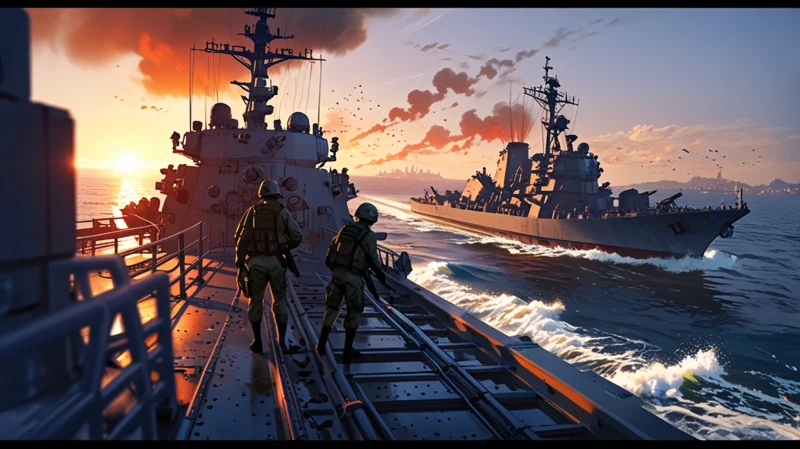
Minor Naval Support Bases Military Defense Lawyers | UCMJ & Court-Martial Defense for Navy Support Commands
Smaller Navy support installations, naval support activities, warfare centers, medical commands, reserve air stations, weapons stations, training centers, communications commands, and legacy naval locations can still generate serious UCMJ investigations. A command may be small, technical, administrative, medical, intelligence-focused, or support-oriented. That does not make a military justice case less dangerous.
Service members assigned to minor Navy support locations remain fully subject to the Uniform Code of Military Justice (UCMJ). That applies on base, off base, during TDY, during reserve duty, while attached to a tenant command, while training, while working in a medical center, while supporting communications missions, and while assigned to a small detachment that most civilians have never heard of.
Civilian Military Defense Lawyers for Minor Navy Support Bases and Commands
Gonzalez & Waddington defends Sailors, Marines, Soldiers, Airmen, Guardians, and Coast Guardsmen assigned to Navy support commands and smaller naval installations worldwide. The firm handles courts-martial, Article 15/NJP actions, letters of reprimand, administrative separation boards, Boards of Inquiry, and high-risk investigations.
A smaller Navy support command can still create a high-stakes military justice problem. Many of these commands involve medical records, intelligence work, classified systems, communications networks, shipyard support, weapons systems, training pipelines, logistics, reserve aviation, special access areas, and joint-service personnel.
Cases at minor Navy installations often involve NCIS investigations, command-directed inquiries, local police reports, civilian witnesses, contractor witnesses, digital evidence, access logs, medical records, training records, watch bills, duty rosters, travel records, restricted-area records, and command emails.
If you are accused of a UCMJ offense at a Navy support base, naval support activity, warfare center, medical center, reserve air station, training command, communications command, weapons station, or overseas support location, do not wait for the command’s theory to harden. This includes Article 120 sexual assault, abusive sexual contact, domestic violence, assault, drug misconduct, fraud, larceny, false official statement, orders violations, harassment, stalking, threats, online misconduct, security violations, classified-information concerns, and off-base misconduct involving local civilian police.
Call Gonzalez & Waddington at 1-800-921-8607 or text 954-799-4019 to request a confidential consultation with civilian military defense lawyers who defend service members worldwide.
Why Small Navy Support Commands Can Create Serious UCMJ Exposure
A small command does not mean a small case. Many minor Navy support locations are mission-sensitive. Some support intelligence, communications, medical care, cyber networks, weapons systems, naval aviation, training, logistics, submarine operations, reserve aviation, or NATO missions.
A case at one of these commands may move quickly because leadership wants to protect mission integrity. A command may act before all evidence is known. Investigators may interview witnesses before the defense has a chance to preserve facts. Digital evidence may be collected and interpreted without context.
These cases may involve:
- NCIS, CID, OSI, CGIS, military police, security forces, or command investigators
- Command-directed investigations
- Article 31 rights advisements
- Local police reports and civilian court records
- Phone extractions, texts, app messages, emails, photographs, and social media
- Medical records and patient-care documents
- Training records and student files
- Intelligence, communications, cyber, or information operations records
- Gate logs, badge records, and access-control data
- Government computers, NMCI records, network logs, and official emails
- Travel records, TDY orders, lodging records, and government card documents
- Contractor witnesses, civilian employee witnesses, and local civilian witnesses
- Security clearance and access concerns
Early defense action matters. Evidence can disappear. Witnesses can PCS, retire, separate, transfer, or return to a civilian job. CCTV can be overwritten. Contractor witnesses may leave. Digital data may be incomplete. A service member should not assume the case is minor because the command is small.
Major Overseas Navy Support Locations Covered by This Page
Fleet Activities Yokosuka and CFA Yokosuka
Fleet Activities Yokosuka, often searched as CFA Yokosuka, is one of the most important U.S. Navy locations in Japan. It supports forward-deployed naval forces, fleet operations, shipboard personnel, shore commands, family support, logistics, and Seventh Fleet-connected activity.
Yokosuka cases may involve Sailors assigned to ships, shore commands, naval security, medical support, logistics, maintenance, family housing, or tenant units. Investigations may involve NCIS, command authorities, Japanese police, local civilian witnesses, ship logs, liberty records, gate records, hotel records, taxi records, and digital communications.
Fleet Activities Sasebo and CFA Sasebo
Fleet Activities Sasebo, also searched as CFA Sasebo, is another major Navy location in Japan. It supports forward-deployed naval forces, amphibious operations, shipboard activity, logistics, port operations, and regional readiness.
Sasebo cases may involve Sailors, Marines, ship crews, transient personnel, Japanese civilian witnesses, NCIS investigations, liberty incidents, local police contact, digital evidence, and shipboard records. Because personnel may deploy or rotate, witness preservation is critical.
NSA Bahrain and NSA Bahrain Mina Salman
Naval Support Activity Bahrain is a major overseas Navy support location in the Middle East. It supports U.S. naval operations, regional command functions, logistics, maritime security, fleet support, and joint activity.
Some users may search for NSA Bahrain Mina Salman because of the local port area and legacy references.
Bahrain cases may involve NCIS investigations, host-nation evidence, liberty incidents, hotel records, alcohol allegations, Article 120 cases, assault, domestic violence, fraud, shipboard issues, command-directed inquiries, and security concerns.
NSA Naples, NSA Capodichino and NSA Souda Bay
NSA Naples and NSA Capodichino are closely connected. Naples is a major Navy support location in Italy.
Naples cases may involve Navy personnel, joint commands, NATO-related work, host-nation evidence, Italian police contact, digital evidence, off-base conduct, Article 120 allegations, domestic violence, fraud, orders violations, and security clearance issues.
NSA Souda Bay in Greece is a strategically important overseas support location. It supports naval, air, logistics, and regional operations in the Eastern Mediterranean.
White Beach Naval Facility
White Beach Naval Facility in Okinawa supports Navy and joint operations. It is connected to port operations, ship visits, Marine Corps and Navy activity, logistics, liberty issues, and local Japanese evidence.
U.S. Navy Reserve Air Stations and Aviation Support Locations
NASJRB Fort Worth
Naval Air Station Joint Reserve Base Fort Worth is a major joint reserve aviation installation in Texas. It supports Navy, Marine Corps, Air Force, Army, and reserve component activity. Cases may involve reservists, active-duty personnel, aviation units, maintenance records, local police evidence, drug allegations, Article 120 allegations, domestic violence, orders violations, false official statements, and administrative separation actions.
NASJRB New Orleans and NSA New Orleans
The better strategy is usually one strong New Orleans Navy military defense page that covers reserve aviation, support activity, joint personnel, local police evidence, off-base incidents, and Louisiana-specific military legal issues.
Cases may involve local law enforcement, hotel records, French Quarter or downtown incidents, rideshare data, civilian witnesses, Article 120 allegations, DUI-type misconduct, drug cases, fraud, false statements, domestic violence, and reserve component issues.
Naval Air Engineering Station Lakehurst
Naval Air Engineering Station Lakehurst is tied to aircraft launch and recovery systems, aviation engineering, naval air systems support, and the broader Joint Base McGuire-Dix-Lakehurst environment in New Jersey.
This location is important enough to include in a New Jersey Navy or Joint Base McGuire-Dix-Lakehurst page.
Naval Air Weapons Station China Lake
Naval Air Weapons Station China Lake is a major testing and weapons development environment in California. It supports aviation weapons, research, testing, evaluation, restricted areas, security-sensitive programs, and technical missions.
Naval Base Ventura County, NCBC Port Hueneme and NOLF San Nicolas Island
Naval Base Ventura County is a major Navy region in Southern California. It includes Port Hueneme, Point Mugu, and San Nicolas Island-related activity. It supports aviation, testing, engineering, logistics, Seabee-related work, range activity, and naval operations.
NOLF San Nicolas Island is specialized and remote. It should be covered inside a Naval Base Ventura County page.
Navy Medical Centers, Medical Commands and Healthcare-Related UCMJ Cases
Naval Medical Center San Diego
Naval Medical Center San Diego is a major Navy medical facility in one of the largest military communities in the United States. It supports Navy, Marine Corps, joint-service, patient-care, training, and medical readiness missions.
Cases may involve medical personnel, corpsmen, doctors, nurses, students, patients, patient-care allegations, professional conduct, prescription issues, controlled substances, privacy concerns, false statements, digital evidence, domestic violence, Article 120 allegations, and local San Diego civilian evidence.
Naval Medical Center Portsmouth
Naval Medical Center Portsmouth is a major Navy medical facility in Hampton Roads, Virginia. It supports Navy, Marine Corps, joint-service, medical readiness, patient care, training, and command functions.
Cases may involve medical records, patient-care allegations, prescription issues, workplace misconduct, Article 120 allegations, assault, domestic violence, false statements, privacy concerns, and Hampton Roads civilian evidence.
National Naval Medical Center
National Naval Medical Center is a legacy search term tied to the Bethesda military medical environment and Walter Reed National Military Medical Center.
Navy Education, Training and Intelligence Locations
Naval Postgraduate School and NSA Monterey
Naval Postgraduate School in Monterey is a major military education institution. It supports graduate education, officer development, research, technical programs, international students, faculty, staff, and joint-service assignments.
A master Monterey military defense page can cover both.
Cases may involve student conduct, faculty issues, academic integrity, security clearance concerns, research records, digital evidence, off-base conduct in Monterey, local police evidence, Article 120 allegations, domestic violence, fraud, false statements, and administrative actions.
Navy and Marine Corps Intelligence Training Center
Navy and Marine Corps Intelligence Training Center cases may involve students, instructors, intelligence training, classified systems, security clearance concerns, access records, digital evidence, misconduct allegations, and joint-service witnesses.
Training Support Center Hampton Roads
Cases may involve students, instructors, off-base conduct, Article 120 allegations, digital evidence, orders violations, and training records.
Navy Communications, Cyber and Information Operations Locations
NCTAMS Guam and NCTAMS Pacific
NCTAMS Guam and NCTAMS Pacific involve Navy communications, network operations, Pacific command support, cyber-related mission support, and technical communications environments.
These cases may involve communications records, access logs, official systems, government devices, classified or sensitive information, command emails, digital evidence, and local Guam or Hawaii evidence.
NCTAMS Pacific should usually be part of a Hawaii or Pacific communications page.
Navy Information Operations Command and NIOC Sugar Grove West
Navy Information Operations Command and Navy Information Operations Command Sugar Grove West may involve intelligence, information operations, cyber-related work, communications, security clearance concerns, classified information, digital evidence, and sensitive mission issues.
NSGA Chesapeake, NSGA Kunia and NSF Kamiseya
NSGA Chesapeake, NSGA Kunia, and NSF Kamiseya are better treated as legacy or intelligence-related search terms.
Naval Support Activities and Administrative Support Commands
Naval Support Activity Hampton Roads
It supports a large military population and is close to major Navy commands, Norfolk Naval Station, Portsmouth, Virginia Beach, Chesapeake, and Newport News.
Cases may involve local police, Article 120 allegations, domestic violence, assault, drug cases, fraud, false statements, digital evidence, administrative actions, and joint-service witnesses.
NSA Mechanicsburg
NSA Mechanicsburg in Pennsylvania is a support and logistics-related Navy environment. It may involve supply systems, administrative support, civilian employees, contractors, and local Pennsylvania evidence.
NSA Orlando
NSA Orlando supports training, simulation, modeling, acquisition, and research-related Navy missions. It is located in a major Florida metro area with strong civilian evidence potential.
NSA Panama City
NSA Panama City supports Navy diving, mine warfare, research, testing, and coastal military activity. It has a distinct mission and strong local identity.
NSA New Orleans
That page can cover reserve aviation, support activity, local civilian evidence, French Quarter incidents, off-base conduct, and Louisiana military legal issues.
Unique Washington, D.C. and Government Support Locations
Naval Observatory
The Naval Observatory is a unique Washington, D.C. military and government-related location. It is not likely to generate broad search traffic compared to major bases.
Navy Annex Arlington
Navy Annex Arlington is a legacy location term.
Naval Support Facility Anacostia
Naval Support Facility Anacostia should be treated as part of Joint Base Anacostia-Bolling or the Washington, D.C. military defense environment. It is better as a section within a larger D.C. area page.
Naval Support Facility Thurmont
Naval Support Facility Thurmont is a unique, sensitive, low-volume location.
Strategic Overseas and Missile Defense Support Facilities
Naval Support Facility Deveselu
Naval Support Facility Deveselu in Romania is connected to missile defense and NATO security. It has strong strategic value and should usually be kept as a separate country/location page if you are building Europe and NATO military defense coverage.
Cases may involve Navy personnel, missile defense operations, security clearance concerns, restricted areas, host-nation evidence, local police, digital communications, and command pressure tied to NATO missions.
Naval Support Facility Redzikowo
Naval Support Facility Redzikowo in Poland is also tied to missile defense and NATO posture.
Because of its strategic mission, allegations may involve security concerns, host-nation evidence, restricted areas, access records, digital communications, and NATO-related command oversight.
Naval Support Office Hong Kong
Naval Support Office Hong Kong is best treated as a legacy or specialized support term. It should not be a standalone active-location page unless you are building a historical or niche overseas Navy page.
King Fahd Naval Base
King Fahd Naval Base is a foreign military location in Saudi Arabia, not a standard U.S. Navy base. If U.S. personnel are connected to cases there through exercises, port visits, advisory roles, or regional operations, it is better covered under a Saudi Arabia, Middle East, or Gulf region military defense page.
Major Naval Stations and Submarine Bases
Naval Station Everett
It supports shipboard personnel, Navy operations, local civilian evidence, and regional military legal issues.
Naval Station Great Lakes
Naval Station Great Lakes in Illinois is the Navy’s major recruit training environment.
Naval Station Newport
Naval Station Newport in Rhode Island supports Navy education, training, officer development, war college activity, legal education, and command functions.
Naval Submarine Base Kings Bay
Naval Submarine Base Kings Bay in Georgia is a strategic submarine base. It is not minor.
Naval Submarine Base New London
Naval Submarine Base New London in Connecticut is a major submarine base and training environment. It is not minor.
Common UCMJ Charges at Minor Navy Support Locations
Service members assigned to smaller Navy locations may face the full range of UCMJ allegations. Some cases arise from technical duties. Others begin after off-base incidents, workplace complaints, training issues, security violations, or command-directed inquiries.
- Article 120 sexual assault and abusive sexual contact allegations: These cases often involve consent, intoxication, delayed reporting, text messages, app messages, social media, and witness credibility.
- Domestic violence and assault allegations: These cases may involve local police reports, emergency calls, body-camera evidence, medical records, photographs, Family Advocacy records, and command no-contact orders.
- Drug offenses and urinalysis cases: Allegations may involve positive tests, prescription issues, suspected distribution, searches, off-base conduct, or civilian contacts.
- Fraud, larceny and property offenses: Cases may involve government property, travel claims, government cards, medical records, tools, equipment, supply records, or alleged misuse of official resources.
- False official statements: A service member may be accused of lying, minimizing, omitting context, or making an inaccurate statement during an inquiry.
- Orders violations: These may involve restricted areas, no-contact orders, safety rules, security rules, watchstanding duties, liberty restrictions, or command-specific directives.
- Digital evidence cases: Investigators may rely on phones, computers, screenshots, deleted messages, cloud data, location records, emails, apps, and social media.
- Security and clearance-related allegations: These may involve classified information, access records, foreign contacts, official systems, security reporting, or judgment concerns.
- Workplace misconduct allegations: Cases may involve harassment, retaliation, hostile work environment claims, inappropriate communications, fraternization, or improper relationships.
- Training or student misconduct allegations: These may involve course records, instructor-student dynamics, academic integrity, evaluations, counseling, and command climate concerns.
What to Know If NCIS Contacts You at Naval Support Activities, Facilities & Commands
Before you answer NCIS's questions. Under Article 31(b) of the UCMJ, agents of the Naval Criminal Investigative Service (NCIS) must advise you of the suspected offense and of your right to remain silent before questioning you as a suspect. You can decline the interview and ask for counsel, and your silence cannot be used as evidence of guilt. Statements made to "explain your side" are one of the most common reasons service members at Naval Support Activities, Facilities & Commands end up charged.
Titling can follow you. NCIS can title you as the subject of an investigation, which indexes your name in the Defense Central Index of Investigations, on a low "credible information" standard. Titling is not a finding of guilt, but the record can surface in later background and security clearance checks even if no charges are ever brought.
Who decides whether you are charged. For covered offenses, including sexual assault, domestic violence, stalking, kidnapping, murder, child pornography and, since 2025, sexual harassment, the decision to prefer and refer charges belongs to an independent special trial counsel rather than your commander at Naval Support Activities, Facilities & Commands. For other offenses the command still decides. Which track a case is on shapes the defense from the first day.
Family and relationship allegations. Domestic violence is charged under Article 128b, and strangulation or suffocation can be charged as aggravated assault whether or not there is a mark. The hidden cost is the Lautenberg Amendment: a qualifying conviction bars possession of firearms and ammunition, which few military careers survive.
Drug and off-duty allegations overseas. Article 112a of the UCMJ applies to service members in every host nation whatever local law allows, and host-nation authorities may also have jurisdiction under the Status of Forces Agreement. A positive urinalysis can still be challenged on chain of custody, testing and innocent ingestion.
BAH and allowance cases. An overpayment is a debt, not a crime. To convict under Article 121 (larceny) or Article 124 (frauds against the United States), the government must prove intent, and that is where many BAH cases fall apart once the paperwork history is reconstructed.
If you are under investigation at Naval Support Activities, Facilities & Commands, talk to a military defense lawyer before you make any statement. Call Gonzalez & Waddington at 1-800-921-8607.
How Investigations Often Begin at Minor Navy Support Commands
Many Navy support command cases begin quietly. The accused may not know how serious the matter is until NCIS, command, base police, security, or another agency requests an interview.
A typical investigation may include:
- A complaint or report to command
- Contact from NCIS, CID, OSI, CGIS, base police, or local civilian police
- An Article 31 rights advisement
- Witness interviews
- Collection of text messages, app messages, photos, videos, emails, and social media
- Phone seizure or digital extraction
- Review of gate logs, badge records, duty rosters, access records, watch bills, or restricted-area records
- Review of training records, medical records, communications records, technical records, or command emails
- Collection of local police records, CCTV, hotel records, rideshare records, taxi records, or civilian witness statements
- Command legal review
- Preferral of charges
- Article 32 preliminary hearing in serious cases
- Referral to special or general court-martial
Investigators often seek statements early. Those statements can shape the case. A service member should not assume an interview is harmless because charges have not yet been preferred.
Why Early Defense Action Matters
Early defense action is critical at smaller Navy support commands. The window to preserve evidence may be short. Witnesses may transfer. Civilian employees may retire. Contractors may move to other projects. CCTV may be erased. Gate logs, taxi records, hotel records, and digital communications may become harder to obtain.
Early intervention can help the defense:
- Protect the service member from damaging statements
- Preserve digital evidence and communications
- Identify favorable witnesses before they transfer or disappear
- Obtain local records before they are overwritten or lost
- Challenge unsupported assumptions by investigators
- Separate workplace rumor from evidence
- Review training, medical, access, technical, or command records
- Prepare for Article 32 proceedings
- Address command pressure before the case becomes fixed
- Protect the service member’s rank, clearance, career, and future
Early action is especially important in cases involving Article 120 allegations, digital evidence, local police contact, domestic violence claims, off-base incidents, drug allegations, medical records, communications records, and cases involving sensitive duties.
Civilian Military Defense Counsel Working With Detailed Military Defense Counsel
A service member facing court-martial generally has the right to detailed military defense counsel. Civilian military defense counsel does not replace detailed military counsel. Civilian counsel can work alongside the detailed military lawyer.
Civilian counsel can bring independent investigation, family communication, digital evidence review, witness preparation, cross-examination strategy, and continuity outside the command structure.
In minor Navy support command cases, civilian defense counsel may need to review evidence from many sources. These may include NCIS reports, command emails, security records, access logs, base records, medical records, training records, technical records, communications records, phone extractions, text messages, app messages, emails, social media, local police records, local CCTV, hotel records, taxi records, travel records, medical records, protective order records, urinalysis documents, and adverse administrative paperwork.
Gonzalez & Waddington represents service members worldwide in serious military cases. The firm defends clients in courts-martial, Article 120 cases, Article 128 and 128b cases, CID, NCIS, OSI, and CGIS investigations, Article 15/NJP actions, Boards of Inquiry, administrative separations, letters of reprimand, fraud cases, violent offenses, digital evidence cases, and other serious UCMJ matters.
Quick Answer: Military Defense Lawyers for Minor Navy Support Bases
Service members assigned to smaller Navy support bases, reserve air stations, medical centers, warfare centers, communications commands, weapons stations, and training centers can face UCMJ consequences from allegations tied to off-base conduct, local police contact, digital evidence, medical records, training records, access logs, security concerns, and command investigations.
A civilian military defense lawyer can work alongside detailed military defense counsel in courts-martial, Article 120 cases, Article 15/NJP matters, letters of reprimand, administrative separations, Boards of Inquiry, and command investigations.
Because these commands may be technical, medical, communications-focused, reserve-oriented, contractor-heavy, overseas, or security-sensitive, defense strategy should account for command records, local civilian evidence, digital evidence, witness movement, security concerns, and long-term military career consequences.
Video transcript
Transcript of the video “Navy Court-martial Lawyer: How to Hire the Right Attorney,” from Gonzalez & Waddington.
Read the full transcript of this video
If you or a loved one are in the United States Navy and facing a court-martial or UCMJ action, what you do in the first 24 to 48 hours can decide everything. If you’re facing a court-martial, you’re not dealing with a workplace issue. You’re facing a federal criminal prosecution inside of the military justice system where the UCMJ rules, where prosecutors pursue good order and discipline aggressively and sometimes with an iron fist. You are up against trained prosecutors, trained investigators, and a command structure that has already made decisions about how serious your case is. By the time charges are even preferred, the government has been building its case for months.
Here’s the reality. Most court-martial cases are not won just by telling the truth. They are won by preparation, strategy, and execution. And in most cases, those who make the most mistakes lose. We see it all the time.
Service members who believe that if they just tell their side and say what happened, the system will work itself out. That is not how this works. Every statement you make, every text message you send, every witness, every timeline, every inconsistency, those will be analyzed and used against you if you’re not prepared. The government is not trying to quote hear your side. They are trying to prove their case, they’re trying to win the case, and get a conviction.
If you don’t have a defense strategy early, before the Article 32 hearing, before the motions, before trial, you are behind the power curve. At Gonzalez & Waddington, we approach court-martial defense like trial lawyers. That means building a theory of the case from day one, identifying the weaknesses in the government’s case and in their evidence. We methodically prepare cross-examinations, we challenge forensic assumptions, and we force the government to prove every element beyond a reasonable doubt because that burden matters. And it only works if you know how to hold their feet to the fire and how to hold them accountable to that standard.
We’ve defended service members around the world in serious felony level court-martial cases, including sexual assault, violent offenses, and complex investigations. So, if you’re under investigation or charges are coming, do not wait until it’s too late. The earlier an experienced military defense lawyer gets involved, the more options you have. Because once the case is fully built against you, your margin for error disappears. If you or loved one are in the United States Navy and facing a court-martial or UCMJ action, then reach out to our experienced military defense lawyers for a free consultation.
At Gonzalez & Waddington, our military defense lawyers have been defending service members for decades. If you’re dealing with this right now, you need to act immediately and call an experienced military defense lawyer.
My husband was falsely accused, and it was an incredibly long and difficult process for our family. Throughout everything, Michael was supportive, compassionate, and always available to answer any questions or concerns we had.
Prior results and client testimonials do not guarantee a similar outcome, and you may not obtain the same or similar results. Every case is different. No client was paid for a review.
Minor Navy Support Bases Military Defense FAQ
Can a Sailor at a small Navy support command hire a civilian military defense lawyer?
Yes. Service members have the right to military defense counsel and may also retain civilian defense counsel. Civilian counsel can assist during investigations, Article 32 hearings, courts-martial, Article 15/NJP proceedings, administrative separations, Boards of Inquiry, and rebuttals to adverse paperwork.
What types of UCMJ cases happen at smaller Navy support locations?
Common cases include Article 120 sexual assault allegations, assault, domestic violence, drug offenses, fraud, larceny, false official statements, orders violations, digital evidence cases, workplace misconduct, and training-related allegations.
Do NCIS investigations begin before charges are filed?
Yes. Investigations often begin long before charges are preferred. Investigators may request interviews, collect witness statements, search devices, review digital evidence, and coordinate with command authorities before the service member fully understands the risk.
Can a civilian police report affect a Navy career?
Yes. A local police report, arrest, complaint, protective order, or civilian witness statement can trigger Navy command action. The command may consider NJP, adverse paperwork, administrative separation, Board of Inquiry, clearance review, or court-martial.
Are support command cases different from fleet cases?
They can be. Support command cases may involve civilian employees, contractors, access records, medical files, training records, technical documents, security systems, local police evidence, and mission-sensitive information.
Can command take action before local authorities finish their review?
Yes. The military does not always wait for local authorities. A command may issue restrictions, initiate adverse paperwork, impose NJP, begin separation action, or refer charges while a local matter is still pending.
NCIS wants to interview me at Naval Support Activities, Facilities & Commands. Do I have to talk to them?
No. Article 31(b) of the UCMJ requires investigators to tell you what you are suspected of and that you have the right to remain silent, and you can ask for a lawyer before answering anything. An interview is evidence collection, and NCIS can title you as a subject on a low "credible information" standard that can follow you into background and clearance checks even if the case is dropped. Politely decline, ask for counsel, and call a military defense lawyer before you say anything.
Why Gonzalez & Waddington for Navy Support Command Defense Cases
Gonzalez & Waddington, LLC is a civilian military defense law firm representing service members worldwide. The firm focuses on military criminal defense, court-martial litigation, UCMJ investigations, administrative separation boards, Boards of Inquiry, letters of reprimand rebuttals, Article 15/NJP matters, sexual assault defense, violent offense defense, fraud cases, digital evidence cases, and other high-stakes military legal matters.
Michael Waddington is a former Army officer and former Army JAG. He has served as an Army Trial Defense Counsel, Senior Defense Counsel, Army prosecutor, Special Assistant United States Attorney, and Chief of Military Justice. He has more than 25 years of military defense experience and is admitted to all U.S. military trial courts worldwide.
Alexandra González-Waddington is a founding partner, former public defender, and experienced military defense lawyer. She is admitted to all U.S. military trial courts worldwide and has defended service members in sexual assault, violent crime, war crimes, murder, classified-information, domestic violence, and white-collar cases.
For service members assigned to Navy support commands and smaller naval installations, that background matters. These cases may involve Navy-specific evidence, command pressure, digital messages, civilian employees, contractors, security issues, Article 120 allegations, training records, medical records, access logs, and serious UCMJ consequences.
Talk to a Civilian Military Defense Lawyer for a Navy Support Command UCMJ Case
If you are assigned to a Navy support base, reserve air station, medical center, warfare center, communications command, training center, weapons station, or overseas support facility and are under investigation, get legal guidance before making statements or submitting paperwork that may be used against you later.
Gonzalez & Waddington can work alongside detailed military defense counsel. The firm can help review the evidence, preserve favorable information, prepare for command decisions, and build a defense strategy that accounts for the military case, the local evidence, and the long-term career consequences.
Call Gonzalez & Waddington at 1-800-921-8607 or text 954-799-4019 to request a confidential consultation. No attorney can guarantee a result. The goal is to intervene early, protect your rights, and help you make informed decisions before the command or prosecution theory hardens.
Navy Support and Minor Base Locations Covered
- CFA Sasebo and Fleet Activities Sasebo
- CFA Yokosuka and Fleet Activities Yokosuka
- King Fahd Naval Base
- National Naval Medical Center
- NCTAMS Guam and NCTAMS Pacific
- NCTS Yokosuka
- NMCI Training Center
- NASJRB Fort Worth and NASJRB New Orleans
- Naval Medical Center San Diego and Naval Medical Center Portsmouth
- Naval Magazine Indian Island
- Naval Observatory
- Naval Postgraduate School and NSA Monterey
- Naval Air Engineering Station Lakehurst
- Naval Air Weapons Station China Lake
- Naval Construction Battalion Center Gulfport
- Naval Support Activity Hampton Roads
- NSA Bahrain and NSA Bahrain Mina Salman
- NSA Capodichino and NSA Naples
- NSA Charleston, NSA Mechanicsburg, NSA New Orleans, NSA Orlando, NSA Panama City, and NSA Souda Bay
- Naval Base Ventura County, NCBC Port Hueneme, and NOLF San Nicolas Island
- Navy Annex Arlington
- Navy Information Operations Command and NIOC Sugar Grove West
- Navy and Marine Corps Intelligence Training Center
- NSF Deveselu, NSF Redzikowo, NSF Yokohama, NSF Anacostia, and NSF Thurmont
- Naval Support Office Hong Kong
- Naval Station Everett, Naval Station Great Lakes, and Naval Station Newport
- Naval Submarine Base Kings Bay and Naval Submarine Base New London
- NSF Kamiseya, NSGA Chesapeake, and NSGA Kunia
- NSWC Carderock Division and NSWC Dahlgren Division
- Training Support Center Hampton Roads
- White Beach Naval Facility
Related Military Legal Guides
- Navy Military Defense Lawyers
- Japan Military Defense Lawyers
- Bahrain Military Defense Lawyers
- California Military Defense Lawyers
- Virginia Military Defense Lawyers
- Global Military Base Directory
- Court-martial defense attorneys
- Article 120 sexual assault defense
- Article 15 and NJP lawyer
- Separation board and Board of Inquiry lawyers
- GOMOR and reprimand rebuttal lawyer
Aggressive Criminal Defense Lawyers
This video explains what your rights are and how experienced criminal defense lawyers can make a difference.






Facing a military investigation, UCMJ allegation, or serious criminal charge? Gonzalez & Waddington provides trial-focused defense for high-stakes cases. Call 1-800-921-8607 or text 954-799-4019 for a confidential, no-cost consultation.