

In the complex world of military justice, service members and their families often find themselves navigating unfamiliar and daunting legal waters.
Whether confronting court martial proceedings, facing allegations under the Uniform Code of Military Justice (UCMJ), or dealing with administrative discipline or separation, the stakes are high.
This is where civilian military lawyers come into play.
These legal professionals specialize in representing active duty service members, veterans, and military families in a range of cases that fall under military law.
In this article, we will explore the critical role of civilian military lawyers, their responsibilities, the differences between civilian and military attorneys, the types of cases they handle, the qualifications required to practice in this field, the challenges they face, and what the future holds for civilian military legal practice.
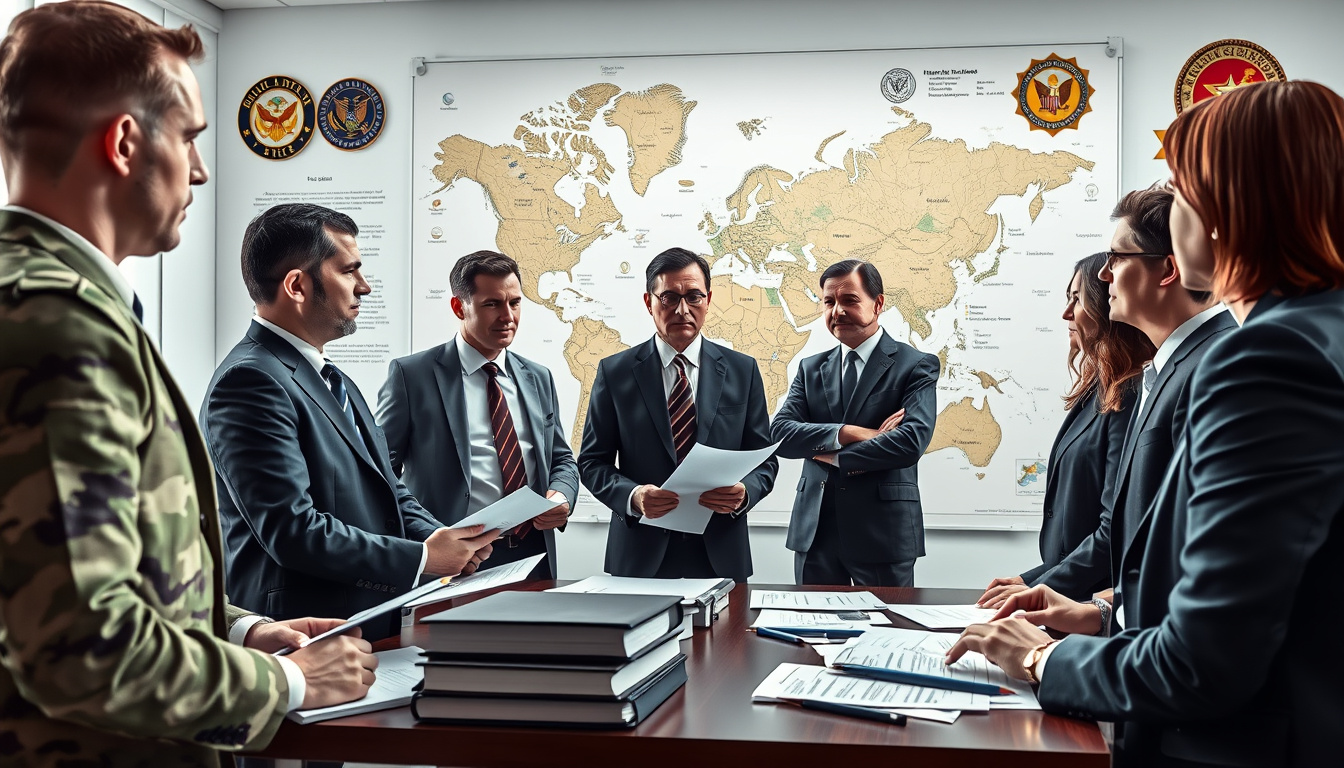
Key Takeaways
- Civilian military lawyers serve a crucial role in bridging the gap between civil and military law.
- They are responsible for handling a variety of cases, including those involving military personnel and their families.
- Civilian military lawyers differ from military lawyers in their training, job environment, and client relationships.
- They face unique challenges, such as navigating jurisdictional complexities and balancing two distinct legal systems.
- The future of civilian military legal practice will likely evolve with changing military and civilian legal needs.
Introduction to Civilian Military Lawyers
When faced with the daunting and complex realities of military justice, servicemembers and their families often feel overwhelmed and unsure where to turn for assistance.
Whether confronting a court-martial, navigating the complexities of the Uniform Code of Military Justice (UCMJ), or dealing with serious criminal allegations or administrative discipline, understanding your rights and having effective representation is crucial.
This is where civilian military lawyers come into play.
Civilian military lawyers specialize in military law and understand the intricacies of both civilian and military legal systems.
They offer critical support and guidance, ensuring that servicemembers receive a fair hearing and can navigate the often convoluted pathways of military legal proceedings.
In this article, we will explore the role of civilian military lawyers, the types of cases they handle, and the essential support they provide to servicemembers and their families in times of crisis.
The Role and Responsibilities of Civilian Military Lawyers
When military servicemembers and their families face serious legal challenges such as court-martial proceedings, allegations of violating the Uniform Code of Military Justice (UCMJ), or other forms of administrative discipline, it is crucial to understand the pivotal role of civilian military lawyers.
These attorneys specialize in defending the rights of service members and their families against a broad range of military-related legal issues.
Civilian military lawyers provide critical support, offering not only legal representation but also guidance through the complex military justice system.
Their responsibilities include gathering evidence, interviewing witnesses, navigating court protocols, and ensuring that every client receives a fair trial.
With a deep understanding of military law and experience dealing with various branches of the armed forces, civilian military lawyers are equipped to address unique challenges faced by servicemembers, from potential criminal allegations to administrative separation processes.
They assist in formulating defense strategies tailored to the specific case, helping clients understand the possible outcomes and repercussions of their situations.
By advocating on behalf of their clients, civilian military lawyers play a vital role in safeguarding their rights and reputations, ultimately helping to mitigate the impact of legal challenges on military careers and family lives.
‘In the end, the law is nothing more than a tool to achieve justice; the lawyer is the craftsman who must know how to wield it sensitively and wisely.’ – Anonymous
<img src=’https://im.runware.ai/image/ws/2/ii/99f0d881-d401-4a6a-b8aa-3d8260c48ec
1.jpg’ alt=’Differences Between Civilian and Military Lawyers’ style=’display: block; margin: auto; max-width: 100%; height: auto;’>
Differences Between Civilian and Military Lawyers
When facing legal challenges, particularly in the military, understanding the differences between civilian and military lawyers can significantly impact your case’s outcome.
Civilian military lawyers typically specialize in cases involving the Uniform Code of Military Justice (UCMJ) and have a deep understanding of military law and the complexities that come with it.
Unlike civilian lawyers who may have a broad practice focusing on state or federal law, civilian military lawyers possess the unique expertise necessary to navigate the intricacies of military regulations, procedures, and the potential consequences of a court martial.
They are trained to represent military servicemembers and their families effectively, ensuring that they receive appropriate counsel tailored to their specific situation.
While civilian lawyers can provide valuable legal representation in non-military matters, their lack of familiarity with military culture, chain of command, and unique legal frameworks may put military clients at a disadvantage when dealing with serious allegations.
In summary, if you find yourself facing court martial or any disciplinary action in the military, consulting a civilian military lawyer can be vital in ensuring your rights are protected and you receive the best possible defense.
Types of Cases Handled by Civilian Military Lawyers
When facing allegations under military law, it’s crucial to understand the scope of offenses that civilian military lawyers are equipped to handle.
Civilian military lawyers provide legal representation for a variety of cases, including court martial proceedings, which can arise from serious criminal allegations.
They are adept at navigating the complexities of the Uniform Code of Military Justice (UCMJ), and can represent servicemembers in cases involving fraud, drug offenses, sexual assault, and other misconduct.
Additionally, these lawyers assist with administrative proceedings that may lead to disciplinary actions or administrative separation from the military.
They often defend against allegations involving harassment, failure to obey orders, and insubordination.
With their comprehensive knowledge of military law, civilian military lawyers also help servicemembers with appeals related to court martial verdicts and challenges to adverse administrative actions.
Their expertise is vital in ensuring that servicemembers understand their rights and receive a fair defense throughout the legal process.

Legal Training and Qualifications Required
When facing court martial, UCMJ violations, or criminal allegations in the military, having the right representation is crucial.
Civilian military lawyers possess specialized training and qualifications that differentiate them from typical civil attorneys.
These lawyers are versed in the intricacies of military law, including the Uniform Code of Military Justice (UCMJ), federal laws, and the unique procedures and protocols that govern military justice.
Many civilian military lawyers have backgrounds that include not only law school but also experience as military personnel or government attorneys, giving them an insider’s understanding of the military justice system.
Their training often incorporates negotiation tactics for plea deals, trial advocacy skills, and a deep understanding of administrative separation processes.
Civilian military lawyers are usually familiar with the nuances of various branches of the armed forces, enabling them to navigate issues specific to Army, Navy, Air Force, Marine Corps, or Coast Guard regulations.
By hiring a civilian military lawyer who has undergone extensive training in military justice, service members and their families can ensure they are better prepared to tackle the challenges they face, whether in a court martial, facing UCMJ allegations, or dealing with administrative discipline.
Challenges Faced by Civilian Military Lawyers
Civilian military lawyers play a critical role in the military justice system, but they also face a unique set of challenges that can make their work both rewarding and difficult.
One of the primary challenges they encounter is navigating the complex landscape of the Uniform Code of Military Justice (UCMJ) while keeping up with the evolving legal precedents and regulations.
The constant changes in military policy and procedures require civilian military lawyers to stay well-informed and adaptable.
Moreover, they must often build trust and rapport with military clients who may be skeptical about seeking external legal assistance.
This is particularly important when representing servicemembers facing serious allegations, as the stakes are incredibly high for both the individuals and their families.
Additional challenges include the emotional toll that these cases can take, not only on the lawyers but also on the servicemembers and their loved ones who are enduring significant stress and uncertainty.
In order to effectively support their clients, civilian military lawyers must also be skilled in advocacy and negotiation, often competing against experienced military prosecutors.
These challenges compel civilian military lawyers to be diligent, empathetic, and resourceful in their efforts to secure the best possible outcomes for their military clients.

The Future of Civilian Military Legal Practice
The role of civilian military lawyers has evolved dramatically in recent years, reflecting changes in the broader legal and military landscapes.
With the increasing complexity of military law, particularly in cases involving court martial, UCMJ (Uniform Code of Military Justice), and other criminal allegations, civilian military lawyers are now more essential than ever.
They bring specialized knowledge of military regulations combined with a deep understanding of civilian legal standards, offering robust defense strategies for servicemembers facing serious allegations.
As the demand for fair and impartial representation grows, we can expect to see a rise in the integration of civilian legal expertise into military proceedings.
This trend is anticipated to benefit servicemembers and their families, who often feel overwhelmed by the intricacies of military legal systems and face life-altering consequences if accused of misconduct or other violations.
Moreover, as more civilian lawyers enter the military legal field, they are likely to implement innovative strategies tailored specifically for military court cases, leading to a more balanced and equitable approach to justice in military settings.
Therefore, understanding the evolving role of civilian military lawyers is crucial for servicemembers and their families, particularly in navigating the complexities of potential court martial and administrative separation processes.
Frequently Asked Questions
What are civilian military lawyers?
Civilian military lawyers are legal professionals who provide legal representation and advice specifically for issues related to military law, but they are not part of the military themselves.
They typically represent military personnel, veterans, and their families in various legal matters.
What are the main responsibilities of civilian military lawyers?
The main responsibilities of civilian military lawyers include providing legal counsel on military-related cases, representing clients in court-martial proceedings, addressing administrative actions, and assisting with veterans’ benefits and disability claims.
How do civilian military lawyers differ from military lawyers?
Civilian military lawyers operate outside the military structure and are subject to civilian laws, while military lawyers are part of the military justice system and may have different regulations and ethical obligations due to their service.
What types of cases do civilian military lawyers handle?
Civilian military lawyers handle a range of cases including court-martials, administrative separations, veterans’ benefits claims, military family law issues, and military criminal defense.
What qualifications are required to become a civilian military lawyer?
To become a civilian military lawyer, one must typically hold a Juris Doctor (JD) degree, pass the bar exam, and gain experience or specialization in military law or related fields.
If you or a loved one is under investigation or facing charges under the UCMJ, don’t wait to protect your future. Contact Gonzalez & Waddington, Attorneys at Law. Our battle-tested military defense lawyers have successfully defended service members worldwide against the most serious military offenses. Call us today for a confidential consultation and put our elite military defense attorneys in your corner.