This Army court-martial began as a case that appeared unwinnable. The accused had signed a written confession. He had also provided a recorded video confession to CID investigators. He was in pretrial confinement and had agreed to plead guilty.
Thirty days before trial, his mother halted the guilty plea and demanded a second legal opinion. Our team was hired with one month to prepare for a life-exposure rape case built around two confessions.
Prior to the accusation, the accused’s wife requested a divorce. She expected continued financial support and had entered a new relationship. When the accused refused to financially support her and her new partner, the allegation followed.
During the court-martial, the alleged victim brought her new boyfriend to sit in the front row of her husband’s rape trial.
On cross-examination, we asked a direct question:
“Is that your new boyfriend sitting in the front row?”
The panel turned. The courtroom shifted. Bias and motive became central issues.
In military justice, credibility and motive are critical. Financial incentives, relationship conflicts, and timing of allegations are legally relevant to assessing truthfulness.
Most military defense lawyers understand the reality: one confession is devastating. Two confessions appear fatal to the defense.
But confessions are not self-authenticating proof of guilt. They are pieces of evidence. And the method by which they are obtained matters.
The government presented a clean, polished video confession. We exposed what happened when the camera was not running.
Rather than deny the existence of the confessions, we reframed the issue.
We did not argue that the confession did not exist. We argued that the confession was manufactured through coercive pressure.
Jurors expect law enforcement to follow procedure. When rules are ignored, credibility collapses.
False confessions are a documented phenomenon in both civilian and military investigations. Several risk factors increase vulnerability:
In this case, the threat of a life sentence was used as leverage. When a service member believes confession is the only escape from catastrophic punishment, compliance often follows.
Effective cross-examination of investigators requires structure and control. Our strategy included:
We also systematically examined the alleged victim’s credibility, focusing on:
Credibility is rarely destroyed instantly. It erodes through methodical exposure of bias and contradiction.
Our closing centered on three fundamental questions:
We shifted the focus from the words in the confession to the environment in which those words were extracted.
For a soldier facing life imprisonment, this result preserved his freedom and military career.
Many military sexual assault cases turn on interrogation tactics. The interrogation room is often where the case is built. The courtroom is where it can be dismantled.
Confession cases are difficult but not unwinnable. When the process is compromised, reasonable doubt follows.
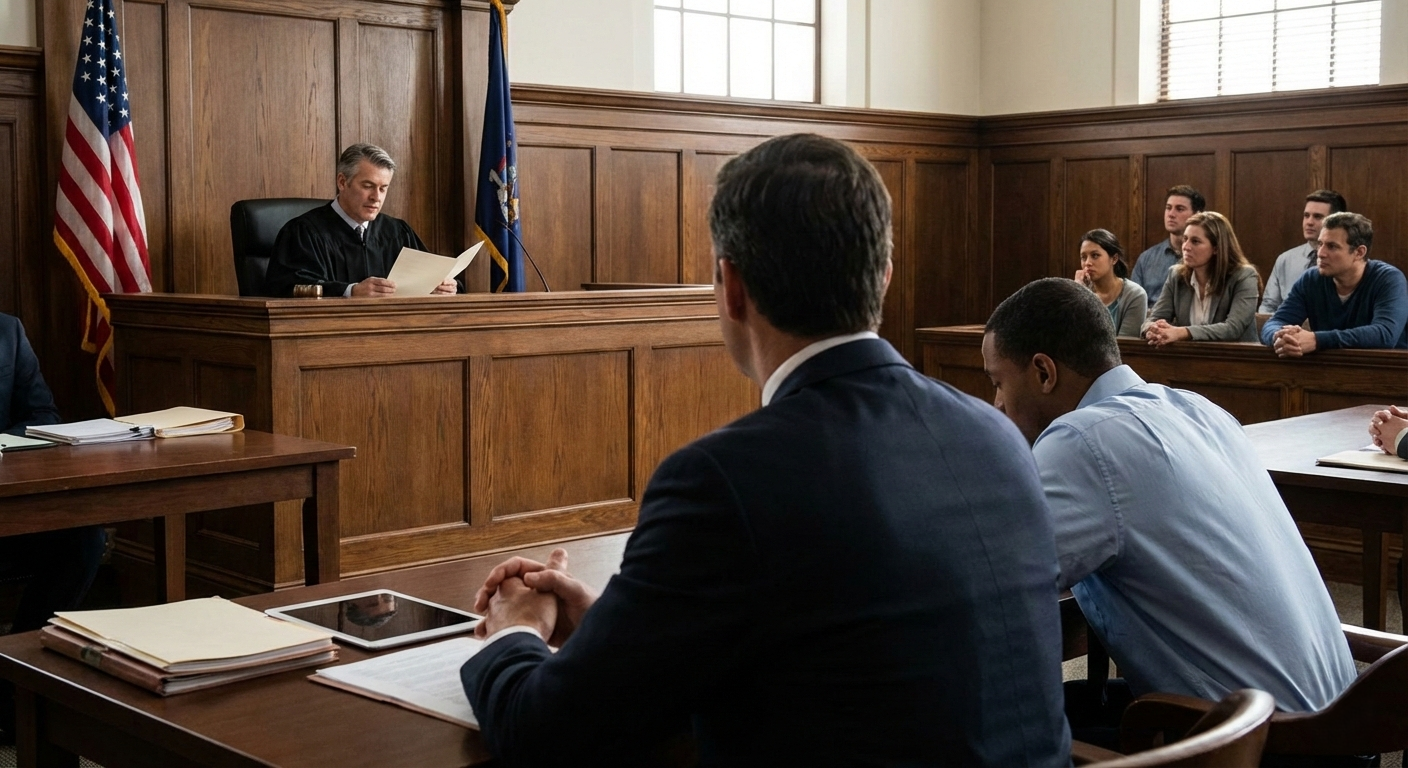
Table Content








Case Type
Case Charges
Case Strategy Used
Case Outcomes
Table Content

A renowned military criminal defense attorney and best-selling author, Michael Waddington defends clients worldwide in serious cases and trains lawyers in advanced cross-examination. He is frequently featured by major media outlets like CNN and 60 Minutes.
Alexandra González-Waddington is a top military and civilian defense attorney who has handled high-profile sexual assault, violent crime, and war-crimes cases globally. Her work is widely recognized by media outlets including 60 Minutes and ABC’s Nightline.

